
Last updated November 17, 2026
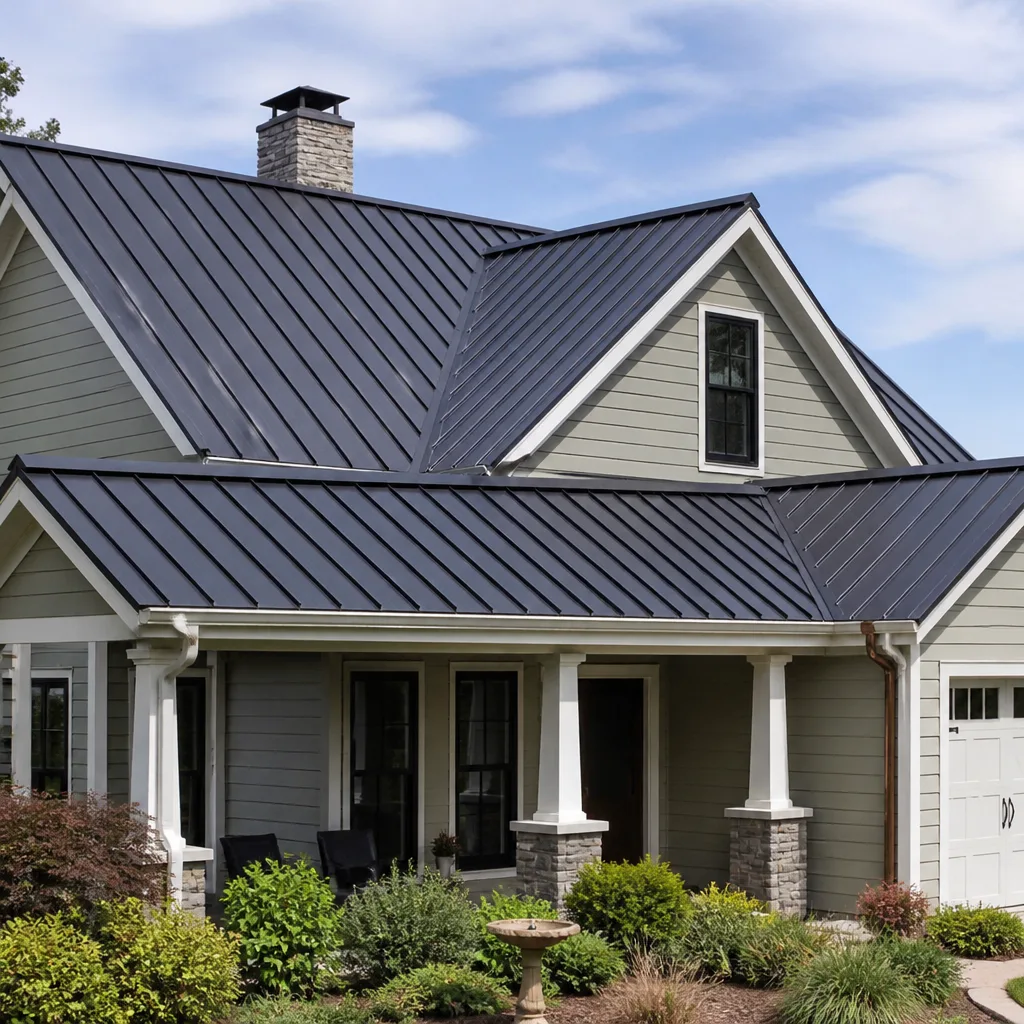 Metal roofing
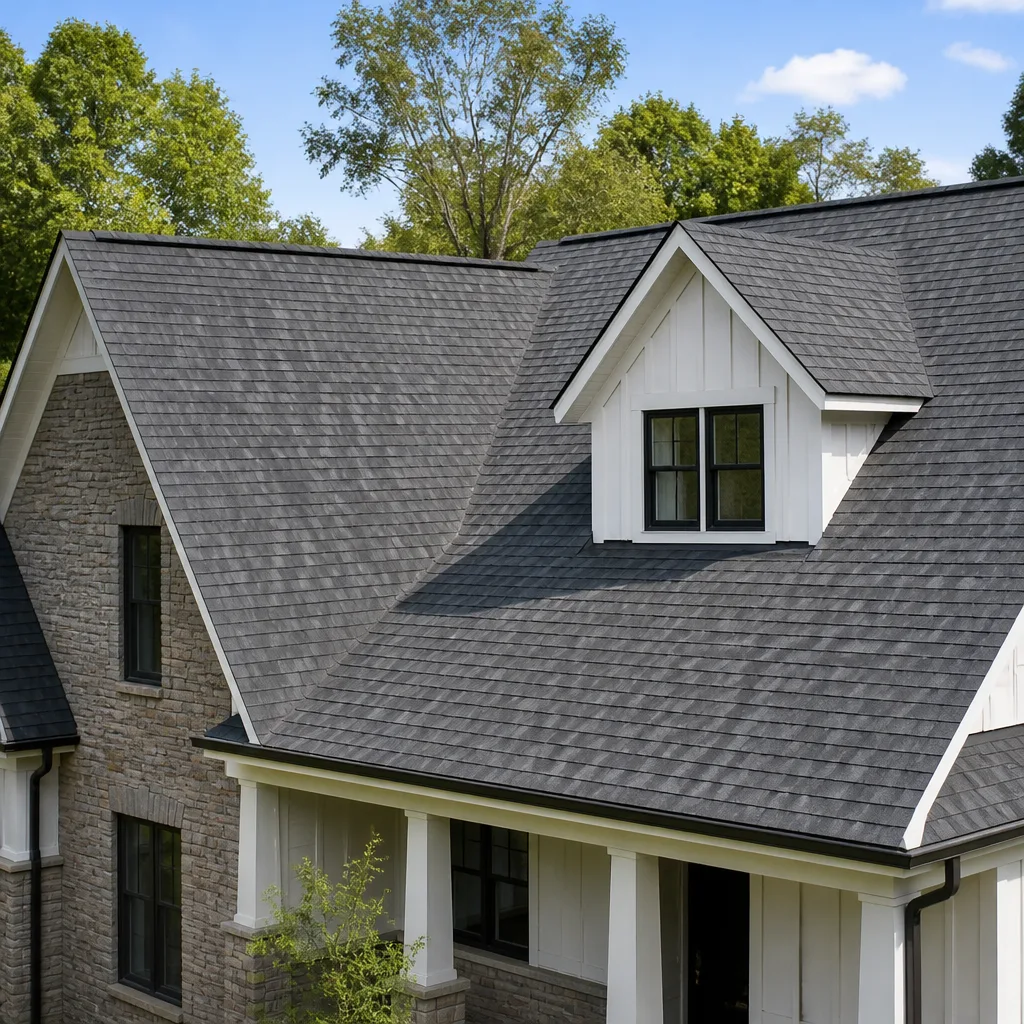 Architectural shingles
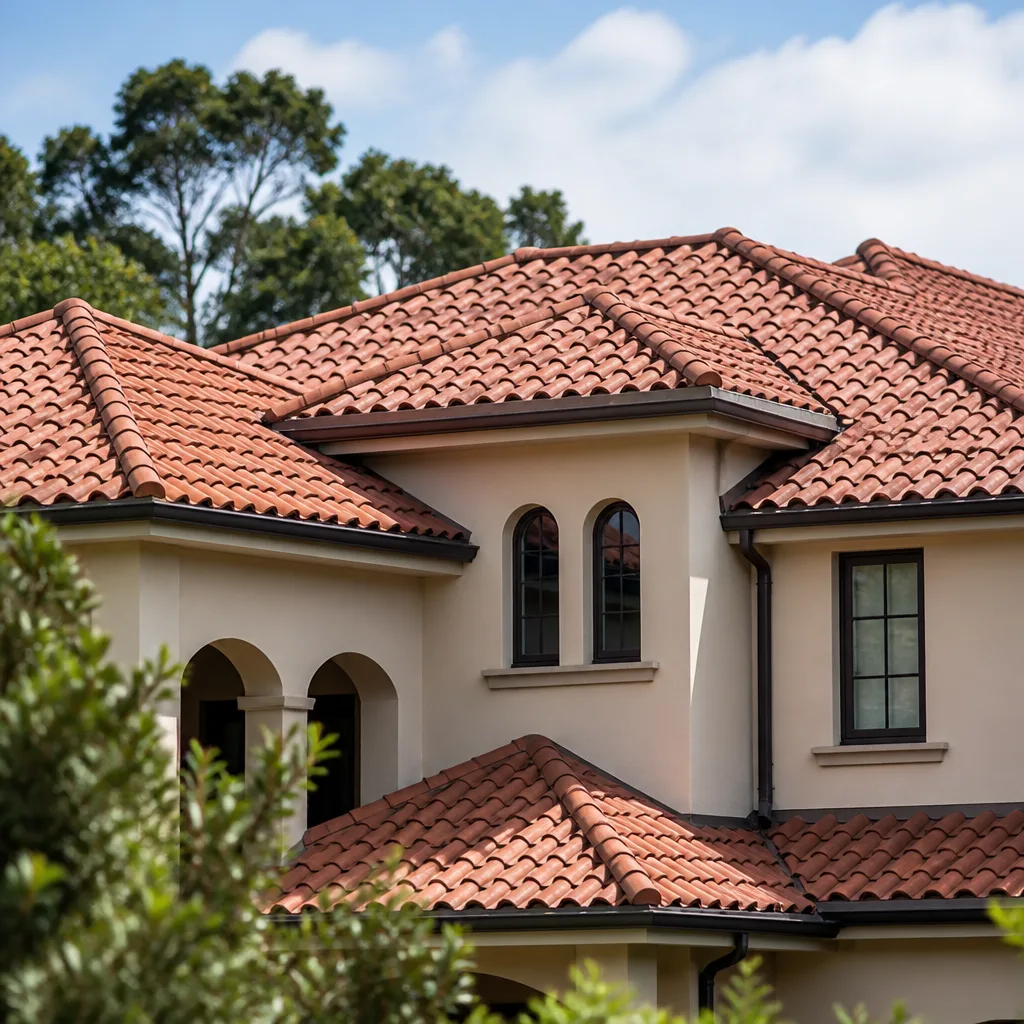 Tile roofing
 GAF
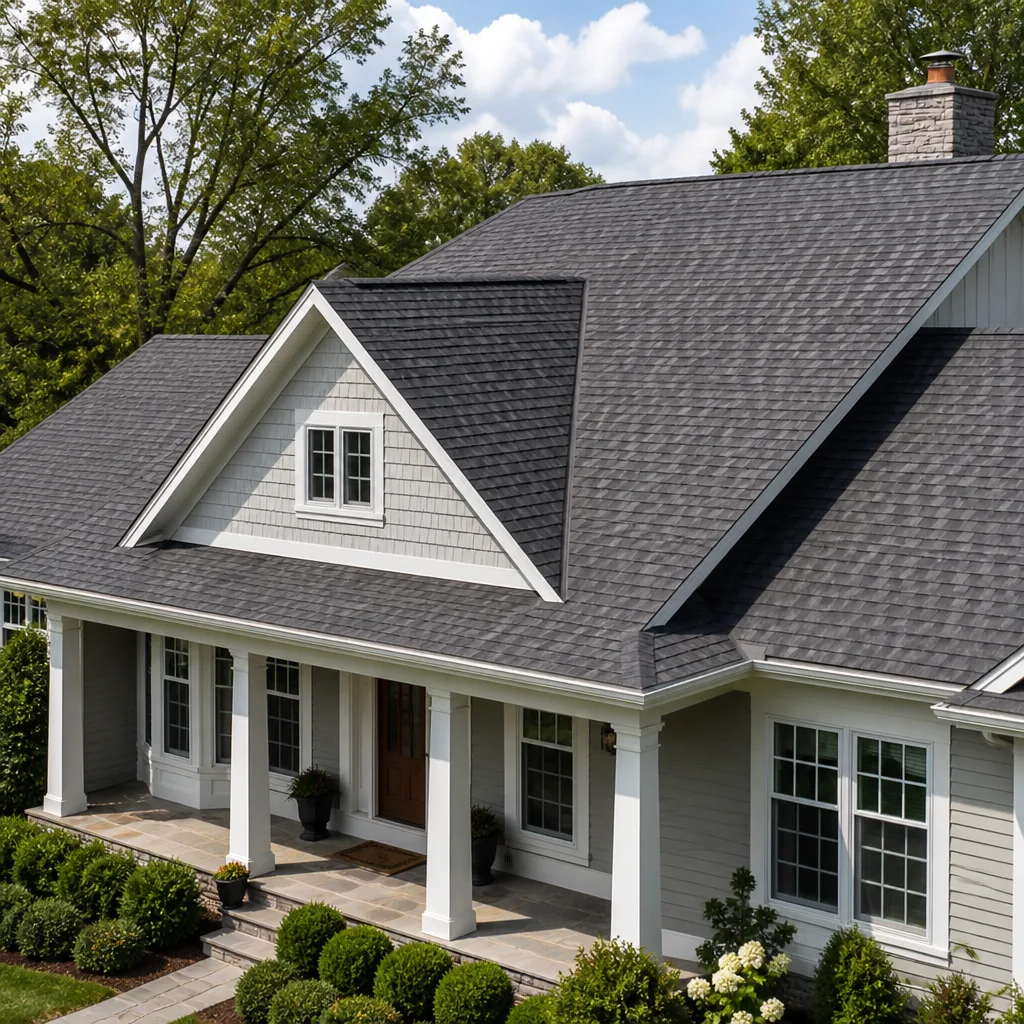 Owens Corning
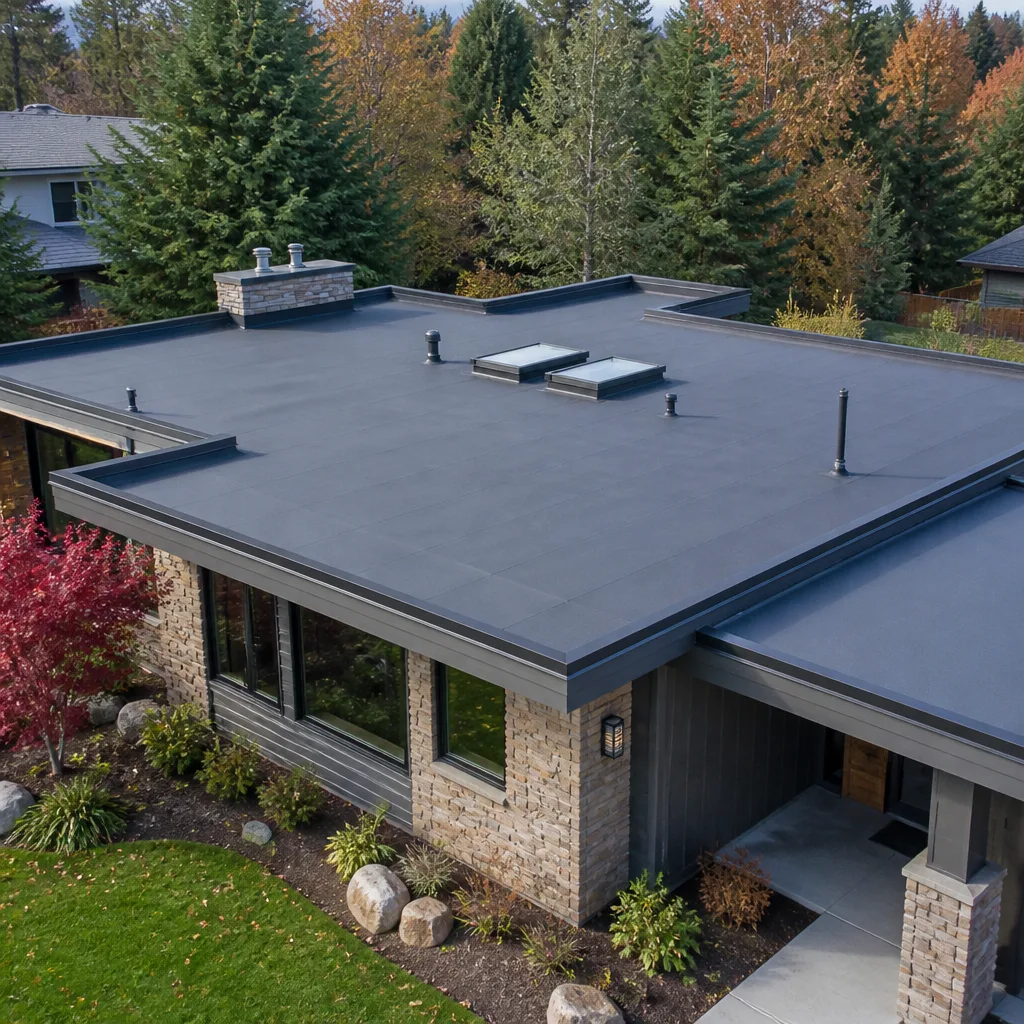 Flat & low-slope
Free roof inspection with deck photos before we talk money - GAF and Owens Corning certified installation
How to Hire a Roofing Contractor in Paradise: A Step-by-Step Guide
In 2023, the Nevada State Contractors Board fielded hundreds of complaints after a single spring hailstorm in the Las Vegas Valley. Most traced back to crews licensed in other states who pulled no Clark County permit, collected a deposit, and disappeared before the drywall dust settled. Paradise sits right in the middle of that storm belt, and every spring we watch the same thing happen: pickup trucks with out-of-state plates, glossy door hangers, and a price that sounds too good until the roof starts leaking again in August. This guide gives you a three-question checklist you can run in under five minutes, before anyone steps on your roof, plus the paperwork, permit rules, and deposit math that separate a real Paradise roofer from a storm chaser.
Quick Answer
To hire a roofing contractor in Paradise, verify their Nevada license number on the NSCB website, request three documents (license number, a liability certificate naming your property, and a written scope of work with material specs), and confirm they will pull the permit in their own name. A legitimate Paradise contractor welcomes all three. A storm chaser stalls, deflects, or promises to “handle the paperwork later.” If any of those three requests gets brushed off, walk away.
Styles & brands we work with
- Architectural shingles
- Metal roofing
- Tile roofing
- GAF
- Owens Corning
- Flat & low-slope
Table of Contents
- The Three-Question Checklist: Run It Before Anyone Climbs Up
- How to Verify a Nevada Contractor’s License in 90 Seconds
- The Three Documents to Request Before You Sign Anything
- Why a Contractor Who Skips the Permit Is a Red Flag
- Benchmarking Warranty Language: What the 90-Day Done Right Promise Actually Covers
- The Deposit Conversation: What’s Reasonable in Nevada
- Reading a Roofing Bid: Squares, Decking, and the Line Items That Matter
- Hail Season in Paradise: What Local Roofs Actually Face
The Three-Question Checklist: Run It Before Anyone Climbs Up
You don’t need a clipboard or a background in construction to filter out the bad actors. You need three questions, asked in this order, and you need to watch how the person answers as much as what they say.
- “What’s your Nevada license number, and what class is it?” Write it down while they’re standing there. A real contractor recites it without blinking. A storm chaser says “we’re licensed” or “our guy handles that.” Neither is an answer.
- “Will you pull the permit in your name, and can I see it before work starts?” In unincorporated Clark County, roofing over a certain scope requires a permit through Clark County Building. A contractor who offers to “skip the permit to save you money” is telling you they don’t want an inspector looking at their work. That’s not a discount, it’s a warning.
- “Where’s your local address, and how long have you had it?” Not a P.O. box. Not a hotel. A physical address you can drive past on a Saturday. This is the question that ends most storm-chaser conversations, because the honest answer doesn’t exist.
We tell every Paradise homeowner the same thing: a real roofer will hand you the license number before you ask. When Shepherd & Sons Roofing Paradise home shows up, the name on the truck is the name on the license, and that license number has been published since 1996. Ask the storm chasers where theirs is.
How to Verify a Nevada Contractor’s License in 90 Seconds
The Nevada State Contractors Board runs a free public license lookup at nscb.nv.gov. It takes about a minute and a half if you already have the number in hand, and it’s the single most useful thing you can do before signing a roofing contract in Paradise.
What the lookup tells you
- License status: Active, expired, suspended, or revoked. A revoked license is a hard stop, no matter how good the pitch sounded.
- License classification: Roofing falls under the general building or a specialty classification depending on scope. The class tells you whether they’re legally allowed to do your specific job. A contractor licensed only for, say, fencing cannot legally reroof your house.
- Bond and insurance on file: The board tracks whether the required bond and liability coverage are current.
- Complaint history: The board records formal complaints. A handful over twenty years is one thing. A cluster over eighteen months is a pattern.
- Qualifying individual: Nevada requires a licensed contractor to have a qualifying party tied to the license. That person is legally responsible for the work.
If the name on the estimate doesn’t match the name on the license, or the license isn’t active, you’re done. No second call. In our experience writing bids around Paradise, the number of homeowners who could have avoided a six-thousand-dollar mistake by spending ninety seconds on the NSCB site is the reason we put the license number on everything we print.
The Three Documents to Request Before You Sign Anything
Verbal promises don’t hold up after the truck leaves. Get these three pieces of paper in your hand before a pen touches anything.
1. The license number, written down
Not spoken, written. On the estimate, in the contract, on the truck. If you have to call the office to track it down later, that tells you how easy it’ll be to reach them after the job is done.
2. A certificate of liability insurance naming your property
Ask for the certificate of insurance directly, not a photocopy. The document should show general liability coverage and list the property address. If a worker gets hurt on your roof and the contractor has no coverage, that injury can follow your homeowner’s policy. A certificate protects both of you. Request it, and if they hem and haw, that’s the answer.
3. A written scope of work with material specifications
This is where the real bids get separated from the phone quotes. The scope should spell out the shingle brand and line, the underlayment, ice-and-water shield placement, decking repair allowances, ridge venting, and cleanup. We install GAF, CertainTeed, Owens Corning, and Boral products in Paradise, and we name the exact line in writing. “Architectural shingles” is not a specification, it’s a category. Ask for the manufacturer, the product line, and the wind rating.
What you should not accept: a bid scribbled on the back of a business card, a text message price, or a handshake with no paper. Every one of those has cost a Paradise homeowner more than a proper bid ever would.
Why a Contractor Who Skips the Permit Is a Red Flag
Here’s the line that gets repeated at kitchen tables in Paradise every spring: “We can save you a few hundred bucks if we skip the permit.” It sounds like a courtesy. It’s the opposite.
A permit means a Clark County inspector looks at the work at specific points before it’s covered by shingles. That inspection is the only independent check that the nailing pattern, the flashing, and the underlayment are done to code, and the nailing pattern is what earns the wind rating, not the shingle wrapper. Skip the permit, and the only person checking the work is the person getting paid for it.
Unpermitted work also causes headaches down the road. If you sell your Paradise home, a buyer’s inspector will ask. If you file an insurance claim after the next hailstorm, the adjuster will ask. If you need a warranty claim on the shingles, the manufacturer will ask. Each of those conversations gets much harder when there’s no permit record.
The other thing to know: a real contractor pulls the permit in their own name, not yours. That’s a feature. It means the inspection record is attached to their license, not to your property, and it means they have skin in the game. In our experience, when someone offers to let you pull the permit “just to keep it simple,” what they’re really doing is putting the liability on your shoulders while they keep the deposit.
Benchmarking Warranty Language: What the 90-Day Done Right Promise Actually Covers
Every roofer in Paradise hands you a warranty sheet. Very few will tell you what’s actually covered versus what gets kicked to the manufacturer. Here’s how to read the paperwork so you’re not misled by the word “lifetime” printed in large letters.
Three things every warranty should spell out
- What’s covered: Labor and materials, or just materials? Most “lifetime” claims are manufacturer warranties that cover shingles only, not the labor to tear off and reinstall them. Labor is the expensive part.
- What voids it: Poor attic ventilation, work done by someone else, or installation not meeting manufacturer specs. A good contractor discusses ventilation up front because it protects the warranty.
- Who answers when you call: A phone number tied to a real business, or an 800 line answered by a call center in another state?
Shepherd & Sons Roofing backs every Paradise job with a written 90-Day Done Right Promise: if the work isn’t done right, we come back and make it right. One call brings Bill back. That’s the benchmark to hold any other contractor against. If the promise isn’t in writing and doesn’t name who comes back and by when, treat it as marketing. For larger jobs, ask how manufacturer coverage stacks up against the contractor’s own labor warranty. That question alone will tell you how seriously they take the paperwork. Read more about full-system warranties on our Roof Replacement & Installation in Paradise page.
The Deposit Conversation: What’s Reasonable in Nevada
Nevada caps the maximum down payment a licensed residential contractor can collect at $1,000 or 10% of the contract price, whichever is less, before work begins on home improvement contracts. That cap is your protection, and it’s worth knowing before anyone hands you an invoice.
What a reasonable deposit looks like on a Paradise re-roof:
- Deposit: Within the Nevada statutory cap, tied to the contract you signed, with the material order spelled out.
- Progress payments: Tied to real milestones, like tear-off complete or dry-in complete, not to a calendar date.
- Final payment: Held until the job passes inspection, the punch list is closed, and cleanup is done. Never pay the full balance before you’ve walked the property with the contractor.
What a sketchy deposit structure looks like: cash only, a deposit well above the statutory cap “to lock in the price,” payment before materials arrive, a request to make the check out to an individual rather than the licensed business, or pressure to sign at the door to “get the storm price.” Any of those means put the pen down and call someone else. The deposit conversation is a written one, always.
Reading a Roofing Bid: Squares, Decking, and the Line Items That Matter
A roof is measured in squares. One square equals 100 square feet of roof surface. Ask any bidder how many squares they counted. If two bids for the same Paradise house come back twenty squares apart, one of them measured wrong, and the number that ends up sticking is the one on the invoice.
Three line items separate a real bid from a quote over the phone:
- Square count and pitch. Steeper roofs take longer and use more material for the same footprint. Ask for the count and the pitch rating.
- Decking allowance. Old roofs almost always have soft spots underneath. A bid that doesn’t mention decking repair will become a change order once the shingles come off. Ask for a per-sheet allowance in writing.
- Ventilation and flashing. Ridge vent, soffit vent, and the flashing around chimneys and skylights are where the leaks actually start. If these aren’t in the scope, the bid is short.
Get at least three written bids, and get a free second opinion on any one of them. A second set of eyes on a roof bid is worth more than a discount. For a full rundown of material options on a Paradise roof, our Metal Roofing in Paradise page covers where metal makes sense and where it doesn’t.
Hail Season in Paradise: What Local Roofs Actually Face
Paradise sits in one of the more active hail corridors in the Las Vegas Valley. Spring storms that roll through the east side of the valley routinely drop pea- to marble-sized hail, and the wind that comes with them tests the edges of every roof on the block. The result is predictable: granule loss on the south and west slopes, cracked seal strips on the ridge, and small punctures that don’t show up inside the house until the first hard rain in July.
What that means for hiring a contractor in Paradise:
- Get the roof inspected after every significant hail event, even if you see no interior leaks. Damage hides under granules.
- Ask whether the bidder has worked hail claims in the Clark County market. Claim paperwork is its own skill, and a contractor who knows the process keeps you out of a fight with the adjuster.
- Prioritize wind-rated installation over shingle brand. We install GAF and CertainTeed systems with the nailing pattern and underlayment that actually earn the wind rating. The wrapper tells you the potential, the installation tells you the result.
Our Roof Repair in Paradise page gets into what a hail inspection covers line by line. In our experience, the roofs that come through a hail season intact are the ones where the original installer took the time to nail right and flash right, not the ones with the fanciest shingle.
Common Mistakes to Avoid
- Signing at the door after a storm. The pressure to sign “today only” is a sales tactic, not a real deadline. Take the bid inside, sleep on it, and run the three-question checklist first.
- Accepting a phone quote as a bid. A number over the phone has nothing behind it. Get it in writing with the square count, material specs, and decking allowance spelled out.
- Paying a deposit above the Nevada cap. Ten percent or $1,000, whichever is less, per Nevada home improvement contract rules. Anything above that is a reason to walk.
- Letting anyone talk you out of the permit. A permit is your independent inspection. If the contractor wants to skip it, they’re avoiding oversight, not saving you money in Paradise.
- Hiring a crew with no local address. Out-of-state storm chasers flood Paradise zip codes every spring. They leave after the deposit clears, and the warranty goes with them.
- Ignoring the warranty fine print. “Lifetime” on a brochure often means materials only, and labor is what actually costs. Ask what voids it and who answers the phone.
- Skipping the second opinion. A free second read on a bid catches measurement errors, missing line items, and inflated change orders before they cost you.
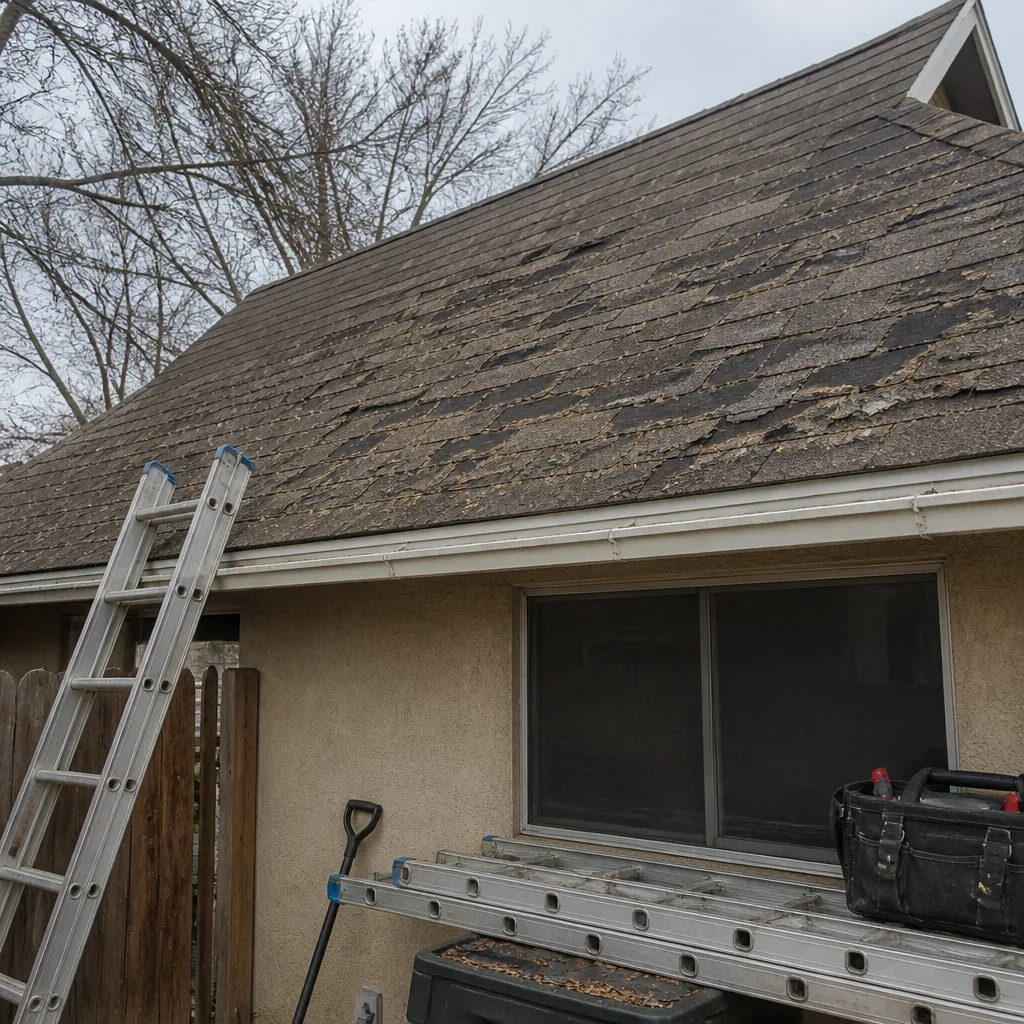
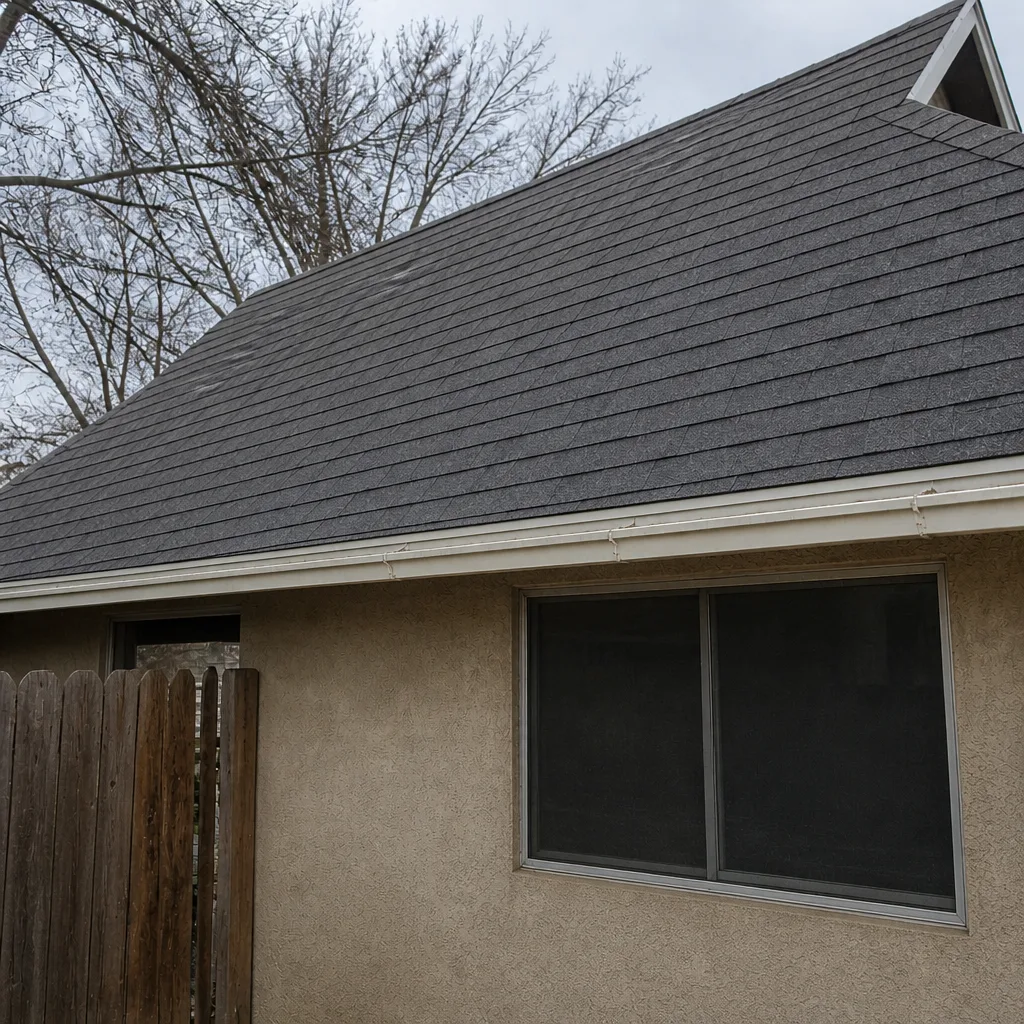
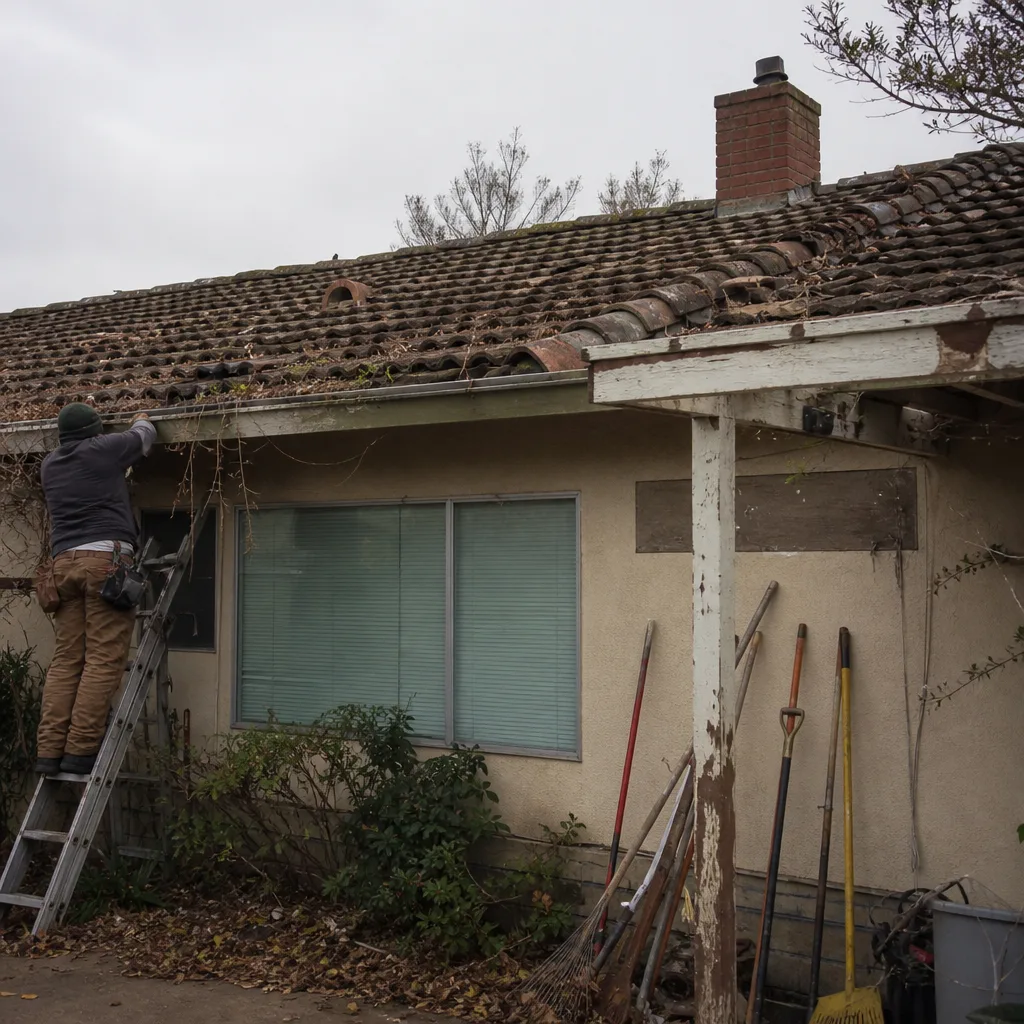
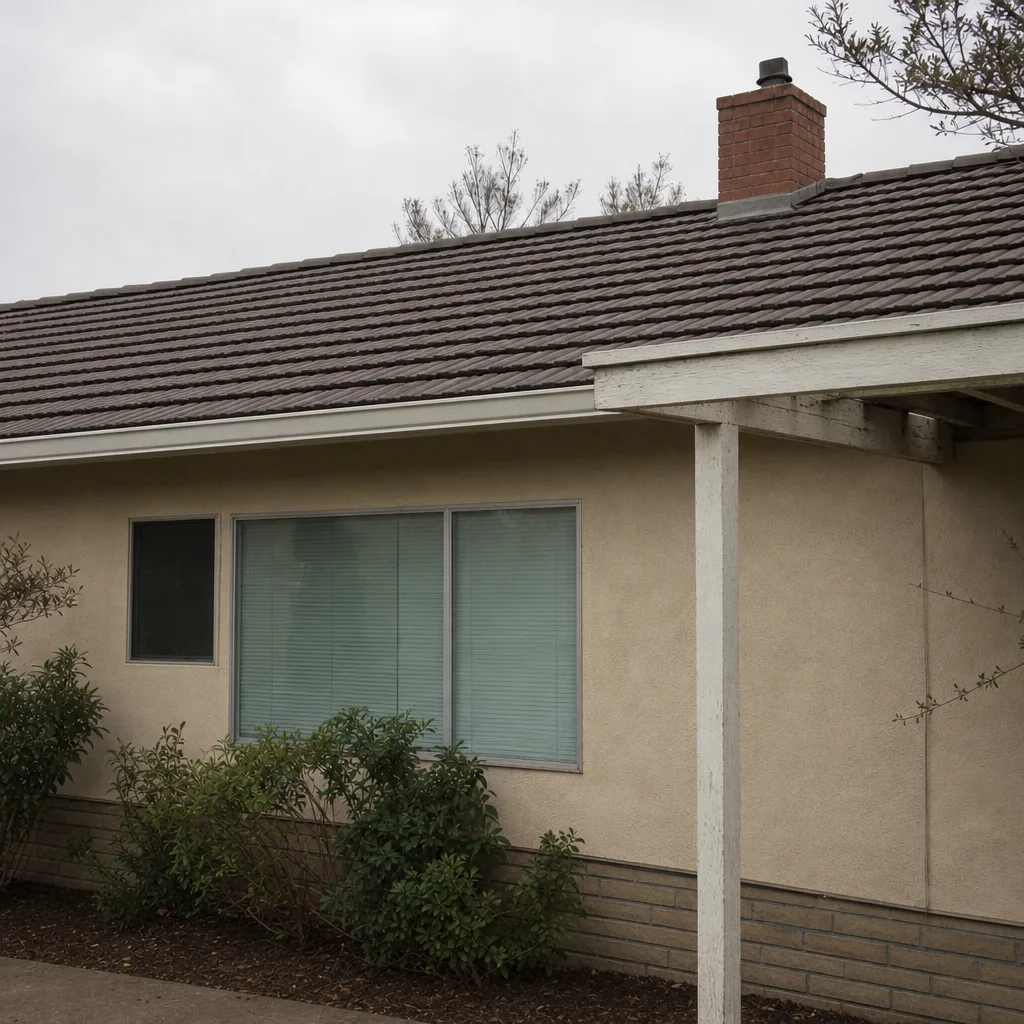
See the difference
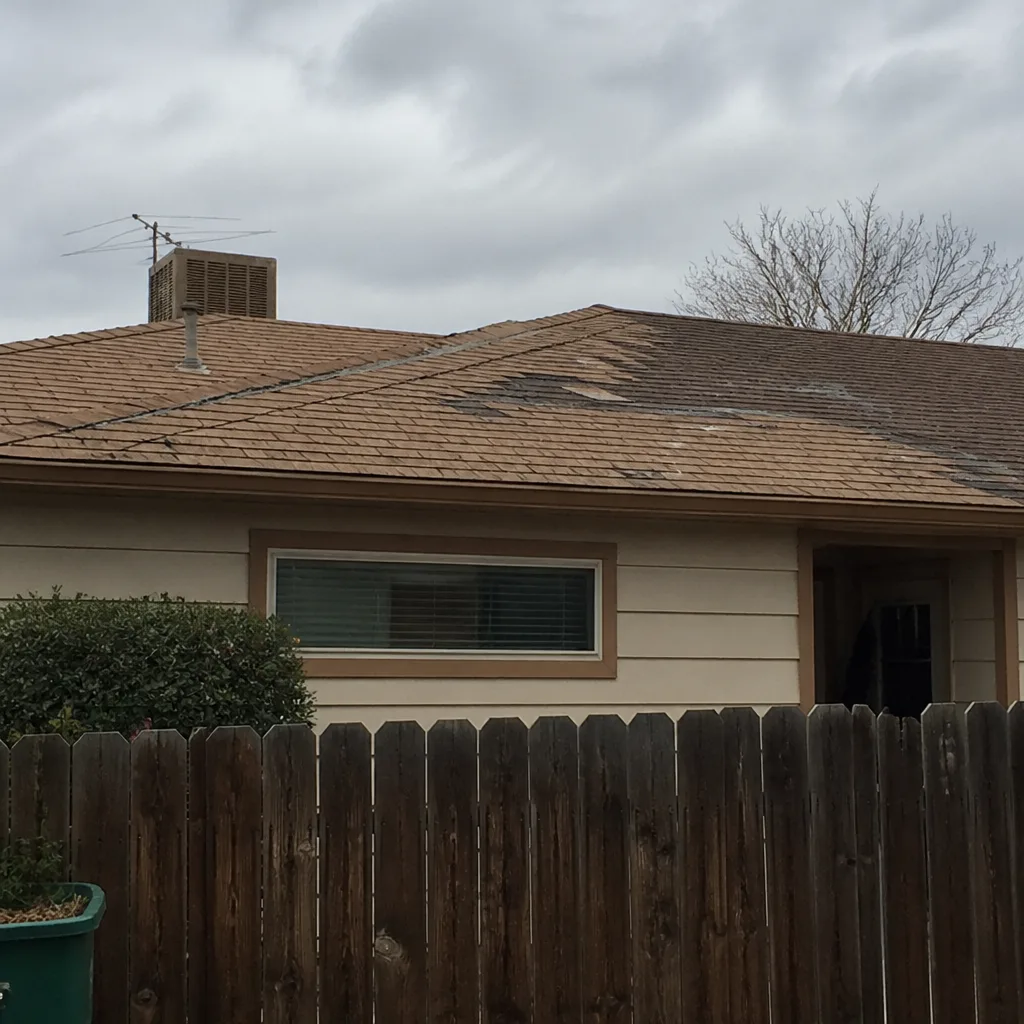 Before
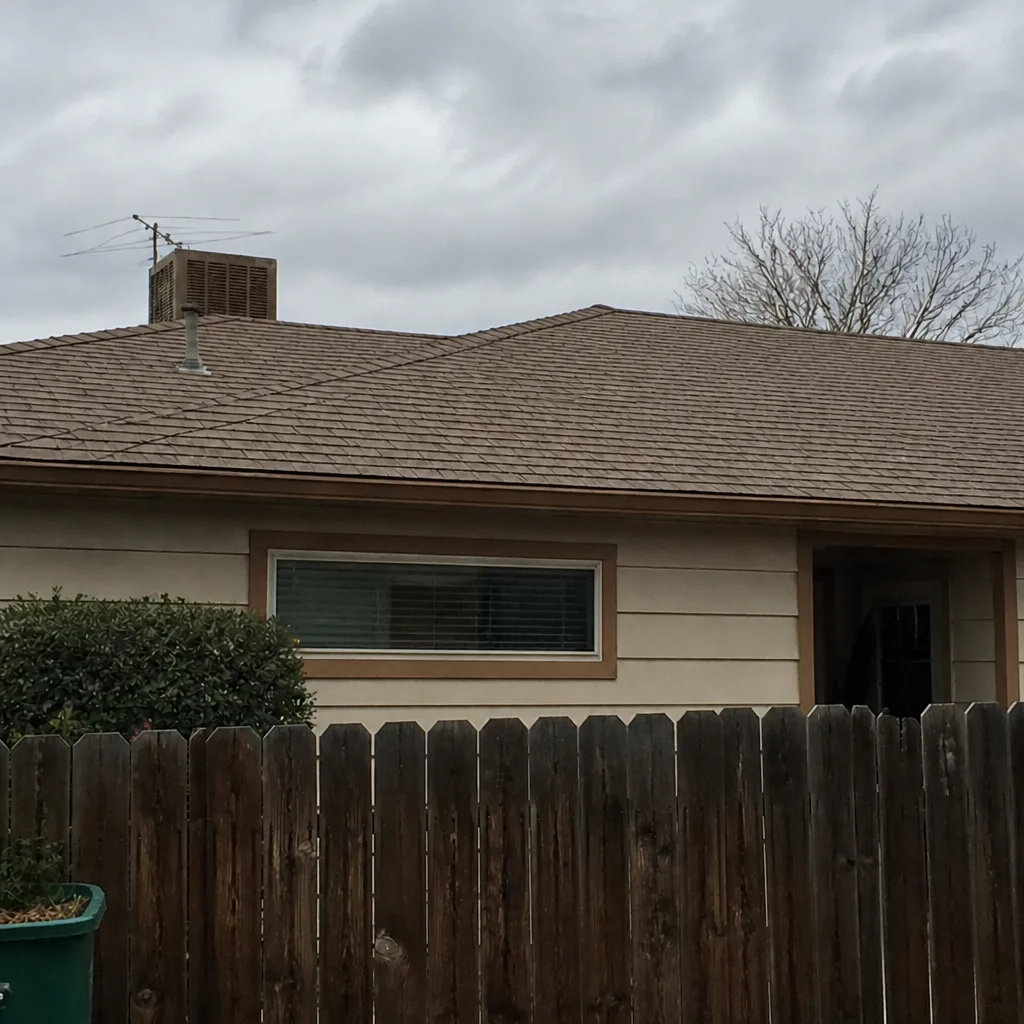 After
 Before
 After
 Before
 After
When to Call a Professional
Some roof work is homeowner territory, but a lot of it isn’t. Call a licensed roofing contractor in Paradise when you see missing or lifted shingles after a wind event, granule buildup in the gutters, water stains on the ceiling or along the top of the wall, daylight visible in the attic, or a bid that came in dramatically low without a written scope. Same goes for any roof over fifteen years old that’s never had an inspection after hail season. Rooftop work is high-risk: falls are the leading cause of death in residential construction, and a shingle that looks reachable from the ground can be slick and unpredictable once you’re up there. Leave the climbing to a trained professional with the right fall protection. Shepherd & Sons Roofing Paradise offers free estimates in Paradise. Call (833) 676-0557 to schedule yours.
Frequently Asked Questions
Look them up on the Nevada State Contractors Board website at nscb.nv.gov. Enter the license number and check that the status is active, the classification covers roofing, and the name on the license matches the name on your bid. If they can’t give you a number, they aren’t licensed, and you should call someone else. Call (833) 676-0557 for a free estimate from a Paradise contractor whose license number is published on every job.
Nevada caps the down payment on residential home improvement contracts at $1,000 or 10% of the contract price, whichever is less. Progress payments should tie to real milestones, not calendar dates, and final payment waits until inspection passes and cleanup is done. Anything above the statutory cap, or a cash-only deposit, is a reason to walk. Call (833) 676-0557 for a free estimate with the deposit terms in writing.
Most full roof replacements and many significant repairs in unincorporated Clark County require a permit through Clark County Building. A legitimate Paradise roofing contractor pulls the permit in their own name before work starts. Anyone who offers to skip the permit to save money is putting your property and your insurance claim at risk. Call (833) 676-0557 to get a straight answer on permits for your specific address.
Most residential re-roofs in Paradise run two to four days of active work, weather permitting, plus a pass or two for inspection. Larger roofs, tile, and metal systems take longer. Ask for a written timeline before work starts so you know what to expect and when the crew will be on site. Call (833) 676-0557 for a free estimate that includes a written timeline.
The 90-Day Done Right Promise means if anything we installed isn’t right, we come back and make it right within 90 days, in writing, on every roofing job. One call brings Bill back. It covers the workmanship on the roof, not damage from a new storm or something outside the scope of the original job. Hold any other Paradise contractor to the same standard: get it in writing, with a name and a number behind it. Call (833) 676-0557 for a free estimate.
Ask three questions: what’s your license number and class, will you pull the permit in your name, and where’s your local address and how long have you had it. A real Paradise contractor answers all three without stalling. A storm chaser deflects on at least one, usually the third. That’s the whole filter, and it takes under five minutes. Call (833) 676-0557 to talk to a live person who will answer all three before we ever talk money.
The Bottom Line
Hiring a roofing contractor in Paradise comes down to three things, checked in five minutes: license number verified on the NSCB site, permit pulled in the contractor’s name, and a local address you can drive past. Request the three documents before you sign, know the Nevada deposit cap ($1,000 or 10%, whichever is less), and read the warranty to find out what’s actually covered. Storm chasers count on homeowners skipping these steps. Run them and the decision gets a lot simpler. A roof is measured in squares, and a contractor is measured in paperwork.
Call Shepherd & Sons Roofing Paradise at (833) 676-0557 for a free estimate. We’ll show you the deck photos before we talk money, we’ll pull the permit in our name, and every Paradise job is backed by the written 90-Day Done Right Promise. A live person answers the phone, and the second opinion on any written estimate is free.
Written by the team at Shepherd & Sons Roofing Paradise.