
Last updated November 17, 2026
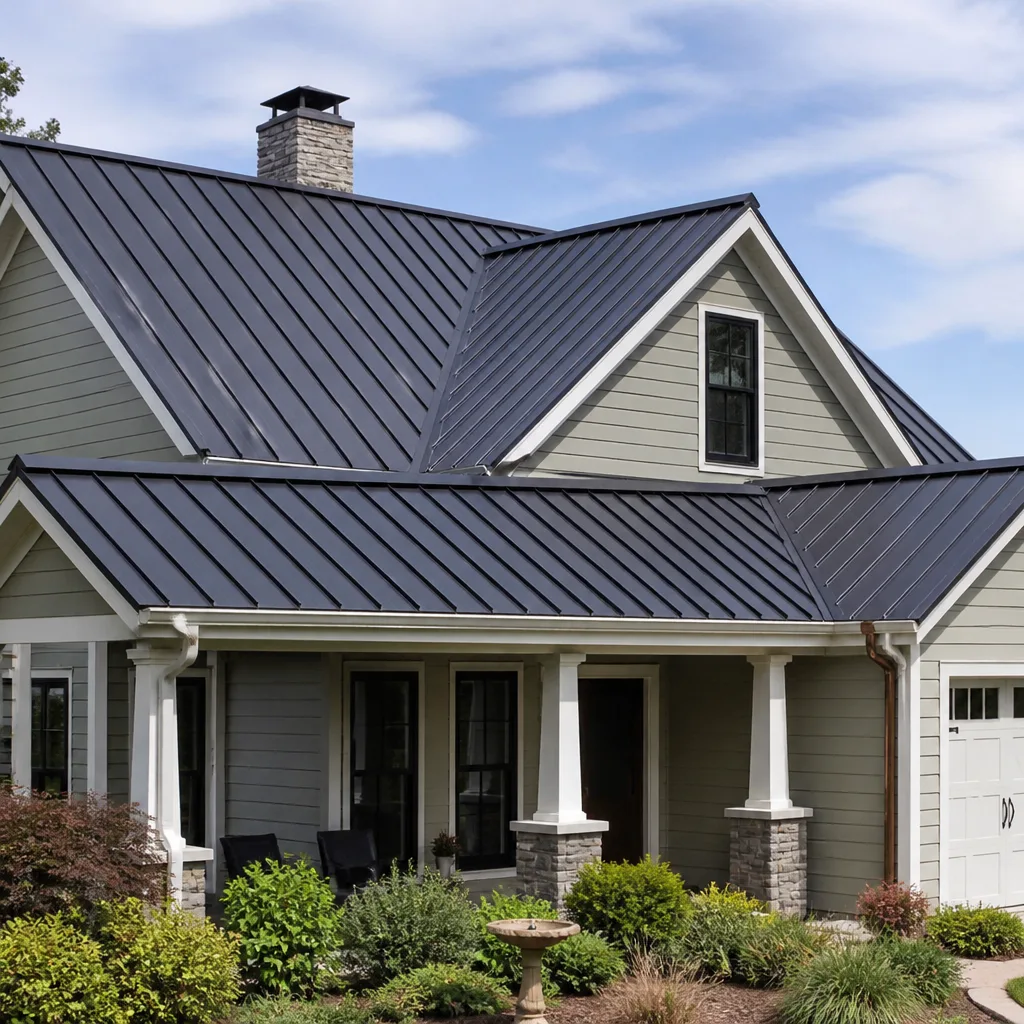 Metal roofing
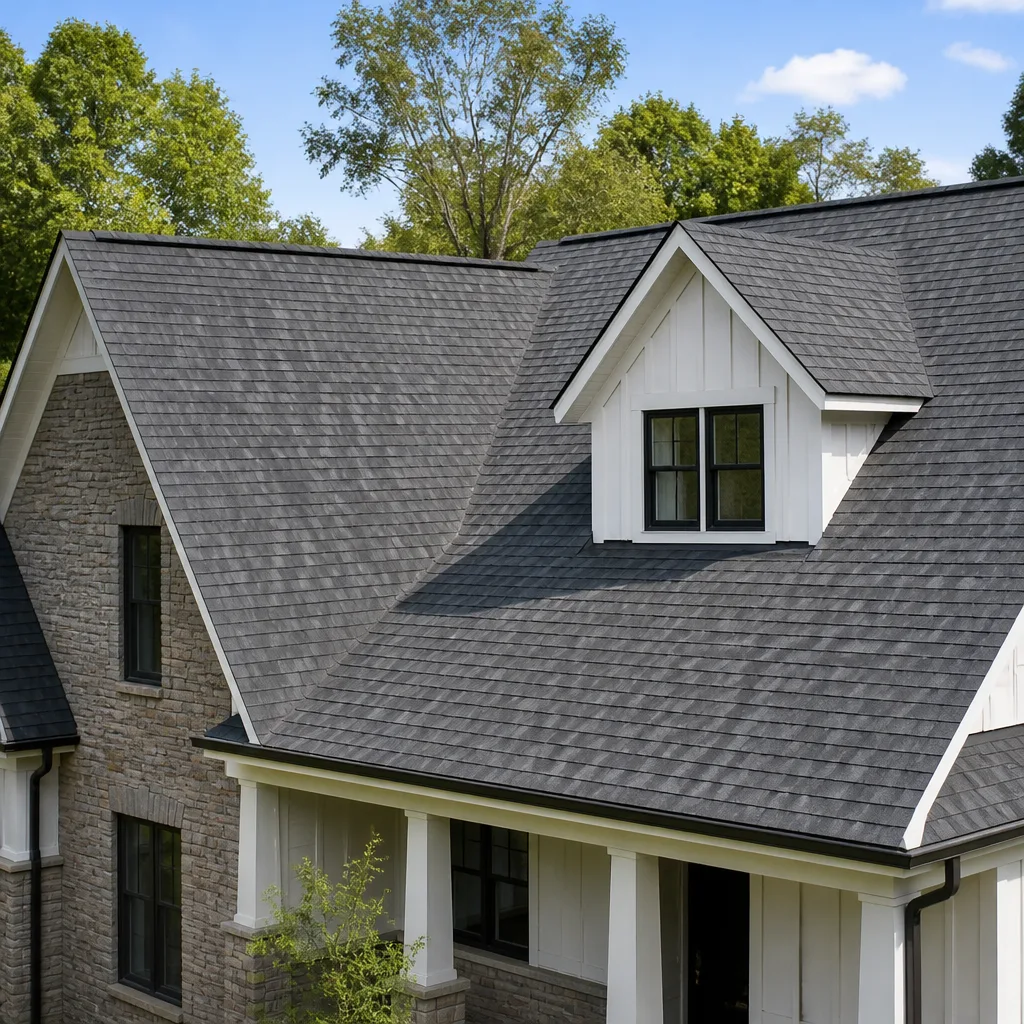 Architectural shingles
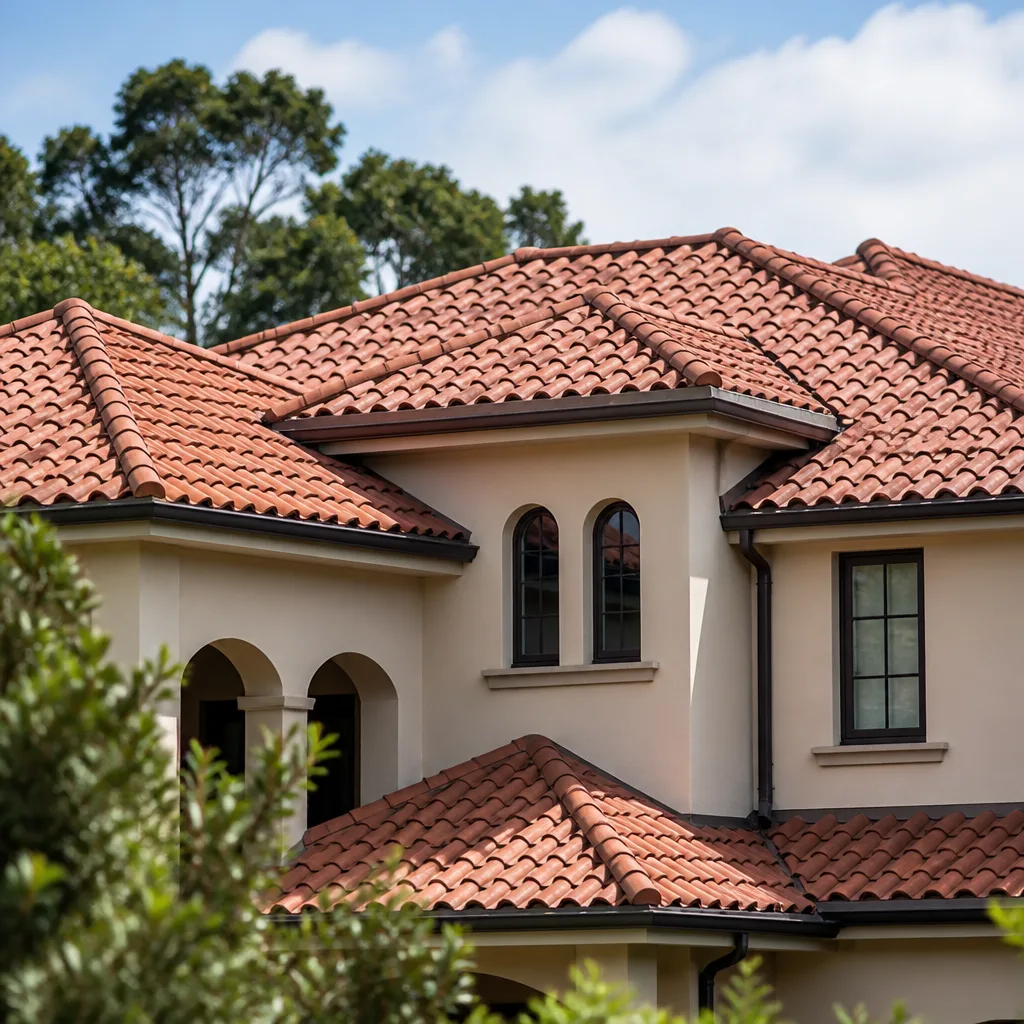 Tile roofing
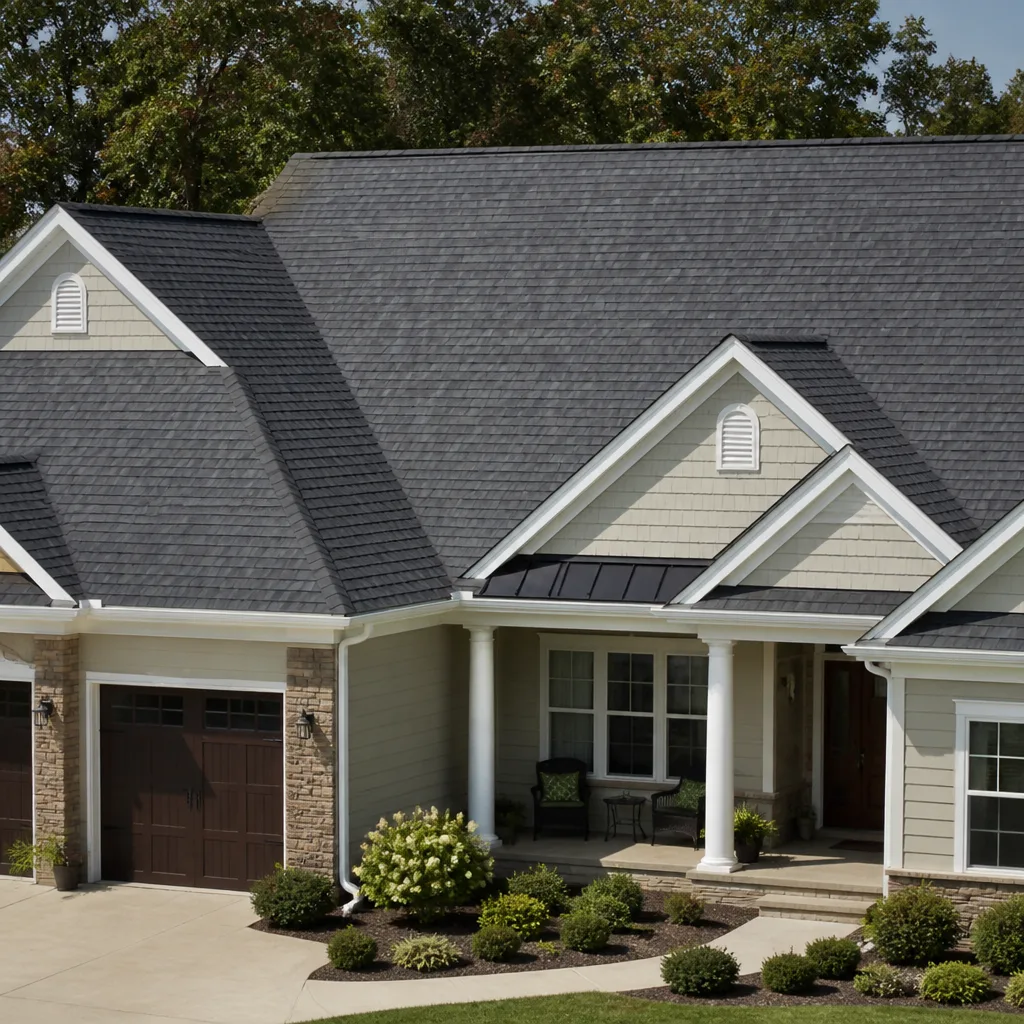 GAF
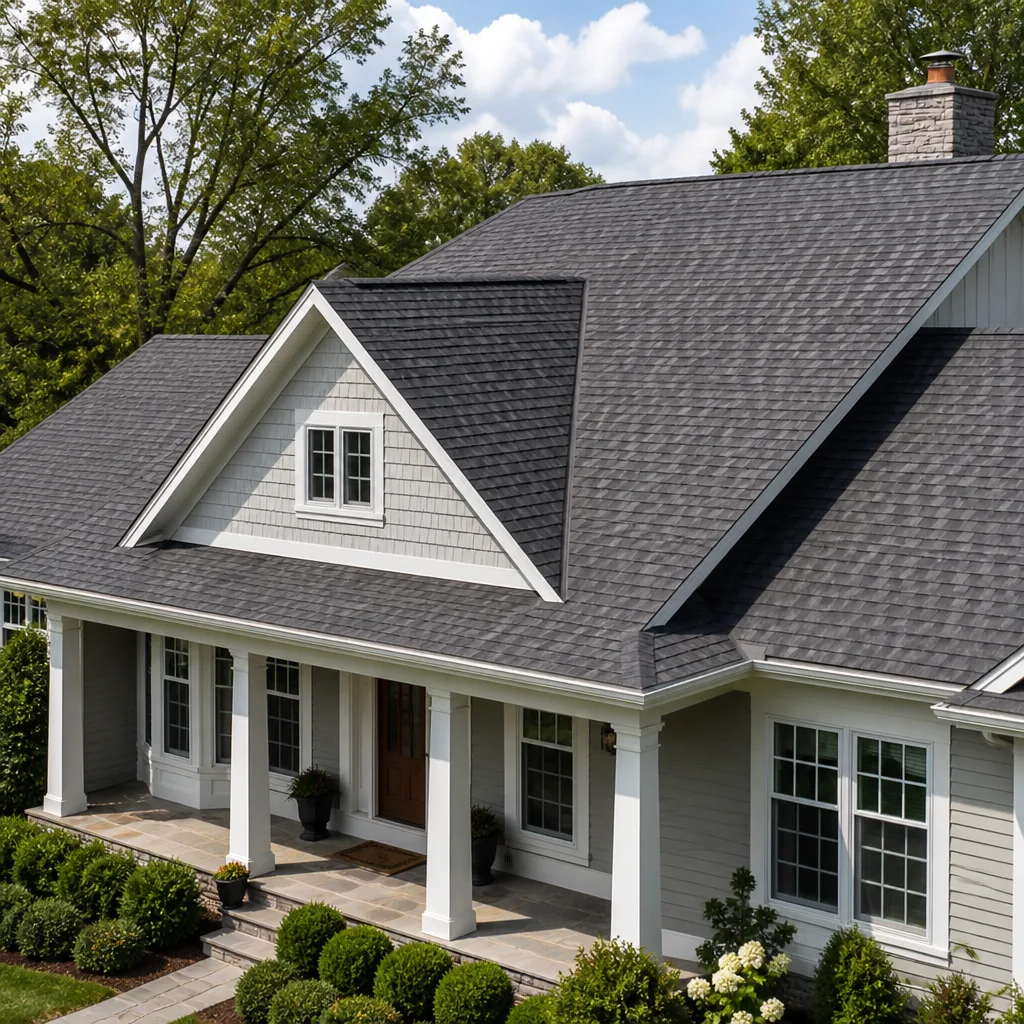 Owens Corning
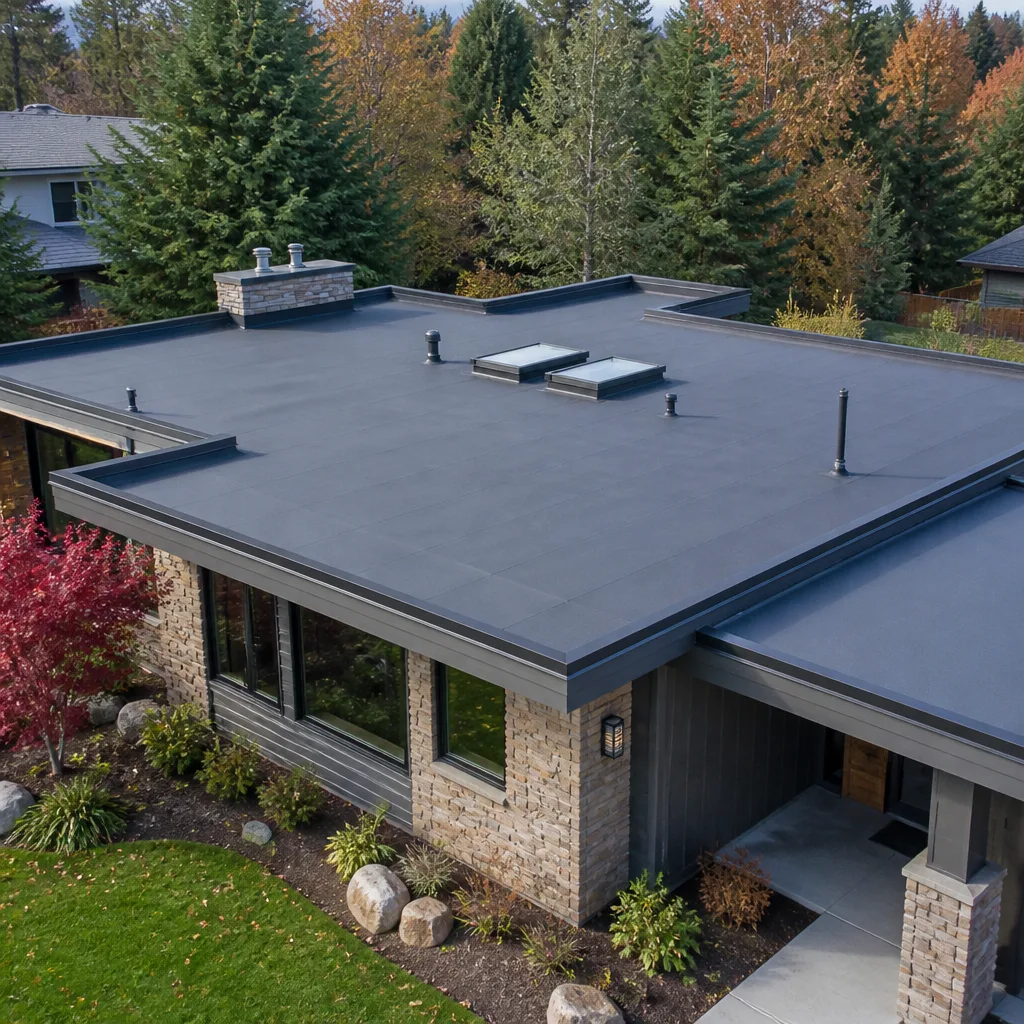 Flat & low-slope
Free roof inspection with deck photos before we talk money - GAF and Owens Corning certified installation
DIY vs Professional Specialty Roofing: What’s Safe to Do Yourself
A DIY patch on a TPO membrane that isn’t heat-welded properly doesn’t just fail. It creates a water channel underneath the patch, and that water can travel six feet from where it got in before it shows up as a stain on your ceiling. That’s the part nobody warns you about. A specialty roof is a continuous system, and every time you break that continuity you open a door the original roof never had. In this guide we’ll draw the honest line: which specialty roofing tasks a careful homeowner can handle, which ones cost far more to fix than to hire, and why the difference usually comes down to one thing – the joining method, not the material.
Quick Answer
On most specialty roofing – TPO and single-ply membranes, metal, synthetic tile, and flat roof systems – the only genuinely safe DIY work is non-invasive: cleaning surfaces, clearing debris, and doing visual inspections from the ground or a stable ladder. Anything that requires opening the roof, sealing a penetration, welding a seam, or matching a panel profile should go to a professional. The material is rarely the hard part. Matching how that material joins to the rest of the system is where DIY repairs fail and where warranties quietly die.
Styles & brands we work with
- Architectural shingles
- Metal roofing
- Tile roofing
- GAF
- Owens Corning
- Flat & low-slope
Table of Contents
- The System-Continuity Principle: Why Material Alone Isn’t Enough
- What You Can Safely Do on Each Specialty Roof Type
- The Tools That Are Actually Required (And Why Substitutes Fail)
- How DIY Repairs Affect Your Specialty Roofing Warranty
- Bill Shepherd’s Straight Answer: Two DIY Wins and Three Expensive Losses
- Why Paradise Roofs Fail Differently Than Anywhere Else
- Common Mistakes to Avoid
- When to Call a Professional
The System-Continuity Principle: Why Material Alone Isn’t Enough
A roof isn’t a pile of shingles or panels. It’s a system, and the system works because every piece is joined to the next one in a specific way. On a TPO flat roof, that joining method is heat welding – a hot-air gun melts the seam so two sheets fuse into one continuous skin. On standing-seam metal, it’s a mechanical seam folded and crimped. On tile, it’s an overlapping sequence with underlayment doing the real waterproofing. Break the sequence, or join two pieces the wrong way, and you’ve introduced a failure point that wasn’t there before.
That’s the difference most homeowners miss. They think matching the material is the job. Matching the material and the joining method is the job. A TPO patch glued down with a tube of lap sealant looks fine for a season. Then the adhesive lets go along one edge, water slips under, and because the patch sits over the actual leak, the water has nowhere to go but sideways – under the membrane, along the deck, until it finds a penetration or a seam and drips through. We’ve pulled patches off Paradise roofs where the leak showed up eight feet from the original spot. The homeowner paid twice: once for the patch, once for the repair.
The same principle runs through every specialty system. A metal panel that’s fastened with the wrong screw at the wrong spacing loses its wind rating, and the rating lives in the fastening pattern, not the panel. Synthetic tile that gets walked on wrong cracks at the interlock, and the crack channels water under the field. None of this is about whether you’re handy. It’s about whether you have the specific tool and the specific technique the system was engineered around.
What this means in practice
- Matching the material is half the job. The joining method is the other half, and it’s the half that fails.
- A patch that sits on top of a leak can trap water. Water travels laterally under a membrane before it shows inside.
- Fastening patterns are part of the spec. Spacing and screw type determine wind and water performance.
- Manufacturers test systems, not pieces. A repair that isn’t installed to system spec is a repair the warranty won’t recognize.
When a specialty roof starts leaking, the safest call is usually to get it looked at by someone who installs that exact system. Our Roof Repair in Paradise service is built around exactly this: matching the repair to the system instead of patching over the symptom.
What You Can Safely Do on Each Specialty Roof Type
Not every specialty roof is a hands-off zone. There’s real, useful maintenance a homeowner can do, and doing it well stretches the life of the roof. Here’s the honest breakdown by type.
Metal roofing
Surface cleaning is safe. Rinse the panels with a garden hose, use a soft brush on pollen and dust, and keep gutters and valleys clear of debris. What isn’t safe: walking the panels – especially the flat-pan profiles common on Paradise homes, where a misplaced step can dent a pan or break a fastener seal – and any kind of fastener tightening, resealing, or panel work. A loose screw that gets over-tightened or sealed with the wrong product becomes a leak point. If you’re replacing a metal roof rather than maintaining one, read our full guide to Metal Roofing in Paradise before anyone quotes you.
TPO and single-ply membranes
Visual checks are safe and worth doing twice a year. Look for ponding water, blistering, seam lifting, or debris that’s holding moisture against the surface. Clear leaves and branches. Do not attempt to clean seams with solvents, do not walk the membrane in hard-soled shoes, and do not patch. A patch that isn’t heat-welded is exactly the water-channel problem we opened with. Leave the welding to someone with a hot-air welder and a seam probe.
Synthetic tile
Debris clearing is safe – leaves, twigs, and anything that collects in the valleys. So is a visual inspection from a ladder. What breaks synthetic tile is foot traffic. The interlock is designed to shed water, not to take a person’s weight in the wrong spot. Step on the field instead of the designed walk areas and you crack the tile, and the crack channels water under the field where the underlayment has to do all the work.
Flat and low-slope systems
Keep drains and scuppers clear. That’s the single highest-value thing a homeowner can do on a flat roof, and it’s what prevents most ponding-related failures. Everything else – seam repair, flashing, penetration sealing – belongs with the installer.
The Tools That Are Actually Required (And Why Substitutes Fail)
This is where the DIY conversation gets real. A proper specialty repair needs the tool the system was designed around. Consumer substitutes don’t just work worse. They create liability.
What proper specialty work requires
- A hot-air welder for TPO and single-ply. The seam is fused, not glued, and a welded seam is pressure-tested with a seam probe. A tube of sealant is not a substitute.
- A seam roller and a probe. The roller sets the weld; the probe checks it.
Without both, nobody knows whether the seam holds until it rains. - Correct fasteners at the engineered spacing. On metal, the screw type, washer, and spacing are the wind rating. A box of generic roofing screws from the hardware store isn’t the engineered fastener.
- Matching underlayment and flashing materials. Tile and metal systems rely on the layers beneath, not just the surface you can see.
- Fall protection. A specialty roof is usually a steeper, higher, or more fragile work surface than an asphalt roof, and the fall risk goes up with it.
A homeowner can buy most of these tools. What’s harder to buy is the judgement about when a seam has actually fused, when a fastener has seated correctly, and when a flashing detail has to be reworked instead of sealed. That judgement is what up to 30 years of experience on our crew buys, and it’s the part no video can hand you. If you’d rather see how the pros weigh repair against replacement, our Roof Replacement & Installation in Paradise page walks through the decision honestly.
How DIY Repairs Affect Your Specialty Roofing Warranty
Almost every manufacturer warranty on a specialty roof – whether it’s a GAF system, an Atlas panel, or a Tamko membrane – is conditional on the roof being installed and repaired to the manufacturer’s published specifications. That means the correct material, the correct joining method, and, in most cases, an installer who’s been approved by the manufacturer. A homeowner patch, however careful, is not a manufacturer-approved repair. When a claim gets filed later, the manufacturer will ask for documentation: the original installation spec, the product used, and proof the repair was done to spec. A tube of sealant and a photo from your phone usually isn’t enough.
The practical stakes are big. A specialty roof can carry a warranty measured in decades, and an unrecorded DIY repair near the point of failure gives the manufacturer a reason to deny a claim that might otherwise be paid. In our experience, the strongest protection a homeowner has is a paper trail: a written estimate, a documented repair, and a name attached to it. That’s part of why we put everything in writing and back every job with our 90-Day Done Right Promise. If it’s not done right, we make it right, and one call brings Bill back. It’s a simple standard, and it means your repair has a name and a license behind it instead of a receipt from the hardware store.
Bill Shepherd’s Straight Answer: Two DIY Wins and Three Expensive Losses
People ask me all the time whether they should just handle it. Here’s the straight answer: there are two specialty roofing tasks I’ve seen homeowners do successfully, and three that have cost them significantly more than hiring us would have.
The two DIY wins
- Debris clearing and gutter cleaning. Get the leaves, twigs, and gravel off the roof and out of the valleys. It prevents most ponding and drainage problems, and it’s the single best thing a homeowner can do between professional inspections.
- Visual inspections from the ground or a stable ladder. Walk the perimeter, look at the roof from a safe vantage, photograph anything that catches your eye, and keep a dated record. This is how you catch a problem early, and it’s how you give a professional something to work with.
The three that cost more to fix
- The TPO patch. A homeowner glues down a patch over a suspected leak. Water gets trapped underneath and travels laterally before it shows inside. We’ve torn out patches where the real leak was feet away from the original spot, and by then the deck was wet.
- The metal panel reseal. A homeowner seals around a loose fastener with construction adhesive or silicone. The seal fails, the fastener backs out, and now there’s an oversized hole where the screw used to seat. That’s a panel repair, not a screw replacement.
- The synthetic tile crack. A homeowner walks on the field to clear a valley and cracks a tile. The crack channels water under the field, and by the time it shows inside, the underlayment has been wet long enough to need replacement. That’s a section repair, not a single tile.
Every one of those started as a five-minute repair and ended as a job that cost hundreds more than the original call. If your roof is one of these systems and you’re not sure where the line is, our Shepherd & Sons Roofing Paradise home page is a good place to start, and we’ll always give you a free second opinion on any written estimate before you commit to anything.
Why Paradise Roofs Fail Differently Than Anywhere Else
Specialty roofing in Paradise faces a specific set of pressures that most guides don’t mention. The desert swing between extreme summer heat and winter cold puts a continuous expansion-contraction cycle on every membrane and every metal panel. Seams that were welded tight in a cool season work hard through a summer of 110-degree afternoons. That thermal cycling is exactly what cracks a marginal weld and what loosens a fastener that was hand-tightened rather than torqued to spec. Add the wind that funnels through the valley and haboob season dust that fills every valley and drain, and a speciality roof here gets tested in a way a roof in a mild climate never is.
That means two things for a Paradise homeowner. First, routine debris clearing and drain maintenance matter more here than in most places, and they’re genuinely worth doing yourself. Second, a repair that looks fine in March can fail by August because the thermal cycle opens a seam. Every specialty repair on a Paradise roof needs to be done to system spec the first time, because the climate is a stress test, not a break. If you want to understand what a proper specialty install looks like here, the replacement and installation guide covers the details, and our pages on roof repair and metal roofing are worth a read before you spend a dollar.
Common Mistakes to Avoid
- Patching a TPO roof with sealant instead of a heat weld. The patch looks fine and traps water underneath until the deck is wet.
- Sealing around a loose metal fastener with adhesive. The adhesive fails, the fastener backs out, and you’ve got an oversized hole where a screw used to seat.
- Walking on synthetic tile to clear a valley. The interlock cracks under foot traffic, and the crack channels water under the field.
- Letting debris sit in the valleys and drains through haboob season. Ponding water on a flat roof is the number one preventable cause of failure we see.
- Matching the material but not the joining method. A new panel that’s fastened wrong loses its wind rating even though the panel itself is correct.
- Doing it yourself and skipping the paperwork. An undocumented repair gives the manufacturer a reason to deny a warranty claim later.
- Hiring a roofer who quotes by phone and changes the number at the door. After a storm, ask for the license and the address before anyone touches your roof.
When to Call a Professional
Call a professional when the repair requires opening the roof surface, welding a seam, replacing a fastener or panel, sealing a flashing or penetration, or reworking anything under the visible surface. Call when the roof is steep, high, or a fragile membrane, and call when you don’t know exactly which system you have, because the right repair depends on the system. As a rule of thumb: if the fix means breaking the continuity of the roof, it’s a professional job. A specialty roof is a system, and a repair that isn’t done to spec introduces a new failure point even when it looks fine for a season.
Shepherd & Sons Roofing Paradise offers free estimates in Paradise – call (833) 676-0557. A live person answers, including nights and weekends after a storm, and we’ll give you a free second opinion on any written estimate before you commit. No trip charge inside our own county, and no corporate runaround – same name on the truck and the license since 1996.
See the difference
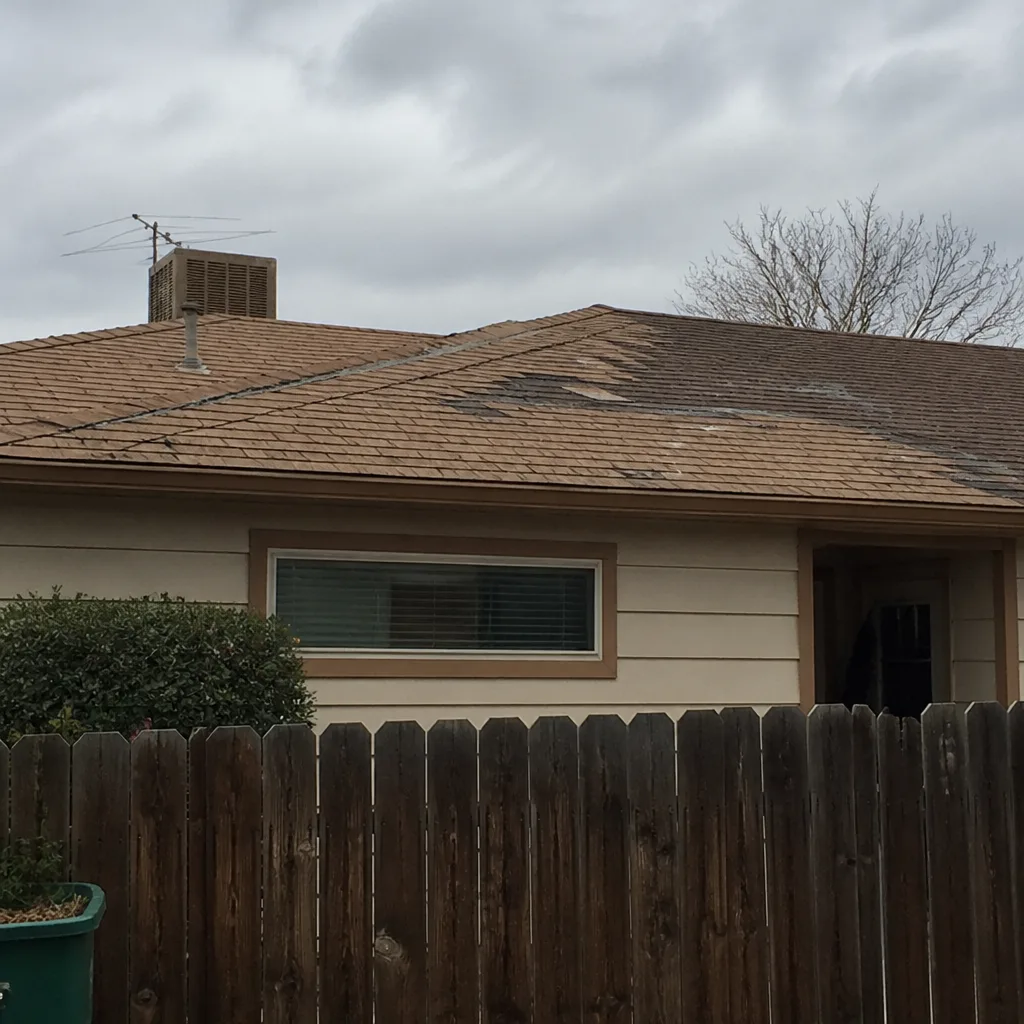 Before
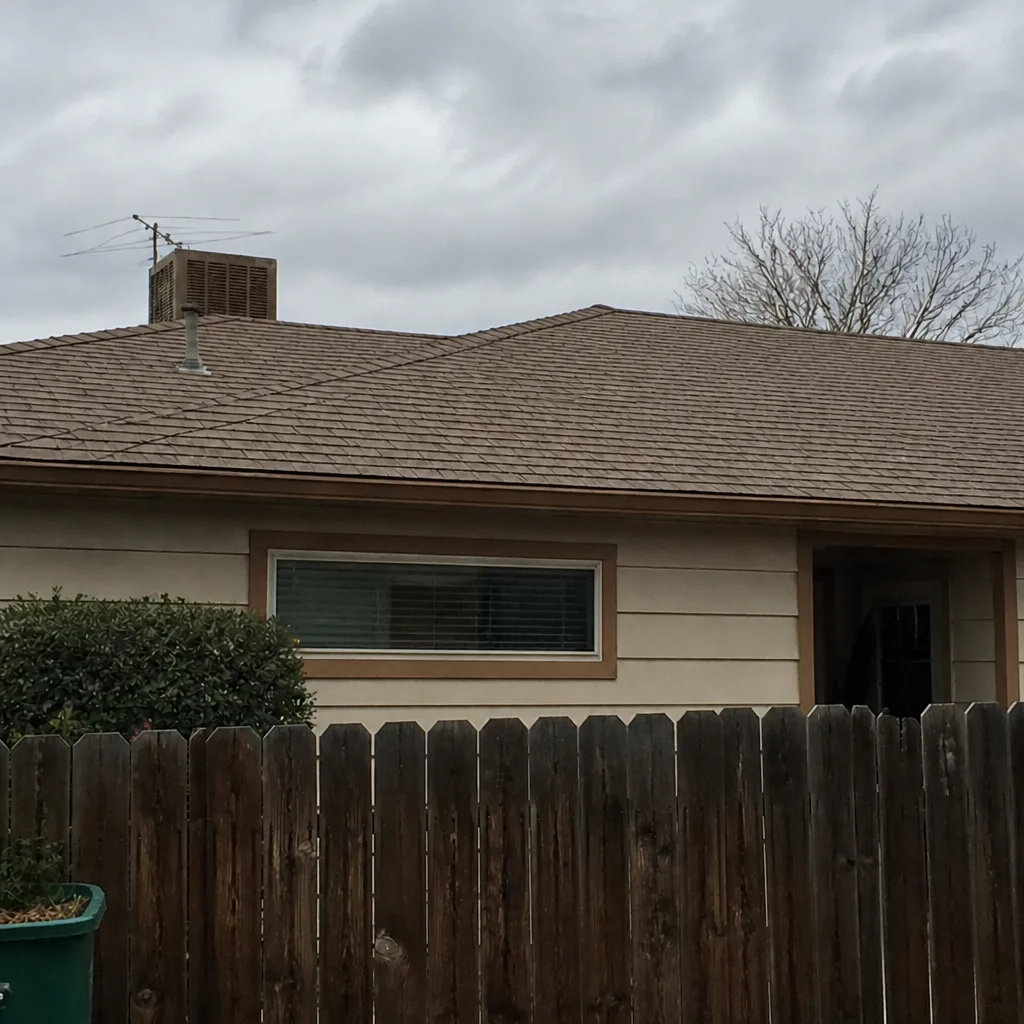 After
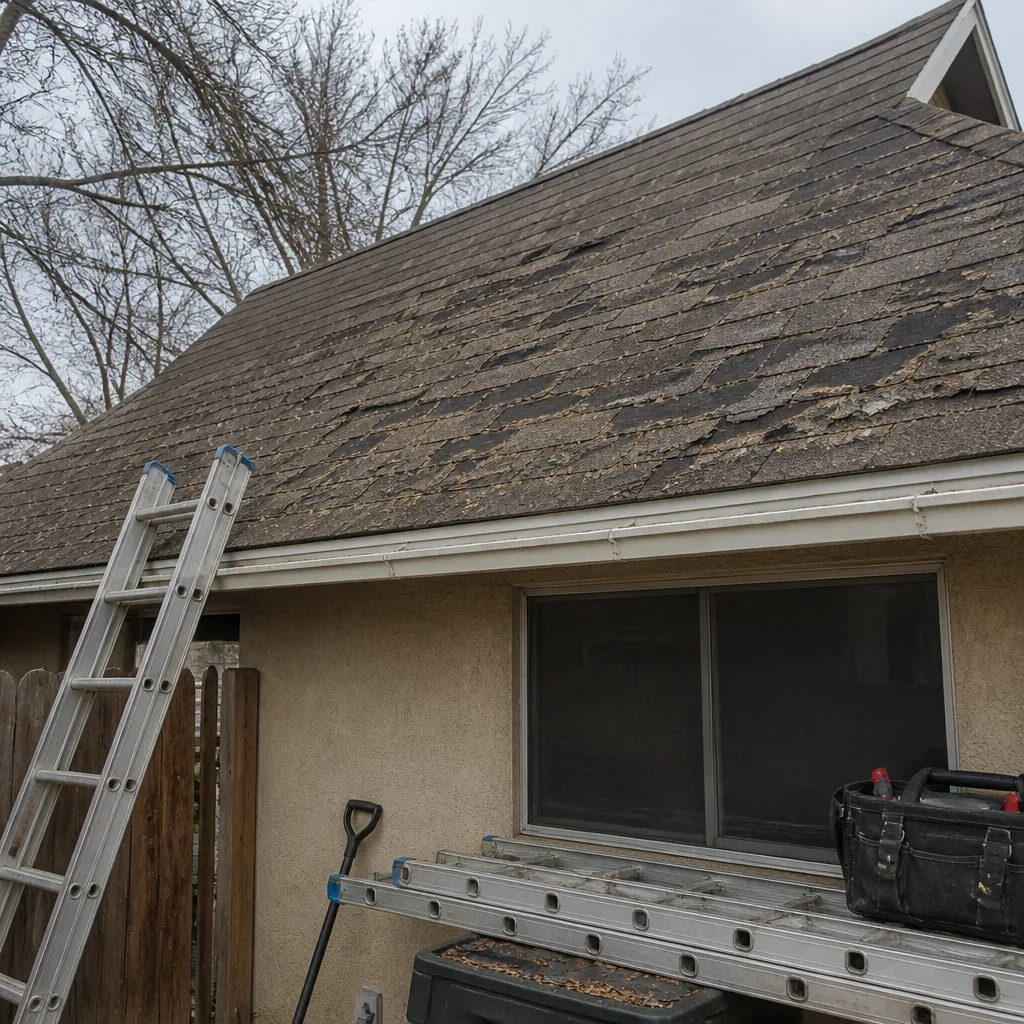 Before
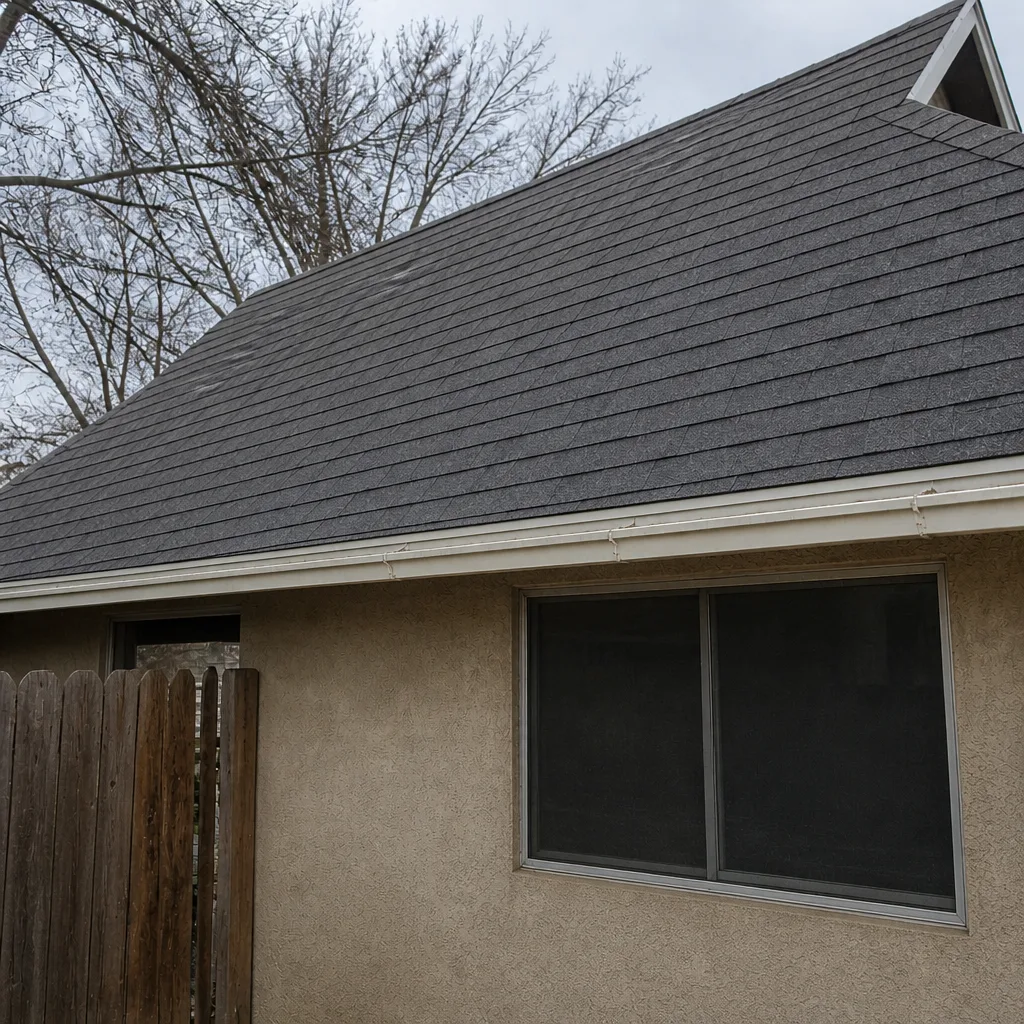 After
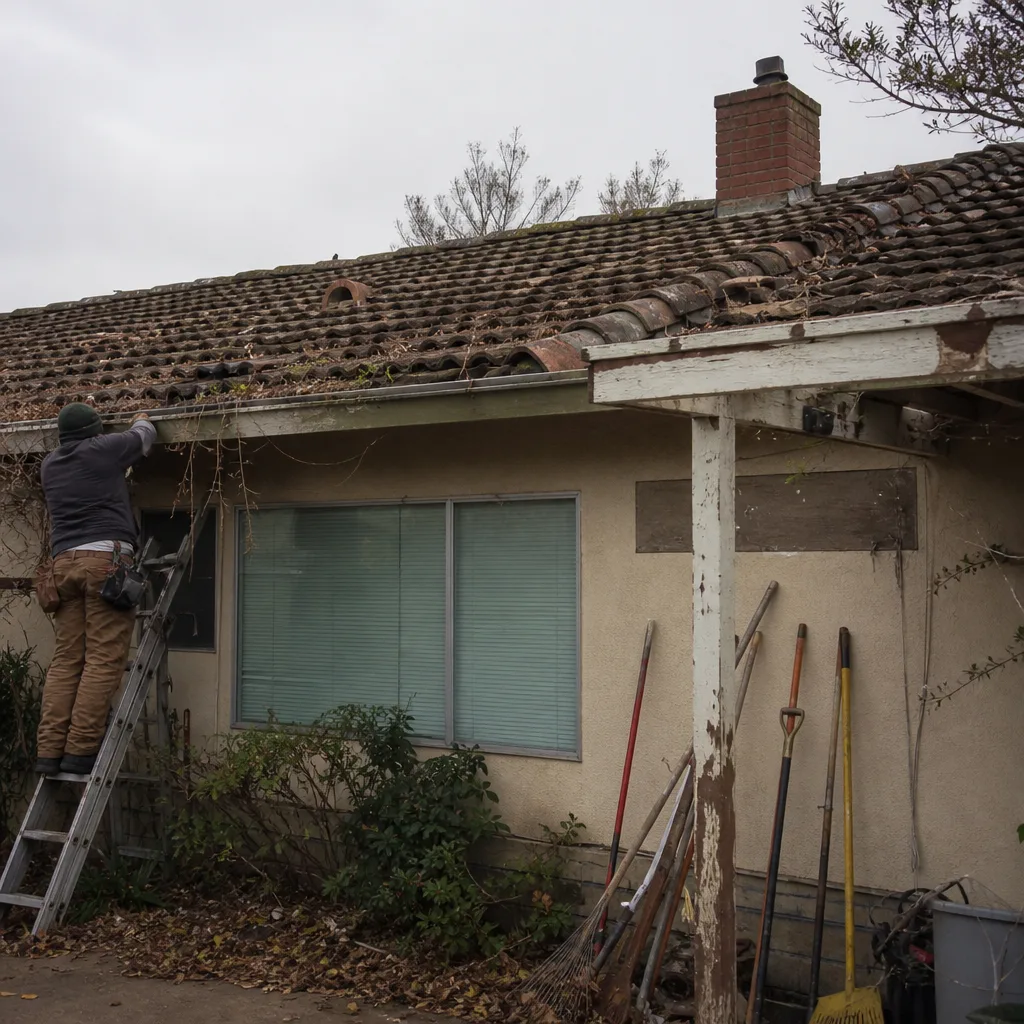 Before
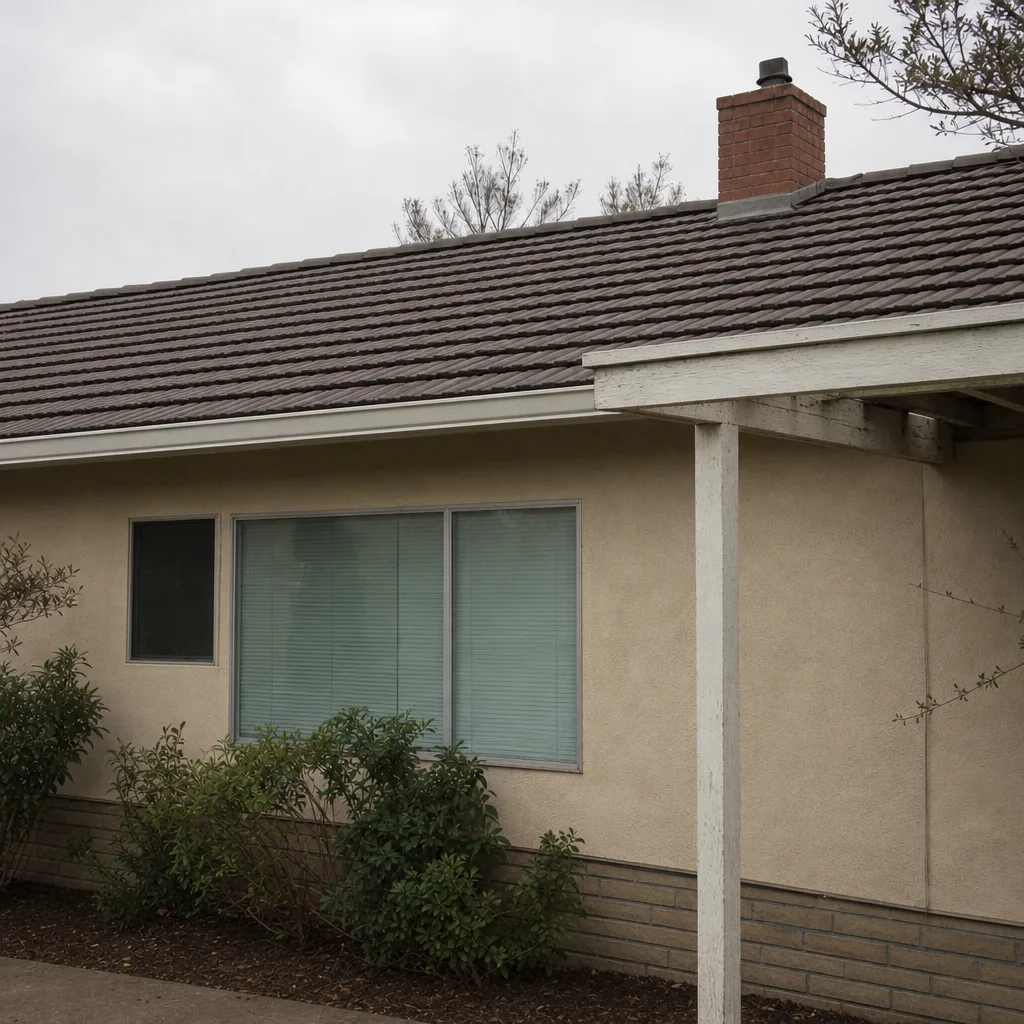 After
Frequently Asked Questions
Only the non-invasive tasks are safe to do yourself: surface cleaning on metal, visual membrane checks on TPO, and debris clearing on synthetic tile. Anything involving a seam, fastener, flashing, or penetration should go to a professional, because the repair has to match the system’s joining method, not just the material.
In most cases, an undocumented homeowner repair can give the manufacturer a reason to deny a later warranty claim, because manufacturer warranties are conditional on spec-compliant installation and repair. Keep a written record of any repair, and use a licensed professional for anything that touches the system. Call (833) 676-0557 for a free second opinion on your options.
Sealing a suspected leak with a tube of lap sealant instead of welding the seam. The patch traps water and the leak shows up inside weeks later, often far from the original spot – which turns a small repair into a deck repair.
Not safely on most profiles. Metal panels dent and fasteners unseat under foot traffic, and synthetic tile cracks at the interlock. Inspect from a stable ladder at the eave, photograph what you see, and leave the roof surface alone.
It depends on the system and the scope, which is why we do a free estimate with the deck photos in hand before anyone talks money. A seam or fastener repair is far cheaper than a section replacement, and the difference between the two is usually whether the underlying deck stayed dry. Call (833) 676-0557 for a written, line-item quote with no change orders.
We install GAF, CertainTeed, Owens Corning, IKO, Atlas, Tamko, and Boral products. Name the shingle or the panel and we’ve likely set it. If you’re comparing quotes and you don’t recognize the manufacturer on the bid, ask about it – the material is part of what you’re paying for.
The Bottom Line
The DIY line on specialty roofing isn’t about whether you’re handy. It’s about whether the repair keeps the system continuous. Cleaning, clearing, and inspecting are genuinely yours to do, and doing them well stretches the life of a specialty roof. Welding a TPO seam, reseating a metal fastener, and reworking tile and flashing are not, because a repair that breaks the system without matching its joining method creates a worse problem than the one you started with. Do the safe part. Document everything. When in doubt, get the free estimate from someone who installs the system – and make sure they’ll show you the deck photos first.
Shepherd & Sons Roofing Paradise installs and repairs specialty roofing across Paradise, and we’ve been at the same address on the same license since 1996. Our technicians have up to 30 years of experience, and every job is backed by our 90-Day Done Right Promise. Standing offers include $40 off any repair over $200, a free second opinion on any written estimate, no trip charge inside our own county, and a 10% senior and veteran discount. Call (833) 676-0557 to schedule your free estimate – a live person picks up.
Written by the team at Shepherd & Sons Roofing Paradise.