
Last updated November 17, 2026
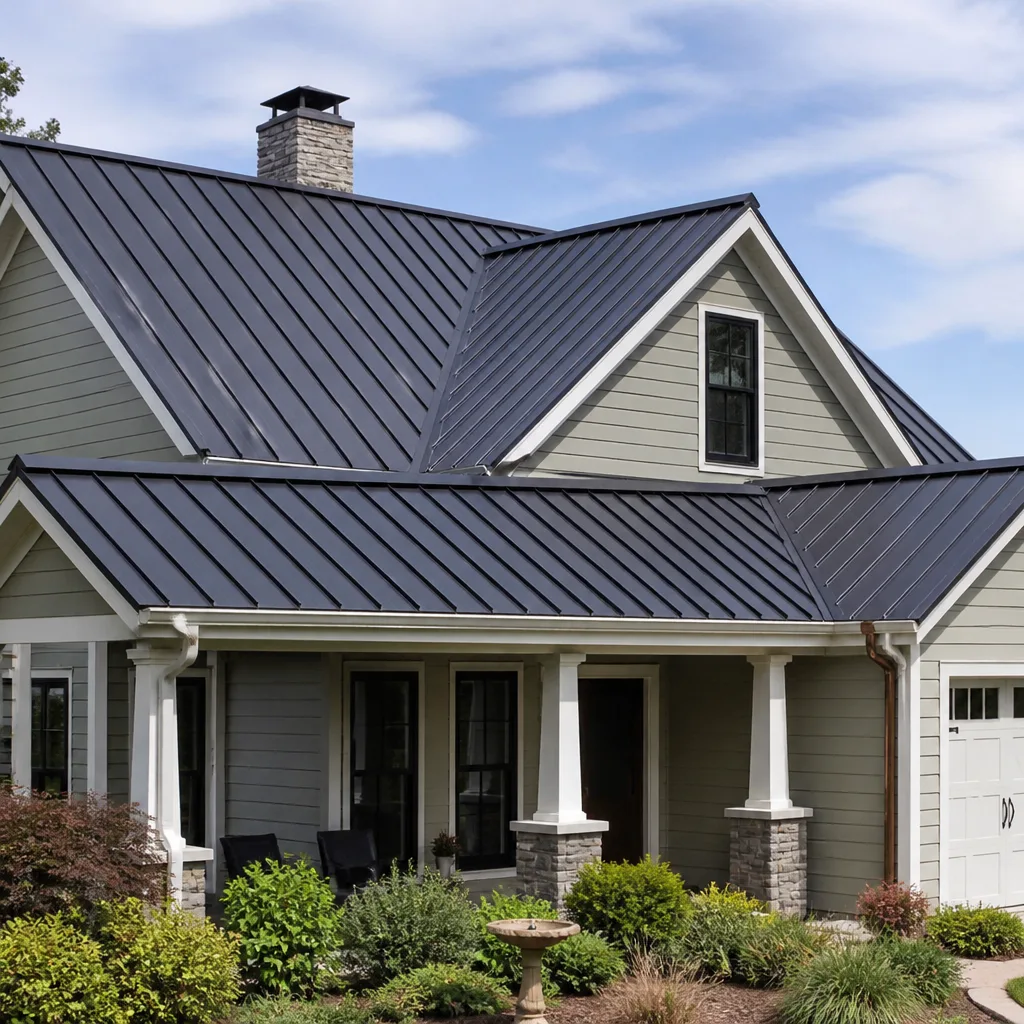 Metal roofing
 Architectural shingles
 Tile roofing
 GAF
 Owens Corning
 Flat & low-slope
Free roof inspection with deck photos before we talk money - GAF and Owens Corning certified installation
How Long Does Metal Roofing Take? Timelines and What to Expect
The standing-seam metal roof on your neighbor’s house took four days. The exposed-fastener job on the house around the corner took one and a half. Same square footage, same street, completely different timelines. That gap is the single most misunderstood thing about metal roofing, and it’s why a straight answer to “how long does it take” is almost always wrong until someone looks at your actual roof. Panel type, tear-off versus overlay, panel fabrication, pitch, and even the July monsoon schedule all move the calendar. In this guide we’ll map four common Paradise job scenarios with honest day counts, show you where the time goes, and give you the checklist we use before we ever call a metal roof done.
Quick Answer
A metal roof on a typical single-family home takes anywhere from 2 to 7 days of actual installation, and most Paradise homeowners should plan on 1 to 3 weeks from tear-off to final walkthrough once weather and inspections are factored in. Exposed-fastener corrugated panels are the fastest at roughly 1 to 3 days. Standing-seam with on-site panel fabrication is the slowest at 4 to 7 days. Overlay jobs run shorter than tear-offs because the tear-off and deck repair phase disappears.
Styles & brands we work with
- Architectural shingles
- Metal roofing
- Tile roofing
- GAF
- Owens Corning
- Flat & low-slope
Table of Contents
- What Actually Drives a Metal Roof Timeline?
- Four Paradise Job Scenarios, Side by Side
- Why Standing Seam Takes Longer: Panel Fabrication and the Roll-Former
- Tear-Off vs. Metal-Over-Asphalt Overlay: Time, Code, and Risk
- Weather Holds in Paradise: Monsoon Season and the Exposed Deck
- What ‘Done’ Looks Like: The Inspection Checklist
- The Full Timeline, Week by Week
What Actually Drives a Metal Roof Timeline?
Metal roofing is a family of products, not a single thing. Corrugated exposed-fastener panels, standing seam, stone-coated steel, and commercial rib panels all schedule differently. When we quote a metal job in Paradise, five variables decide how many days the crew will be on your property.
- Panel type. Exposed-fastener corrugated is the fast track. Standing seam is slower because every panel is custom-formed and every seam is mechanically rolled. They are not interchangeable in labor.
- Tear-off versus overlay. A tear-off adds 1 to 2 days of stripping and haul-off. An overlay skips that phase but is only legal and structurally wise in a narrow set of cases.
- Roof complexity. A simple gable goes up in a day and a half. A hip-and-valley roof with three dormers, two skylights, and a lot of penetration flashing can double the panel count without adding a single square of square footage.
- Panel fabrication method. Panels formed on-site by a portable roll-former take longer per panel but eliminate shipping lag. Pre-cut panels from a distributor arrive faster on day one but a mismeasured panel is a 3 to 5 day reorder.
- Season. Paradise summers add monsoon risk. July and August afternoon storms can pull a crew off an exposed deck mid-install, and no responsible roofer leaves a metal roof half-set on an open frame in the middle of a real monsoon.
If you want the full picture of what metal roofing options exist before you ask about timing, our Metal Roofing in Paradise page breaks down panel styles, finishes, and what we see on Paradise homes.
Four Paradise Job Scenarios, Side by Side
Here’s the honest math. Imagine a hypothetical 2,200 square foot single-story Paradise home with a 6/12 gable roof and one valley. Same house, four different scopes. Look at how far the number moves.
Scenario 1: Exposed-Fastener Corrugated, Overlay
Fastest realistic metal job. Panels come pre-cut from the distributor. Crew sets panels over the existing asphalt with proper underlayment. Roughly 1.5 to 2.5 days on the roof.
Scenario 2: Exposed-Fastener Corrugated, Tear-Off
Same panels, but strip to the deck and inspect sheathing. Ordinary jobs sit at 2.5 to 4 days. Deck repairs, rotted sheathing, or a surprise second layer of old shingles push it toward 5.
Scenario 3: Standing Seam, Tear-Off, On-Site Fabrication
Custom-formed panels, concealed fasteners, mechanically rolled seams, trim work. The realistic window is 4 to 6 days on the roof, and complex roofs with multiple dormers and skylights push 7.
Scenario 4: Standing Seam, Tear-Off, Distributor Panels
Same finished product, but cut off-site and delivered. The ramp-up is slower because a mismeasured panel is a reshipping delay. Once the panels are on-site, install moves about 10 to 15 percent faster than on-site fabrication on a simple roof. Realistic window: 3.5 to 5.5 days on the roof, plus ship time.
One more number worth repeating: on a Paradise job we measure roofing in squares (100 square feet each), and a bidder who can’t tell you how many squares they counted hasn’t actually looked at your house. Our Roof Replacement & Installation in Paradise guide walks through how a square count should be presented on a written quote.
Why Standing Seam Takes Longer: Panel Fabrication and the Roll-Former
Standing seam isn’t just a slower install on the roof. A large chunk of the time happens before a single panel is set, and that’s the panel fabrication. On most residential standing-seam jobs the panels are formed on-site by a portable roll-former parked on the driveway or in the street. The coil stock arrives on a flat bed, the roll-former runs each panel to length, and the crew carries panels to the roof as they come off the machine.
That gives you two clear advantages and one time cost:
- Perfect panel length. Panels are formed to the exact run of your roof, not shipped long and trimmed on-site. Fewer overhangs and cleaner eave lines.
- No reorder disasters. If a measurement is off, the crew reforms a new panel in minutes instead of waiting 3 to 5 days for a distributor shipment.
- Slower roof time. The crew can only install as fast as panels come off the roll-former, which is measured in minutes per panel, not seconds. On a 2,200 square foot Paradise house that’s typically a half-day of pure forming time layered on top of the install.
Distributor-cut panels flip the trade-off. You gain install speed on the roof, but if you’re working with a crew that measures in the field and orders off a roof sketch, a missed valley or a soffit return can set the job back a full week. Ask any bidder which method they use and why. If they can’t answer, that’s your answer.
Tear-Off vs. Metal-Over-Asphalt Overlay: Time, Code, and Risk
An overlay is what a homeowner asks about the moment they hear a tear-off adds two days. And it’s true, an overlay skips the strip-and-haul phase, saving roughly 1 to 2 days of labor on a 2,200 square foot Paradise home. But here’s what the calendar doesn’t tell you: overlay only makes sense when the existing roof meets a narrow set of conditions.
- Code allows it. Local code and manufacturer warranties both have to permit the overlay. Most metal panel manufacturers require a specific substrate and won’t warranty a direct metal-over-shingle application without an underlayment system. Verify before signing.
- The deck is sound. An overlay hides the sheathing, so you inherit any soft spots, old leaks, or failed fasteners under it. On older Paradise homes we’ve opened up plenty of overlays that should have been tear-offs.
- The old roof isn’t failing from underneath. A roof that’s already leaking from flashing or valley failure doesn’t get better under metal. It just traps the moisture.
- Weight and load path are checked. Metal is lighter than asphalt in most cases, but the combined assembly still has to be evaluated, especially on older structures.
When all four conditions line up, an overlay is a legitimate time-saver. When any one of them doesn’t, an overlay trades 1.5 days of tear-off for years of hidden risk. Ask the bidder to walk you through the deck inspection photos before they price the overlay. If they don’t have deck photos, don’t sign the overlay price.
Weather Holds in Paradise: Monsoon Season and the Exposed Deck
Paradise sits where the Mojave summer pattern lands hard. From roughly July through early September, pop-up thunderstorms roll in on short notice, dump for 20 to 40 minutes, and clear out. If a metal job is mid-tear-off when one hits, a responsible crew covers the deck with a positive-sealed membrane or a heavy temporary tarp before the sky opens. That’s not a “maybe” – it’s a hard rule.
Here’s what that looks like in practice on a Paradise timeline:
- Morning tear-off, afternoon cover-up. When the forecast has any monsoon potential, we schedule tear-off early so the deck is covered before afternoon storms. That can add half a day to the front end of the schedule but protects the interior.
- Panel-in-progress holds. A standing-seam roof that’s 60 percent set can handle a light sprinkle. It cannot handle a real storm. When the radar shows a cell coming, the crew secures panels and either finishes the run or covers, depending on where the panels stop.
- No “hope it misses us” decisions. We’ve seen storm chasers gamble on a monsoon cell and lose, leaving a homeowner with soaked insulation and a compromised deck. The 90-Day Done Right Promise doesn’t fix that kind of shortcut. Every job has to be done right the first time.
If you’re scheduling metal in Paradise between June and September, ask the roofer how they handle monsoon coverage. The honest answer is a specific plan, not a shrug. Spring and fall metal jobs typically run faster and cleaner for exactly this reason.
What ‘Done’ Looks Like: The Inspection Checklist
Before we call a metal roof finished and schedule the homeowner walkthrough, it goes through a fixed checklist. Anyone who says “done” without walking this list is skipping steps you’ll find out about next wind season.
- Panel alignment and reveal. Each panel sits square to the eave line, and the reveal between panels is consistent from eave to ridge. A 1/4-inch drift over a long run is a visible defect at 10 feet.
- Fastener pattern. Exposed-fastener panels have a prescribed nailing or screw pattern in the field and a denser pattern at edges and ridge. The pattern earns the wind rating, not the panel wrapper. We check every screw is seated to the gasket, not overdriven and not underdriven.
- Seam closure at the ridge and hips. Concealed-fastener standing seam uses ridge closure and hip ridge profiles that are mechanically fastened and sealed. Skips here leak 6 months later.
- Penetrations and flashing. Every pipe boot, skylight, chimney, and valley has its flashing inspected and sealed. Flashing failure is the most common source of metal roof leaks we see on Paradise repairs.
- Gutter and drip edge. Gutters set to the correct pitch and drip edge lapping over the gutter, not behind it.
- Deck photos and final surface walk. We photograph the deck before panels go on, and final surface photos after everything is set. You get both. Then the walkthrough happens together, not over the phone.
If you’re dealing with a leak already, the same checklist runs as a diagnostic. Our Roof Repair in Paradise team handles metal repairs with the same detail because a repair and a new install share the same failure points.
The Full Timeline, Week by Week
Here’s a realistic look at the whole job from first call to final walkthrough, assuming a straightforward Paradise home and no weather holds. Nothing here is a promise on your specific roof, but the shape is consistent.
- Day 0 (call and free estimate): We come out, measure squares, photograph the deck, and give you a written line-item quote. Free second opinion available on any written estimate you already have.
- Days 1 to 3 (order and permit): Material order goes in for panels, underlayment, and trim. Manufacturer lead times on standing-seam coil and pre-cut panels vary; we tell you the real number, not a wishful one.
- Days 4 to 5 (tear-off and deck): Strip old roofing, haul off, inspect sheathing, repair soft spots. Covered membrane by end of day if weather threatens.
- Days 5 to 9 (install): Panel install. Exposed fastener finishes faster. Standing seam moves at panel-fabrication speed.
- Day 9 or 10 (inspection and walkthrough): Checklist above, then your walkthrough with the deck photos. That’s the “done” moment.
If you’re comparing metal to asphalt, our replacement guide covers how those timelines compare and where metal adds days back for lifespan. And if you want to see the broader picture of what Shepherd & Sons Roofing Paradise does across every roofing type, start at the Shepherd & Sons Roofing Paradise home page.
Common Mistakes to Avoid
- Booking based on a single phone-quoted day count. A roofer who tells you “three days” before measuring your roof has already guessed twice. Real timelines come from a square count and a deck inspection.
- Assuming every metal roof is the same product. Exposed-fastener corrugated and standing-seam concealed-fastener are almost never the same timeline on the same house. Get the specific panel type in writing.
- Choosing overlay to “save two days.” Overlay is legitimate when code, warranty, and deck condition all allow it. It’s a shortcut when any one of them fails. In Paradise we’ve opened up far too many overlays that should have been tear-offs.
- Scheduling a tear-off in July without a monsoon plan. Ask your roofer what happens if a storm cell rolls in mid-job. The right answer is a coverage plan, not “we’ll figure it out.”
- Ignoring the panel fabrication method. Standing-seam jobs fabricated on-site can be reformed in minutes if a panel is wrong. Distributor-cut panels take days to reorder. Either can be fine, but you should know which one you’re getting.
- Skipping the deck photos. Whether it’s a metal replacement or a repair, deck photos tell you what the metal roof will actually sit on. If your roofer doesn’t offer them, ask. Our roof repair team brings them on every job.
- Paying for an estimate. In Paradise we don’t charge for trip calls inside our own county, and the free second opinion on any written estimate is standing, not seasonal.
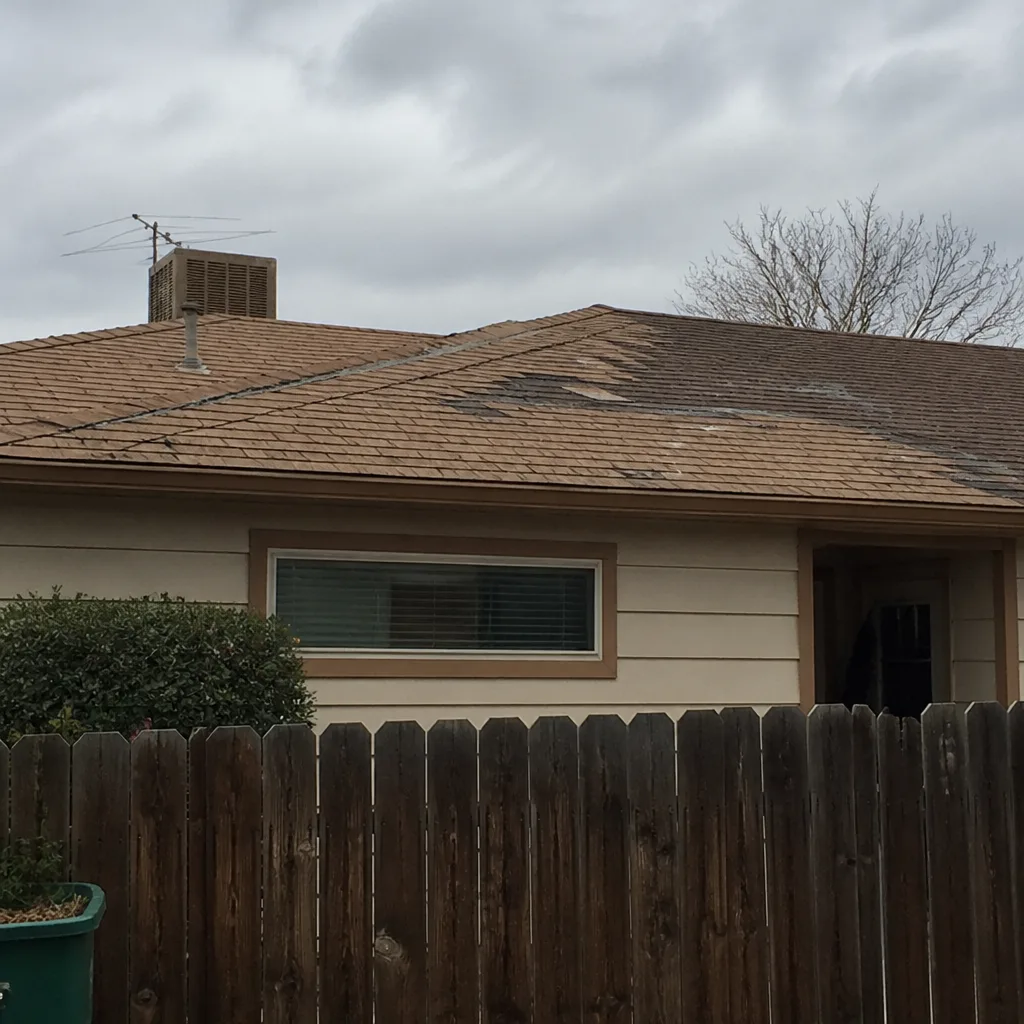
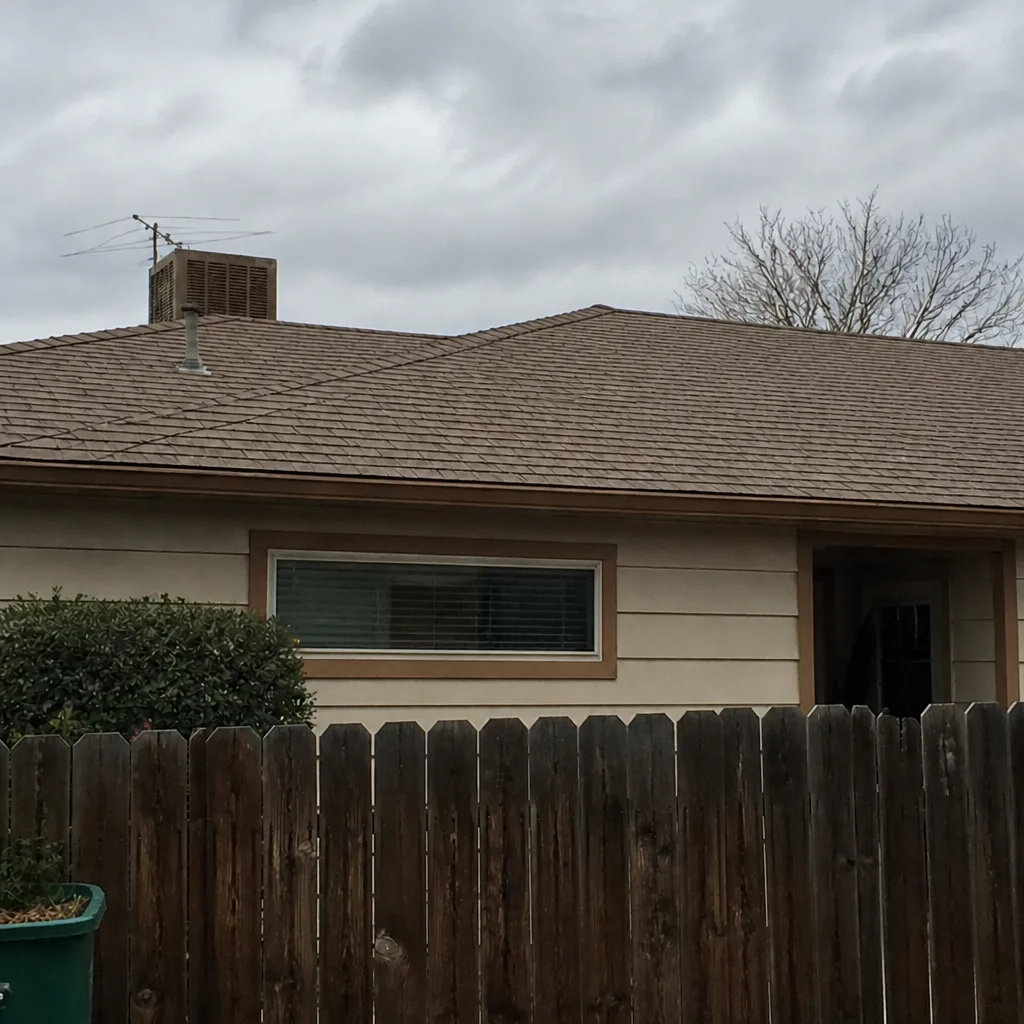
See the difference
 Before
 After
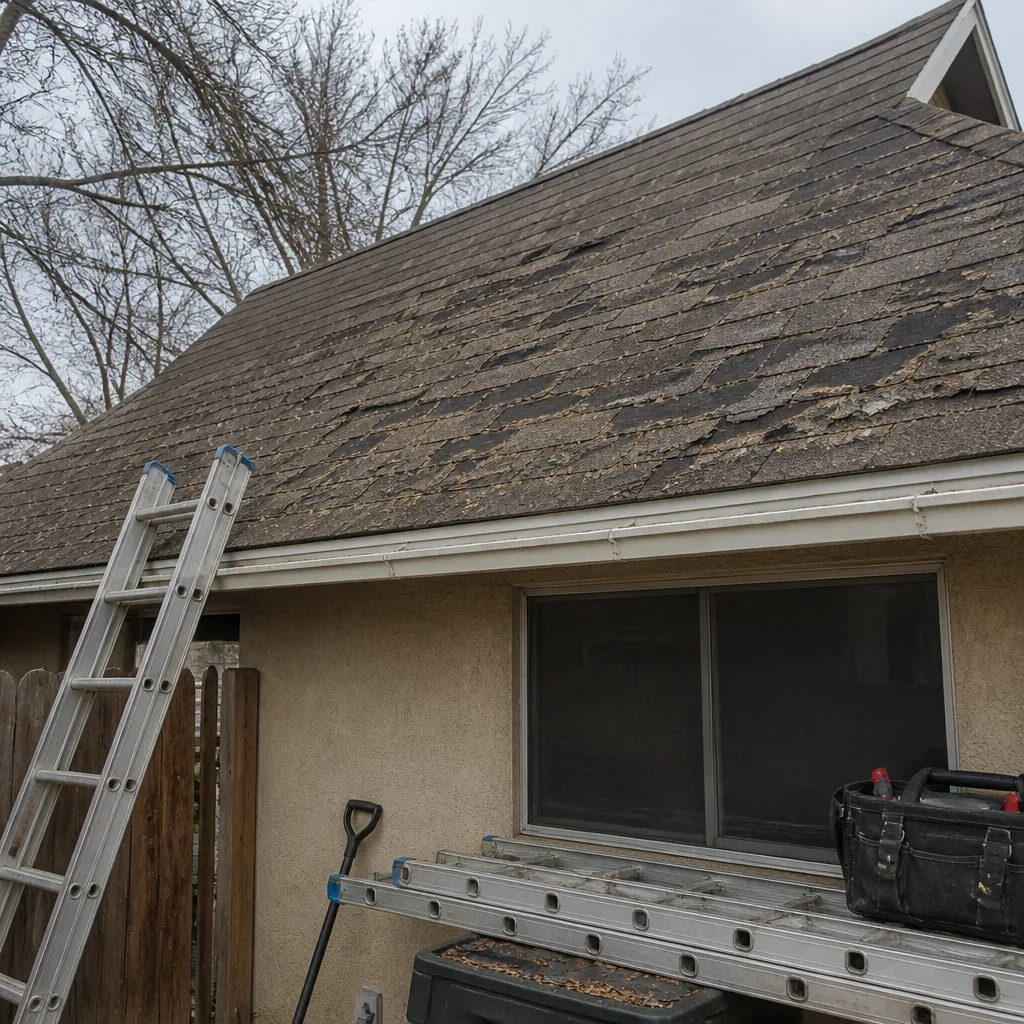 Before
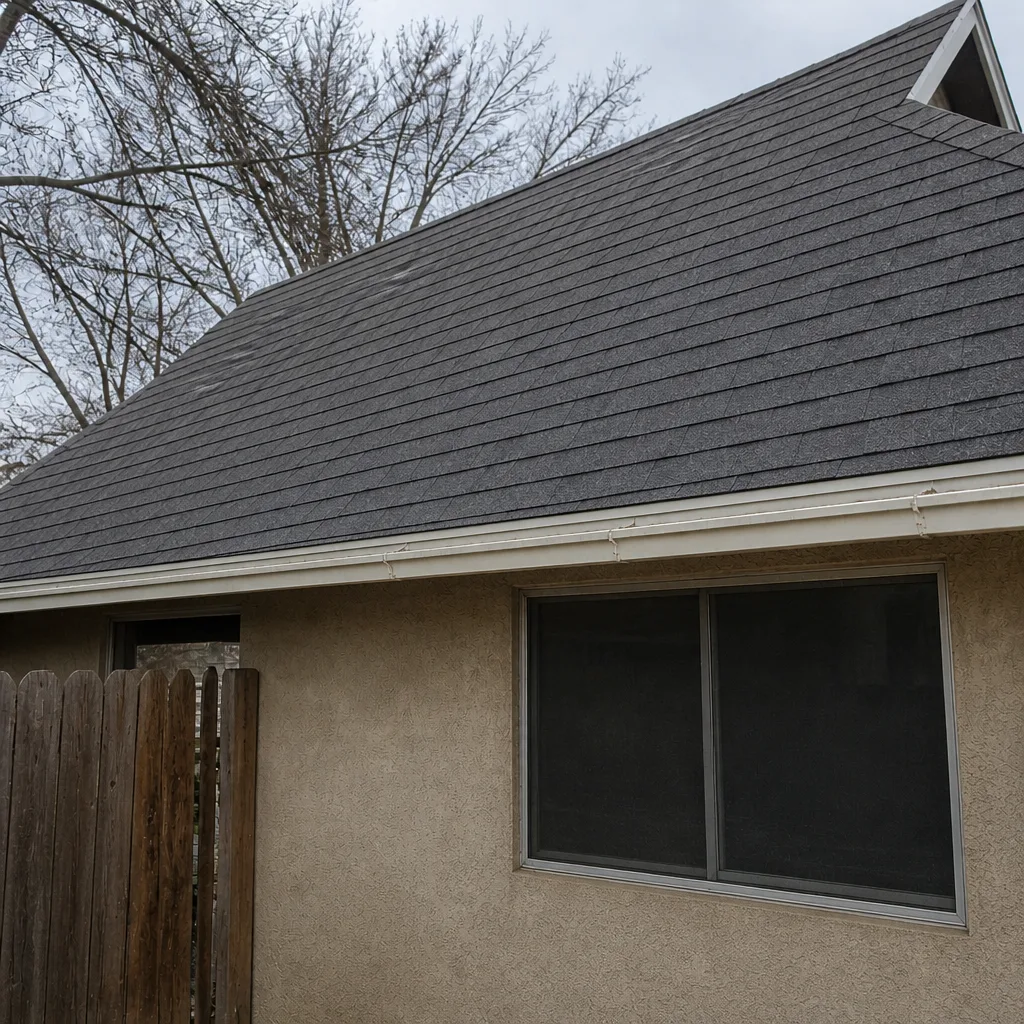 After
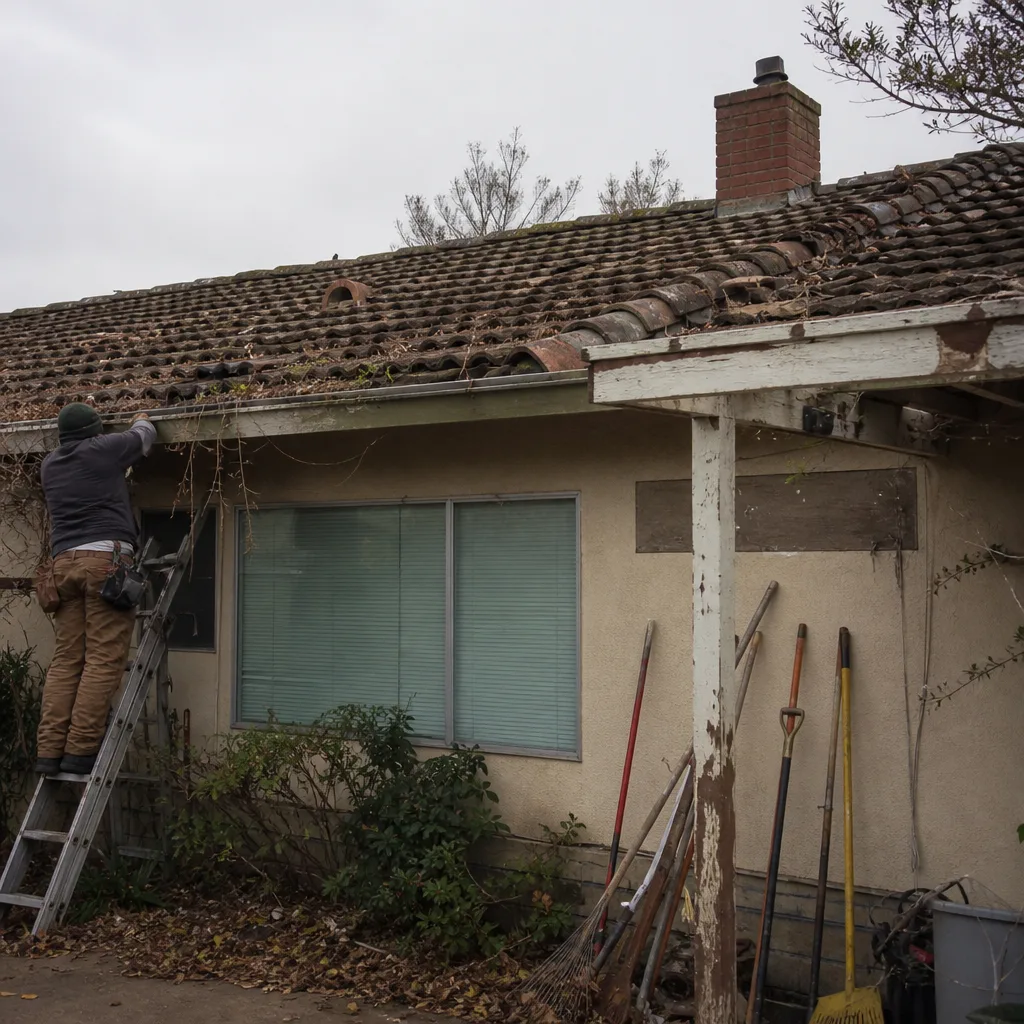 Before
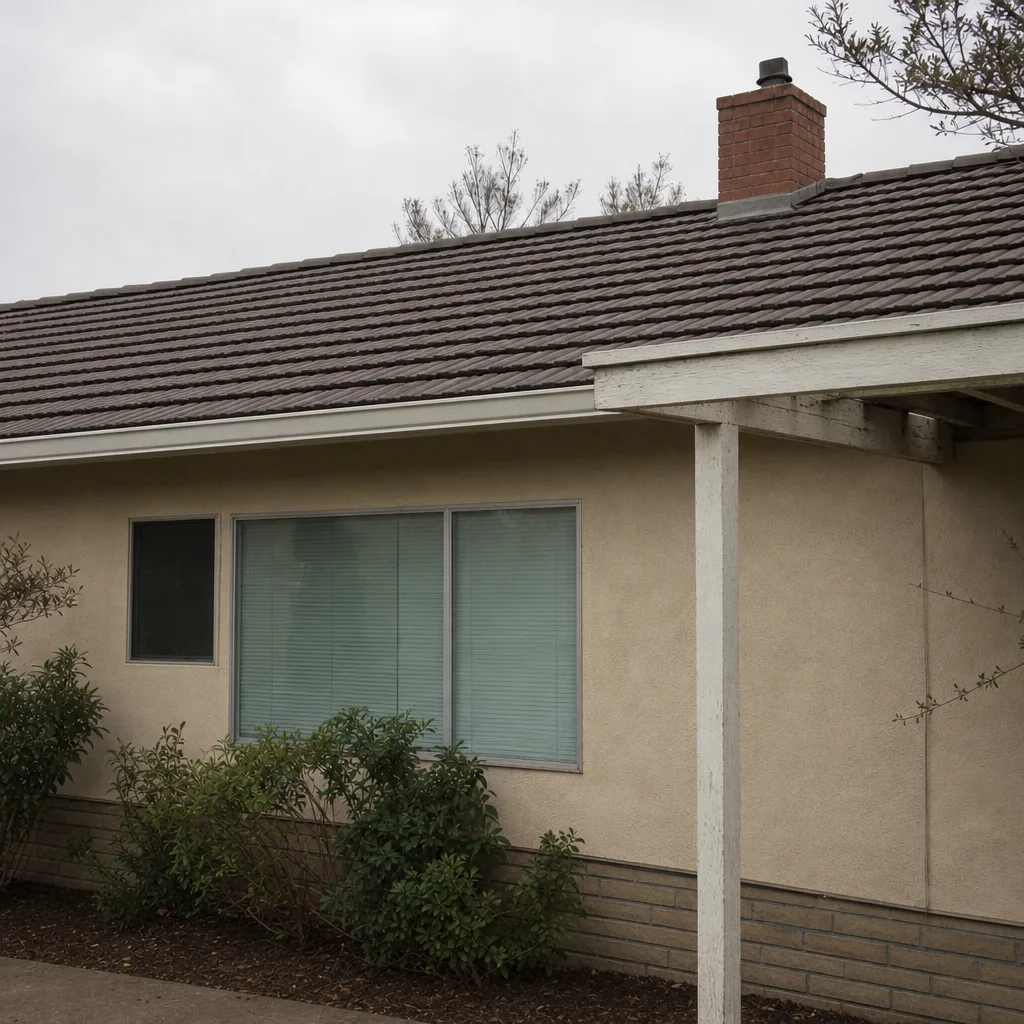 After
When to Call a Professional
If you’re weighing a metal roof and any of the following describe your situation, it’s time to get a professional on the roof rather than guessing from the driveway. A two-layer roof with visible soft spots needs a deck inspection before any timeline is quoted. A roof with active leaks, valley failures, or flashing problems should be diagnosed before a metal panel goes over it, because metal traps moisture rather than fixing it. Wind or hail events that lifted or dented a shingle roof usually mean compromised decking, not just missing shingles. And any metal job on a roof plane steeper than you’re comfortable walking should be evaluated by someone who works high pitches every week.
Shepherd & Sons Roofing Paradise offers free estimates in Paradise. A live person answers the phone, day or night, and you’ll get a written line-item quote with the deck photos before we talk money. Call (833) 676-0557 to schedule your free estimate.
Frequently Asked Questions
A metal roof on a typical Paradise home takes 2 to 7 days of installation, with exposed-fastener corrugated at the fast end and standing-seam with on-site panel fabrication at the slow end. Plan 1 to 3 weeks from tear-off to final walkthrough once weather, permits, and material lead times are factored in. Call (833) 676-0557 for a free estimate on your specific roof, and we’ll give you a real day count based on a measured square count.
Yes, standing seam is consistently slower on the roof for the same house. The panels are custom-formed to the exact roof run, and every seam is mechanically rolled rather than screwed down. On the same 2,200 square foot Paradise roof, exposed-fastener corrugated is typically 1.5 to 2.5 days while standing seam runs 4 to 6 days. Call us and we’ll tell you which style fits your budget and your roof pitch.
Sometimes, but only when the local code, the panel manufacturer’s warranty, and the deck condition all permit it. Overlay saves about 1 to 2 days of tear-off, but it hides the sheathing. If the old shingles are failing from underneath or the deck is soft, an overlay traps moisture and creates a bigger problem later. We take deck photos on every job so you can see what’s actually under the old roof before deciding.
The crew covers the exposed deck with a positive-sealed membrane or heavy tarp before the storm hits, and secures any partially installed metal panels. In Paradise, the July and August monsoon pattern is the main risk, so we schedule tear-offs early in the day during those months. Call (833) 676-0557 and ask about monsoon scheduling if your job is planned for summer.
Not beyond the final walkthrough on a residential job, but the walkthrough checklist matters. We check panel alignment, fastener pattern, ridge and hip closures, penetration flashing, gutter pitch, and drip edge before we call the job done. You get the deck photos and the surface photos together. If a manufacturer warranty is in play, we document the install to their spec so the warranty holds.
A tear-off adds roughly 1 to 2 days on a 2,200 square foot Paradise home, including stripping the old roofing, inspecting the deck, repairing soft sheathing, and hauling off the debris. The overlay skips that phase but inherits any hidden deck problems. Our standing offer is a free second opinion on any written estimate, so if a bidder is quoting overlay or a full tear-off, we’ll give you a second look before you sign.
The Bottom Line
Metal roofing timelines vary more than any other roofing type because panel style, tear-off versus overlay, on-site fabrication versus distributor panels, and weather all move the calendar independently. Exposed-fastener jobs finish in a day and a half, standing seam takes four to six, and monsoon season adds risk that requires a real coverage plan, not hope. If you want an honest day count on your Paradise roof, the answer only comes from a measured square count, deck photos, and a written quote. Call (833) 676-0557 for a free estimate. Every roofing job we do is backed by the written 90-Day Done Right Promise, and we’ll show you the deck before we talk money.
Written by the team at Shepherd & Sons Roofing Paradise.