
Last updated November 17, 2026
 Architectural shingles
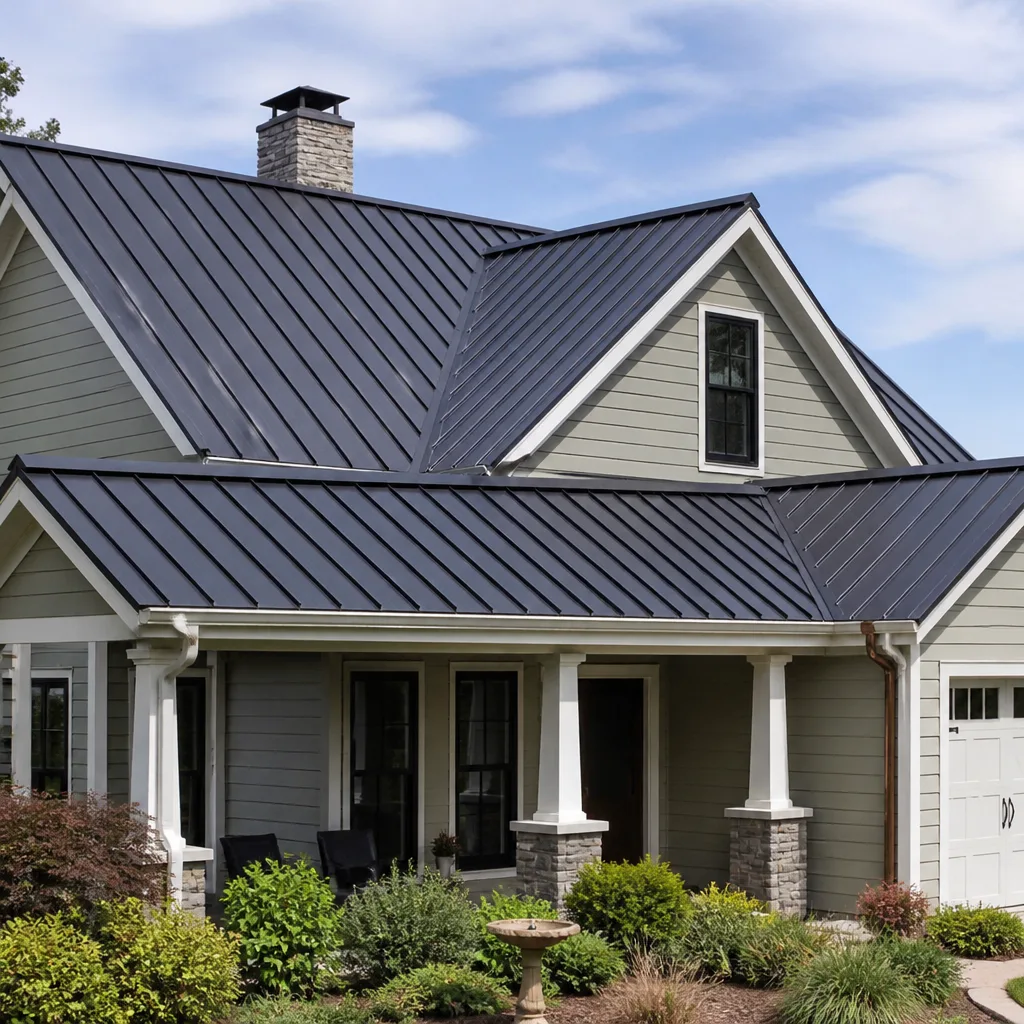 Metal roofing
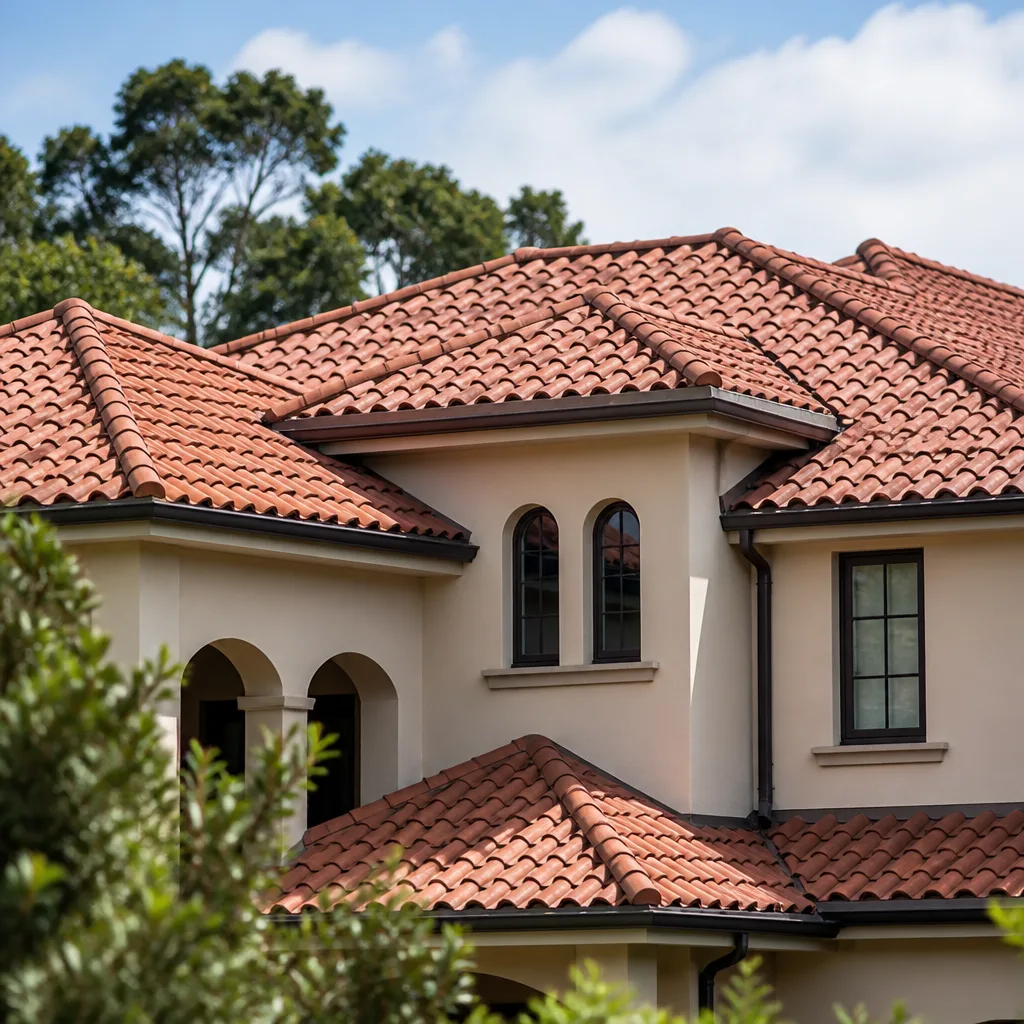 Tile roofing
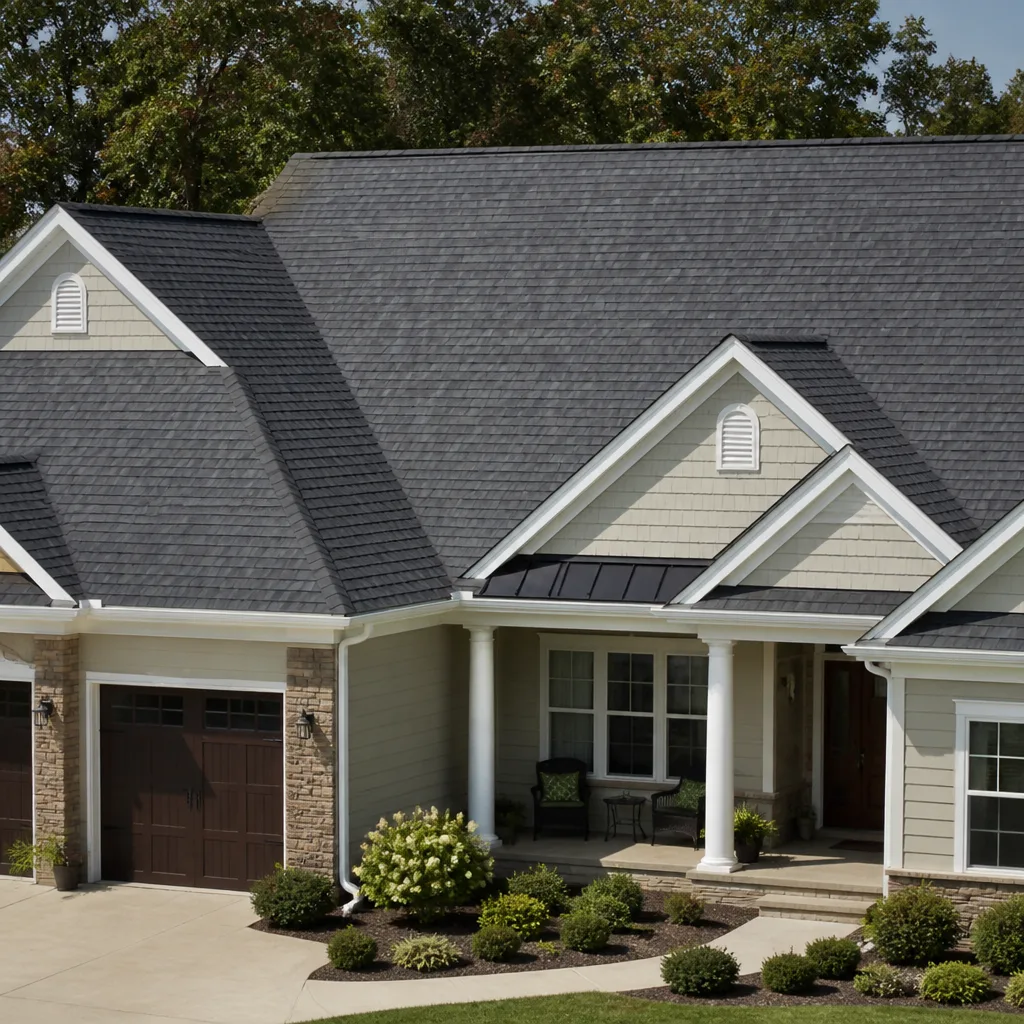 GAF
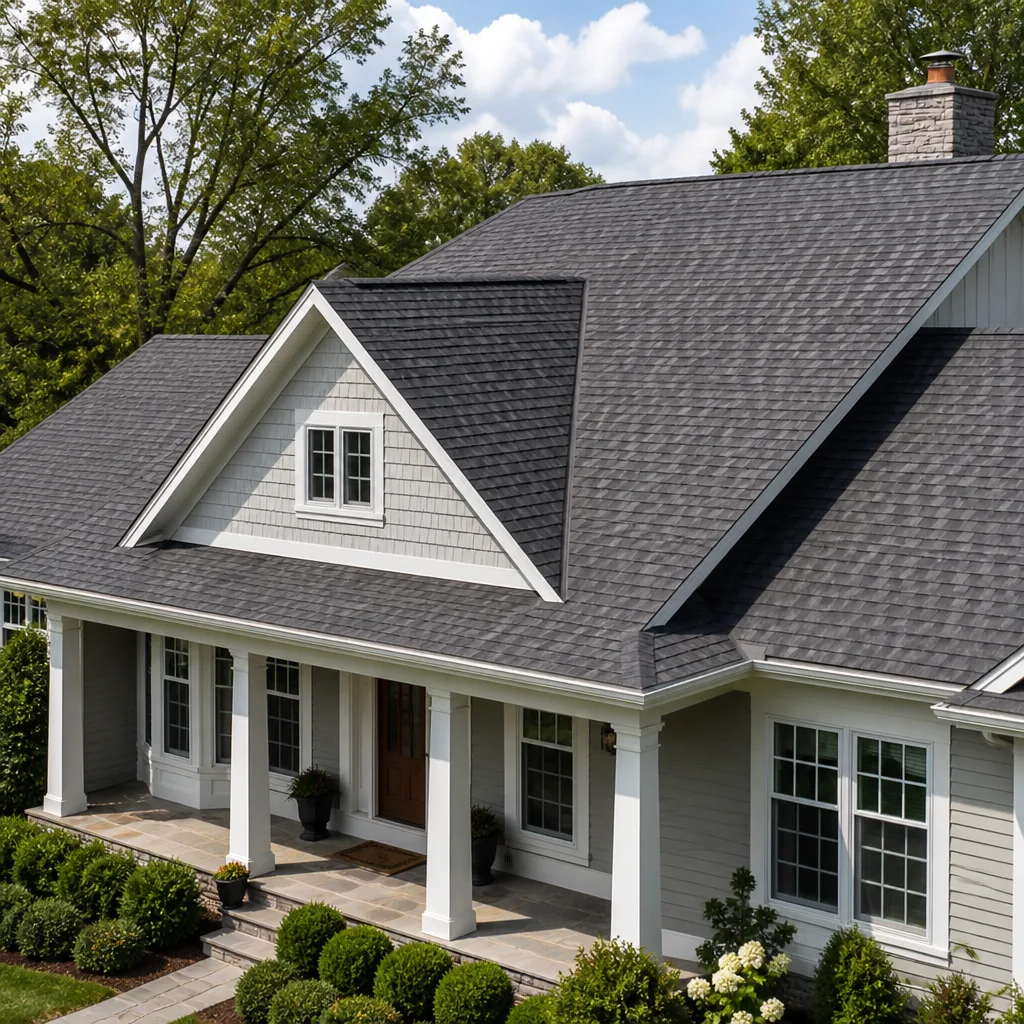 Owens Corning
 Flat & low-slope
Free roof inspection with deck photos before we talk money - GAF and Owens Corning certified installation
How Long Does Roof Repair Take? Timelines and What to Expect
When someone asks me how long a repair takes, I always ask what they’re really trying to figure out, because “two hours on the roof” and “three weeks until the insurance check clears” are both true answers to the same question. Most homeowners asking about timeline are really asking three things: how long is my house exposed, when do I get my Saturday back, and is this contractor’s promise realistic or just what he says to close the sale. This guide gives honest timelines tied to the actual repair type, not best-case brochure numbers. We work roofs in Paradise every week, and we’ll tell you the same thing here that we’d tell you standing in your driveway.
Quick Answer
A typical shingle patch or small leak repair on a Paradise home takes 2 to 4 hours of actual roof time, but expect 2 to 7 days from the day you call to the day it’s done once you add inspection, material pickup, and scheduling. A full section re-deck or flashing replacement runs 1 to 3 days on the roof and 1 to 2 weeks total. Major storm-damage repairs or anything touching insurance can stretch to 3 to 6 weeks from first call to final inspection.
Styles & brands we work with
- Architectural shingles
- Metal roofing
- Tile roofing
- GAF
- Owens Corning
- Flat & low-slope
Table of Contents
- Roof time vs. project time: the distinction that matters
- Timelines by repair type
- How Paradise summer heat changes the schedule
- Permits, materials, and drying windows
- Red flags in a timeline quote
- Building a timeline into your insurance claim
- Seasonal timing in Paradise
- Common mistakes to avoid
Roof Time vs. Project Time: The Distinction That Matters
The number a contractor gives you on the phone is almost always roof time, the hours the crew is actually on your house with tools in hand. The number you actually care about is project time, the calendar days between “I think I have a problem” and “the problem is gone.” Those are two completely different numbers, and confusing them is the single biggest source of frustration on a repair job.
Here’s what sits between roof time and project time:
- Inspection and diagnosis – 1 to 3 days. A leak in the ceiling isn’t always above the stain. We’ve chased water in Paradise homes that entered 12 feet away from where it dripped.
- Material ordering – same day to 5 days. Common shingle colors we can grab locally, but a specific IKO or Atlas color match can take a few days to land.
- Permit pull – 2 to 10 business days depending on scope. Paradise requires a permit for any structural sheathing or full re-roof; small patches usually don’t.
- Scheduling window – 2 to 14 days in normal weather, longer after a storm event when everyone’s roof is on the list.
- Drying and cure time – 24 to 72 hours. Sealants, flashings, and any interior patching all have to dry before the next step, and rushed drying is how callbacks happen.
- Final inspection and cleanup – same day or next.
When a bidder tells you “we’ll be done by Tuesday,” ask them plainly whether they mean roof time or project time. The answer tells you whether they’re being straight with you. Our Roof Repair in Paradise page lays out the same distinctions for anyone who wants a written look at the sequence before they call.
Timelines by Repair Type
Not all repairs are the same size of job. Here’s how the timeline breaks down for the calls we handle most often in Paradise.
Small Shingle Patch or Isolated Leak
Roof time: 2 to 4 hours. Project time: 2 to 7 days. A single missing shingle or a nail popped through a starter course is a fast fix. What takes time is getting eyes on it, confirming the deck underneath is still solid, and matching the shingle. A 4-tab from IKO has a slightly different tab profile than a comparable Tamko, and mismatched shingles are visible from the street even if they seal fine.
Full Section Re-Deck
Roof time: 1 to 3 days. Project time: 5 days to 2 weeks. If the sheathing under the shingles has gone soft, we’re pulling shingles, cutting out bad decking, nailing in new OSB or plywood, then re-shingling the section. This one needs a permit in Paradise because it touches structure. That’s the main reason project time runs longer than a homeowner expects.
Flashing Replacement (Chimney, Skylight, Wall)
Roof time: 3 to 8 hours. Project time: 3 days to 2 weeks. Flashing jobs take longer than the shingle square footage suggests, because flashing is where the detail is. Chimney counterflashing has to be cut and bent to fit, and the surround has to be woven correctly into the shingle courses or it’s leaking again by the first monsoon.
Storm Damage (Hail, Wind, Debris)
Roof time: 1 to 3 days. Project time: 2 to 6 weeks, mostly waiting on insurance. Actual repair on a hail-bruised field of shingles or a wind-torn valley goes fast once materials are on-site. The slow part is documentation, adjuster visits, and check processing.
Emergency Tarp-Up
Roof time: 30 to 90 minutes. Project time: same day. This is only the stopgap between active leak and scheduled repair. Don’t mistake a tarp for a fix. A tarp buys you days, not months, and any roofer who suggests otherwise hasn’t been outside in the sun lately.
How Paradise Summer Heat Changes the Schedule
A Paradise roof in July routinely hits 160°F at the shingle surface by 1 p.m., and that number changes everything about how we schedule. Good roofers don’t start a torch-down job at 2 p.m. in August, and it’s not because we’re lazy. It’s because:
- Asphalt shingles soften and scuff when walked on in full sun. A crew that shows up at noon in mid-July and stomps across a fresh 3-tab field is damaging what they just installed.
- Torch-down modified bitumen won’t apply correctly above roughly 90°F ambient. The membrane gets too sticky to lay flat, and the seams either weld unevenly or bubble once they cool.
- Adhesive flashing and sealants skin over before they can be pressed into place, which is how callbacks start.
- Crews work early in Paradise summers. Most of our summer days start at 6 a.m. and wrap by noon or 1 p.m. on a shingle job. That’s not a scheduling inconvenience; it’s a quality choice.
- Winter is different. Above 40°F, shingles seal fine in the sun. Below that, we’re either heating the membrane or waiting for a warm window.
If a contractor promises an afternoon start in August, ask them how they’ll keep the shingle temperature in the safe range. If they don’t have an answer, they don’t have a plan.
Permits, Materials, and Drying Windows
The single biggest reason “how long does it take” gets answered badly on the phone is that the person on the phone is quoting crew time and ignoring the paperwork. Here’s how the parts add up.
- Permit application. Structural repairs (sheathing, re-deck, full reroof) need a Paradise permit. Turnaround is typically 3 to 7 business days for a residential roof repair.
- Material order. Local stock of common shingles is a same-day pickup. Special-order profiles or color-match to an older metal roofing in Paradise install can add 3 to 10 days.
- Scheduling window. Weather and backlog depend. Dry weeks in Paradise we can usually be on-site in under a week. After a wind event, that stretches.
- Installation. Roof time per the table above.
- Drying and cure. Flashing sealants, interior drywall patches, and any spray-foam areas need 24 to 72 hours before we call them done.
- Inspection. Paradise inspectors don’t tend to drag their feet on residential repairs, but expect another 1 to 3 business days after the work is signed off for the paper trail to close.
For bigger scopes, the sequence is similar but longer. Our Roof Replacement & Installation in Paradise guide covers the full-timeline version if you’re past the repair stage and into a replacement decision.
Red Flags in a Timeline Quote
A timeline is a promise, and some promises can’t be kept by any roofer, anywhere. Watch for these.
- “Done in one day” on a section re-deck. Physically impossible once you include tear-off, new sheathing, and shingle sealing. If a contractor says this, they’re either planning to skip the permit or they don’t plan to do the re-deck.
- “We’ll have the flashing sealed and curing in the same hour.” Sealants don’t cure that fast, and rushing them is a callback waiting to happen.
- Quoted timeline with no permit step. On any structural work, that’s a hint they’re skipping the permit. Ask to see it in writing before work starts.
- Same-day start with no inspection. Nobody can quote a real timeline without seeing the deck. A roofer who offers a firm number before they’ve been on the roof is quoting the roof they hope you have.
- “Two weeks from signature” during storm season. After a hail event in Paradise, every reputable crew is booked out. A two-week promise during storm season usually means one of three things: they have no other work, they’re passing your job to a sub, or they’re going to rush.
- Timeline promises tied to weather. Roofers work in weather, not against it. Any contractor who pretends weather won’t affect the schedule hasn’t worked outside.
Ask any bidder how many squares they counted, what the permit timeline is, and what their backup plan is if a day rains out. Straight answers to all three tell you more than any marketing material.
Building a Timeline Into Your Insurance Claim
Timeline questions are often insurance questions in disguise. Homeowners want to know how long they’re exposed, when normal comes back, and whether a contractor’s schedule is realistic or just what they said to close the sale. Here’s how to build a claim timeline that doesn’t back you into rushing the work.
- Get the tarp up first. A tarp is often reimbursable and stops the damage from spreading while the claim goes through.
- File the claim within 48 hours of discovering damage. Most Paradise carriers expect prompt filing, and adjuster scheduling fills up fast after a storm.
- Get the adjuster on-site with a roofer present. A contractor who’s been through the claim process can point out what’s damage and what’s wear. This is not cheapness, it’s protection of your payout.
- Don’t sign a repair contract until the scope of work matches the adjuster’s estimate. A contractor promising two-week completion on a scope the adjuster hasn’t approved is setting you up for a change order later.
- Build a drying window into the schedule. After interior water damage, most insurers want 3 to 5 days of documented drying before the next phase. Don’t let a contractor talk you into closing up interior damage faster than that.
- Keep copies of every document. Photos, adjuster notes, invoices, permit copies. If the timeline slips, paperwork is what saves you.
We do a free second opinion on any written estimate, insurance-backed or not, so you know the timeline you’re holding is honest before you sign.
Seasonal Timing in Paradise
When you schedule the repair matters almost as much as who does it.
- Spring (March to May): Best scheduling window of the year. Crews aren’t booked out, weather is stable, and shingles seal well. If you’ve been putting off a nagging repair, this is the stretch to call.
- Summer (June to August): Shingle work early morning only. Torch-down and modified bitumen often wait for cooler windows. Expect scheduling to spread out.
- Monsoon (July to September): Wind and rain events in Paradise cause a spike in calls. Book early if you can, and expect a week-plus on the schedule after any significant storm.
- Fall (October to November): Ideal second window. Temperatures support both shingle work and metal work, and post-summer leaks get addressed before winter rain.
- Winter (December to February): Shingle sealing slows down in cold snaps. Repair work still happens, but crews plan around the warmer part of the day and drying windows stretch a bit.
Common Mistakes to Avoid
- Confusing roof time with project time. A roofer quoting “three hours” is quoting crew time. Ask for the calendar estimate in writing.
- Skipping the permit to save a week. It shaves 5 to 7 days off the front end and adds 5 to 7 days of risk at resale. Not worth it.
- Letting a contractor rush the drying window. Interior drywall patches and fresh sealants need 24 to 72 hours. Rushed drying is where interior mold complaints start.
- Signing a same-day contract after a storm. Storm chasers know that urgency works. Get a written estimate, get a license number, look up the address, and give yourself 24 hours before signing.
- Ignoring a leak until it’s an emergency. A slow ceiling stain that’s been there “a few weeks” in a Paradise summer has usually been soaking the deck for longer than that. Small repairs stretch fine. Emergency repairs never do.
- Assuming a tarp is a repair. A tarp stops water. It doesn’t fix the roof. Schedule the real repair while the tarp is doing its job.
- Letting the insurance timeline drive the roof timeline. The claim has its own clock, and rushing the actual repair to match it is how callbacks happen. Build the roof schedule around the work, not the check.
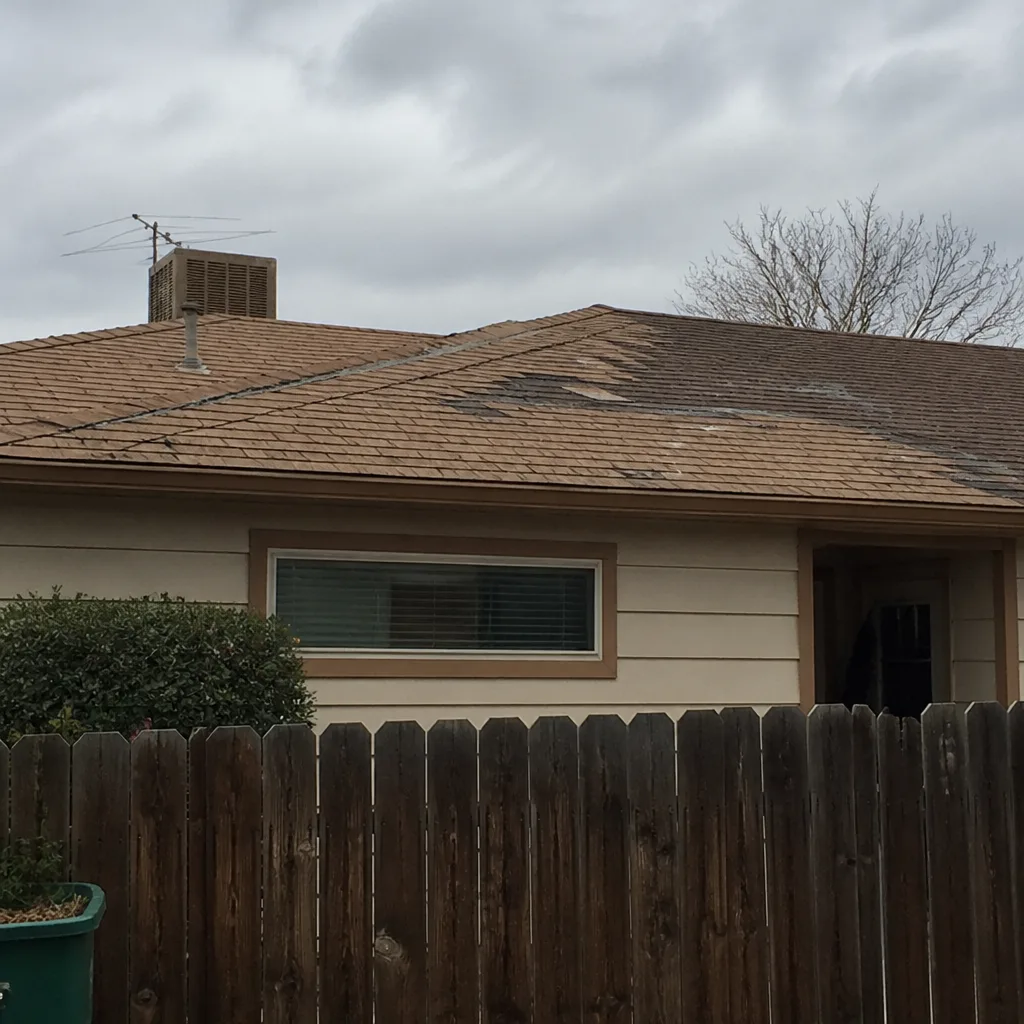
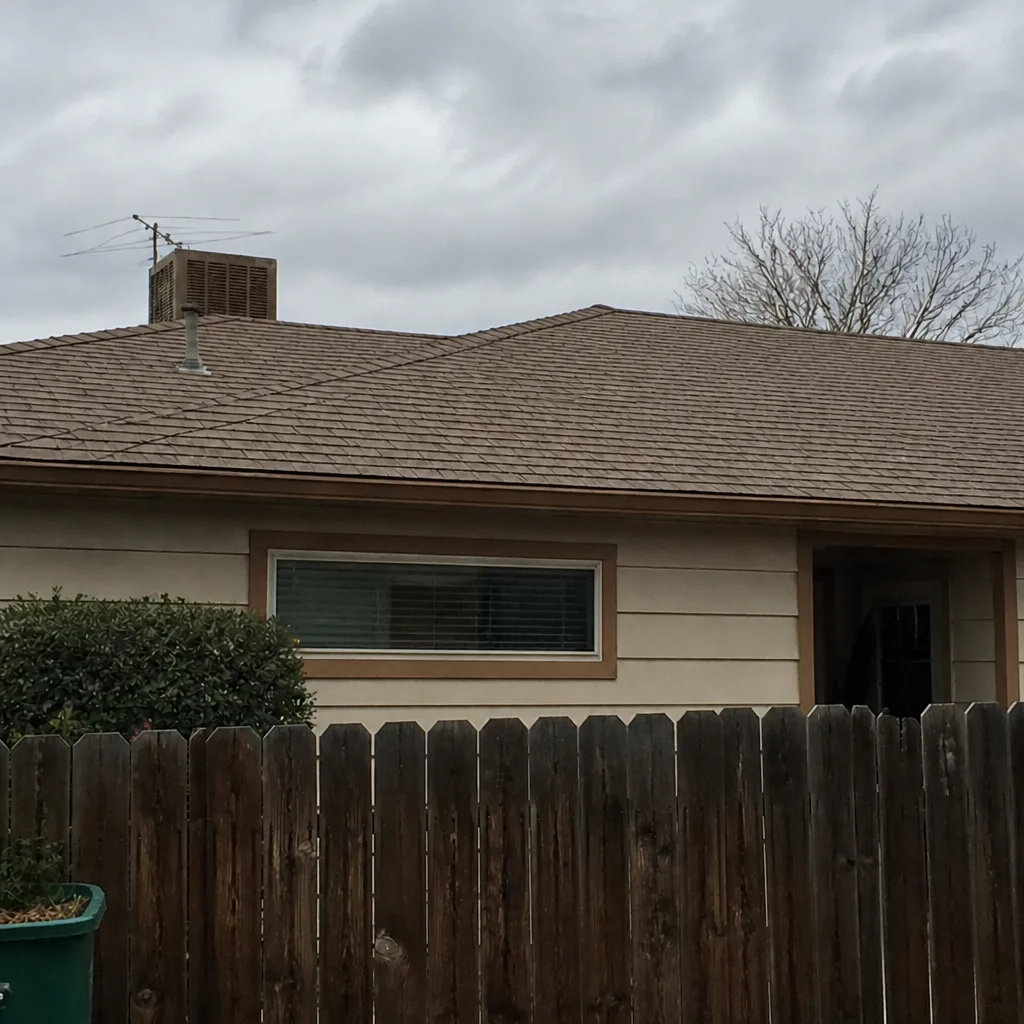
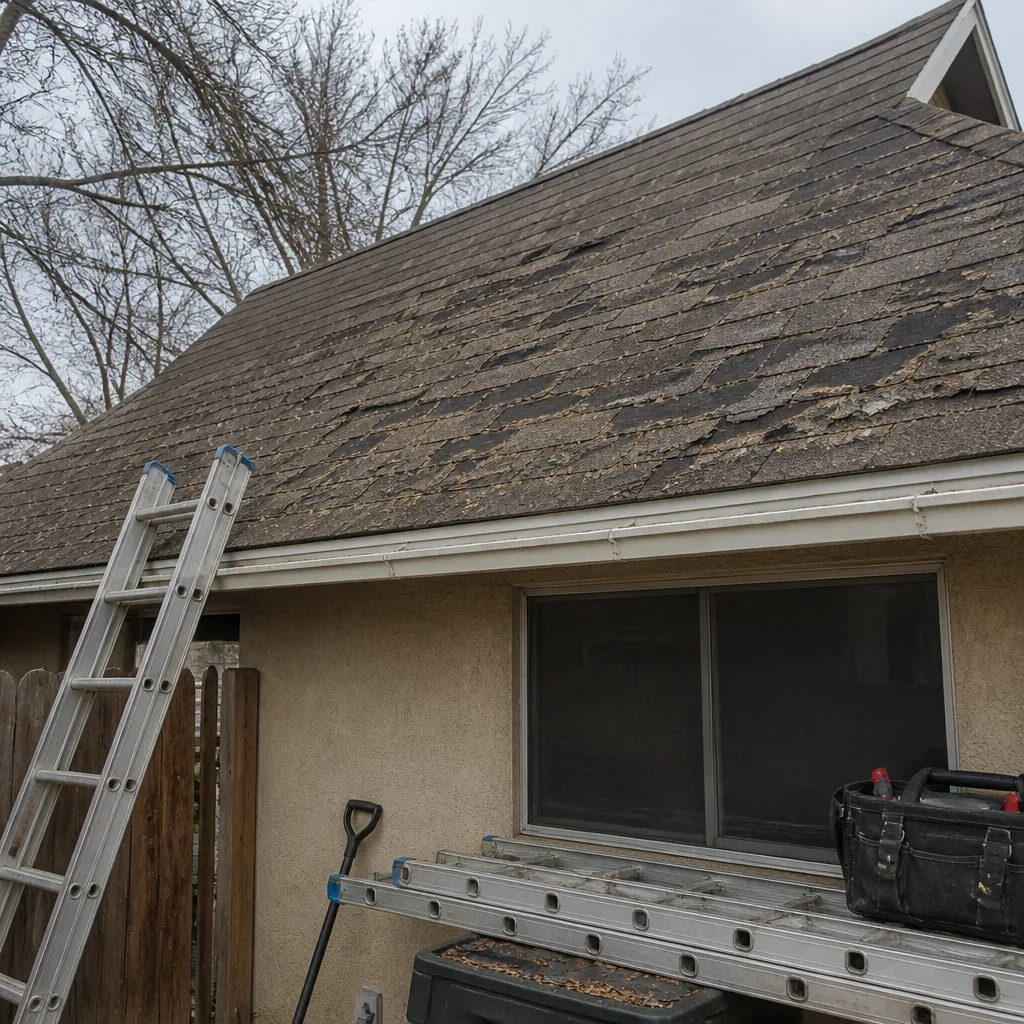
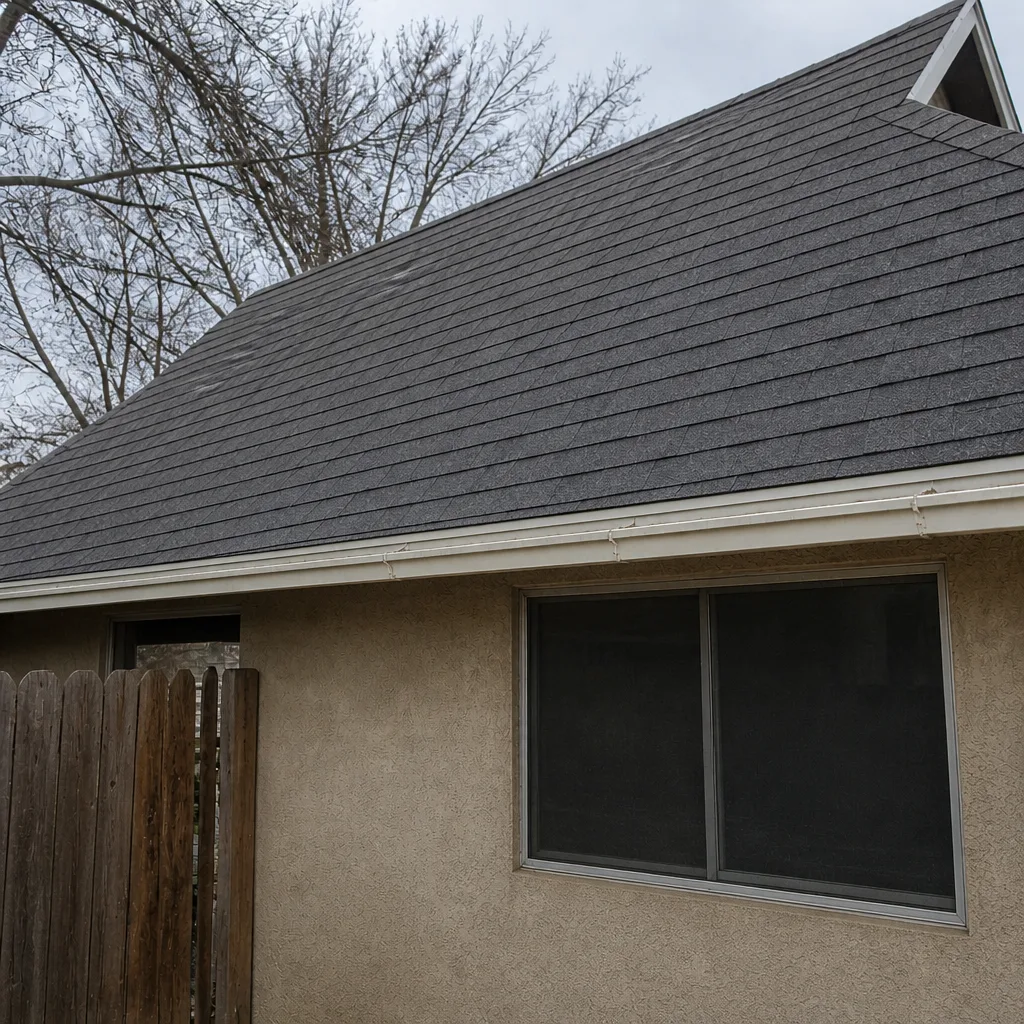
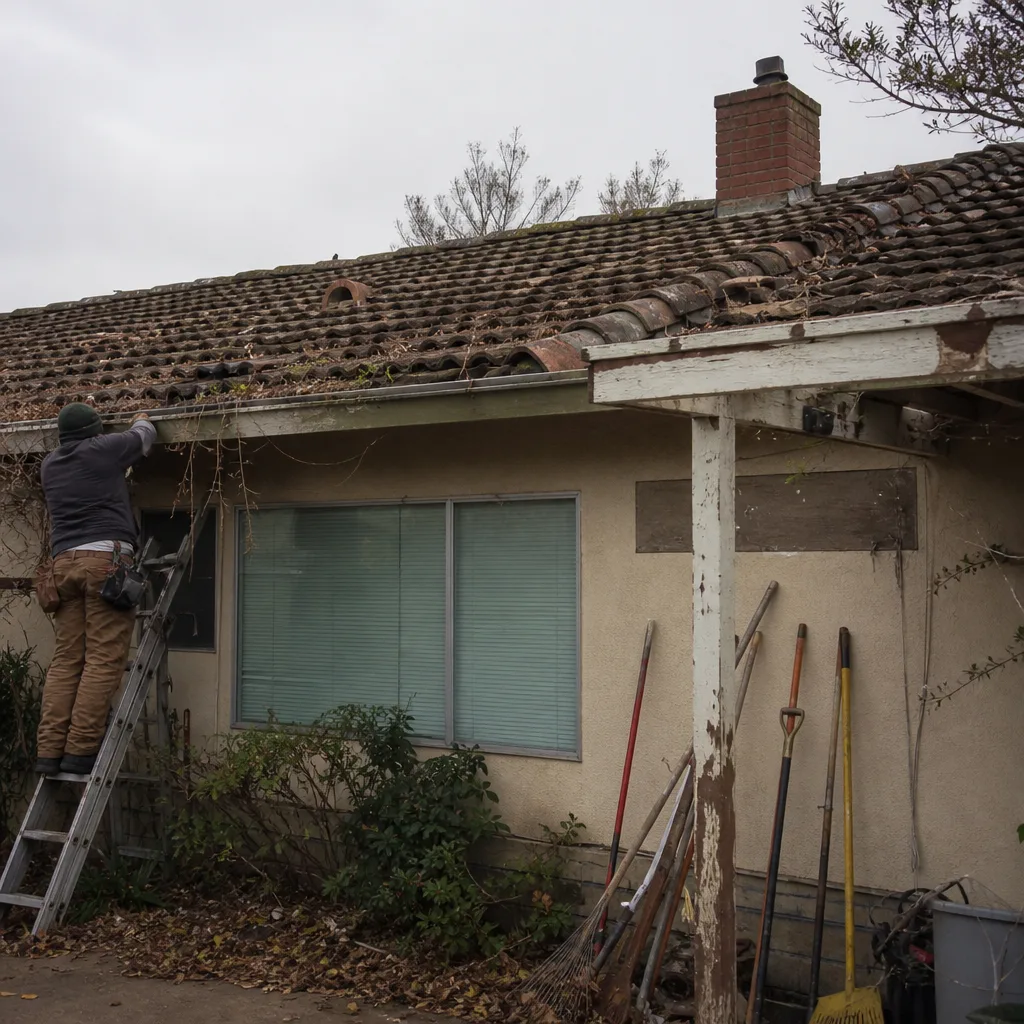
See the difference
 Before
 After
 Before
 After
 Before
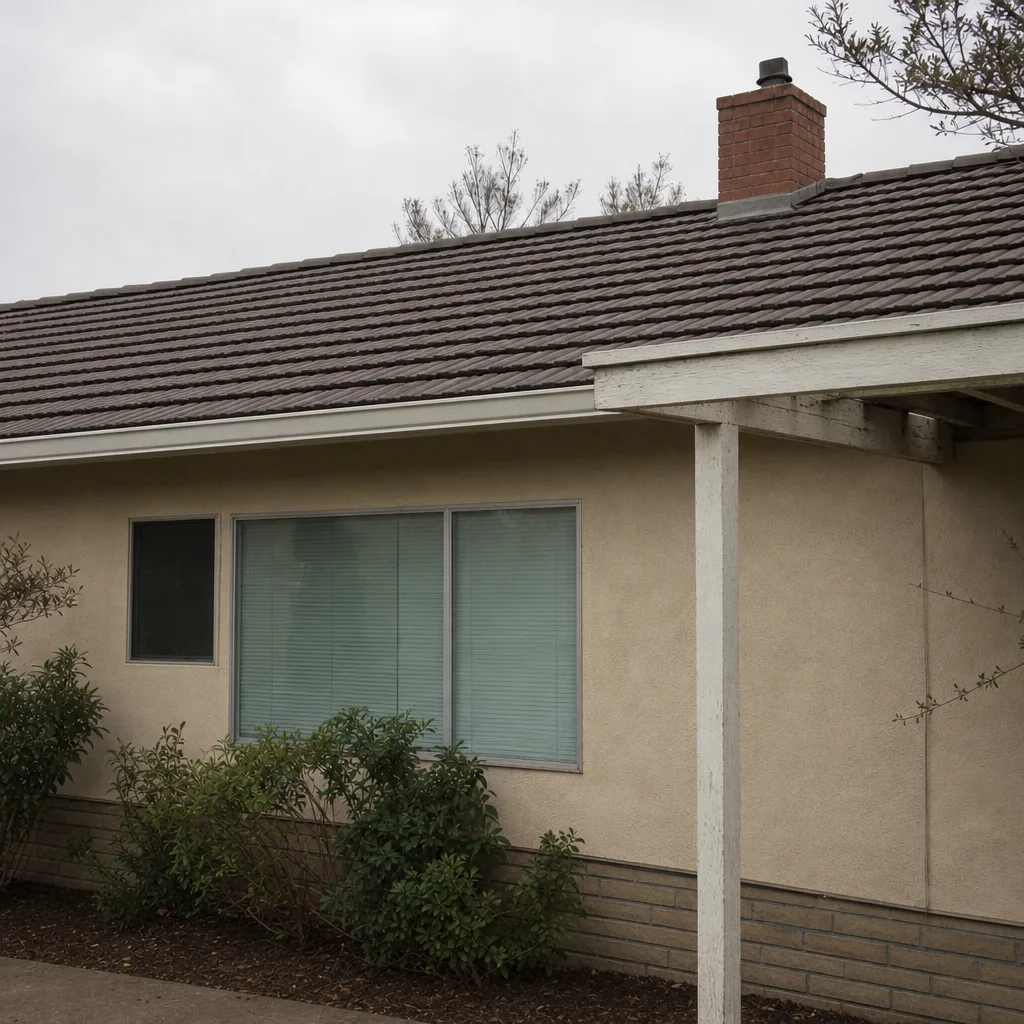 After
When to Call a Professional
Call a roofer the moment you see water staining on a ceiling, missing shingles after a wind event, granules collecting at the base of a downspout, or daylight through the deck in an attic. Call sooner if a leak starts after a Paradise monsoon, if flashing around a chimney or skylight is lifting, or if the deck feels soft underfoot. Small jobs left long turn into section re-decks and interior drywall work, and those timelines are measured in weeks, not hours. Also call a professional any time you’d be walking on a pitched roof to investigate. Falls from roofs send homeowners to the emergency room every year and there’s no repair worth that. Shepherd & Sons Roofing Paradise offers free estimates in Paradise and free second opinions on any written bid you’re holding, call (833) 676-0557.
Frequently Asked Questions
A typical small repair in Paradise takes 2 to 4 hours of roof time and 2 to 7 calendar days from first call to done. Larger scopes like a section re-deck or flashing replacement run 1 to 3 days on the roof and 5 days to 2 weeks total. Storm-damage repairs tied to insurance can stretch to 3 to 6 weeks, mostly because of the claim process, not the work itself. Call (833) 676-0557 for an exact timeline on your roof, estimates are free.
It can, and any honest contractor will tell you that up front. What we don’t like is a surprise. If we open a section and find soft sheathing under what looked fine from above, that’s a real change and it’s the kind of thing we show you with deck photos before we talk money. Fixed pricing with no change orders applies when nothing new is found. When something is found, you get a written update before any extra work starts. Call (833) 676-0557 to schedule a free estimate on the current scope.
Yes, on any structural repair that touches sheathing, full re-deck, or full reroof, we pull the permit and we pass inspection. Small patches on shingles and minor flashing touch-ups usually don’t require one. If a bidder quotes a structural repair without a permit step, ask why. Call (833) 676-0557 and we’ll tell you whether your repair needs one in writing.
Some repairs finish in one day, yes, and some cannot under any timeline. A shingle patch or small leak fix is a same-day job. A section re-deck, chimney flashing replacement, or anything needing fresh sealant curing cannot be honestly finished in one calendar day. If a contractor promises same-day on a job that involves tear-off plus new sheathing plus sealing, they’re either skipping the permit or planning to come back. Ask for it in writing. Call (833) 676-0557 for an honest scope and timeline.
Paradise roofs can hit 160°F at the shingle surface in July and August, and torch-down and modified bitumen applications aren’t safe or correct above roughly 90°F ambient. Reputable crews work early in the morning and wrap shingle jobs by early afternoon in the summer, which can stretch a job across two days that would be one in spring. A roofer who plans an afternoon start in August either doesn’t know the material or doesn’t care how it sets. Call (833) 676-0557 and we’ll schedule around the heat honestly.
File within 48 hours of discovering damage, get a roofer on-site with the adjuster, wait for the scope of work to match the adjuster’s estimate before signing, and build 3 to 5 days of drying time into any interior work. Rushing a repair to match the claim clock is how callbacks happen. We offer a free second opinion on any written estimate so you can compare timelines side by side before you sign. Call (833) 676-0557 to get that second opinion scheduled.
The Bottom Line
The honest answer to “how long does roof repair take” is two numbers: roof time and project time, and the second one is the number you actually care about. Small patches run 2 to 4 hours on the roof and about a week end-to-end. Section re-decks and flashing jobs run 1 to 3 days on the roof and 1 to 2 weeks end-to-end. Anything insurance-backed runs 3 to 6 weeks from first call to final inspection, mostly because of paperwork, not labor. The reliable way to avoid timeline surprises is to ask any bidder for a written estimate with a permit step and a drying window, and to walk away from any promise that ignores the material’s real cure time. That’s the whole game.
Shepherd & Sons Roofing Paradise has served Paradise homeowners with written, line-item estimates and a 90-Day Done Right Promise on every repair job. If you’re holding a bid with a timeline that smells like best-case, or you’re just starting to figure out what your roof needs, call (833) 676-0557 for a free estimate. A live person answers, day or night, and we’ll show you the deck photos before we talk money.
Written by the team at Shepherd & Sons Roofing Paradise.