
Last updated November 17, 2026
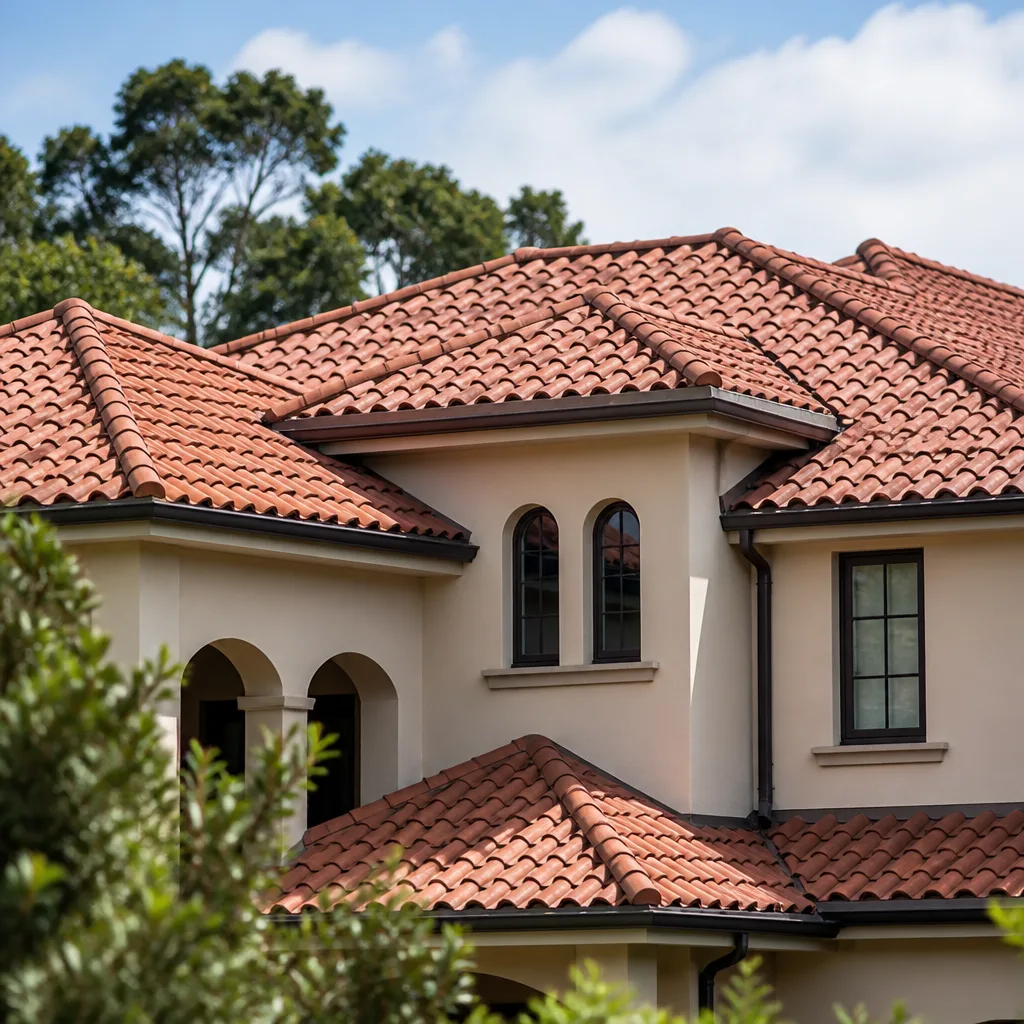 Tile roofing
 Architectural shingles
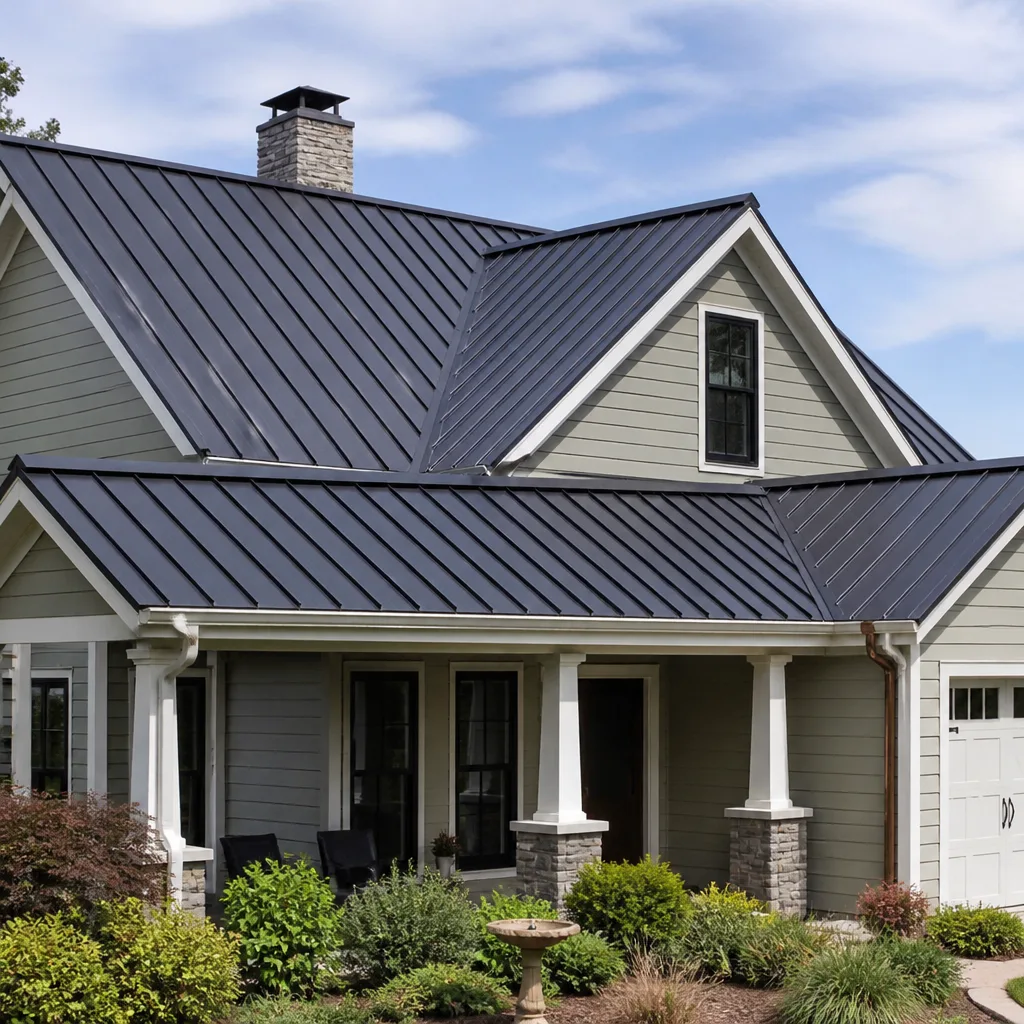 Metal roofing
 GAF
 Owens Corning
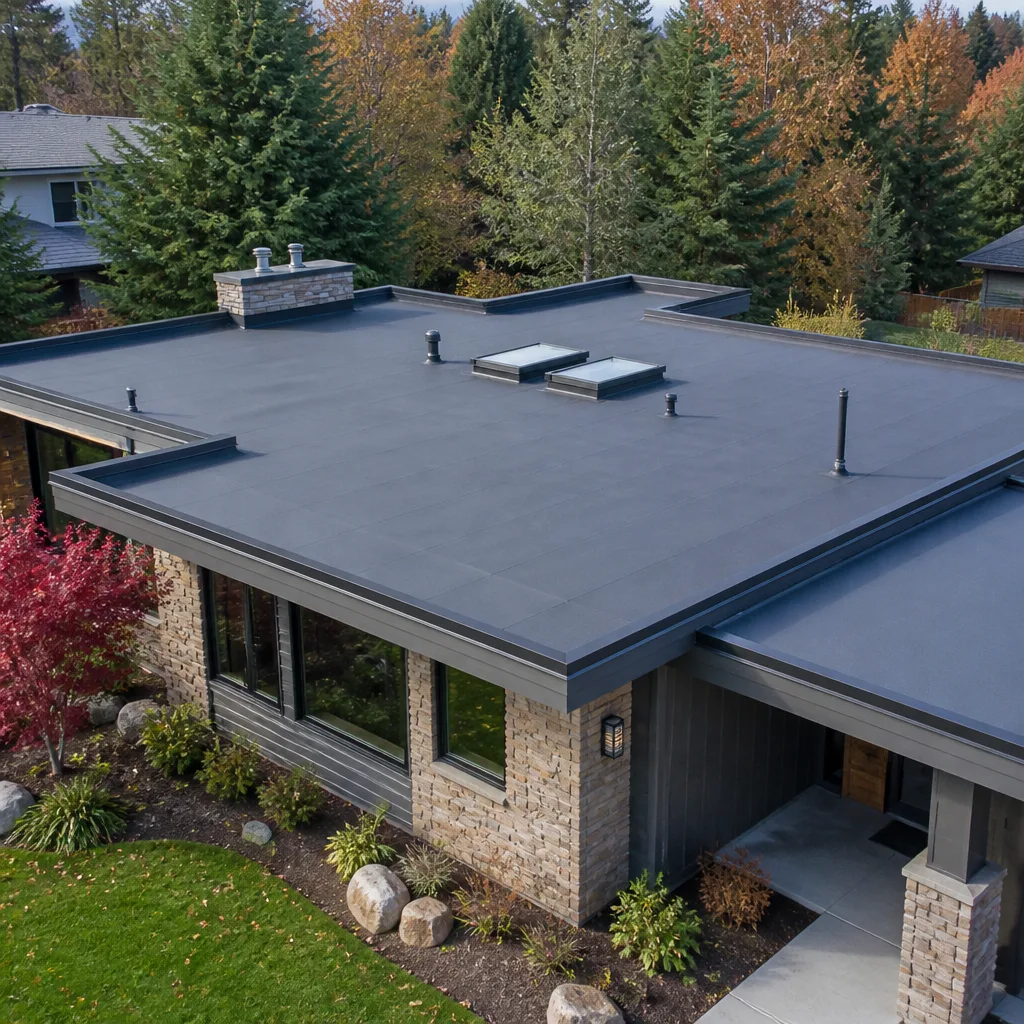 Flat & low-slope
Free roof inspection with deck photos before we talk money - GAF and Owens Corning certified installation
How Long Does Tile Roofing Take? Timelines and What to Expect
A roofer who quotes you “three days” for a full tile re-roof is either skipping the deck inspection or planning to work you in around three other jobs. Here’s what an honest timeline actually looks like in Paradise. Most full tile roof replacements here run 12 to 21 working days once materials are on-site, and that number climbs when the deck is soft, the tile profile is backordered, or July heat shuts the crew down by early afternoon. This guide breaks down every phase, day by day, including the delays contractors don’t like to advertise.
Quick Answer
A full tile roof replacement in Paradise generally takes 12 to 21 working days from tear-off to final walk, spread across four to six calendar weeks once you factor in material lead times and weather. Simple single-story homes with good decking land near the short end. Two-story homes, complex hips and valleys, or anything needing deck repair push toward the long end. The two variables that stretch timelines most are what’s hiding under the old tile and how long your chosen profile takes to arrive.
Styles & brands we work with
- Architectural shingles
- Metal roofing
- Tile roofing
- GAF
- Owens Corning
- Flat & low-slope
Table of Contents
- Phase-by-Phase Timeline: Where the Days Go
- Why Summer Paradise Jobs Run Shorter Days
- Material Lead Times: Concrete vs. Clay vs. Synthetic Tile
- Legitimate Delays vs. a Contractor Juggling Too Many Jobs
- Weather Windows and Why March or October Matters
- The Deck Inspection Nobody Quotes Upfront
- Common Mistakes to Avoid
- Frequently Asked Questions
Phase-by-Phase Timeline: Where the Days Go
Tile is heavy, brittle, and slow to set compared to asphalt. That weight and fragility change the pace of every phase. Here’s how a typical Paradise tile re-roof breaks down, assuming a 2,500-square-foot single-story home and materials already staged.
- Tear-off (2 to 4 days). Old tile comes off by hand or with a conveyor chute, then the old underlayment peels away. Tile roofs carry more debris than shingle roofs, so disposal adds time.
- Deck inspection and repair (1 to 3 days, longer if rot is found). This is the phase that surprises people. In Paradise we regularly find softened sheathing near valleys and around chimneys where years of monsoon splash-back worked under failed flashing. A roofer who skips or rushes this is selling you a roof that will leak.
- Underlayment (1 to 2 days). Tile underlayment is the actual waterproof layer. Tile sheds water; the underlayment keeps it out. This is where the real protection lives.
- Battens and flashing (1 to 2 days). Battens give tiles something to lock onto and create the air gap that keeps the roof cooler. Flashing around penetrations gets set and sealed here.
- Tile installation (4 to 8 days). The long haul. A crew sets tile from the eave up, cutting pieces at hips and valleys as they go.
- Ridge caps and final walk (1 day). Ridge tiles get set, and we walk the whole roof with you, photographing anything questionable before we call it done.
The phases stack, and weather can shove them around. For a closer look at what a full replacement involves beyond tile, see our Roof Replacement & Installation in Paradise page.
Why Summer Paradise Jobs Run Shorter Days
Desert heat isn’t a scheduling excuse. It’s a hard physical limit. Surface temperatures on a tile roof in a Paradise July routinely run well above air temperature, and crews simply can’t safely work through the hottest midday hours. On many summer jobs, the workday stops around 1 p.m., sometimes earlier.
What that means for your project: a phase that takes 3 days in March might take 5 in July. A 12-day re-roof can stretch to 18 or 20 across a summer schedule even with zero material problems. It’s not laziness. It’s the safety limit any legitimate crew respects.
Two practical takeaways:
- Summer jobs aren’t faster just because it’s dry. Dry weather helps; heat stoppage hurts. They roughly cancel out.
- A summer quote promising “one week flat” on a full tile re-roof either involves a huge crew or shaky math. Ask how many crew members will be on the roof and how many hours they’ll work per day.
If you’re scheduling a repair rather than a full replacement and want to understand what’s involved, our page on Roof Repair in Paradise walks through the diagnostic side.
Material Lead Times: Concrete vs. Clay vs. Synthetic Tile
Material delivery is the delay nobody puts in the sales pitch. The shingle wrapper doesn’t tell you when it arrives, and the tile profile you fall in love with at the showroom may be six weeks out. Here’s how the three main tile types run in the Paradise market.
- Concrete tile (the common choice). Widely stocked and usually the shortest lead time. Standard profiles often come in a week or two. Custom colors and special profiles can push to four to six weeks.
- Clay tile. Longer on the whole. Clay is fired in specific runs, and if your color is out of the current production batch, you wait. Six to ten weeks is not unusual for a specific profile.
- Synthetic tile. Varies widely by brand and profile. Some lines ship fast; some carry four to eight week lead times. Products from Boral and similar manufacturers are worth checking early.
Before signing anything, ask these three questions:
- Is the exact profile and color in stock, and who’s the supplier?
- What’s the written lead time on this tile, and what happens to my price if it changes?
- If this profile is backordered, what’s the closest in-stock alternative and how does it price out?
Get the lead time in writing. A verbal “we’ll have it in no time” isn’t a schedule.
Legitimate Delays vs. a Contractor Juggling Too Many Jobs
Some delays are real and unavoidable. Others mean you’re a job number in a stack of jobs. Here’s the difference.
Legitimate, honest delays:
- You find unexpected deck rot during inspection. Photos prove it, and the fix is scoped and priced before work resumes.
- A monsoon storm rolls through and the crew protects the roof and waits a day or two for the deck to dry.
- A material shipment gets bumped by the manufacturer. Your contractor tells you the new date the day they learn it.
Signs a contractor is overbooked:
- Your crew shows up for a day, disappears for three, and nobody calls.
- The start date moves twice before anyone touches the roof.
- You can’t reach anyone by phone, or you only get voicemail and a form.
- The foreman on your roof changes week to week.
The questions to ask before work starts: How many active jobs will you have running the same week as mine? Who’s the foreman, and will the same crew be here start to finish? If a delay hits, who calls me and how fast? A roofer with a straight answer on those is a roofer who’ll be straight about the timeline too.
Weather Windows and Why March or October Matters
Paradise weather splits the year into two work zones. The window between roughly October and May is genuinely good working weather: moderate, dry, long days. The window from June through September is monsoon season, when afternoon storms can drop heavy rain fast and shut a job down mid-phase.
Why a mid-work storm matters more than you’d think: an open roof with underlayment partially installed can take on water if rain hits hard. A good crew protects the deck before they leave for the day, but a monsoon that interrupts the tear-off or underlayment phase costs you a day or two every time it happens.
That’s why, when it’s an option, starting a tile replacement in March or October pays off. You avoid the heat stoppage, you dodge the peak storm window, and you avoid the mid-summer material scramble when every roofer in the county is trying to source the same profiles.
Scheduling flexibility also depends on the material type. If you’re weighing options and want to see how a lighter material changes the calendar, look at Metal Roofing in Paradise.
The Deck Inspection Nobody Quotes Upfront
This is the biggest hidden variable in every tile re-roof, and it’s the one that separates honest bidding from low-ball bidding. Nobody knows what’s under the old tile until it comes off.
In Paradise, the specific problem we see most often is softened sheathing along valleys and at penetrations. Tile itself sheds water well, but when underlayment ages out or flashing fails, splash-back during monsoon storms gets under the tile edge and soaks the deck. Ten or twenty years of that shows up as soft wood the moment the tile lifts.
What that does to your timeline and your bill:
- Minor soft spots (a few sheets). Adds a day, adds modest cost. Photographed and quoted before repair.
- Larger rot around valleys or chimneys. Adds two to four days and a real material cost.
- Widespread soft sheathing. Can add a week and means the roof was failing well before you saw a leak indoors.
Ask every bidder one question: “Will you show me the deck photos before you quote the repair?” Anyone who won’t is selling you a guess. We show the deck photos before we talk money. That’s how the estimate matches the invoice.
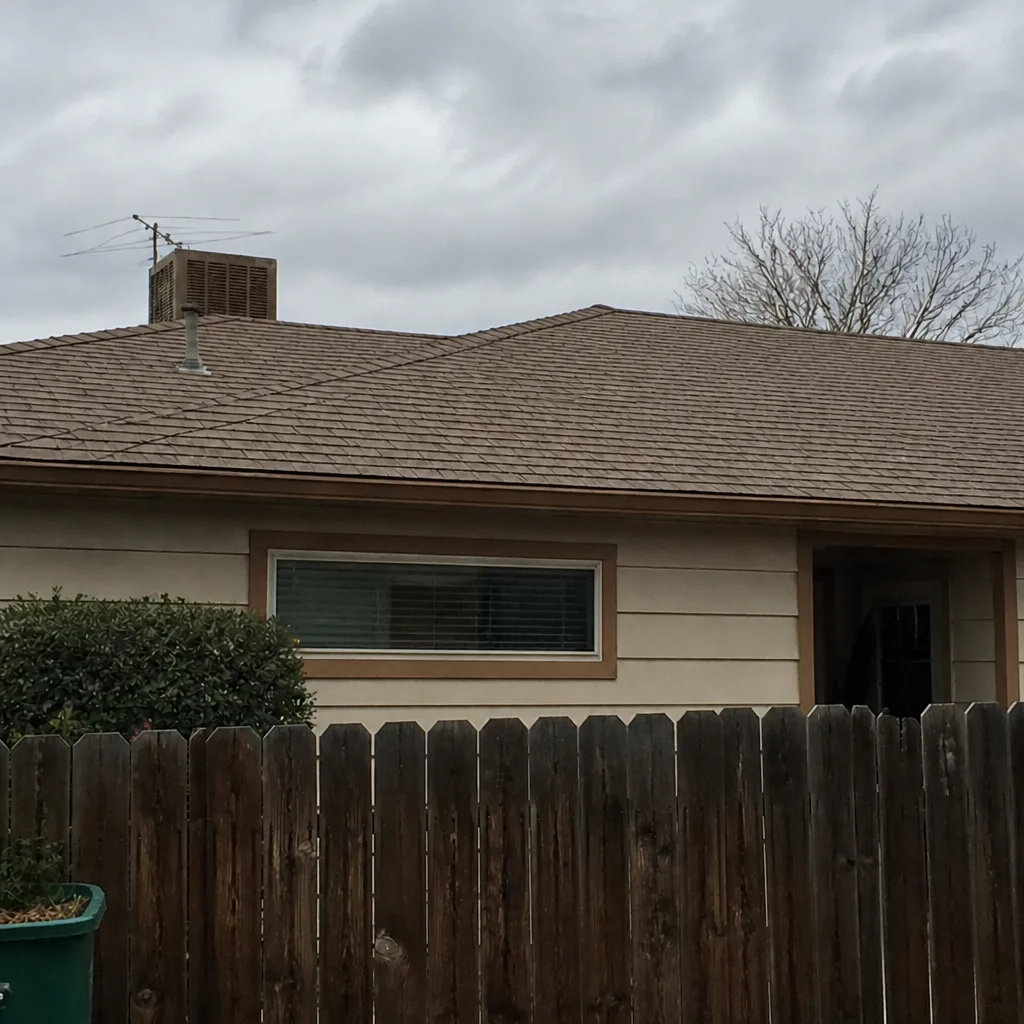
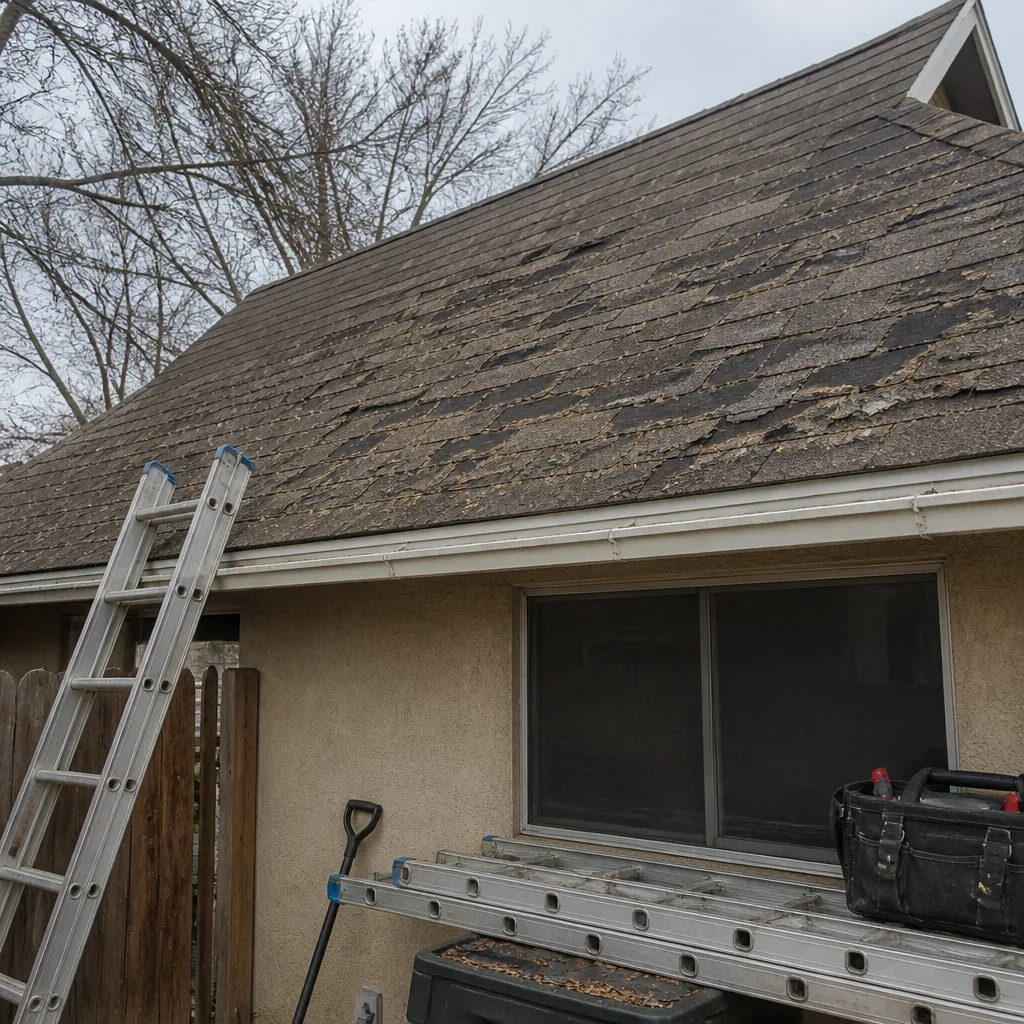
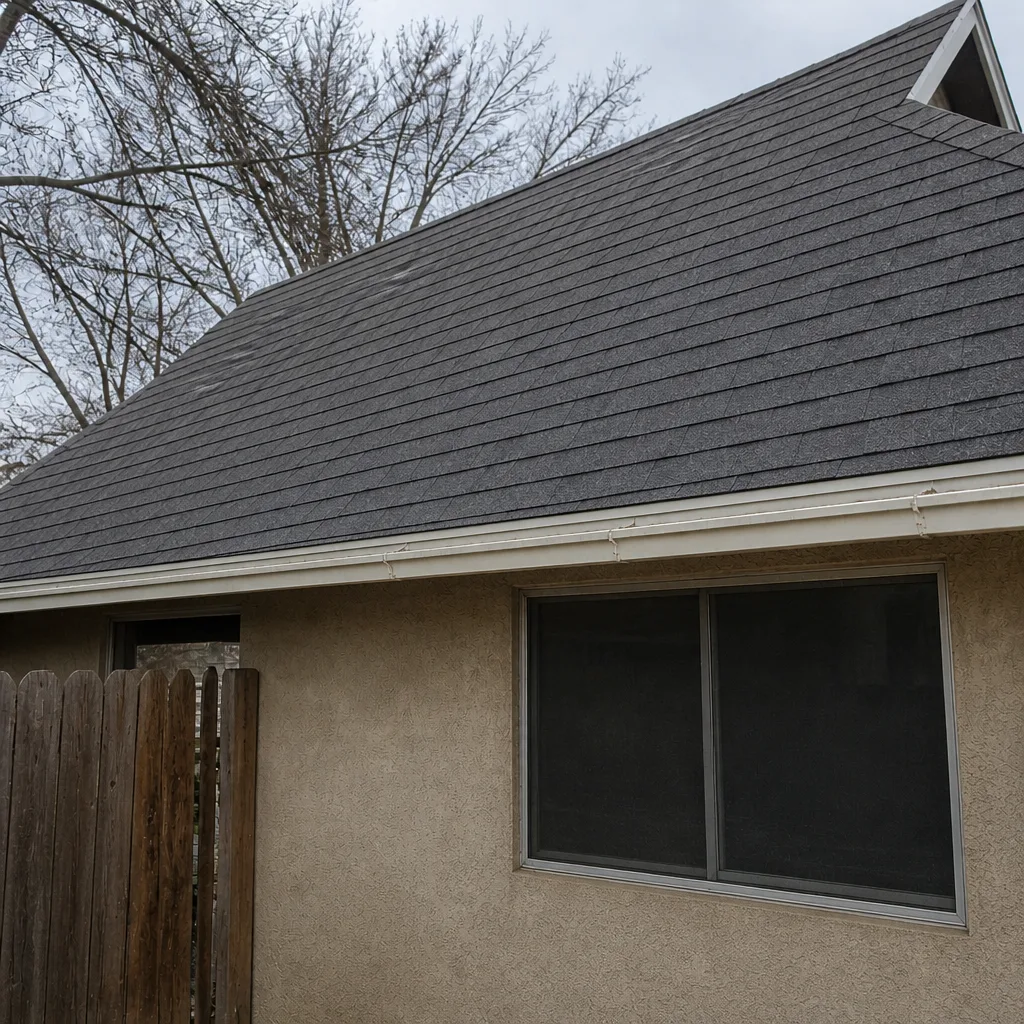
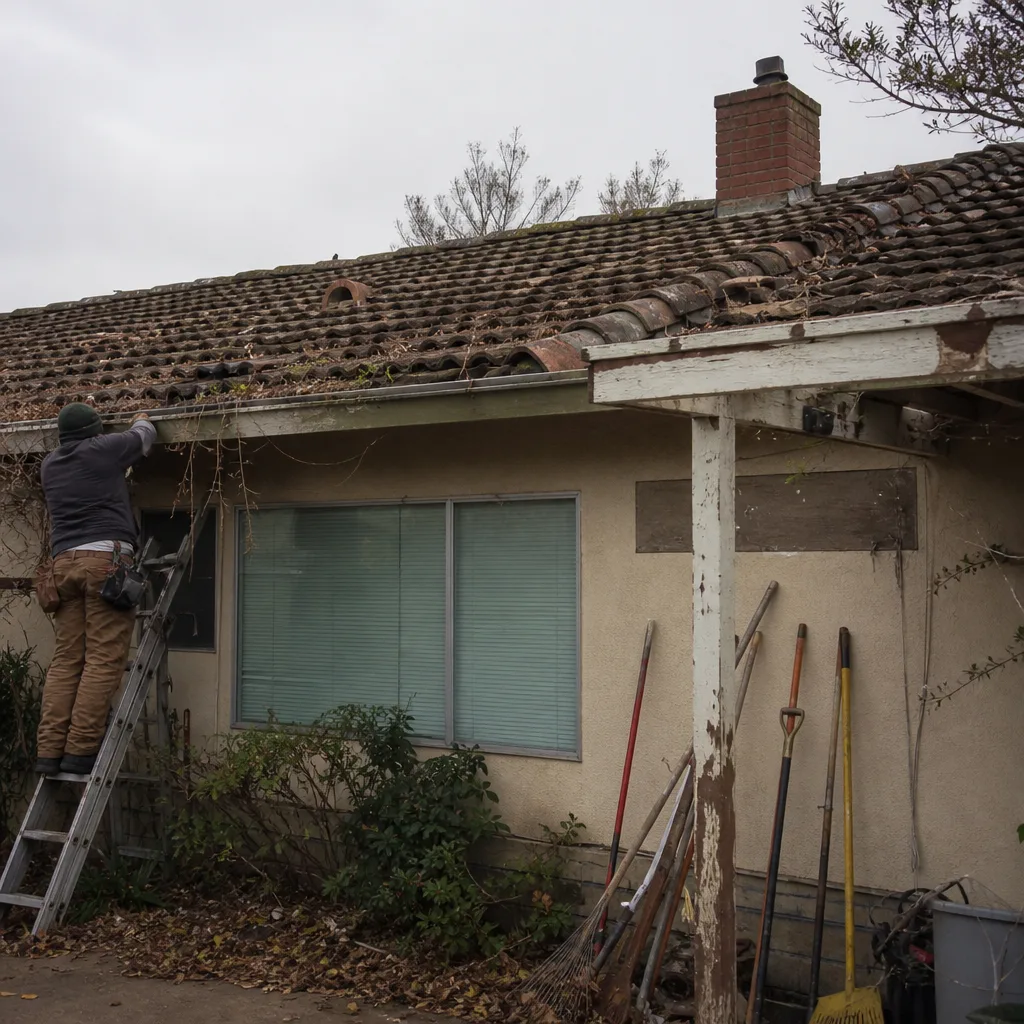
See the difference
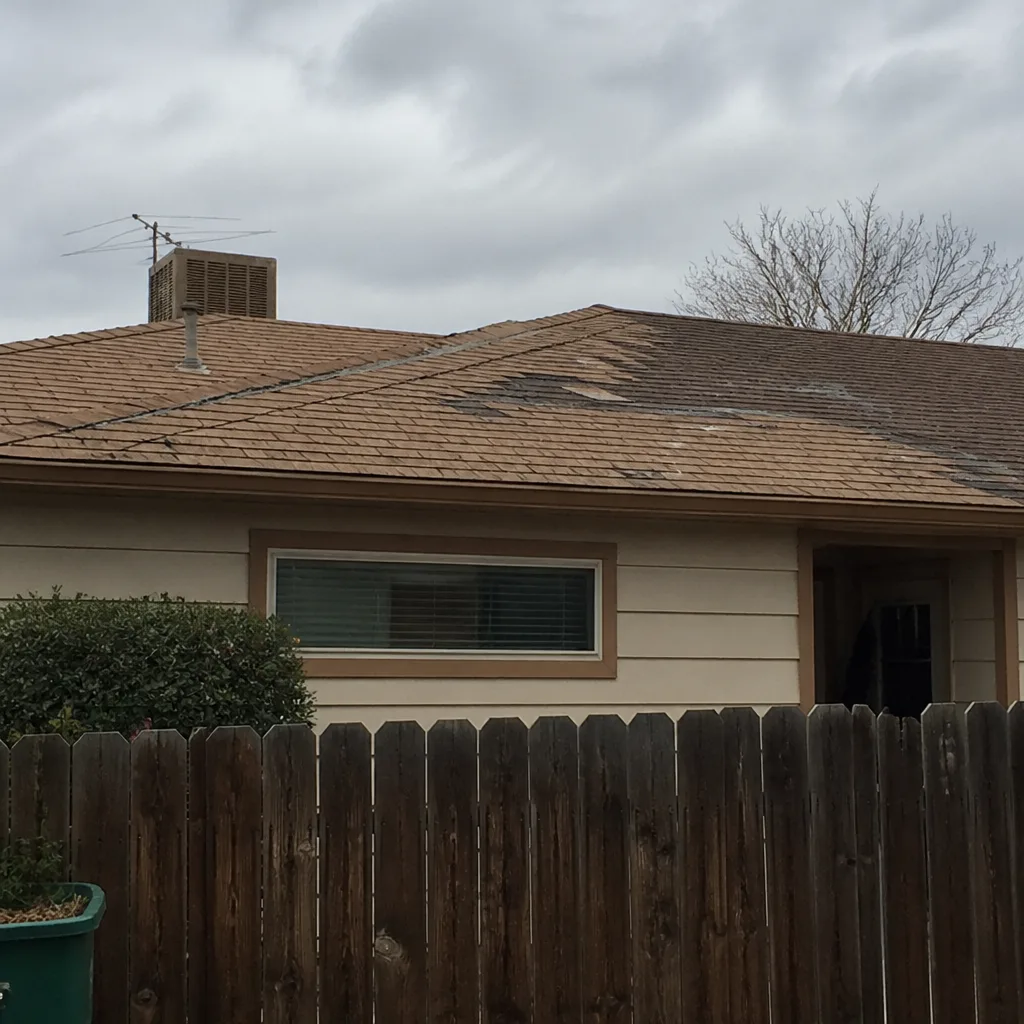 Before
 After
 Before
 After
 Before
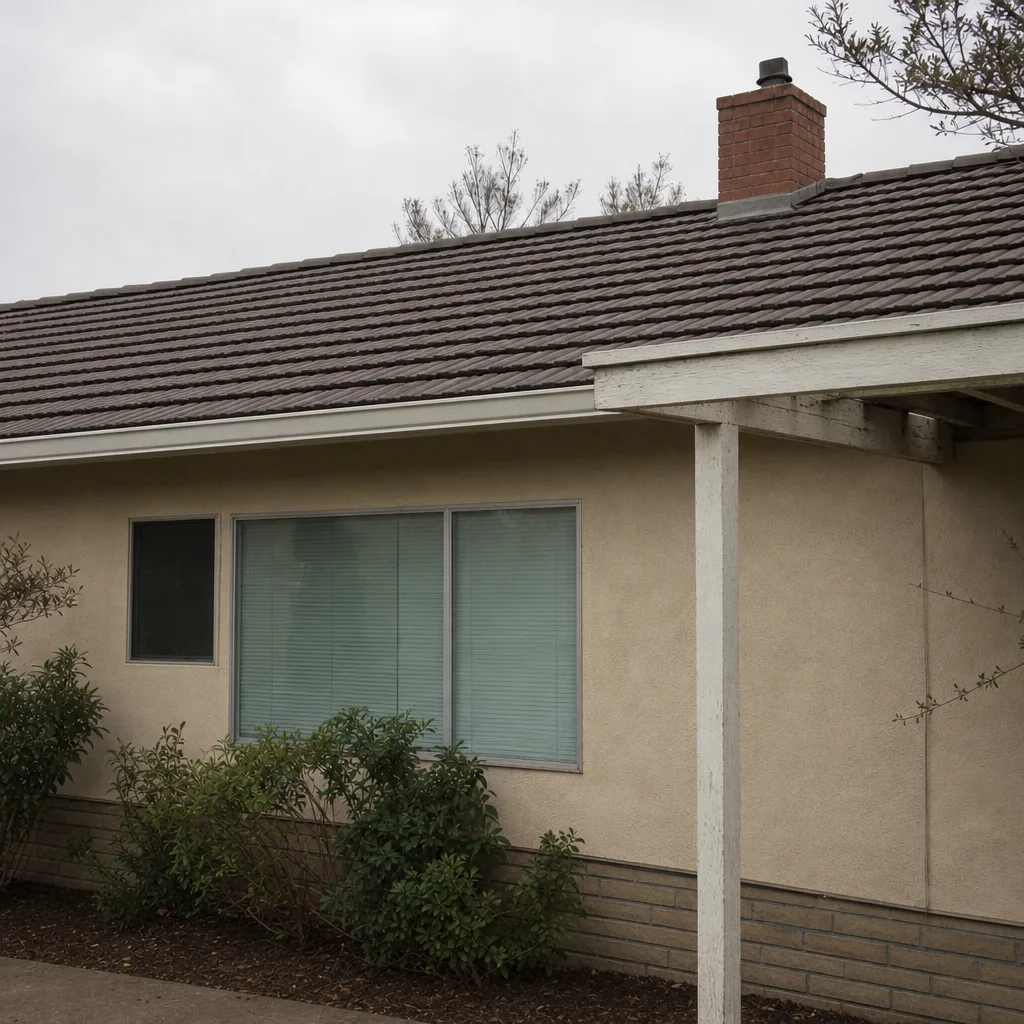 After
Common Mistakes to Avoid
- Accepting a “three-day” quote on a full tile re-roof. It’s not possible on a real tile job unless the deck inspection is being skipped. Ask where the deck inspection sits in the schedule.
- Not asking for material lead time in writing. A verbal delivery date isn’t a schedule. Get it in writing from the supplier before you sign.
- Scheduling a summer Paradise job without asking about heat hours. Ask how many hours the crew will work per day in July. The honest answer tells you the real schedule.
- Hiring an out-of-county outfit after a monsoon storm. Storm chasers show up after every heavy season and vanish before the first callback. Ask for a local address you can drive to.
- Assuming a low bid covers the deck repair. Low bids usually exclude deck work and quietly add it later. Confirm in writing that inspection and repair are scoped.
- Choosing a tile profile you can’t source quickly. A beautiful color that’s eight weeks out means an eight-week wait. Check availability before you fall in love with it.
- Not asking to see the finished roof walked and photographed. A final walk with photos is how you catch issues before the job closes out.
When to Call a Professional
Call a professional if you’re seeing cracked or slipping tiles, granular loss on surrounding shingles, ceiling stains after a rain, or a sagging roofline. If your tile roof is more than 25 to 30 years old and the underlayment has never been replaced, an inspection is overdue regardless of appearance. Tile can look fine from the ground while the underlayment underneath is long gone. If a storm just passed through and you’re seeing missing tiles or daylight in the attic, get someone on it quickly. And if any bidder won’t show you photos of the deck before quoting repair, keep calling. Shepherd & Sons Roofing Paradise offers free estimates in Paradise – call (833) 676-0557.
Frequently Asked Questions
Plan on 12 to 21 working days once materials are on-site, spread across four to six calendar weeks accounting for lead times and weather. Deck repair and summer heat stoppage are the two biggest schedule stretchers. Call (833) 676-0557 for a free estimate – estimates are free.
It changes only if the deck inspection finds rot or the tile profile is backordered, and only if both are disclosed in writing before repair begins. An honest bidder shows you deck photos and prices the repair before touching it. Ask any roofer for that in writing before signing.
Yes, meaningfully slower. Tile is heavier and more fragile and requires battens and careful setting at hips and valleys, so a tile job typically takes two to three times the working days of a comparable shingle job. Plan for a longer job and a longer window.
Yes. A heavy afternoon storm can shut down a job mid-phase, and an open deck under partial underlayment needs temporary protection. Starting in March or October dodges the worst of it. If you’re scheduling in June through September, build weather days into your plan.
Sometimes. Concrete profiles in standard colors usually ship fastest, while custom clay and some synthetic lines can sit six to ten weeks out. Check current supplier lead times before you commit. Brands like GAF, CertainTeed, Owens Corning, and IKO are worth asking about for availability.
Deck repair found when the old tile comes off. Soft sheathing around valleys and penetrations is common in Paradise, and the repair can add a day or a week depending on scope. A roofer who quotes without warning you about this is the one to worry about. Call (833) 676-0557 for a written, itemized estimate.
The Bottom Line
An honest tile re-roof timeline in Paradise runs 12 to 21 working days once materials land, and four to six calendar weeks from signing to final walk. The variables that stretch it are the ones nobody puts in the sales pitch: what’s under the old tile, how long your chosen profile takes to arrive, and whether the job runs into summer heat stoppage or monsoon season. Ask any bidder where the deck inspection sits, get the material lead time in writing, and check whether they schedule around heat hours. Do that and the timeline you’re quoted matches the one you live. See our Shepherd & Sons Roofing Paradise home page for more, and call (833) 676-0557 for a free estimate.
Written by the team at Shepherd & Sons Roofing Paradise.