
Last updated November 17, 2026
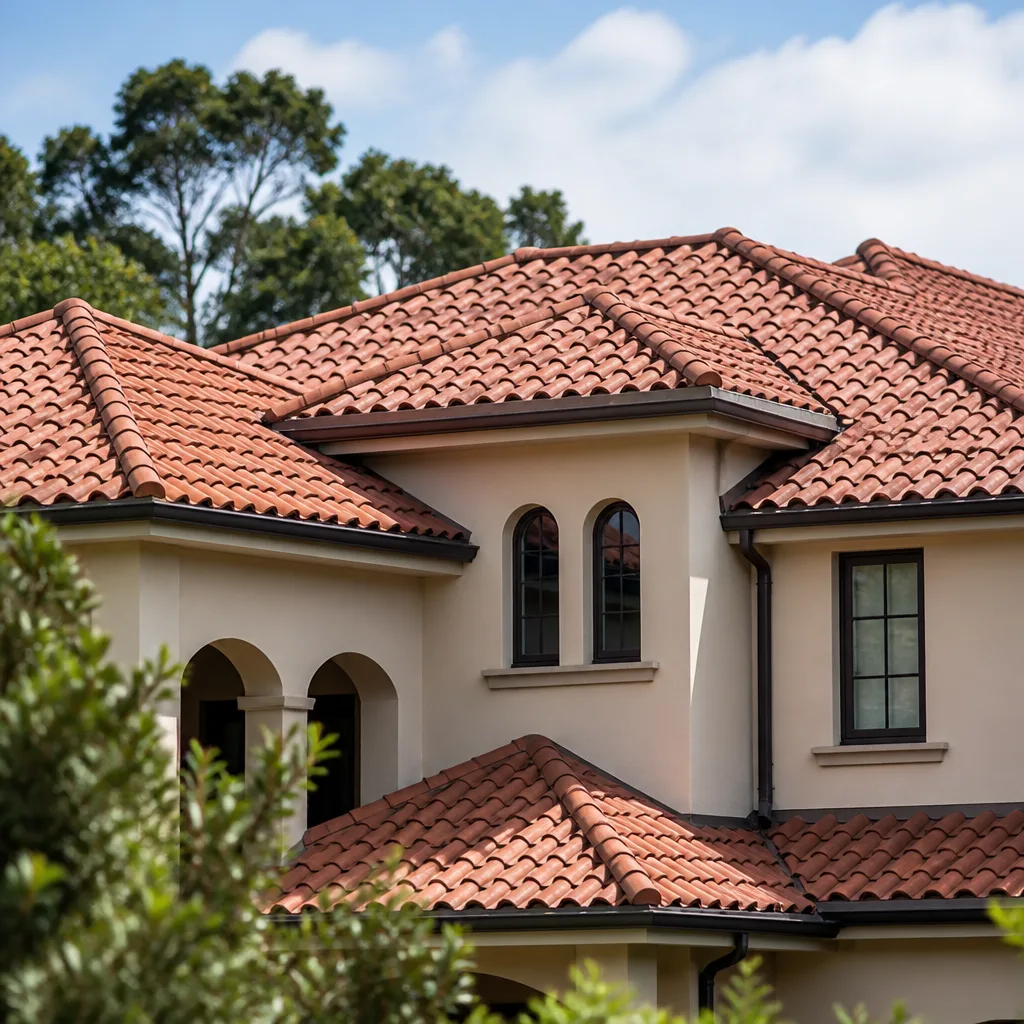 Tile roofing
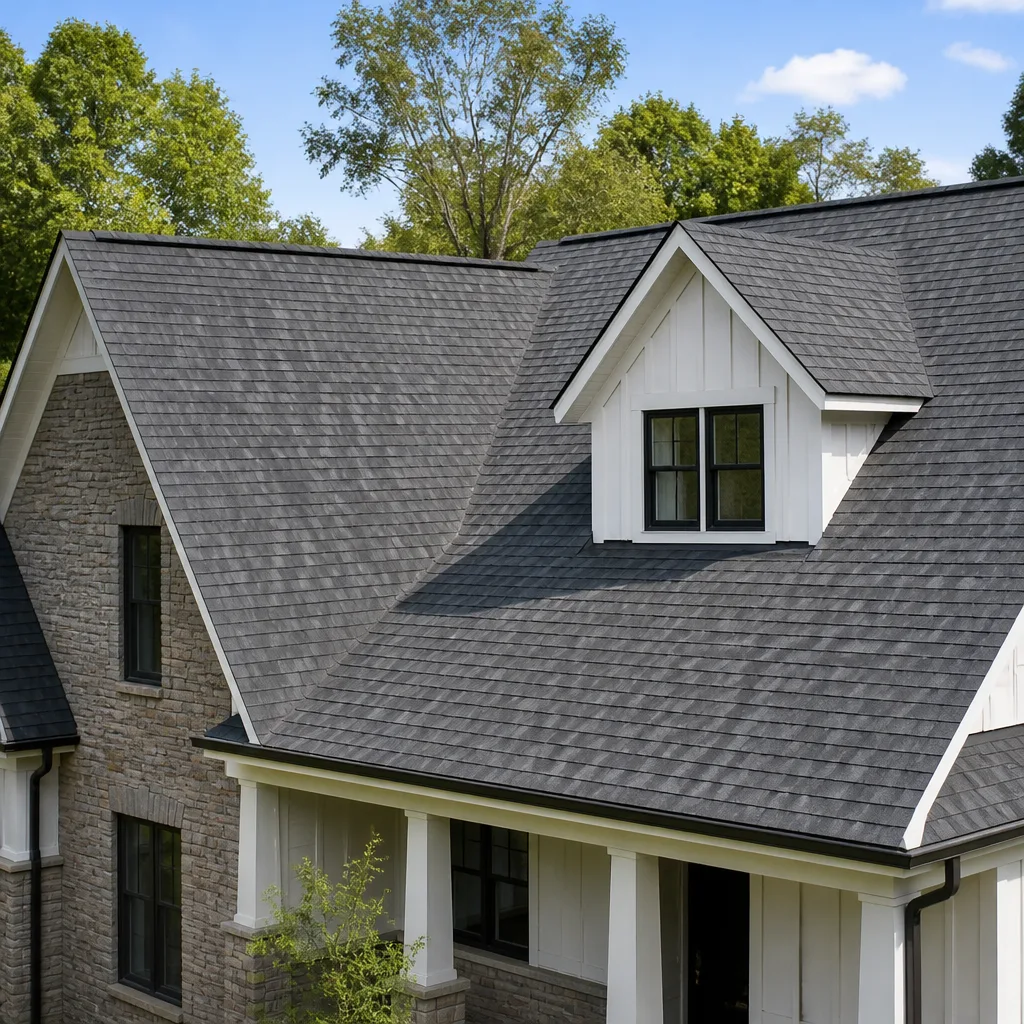 Architectural shingles
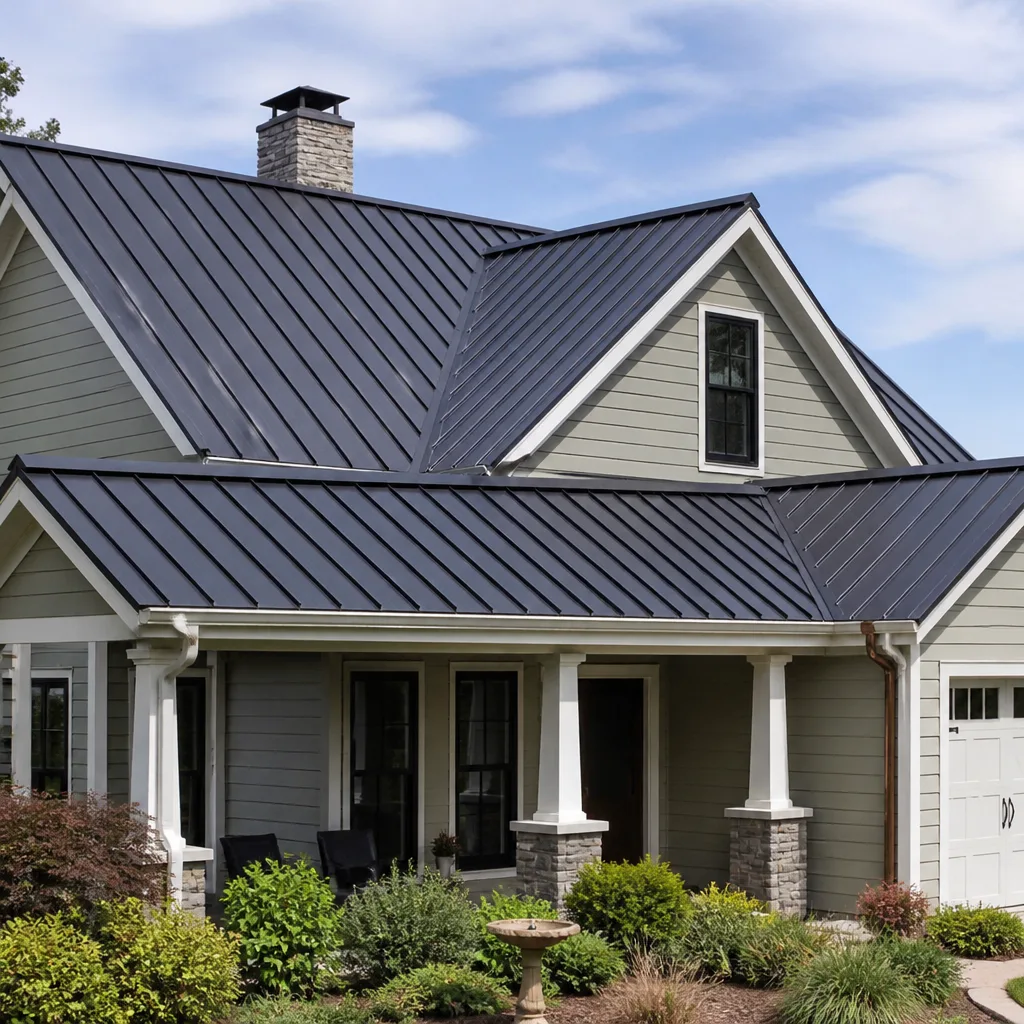 Metal roofing
 GAF
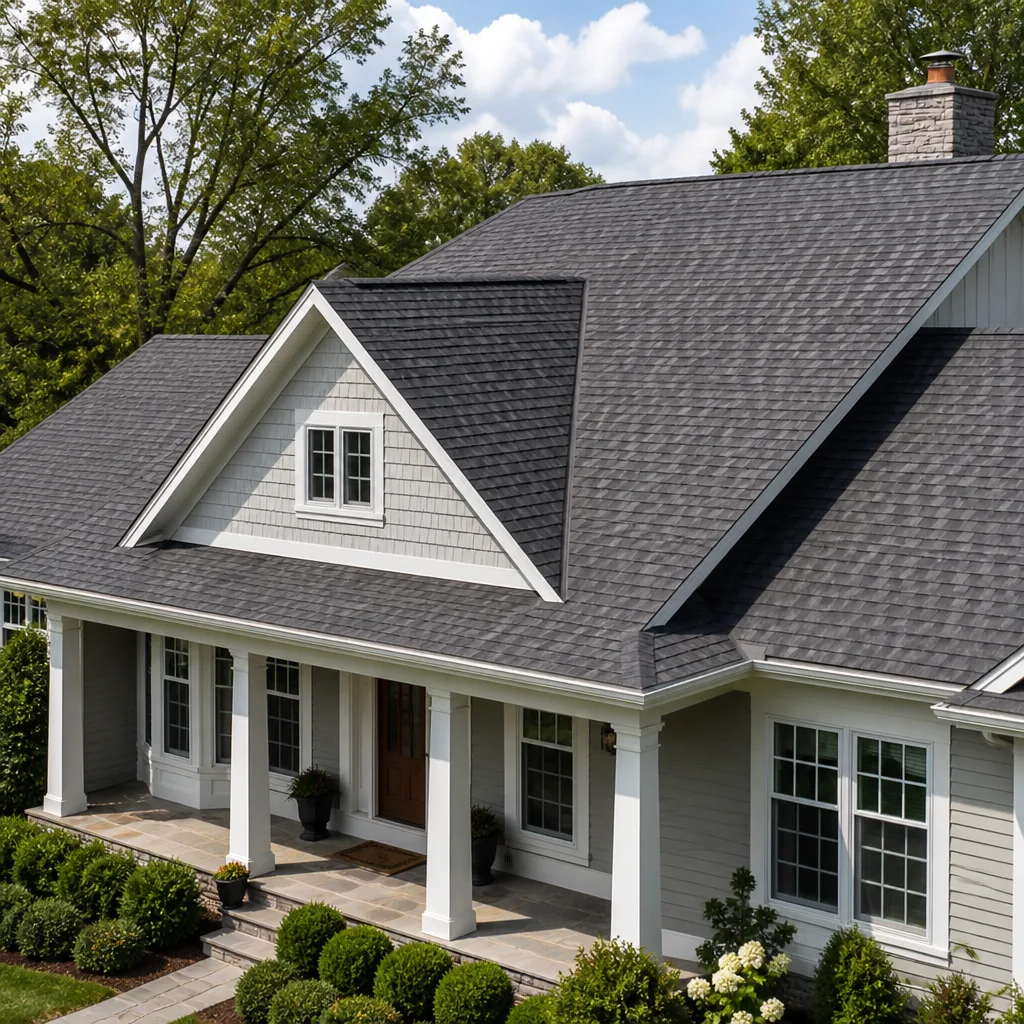 Owens Corning
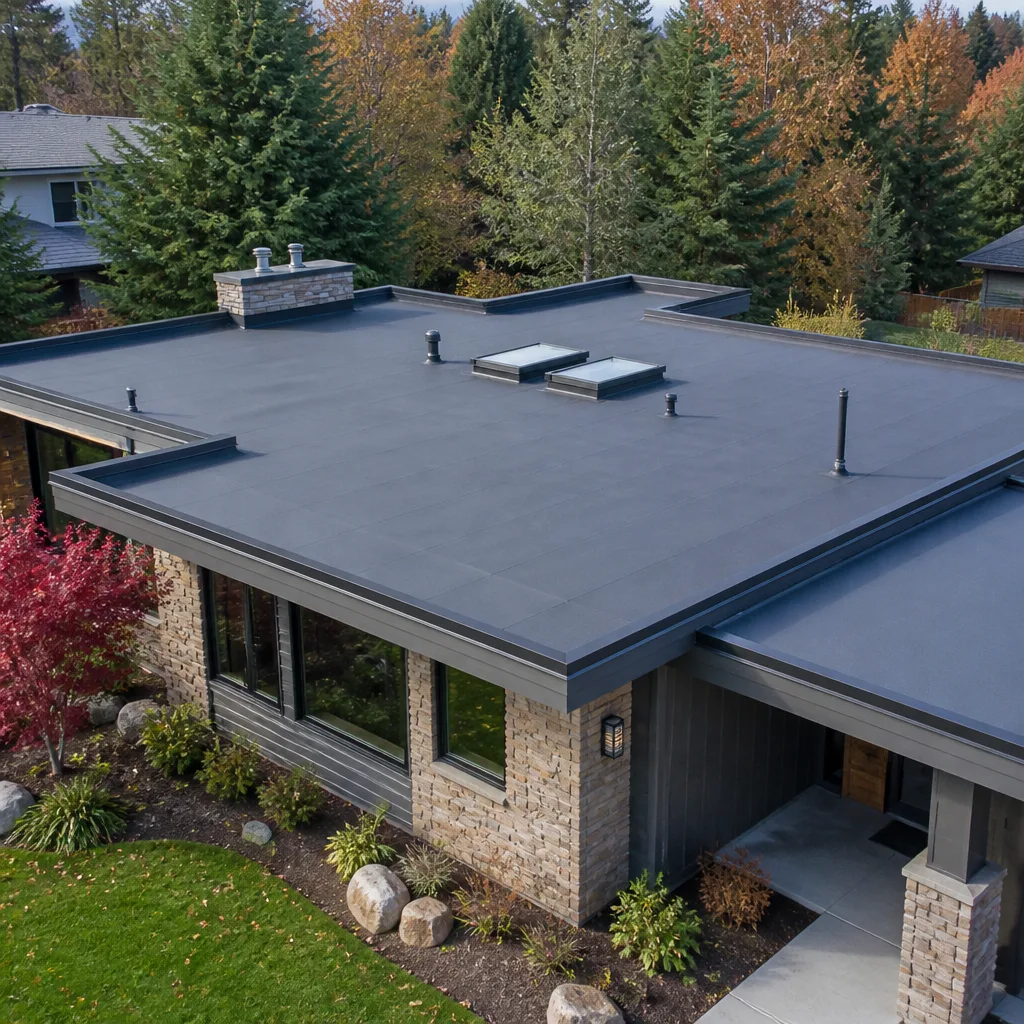 Flat & low-slope
Free roof inspection with deck photos before we talk money - GAF and Owens Corning certified installation
The Complete Tile Roofing Guide for Paradise Homeowners
The concrete tile on most Paradise homes was installed to last 50 years. The felt underlayment underneath it was rated for 20, and in a Nevada UV environment it often gives you 12 to 15. That gap is the whole story of tile roofing in Paradise. When a tile roof starts leaking, the tile is almost always fine. Everything underneath it isn’t. We’ve spent our share of afternoons up on Paradise roofs pulling back tile that looked brand new, only to find the felt beneath it gone to powder. This guide walks you through the layers of a tile roof, what actually fails and in what order, and what it honestly costs to own one over 30 years. No sales pitch, just the numbers and what we’ve seen up there.
Quick Answer
A tile roof in Paradise is a 50-year surface sitting on a 20-year waterproofing layer, so the tile almost never fails first: the underlayment does, usually between year 12 and year 20 in our desert sun. Most Paradise tile roof leaks are fixed by replacing the underlayment and flashing under the existing tile, not by replacing the tile itself. Budget $180 to $340 for a targeted repair and $9,000 to $18,000 for a full underlayment replacement on a typical Paradise home.
Styles & brands we work with
- Architectural shingles
- Metal roofing
- Tile roofing
- GAF
- Owens Corning
- Flat & low-slope
Table of Contents
- Anatomy of a Paradise tile roof
- Which layers fail, and in what order
- Concrete versus clay tile in a Nevada desert climate
- The underlayment decision: full replacement or targeted repair
- HOA and aesthetic continuity after hail damage
- Total cost of ownership over 30 years: tile versus standing-seam metal
- Common mistakes to avoid
- When to call a professional
Anatomy of a Paradise tile roof, in plain terms
A tile roof isn’t one thing. From the deck up, you’re looking at five layers, and knowing them makes every bid you get easier to read. Ask any bidder which layer they’re replacing and you’ll learn more in one question than in an hour of sales talk.
From the bottom up:
- The deck – usually 1/2-inch or 5/8-inch plywood or OSB, nailed to the trusses. This is your structural base. It gets wet if the layers above it fail.
- The underlayment – the waterproofing layer. On a Paradise tile roof this is typically a 30-pound felt, a synthetic membrane, or a self-adhered peel-and-stick product. It’s the layer that actually keeps water out.
- The battens – horizontal wood strips nailed over the underlayment. They create an air gap under the tile, let the roof dry out, and hold the tile in place with fasteners.
- The flashing – metal pieces at valleys, walls, chimney bases, vents, and the roof edge. Flashing is where a surprising share of leaks start.
- The tile – the concrete or clay field tile, ridge tile, and hip tile. Good-looking, heavy, and mostly there to shed bulk water and stop the sun.
Each layer exists to protect the one below it. The tile protects the batten line and offers a first line of defense against rain. The underlayment protects the deck. The deck protects the house. When a Paradise homeowner calls us about a leak in the ceiling, nine times out of ten the conversation starts with the underlayment, not the tile. That’s not bad luck. It’s just how the layers age in sequence.
Which layers fail, and in what order
Tile wears slower than anything else on the roof. The underlayment wears faster. Flashing wears faster still at the seams, but only at the seams. So the failure order on a Paradise tile roof is fairly predictable:
- Flashing edges and penetrations (year 8 to 15). Metal at valleys, vents, and wall terminations is where water sits longest. A cracked mastic seal or a lifted edge piece lets water under the tile and into the underlayment edge.
- Underlayment (year 12 to 20). Concrete tile roofs were built with underlayment rated for about 20 years. Nevada UV, dry heat, and the daily expansion and contraction of the tile above it all push that number down. What we find under 15-year-old Paradise tile roofs is often felt that’s gone brittle and crumbles at a touch.
- Battens (year 15 to 25). Wood battens under tile can rot once the underlayment above them goes. Water gets trapped between the batten and the deck and has nowhere to dry.
- Deck (year 20 to 30). The plywood under everything starts to soften if the layers above have failed and stayed wet. This is the expensive layer. This is why we always climb back down and talk honestly about what the deck looks like before we talk money.
- Tile (year 25 to 50, sometimes forever). A concrete tile can last 50 years. Hail, footfall, and thermal cycling take a toll, but the tile itself is the most durable thing on the roof.
The takeaway for Paradise: if your tile roof was built in the 2000s, you’re likely entering the underlayment window now. If it was built in the 1990s and hasn’t been touched, you’re almost certainly overdue. If it’s a 1970s build, look carefully at the deck.
Concrete versus clay tile in a Nevada desert climate
Most Paradise tract homes got concrete tile, and there’s a reason. Concrete tile is heavier per square than clay, costs less, and takes the same 50-year lifespan in a desert climate. Clay wins on color stability and prestige. Concrete wins on price and availability. Both handle the Nevada sun well if they’re installed right.
What you should know before you bid a tile roof in Paradise:
- Weight. Concrete tile runs roughly 800 to 1,100 pounds per square installed, and clay can run similar or slightly lighter depending on profile. A 30-square Paradise roof puts upward of 25,000 pounds on the structure. If your home was framed for shingle originally and later re-roofed with tile, that load gets checked. Any honest bidder checks it.
- Thermal performance. Tile roofs are not insulated. The tile and the air gap under it buff out some heat gain, but real thermal benefit comes from the attic insulation and the underlayment. Don’t let anyone sell you a tile roof as a cooling upgrade on its own.
- Color fade. Concrete tile color is baked into the surface and holds well, but the sun here is brutal, especially on a west-facing slope. Expect some lightening over 15 to 20 years. Clay tile holds color best; that’s the trade-off for the price.
- Why Paradise tract homes got concrete. Concrete tile matched the HOA look-and-feel rules and passed the local code review without a structural upgrade on most builds. It was the sensible middle choice, and it still is.
We install Boral tile products and we work with CertainTeed underlayment lines that have held up well under desert sun. If you’re weighing tile against metal, our Metal Roofing in Paradise page has the parallel breakdown.
The underlayment decision: full replacement or targeted repair?
This is the question that saves Paradise homeowners the most money, and the one most roofers skip. A tile roof with a few leaks is not automatically a full re-roof. The inspection tells you which way to go.
A targeted repair is usually the right call when:
- The underlayment is intact except around a known trouble spot (a valley, a vent, a chimney base).
- The leak is recent and localized, and there’s no widespread staining on the deck.
- The tile under it was installed with a modern synthetic underlayment or peel-and-stick.
A full underlayment replacement is usually the right call when:
- The underlayment crumbles when you touch it, or you can see daylight through cracks.
- The deck has soft spots or visible water staining from more than one area.
- You’re at or past the 20-year mark on the underlayment.
- You’ve had two or more leaks in two years. That’s usually a systemic underlayment failure, not bad luck.
Here are the inspection questions to ask any bidder, and the answers you want:
- “Will you show me photos of the deck and underlayment?” If they won’t climb up and photograph, that’s your answer.
- “Is the underlayment brittle or still pliable?” They should be able to tell you what they saw.
- “Will you reset the existing tile or replace it?” Most tile can and should be lifted, stacked, and re-set. Some can’t.
- “What’s the flashings package?” New flashing at every penetration and valley, or reusing the old metal?
- “How many squares did you count?” Ask any bidder this. A roof is measured in squares, and the number should match the bid.
If the underlayment is going, that’s the moment a Paradise homeowner has to weigh whether re-underlay only makes sense versus a full replacement. That conversation is where a good Roof Replacement & Installation in Paradise plan saves you money later. Sometimes it’s cheaper to reset the existing tile on new underlayment. Sometimes it’s cheaper to switch materials entirely. We’ll lay both numbers on the table.
HOA and aesthetic continuity after hail damage
Paradise has a lot of planned communities and a lot of HOA rules about roof color and profile. That’s fine until you have a hail claim on 15-year-old faded tile and the manufacturer has discontinued your exact profile.
This is one of the most common calls we get after a storm, and it isn’t a roofing problem, it’s a supply problem. Tile color lots shift over the years. Even when the profile is technically still available, the new tile is a slightly different dye lot. In direct desert sun, the difference is visible from the curb. Multiply that across a west-facing slope and it’s the kind of thing the HOA board notices before you do.
What we do about it:
- Match the profile and color first. We look up the original tile manufacturer where possible and check availability. Boral and Tamko both have legacy profiles still in production.
- Blend new and old. If the profile is discontinued but a close cousin exists, we place the new tile on the least visible slope (back of the house, north-facing) and mix with salvaged originals on the front elevation.
- Consider the color lot problem before installation. If you’re within a couple of years of a full underlayment job anyway and hail forces a partial replacement now, we’ll talk about doing the full job so the color is consistent.
- Get HOA approval in writing before installation. We’ll give you the product spec sheet and color sample to bring to the board. If the board won’t approve a near match, the answer is often to re-roof the affected slope in a color the HOA already approved for the community.
Storm-damage tile work is one of the cases where having a roofer who will show up, photograph the deck, and stand in front of the HOA board matters more than the price on the bid. GAF and CertainTeed both offer color-matching programs on tile adhesion that help here. Ask for them.
Total cost of ownership over 30 years: tile versus standing-seam metal
Neither material wins every time. What matters is the number of times you write a check between now and year 30. We’ll lay out both without picking a favorite.
Tile roof, 30-year picture:
- Original install (new roof): roughly $18,000 to $30,000 on a 30-square Paradise home, depending on tile profile and pitch.
- One underlayment replacement around year 15 to 20: roughly $9,000 to $18,000, resetting the original tile.
- Flashing repairs and small tile replacements between year 8 and 20: roughly $400 to $1,200 per visit, maybe two or three over 30 years.
- Deck repair if caught late: $2,000 to $6,000.
- Total, 30-year ballpark (without deck damage): roughly $32,000 to $55,000.
Standing-seam metal, 30-year picture:
- Original install: roughly $28,000 to $45,000 on the same 30 squares, depending on paint warranty and gauge.
- Underlayment replacement: not required on a modern standing-seam install; metal is the waterproofing layer, not felt under tile.
- Fastener and panel maintenance: usually minimal. Maybe $0 to $1,500 over 30 years.
- Total, 30-year ballpark: roughly $28,000 to $46,500.
The catch: metal costs more up front by a real margin, and by year 30 the two numbers land close. If you’re 60 and plan to stay 20 years, tile is usually the smarter financial choice because you’ll only pay the underlayment once. If you’re 55 and thinking about selling in 10, metal’s up-front cost may not pay you back before you sell. If you’re not sure, call us and we’ll run the numbers on your specific roof and pitch rather than a rough market average.
Common mistakes to avoid
- Believing the tile when it looks fine. Tile can be 20 years from needing a full underlayment or already past it and still look perfect from the curb. Get a walk-the-roof inspection, not a driveway glance.
- Skipping the deck photo. If a bidder won’t show you photos of the deck and underlayment, don’t sign. Any honest roofer will climb up and photograph what’s actually under the tile.
- Letting an out-of-state storm chaser bid the job the week after hail. They’ll quote one number at the door and another at the end. Ask where the shop is, ask where the license number is, and ask if they’ll be here in 90 days to fix a design flaw.
- Mismatching tile color on an HOA-governed Paradise street. Get the sample in front of the board before anyone lifts a tile. A mismatched slope is a five-figure fix you can avoid with a two-week approval wait.
- Choosing the cheapest bid on the underlayment. The cheapest bid usually skips the peel-and-stick at the valleys, reuses the old flashing, or doesn’t reset the tile correctly. That’s not a bargain, that’s a delay on a bigger bill.
- Assuming a tile roof will cool your house. It won’t. If your Paradise home runs hot in July, the fix is attic insulation and ventilation, not a new tile roof.
- Forgetting the flashing in the bid. Some bids price the underlayment but leave flashing off the line items. Get it written into the bid before you sign anything.
When to call a professional
Some tile roof work is straightforward and some of it can put you on the ground. Walking a tile roof, pulling tiles without breaking them, and diagnosing underlayment wear is not a homeowner job on a 5/12 pitch in August. Tile cracks, the deck is 20 feet below, and that’s before we get to the electrical risk from nearby solar penetrations or the fall risk near a chimney. Call us before you climb up. The scenarios that warrant a call in Paradise: any active leak, any ceiling stain after a monsoon, missing or cracked tile after a hail event, a bid you’re not sure how to read, a color-discontinued tile you’re trying to match, or a roof past the 18-year mark with no inspection history. We offer free estimates in Paradise, and a free second opinion on any written estimate you’ve already got. Call (833) 676-0557.
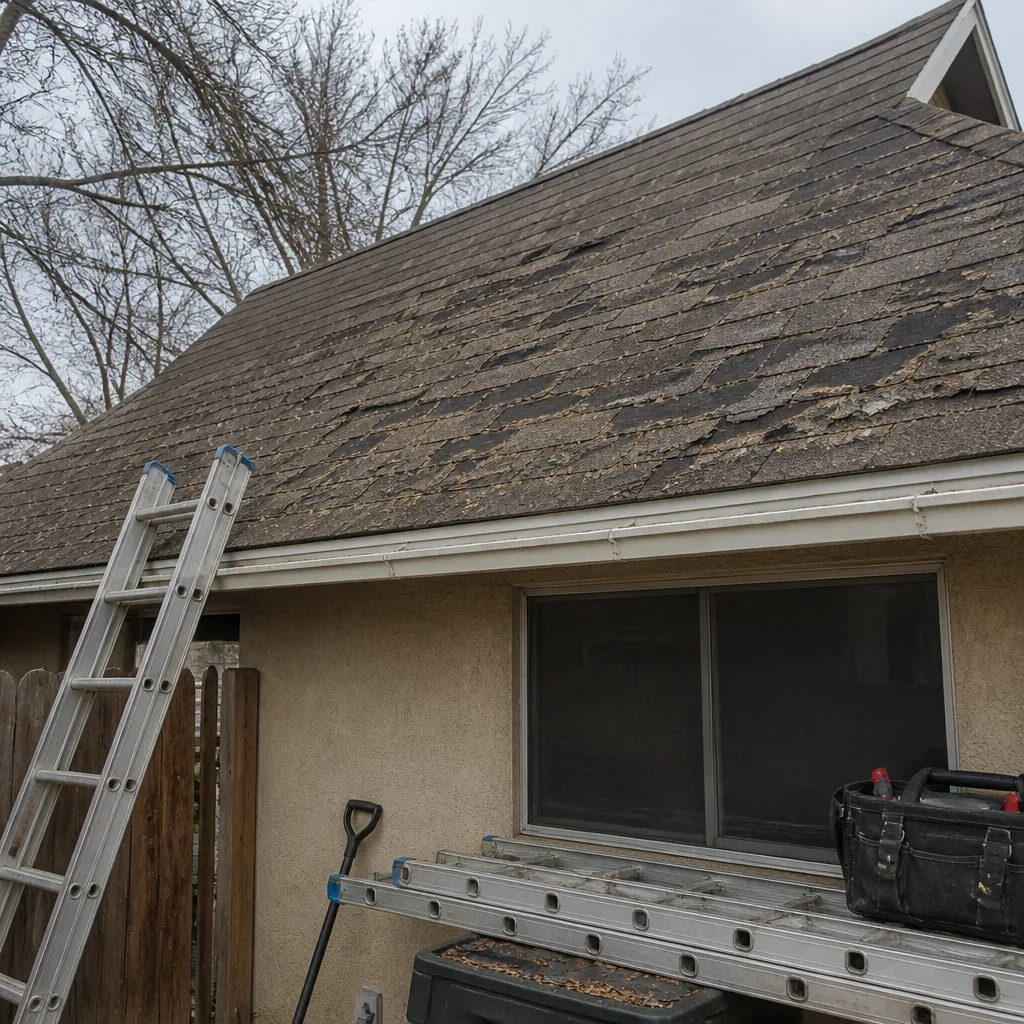
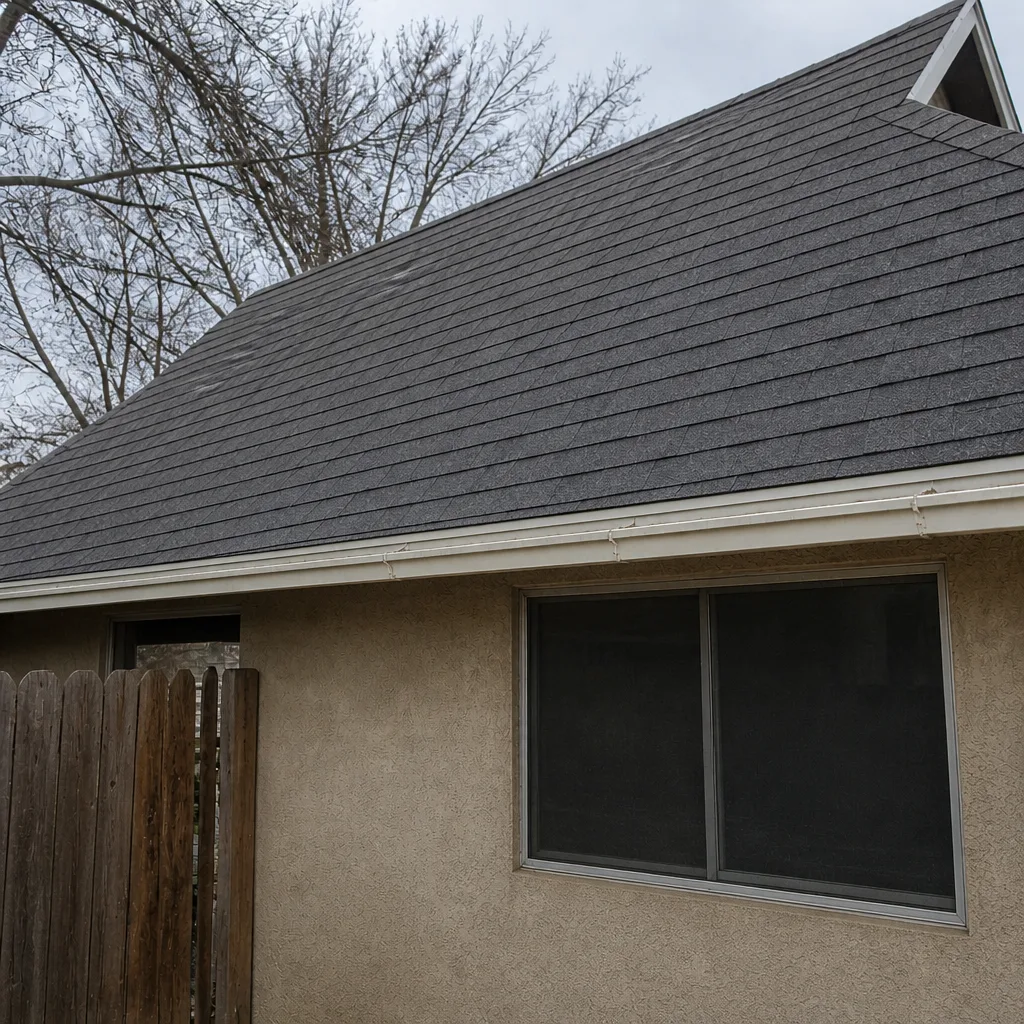
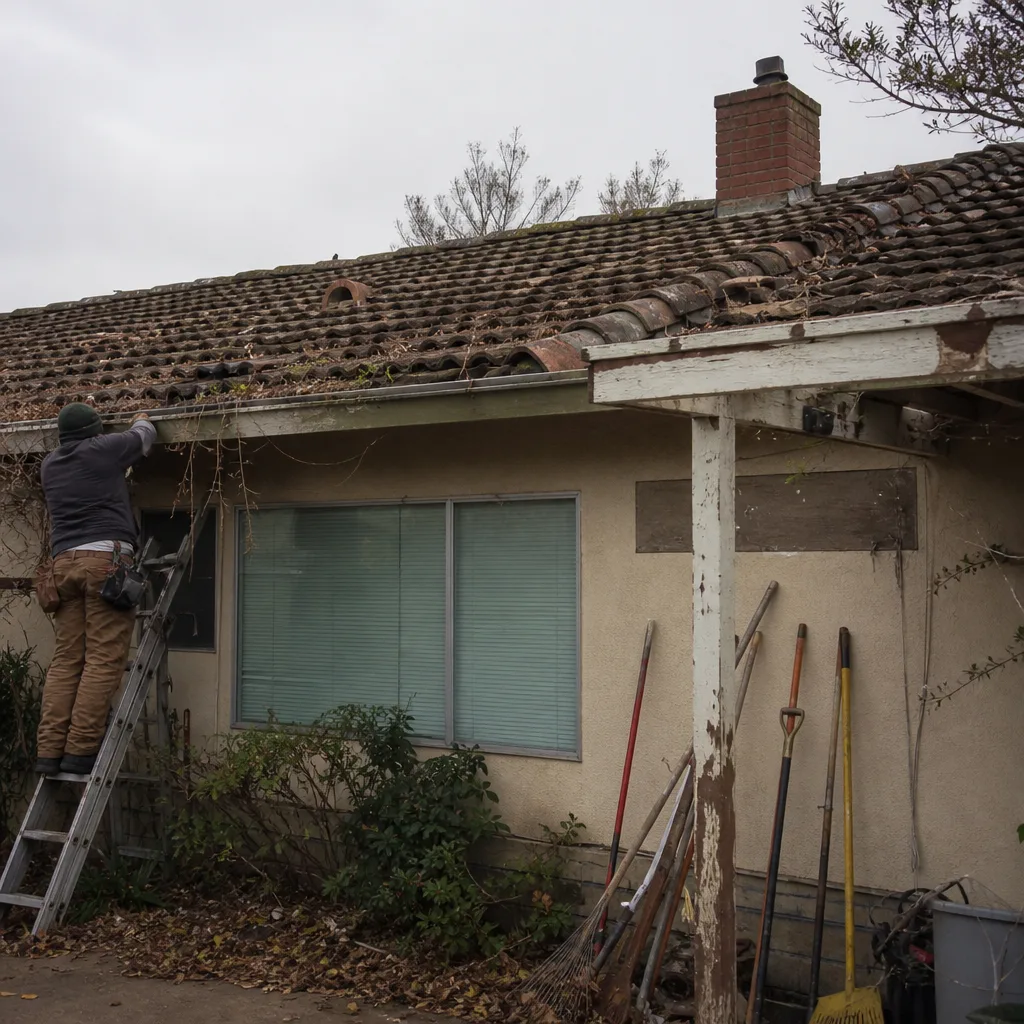
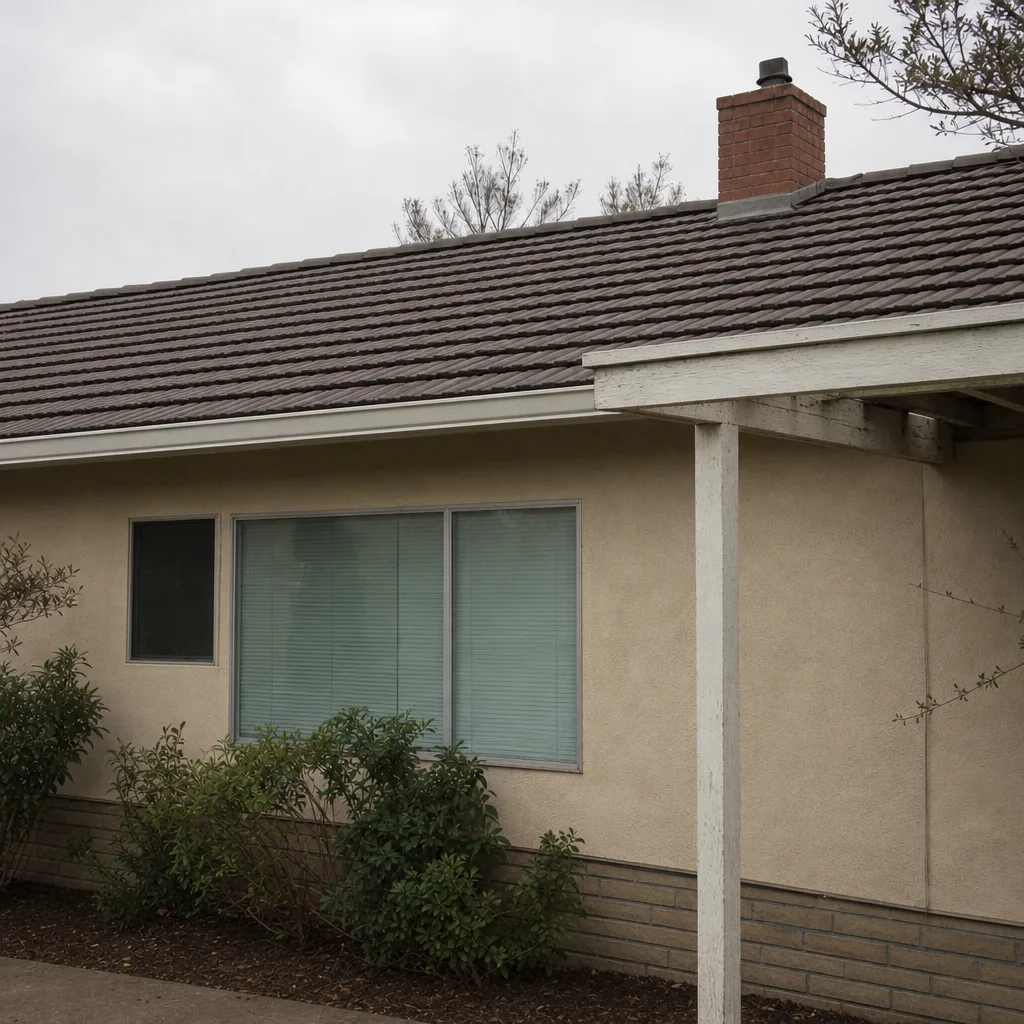
See the difference
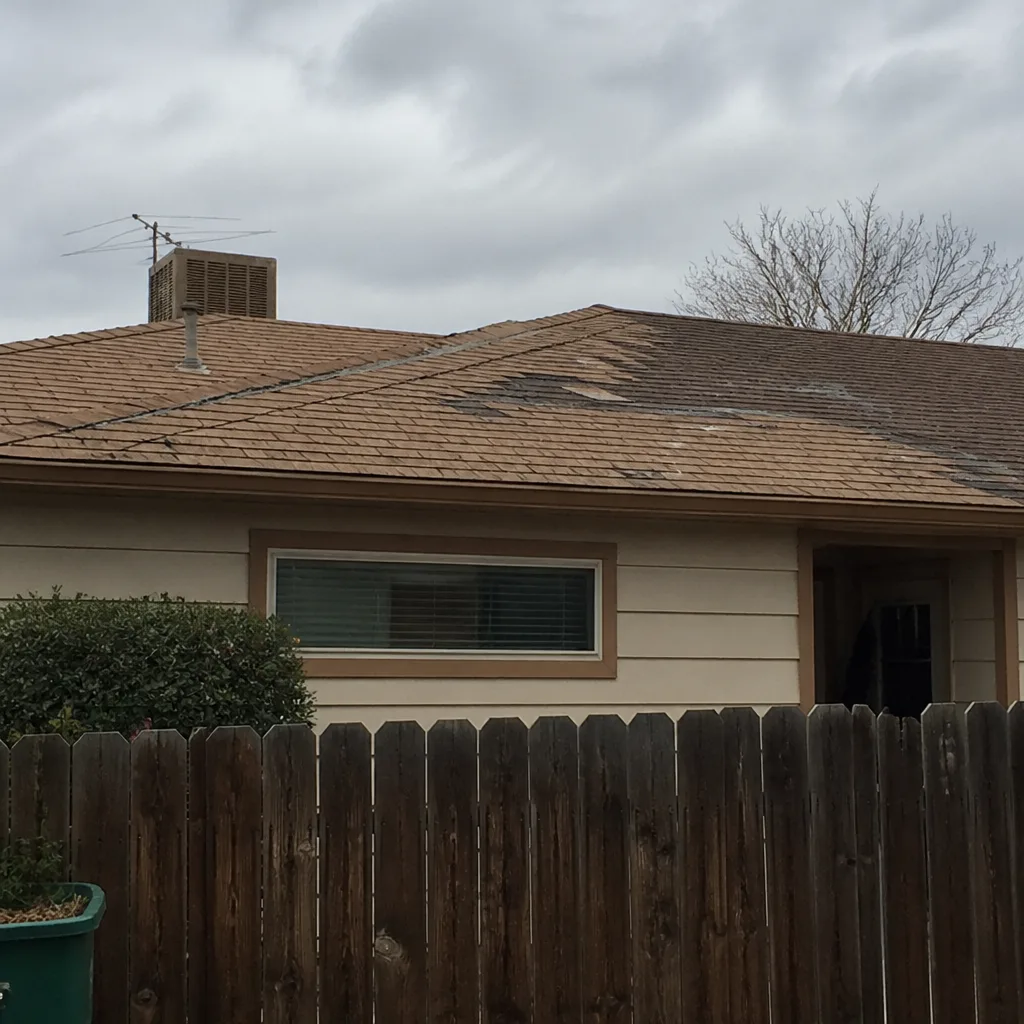 Before
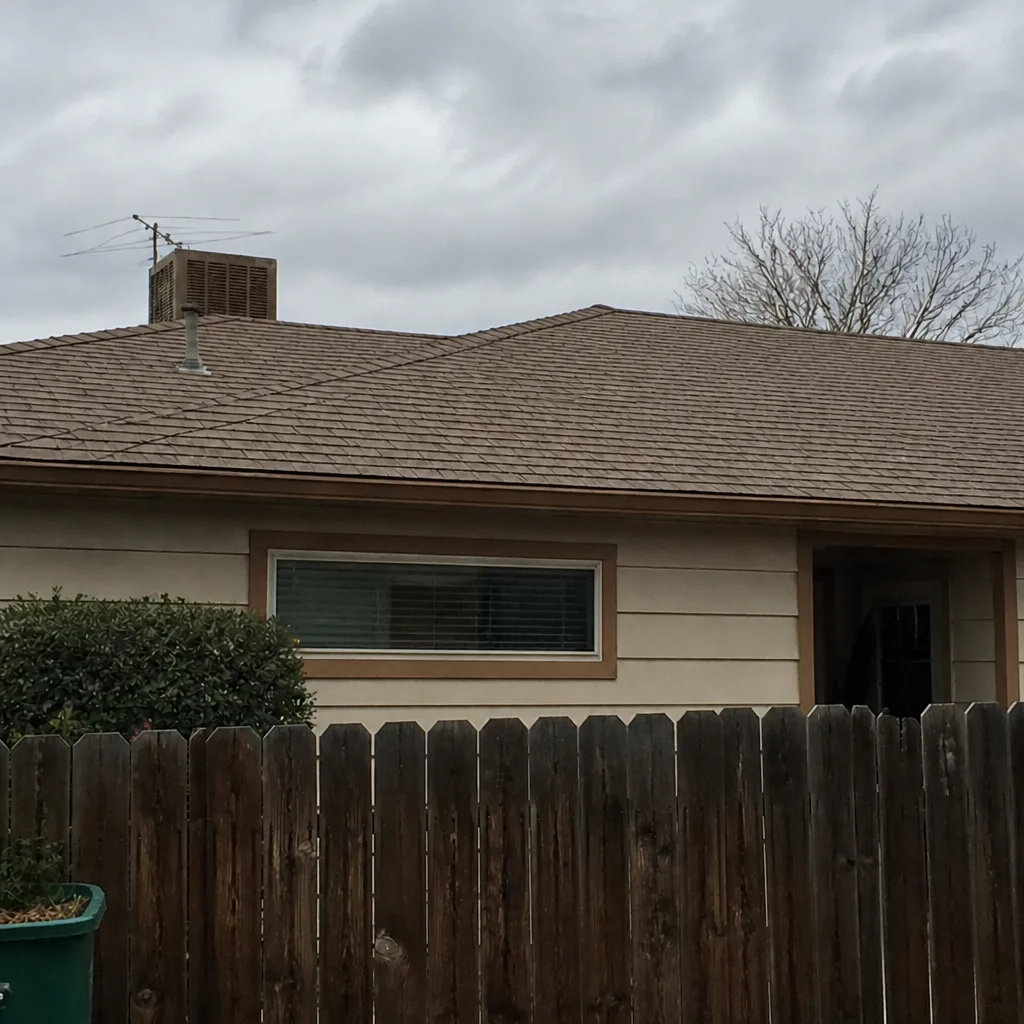 After
 Before
 After
 Before
 After
Frequently Asked Questions
Tile roof repair in Paradise typically runs $180 to $340 for a targeted leak fix or flashing repair, and $9,000 to $18,000 for a full underlayment replacement on a 30-square home. Full tile replacement sits higher, roughly $18,000 to $30,000 depending on the tile profile. The tile itself is rarely the cost driver – the underlayment and deck access are. Call (833) 676-0557 for an exact quote on your roof; estimates are free.
The tile will last 50 years or more. The underlayment underneath it will not, and in Paradise’s July UV exposure expect 12 to 18 years before it needs replacement. That gap means a well-maintained tile roof usually gets one full underlayment replacement around year 15 to 20 and then runs the original tile out to year 50. If yours was installed in the 2000s and hasn’t been touched, get a walk-the-roof inspection now.
Yes, in most cases an underlayment replacement and any full tile re-roof require a permit through the local building department, and the inspection process checks the deck, underlayment attachment, and flashing detail. The rules vary by jurisdiction, and Paradise work is permitted under the county. Ask any bidder who pulls the permit – if the answer isn’t “we do,” get another bid.
No, don’t. Concrete and clay tile crack under foot traffic, and the fall risk from a 5/12 pitch is real. A cracked tile is easy to replace but a fall isn’t. The right inspection is a professional walk-the-roof with photos, not a homeowner climb. If you’re worried about a leak, call us.
Sometimes. Many discontinued profiles are still in production through Boral or other manufacturers, and where they aren’t, we can blend a near-match onto a low-visibility slope and preserve the original tile on the front. Sun-faded color is the bigger problem than profile. If your HOA is involved, get the sample approved in writing before installation. Call (833) 676-0557 and we’ll bring the color chart.
Yes, in most cases, if you’re planning to stay 20 years. Total 30-year cost on a tile roof runs roughly $32,000 to $55,000 versus $28,000 to $46,500 for standing-seam metal, but metal costs more up front and pays you back on the back half. If you’re selling in the next 10 years, metal may not earn back the premium. If you’re staying put, tile is often the calmer financial choice. Either way, get a walk-the-roof inspection before you decide.
The Bottom Line
The tile roof on your Paradise home is doing its job. The layers under it are the ones you need to watch, and the work is usually simpler than the sales pitch suggests. Get a walk-the-roof inspection with photos of the deck and underlayment. Ask how many squares the bidder counted. Get the flashing in the line items. Match the color with your HOA before you lift a tile. Weigh the 30-year numbers before you commit to either material, and don’t let a storm chaser quote one price at the door and another at the end. Same address since 1996. Ask the storm chasers where theirs is. If your tile roof is over 15 years old or you’ve seen a ceiling stain, we’ll come out, photograph what’s up there, and give you a straight answer. Our technicians have up to 30 years of experience, crews are background-checked, and every job is covered by our written 90-Day Done Right Promise. Standing offers include $40 off any repair over $200, a free second opinion on any written estimate, no trip charge inside our own county, and a senior and veteran 10% discount. Start with the Shepherd & Sons Roofing Paradise home page for the full picture, or jump straight to Roof Repair in Paradise if you have an active leak.
Call (833) 676-0557 for a free estimate on your Paradise tile roof. A live person answers the phone, not a call center.
Written by the team at Shepherd & Sons Roofing Paradise.