
Last updated November 17, 2026
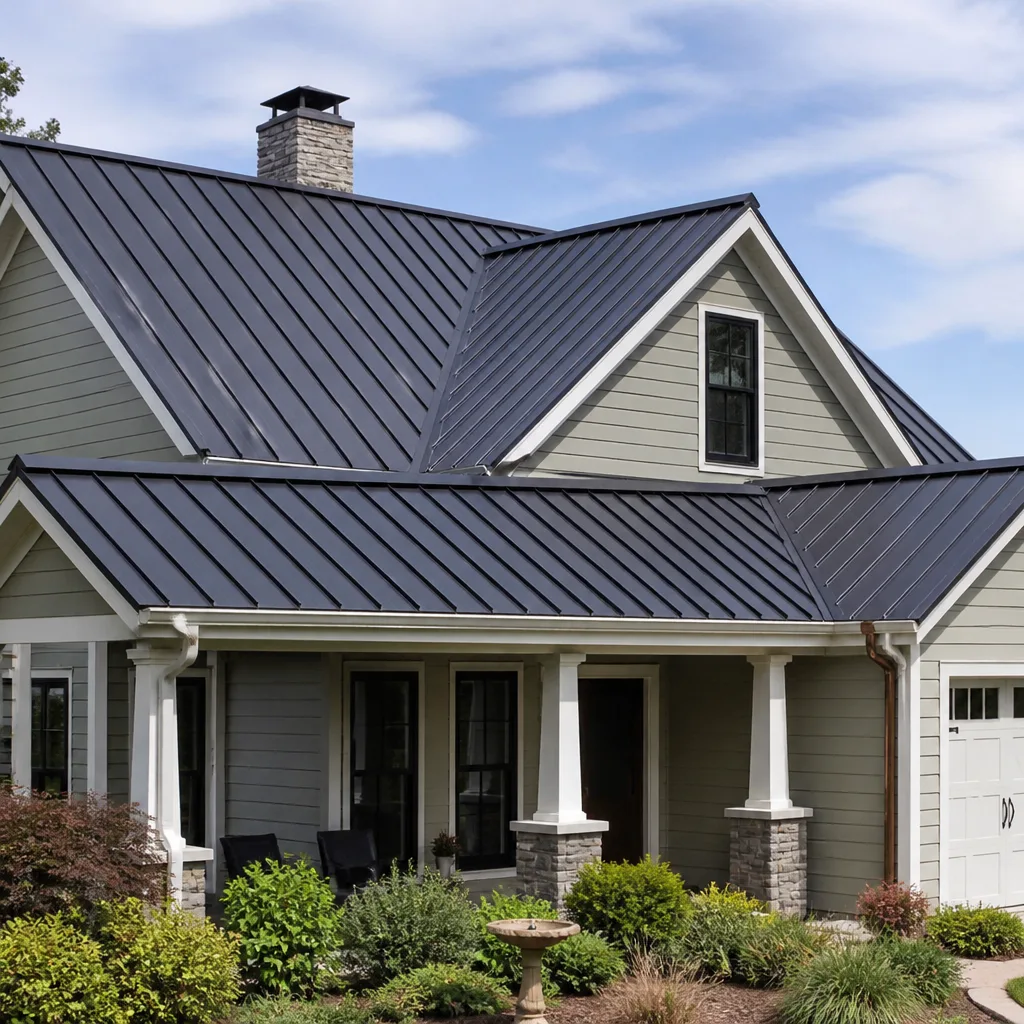 Metal roofing
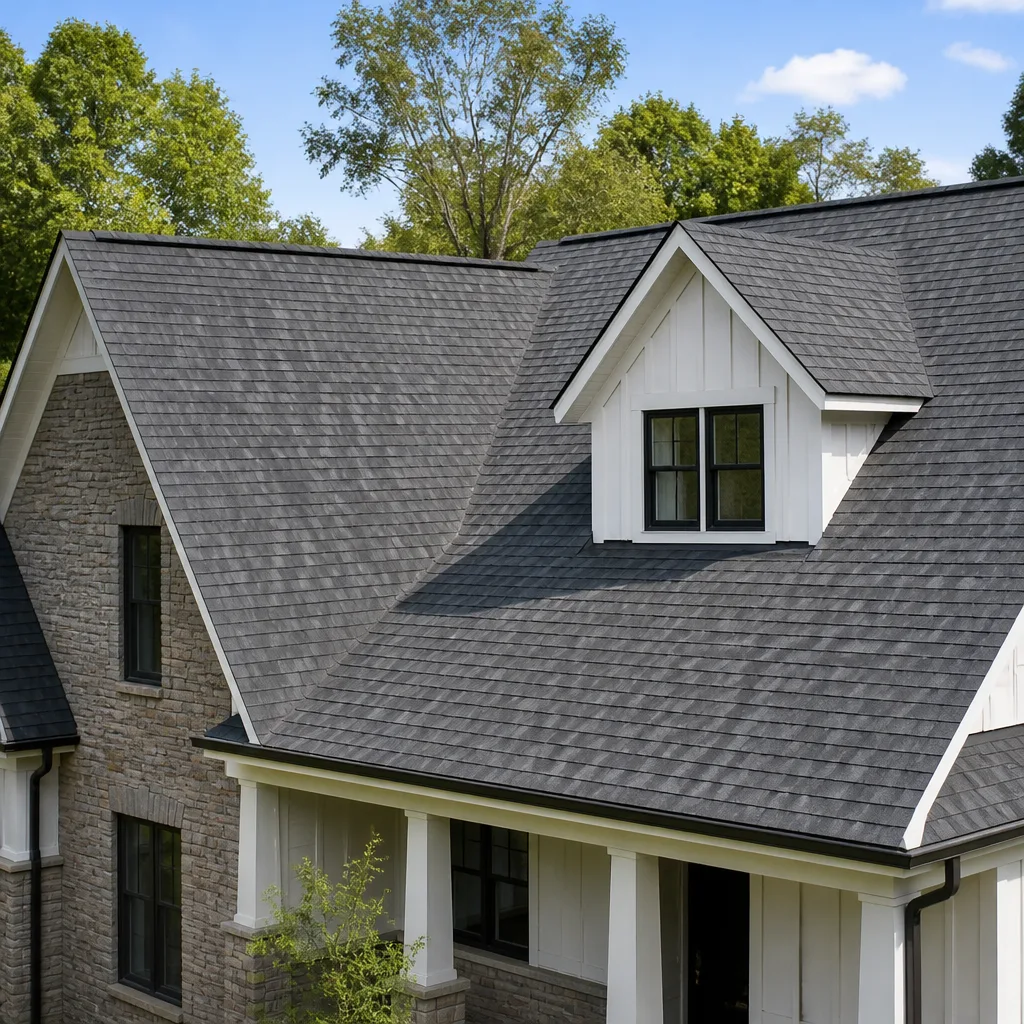 Architectural shingles
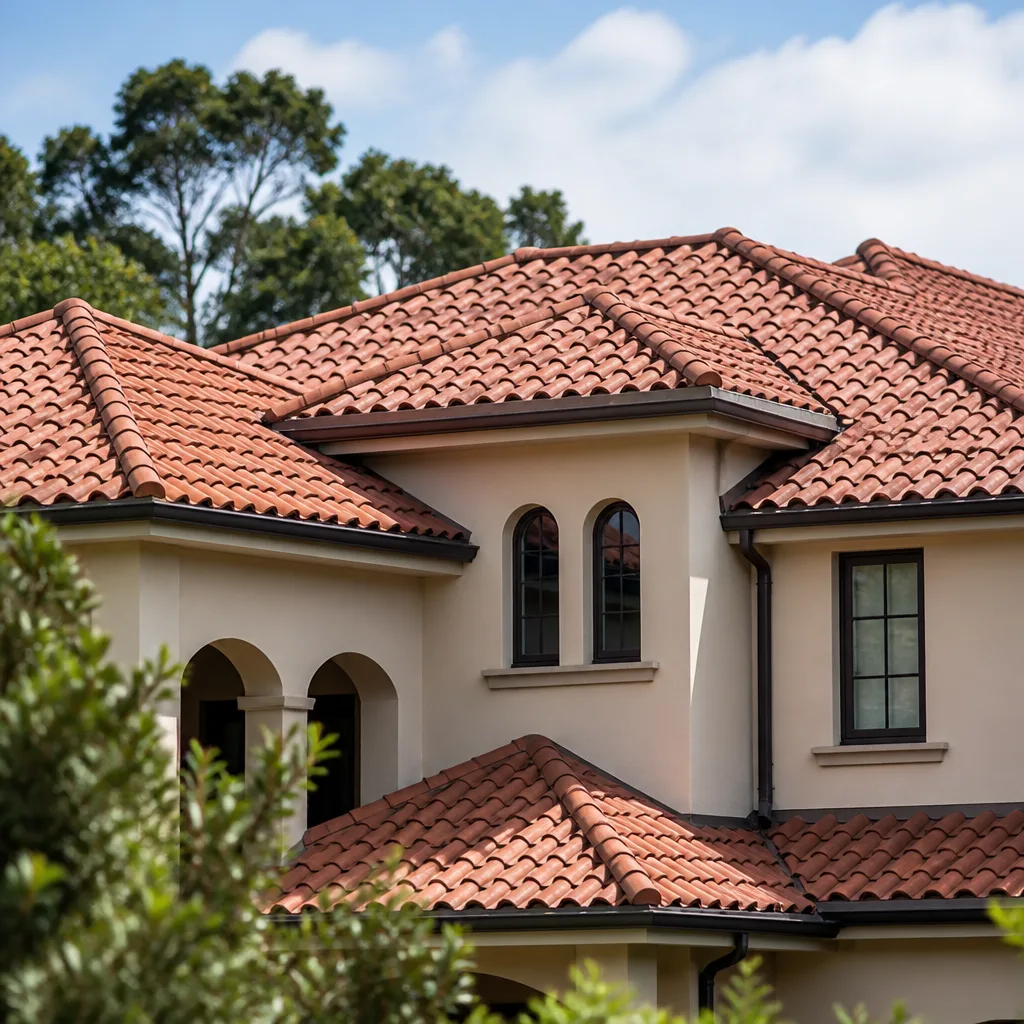 Tile roofing
 GAF
 Owens Corning
 Flat & low-slope
Free roof inspection with deck photos before we talk money - GAF and Owens Corning certified installation
DIY vs Professional Metal Roofing: What’s Safe to Do Yourself
A motivated homeowner with a circular saw and a free weekend can absolutely handle exposed-fastener metal on a detached garage. That same homeowner on a 6:12 pitch house roof with a standing-seam system is one missed cleat away from a voided panel warranty and a failed inspection. The gap between those two scenarios isn’t confidence or hustle. It’s tools, permits, and warranty language nobody reads until it’s too late. Below, we lay out exactly which metal roofing jobs a skilled do-it-yourselfer can pull off in Paradise, which ones will cost you more than you save, and where the honest line sits.
Quick Answer
You can safely handle ridge cap replacement, exposed-fastener panels on detached outbuildings, and gutter and trim work yourself if you’re comfortable on a ladder. You should not install standing-seam panels on a sloped house roof yourself: the tooling, permitting, and manufacturer warranty rules make a professional install cheaper over the life of the roof. The dividing line is pitch, panel type, and whether the manufacturer will honor a warranty on a homeowner-installed system.
Styles & brands we work with
- Architectural shingles
- Metal roofing
- Tile roofing
- GAF
- Owens Corning
- Flat & low-slope
Table of Contents
- The honest skill-and-tool inventory
- Clark County permits: why DIY still needs one
- What manufacturer warranties actually say about DIY
- Three jobs a capable DIYer can really do
- The honest math on a 2,000 sq ft metal roof
- Standing seam vs exposed fastener: not the same risk
- Common mistakes to avoid
- When to call a professional
The Honest Skill-and-Tool Inventory
Metal roofing isn’t carpentry with a different material on top. The tools are different, the failure modes are different, and the money in your tool budget is real. Before you decide, look at what a proper install actually requires beyond a hammer and a level.
For a standing-seam system on a house roof, here’s what you’re looking at:
- Seaming tool or powered seamer. Standing seam panels are joined with a mechanical seam. A hand seamer runs a few hundred dollars to buy; a powered seamer rents for $150 to $250 a day in the Paradise area.
- Sheet metal brake. You need to bend flashing, valley pans, and trim pieces on-site to fit the actual roof. A 10-foot brake rents for $60 to $120 a day.
- Nibbler or electric snips. A nibbler cuts clean curves and profiles. Budget $40 to rent or $150 to $400 to buy a decent one.
- Panel lift or two helpers. A 20-foot standing-seam panel is heavy, floppy, and unforgiving. Lifting one onto a roof without deforming it takes two people minimum, and a panel lift is safer.
- Fall protection. Harness, anchors, and rope. Not optional above a 6:12 pitch.
That’s before you touch a fastener. If you’re looking at a full house roof, the tooling alone can eat a meaningful chunk of the labor savings. On a small outbuilding, the math is friendlier. If you want to compare a full replacement, our Metal Roofing in Paradise page walks through panel types and what a finished job actually includes.
Clark County Permits: Why DIY Still Requires One
This is the part most homeowners don’t hear until they’re already committed. In Clark County, replacing or installing a residential roof of any material requires a building permit, and the work must pass inspection before the permit is closed. Doing the work yourself doesn’t exempt you from the permit. It just makes you the one responsible for getting it and passing the inspection.
Here’s what that actually means in practice:
- You pull the permit in your own name and pay the fee (typically $100 to $300 depending on valuation and scope).
- The inspector will check the decking attachment, underlayment, flashing, and fastener placement before the roof is signed off.
- If it fails, you fix it and pay for a re-inspection. Some failure categories are structural and can’t be papered over with a second look.
The trouble tends to surface at resale. An unpermitted roof on the property record is a disclosure item, and in a Paradise closing it can stall financing or force a buyer credit. That’s the part that has real dollar consequences. A roof that looks fine can still cost you at the closing table because the paperwork isn’t there. Our Roof Replacement & Installation in Paradise service always pulls the permit and closes it with a passed inspection, and that paper trail matters as much as the panels. Clark County also takes wind uplift seriously; the fastening schedule that earns the rating is inspected, not assumed.
What Manufacturer Warranties Actually Say About DIY
Most major metal roofing brands sell their materials to contractors under a warranty structure that assumes a trained installer. The material warranty is often limited, and the labor warranty is almost always voided when a homeowner installs the panels themselves. Read the specific language before you buy.
Look for two things on the warranty card or spec sheet:
- “Installed by a certified or approved contractor.” If that phrase is there, a DIY install voids anything tied to it, including most weathering and finish warranties.
- Labor and workmanship exclusions. Materials from GAF, CertainTeed, and Boral generally carry strong warranties on the panels themselves, but the parts that fail in the first five years are the seams, the fasteners, and the flashing, and those are covered under labor, not material.
In our experience, the most common result of a DIY standing-seam install is a water intrusion problem at a valley or a failed seam two to three years later, and by then the homeowner is calling us anyway. The panel cost was real. The labor savings were real. The warranty was not. If you want to see how a warranted install is put together, our Roof Repair in Paradise page covers what a proper flashing and seam detail looks like.
Three Jobs a Capable DIYer Can Really Do
We’re not going to pretend every metal roofing task is out of reach. There are three kinds of work a careful homeowner with the right tools can legitimately handle. These are the ones Bill says are worth doing yourself.
- Ridge cap replacement. If a section of ridge cap is dented or the fasteners have walked out, swapping the cap pieces on a low-slope roof is manageable. It’s a small span, the pieces are short, and a failed ridge cap is a known leak point you can fix in an afternoon.
- Exposed-fastener panel replacement on a detached garage or shed. A single 3-foot panel on a 4:12 or flatter outbuilding roof is a reasonable DIY task. It’s flat enough to stand on safely, there’s no seaming, and the fasteners are visible, so the failure is obvious.
- Gutter and trim work. Hangers, downspouts, fascia trim, and end caps aren’t load-bearing or water-critical in the same way. If you can measure and drill straight, you can do this.
What these three have in common: low pitch, small area, and no dependency on seam integrity. Every one of them is a fix, not an install. The minute you’re covering a whole roof plane on a sloped house in Paradise, the risk profile changes completely. Our Roof Repair in Paradise guide covers the repair-versus-replace decision if you’re on the fence.
The Honest Math on a 2,000 Sq Ft Metal Roof
Let’s put real numbers on the table. A 2,000 square foot roof in Paradise, done in standing-seam metal, typically runs $16,000 to $28,000 for a professional install. If you do the labor yourself, you might save $6,000 to $10,000 on the labor line. Now subtract the realistic costs of a first-time install.
- Equipment rental. Seamer, brake, and nibbler for a week: $700 to $1,200. Add a panel lift if you need one: another $300 to $500.
- Code-compliant fall protection. Harness and anchors: $250 to $500 if you don’t own them.
- Permit and inspection. $150 to $300.
- Failed inspection re-do. A single missed cleat or wrong fastener puts you back on the roof. Re-inspection runs $75 to $200, and the corrected work takes another weekend.
- Re-do section. A warped or mis-seamed panel that needs replacement costs $200 to $600 per panel in materials, plus the labor you thought you were saving.
Add those up and the “labor savings” number shrinks fast. On a 2,000 square foot Paradise roof, our experience is that a first-time DIY install realistically nets $2,000 to $4,000 after tools, permits, and one re-do, and it comes with a voided warranty. That’s the honest math. If the warranty and the paper trail matter to you, our Metal Roofing in Paradise page covers the full picture. If the goal is the roof over your head, start with our Roof Replacement & Installation in Paradise page.
Standing Seam vs Exposed Fastener: Not the Same Risk
This is the single distinction that matters most in the DIY conversation, and most articles skip it. Exposed-fastener panels are what they sound like: the screws go through the panel and are visible from the ground. Standing-seam panels are joined with a raised seam and hidden fasteners, which is stronger and prettier, but demands the seaming tool.
A quick breakdown:
- Exposed fastener. Sits flat, screws visible, no seaming required. On a low-slope outbuilding it’s a reasonable DIY project. On a house roof it works, but the fasteners are the failure point over time, so placement matters and the inspection will check it.
- Standing seam. Hidden fasteners, taller profile, longer lifespan. Requires a mechanical seamer and a brake for flashing. This is where a homeowner most often overestimates what they can do. A panel that’s seamed wrong will leak, and the seaming tool isn’t something you pick up in an afternoon.
In the Paradise area, wind is the tiebreaker. Uplift ratings come from the fastening schedule, not the product label, and a skipped cleat or a short fastener is the difference between a rated install and a claim denial. The nailing pattern earns the rating, not the shingle wrapper. That’s true for metal panels the same as shingles, and it’s why the inspection step exists.
Common Mistakes to Avoid
- Skipping the permit. It feels like a formality until you sell and the buyer’s lender flags an unpermitted roof. In Paradise, that can kill a deal or force a credit.
- Buying panels before reading the warranty. The panel is only half the product. If the install voids the material warranty, you’ve bought an expensive sheet of metal. Read the “approved installer” language first.
- Using a seamer on the ground and hoping. Standing seam has to be seamed on the roof. Panels that are seamed before lifting will not sit right.
- Under-buying fasteners. Fasteners walk out. A missing or undersized fastener is the number one cause of a failed uplift inspection in Paradise.
- Cutting with a grinder. A grinder overheats the metal edge and voids the finish warranty on most panels. Use a nibbler or snips.
- Ignoring the pitch. A 4:12 roof is not a 6:12 roof when you’re carrying a 20-foot panel. Don’t guess at the pitch; measure it before you buy anything.
- Tackling a whole roof because the first panel went well. One panel is a repair. A whole plane is an install. That’s the line.
If you skip the permit, the warranty, or both, you’re betting the savings on the roof passing inspection and holding up through a Paradise wind event. We’ve seen that bet go wrong more than once, and it always costs more than the labor saved. Our Roof Repair in Paradise guide covers what the aftermath typically looks like.
When to Call a Professional
Call a roofer when the job involves a full house roof, a standing-seam system on any pitch, or anything above a 6:12. Call when you need a permit pulled and closed in your name, when the warranty has to survive, or when a leak needs to be traced to its real source. Call when you’re not certain about the roof pitch, the fastening schedule, or the panel type. The cost of a second opinion is far less than the cost of a failed inspection. Shepherd & Sons Roofing Paradise offers free estimates in Paradise. We’ll show you the deck photos and measure the pitch before we talk money. Call (833) 676-0557 for a free estimate.
See the difference
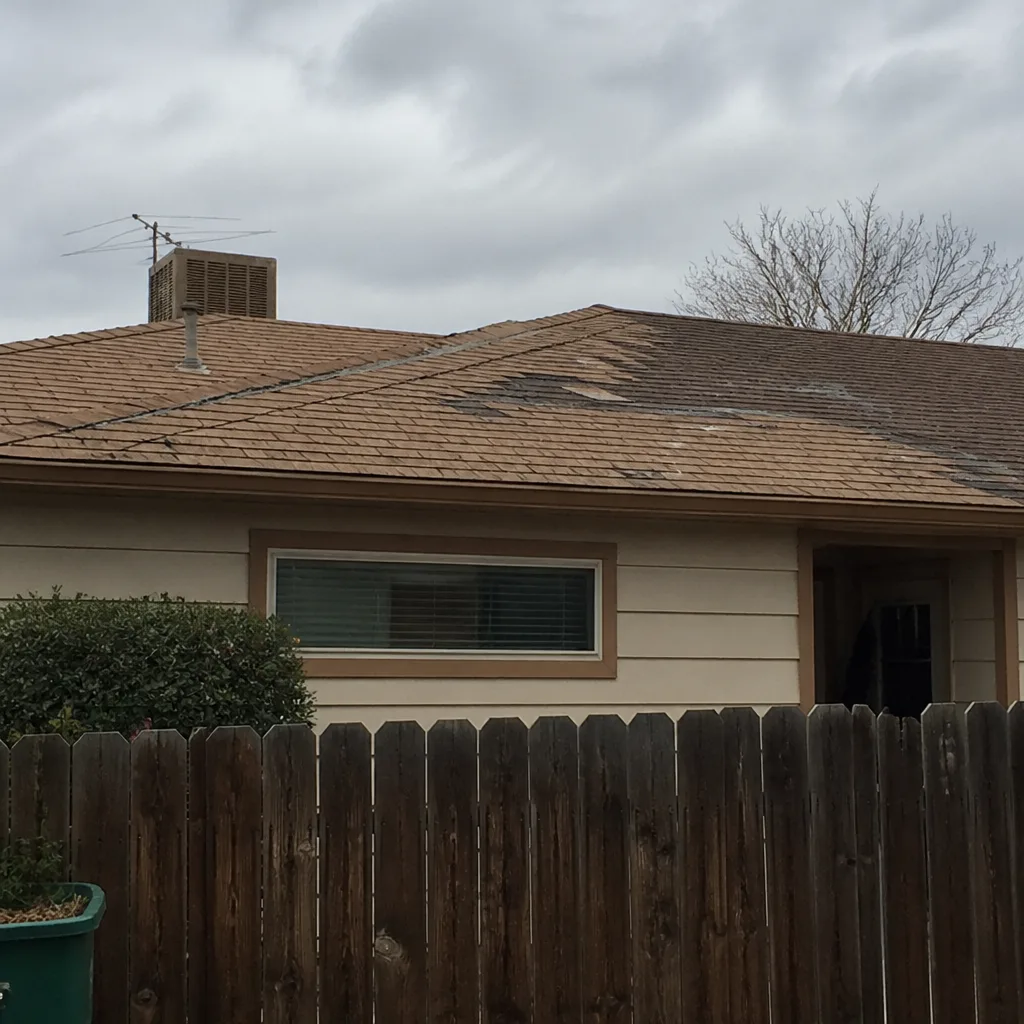 Before
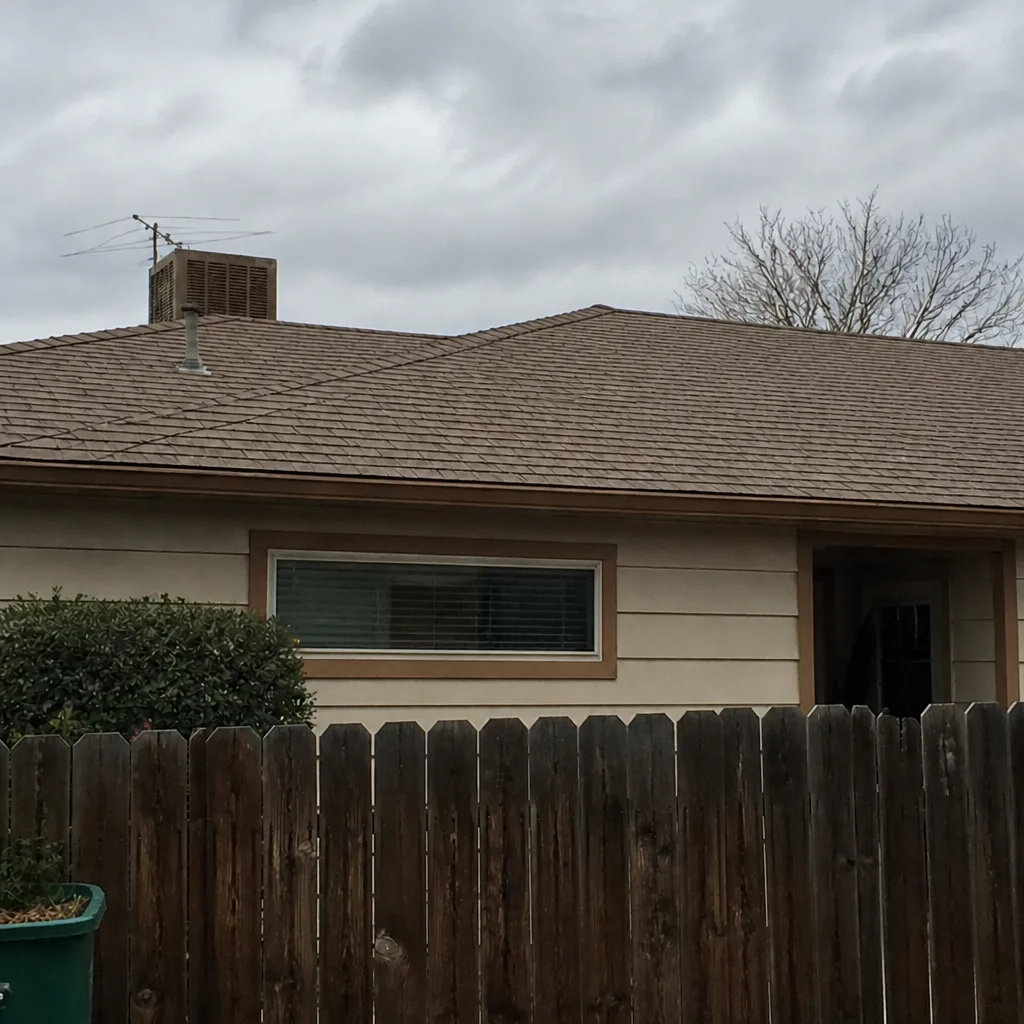 After
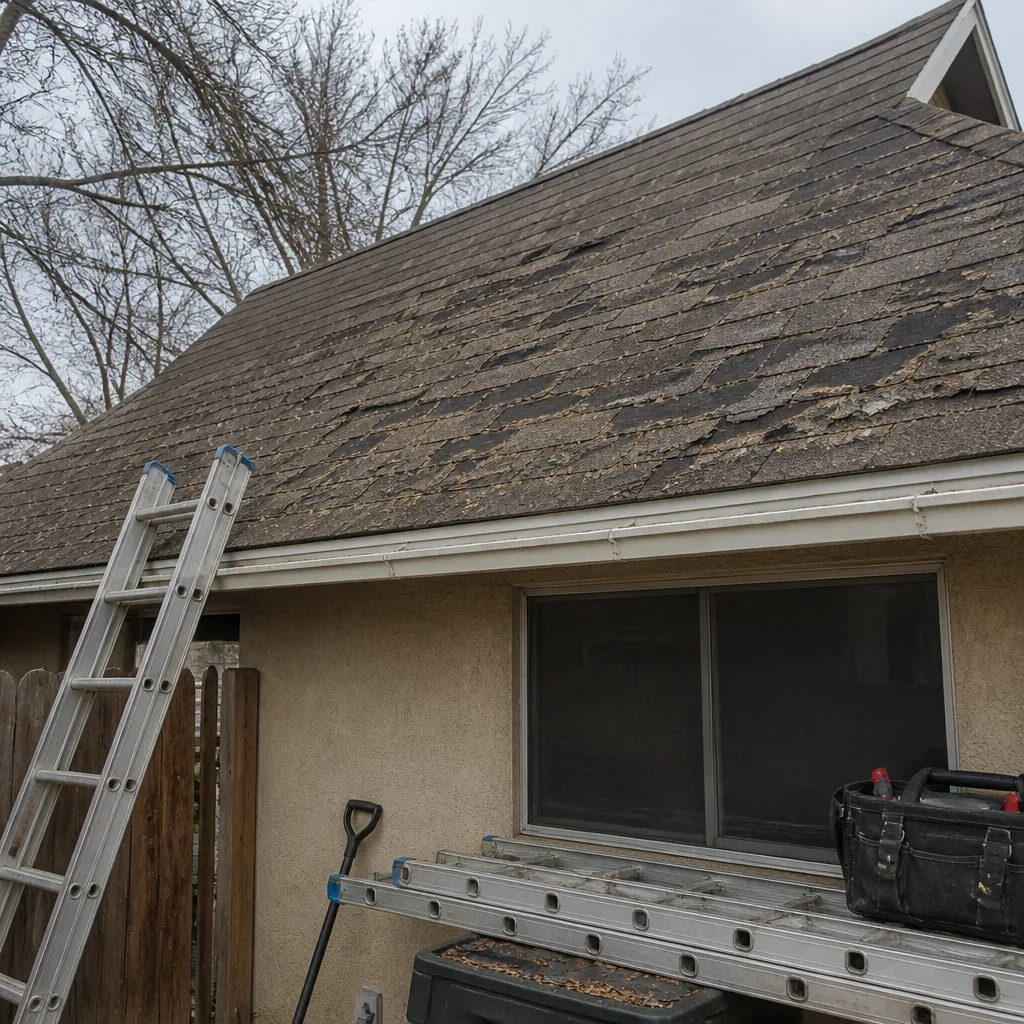 Before
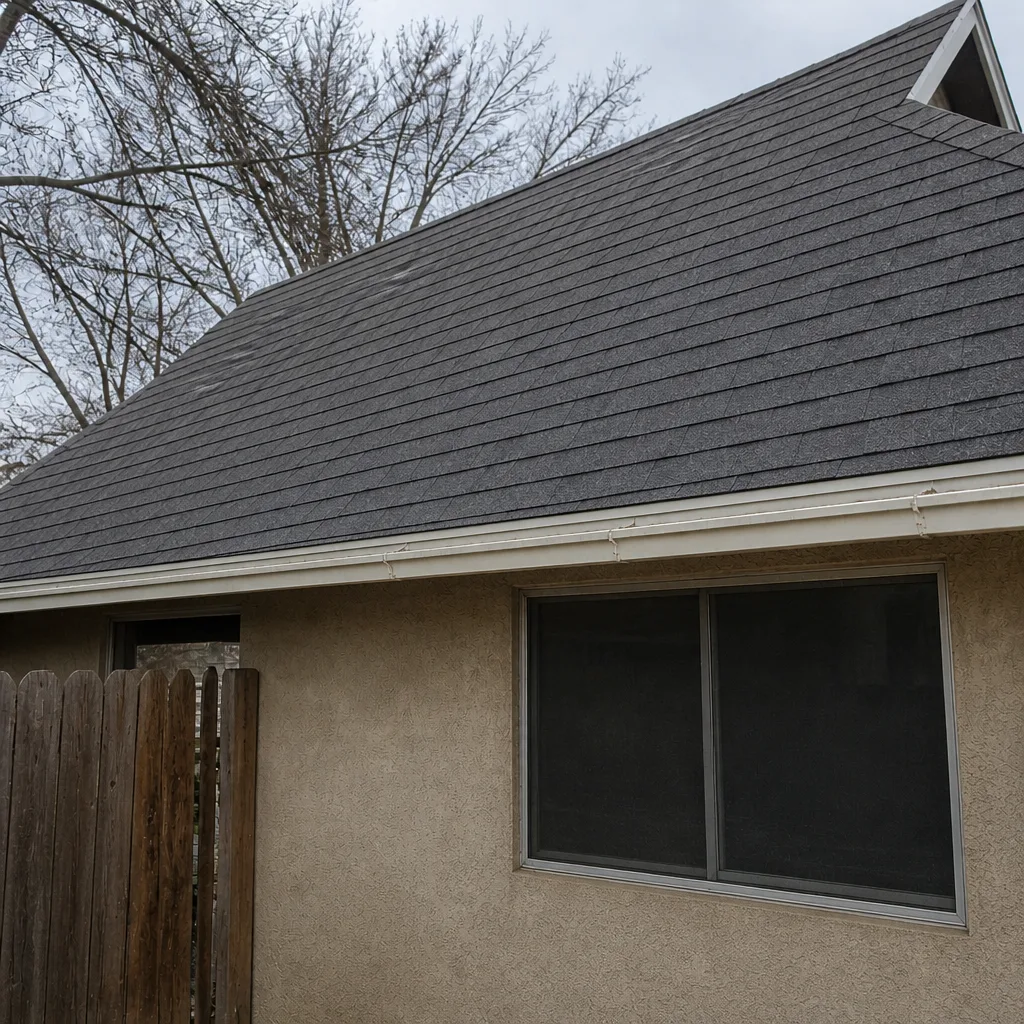 After
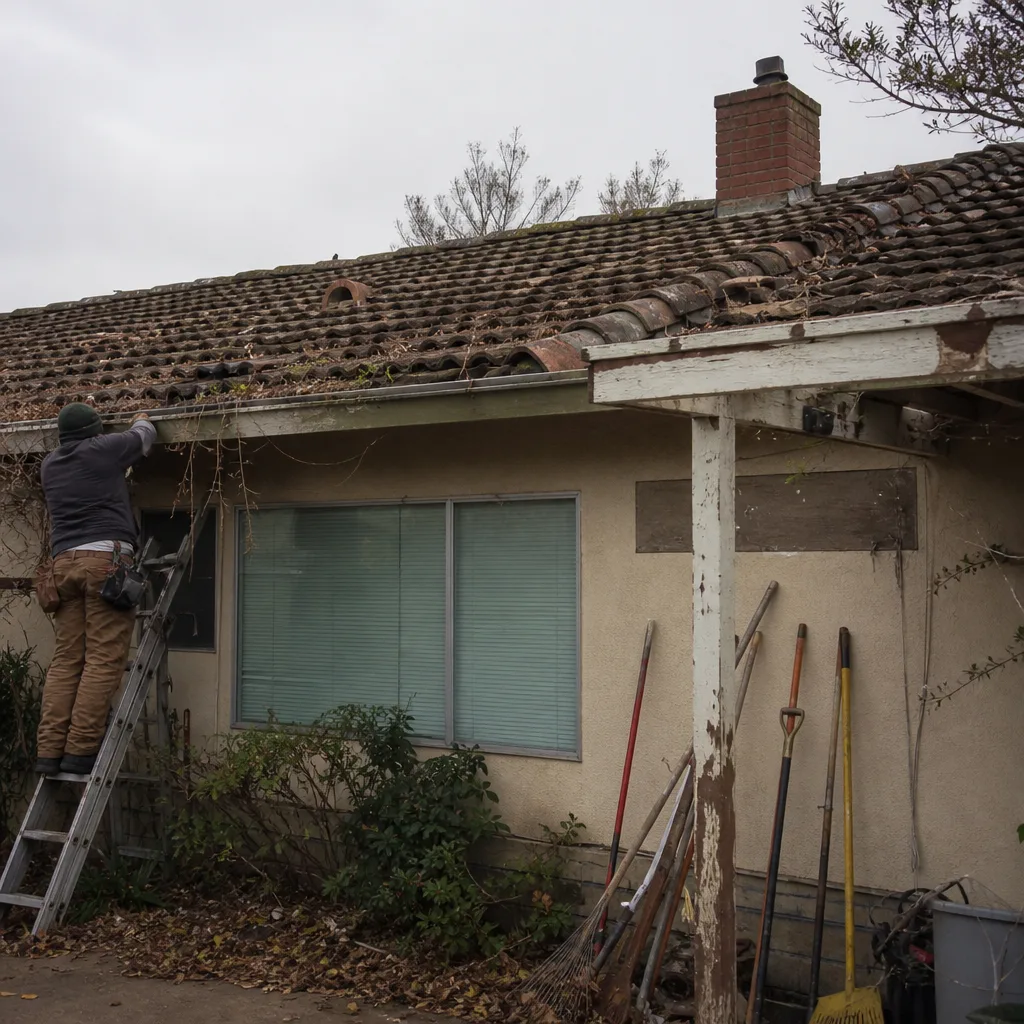 Before
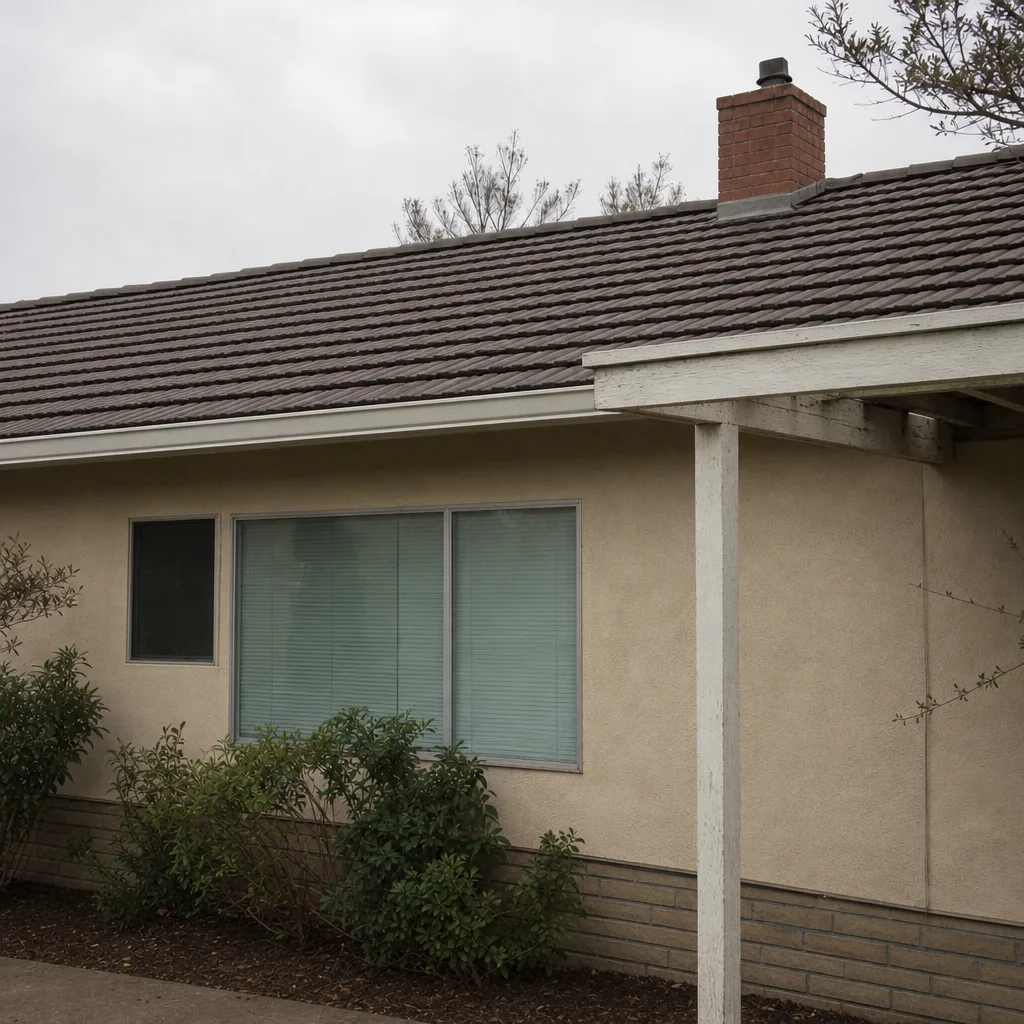 After
Frequently Asked Questions
You can legally do it, but the practical picture is different. Clark County requires a permit and inspection for a residential metal roof, and most major manufacturers void the labor warranty on a homeowner install. A full house roof in standing seam is the one job we’d steer a capable homeowner away from.
Yes. Replacing or installing a roof requires a building permit and a passed inspection in Clark County, regardless of who does the work. Doing it yourself doesn’t change the permit or inspection requirement, and an unpermitted roof is a disclosure problem at resale.
Usually not the labor side, and often not the material side. Most major brands (GAF, CertainTeed, Boral) tie their weathering and finish warranties to a certified installer. Read the warranty card’s installer language before you buy a single panel.
Ridge cap replacement and a single exposed-fastener panel swap on a detached garage or shed are the two realistic DIY repairs. Both are small-area, low-pitch, and don’t depend on seam integrity. If the work touches a seam or flashing, it’s a professional job.
Yes, on the front end. A standing-seam metal install typically runs two to three times a shingle roof. The long-term argument is fewer repairs and a longer service life, but it’s not a same-day budget. If budget is the driver, shingles or a metal-look product may fit better. Call (833) 676-0557 for a written quote on either.
Most residential metal installs run five to ten days, depending on roof size, panel type, and weather. The permit and inspection add a few days on the front and back end. A DIY install is usually five to ten weekends for a first-timer, assuming one re-do.
The Bottom Line
You can do a metal roof repair yourself, and you can do it well: ridge cap, exposed-fastener panel swaps on outbuildings, and trim work are all reasonable projects. What you shouldn’t do yourself is a standing-seam install on a sloped house roof. The tools, the permit, the inspection, and the warranty language all point the same way. The savings on a 2,000 square foot Paradise roof come to a few thousand after realistic costs, and the warranty goes with it. If the job is anywhere above a 6:12, below a certified installer signature, or written into a permit, call the people who do it every day. Shepherd & Sons Roofing Paradise is ready to walk your roof, measure the pitch, and put a real number in writing. Call (833) 676-0557 for a free estimate.
Written by the team at Shepherd & Sons Roofing Paradise.