
Last updated November 17, 2026
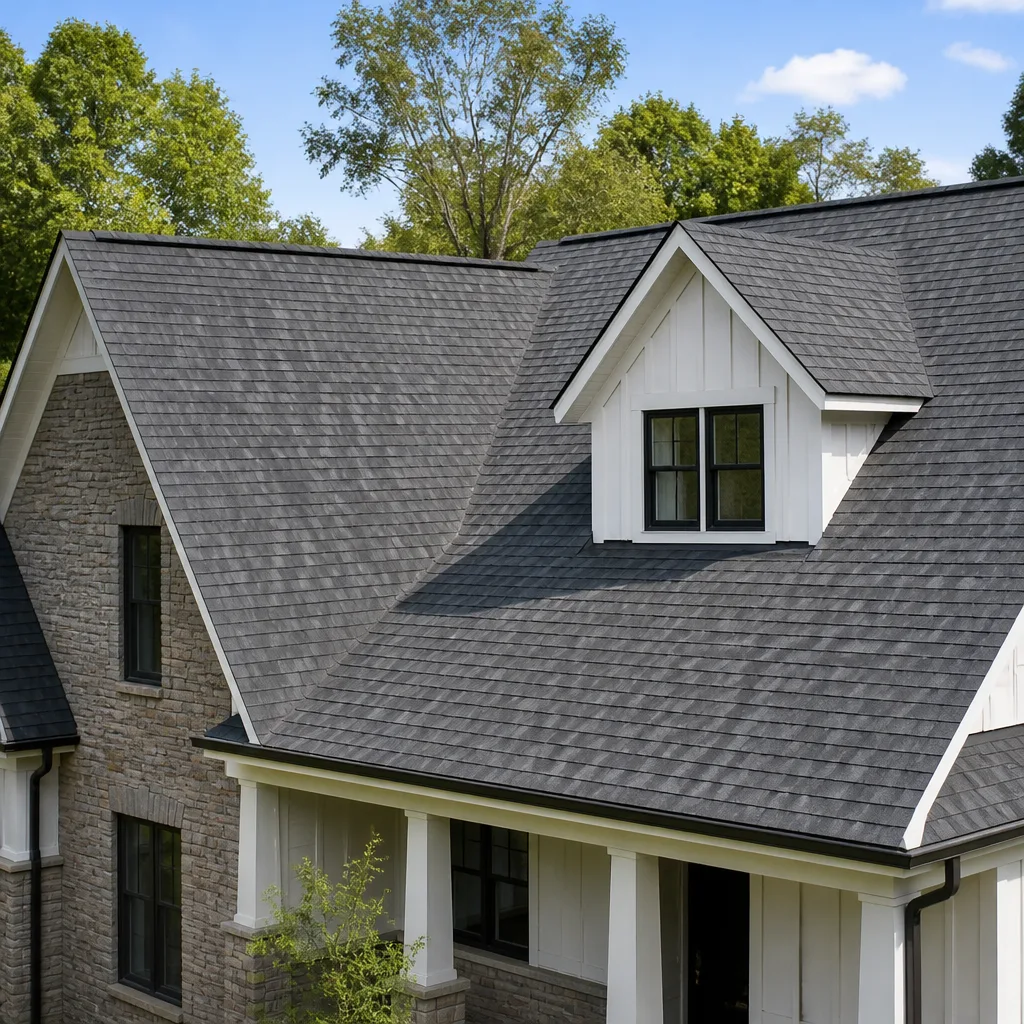 Architectural shingles
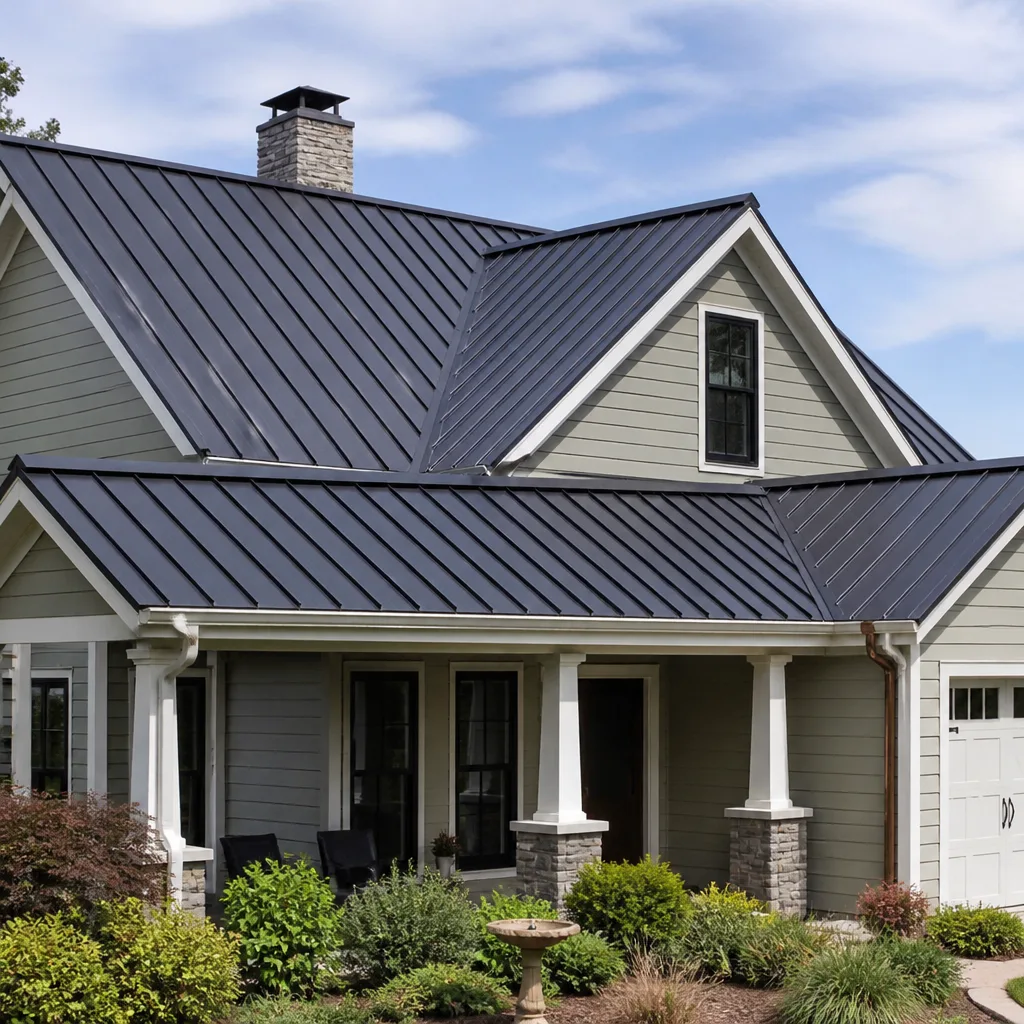 Metal roofing
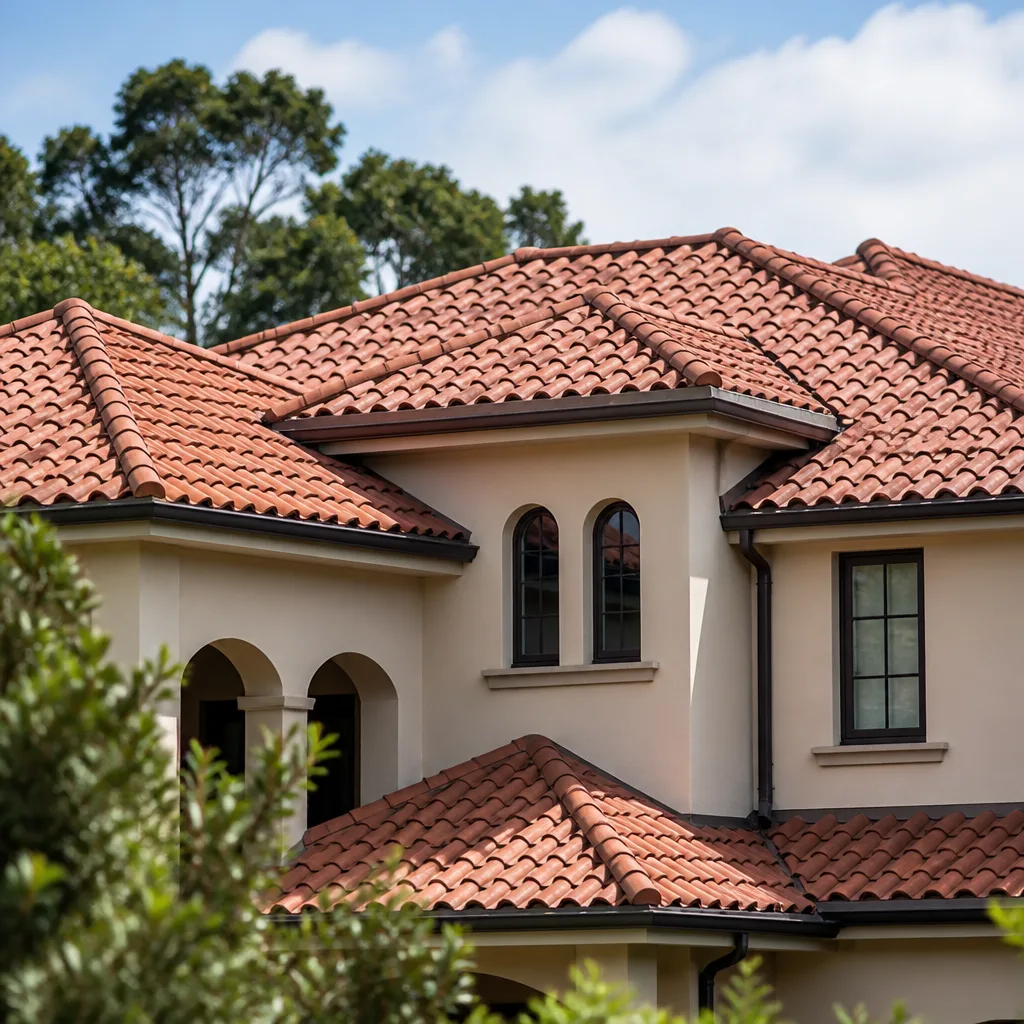 Tile roofing
 GAF
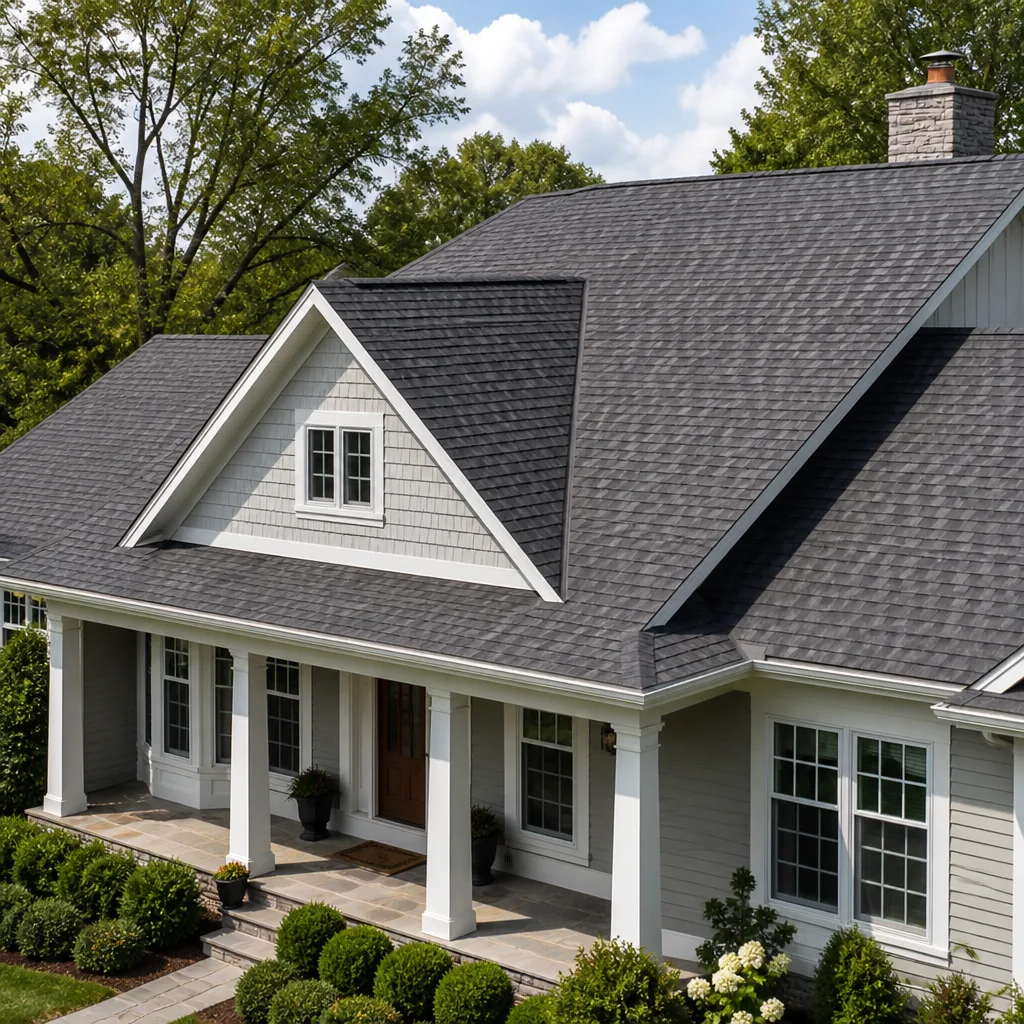 Owens Corning
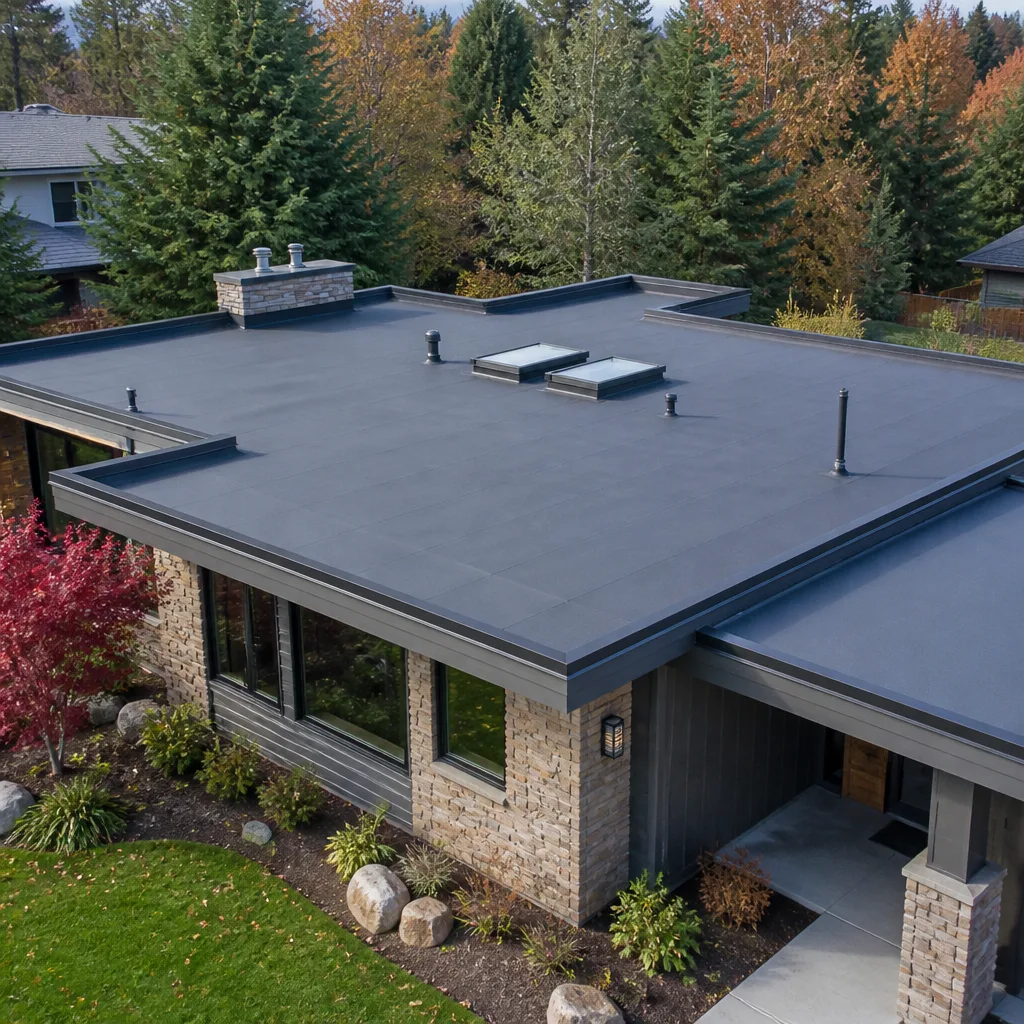 Flat & low-slope
Free roof inspection with deck photos before we talk money - GAF and Owens Corning certified installation
DIY vs Professional Roof Replacement & Installation: What’s Safe to Do Yourself
I’m not going to tell you that you can’t replace your own roof. Some people do it and do it fine. What I will tell you is what it actually costs when you add up the permit, the dump fees, the flashing materials, and the two days you’re up there in a Paradise July – and then you can decide. Most homeowners who run the honest math end up hiring a crew. A few don’t, and that’s their call. This guide lays out both sides without the sales pitch, including the parts of Clark County code most guides skip and the specific things that go wrong on self-installed roofs in Paradise.
Quick Answer
For most homeowners, professional roof replacement is the safer and often cheaper choice once you count permits, dumpster rental, materials, tools, and your own labor at a real hourly value. DIY roof replacement is only worth considering if you’re a mechanically skilled homeowner who qualifies under Clark County’s owner-builder rules, has a low-slope or simple gable roof, and can arrange help for the heavy lifting. Anything involving steep pitch, complex valleys, or a second story should go to a licensed crew.
Styles & brands we work with
- Architectural shingles
- Metal roofing
- Tile roofing
- GAF
- Owens Corning
- Flat & low-slope
Table of Contents
- The Honest Math: DIY Cost vs Professional Bid in Paradise
- What Clark County Requires for a Permitted DIY Roof Replacement
- The Physical Reality of Full Decking Removal in Paradise Heat
- What Goes Wrong in DIY Replacements That a Pro Would Catch
- How Insurance and Future Resale Are Affected by an Unpermitted Roof
- What’s Actually Safe to Do Yourself (and What Isn’t)
- How to Vett a Roofer in Paradise Before You Sign
The Honest Math: DIY Cost vs Professional Bid in Paradise
A typical Paradise asphalt shingle roof runs about 22 to 28 squares. A square is 100 square feet of finished roof surface, so a 2,400-square-foot ranch-style home with a 6/12 pitch and two gable ends usually measures somewhere in that range. If you’ve been told “around 2,000 square feet” by a bidder, ask them how many squares they counted. That number is the whole conversation.
Here’s the honest line-item comparison for a 25-square tear-off and replacement in Paradise. These are ballpark figures based on what we see in the local market. Your numbers will shift with pitch, decking condition, and how many layers are already up there.
- Architectural shingles (25 squares): $2,800 to $4,200 depending on brand. CertainTeed Landmark, Owens Corning Duration, IKO Cambridge, and Atlas Pinnacle all live in this range.
- Underlayment, ice and water shield, drip edge, valley metal: $600 to $1,100
- Nails, cap, ridge vent, pipe boots: $350 to $600
- Permit through Clark County: $250 to $550 for a residential re-roof
- 20-yard dumpster (two pulls, tear-off plus debris): $700 to $1,100
- Roofing nailer rental, staging, harness, fall protection: $300 to $700 for the week
- Decking replacement (very common – see below): $80 to $140 per sheet of 7/16 OSB or plywood, and a Paradise roof that’s 20+ years old often needs 8 to 20 sheets
- Your labor: a two-person crew with experience takes 3 to 4 days. A first-timer homeowner with one helper takes 8 to 12.
Add the bottom four lines up and you’re looking at $1,600 to $3,400 in soft costs before you’ve bought a single shingle. A mid-range professional bid in Paradise for a 25-square tear-off and replacement falls around $11,000 to $16,000 depending on pitch, decking, and shingle selection. That gap is your “savings.” Now subtract your week of vacation, the risk of a bad flash, and the fact that you’ll be buying materials at retail instead of contractor pricing. The math gets thin fast.
If you want a real number to compare against, our team at Shepherd & Sons Roofing Paradise will give you a written line-item estimate with no trip charge inside Clark County.
What Clark County Requires for a Permitted DIY Roof Replacement
Clark County requires a permit for any full roof replacement on a residential structure. That part isn’t negotiable, and skipping it is the single biggest mistake we see from homeowners who go the DIY route. A permit isn’t just paperwork – it’s the thing that gets your roof inspected at three checkpoints: dry-in, final, and any structural changes.
The bigger hurdle for homeowners is the owner-builder rule. Nevada allows a homeowner to pull their own building permit and act as their own contractor, but only if the property is their primary residence and they intend to live in it. The moment you’re doing this on a rental, a second home, or a property you plan to flip within a year, you don’t qualify. Period. You need a licensed contractor of record.
Here’s what the owner-builder path actually requires in Clark County:
- Proof of primary residence – a recent utility bill or tax record with your name and the property address.
- Signed owner-builder disclosure – a form that acknowledges you’re assuming the contractor’s liability, including workers’ comp for anyone you hire to help.
- Site plan and roof plan – a scaled drawing showing the roof footprint, slopes, valleys, and any penetrations.
- Product approval documentation – the shingle manufacturer’s spec sheet showing it meets Clark County wind uplift requirements for your exposure category.
- Inspection scheduling – dry-in inspection before you install any shingles, then a final inspection when the job is complete.
The catch most people don’t see coming: if you hire anyone to help – even a neighbor – you’re supposed to carry workers’ comp for them under the owner-builder disclosure. Most homeowner policies won’t cover it. That alone has killed more DIY plans than the permit fee ever did.
The Physical Reality of Full Decking Removal in Paradise Heat
Paradise in July averages 104 degrees by 2 p.m. On a south-facing roof deck, surface temperature runs 30 to 40 degrees hotter than ambient. That’s 135 to 145 degrees through the shingles, and the plywood underneath isn’t much cooler. This isn’t a scare tactic. It’s a scheduling fact. A professional crew starts at sunrise and shuts down by noon on those days. A homeowner trying to fit the job around a day job doesn’t have that luxury.
The workload itself is what surprises people. Removing three-tab or architectural shingles from a 25-square roof generates between 5,000 and 8,000 pounds of tear-off debris. That’s two to three dumpster pulls, not one. Decking removal is another 2,000 to 3,000 pounds if you’re replacing OSB. Every pound gets carried by hand to the edge, thrown into a dumpster parked below, and repeated.
Then there’s the sun exposure. Full tear-off means you’re on the deck for two to three days minimum in direct sunlight, on a surface that reflects heat upward. Heat exhaustion on a Paradise roof is a real thing, not a hypothetical. The crews we work with rotate during the summer for a reason.
Add the reality of fall protection. OSHA requires fall protection above six feet, and a single-story Paradise ranch roof puts you at 9 to 10 feet at the eave. A harness and anchor system is $300 or more to rent or buy. Most homeowners skip it. That’s not a savings – that’s a coin flip.
What Goes Wrong in DIY Replacements That a Pro Would Catch
We get called to fix DIY roofs fairly often. The failures aren’t the ones you’d guess. Shingle placement is easy. It’s the details that leak – and those details are exactly the ones a first-timer has never been shown.
- Valley flashing geometry. A valley carrying two roof planes needs the underlayment sequenced correctly, the valley metal lapped, and the shingles woven or cut in a specific pattern. Get it wrong and the first monsoon season in Paradise finds the leak. We’ve torn off three-year-old DIY valleys that were already rotted under the shingles.
- Drip edge sequencing. Drip edge has to go under the underlayment at the eave and over it at the rake. Reversed, water wicks back into the fascia. We see this on maybe one in five DIY jobs we look at.
- Low-slope drainage. A 2/12 roof segment over a patio or garage is common in Paradise. Below 4/12 pitch, standard shingles don’t belong on it – you need a low-slope membrane. Homeowners rarely know to check their slope before buying materials.
- Ridge vent sizing. Under-ventilated attics in Paradise’s heat cut shingle life by years. The intake-to-exhaust ratio matters, and a homeowner with a nail gun rarely calculates it.
- Pipe boots and penetrations. Every vent pipe needs its boot slid correctly and nailed only through the top edge. Nail through the bottom and the boot tears at the first shingle expansion.
- Decking rot left in place. Soft spots hidden under new shingles become a much larger repair two winters later. A pro walks the deck for soft spots before quoting. A homeowner discovers them at year three.
None of these failures announce themselves when you’re on the roof. They show up as a stained ceiling the August after.
How Insurance and Future Resale Are Affected by an Unpermitted Roof
An unpermitted roof is a quiet problem that surfaces at the worst possible time – claim time or sale time. Homeowner’s insurance carriers in Nevada increasingly ask for the roofing permit number when a claim gets filed. If there’s no permit on record, the claim can be denied or reduced because the work wasn’t inspected. That’s the whole reason the county requires the permit in the first place.
On resale, a buyer’s inspector pulls the permit history during the inspection period. An unpermitted full tear-off gets flagged, the buyer asks for a $5,000 credit (or more, if the shingles look questionable), and the deal either dies or gets renegotiated in the buyer’s favor. We’ve seen this play out twice on Paradise homes in the last several years, and both times the seller lost more than the roof ever cost.
A permitted professional replacement sidesteps all of it. The permit is on file, the inspections are documented, and the manufacturer’s material warranty (which requires professional installation by a licensed contractor, in most cases) actually applies. That warranty piece is the other thing homeowners don’t know: CertainTeed, Owens Corning, and IKO all void or limit their long-term warranties if the installation wasn’t done by a licensed professional. You’re not just buying shingles – you’re buying coverage on the shingles.
What’s Actually Safe to Do Yourself (and What Isn’t)
Plenty of roof work is completely reasonable for a handy homeowner. We’re not going to pretend otherwise. Here’s the honest split.
Safe to do yourself:
- Cleaning gutters, twice a year, from a ladder set on level ground
- Replacing a missing shingle tab near the eave on a single-story roof with proper fall protection
- Patching a small leak you can reach from an eave – the roof cement approach works fine for a temporary fix
- Sealing small penetrations with roofing caulk or an asphalt patch
- Trimming tree limbs back from the roof surface
Call a professional:
- Any full tear-off or replacement, regardless of how simple the roof looks
- Anything above a 5/12 pitch – steep-slope work is where most falls happen
- Chimney flashing, skylight flashing, or valley repairs
- Any repair requiring you to be more than 8 feet off the deck
- Anything involving structural changes, decking replacement, or attic ventilation redesign
- Post-storm damage that might involve hidden leaks in the deck
The line we draw with homeowners is simple: if the work is at the eave and you can reach it from a ladder, it’s probably yours. If it’s up-slope, in a valley, or involves the deck, it’s ours. For anything in that second column, our roof repair team in Paradise can come out and give you an honest read on what’s actually going on, no charge for a second opinion on any written estimate you’ve already received.
How to Vett a Roofer in Paradise Before You Sign
If you’re going to hire rather than DIY – which is the right call for most homeowners – the vetting process matters more than the price. Out-of-state storm chasers show up in Paradise every hail season, quote low, and vanish before the first inspection. We’ve watched it happen year after year, and the homeowner gets left holding the permit. Here’s the checklist we suggest every homeowner use before signing.
- Get the license number in writing on the estimate. Not “we’re licensed” – the number. Look it up on the Nevada State Contractors Board website before you hand over a deposit.
- Get the physical address. A roofer you can drive past is a roofer who will be around in 90 days if something goes wrong.
- Ask for a written line-item quote – squares counted, shingle brand and product, underlayment, dumpster, permit, labor. A single lump-sum number with no breakdown isn’t a quote, it’s a guess.
- Confirm the permit is being pulled and in whose name. It should be in the roofing contractor’s name, not yours.
- Ask what happens after the job. A written workmanship warranty is the baseline. If it’s a handshake, walk.
- No pressure on the day. If someone wants a signature same-day with a discount, the discount is the price you should have been quoted anyway.
For a full replacement specifically, our roof replacement and installation team in Paradise follows this exact process on every job: written line-item estimate, permit pulled in our name, deck photos shown before money is discussed, and the 90-Day Done Right Promise in writing. If you’re weighing shingle versus metal for your Paradise home, our metal roofing page for Paradise breaks down the cost and lifespan comparison, which is a different set of numbers than shingle.
Common Mistakes to Avoid
- Skipping the permit to save money. The permit fee is a fraction of the resale hit you’ll take if a buyer’s inspector flags the roof. It’s also the only way to get the county inspection that catches bad flash before the rain does.
- Buying materials at retail without measuring first. A 10% material overage sounds safe, but a 20% overage in a Paradise summer means 5 squares of shingles baking in the driveway. Measure twice, order once.
- Underestimating decking replacement. On a Paradise roof more than 15 years old, plan on replacing 10 to 20% of the decking. Older neighborhoods especially – soft spots under shingles are the rule, not the exception.
- Trying to save money by going with lowest-bid shingles. The $15-per-square savings on a bargain-grade shingle costs you 5 to 8 years of roof life. Stick to branded product with a documented wind rating.
- Starting in July or August. Paradise summer isn’t a DIY window. If you’re determined to do the work, schedule it for October or March when the deck isn’t a griddle.
- Hiring the first roofer who knocks after a storm. The hail chasers in Paradise are consistent – they show up after every significant storm, quote fast, and leave the permit work to you. Get the license number and physical address first.
- Skipping the workers’ comp piece for helpers. If anyone helps you – neighbor, friend, relative – and gets hurt, you’re the one responsible. That’s not a theoretical risk on a roof.
See the difference
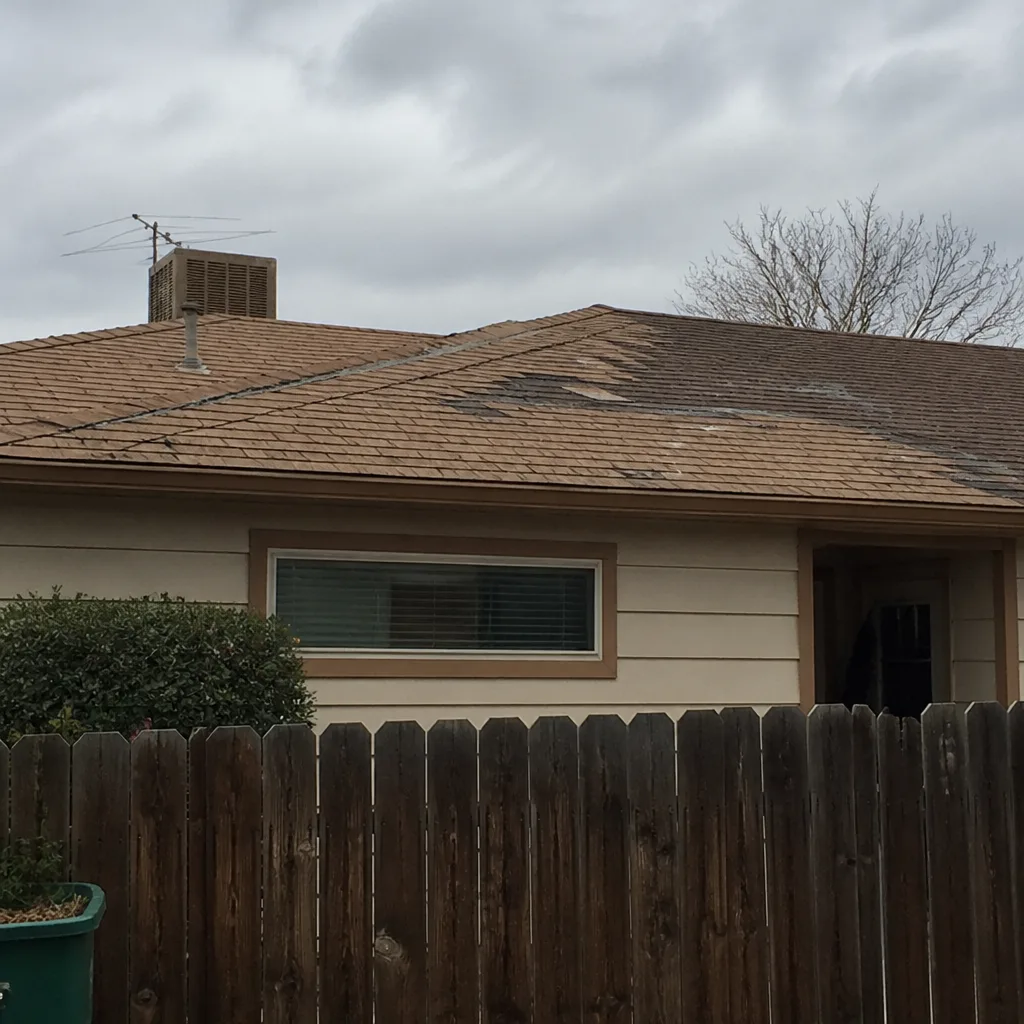 Before
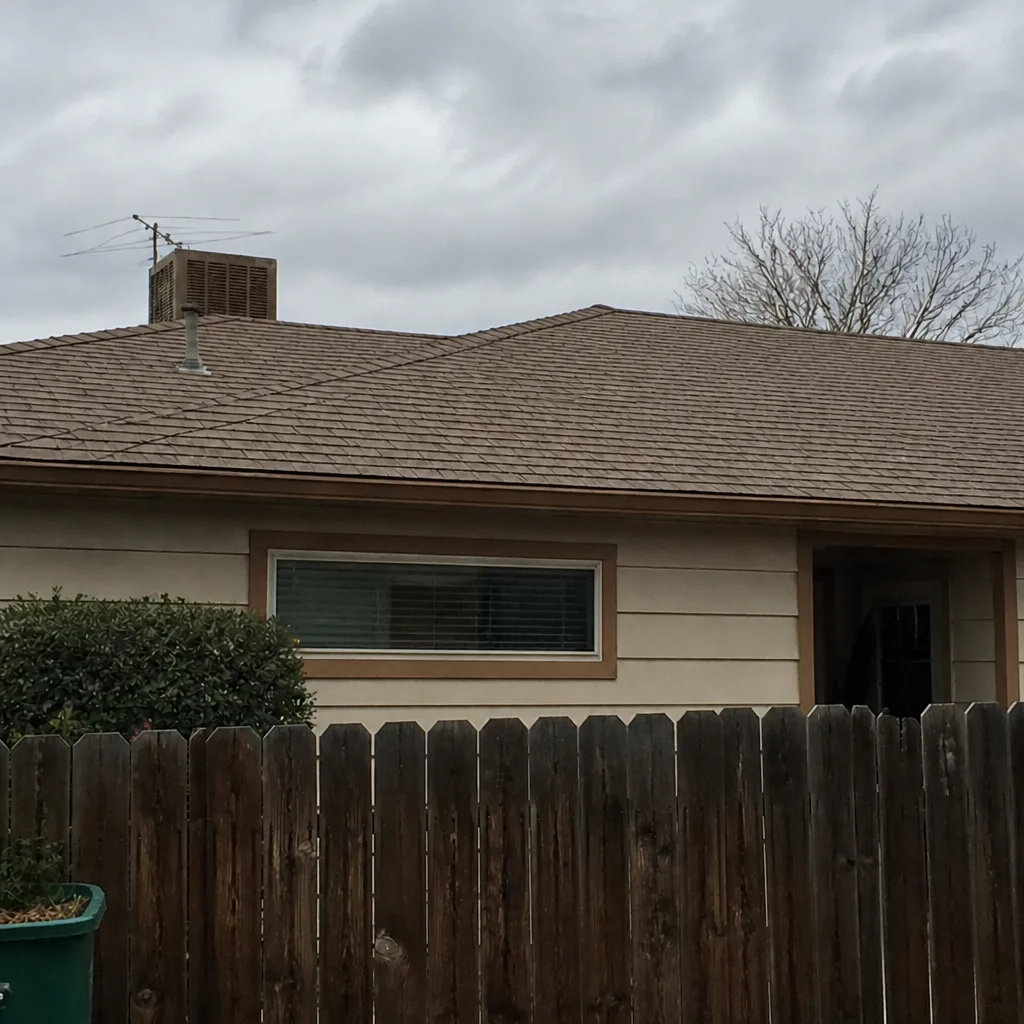 After
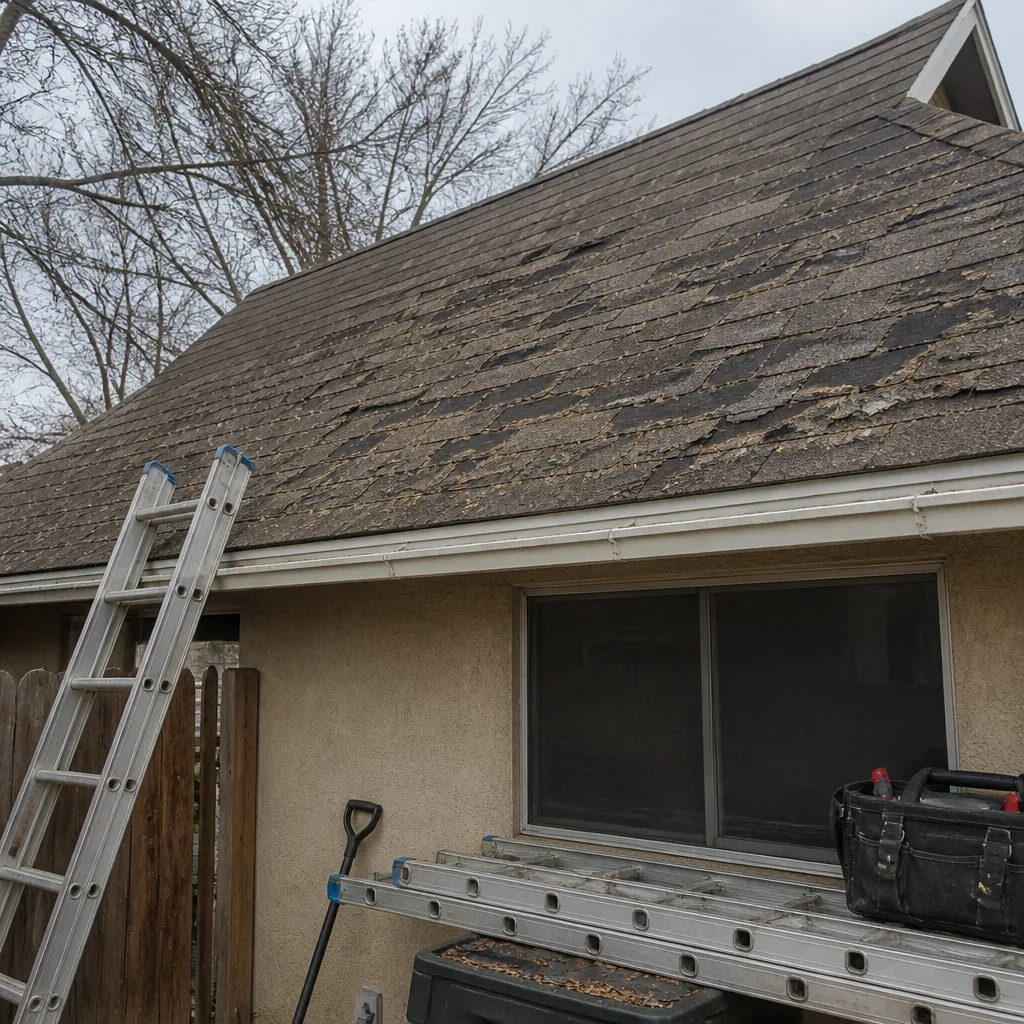 Before
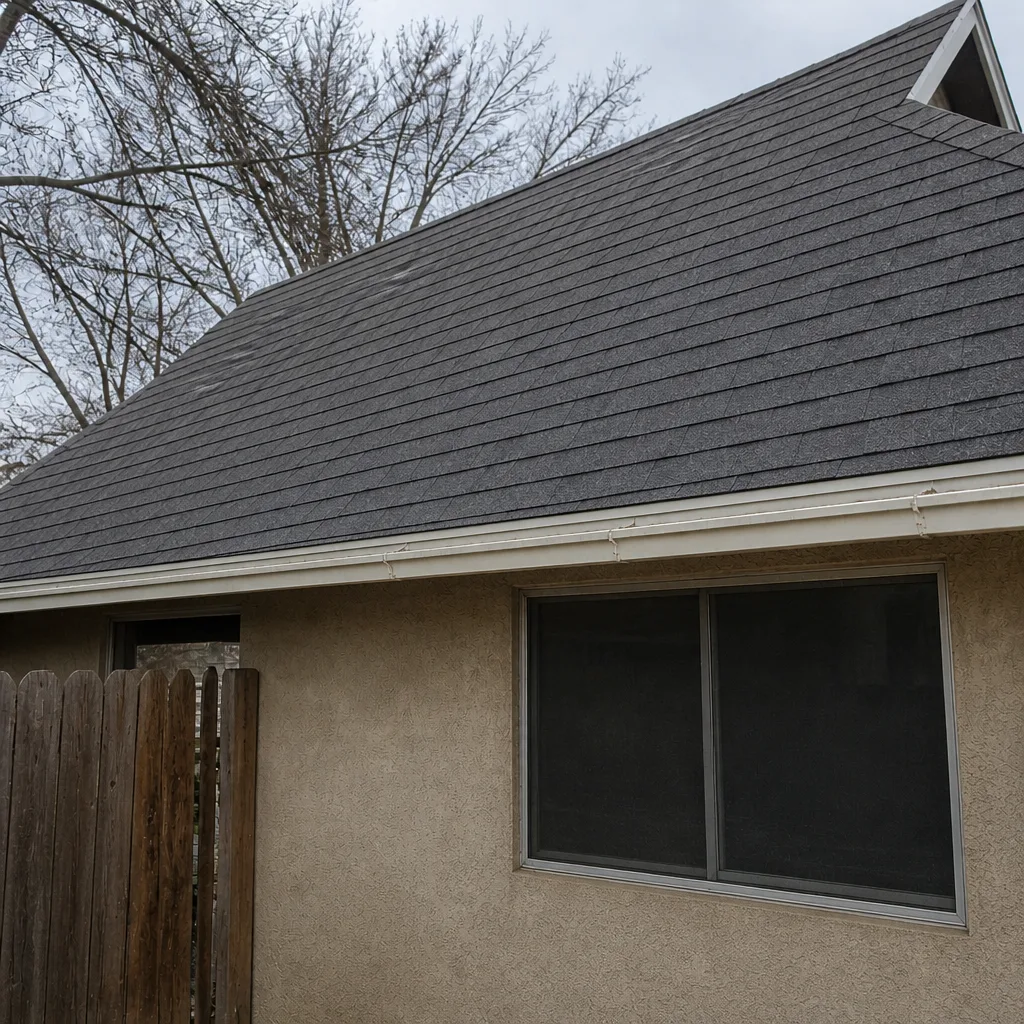 After
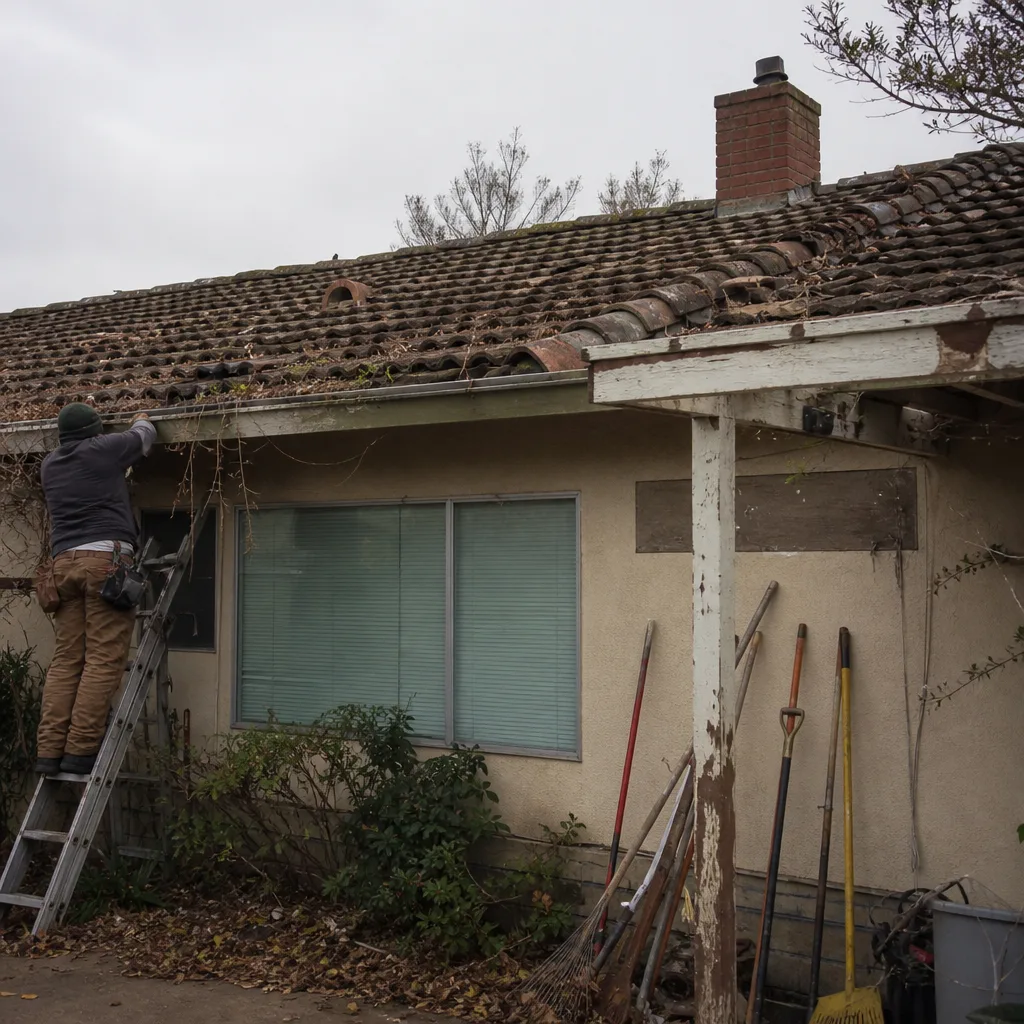 Before
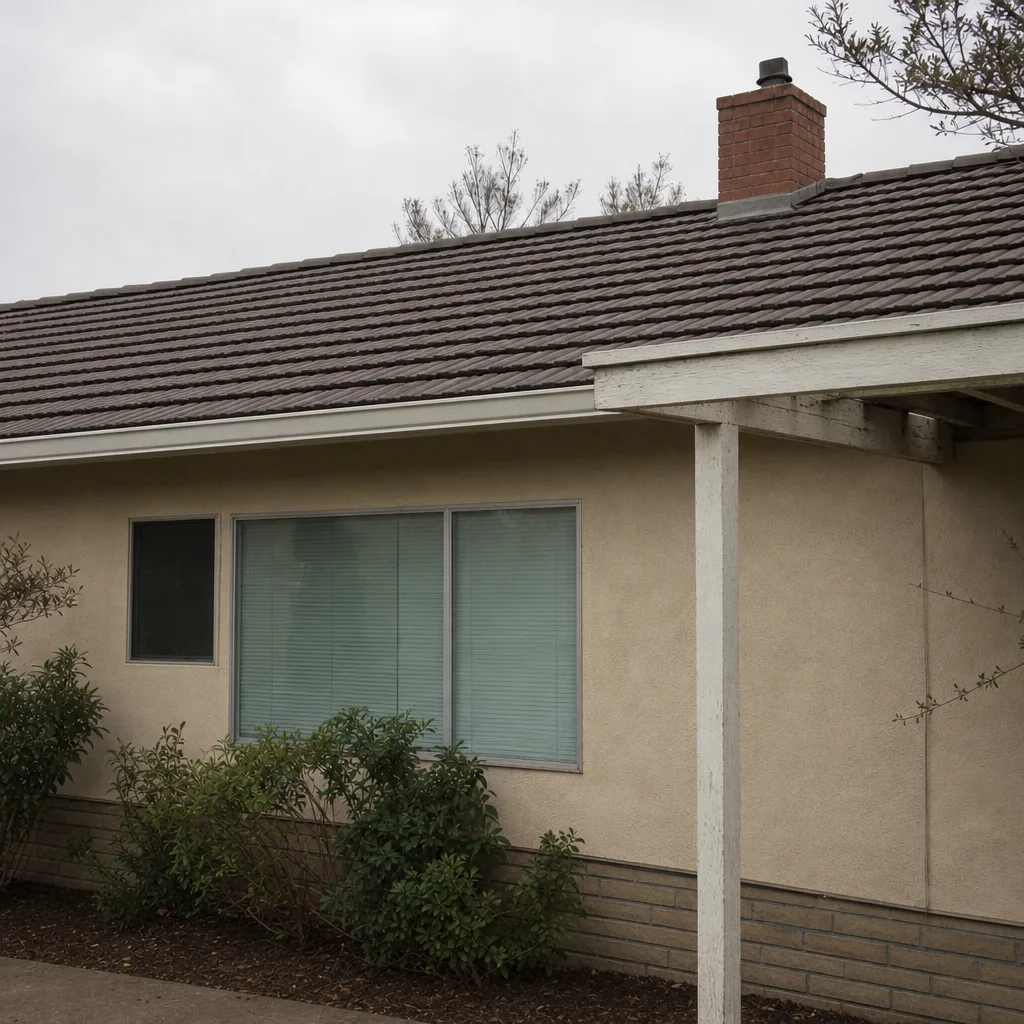 After
When to Call a Professional
Call a professional roofer in Paradise if any of the following applies to you: the roof is above a 5/12 pitch, the home is two stories, the roof has multiple valleys or penetrations, the decking needs replacement, the home is insured or you plan to sell it in the next five years, or the work involves anything other than eave-level repairs. The economics also push toward hiring when the roof is over 20 squares – the volume of tear-off, materials, and dumpster pulls eliminates most of the theoretical savings.
Shepherd & Sons Roofing Paradise offers free estimates in Paradise, including a free second opinion on any written bid you’ve already received. Same address since 1996, license number published, and a live person answers the phone any time of day or night. Call (833) 676-0557 to schedule your free estimate.
Frequently Asked Questions
Yes, but only if the property is your primary residence and you qualify under Nevada’s owner-builder rules. You’ll need to pull the permit yourself through Clark County, sign the owner-builder disclosure, provide a roof plan, and schedule the dry-in and final inspections. Rentals, second homes, and properties you plan to flip within a year don’t qualify. Call (833) 676-0557 if you’re not sure whether you fit the rule – we’ll tell you straight.
A mid-range professional roof replacement on a 25-square Paradise home typically runs $11,000 to $16,000. A DIY version of the same job runs roughly $5,500 to $8,500 in materials and soft costs once you add the permit, dumpster pulls, tool rental, and decking. The gap narrows to almost nothing once you account for your labor, retail material pricing, and the risk of a bad flash costing a repair two winters later. Call (833) 676-0557 for an exact quote – estimates are free.
It depends on the carrier and the claim, but unpermitted self-installed roofs are increasingly denied on claim. Carriers want to see a permit number and inspection record before paying a full replacement. If you installed without a permit, expect pushback. A permitted professional install sidesteps the whole issue and keeps the manufacturer’s warranty intact.
A two-person professional crew finishes a 25-square tear-off and replacement in 3 to 4 days. A first-time homeowner with one helper typically takes 8 to 12 days, and often longer if decking replacement is needed or the weather turns. In Paradise, that timeline lands you squarely in the summer heat if you start in June. Call (833) 676-0557 and we’ll give you a schedule estimate on a professional install.
Three real risks: insurance claims can be denied, resale inspections can flag the roof and force a credit or kill the deal, and the manufacturer’s material warranty (for CertainTeed, Owens Corning, IKO, and most other brands) will typically be void without licensed installation. The permit fee you saved is usually less than any one of those hits. Call (833) 676-0557 if you’ve already installed without a permit – we can walk you through what fixing it looks like.
Eave-level repairs, gutter cleaning, tree limb trimming, small shingle tab replacements on single-story roofs, and temporary leak patches with roofing cement. Anything above a 5/12 pitch, anything requiring you to be more than 8 feet off the deck, and anything involving valley flashing, chalet flashing, or decking should go to a licensed roofer. If you’re unsure which column a job falls into, call (833) 676-0557 and we’ll tell you honestly whether it’s a homeowner job or a crew job.
The Bottom Line
DIY roof replacement isn’t impossible. It’s just rarely worth it once you count the permit, the dumpster pulls, the decking surprises, your own labor at a real value, and the risk of a valley leak that surfaces two summers later. The savings math is a lot closer to zero than the YouTube videos suggest, and the downside – denied insurance claim, resale headache, voided manufacturer warranty – is real. Repair work at the eave is different. That’s often a homeowner job, and we’ll tell you so if it is. Anything up-slope, anything with a valley, anything over 20 squares, or anything involving the deck: call the crew. Same address since 1996, license number on the truck, and a live person on the phone any hour of any day. Call (833) 676-0557 for your free estimate and a straight read on what your roof actually needs.
Written by the team at Shepherd & Sons Roofing Paradise.