
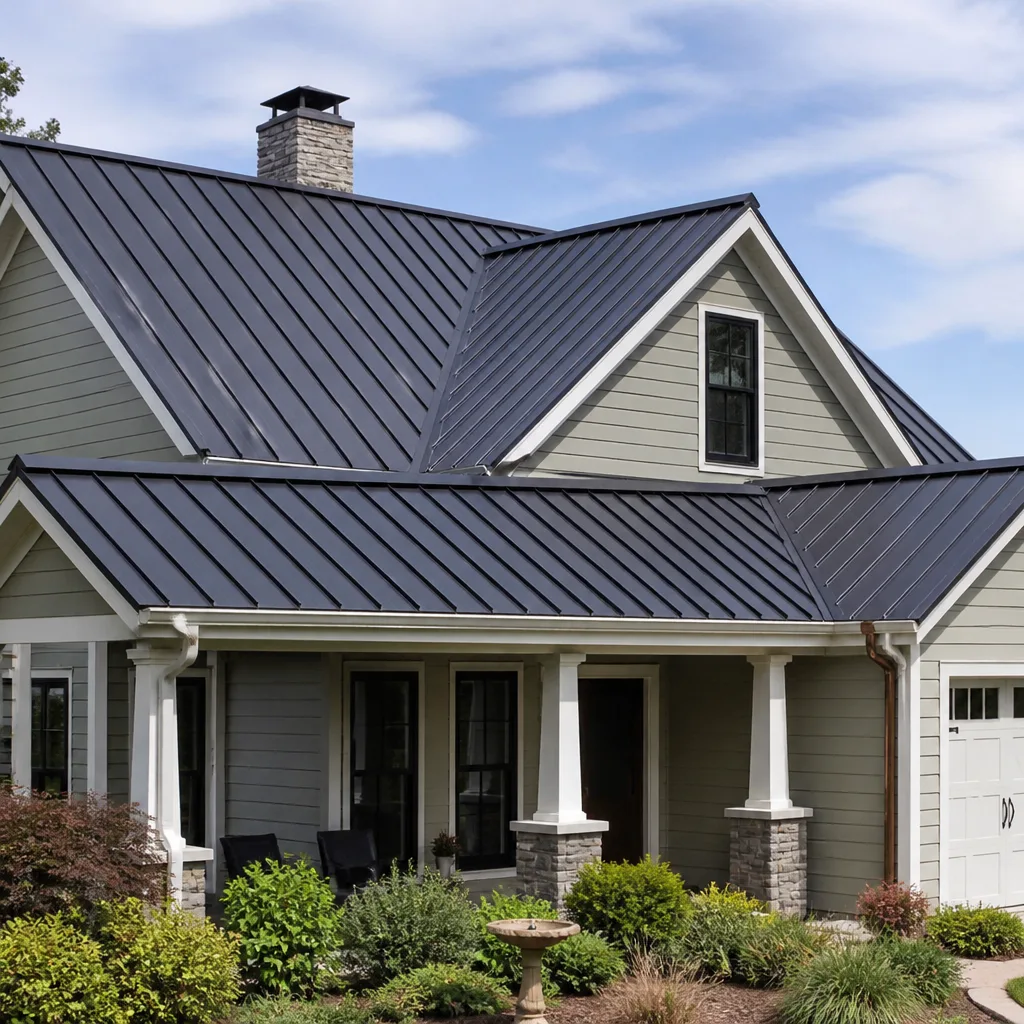
 Metal roofing
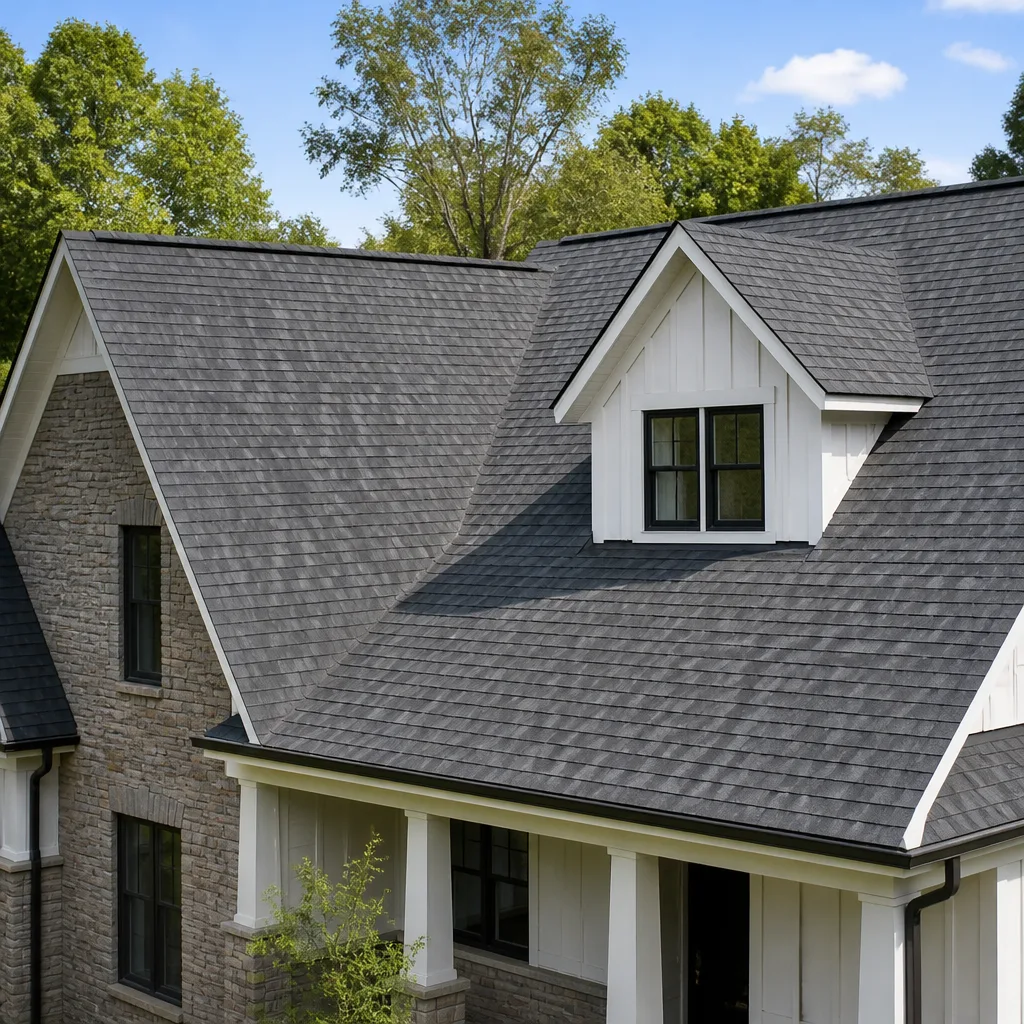 Architectural shingles
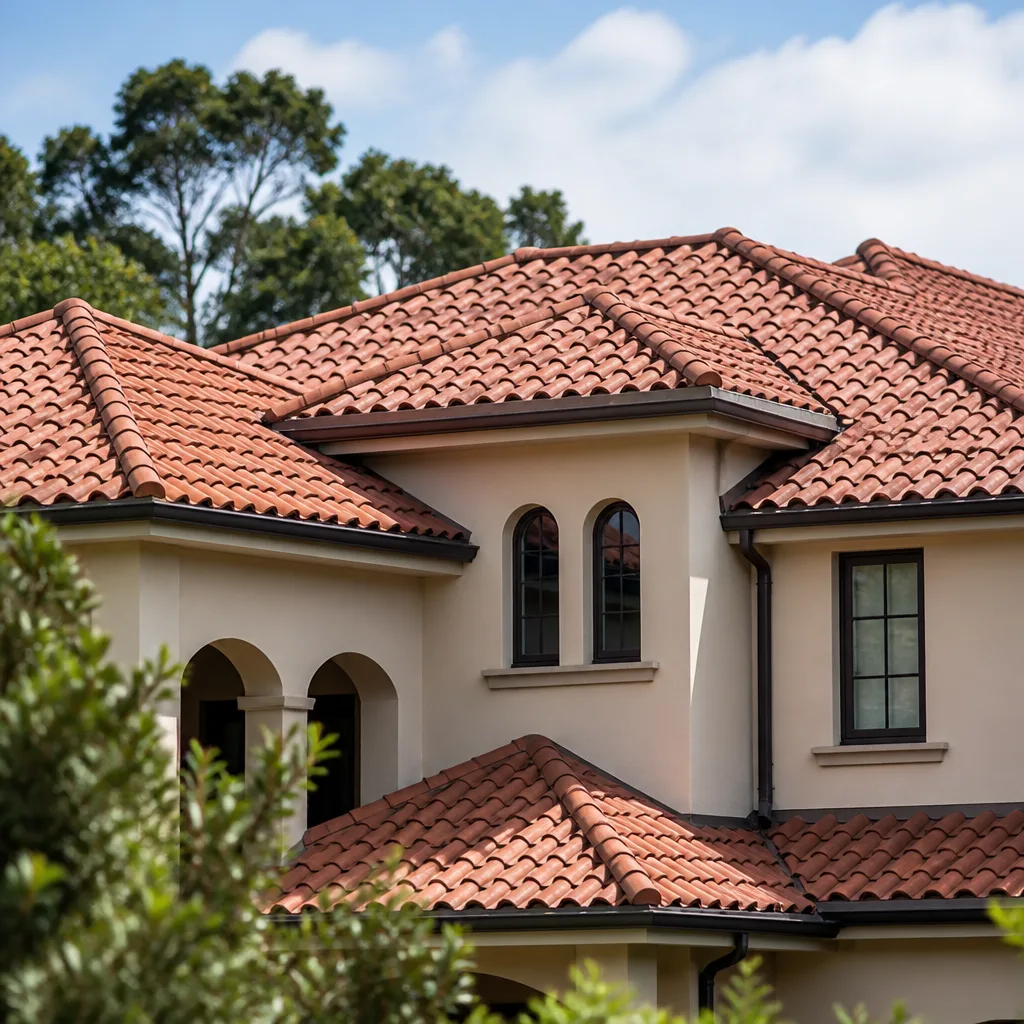 Tile roofing
 GAF
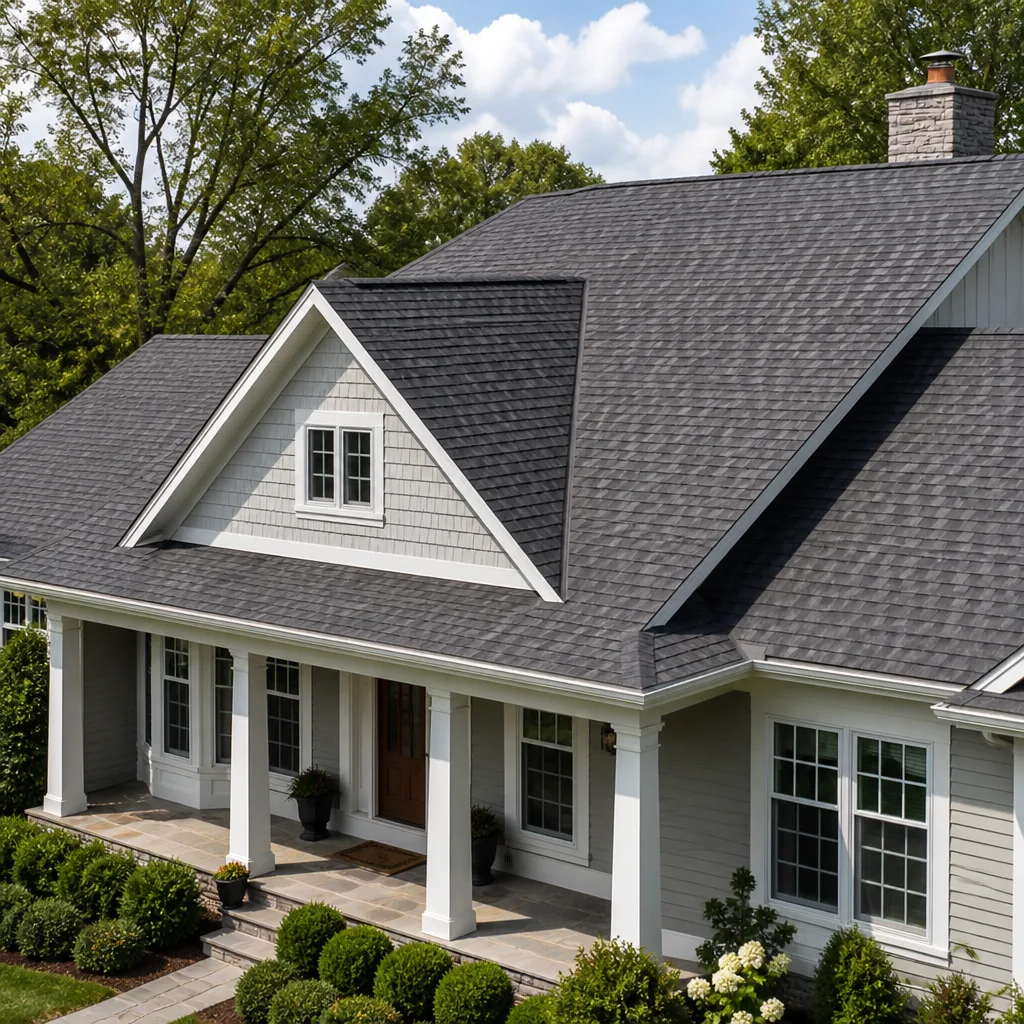 Owens Corning
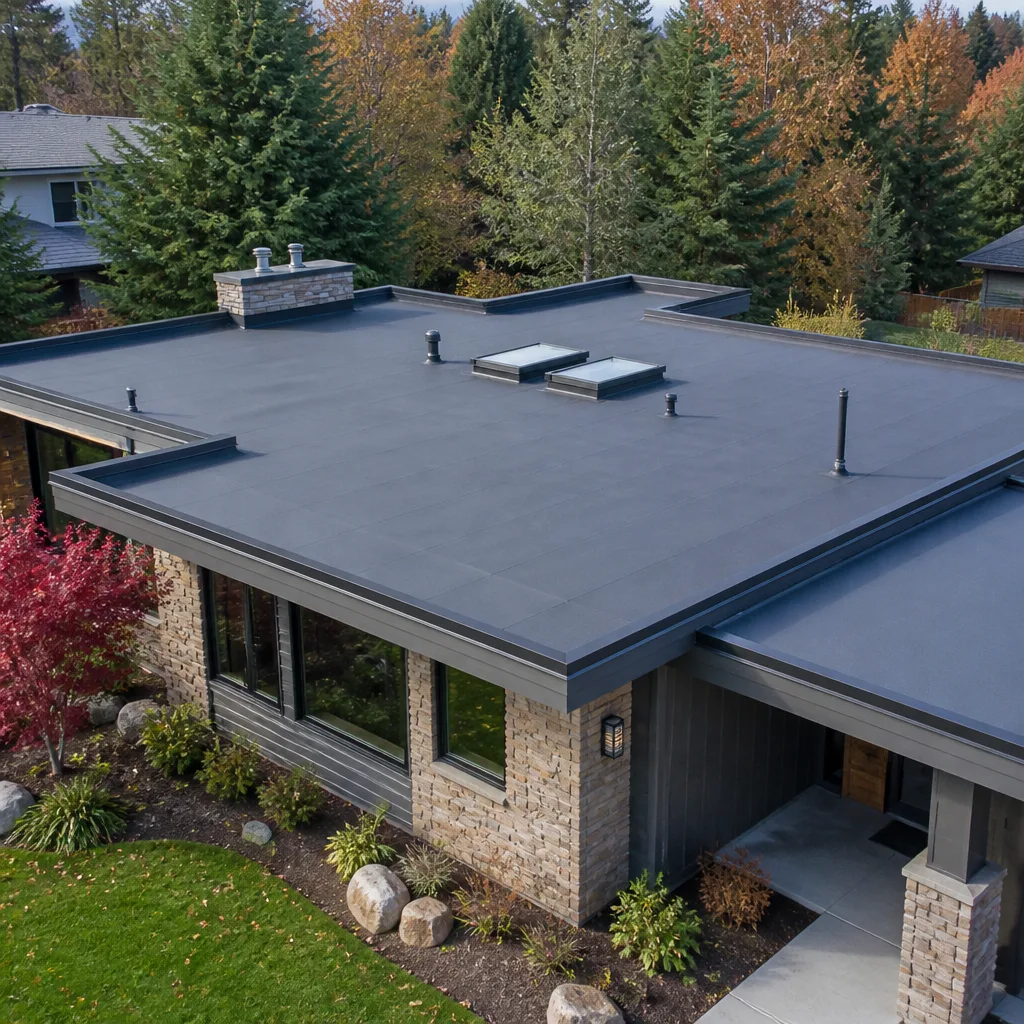 Flat & low-slope
Free roof inspection with deck photos before we talk money - GAF and Owens Corning certified installation
Styles & brands we work with
- Architectural shingles
- Metal roofing
- Tile roofing
- GAF
- Owens Corning
- Flat & low-slope
See the difference
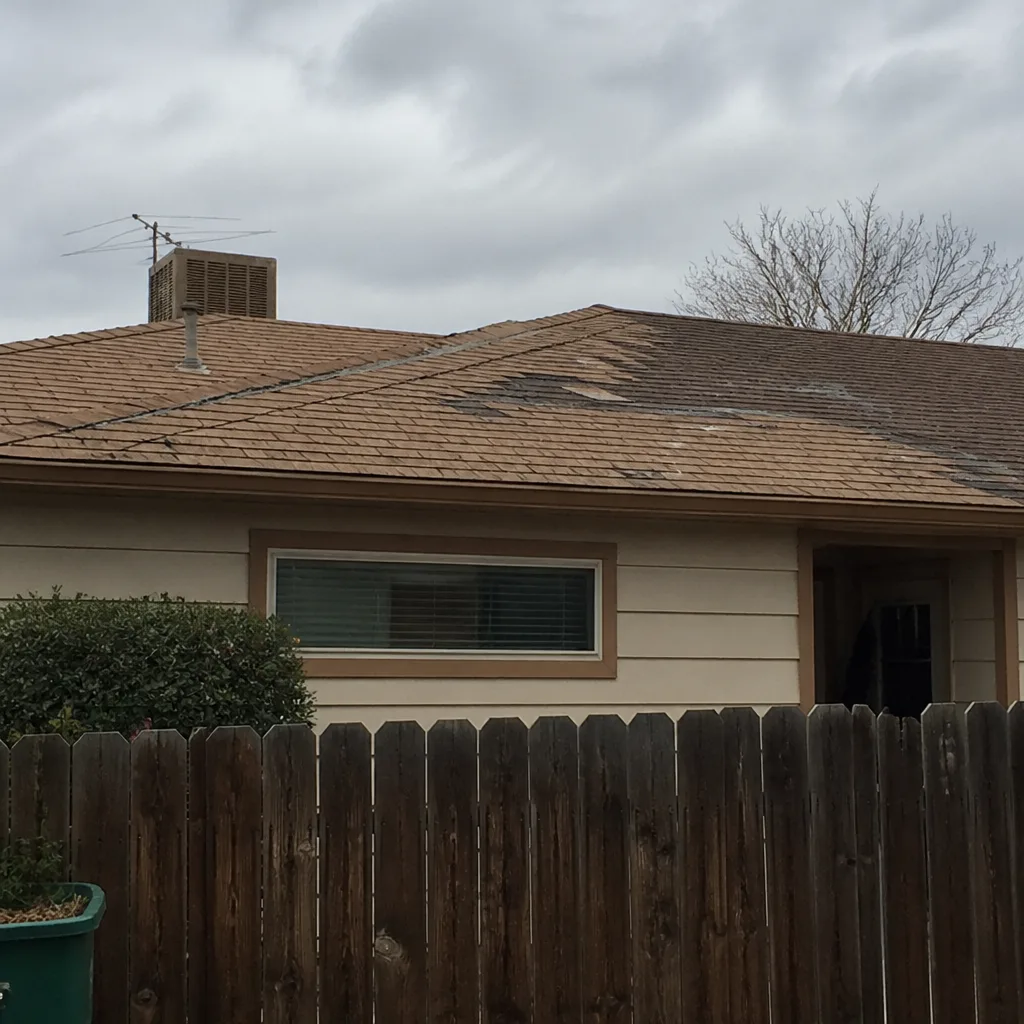 Before
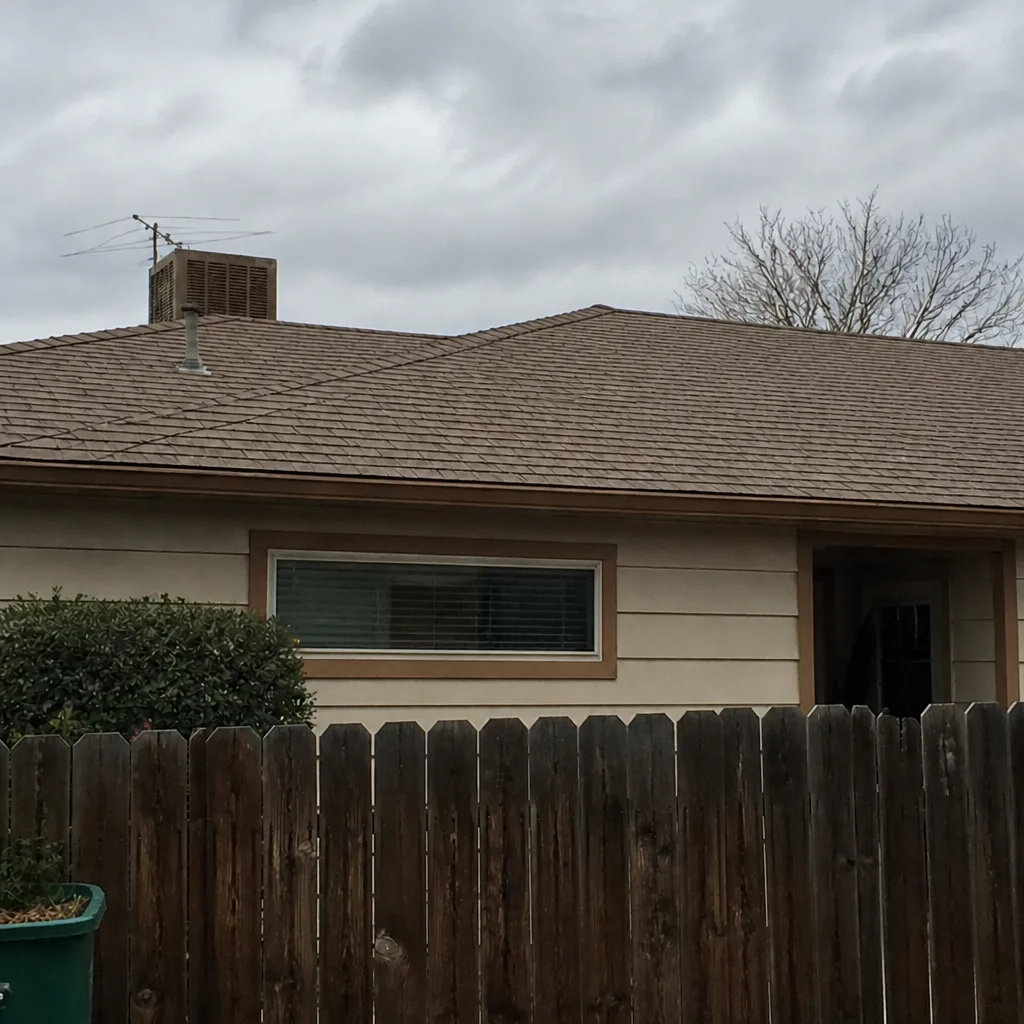 After
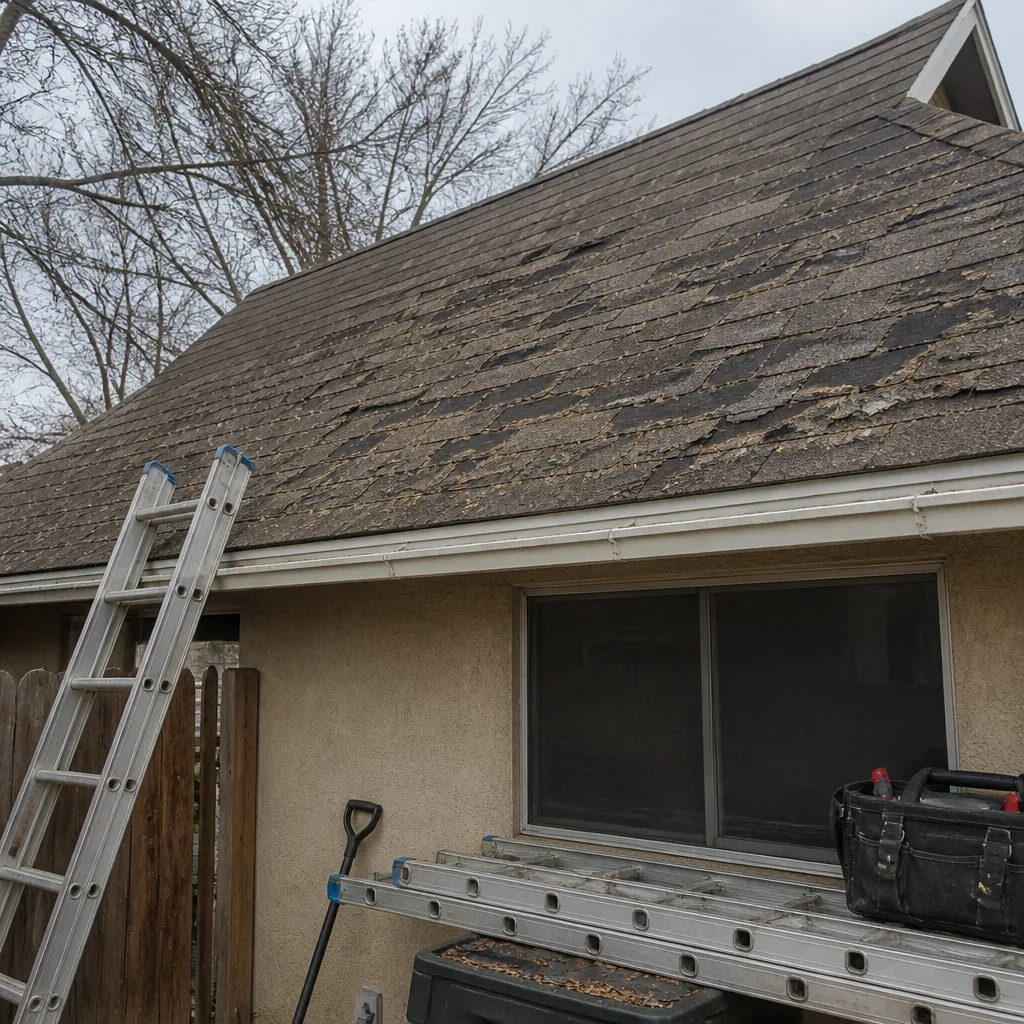 Before
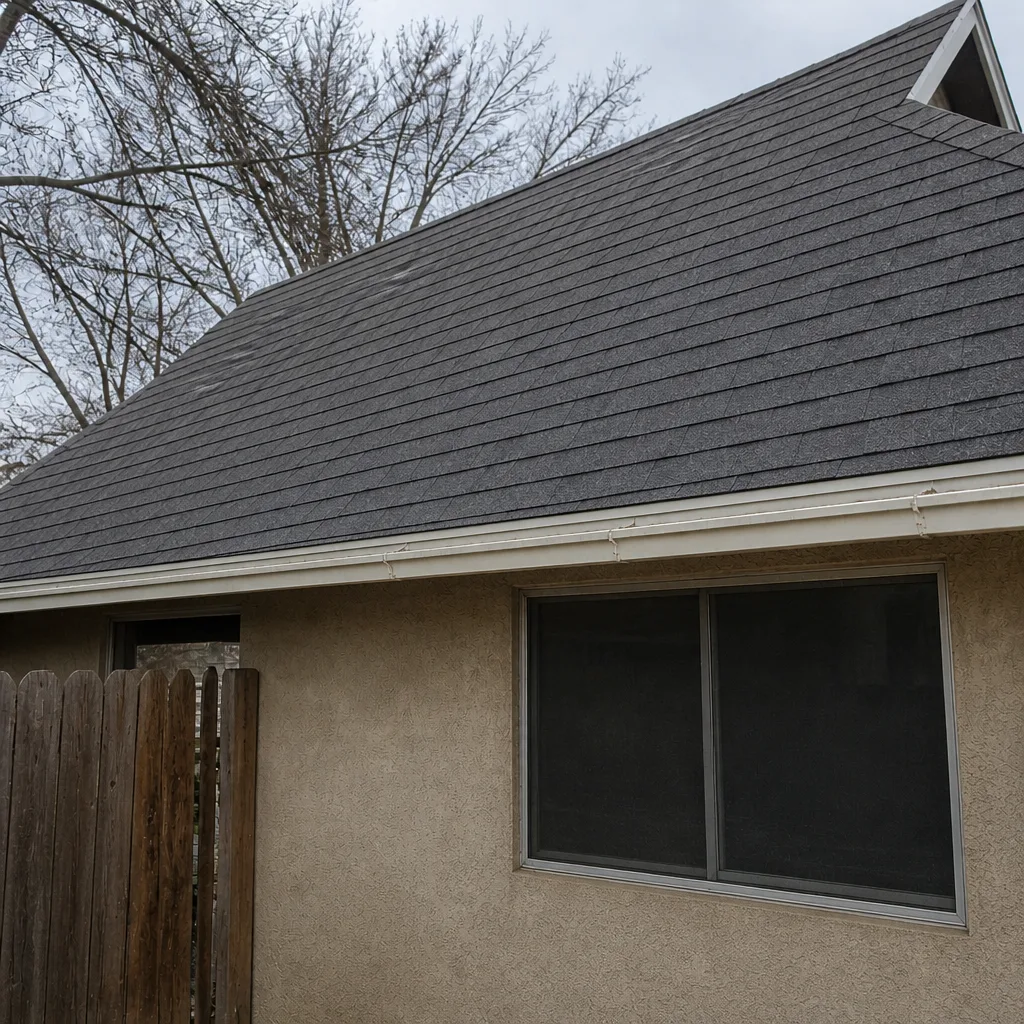 After
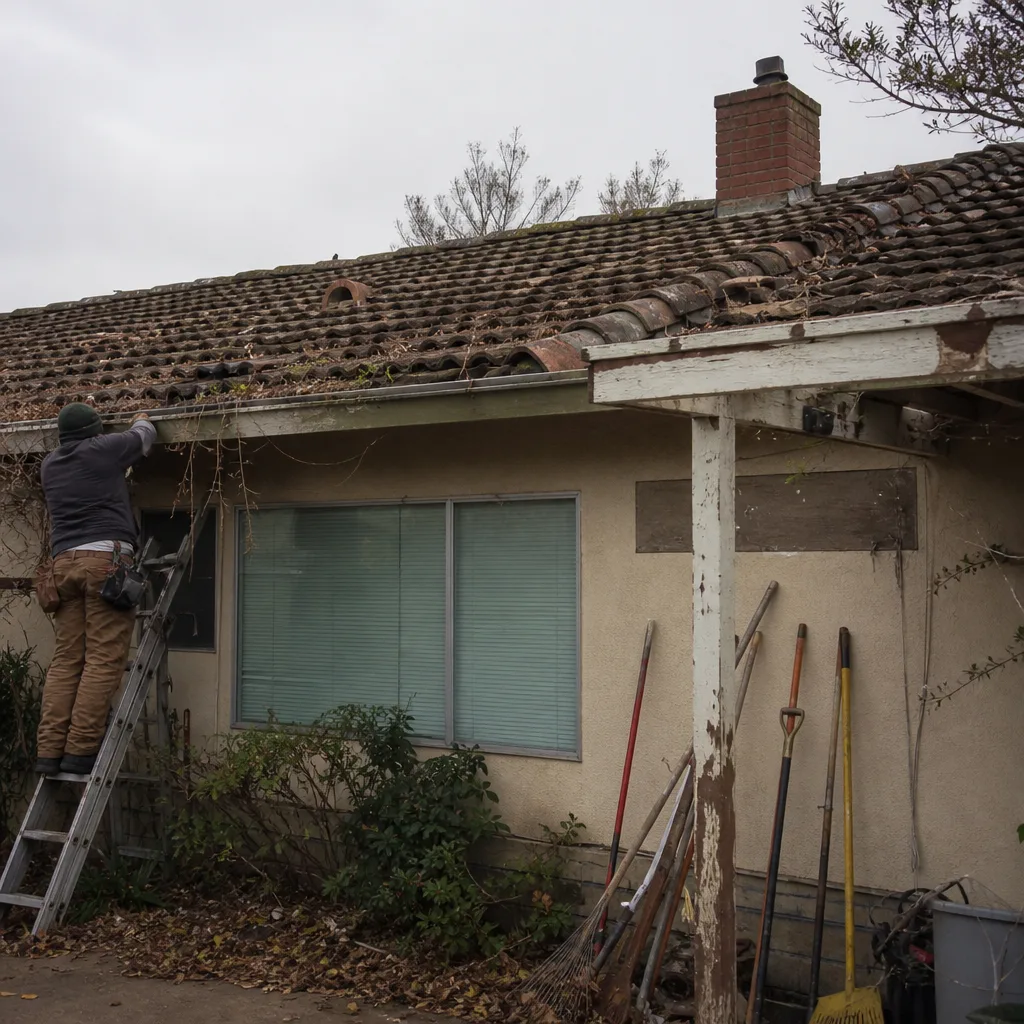 Before
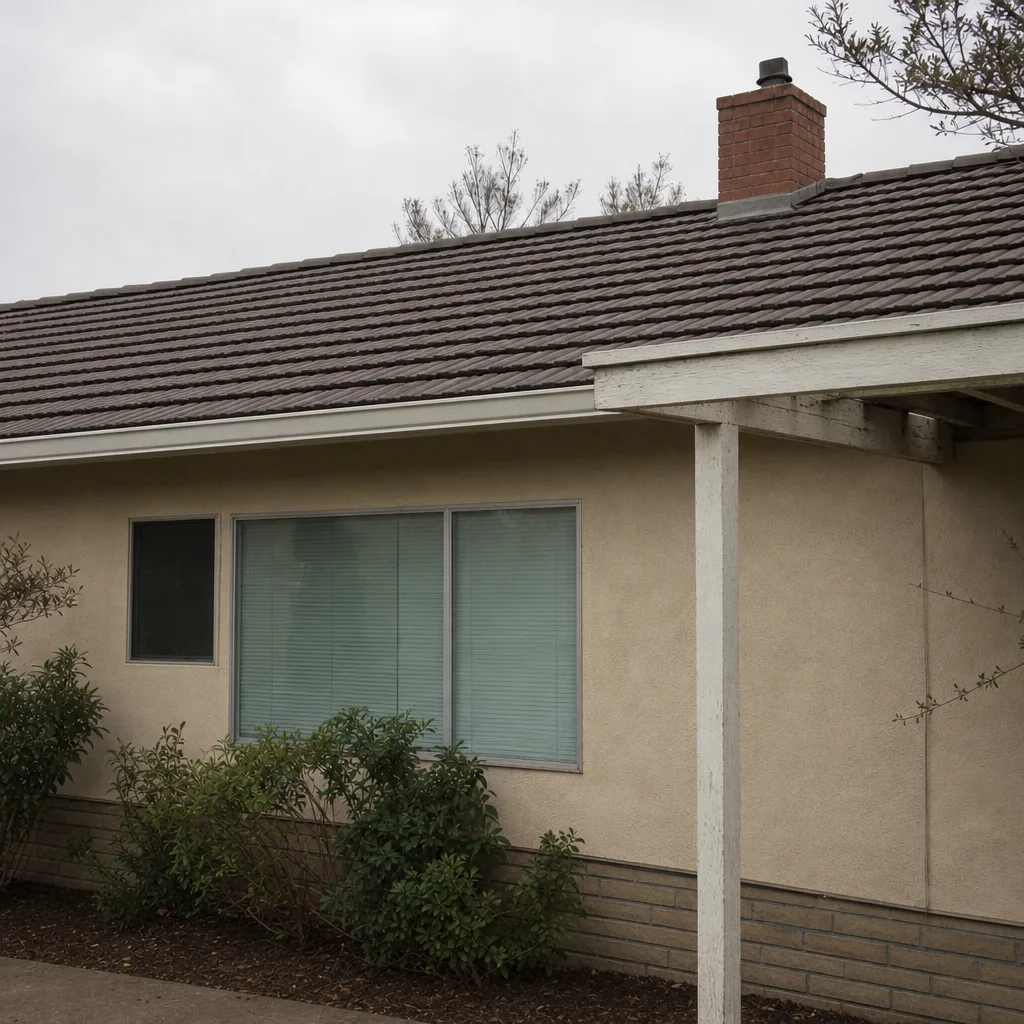 After
What Causes Roof Leaks in Paradise, NV? Thermal Stress, Not Rainfall
In Paradise, NV, most roof leaks are caused by thermal cycling, not by rain volume. Flat roof membranes and flashings expand and contract with daily temperature swings, and over years those small movements fatigue lap seams, pipe-boot adhesive, and flashing seals until the first hard rain finds the opening. The rain didn’t make the leak. Heat made it, and the storm just revealed it.
That’s the short answer, and it changes how leaks should be diagnosed here. Most advice you’ll read was written for wet climates where the cause is usually a storm that tore off shingles or drove water sideways under a flashing. Paradise gets fewer than 4 inches of rain a year. The failure mode is heat. Paradise is an unincorporated township with most of its housing stock thrown up during the 1960s-80s Strip boom, which means a lot of low-slope and flat roofs, and those wear differently than pitched shingle roofs. If water is showing up inside your building and you need it looked at, Shepherd & Sons Roofing Paradise answers the phone at (833) 676-0557.
Key Takeaways
- Thermal cycling from 40°F nights to 110°F+ summer days is the dominant leak driver in Paradise, more than any single rainstorm.
- 1960s-70s tar-and-gravel roofs near Flamingo and Paradise Road harden and crack in the field of the roof, not just at the edges.
- Rooftop HVAC units are the most common active leak point Bill finds on Paradise apartment and motel roofs.
- Leaks in a dry climate can run for months with no visible stain on the ceiling, so an old flat roof needs a moisture scan, not just a walk-around.
How Does Thermal Cycling Open a Roof That Looks Fine?
Every flat roof in Paradise moves. A dark membrane on a July afternoon can hit surface temperatures north of 150°F, then drop into the 70s overnight. Those swings work the seams by fractions of an inch, day after day, for years. Lap seams that were sealed tight in 2005 slowly let go as the adhesive weakens from UV exposure and repeated flexing. Pipe boots crack at the base. Flashing pulling away from a parapet wall doesn’t show anything from the ground.
You won’t see the gap until water is already on the deck. That’s the trap of desert roofing. The Interior West’s dry air pulls moisture out of attic spaces fast, so a slow leak doesn’t always leave a ceiling stain the way it would in a humid climate. What it does leave is a wet, rotting deck, saturated insulation, and eventually rusted fasteners. By the time the water finds your ceiling, the damage underneath has usually been building for a season or two.
This is why a visual inspection alone isn’t enough on an older flat roof. Any roof over about 15 years old in Paradise deserves a moisture scan, because the evidence of an active leak often isn’t anything you can see with your eyes.
The Most Common Leak Points on Paradise Roofs
The leak you find is rarely where it started. Water on a low-slope roof can travel 20 feet along a seam or under a membrane before it drops through the deck. Here’s where the trouble actually begins:
- Rooftop HVAC penetrations. This is the single most common active leak point on Paradise apartment and motel roofs. When a package unit gets swapped out, the curbs and flashing don’t always get re-done right, and you get a gap that looks sealed from outside but isn’t.
- Lap seams and field cracks. On the 1960s-70s tar-and-gravel roofs still common near Flamingo and Paradise Road, the bitumen has hardened from decades of UV. Cracks open across the middle of the roof, not just at the perimeter.
- Flashing at parapet walls and scuppers. Metal flashing moves at a different rate than membrane, so the joint between them fatigues first.
- Pipe boots and vent stacks. The rubber collar cracks and adhesive fails under heat cycling, then curls away.
- Ponding areas and drains. Flat roofs don’t always drain evenly, and standing water speeds membrane failure at the low spots.
Bill has answered calls from some of the same Paradise apartment managers since the late 1990s, so on a lot of these buildings he walks in already knowing the leak history, which shortens the diagnostic and saves you from paying for a hunt he’s done before. That’s a different situation than a storm-chaser who rolled into town after a hail event and has never set foot on the building. You can read more about how we handle the repair side on our Roof Repair page.
Why Older Paradise Roofs Fail Differently Than Newer Ones
Paradise’s commercial and rental market is full of mid-century low-slope buildings and aging motels, and many of those roofs have been patched repeatedly rather than replaced. Repeated patch jobs hide the real problem: the field of the membrane under the patch is still failing. Each new coat of material buys a season, then the next crack opens somewhere the last patch didn’t cover.
On those buildings, a full tear-off often makes more sense than another patch, and it’s worth asking any bidder how many squares the roof actually measures and what condition the deck and insulation are in underneath. A roof is measured in squares. Ask the question and you’ll learn fast who’s guessing. It’s also worth knowing the tear-off work is scheduled at dawn on dark flat roofs, because surface temperatures can climb past 150°F by mid-morning in July and August and nobody should be up there in the worst of it.
When repair and replacement are both on the table, an honest comparison matters more than a quick quote. Our Roof Repair in Paradise guide walks through how we tell the difference on this kind of housing stock, and you can always start with a free second opinion on any written estimate before you commit to a number.
What Does Leak Diagnosis and Repair Cost in Paradise?
Cost depends on where the leak is and how long it’s been running. A simple flashing or pipe-boot reseal on an accessible flat roof is usually the low end; a leak tied to a failed HVAC curb or a crack field across an old tar-and-gravel roof runs higher. Here’s a reasonable range for the Paradise market:
| Repair Type | Typical Range |
|---|---|
| Pipe boot / small flashing reseal | $180-$340 |
| HVAC curb re-flash | $350-$750 |
| Lap seam or field crack repair | $400-$900 |
| Moisture scan (flat roof over 15 yrs) | $250-$500 |
| Sectional membrane replacement | $900-$2,200+ |
Those ranges are common for Paradise, not a hard quote, because every roof is different. We also have a standing offer of $40 off any repair over $200, no trip charge inside our own county, and a 10% senior and veteran discount, so the number you hear is the number you pay. Every roofing job also carries our written 90-Day Done Right Promise: if something isn’t right, one call brings us back. When we patch, we tend to use products we trust, including GAF and Tamko materials, and we’ll name the shingle or membrane so you know exactly what went on your roof.
FAQs About Roof Leaks in Paradise, NV
Because the leak is usually made by heat, not rainfall. Six months of 110°F days and 40°F nights work the same seams and flashings open a tiny bit at a time, and the rare hard rain just finds the gap that heat already created. That’s why a roof that looks fine all summer can leak in the first real storm of the year.
Months, sometimes longer. The dry climate wicks moisture out of the deck fast, so you don’t always get a ceiling stain. A slow leak can quietly rot the deck and insulation long before water shows up inside, which is why a moisture scan on any flat roof over about 15 years old is worth doing. Call (833) 676-0557 for a no-pressure assessment and free estimate.
On Paradise apartment and motel roofs, it’s the most common active leak point we find. Units get replaced without proper re-flashing at the curb, and the joint looks sealed from outside while it’s leaking underneath. If a unit was swapped in the last several years, that curb is the first place to check.
In many cases yes. We answer the phone live 24/7, including nights and weekends after a storm, and we can often get out the same day or next. On buildings we’ve worked before, we may already know the roof’s history, which speeds up diagnosis. Call (833) 676-0557 for an exact quote – estimates are free.
If you’d rather have it looked at, Shepherd & Sons Roofing Paradise offers a no-pressure assessment in Paradise. We’ll show you the deck photos before we talk money, and our technicians have up to 30 years of experience on roofs like yours. Call (833) 676-0557 for a free estimate today.
Written by the team at Shepherd & Sons Roofing Paradise, serving Paradise, NV.