
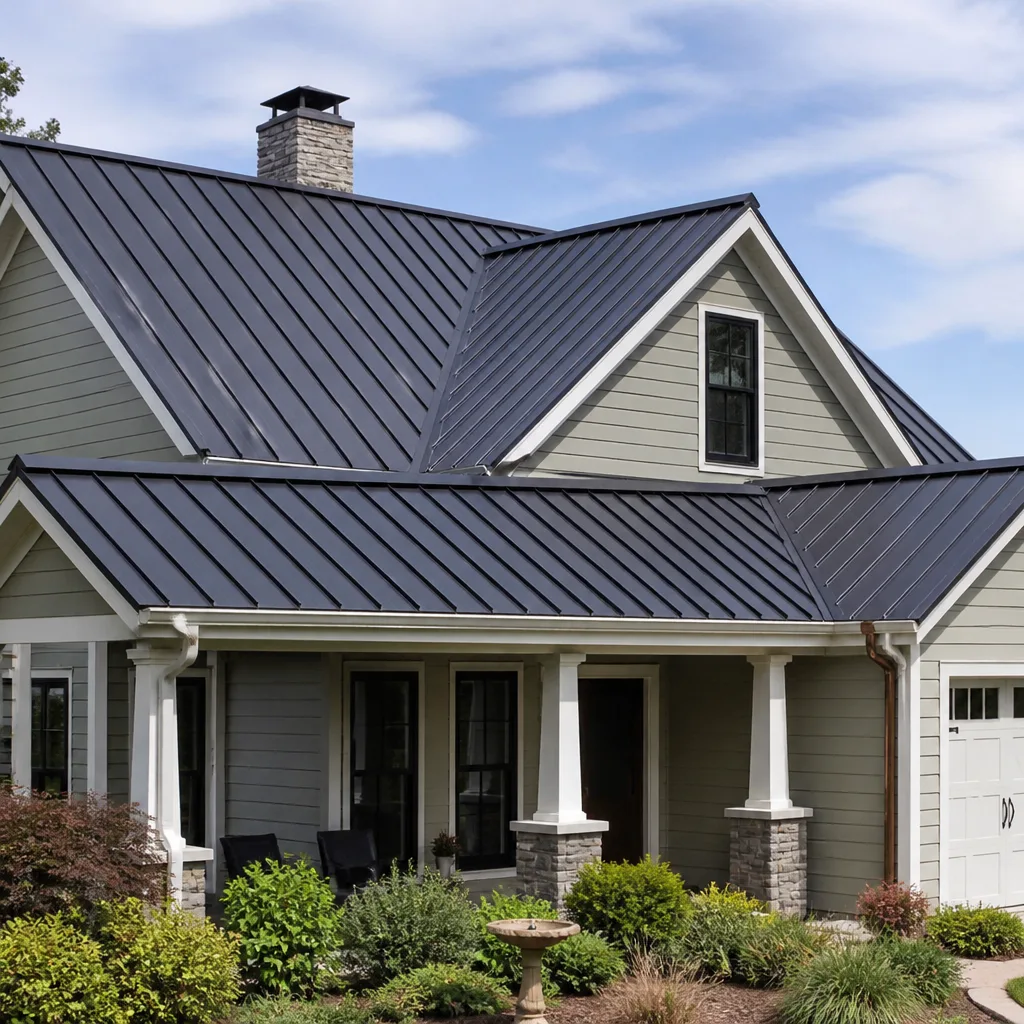
 Metal roofing
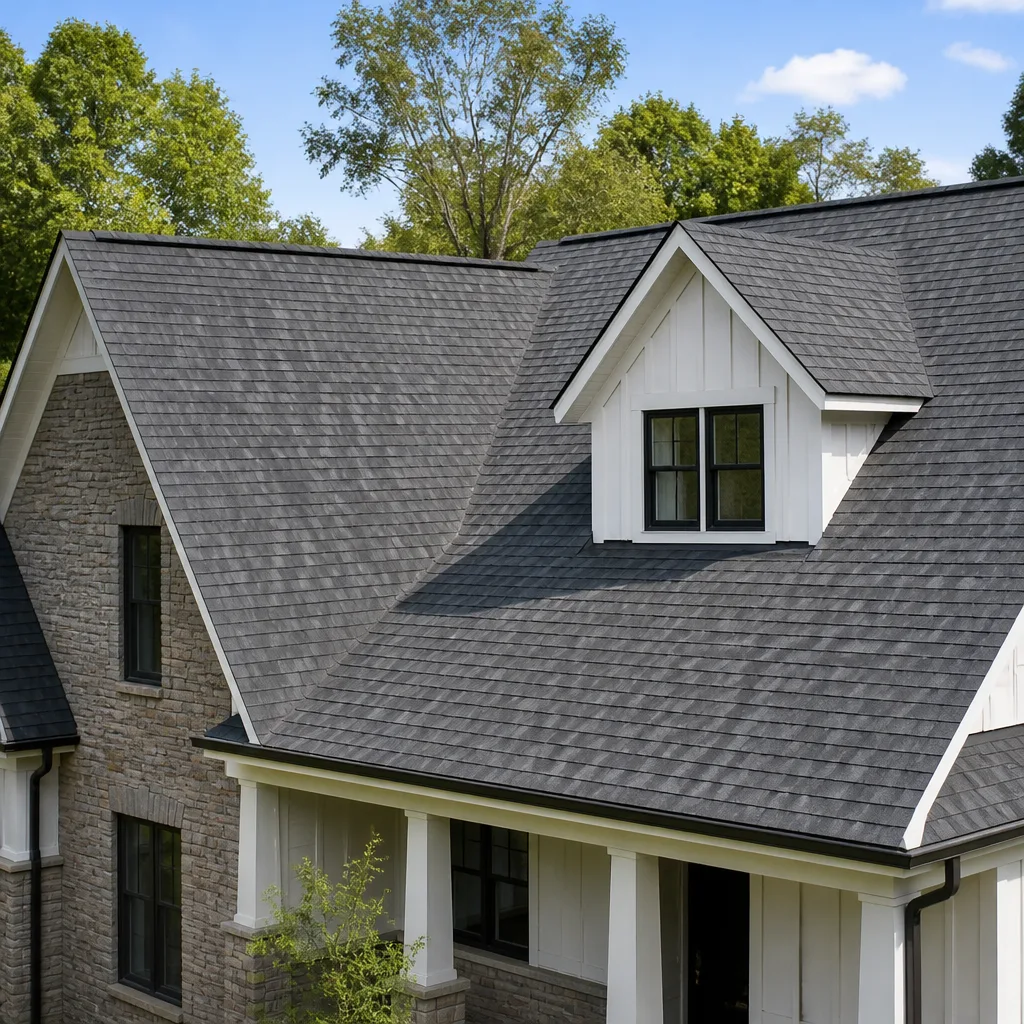 Architectural shingles
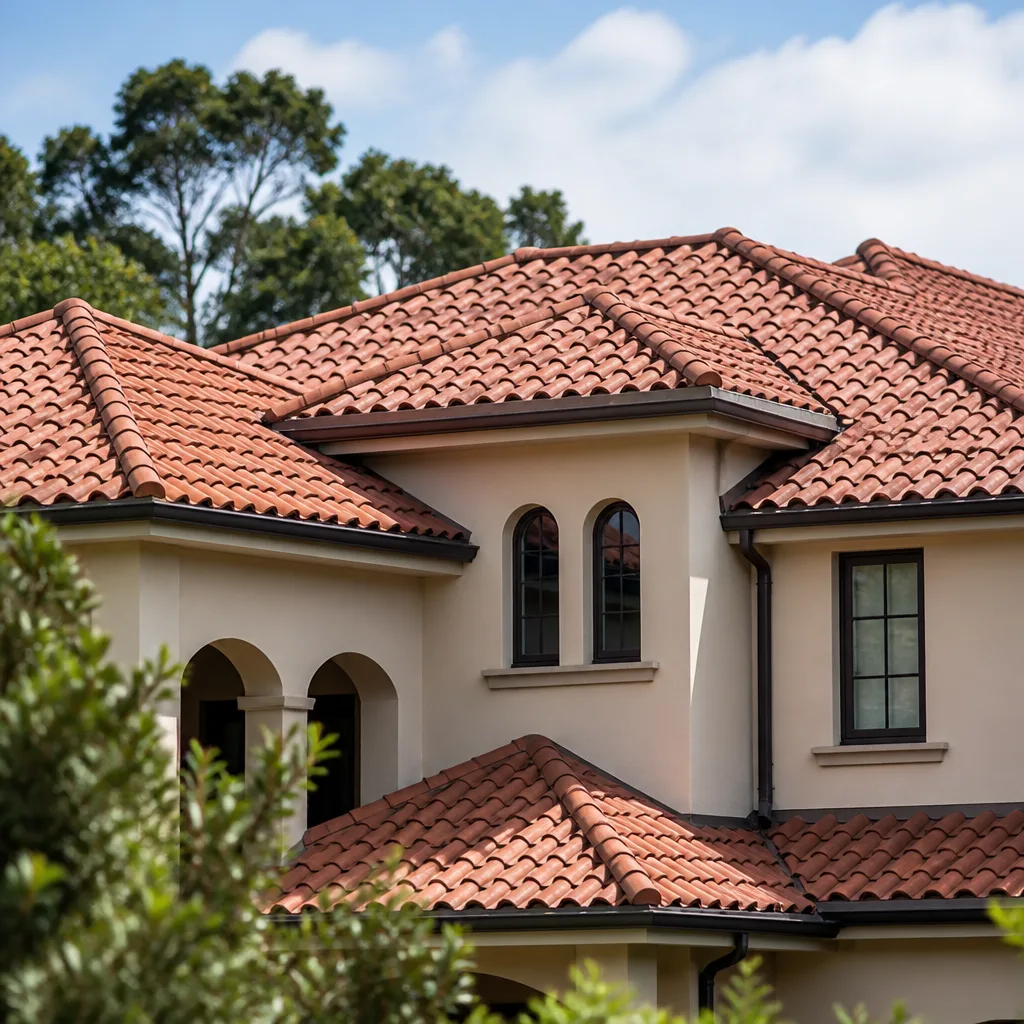 Tile roofing
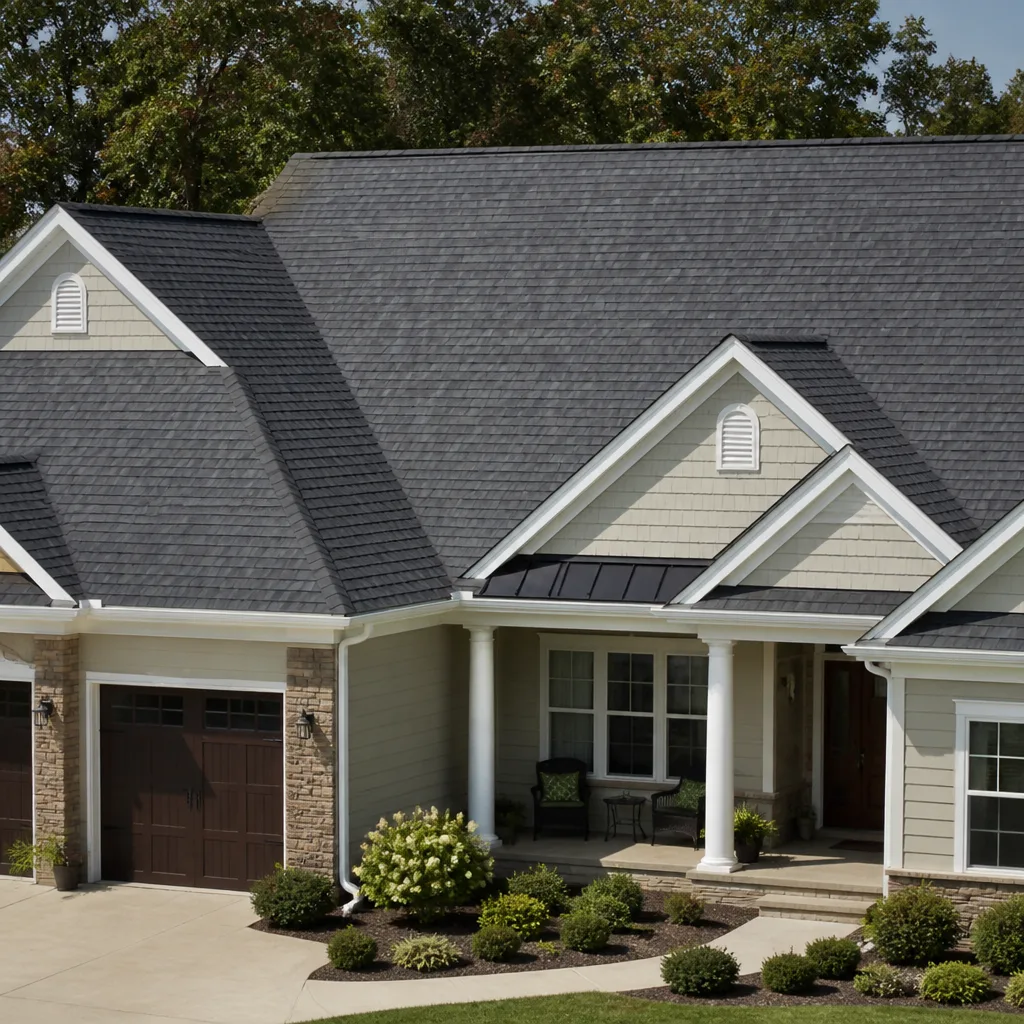 GAF
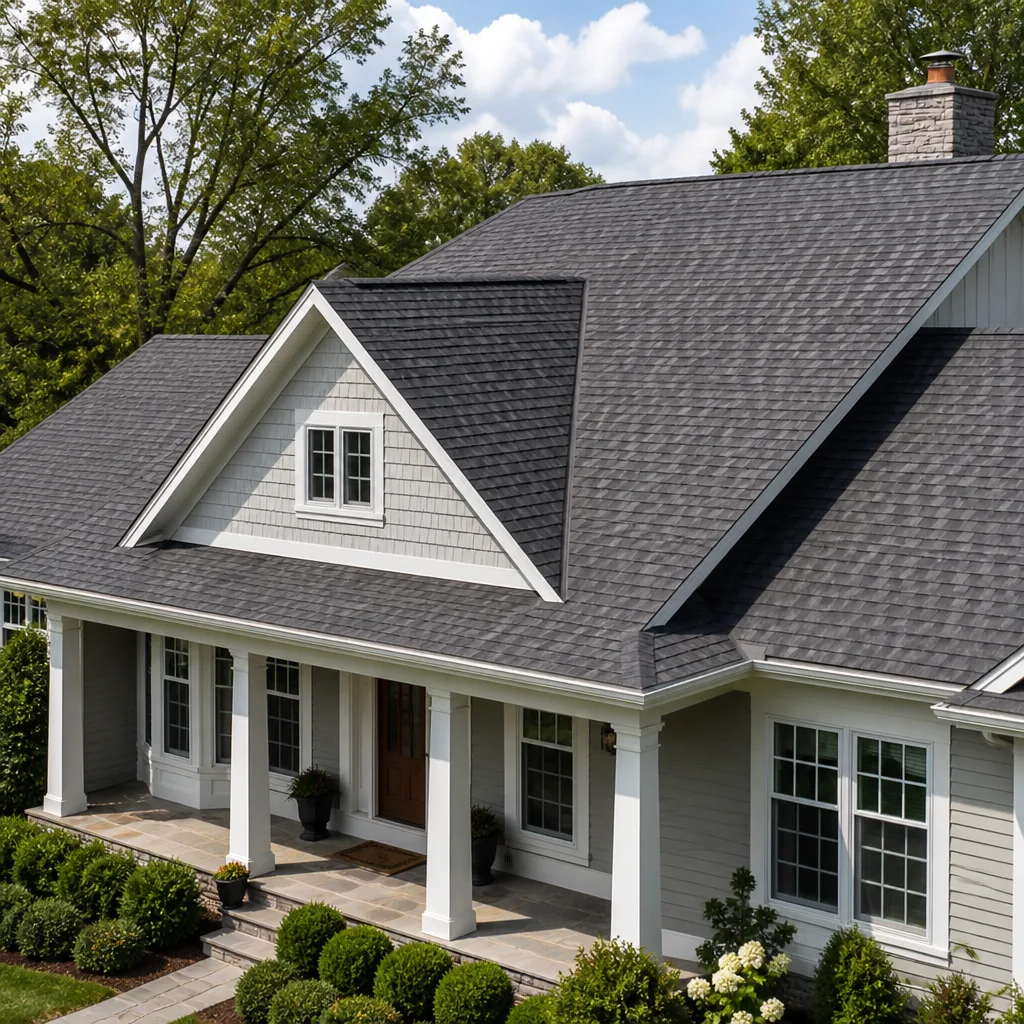 Owens Corning
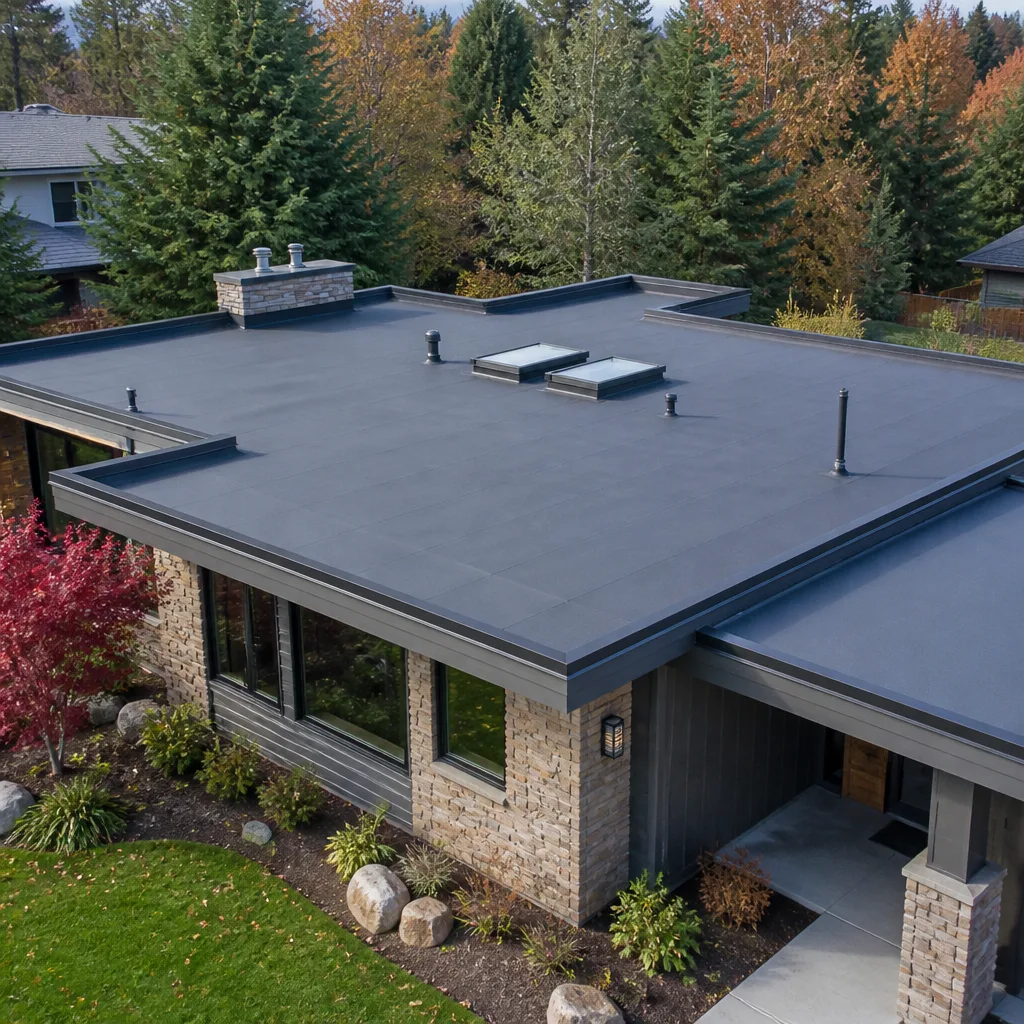 Flat & low-slope
Free roof inspection with deck photos before we talk money - GAF and Owens Corning certified installation
Styles & brands we work with
- Architectural shingles
- Metal roofing
- Tile roofing
- GAF
- Owens Corning
- Flat & low-slope
See the difference
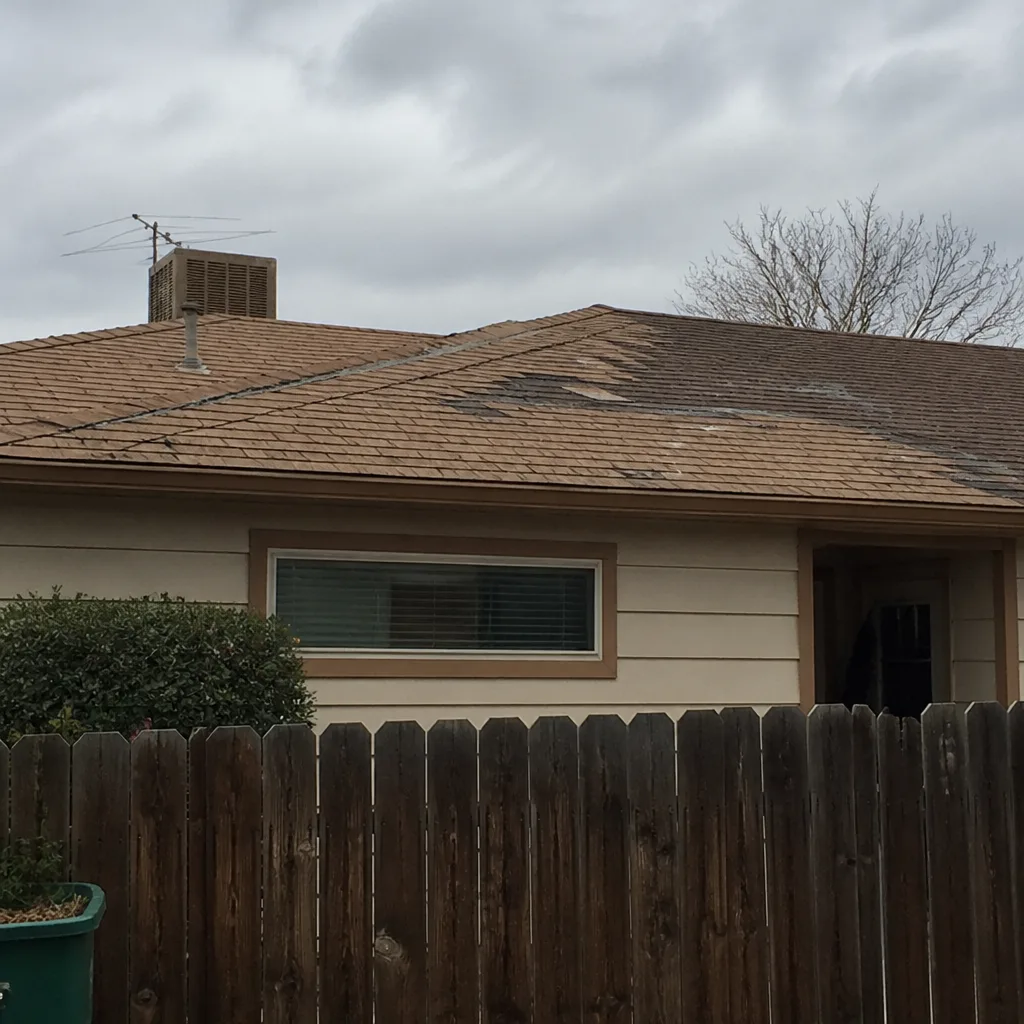 Before
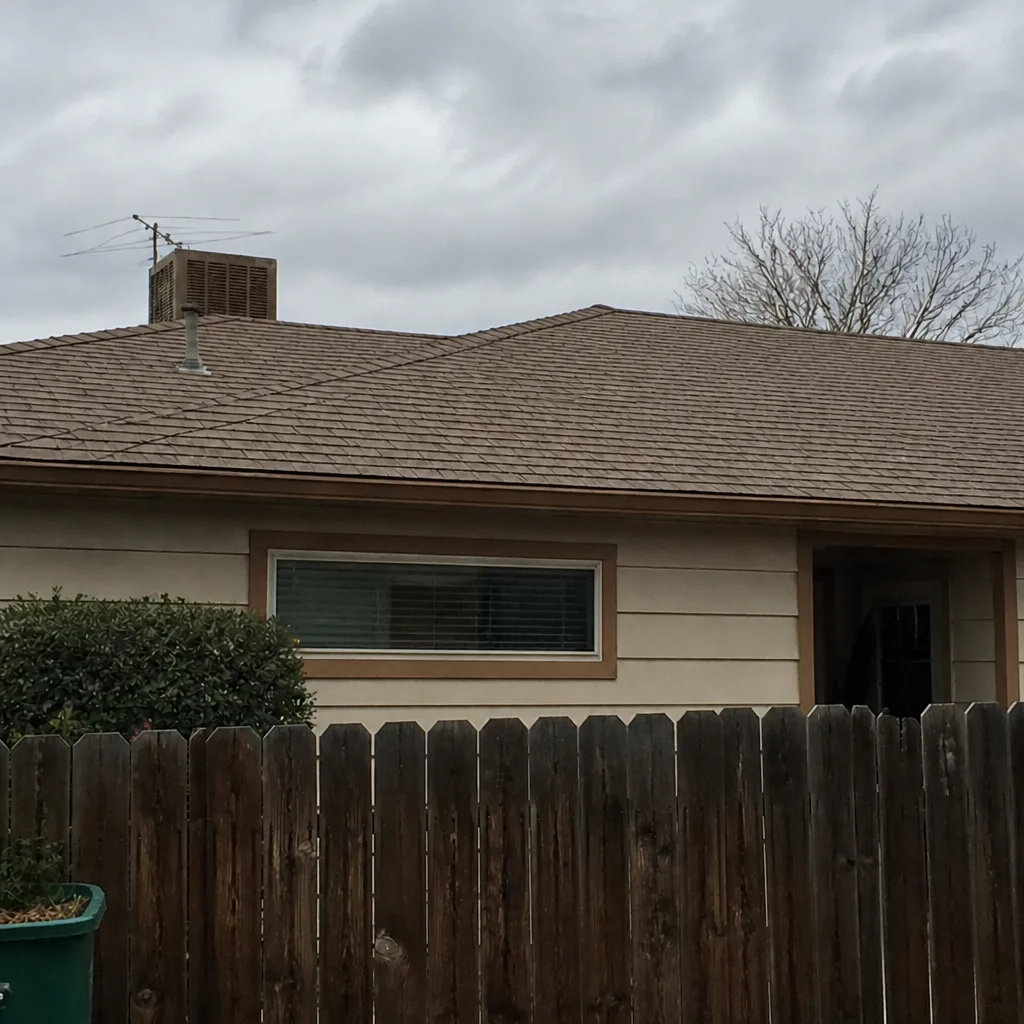 After
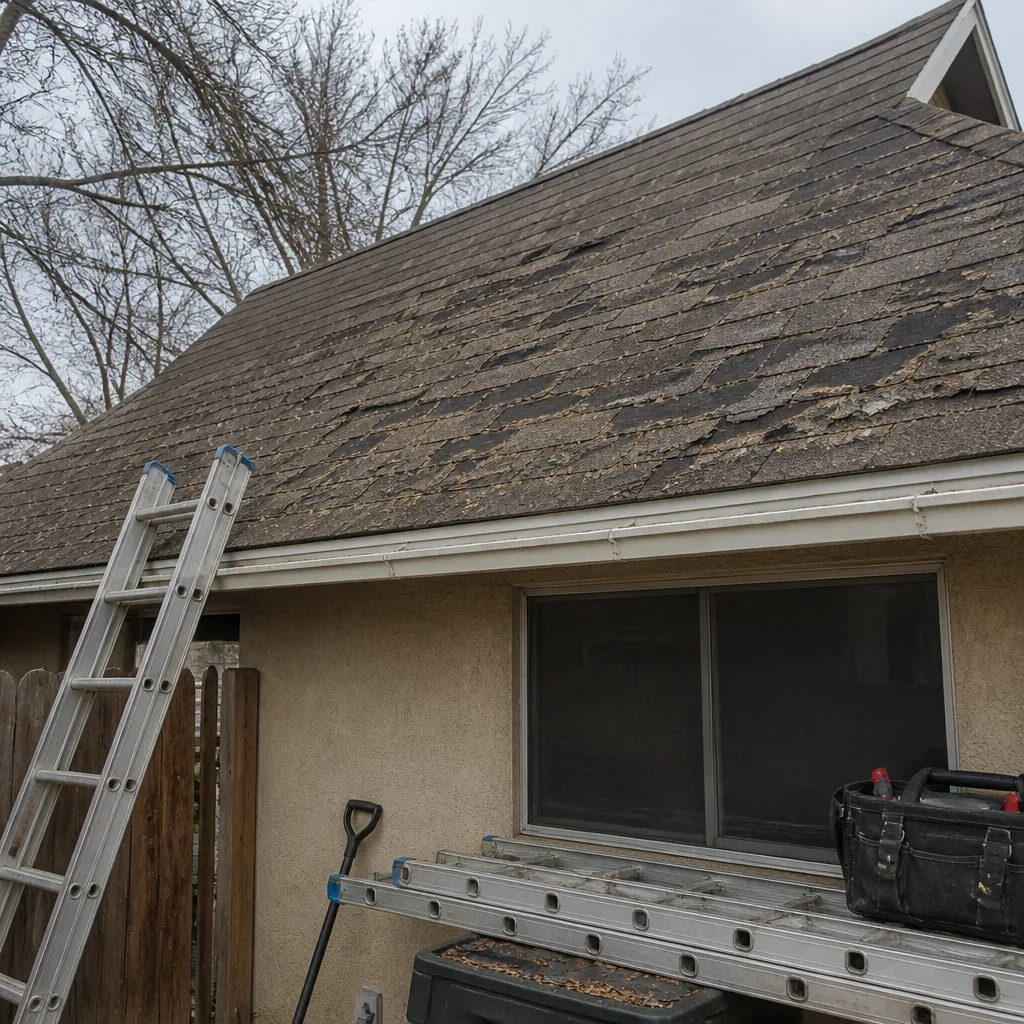 Before
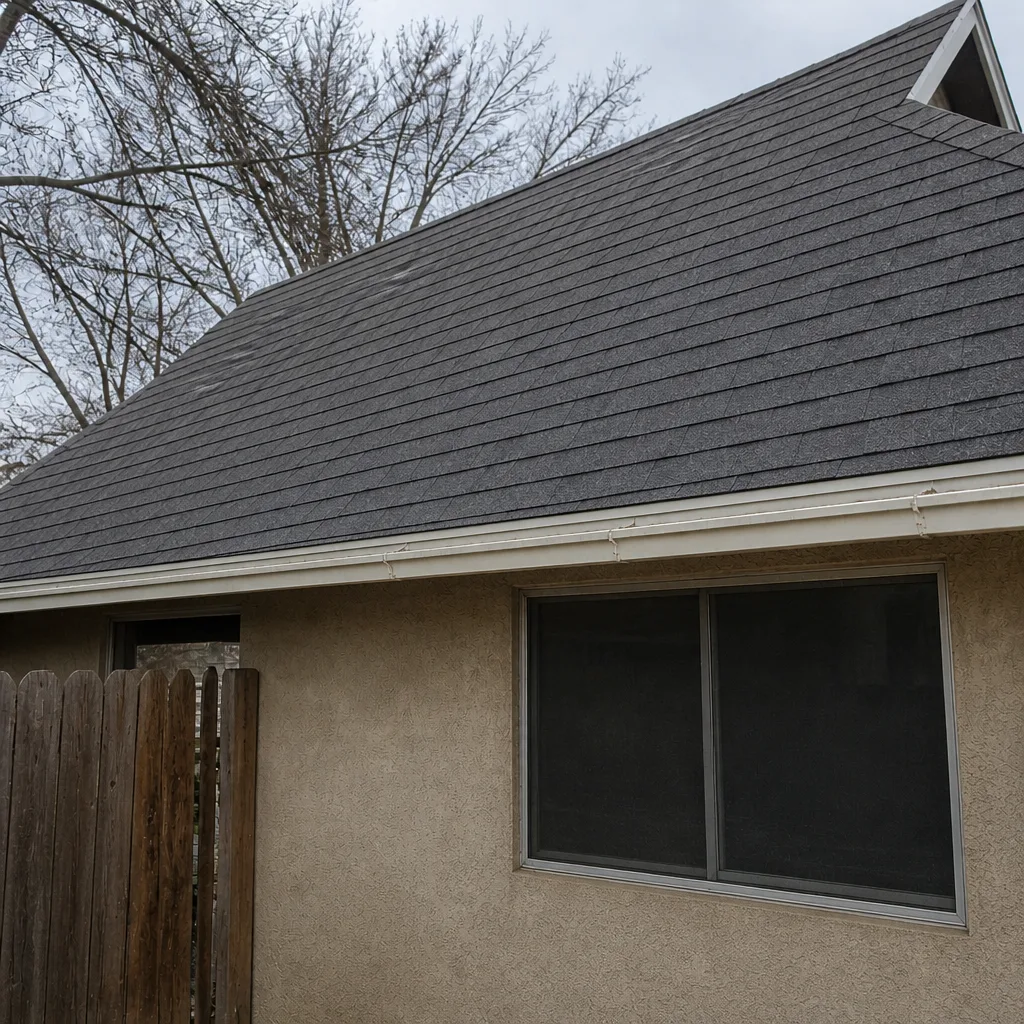 After
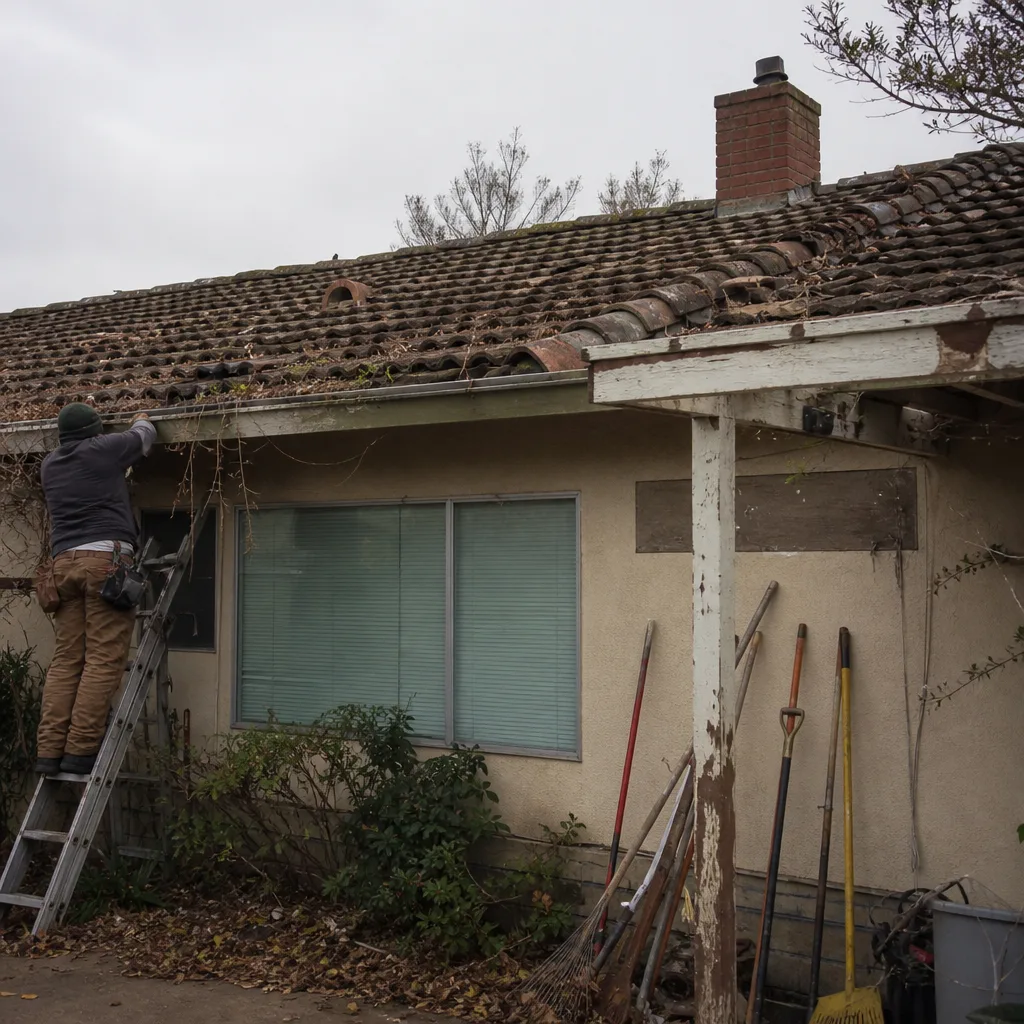 Before
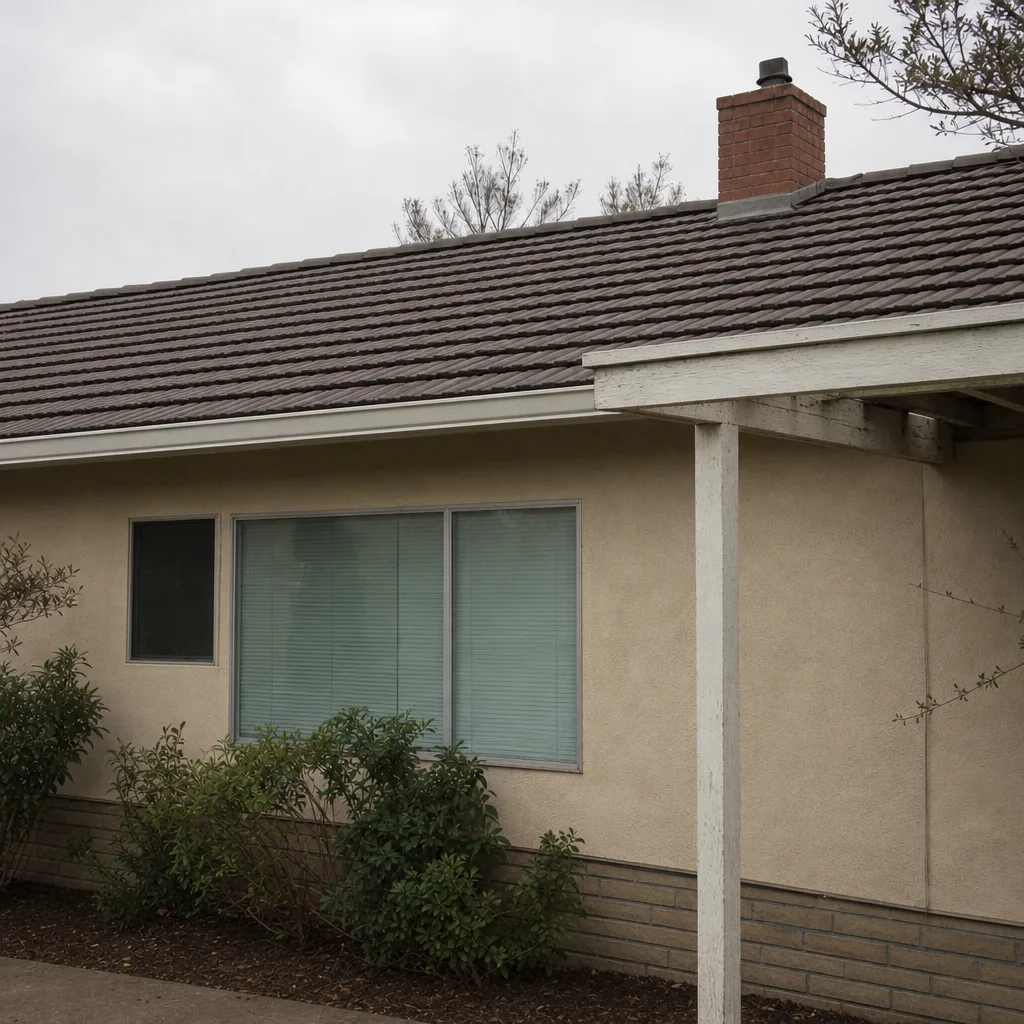 After
Flashing Repair in Paradise, NV
Flashing repair in Paradise, NV typically runs $250 to $850 depending on the location and the material, and most jobs are finished in a single visit. What we see over and over in this valley is flashing that was never built for a desert: too little slope, metal sealed with caulk that bakes solid by July, nails shot through the wrong face. Bill Shepherd and his crew fix those spots so water goes where it’s supposed to instead of into your attic or down a wall.
Shepherd & Sons Roofing has been locally owned and owner-operated since 1996, same address the whole time. Our technicians have up to 30 years of experience, and Bill’s own sons are on the roof with him. We install flashing built around products from Owens Corning and IKO shingles, and we match what’s already up there whenever the existing system is still sound. If you’ve got a stain on the ceiling or a crawlspace that smells like wet dirt, call (833) 676-0557. A live person answers, day or night. This work is a subset of what we do on every Roof Repair visit, so if the flashing turns out to be part of a bigger problem, we’ll tell you straight.
When You Need Flashing Repair
Flashing covers the seams a roof can’t cover by itself: where a wall meets the roof plane, around chimneys, in valleys where two slopes meet, at skylights, and along the eaves. In Paradise the flashing takes a beating from two directions at once. Flat-out sun cooks the sealant and the metal expands and contracts maybe 60 degrees between a January dawn and a July afternoon. Then a monsoon cell drops more rain in 20 minutes than a wet-weather roof was designed to shed in an hour. That combination is what opens the small gaps.
Here’s what we look for and what neighbors describe to us:
- A brown stain spreading on a ceiling or upper wall. Water almost never enters where the stain is. It travels along a rafter or down a wiring run and shows up somewhere else. A stain in a bedroom closet often tracks back to the chimney flashing twenty feet away.
- Caulk that’s cracked or peeling at a wall-roof joint. If you can see the caulk line and it looks like dried mud with hairline gaps, it stopped sealing a long time ago. Around here that happens fast – two or three summers is plenty in full sun.
- Rust, pitting, or a chalky white residue on metal flashing. Chalky residue is the paint and protective coating breaking down. Rust means the metal is thinning and needs to come off.
- Daylight showing through in the attic around a vent, chimney, or skylight. If you can see the sky, you can get water. Get it looked at before the next monsoon.
- Granules or rust flakes in the gutter line after a storm, especially near a valley or chimney. This is often the first sign the flashing above it is failing and shedding grit.
- Water pooling along a valley after rain, or dirt and pine needles packed into the valley. Packed debris holds moisture against the metal and rots the deck underneath it.
One thing we say often: if a bidder wants to replace the whole roof because of a flashing leak, get a second opinion. Many times it’s a chimney counterflashing job, not a roof. Our Free Second Opinion on any written estimate is there for exactly that reason.
Our Flashing Repair Process
We don’t slap caulk on a leak and call it fixed. What we do is pull the flashing back, look at the deck underneath, and rebuild from there. Here’s how the job runs:
- Inspect and photograph. We get on the roof, look at every transition and penetration, then check the attic from underneath if there’s a leak. We take photos of what we find. When we sit down at your table, we’ll show you the deck photos before we talk money.
- Remove the failed flashing and open up the joint. That means pulling the old metal, the caulk, and the shingles that lap over it. Debris in the valley gets cleared while we’re up there.
- Check the deck and the underlayment. Rot gets replaced. If the underlayment at the joint is brittle or already torn, it gets cut back and redone with a fresh piece sized for the weather.
- Set new metal in the right orientation. For a typical step or wall flashing we use metal with a proper leg bent up the wall, lap it at least 4 inches on horizontal runs, and dress it to follow the shingle course. Valley metal goes in before the shingles that cover it. Chimney flashing gets counterflashing set into a reglet in the masonry, not skinned over the brick. The metal gets nailed on the upper edge only, so it can move with the heat.
- Seal and cover. We use a high-grade sealant rated for desert sun, then lap shingles or membrane back over the metal so the flashing is doing the work, not the sealant. The nailing pattern in those replacement shingles earns the wind rating, not the shingle wrapper.
- Test and walk it with you. We run a hose on the joint where it’s safe to do so, then take you through what was fixed and what to watch. The whole job is covered by our written 90-Day Done Right Promise – if it’s not done right, we make it right, and one call brings Bill back.
If you want to see the broader reach of what we do, take a look at our home page, or check the specific roofing options we handle in the valley.
Flashing Repair Pricing in Paradise
Most flashing repairs in Paradise land between $250 and $850, and a full chimney reflash with new counterflashing is the upper end of that range. Here’s roughly how the numbers shake out:
- Minor caulk and sealant renewal at a wall-roof joint: $180 to $320
- Step flashing replacement on a single wall run: $350 to $600
- Chimney counterflashing and reglet work: $550 to $950
- Valley metal replacement, one valley: $400 to $800
- Skylight curb flashing redo: $450 to $900
- Full flashing set on a small outbuilding or shed: $700 to $1,200
What moves the number: how high up the flashing sits, whether the deck underneath is rotted, whether the joint is masonry or wood, and how much shingle has to come up to get to the metal. Height matters more than most folks expect – two-story work costs more because the setup costs more. Access to the roof from where we can park the truck also plays in. We carry a $40 Off Any Repair Over $200 standing offer, and there’s no trip charge inside our own county, so you know the number before anyone touches your roof.
Shingle brand matters here too. If your roof is wearing Atlas or Tamko products and the flashing has to tuck under the course above it, we match the profile so the lap is right. Mismatched shingle profiles are a common reason older flashing jobs fail twice.
And a word about doing it yourself: flashing work on a roof edge or valley isn’t a weekend project. The metal edges are sharp, the surface is pitched, and the whole point is a watertight joint that a trained eye can verify. We’re not going to talk you through the install on a phone call, because we’d rather not hear about a fall from 20 feet. That’s what we’re here for.
FAQs – Flashing Repair
How much does flashing repair cost in Paradise, NV?
Flashing repair in Paradise typically costs $250 to $850, with most single-location fixes on a typical home landing around $400 to $600. Chimney work and valley replacement sit at the higher end; a small caulk renewal sits lower. Call (833) 676-0557 for an exact quote – estimates are free, and the trip charge is waived inside our own county.
Can you fix flashing the same day?
Yes, most flashing calls we take in Paradise can be handled the same day we inspect, provided the material for the repair is available. A live person answers our line 24/7, so if you call after a monsoon at 9 p.m., someone picks up and we’ll have Bill out on the roof at the first sensible hour. If the job needs a custom-bent piece of metal or masonry work, it may roll into the next day, and we’ll tell you why.
Is it cheaper to repair the flashing or replace the roof?
Almost always repair. Flashing is a fraction of the cost of a full replacement, and if the shingles are still doing their job, replacing the whole roof to fix one leaking joint doesn’t make sense. The question we ask is whether the flashing leak has rotted the deck over time. If the rot is small, repair wins every time. If the deck rot is widespread or the shingles are near the end of their life, replacement becomes the smarter spend – and we’ll show you why either way before you decide.
Do you work with older roofs where the flashing was installed differently?
Yes, and that’s most of what we see in Paradise. Older homes here often have flashing that was sealed with a heavy layer of mastic instead of properly bent metal, or metal that’s been patched twice already. We don’t assume the old system is wrong – some of it lasted 30 years or more – but we do match the new work to what the house is built for. Once it’s done, the work is backed by our 90-Day Done Right Promise in writing. Call (833) 676-0557 for a free estimate.
Contact Us
If you’ve got a leak at a wall, chimney, valley, or skylight, or just need a second set of eyes on a flashing bid from someone else, call Shepherd & Sons Roofing Paradise at (833) 676-0557 for a free estimate. A live person answers 24/7 – not a call center, not a voicemail. Ask your neighbors on the street, they’ll tell you the name on the truck is the name on the license. We offer a Free Second Opinion on any written estimate, no-hassle upfront pricing, and no trip charge inside our own county. If you’d rather read up first, our Roof Repair in Paradise page covers the bigger picture.
Written by the team at Shepherd & Sons Roofing Paradise, serving Paradise.