
Last updated November 17, 2026
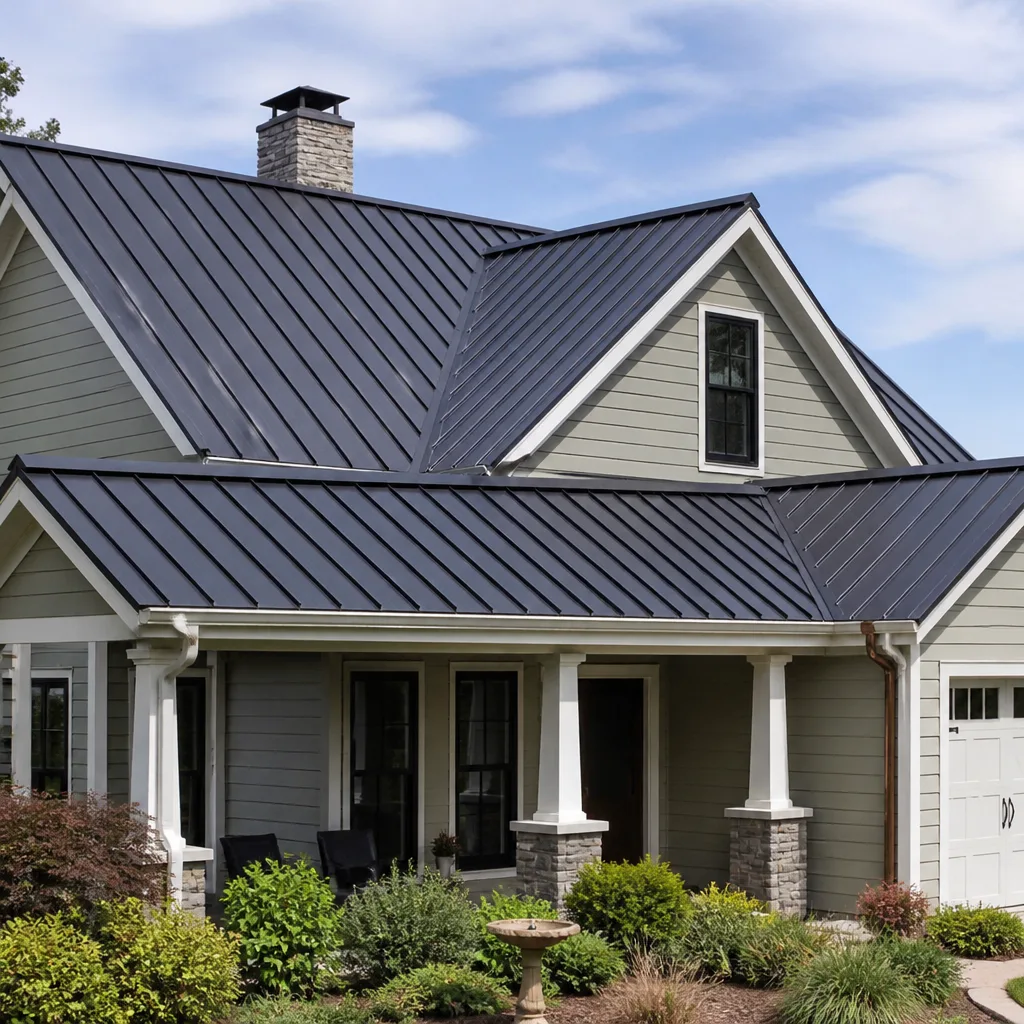 Metal roofing
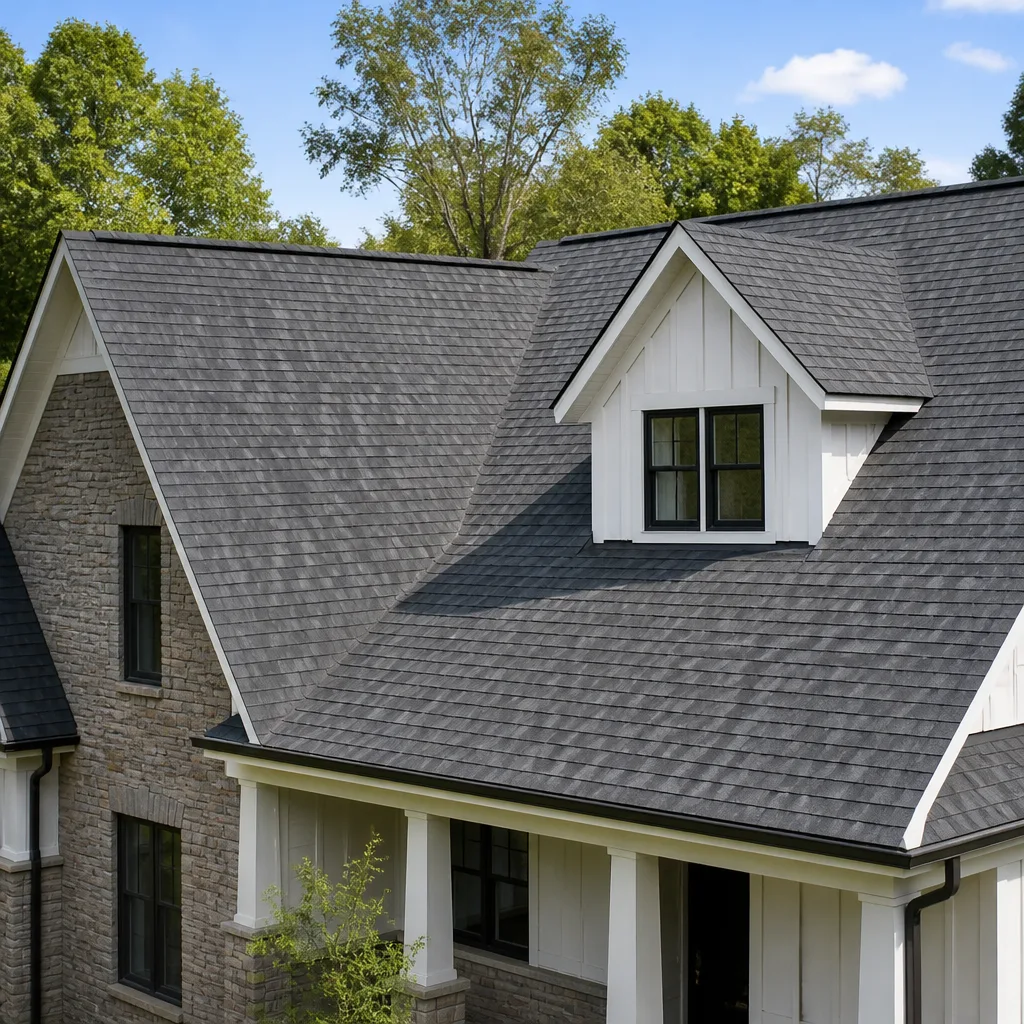 Architectural shingles
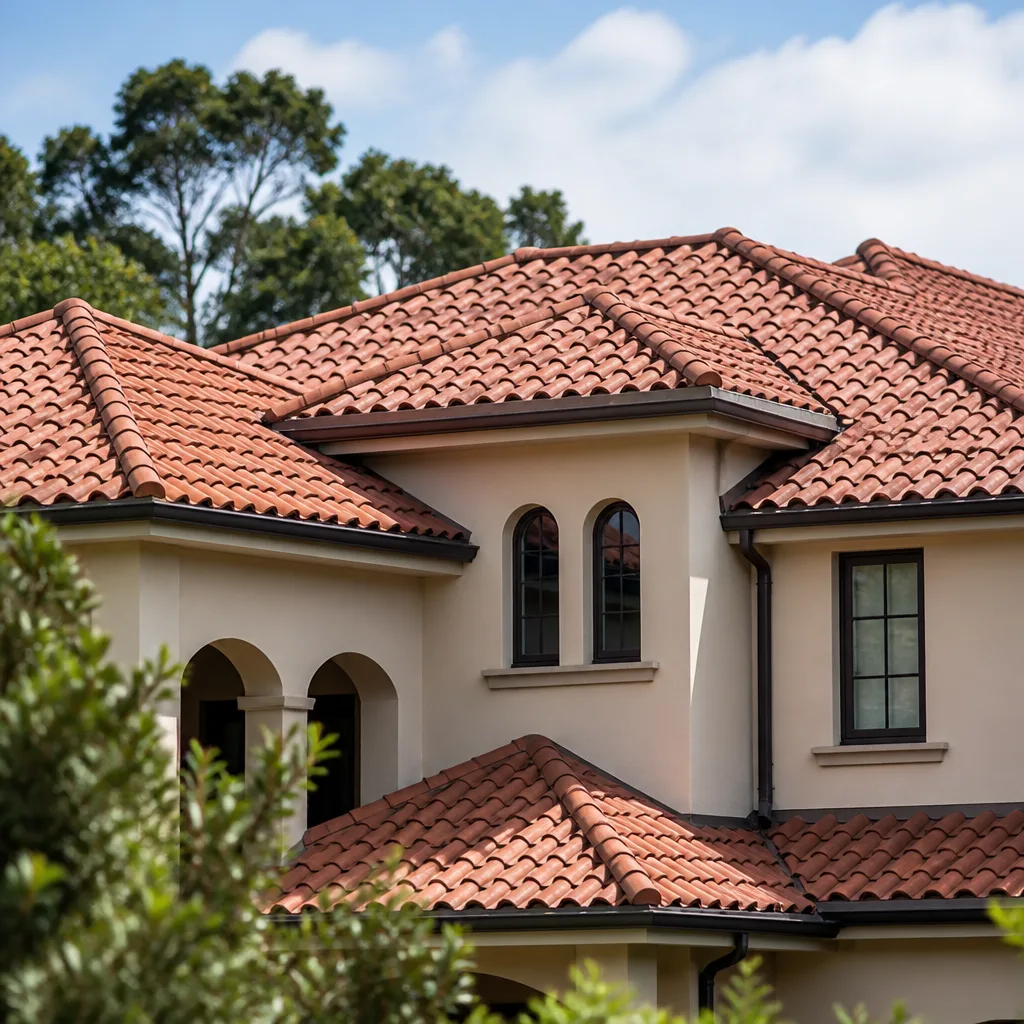 Tile roofing
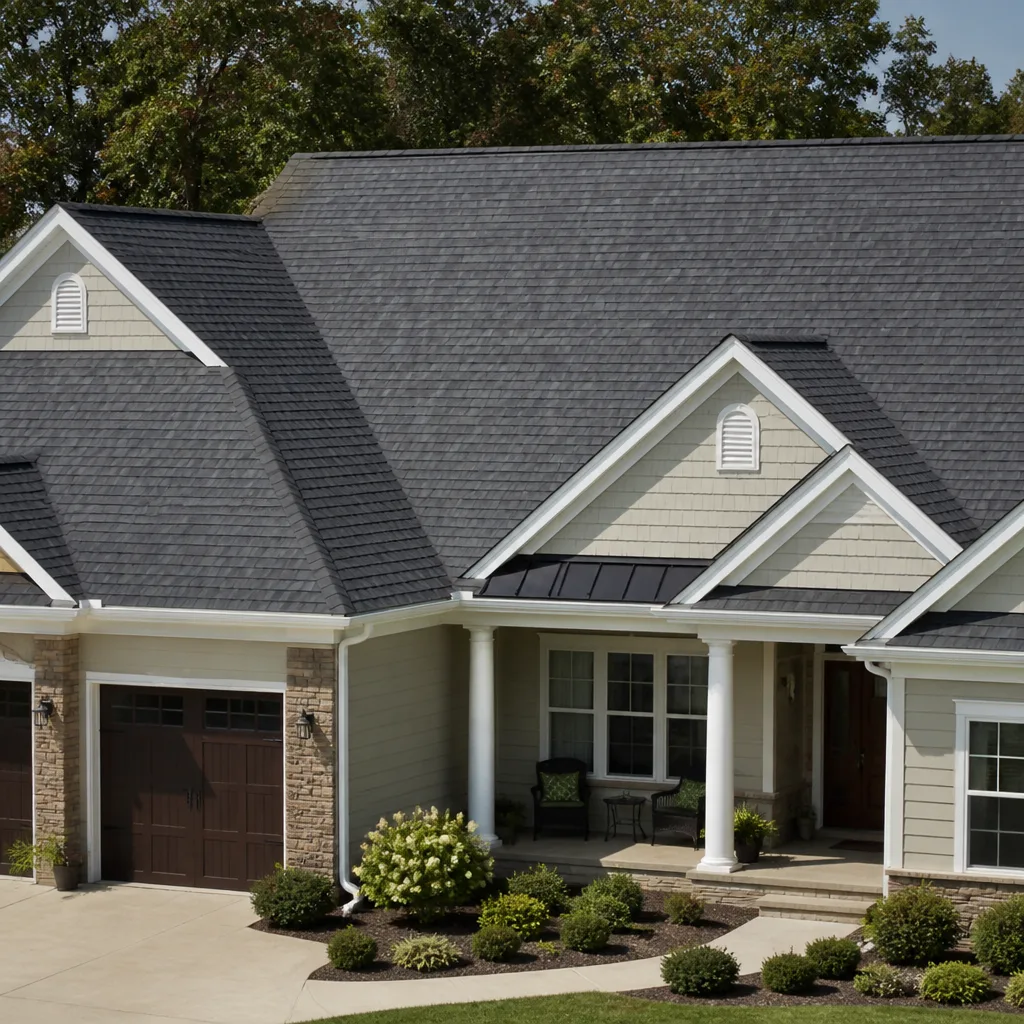 GAF
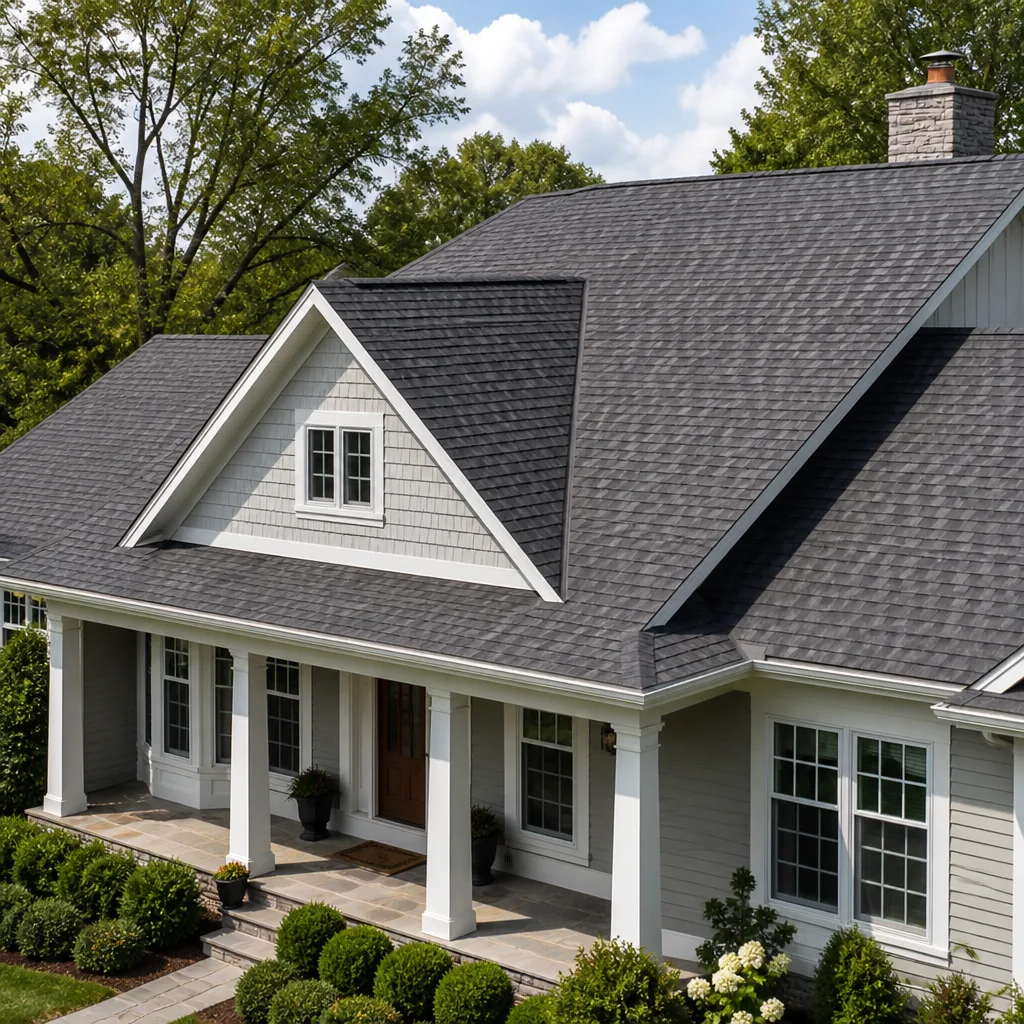 Owens Corning
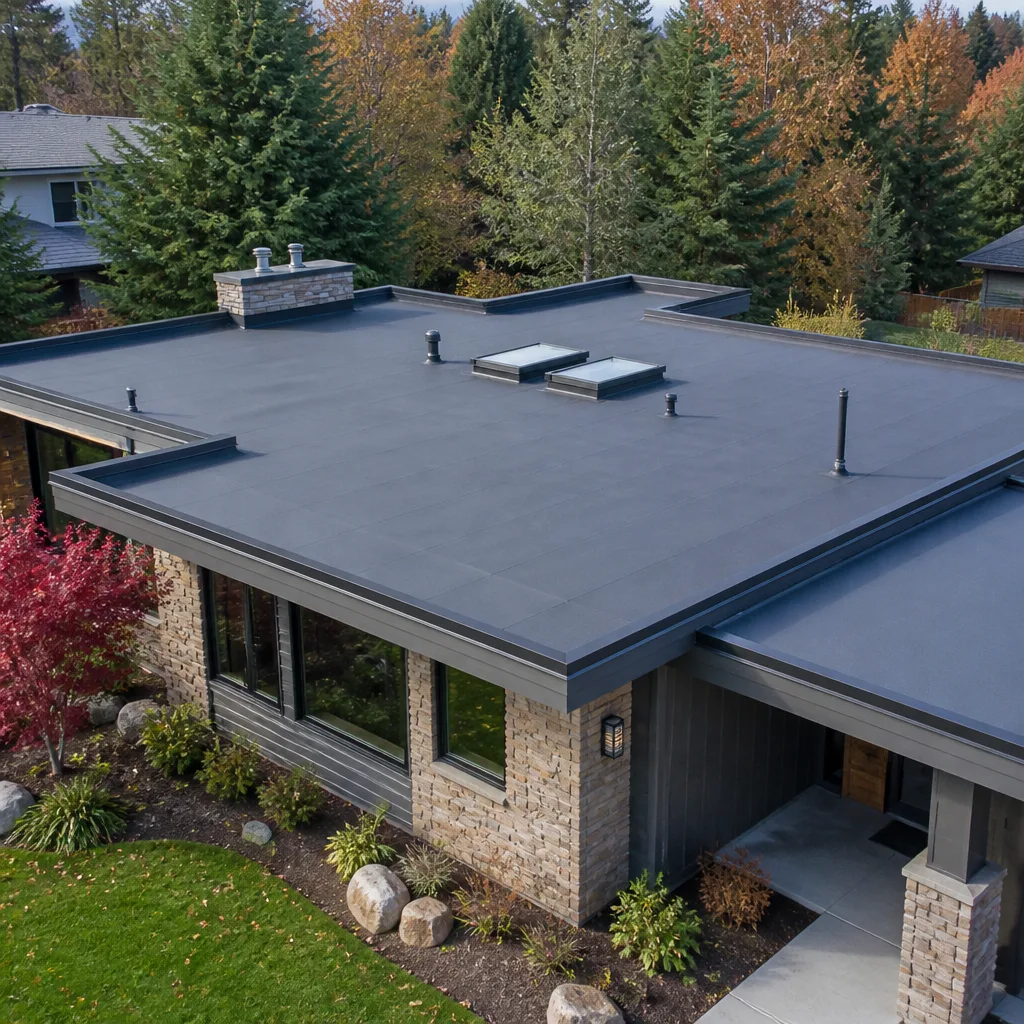 Flat & low-slope
Free roof inspection with deck photos before we talk money - GAF and Owens Corning certified installation
The Complete Specialty Roofing Guide for Paradise Homeowners
A metal roof that lasts 50 years in Phoenix can develop fastener-pull issues in Paradise in under 15 if it’s installed with the wrong panel system. That’s not marketing talk, it’s what happens when a roof spends its days at 115°F and its nights at 55°F: the panels expand and contract over and over, and every fastener becomes a tiny lever working against the deck. Paradise doesn’t get much rain, but it gets plenty of thermal shock, and that changes which specialty products actually hold up here. This guide is about making a material decision for the Paradise climate instead of a catalog, covering standing seam metal, low-slope systems, synthetic slate, HOA covenants, and the warranty math most homeowners never see.
Quick Answer
The specialty roofing options that genuinely hold up in Paradise, NV are standing seam metal with concealed fasteners, TPO or modified bitumen for low-slope sections, and premium synthetic slate where an HOA requires a tile look. The ones that fail here are mostly exposed-fastener metal panels, thin asphalt products sold on national warranty length, and any tile system installed without the heat and wind details Paradise needs.
Styles & brands we work with
- Architectural shingles
- Metal roofing
- Tile roofing
- GAF
- Owens Corning
- Flat & low-slope
Table of Contents
- Why Paradise’s Climate Disqualifies Some Specialty Roofing
- Standing Seam Metal: The Best Fit for Paradise’s Heat Cycle
- Low-Slope Roofing: TPO vs. Modified Bitumen in Paradise
- Synthetic Slate: The HOA-Friendly Specialty Option
- How Paradise HOA Covenants Affect Your Roof Choice
- UV Degradation: Clark County vs. the National Average
- Cost Per Year of Service Life: The Only Comparison That Matters
- Questions That Reveal Whether a Contractor Knows Paradise
Why Paradise’s Climate Disqualifies Some Specialty Roofing
Paradise sits in a pocket of the Las Vegas Valley that runs hotter and drier than most of the Sun Belt, and the daily temperature swing is the part that gets ignored. A roof surface on a July afternoon can hit 170°F or more. By February morning, that same surface can be sitting at 40°F before the sun comes up. Every one of those swings moves the material, and the fasteners holding it down take the strain.
The UV index here is the other half of the story. Clark County gets roughly 290 sunny days a year, and the UV load on a roof is higher than the national average by a wide margin. That doesn’t just fade color, it breaks down the chemistry of whatever membrane or coating is up there.
Then there’s hail. Paradise doesn’t get hailstorms like the Midwest, but the occasional spring cell drops enough to matter, and asphalt products that look fine after install can lose their granule surface in a couple of seasons. We’ve walked roofs in Paradise after a May storm and found shingle surfaces scuffed down to the mat on the south-facing slopes while the north side looked new.
Add the dust. Blowing dust settles on low-slope roofs and traps heat, and it works its way under loose flashing. A system that sheds dust and drains clean is worth more here than one that’s rated for snow load in a state that never sees snow.
Standing Seam Metal: The Best Fit for Paradise’s Heat Cycle
Standing seam metal roofing is the specialty product that handles Paradise best, and it’s not because metal is fashionable. It’s because the panels are attached with concealed clips that let the metal move independently of the deck. The fasteners don’t fight the expansion; the clips absorb it.
That matters because an exposed-fastener panel, the kind screwed straight through the metal, puts every screw in shear as the panel grows and shrinks. In Phoenix that might take 40 years to show. In Paradise, with bigger daily swings, we’ve seen backed-out fasteners and elongated holes in under 15. The nailing pattern and clip system earn the wind and thermal rating, not the shingle wrapper or the panel brochure.
What to look for in a Paradise standing seam install
- Concealed clips, not through-fasteners. Ask to see the clip detail in the bid.
- Kynar 500 or equivalent finish. A PVDF coating holds color under Clark County UV far better than a polyester finish.
- Thermal break or underlayment rated for high heat. The deck gets hot, and a cheap underlayment will cook.
- Panel gauge matched to span. A 24-gauge panel over the right purlin spacing beats a 26-gauge panel over wide spacing every time.
Standing seam isn’t cheap, and we won’t pretend it is. But on a Paradise home, it’s often the last roof the house will need. When you’re ready to compare it against a full tear-off and replacement, our Metal Roofing in Paradise page walks through the panel types and finish options.
Low-Slope Roofing: TPO vs. Modified Bitumen in Paradise
A lot of Paradise homes have a low-slope section over a patio cover, a garage, or a rear addition, and that’s where specialty roofing decisions get made fast. Flat and low-slope roofs don’t shed water the way pitched roofs do, so the membrane has to be right.
TPO (thermoplastic polyolefin) is a single-ply white membrane that reflects heat well, which is a real advantage in Paradise. A white TPO roof can run 30 to 50 degrees cooler on the surface than a dark membrane, and that cuts the heat load on the rooms below. The catch is that TPO seams are heat-welded, and a bad weld fails in a couple of summers. We’ve seen TPO roofs in Paradise where the seams lifted within three years because the installer didn’t run the welder hot enough or didn’t clean the membrane before welding.
Modified bitumen is the older, proven option. It’s an asphalt-based rolled membrane, often installed in two layers, and it handles the heat cycle better than people give it credit for. It’s also more forgiving of a slightly uneven deck. The downside is that it’s darker, so it absorbs more heat, and it needs a reflective coating to perform well in Paradise’s summer.
Which one for your Paradise roof?
- Choose TPO if you want reflectivity and a clean, bright surface, and you hire an installer who can show you welded seam samples.
- Choose modified bitumen if the deck is older and slightly uneven, or if you want a proven system with a reflective coating on top.
- Avoid either if the bid doesn’t include proper tapered insulation or drainage slope. Ponding water on a Paradise low-slope roof is the number one cause of membrane failure we see.
Synthetic Slate: The HOA-Friendly Specialty Option
Synthetic slate is a composite product that looks like natural slate and weighs a fraction of it. For Paradise homeowners in communities that require a tile or slate look, it’s often the only specialty option that gets through architectural review without a fight.
The advantage over real slate is weight. Real slate can require structural reinforcement on a home that wasn’t framed for it, and that turns a roofing project into a structural project. Synthetic slate, made by manufacturers like CertainTeed and Boral, sits on standard decking and installs with standard fasteners. It also handles the Paradise heat better than a thin asphalt shingle because the composite is thicker and the surface doesn’t break down as fast under UV.
The honest downside is that synthetic slate isn’t maintenance-free. Dust collects in the textured surface, and the color can fade over a decade or more under Clark County sun, though a quality product with a UV-stable coating fades far less than an asphalt shingle. It’s also a specialty product, which means not every Paradise roofer has set it before. Ask for references on synthetic slate installs specifically, not just any roof.
How Paradise HOA Covenants Affect Your Roof Choice
Paradise has a lot of HOA-governed communities, and the covenants often restrict roof color, material, and even reflectivity. Walking into an HOA approval with the wrong documentation is how a specialty roofing project gets delayed by months.
Most Paradise HOA architectural review committees want the same packet, and it’s smart to assemble it before you sign a contract:
- Manufacturer product spec sheet showing the material, color name, and warranty.
- A color sample or photo of the product on a comparable home, if the manufacturer or contractor has one.
- A site plan or roof diagram showing where the new material goes.
- Contractor license and insurance certificate in the contractor’s legal name.
- A written scope of work describing the tear-off, underlayment, and flashing details.
Some Paradise HOAs also require a pre-approval meeting, and a few restrict metal roofing to specific colors or panel profiles. Before you fall in love with a standing seam panel, get the covenant language in writing from your HOA. Our Roof Replacement & Installation in Paradise page covers how we handle HOA paperwork on a full replacement, and we’ll pull the covenant language with you if you don’t have it handy.
UV Degradation: Clark County vs. the National Average
Roofing warranties are written for a national market, and that’s the problem. A 30-year shingle warranty assumes a certain UV dose per year, and Clark County delivers more than that. The same goes for specialty membranes, coatings, and sealants.
In practical terms, a product rated for 30 years nationally might give you 22 to 25 years in Paradise before it fails. A metal roof rated at 50 years might give you 40 to 45. The warranty length isn’t a lie, it’s an average, and Paradise isn’t average.
This is why we tell homeowners to read the warranty for the exclusion language, not the headline number. Look for exclusions around “normal weathering,” “color fading,” and “thermal movement.” A warranty that excludes thermal movement is a warranty that won’t cover the most common Paradise failure.
The UV load also hits sealants and flashing. Pipe boots, vent flashing, and skylight seals dry out and crack faster here than in most of the country. On a specialty roof, those details are the weak points, and a good Paradise roofer plans for re-sealing them every several years.
Cost Per Year of Service Life: The Only Comparison That Matters
Comparing specialty roofing by sticker price is a mistake, because a roof isn’t a one-time purchase. It’s a service life, and the real number is cost divided by years of useful life, including maintenance.
Here’s how the specialty options stack up on a per-year basis for a typical Paradise home, using realistic installed ranges and realistic service life in this climate:
- Standing seam metal: installed cost runs roughly $14 to $22 per square foot. Service life in Paradise is 40 to 50 years. That’s about $0.30 to $0.55 per square foot per year, with low maintenance.
- TPO low-slope: installed cost runs roughly $8 to $14 per square foot. Service life in Paradise is 15 to 20 years with proper maintenance. That’s about $0.40 to $0.90 per square foot per year.
- Modified bitumen low-slope: installed cost runs roughly $6 to $11 per square foot. Service life in Paradise is 12 to 18 years. That’s about $0.35 to $0.90 per square foot per year.
- Synthetic slate: installed cost runs roughly $12 to $20 per square foot. Service life in Paradise is 30 to 40 years. That’s about $0.30 to $0.65 per square foot per year.
Those ranges are for planning, not for a bid. The actual number depends on your roof’s pitch, the number of penetrations, deck condition, and how much tear-off is involved. A roof is measured in squares, so ask any bidder how many they counted before you compare prices. We’re happy to give you a free second opinion on any written estimate so you can see the line items side by side.
Questions That Reveal Whether a Contractor Knows Paradise
Every specialty roofing contractor will tell you they know the local climate. A few questions separate the ones who do from the ones running a national playbook.
- “What panel or membrane system do you recommend for a roof that sees 115°F days and 55°F nights?” A local pro will talk about thermal movement, clip systems, or welded seams. A national playbook will talk about warranty length.
- “How do you handle HOA architectural review in Paradise?” If they’ve never submitted a packet, that’s a warning sign.
- “What’s your re-seal schedule on flashing and pipe boots?” A pro who knows Clark County UV will have an answer.
- “Can I see photos of the deck before you cover it?” We show deck photos before we talk money, and any contractor who won’t is hiding something.
- “Where’s your license number, and what’s your physical address?” A real local roofer answers both without hesitation.
- “What does your written warranty cover, and who honors it if you’re gone?” A manufacturer warranty is only as good as the installer who stands behind the labor.
We’ve been at the same address since 1996, and we install products from GAF, CertainTeed, Owens Corning, and IKO, so if you name the shingle, we’ve likely set it. You can see how we approach repairs and full installs on our Roof Repair in Paradise page, or start from the Shepherd & Sons Roofing Paradise home page.
Common Mistakes to Avoid
- Choosing a material off a national brochure. A product that performs in Phoenix or Atlanta may not handle Paradise’s thermal swing. Ask what the local track record is, not what the catalog says.
- Ignoring the HOA until after the contract is signed. A specialty roof that violates your Paradise HOA covenant can cost you a re-roof or a fine. Get the covenant language in writing first.
- Comparing warranties by the headline number. A 50-year warranty with a thermal-movement exclusion won’t cover the most common Paradise failure. Read the exclusions.
- Skipping the deck inspection. Covering a soft or water-damaged deck with a premium specialty roof is a waste of money. Insist on photos of the deck before the new material goes down.
- Hiring a storm chaser after a hail event. Out-of-state crews come through Paradise after every storm and are gone before the warranty is tested. Ask for a local address and a license number you can look up.
- Forgetting about drainage on low-slope sections. Ponding water is the top cause of membrane failure in Paradise. The bid should include tapered insulation or slope correction, not just a new membrane over a flat deck.
- Ignoring flashing and penetrations. The specialty material is only as good as the details around vents, skylights, and pipe boots. Ask how those will be sealed and how often they’ll need re-sealing in this climate.
See the difference
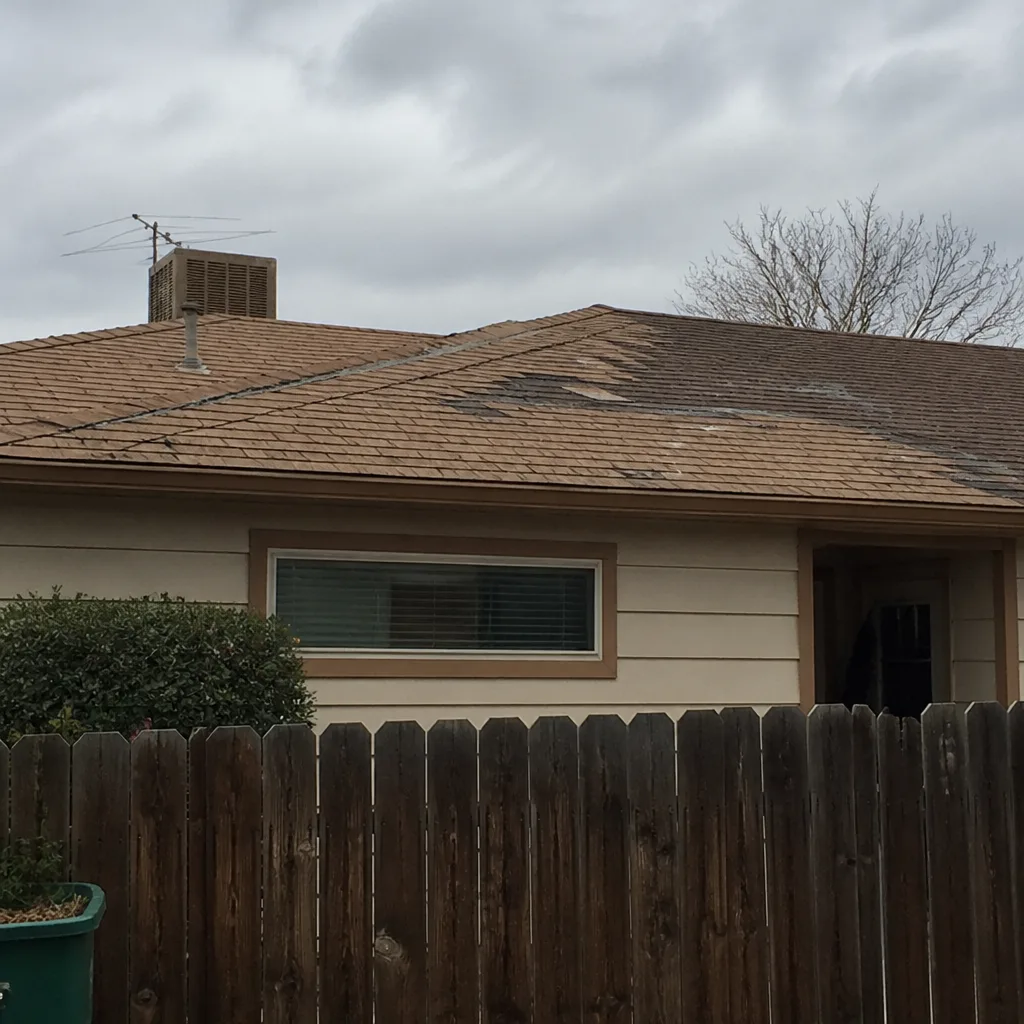 Before
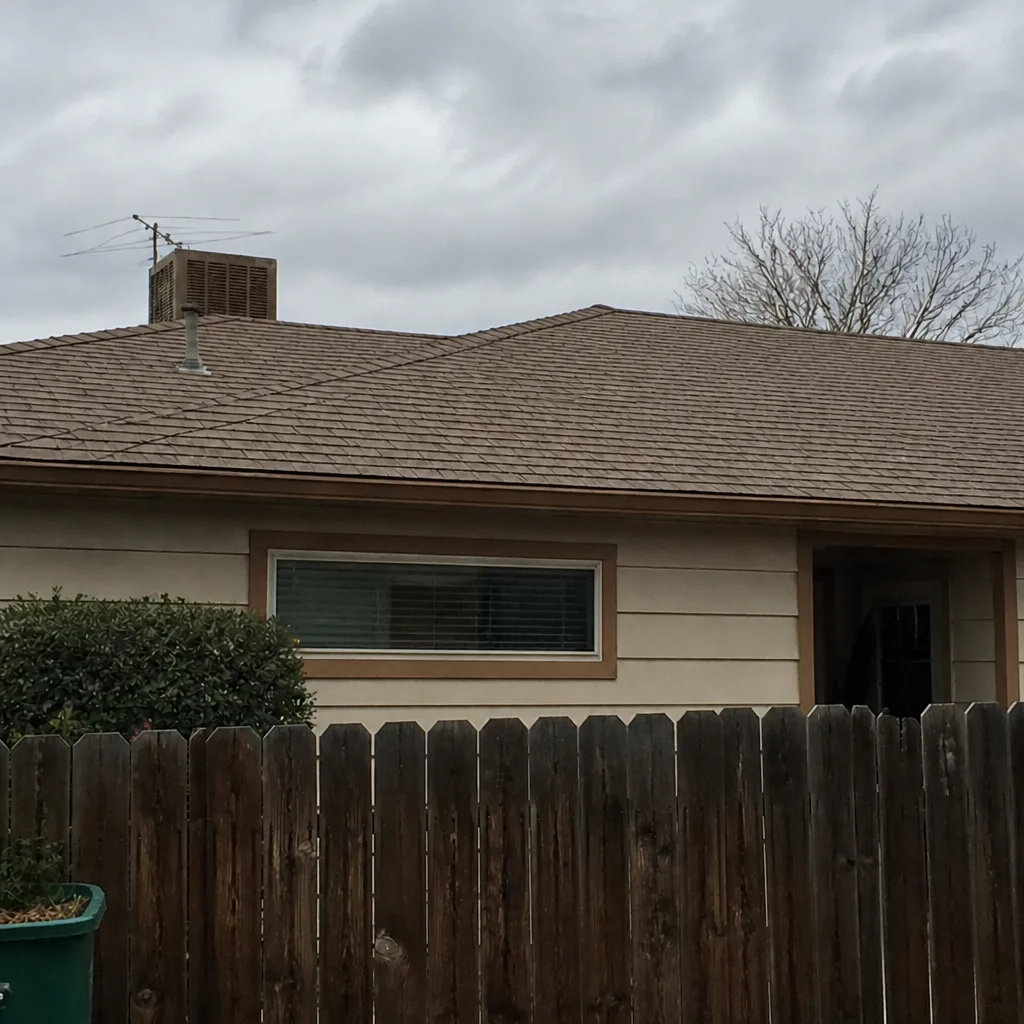 After
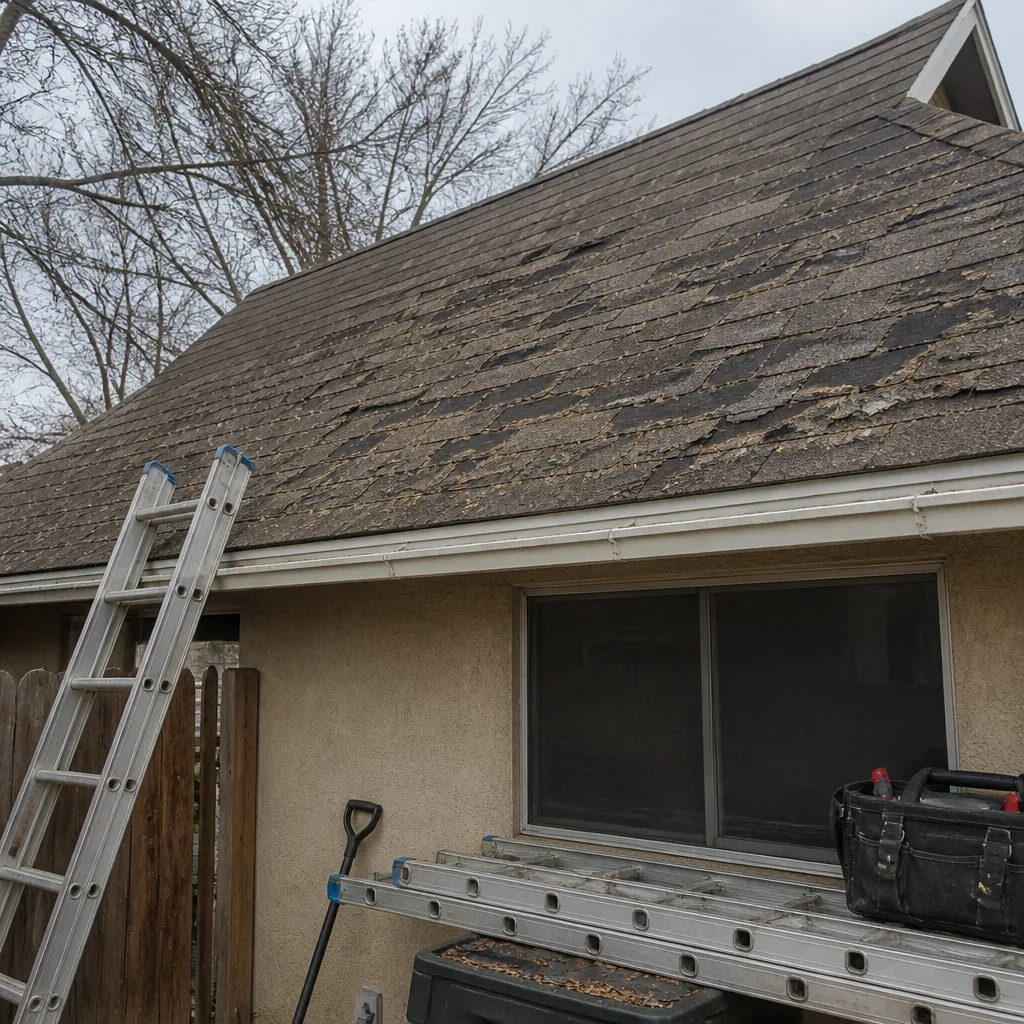 Before
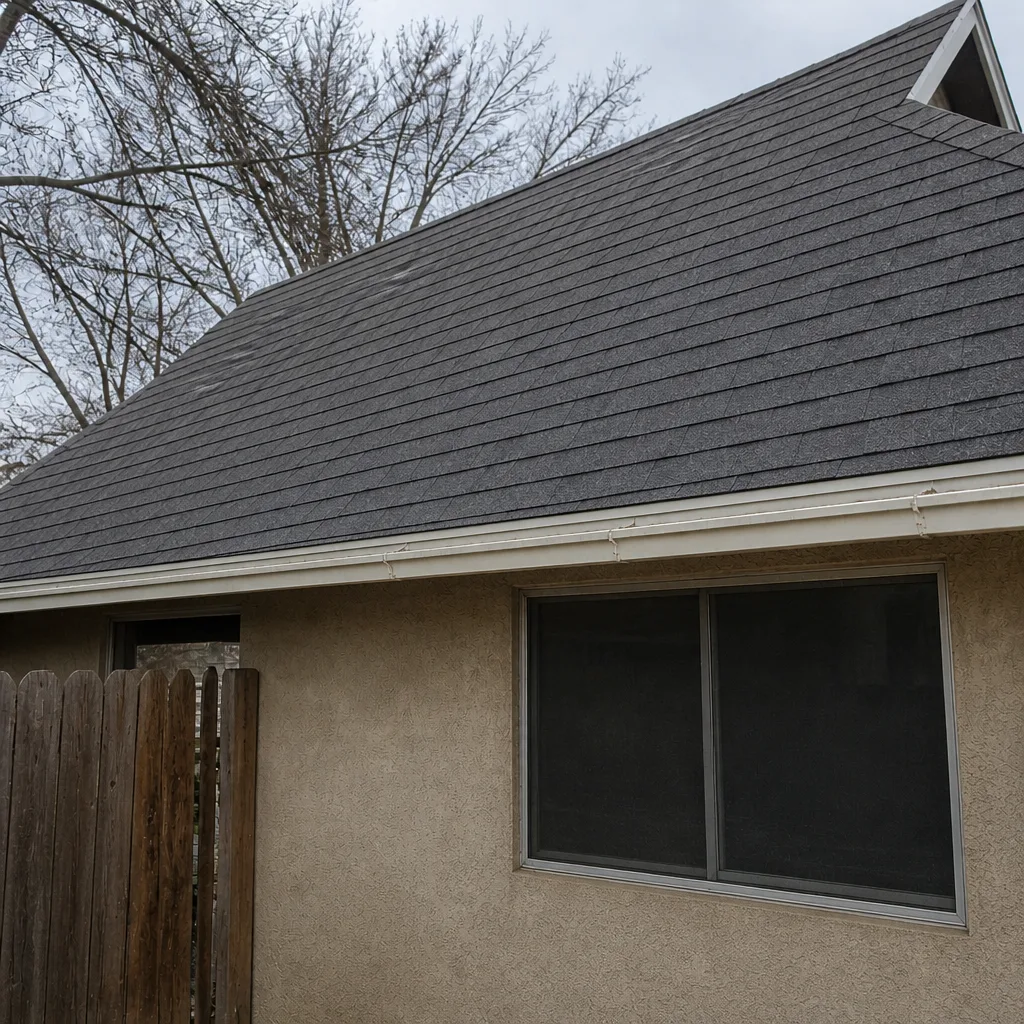 After
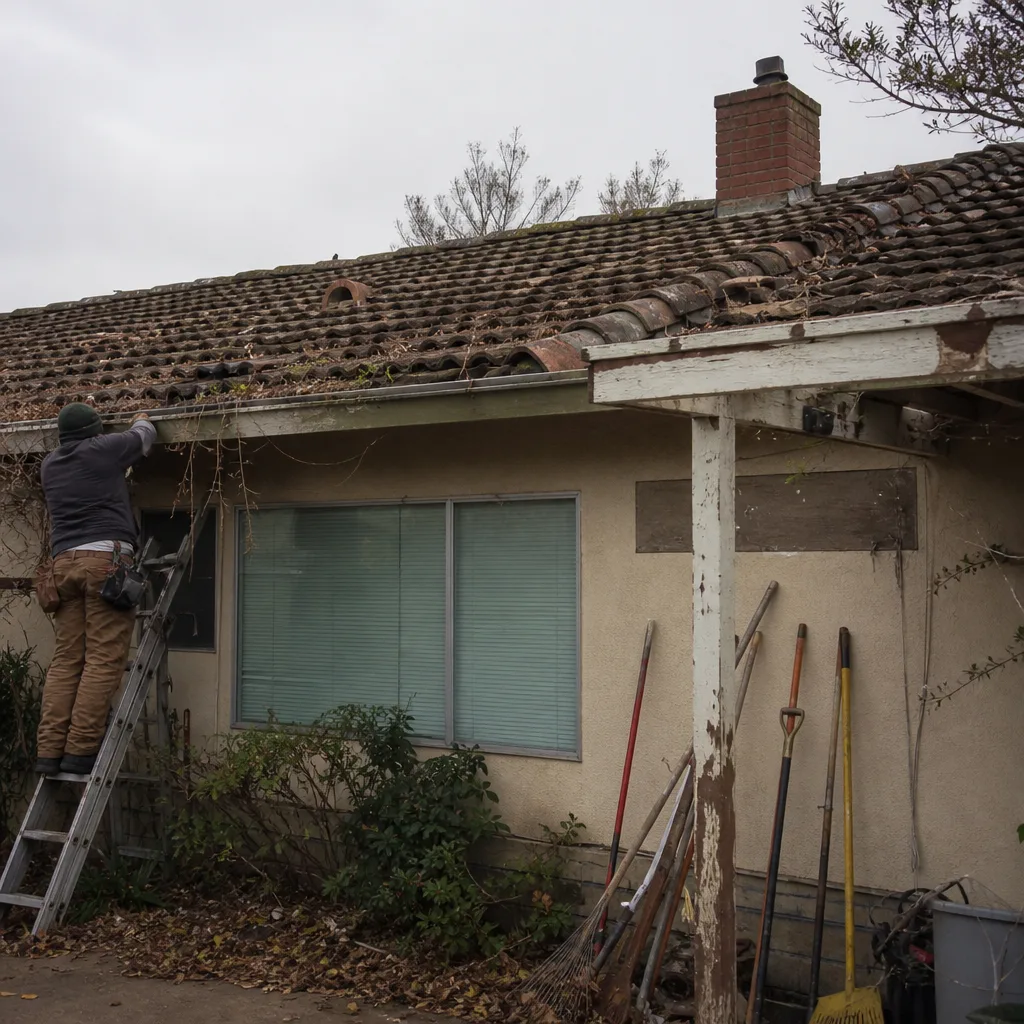 Before
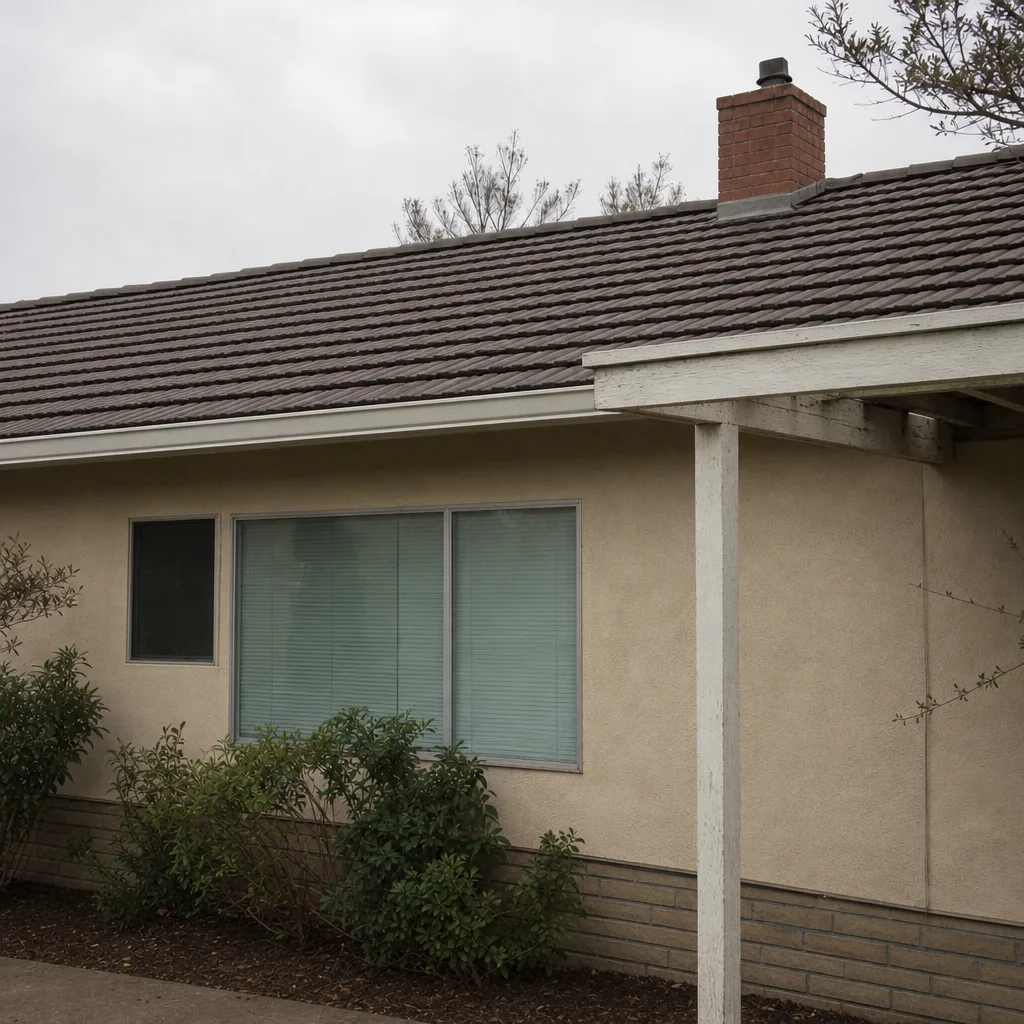 After
When to Call a Professional
Some roof problems are cosmetic, and some are the kind that get expensive fast. Call a professional if you’re seeing lifted or backed-out fasteners on a metal roof, blistering or seam separation on a low-slope membrane, cracked or missing flashing around a vent or skylight, granule loss on a shingle roof that’s leaving grit in your gutters, or any ceiling stain after a rain. On a specialty roof, small failures compound quickly in Paradise’s heat cycle, and what’s a $400 repair this spring can be a full membrane replacement by fall. Safety matters here too: walking a steep or metal roof in Paradise summer heat is genuinely dangerous, and flashing and fastener work at height should be handled by someone trained and insured for it. Shepherd & Sons Roofing Paradise offers free estimates in Paradise, and we’ll give you a free second opinion on any written estimate you already have. Call (833) 676-0557 and a live person will pick up.
Frequently Asked Questions
Standing seam metal with concealed clips is the best all-around specialty choice for Paradise, because it handles the 115°F-to-55°F thermal swing better than exposed-fastener panels or thin asphalt products. For low-slope sections, TPO or modified bitumen are the right systems when installed with proper drainage. Call (833) 676-0557 for a free estimate on your specific roof.
A properly installed standing seam metal roof typically gives 40 to 50 years in Paradise, compared with 50 or more in cooler climates, because the thermal cycle and UV load here are harder on the finish and fasteners. A poorly installed exposed-fastener panel can fail in under 15 years. The install details matter more than the panel brand.
Yes, most Paradise HOAs require architectural review before a specialty roof goes on. You’ll typically need the manufacturer spec sheet, a color sample, a site plan, the contractor’s license and insurance certificate, and a written scope of work. Get the covenant language in writing before you sign a contract, and call (833) 676-0557 if you want help assembling the packet.
Most roofing warranties are written for a national average UV dose, and Clark County exceeds that average, so products often reach the end of their useful life before the warranty year count runs out. Read the exclusions for “normal weathering” and “thermal movement,” because those are the failure modes that show up first in Paradise. A local contractor can tell you what a realistic service life looks like, not just what the wrapper says.
Specialty roofing in Paradise typically runs roughly 1.5 to 2.5 times the installed cost of a standard asphalt shingle roof, depending on the material. Standing seam metal runs about $14 to $22 per square foot installed, synthetic slate about $12 to $20, and TPO or modified bitumen on low-slope sections about $6 to $14. The per-year cost often comes out close to shingles once you factor in service life, and we’ll walk you through the numbers on a free estimate.
Sometimes, but it’s rarely the right call in Paradise. A second layer traps heat, hides deck damage, and can void the new material’s warranty. On a specialty roof, the deck condition matters too much to cover it up, so most Paradise installs should include a tear-off. Call (833) 676-0557 and we’ll tell you honestly whether your deck can take a cover or needs a full tear-off.
The Bottom Line
Specialty roofing in Paradise is a climate decision before it’s a style decision. Standing seam metal with concealed clips is the strongest fit for the heat cycle, TPO or modified bitumen handles low-slope sections when the drainage is right, and synthetic slate is the practical choice when an HOA wants a tile look. Read warranties for the exclusions, not the year count, and compare materials by cost per year of service life instead of sticker price. And ask any contractor the hard questions about thermal movement, HOA paperwork, and flashing maintenance. A roof is measured in squares, so ask any bidder how many they counted. When you’re ready to price it, call (833) 676-0557 for a free estimate from Shepherd & Sons Roofing Paradise. We’ll show you the deck photos before we talk money, and every job is backed by our written 90-Day Done Right Promise.
Written by the team at Shepherd & Sons Roofing Paradise.