
Last updated November 17, 2026
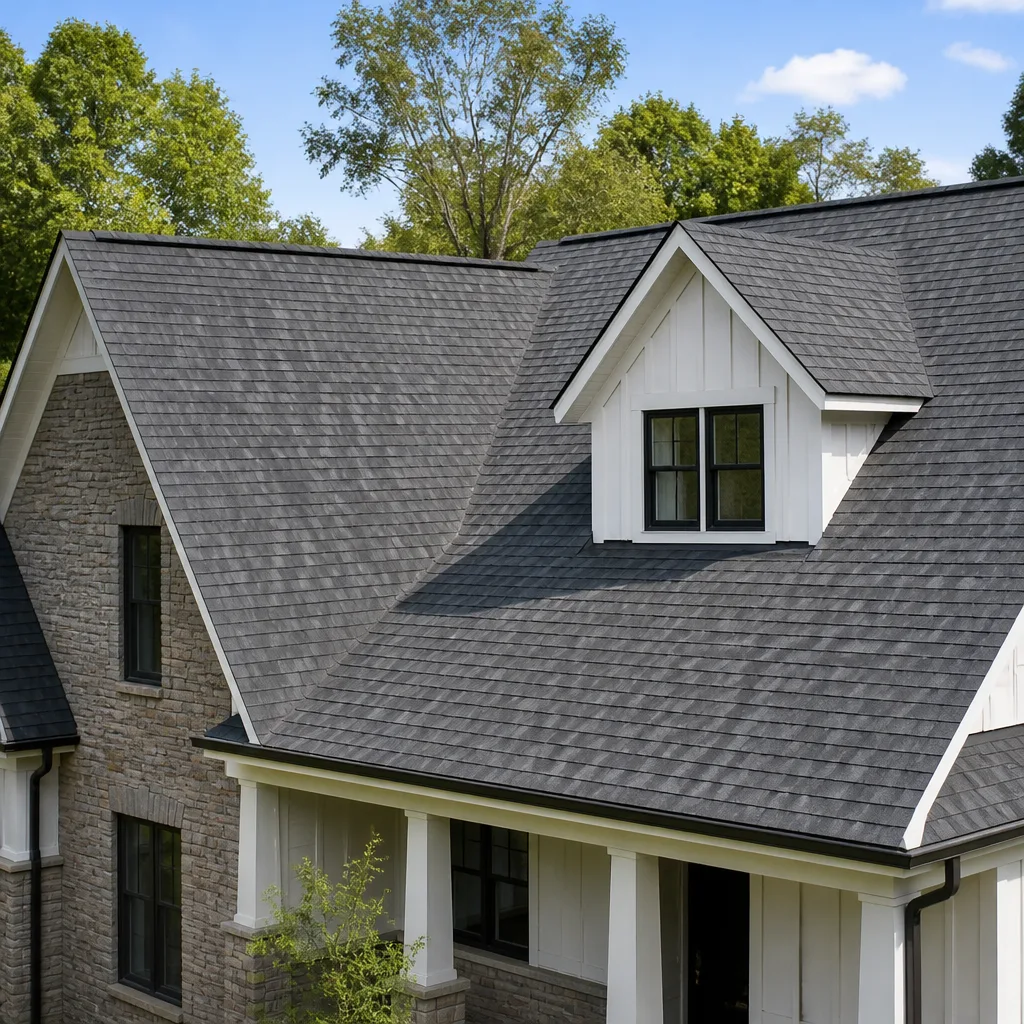 Architectural shingles
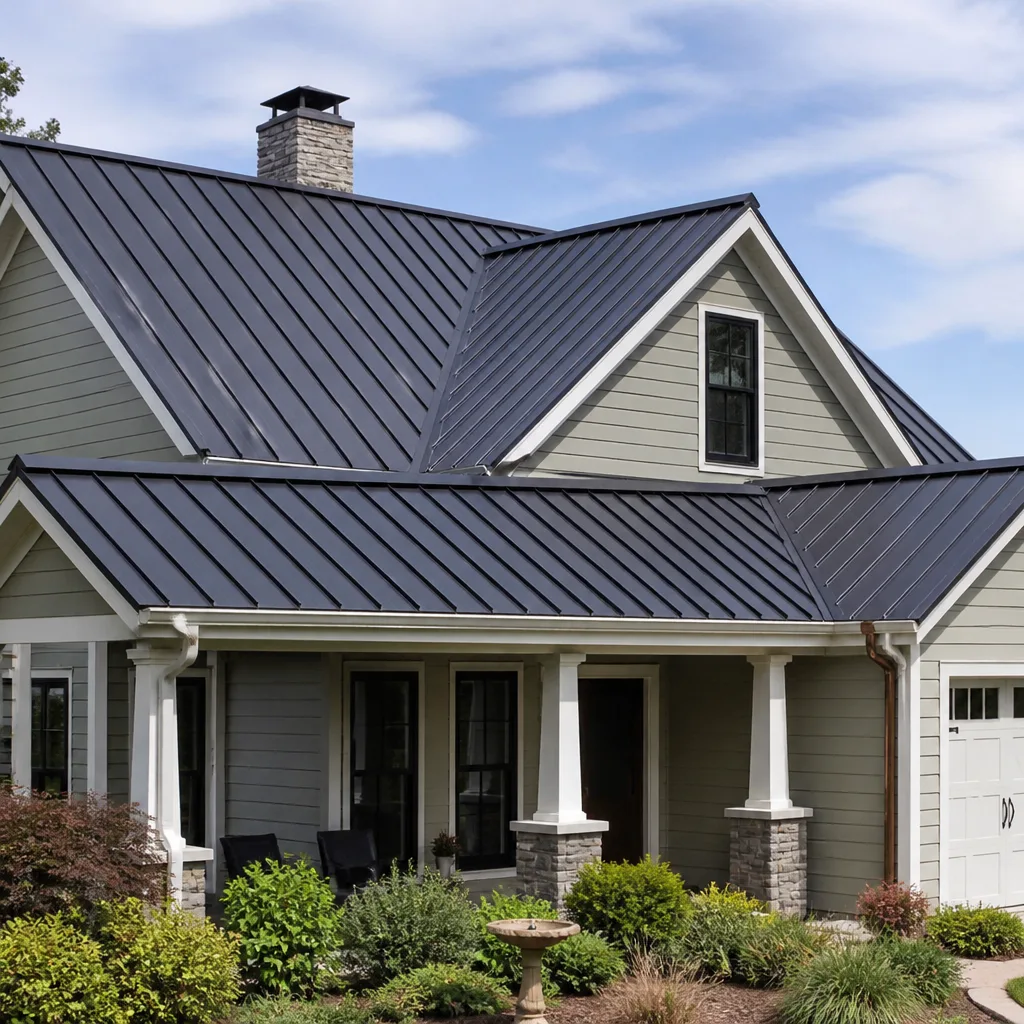 Metal roofing
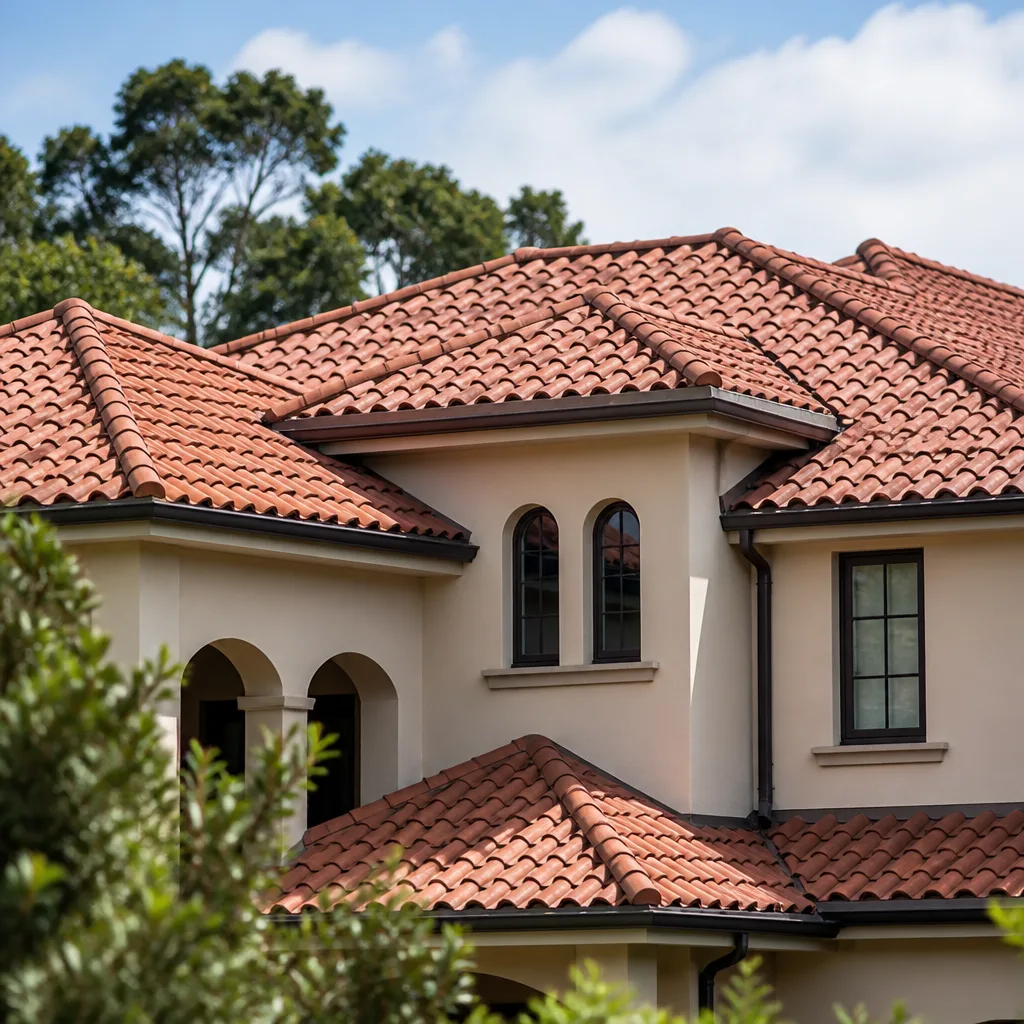 Tile roofing
 GAF
 Owens Corning
 Flat & low-slope
Free roof inspection with deck photos before we talk money - GAF and Owens Corning certified installation
Roof Repair Warning Signs Every Homeowner Should Know
A leak inside your house isn’t a warning sign. That’s the emergency room visit. Warning signs are what you notice three years before that – if you know what to look for. We’ve climbed attics across Paradise and the surrounding valley long enough to know the difference between a roof that’s fine and one that’s quietly telling you it’s sixteen months from real trouble. By the time shingles are on the driveway, you’ve already lost the cheap window. This guide is about reading the early indicators, while the fix is still a repair and not a replacement.
Quick Answer
The most valuable roof repair warning signs appear long before a leak: granule accumulation in gutters that tells you which slopes are aging fastest, curling patterns at the shingle edges, picture-framing on decking seen from the attic, flashing that’s pulling away from a wall or chimney, and a same-era neighbor’s roof failing after a storm. Any of these means you’re six to eighteen months out from a bigger problem, and a small repair now is worth more than a rushed replacement later.
Styles & brands we work with
- Architectural shingles
- Metal roofing
- Tile roofing
- GAF
- Owens Corning
- Flat & low-slope
Table of Contents
- What granule loss in your gutters is telling you
- Reading the shingle curl pattern in Paradise’s UV climate
- Picture framing on your decking and the one-year clock
- Flashing creep: the slow separation you can’t see until it leaks
- Why your neighbor’s storm failure is your warning sign
- What to check from inside the attic
- When age and material decide the answer for you
- What these repairs actually cost
What Granule Loss in Your Gutters Is Telling You
Grab a handful of grit from your gutter trough or the bottom of a downspout. Those granules are the shingle’s first line of defense against sun and weather. A scatter of them after a new installation is normal, but a steady buildup year after year is the roof telling you which slopes are aging faster than the rest. In Paradise, we regularly see the south and west slopes shed granules first, because those are the faces that take the afternoon sun all year.
Here’s what makes this a genuine early warning: granule loss happens before the shingle looks bad from the ground. You can walk under a roof and see nothing wrong. The gutter knows. When you find a thick, sandy layer of grit in one run of gutter and a thin scatter in another, you’ve found your problem slope – and that’s where the next repair or the next replacement section will start.
- Light grit scatters after rain – normal on any roof.
- A visible sand pile in one gutter run – that slope is aging faster; get it looked at within the year.
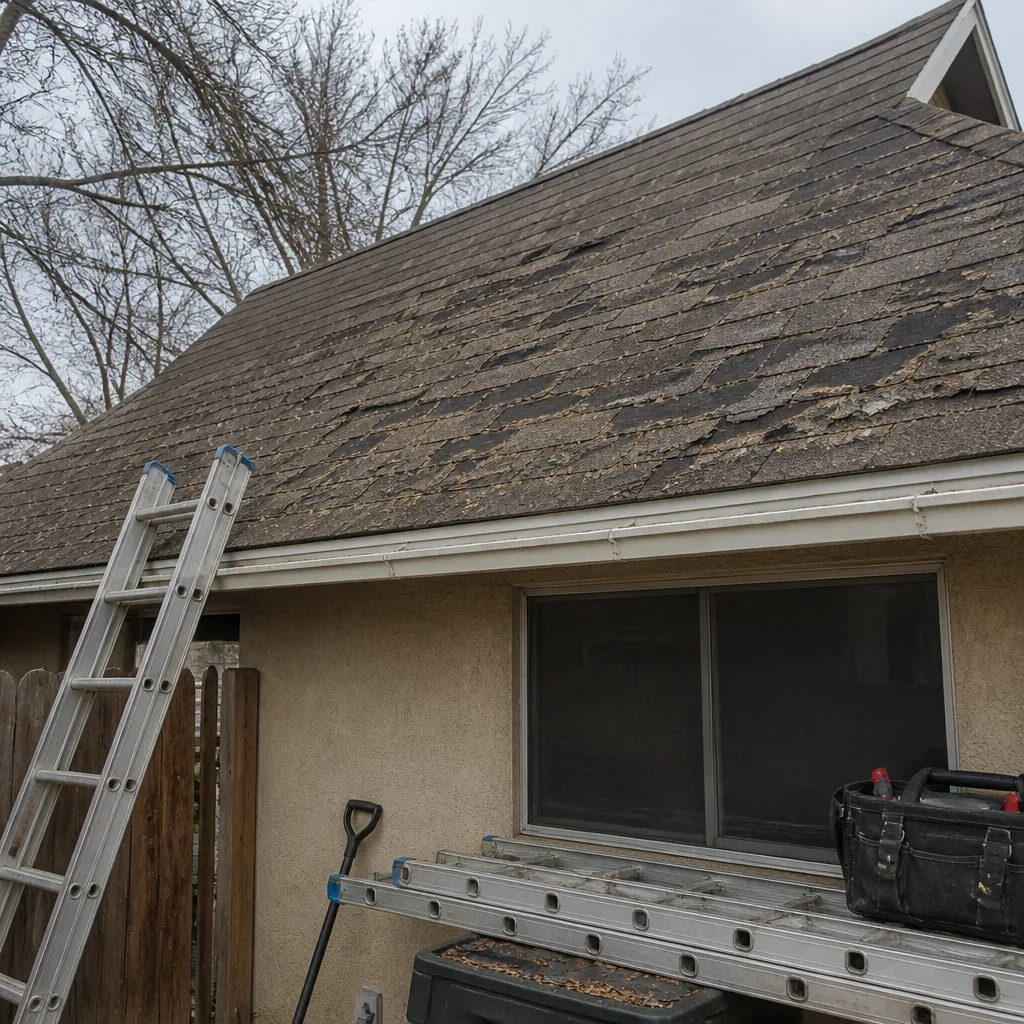
- Bare shingle edges with the asphalt flecks showing through – granule loss is advanced; that section is near the end of its life.
- Grit plus shingle pieces – you’re past warning signs and into real damage.
Ask any bidder to show you the granule pattern from the attic and the gutters together, not just from the driveway. That’s where the honest answer lives.
Reading the Shingle Curl Pattern in Paradise’s UV Climate
Shingle curling isn’t random. Different curl patterns tell you different things, and in a high-UV, dry-heat climate like ours the pattern matters more than the amount. Here’s how we read them:
| Pattern | What It Means | Rough Time Left |
|---|---|---|
| Cupping (edges lift, middle dips) | Shingle drying from the underside, often a ventilation issue | 2-3 years |
| Clawing (edges curl upward at the corners) | Thermal cycling; very common on south-facing slopes in Paradise | 1-2 years |
| Lifting and buckling (waves across the deck) | Underlayment failure or deck movement, not just the shingle | 6-18 months |
| Straight-edge separation at the tab lines | Adhesive strip failing; wind vulnerability climbing | 1 year |
Light clawing on a north slope is not the same emergency as clawing on the slopes that take the summer sun. In our experience, the same shingle on a west-facing Paradise roof ages a full year or two faster than on the shaded side. That’s why we photograph both when we do a second opinion on a bid – a flat per-square quote hides which slopes are actually ready.
Picture Framing on Your Decking and the One-Year Clock
Get into the attic with a flashlight and look at the underside of the roof deck – the wood the shingles are nailed to. If you see faint dark lines tracing the edges of each plywood sheet, forming a grid or “picture frame” across the underside, that’s picture framing. It usually means moisture has been getting under the shingles and soaking the deck joints, or the deck has been through enough heat cycling to telegraph the seams.
Picture framing is a one-year clock. It’s rarely an emergency today, but it means the wood under the shingles is starting to take on moisture. Left another year or two, that turns into soft spots, popped nails, and eventually a leak that shows up in a bedroom ceiling – usually at the worst time, like the middle of monsoon season.
- Get into the attic on a cool morning with a strong flashlight.
- Look along the underside of the deck for grid-like dark lines between sheets.
- Check for rusted or broken nails backing out of the wood – a companion signal.
- Look for dark stains or sagging wood near the ridge and eaves.
- If you see any of the above, get a professional to look. This is a “call now, not in the fall” situation.
If the deck is sound and the shingles are the problem, a repair or a partial re-roof is often enough. If the deck has soft spots, a Roof Replacement & Installation in Paradise becomes the honest recommendation. We’ll show you the pictures either way before we talk money.
Flashing Creep: The Slow Separation You Can’t See Until It Leaks
Flashing is the metal that seals the roof to walls, chimneys, vents, and skylights. It’s also where the highest percentage of leaks we see in Paradise actually start – not in the middle of the field of shingles. Flashing creep is the slow separation that happens invisibly: the caulk dries, the metal lifts a quarter-inch, water finds a path behind the shingle, and then one day there’s a stain on the ceiling and everyone thinks the roof “suddenly” failed.
What makes flashing creep so sneaky is that it’s hidden behind a shingle course. From the ground the roof looks perfect. Here’s how to spot it early:
- Caulk lines along the chimney and sidewalls – cracked, curling, or peeling, even slightly.
- Lifted metal edges – the flashing has pulled away from the wall or the shingle course above it.
- Rust streaks on the metal itself, or on the shingles just below it.
- Small granules or debris trapped along the flashing line – a sign water is moving where it shouldn’t.
- A water stain on the attic decking at the chimney or skylight – flashing creep has already moved indoors.
If you can see the flashing from a ladder safely, look. If you can’t, call. We’ve been doing this long enough to say plainly: climbing onto a wet or steep roof is the part we don’t want a homeowner doing. It’s not worth the risk. Flashing reseal is a small repair now and a drywall-and-insulation job later – and in a hot, dry-then-wet Paradise climate, the swing from dry season to monsoon is exactly when it fails.
Why Your Neighbor’s Storm Failure Is Your Warning Sign
This one is the most overlooked warning sign we know of, and it’s free. When a storm knocks shingles off a neighbor’s roof three doors down, and your house was built within a year or two of theirs, your roof is on roughly the same clock. Same shingle era. Same install crew, often. Same number of summers in the Paradise sun. If their roof is losing shingles and yours looks fine from the driveway, you’re not fine – you’re next in line, and it’s better to know that now.
Here’s what to actually do with that information:
- Note the address of the neighbor whose roof was damaged.
- Ask if you can look up their build year versus yours – the county has this on record.
- Look at their roof for curl and granule loss; that pattern will likely repeat on yours.
- Get a professional inspection on yours before the next storm, not after.
- If the same storm hit three houses on the street, get four inspections and compare the answers.
Storm chasers show up right after that first failure and knock on doors with a clipboard. Some of them are honest; a lot are not, and they’ll be gone before their work fails. Same address since 1996 matters here. Ask the storm chaser where theirs is. If you want a name that will still be on the license next year, that’s the call to make.
What to Check From Inside the Attic
You can learn a lot about a roof without going on it. The attic tells you what the shingles won’t. Roughly once a season – and always after a monsoon – get up there with a flashlight and look for these:
- Daylight through the decking – a hole, however small, means water has a way in.
- Dark water stains on the rafters or deck – trace them up and outward to find the entry point.
- Rusted or lifted nail points poking through the deck – the shingle above is loose.
- Sagging or spongy decking underfoot – a plywood failure, not just a shingle problem.
- Damp insulation or a musty smell – moisture is coming in somewhere, even if the ceiling looks dry.
What you’re looking for is the story of water and heat, not the emergency. A dry attic with tight decking and clean rafters is a good sign even if a shingle is slightly curled. A tidy-looking roof over a staining attic is not. That’s the picture framing problem again – and it’s why we take attic photos on every inspection for Roof Repair in Paradise before we quote.
When Age and Material Decide the Answer for You
Sometimes the warning signs don’t matter because the math does. If you’re on a 20-year shingle and the roof was installed 18 summers ago, you’re in the window where repairs get you months, not years. If you’re on a tile roof – Boral or similar – the tiles themselves can last decades, but the underlayment and flashing are often the thing aging out first, and that’s not something you’ll see from the ground.
Our rule of thumb, from a lot of Paradise inspections:
- Architectural asphalt, under 12 years – repair the section, don’t think about replacement yet.
- Architectural asphalt, 15-20 years – repairs only if the deck is sound and you’re staying put; otherwise plan the replacement.
- Three-tab, any age over 15 years – repair rarely buys more than a season.
- Tile or metal, any age – inspect the underlayment and flashing first; the covering is often still fine.
If you’ve been quoted a replacement and you want a second set of eyes before you sign, that’s what we’re for. Free second opinion on any written estimate. No trip charge inside our own county.
What These Repairs Actually Cost
The difference between a small repair and a replacement often comes down to timing, not severity. Here’s roughly what we see, so you can budget honestly:
| Repair | Typical Range | Notes |
|---|---|---|
| Flashing reseal (chimney, sidewall, vent) | Small, low hundreds | By far the cheapest fix, and the one most often skipped |
| Individual shingle replacement | Low hundreds per area | Best done before the surrounding tabs curl |
| Section re-roof (a slope or two) | Low thousands | Common when one slope is granule-bare and the rest is not |
| Full replacement, architectural shingle | Five figures on a typical home | Drops meaningfully if the deck is intact |
| Deck repair (picture framing with soft spots) | Adds to either of the above | The one-year clock is real; soft wood doesn’t heal |
Everything above shifts based on roof size and pitch – a roof is measured in squares, and ask any bidder how many they counted. We give line-item written quotes so you can see the squares, the materials, and the labor separately. Call (833) 676-0557 for exact numbers on your roof. Estimates are free.
Common Mistakes to Avoid
- Waiting for the leak. Once there’s a stain on the ceiling, you’re paying for drywall and paint along with the roof repair. The early signs above are where the savings are.
- Patching the shingle and skipping the flashing. In Paradise we see this constantly. The shingle was fine; the flashing was the leak all along.
- Hiring on the first knock after a storm. Storm chasers come and go. Ask for a local address and a license number you can look up.
- Ignoring the gutter grit. A full gutter of granules is the cheapest diagnostic you’ll ever get – and almost nobody uses it.
- Skipping the attic. A neat-looking roof over a staining attic is a problem. The inside tells the truth the outside hides.
- Signing before a second opinion. A written estimate is worth a free second look – especially if your neighbor’s roof is in worse shape than yours and the crew is knocking doors.
- Assuming tile or metal means forever. The covering may outlast you; the underlayment and flashing won’t. Those are what fail first, and they’re not visible from the ground.
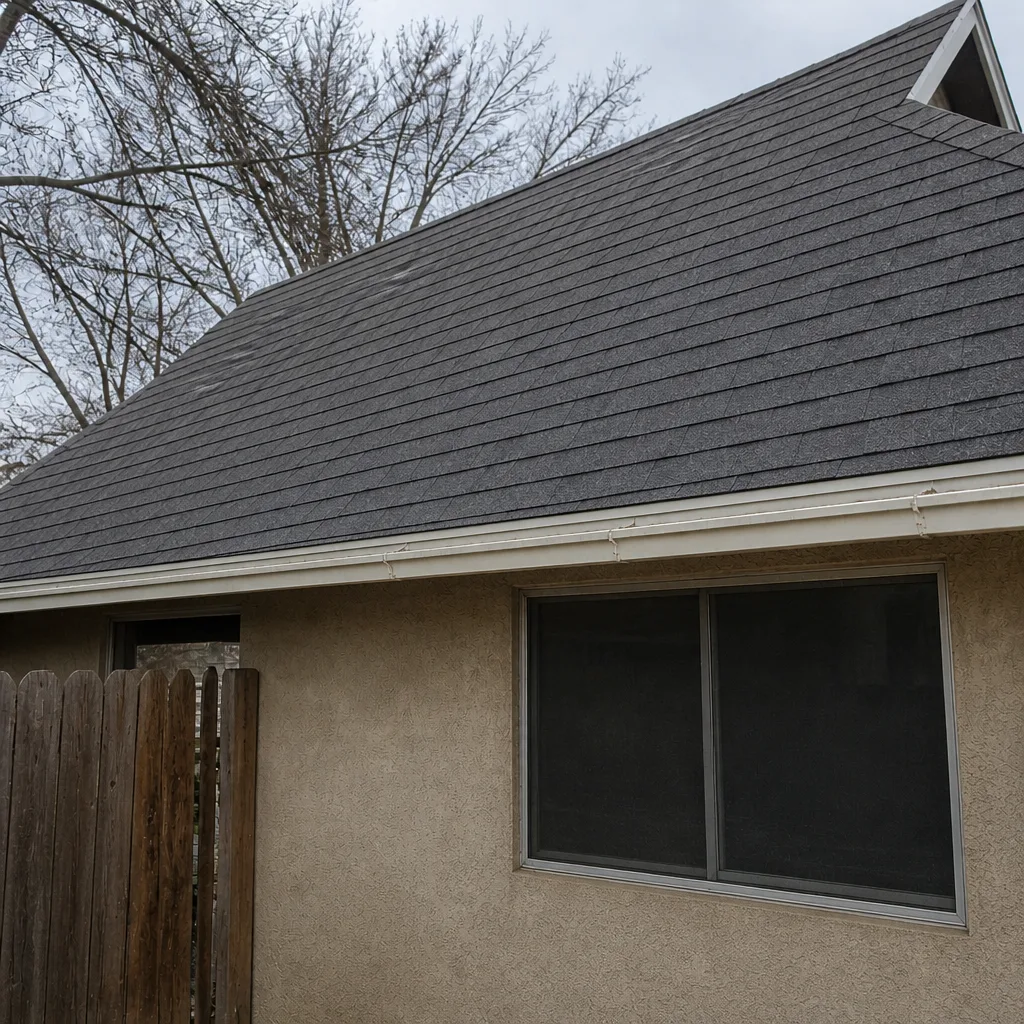
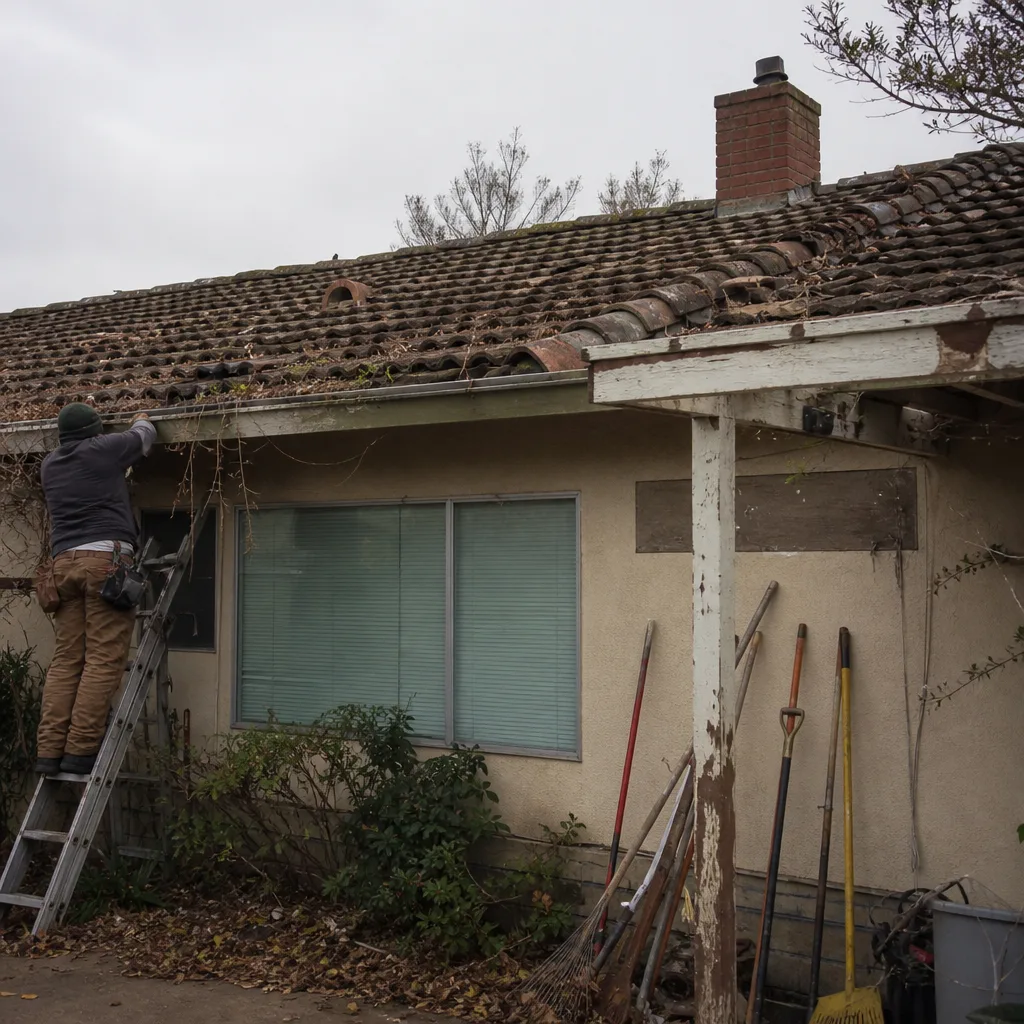
See the difference
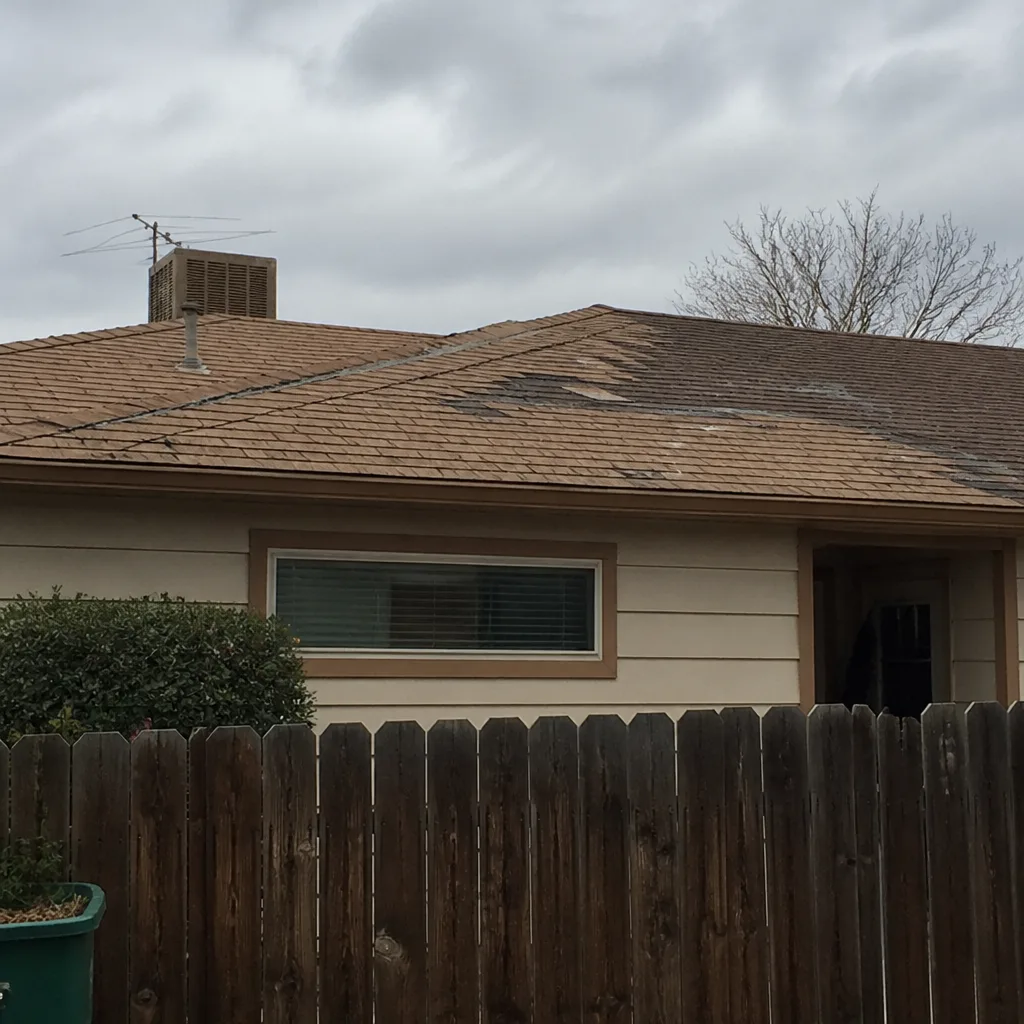 Before
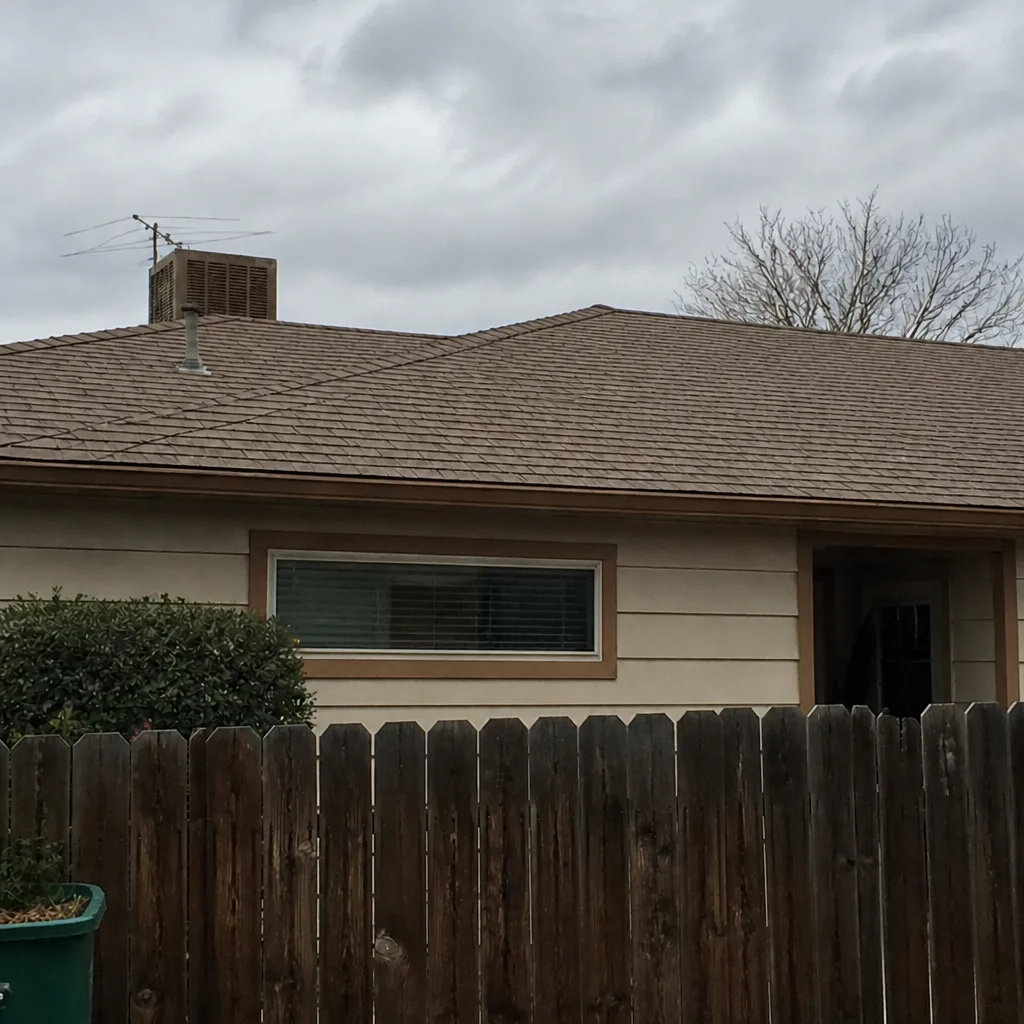 After
 Before
 After
 Before
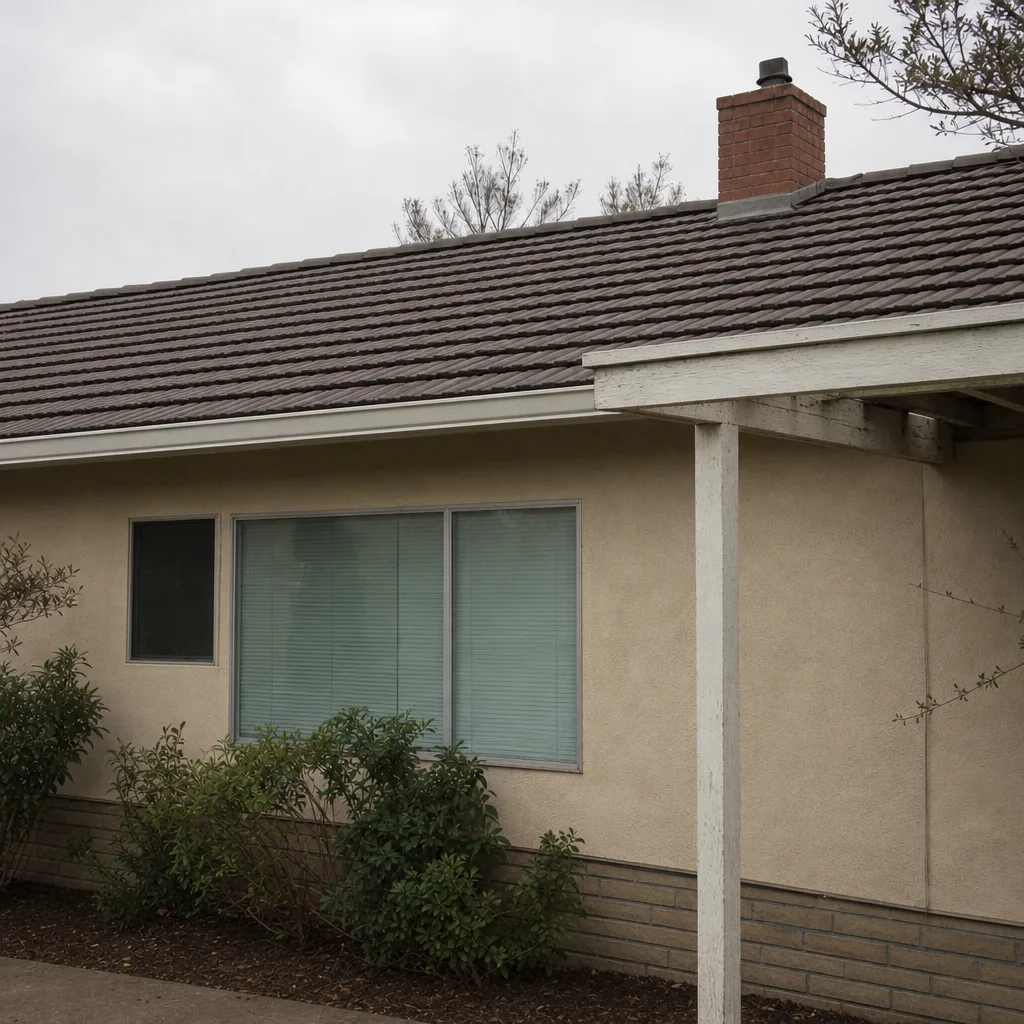 After
When to Call a Professional
If you’ve spotted granular buildup in the gutters, picture framing in the attic, flashing that’s lifting, or a neighbor’s roof that’s already failed after a storm, call. Those are the moments a small repair is still on the table. If you’ve got a leak, a soft spot, or daylight through the decking, call today – that’s already past the cheap window. And if you’ve been quoted a replacement and the number feels high, call for a second opinion before you sign. Shepherd & Sons Roofing Paradise offers free estimates in Paradise – call (833) 676-0557. A live person answers, nights and weekends included, and we’ll be there with the deck photos before we talk money.
Frequently Asked Questions
Most small Paradise roof repairs – a flashing reseal, a few shingles, a vent boot – run in the low hundreds, and section re-roofs typically land in the low thousands. Full replacements are a five-figure job on a typical home. The only honest number is the one from an inspection. Call (833) 676-0557 for an exact quote. Estimates are free, and you get the line items in writing.
Age, deck condition, and the number of problem slopes decide it. A roof under 12 years old with sound decking is almost always a repair. A 15-20 year old roof with granule loss across multiple slopes and picture framing in the attic is usually replacement territory. Somewhere in between, you ask a professional to look and be honest. We will. That’s the whole point of a second opinion.
Yes – the gutters and the attic will tell you most of what matters. Granule buildup in one gutter run, dark grid lines on the attic decking, water stains on rafters, and rusted nail points are all visible without a ladder. A cheap pair of binoculars for a look from the yard, plus a flashlight in the attic, covers the early warning signs on this list.
Light grit after rain is normal. A steady, heavy buildup season after season is the roof telling you which slopes are aging fastest. It’s an early warning, not an emergency – but it’s the cheapest one to act on, because the repair is small at that stage.
Flashing creep. The metal at the chimney, skylight, or sidewall lifts a fraction of an inch behind a shingle course, and water finds the path before you can see it. The shingle field can look perfect for a year or more while the stain grows underneath. That’s why the attic is where we look first.
Small repairs like a reseal or a few shingles often don’t require a permit, while a full replacement or structural decking work usually does. The rules can change, so it’s worth a call to the local building department on your specific job. Any reputable Paradise roofer should be willing to tell you up front whether your job needs a permit and to handle it on the work that does. If a bidder dodges the question, that’s your warning sign.
The Bottom Line
By the time a leak shows up on your ceiling, you’re past the warning stage and into the expensive one. The signs that actually matter live in the quiet places – the grit in your gutter, the grid on your attic decking, the caulk line that’s starting to lift, the curl on the sun-facing slope, and the neighbor whose roof failed first. Read those, and you’ll usually have six to eighteen months of runway. Use it. That’s when a roof repair is still a repair, and when a Roof Replacement & Installation in Paradise is a good decision instead of an emergency one.
If your roof is tile or metal, the pattern is a little different – the covering holds up, but the underlayment and flashing don’t. That’s a Metal Roofing in Paradise or tile conversation for another day, but the inspection is the same. Start at our Shepherd & Sons Roofing Paradise home if you want to see how we work first.
Shepherd & Sons Roofing is locally owned and owner-operated. Same address since 1996. Live person answers the phone, 24/7. Every roofing job is backed by the written 90-Day Done Right Promise – if it’s not done right, we make it right. Join the many Paradise homeowners who’ve had the deck photos before the money talk. Call (833) 676-0557 to schedule your free estimate today.
Written by the team at Shepherd & Sons Roofing Paradise.