
Last updated November 17, 2026
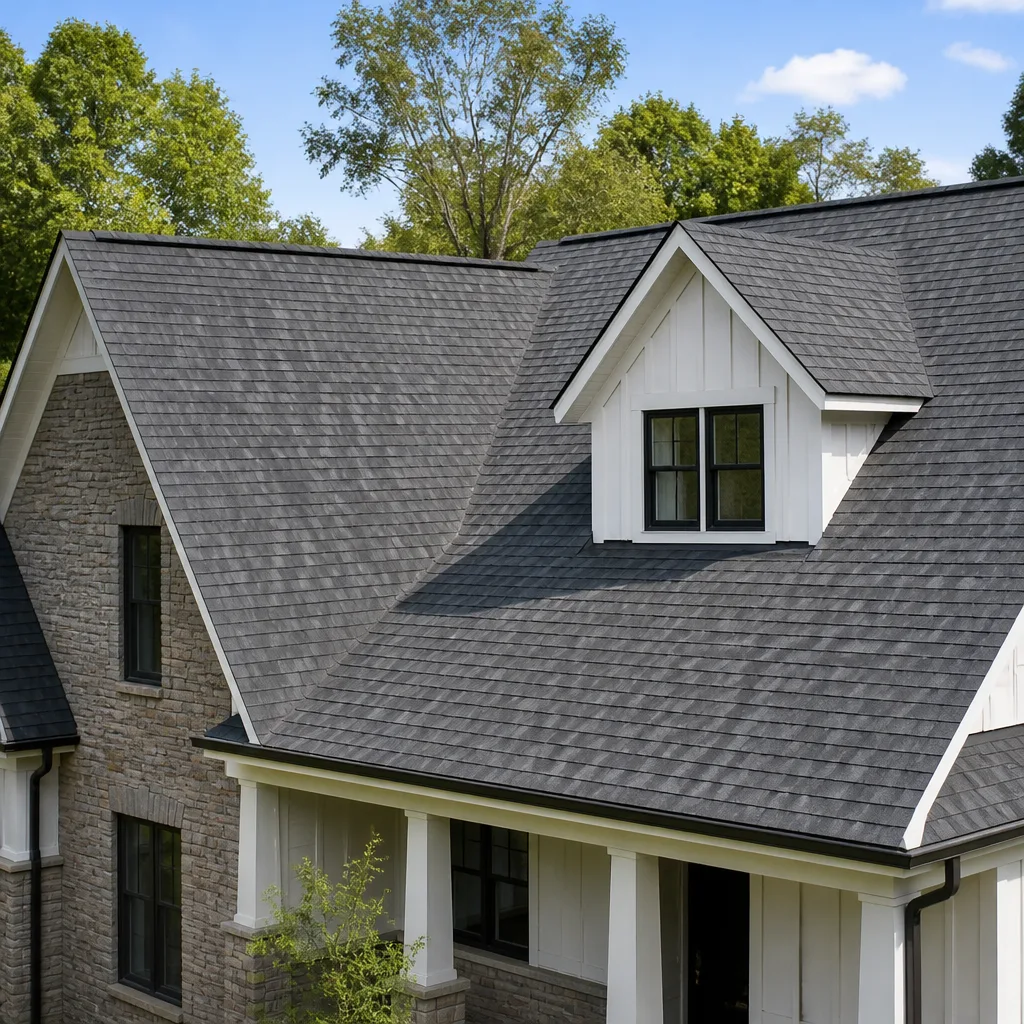 Architectural shingles
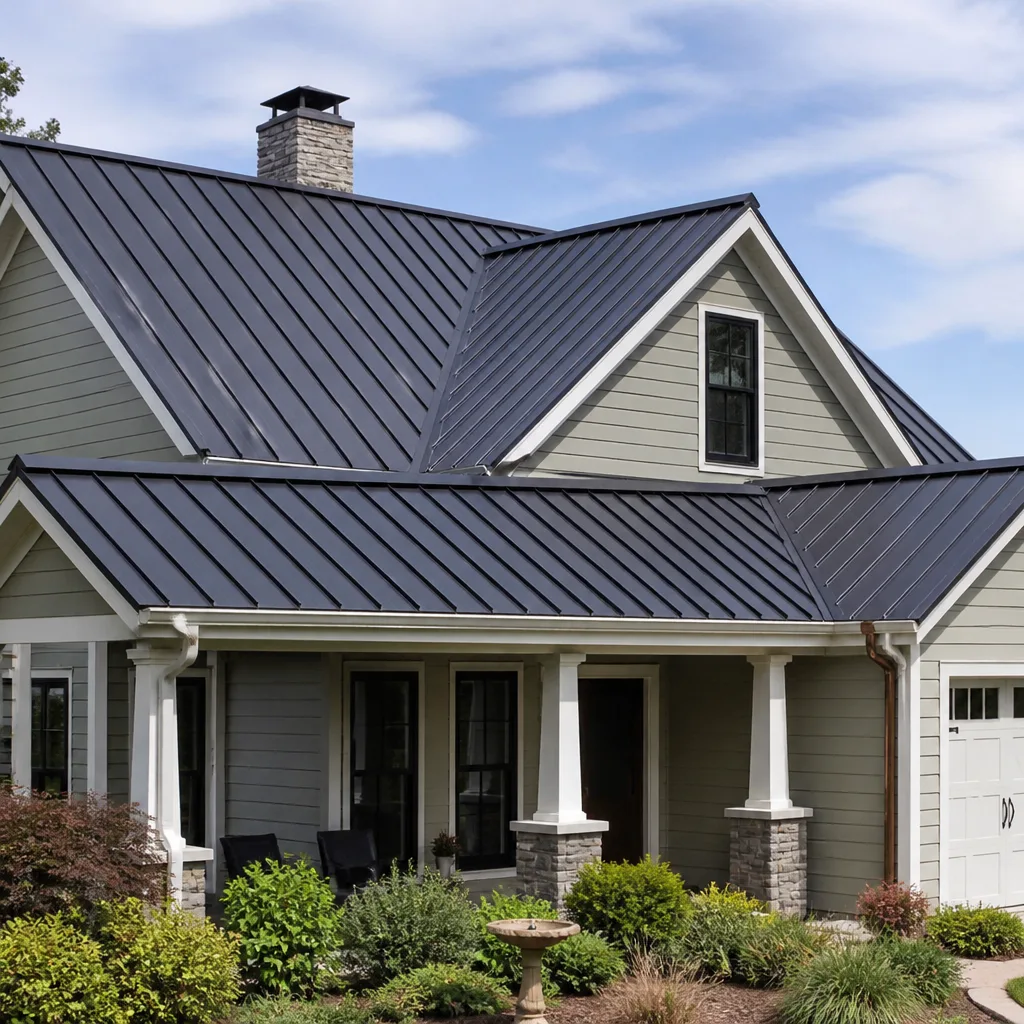 Metal roofing
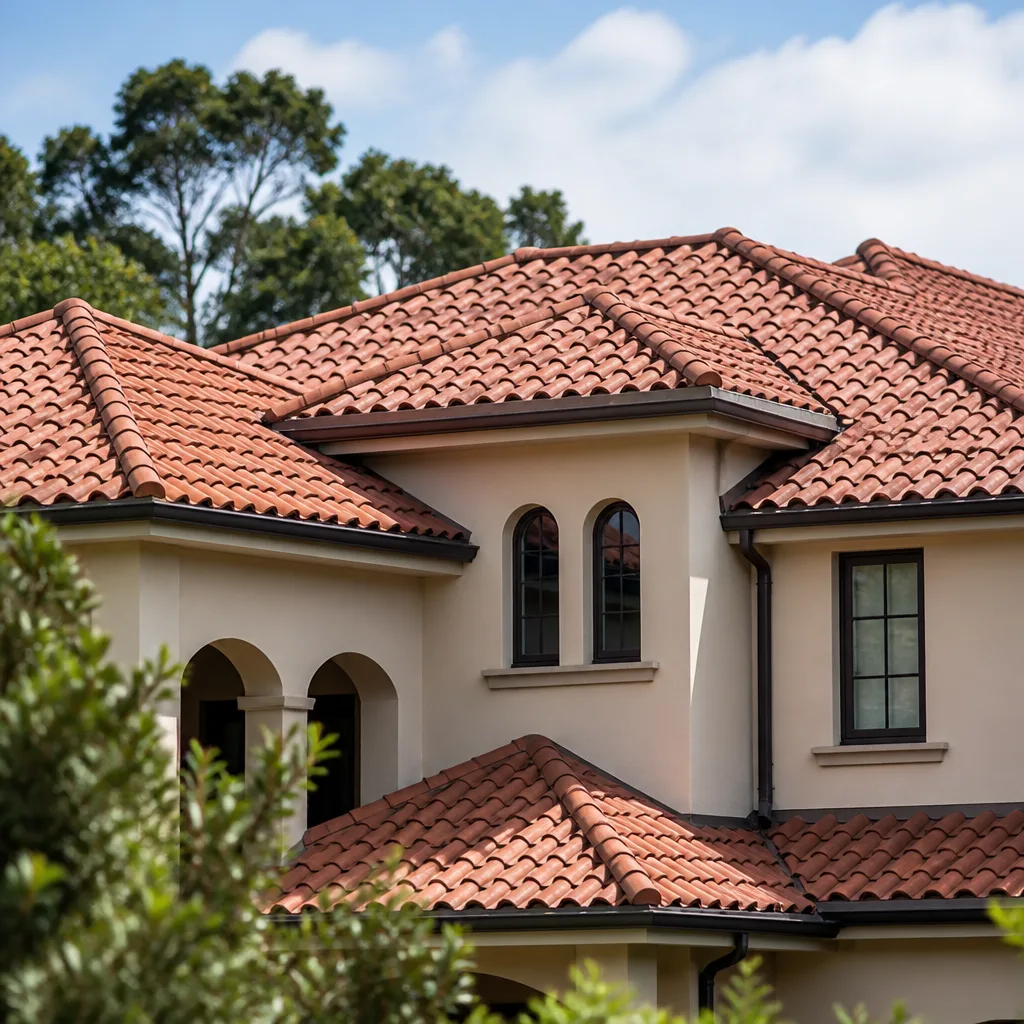 Tile roofing
 GAF
 Owens Corning
 Flat & low-slope
Free roof inspection with deck photos before we talk money - GAF and Owens Corning certified installation
Roof Replacement & Installation Warning Signs Every Homeowner Should Know
After every hailstorm in the Las Vegas Valley, Bill Shepherd gets calls from neighbors who already paid a deposit to someone they can’t reach anymore. The warning signs were there at the door. They just didn’t know what to look for. That’s the part most roofing guides get wrong: they spend pages on curling shingles and missing granules, then skip the contractor standing in your driveway with a clipboard. This guide covers the second kind of damage, the kind that starts the week after a storm in Paradise when the phone won’t stop ringing. We’ll explain three things to verify before anyone steps on your property, what an assignment-of-benefits clause does to your insurance claim, and what a fair written estimate actually looks like so you have something to compare against.
Quick Answer
The biggest roof replacement warning signs in Paradise aren’t on your roof – they’re in the contractor’s paperwork. Any roofer who can’t produce a Nevada contractor license number, a physical in-state address, and a certificate of insurance naming you as additionally insured is a risk, no matter how good the shingles sound. And any contract that asks you to sign over your insurance benefits, or quotes you a price verbally instead of line-by-line in writing, is a contract you should not sign until someone you trust has read it.
Styles & brands we work with
- Architectural shingles
- Metal roofing
- Tile roofing
- GAF
- Owens Corning
- Flat & low-slope
Table of Contents
- The Storm Chaser Business Model, Explained Plainly
- Three Things to Verify Before a Roofer Steps on Your Property
- The Assignment-of-Benefits Clause That Gives Away Your Claim
- Verbal Quotes vs. Written Estimates: What Holds Up in Nevada
- What a Fair Roofing Contract Looks Like, Line by Line
- Why Paradise Roofs Get Hit Harder Than the Rest of the Valley
- Ten Roof Warning Signs That Mean It’s Time to Call
The Storm Chaser Business Model, Explained Plainly
Here’s what actually happens after a Nevada hail event. An out-of-state company forms a new LLC in a matter of days, usually in Nevada, sometimes in Texas or Arizona. They rent a hotel block, print door hangers, and fan out into neighborhoods with visible damage. The trucks have out-of-state plates and no sign on the side. They’ll tell you the roof is totaled, offer to handle your entire insurance claim, and ask for a deposit to “get on the schedule.” Six weeks later the phone number is dead and the work is half finished.
Their contracts look a specific way. We’ve read a lot of them over the years, and they tend to share the same features:
- No license number on the paperwork. Nevada requires a contractor’s license number to be printed on contracts, bids, and advertising. A contract without one is a warning signal.
- No physical address, or a PO box in another state. Compare that to a local roofer whose shop you can drive past in Paradise.
- Broad language letting them “coordinate” your insurance. This is the setup for the assignment-of-benefits clause we’ll cover below.
- A signature-and-deposit demand at the door. No legitimate roofer needs a deposit before you’ve seen a written estimate or a single photo of your own roof deck.
- Warranty language that names a manufacturer, not the installer. The shingle warranty may be real – the workmanship warranty usually vanishes with the LLC.
The honest comparison isn’t price. It’s who is still there in year three. A roofer with the same address since 1996 has a reason to answer the phone when a nail pops in the middle of July. A storm chaser’s business model depends on you not being able to find them. Ask any bidder where their shop is. If the answer is a state, not a street, you’ve learned what you needed to know.
Three Things to Verify Before a Roofer Steps on Your Property
This is the practical part. Before you let anyone walk your roof, get these three things in your hand. It takes about ten minutes on a phone or laptop, and it will save you from a five-figure mistake in Paradise.
- The Nevada contractor license number. Ask for it out loud and write it down. Nevada’s State Contractors Board has a public lookup – search the number and confirm the license is active, that it’s classified for roofing, and that the name matches the company name on the bid. Out-of-state firms doing residential work in Nevada are required to be licensed here. A license number that doesn’t match the company name, or that’s expired, or that belongs to a handyman classification, is a stop sign.
- A physical in-state address. Not a mailing address. Not a registered-agent office. Ask: where do you shop from, where do your crews load out, where can I find you if I need you in six months. A roofer with a real address will hand you the answer without hesitation.
- A certificate of insurance naming you as additionally insured. This matters more than most homeowners realize. The certificate should show general liability coverage and workers’ compensation coverage, and it should list your name and property address as additionally insured. If a crew member falls off your roof and your name isn’t on the certificate, the claim can come back to you and your homeowner’s policy. Ask for the certificate to be emailed directly to you from the insurance agent, not handed to you by the contractor.
If a roofer can’t provide all three, thank them for their time and close the door. Our roof repair in Paradise page spells out the same standard for repair work, because a small repair can turn into a big problem with the wrong hands on it.
The Assignment-of-Benefits Clause That Gives Away Your Claim
This is the one most Paradise homeowners get burned by, and it’s buried deep inside the contract people sign in a hurry. An assignment of benefits – AOB – is a single paragraph that transfers your rights to your insurance claim over to the contractor. Once you sign it, the insurance company deals with the contractor instead of you. The contractor can negotiate the payout, file the paperwork, and in some states even sue your insurer in your name.
In practice, that means several things you probably didn’t intend to agree to:
- You lose control over what gets approved, what gets disputed, and how quickly it moves.
- The contractor can bill your insurer directly, sometimes at a higher scope than you ever discussed at the kitchen table.
- If the payout is less than the contractor asked for, you may end up on the hook for the difference – the AOB doesn’t make the contractor’s price your insurer’s problem.
- Your policy’s “loss settlement” and deductible clauses still apply to you, regardless of what the contractor told you at the door.
Nevada has tightened the rules on AOB in recent years, but the language still shows up in contracts brought in by out-of-state firms. Read every page before you sign. If you see “assignment of benefits,” “assignment of claim,” or language that lets the contractor “act on your behalf,” slow down. Ask why. A reputable roofer can work directly with your insurance adjuster and still let you keep control of your claim. That’s the way it should work. It’s also the way we’ve always handled it.
Verbal Quotes vs. Written Estimates: What Holds Up in Nevada
A price quoted over the phone, or scribbled on a yellow notepad, is legally meaningless in Nevada. It’s not a contract. It can’t be enforced. And when the job is over and the number has changed, you have nothing to point to. That’s why a written, line-item estimate is the only number that matters.
Here’s what a real line-item estimate lays out, so you can compare any two bids side by side:
- How the roof is measured. A roof is measured in squares – one square is 100 square feet. Ask any bidder how many squares they counted and what pitch factor they applied. Two bids on the same house should be within a square or two of each other. If they aren’t, someone is guessing.
- Tear-off and disposal, itemized. Number of layers to be removed, price for the dumpster, price for the trip to the landfill.
- Decking and underlayment. How many sheets of decking are included in the base price, and what the price per sheet is for anything extra found once the old roof is off.
- The specific shingle, with the product line. CertainTeed Landmark, Owens Corning Duration, IKO Cambridge – the actual product, not “architectural shingles.” The name on the wrapper is what the warranty covers.
- Nailing pattern. Six nails per shingle is standard; some wind ratings require a specific pattern that a trained eye can verify on the finished roof. The nailing pattern earns the wind rating, not the shingle wrapper.
- Flashing, vents, and accessories. Every pipe boot, ridge vent, drip edge, and chimney flashing line-itemed, not lumped into “misc.”
- Permits, dumpster, cleanup, and final walk-through. Which party pulls the permit, and who pays for it.
- Payment schedule. Deposits, progress payments, and final payment tied to completion.
When you request a roof replacement and installation in Paradise, ask for the estimate in writing, with a signature line. If someone refuses, that’s the day you learned everything worth knowing about them.
What a Fair Roofing Contract Looks Like, Line by Line
Not as a sales pitch – as a comparison standard. Here’s what we put on paper, so you know what to look for in a bid from anyone:
- The company’s full legal name, state contractor license number, and physical address. Printed at the top, not scrolled onto a signature page in 9-point type.
- Scope of work in plain English. Square count, pitch factor, tear-off layers, decking allowance, underlayment spec, shingle product line by name, flashing details, venting, ridge caps, cleanup, and final haul-away.
- Fixed price with a no-change-order clause. The number on the contract is the number you pay. If something is discovered under the old roof – rotted decking, a hidden chimney issue – you get a written addendum with photos before a single additional dollar is spent.
- Permits pulled by us, inspection passed before final payment. Paradise work usually runs through Clark County’s permitting process, and the inspection is the homeowner’s proof of workmanship.
- Written workmanship warranty, plus the manufacturer’s product warranty. Two separate documents. If a bid only offers the shingle warranty, the workmanship piece is missing.
- Insurance coordination that leaves the claim in your name. No assignment of benefits. If we work with your insurer, you see every document and sign every piece of paperwork yourself.
- The 90-Day Done Right Promise, in writing. If something isn’t right in the first 90 days, one call brings Bill back. That’s on every job, not just the pretty ones.
- Payment schedule tied to milestones. No large deposit before material lands. Final payment after the walk-through and the inspection.
Nothing on that list is exotic. It’s just the boring, unsatisfying paperwork that separates a roofer you can hold accountable from a business card with a phone number. If a bid is missing three or four of those items, ask for them in writing before you sign anything.
Why Paradise Roofs Get Hit Harder Than the Rest of the Valley
Parade of Homes weather in Paradise isn’t the same as Paradise weather. This part of the Las Vegas Valley sits just east of the Strip and the airport, which means roofs here take a combination of dry summer heat, monsoon-season wind bursts from the south and east, and hail events that roll over the McCullough Range and drop ice on neighborhoods around Paradise and the surrounding unincorporated county. The heat is the slow killer – asphalt shingles age faster here than in most of the country, and a roof that would last 25 years in Ohio gets 18 to 20 in Paradise if it’s vented well. The hail is the fast killer.
A few things we’ve noticed about Paradise roofs specifically:
- UV breakdown on south- and west-facing slopes shows up first, usually as granule loss in the gutters and a shingle surface that’s starting to look chalky. That’s a Paradise warning sign you can see from the ground.
- Wind-lift on hip roofs is common after monsoon gusts, and it usually shows up as missing tabs on the windward corner. If you’re seeing this pattern, ask about tile or metal – our metal roofing in Paradise page explains what a metal system handles better than asphalt.
- Hail bruising on asphalt shingles doesn’t always show as a hole. It looks like a dimple, and it takes a trained eye (or a fresh photo of the deck) to tell whether the shingle is compromised.
- Attic ventilation matters more here than most homeowners realize. A hot, poorly vented attic can shorten shingle life by several years in Paradise, regardless of what the wrapper promised.
If you want to understand how the local roofing market works from a neighbor’s point of view, our Shepherd & Sons Roofing Paradise home page is a good place to start.
Ten Roof Warning Signs That Mean It’s Time to Call
These are the physical signs on your roof and in your attic. None of them are an emergency by themselves, but three or more together means you should get a professional opinion sooner than later.
- Curling or clawing shingles on any slope, especially the sun-facing side.
- Granules in the gutters – a handful after a rain is normal; a cupful is not.
- Missing or lifted shingles after a wind event, particularly on corners and ridges.
- Daylight through the roof boards in the attic, or a visible sag in the roofline from the street.
- Water stains on ceiling or walls below the roof, especially near chimneys and vents.
- Rusty nails or dark streaks on the underside of the roof deck in the attic.
- Moss or dark algae streaks – usually a sign of moisture retention and aging underlayment.
- Ice dams in winter, or pooling water during monsoon rain at the eaves.
- Loose or missing flashing around chimneys, skylights, and vent boots.
- Age over 18 years on an asphalt roof in Paradise’s climate, even if it looks fine.
One warning sign alone is worth a free look. Two or three together is a conversation about replacement, not repair.
Common Mistakes to Avoid
- Signing a contract at the door on day one. No legitimate roofer needs a signed contract during the first visit, even in Paradise after a hailstorm. Take the paperwork inside and let it sit overnight.
- Assuming a manufacturer’s warranty covers the workmanship. The shingle warranty covers the shingle. The lousy installation is a separate warranty – and if there isn’t one in writing, there isn’t one.
- Paying a large deposit before material is on the property. A normal deposit may cover some material cost. A large deposit before the dumpster shows up is money walking away.
- Letting anyone talk you out of the insurance inspection. Your insurance claim needs an adjuster’s review, and you should retain the right to call that adjuster yourself.
- Ignoring the license number because the price was best. The cheapest bid is only cheapest until year two, when the company name has changed and the address is empty.
- Forgetting to save the estimate. Keep the written bid, the signed contract, all change orders, and the warranty documents in one folder. If you ever sell the house, that folder is a selling point.
- Hiring a roofer whose only address is a phone number. Same address every year matters more than any brochure claim – ask for it.
See the difference
 Before
 After
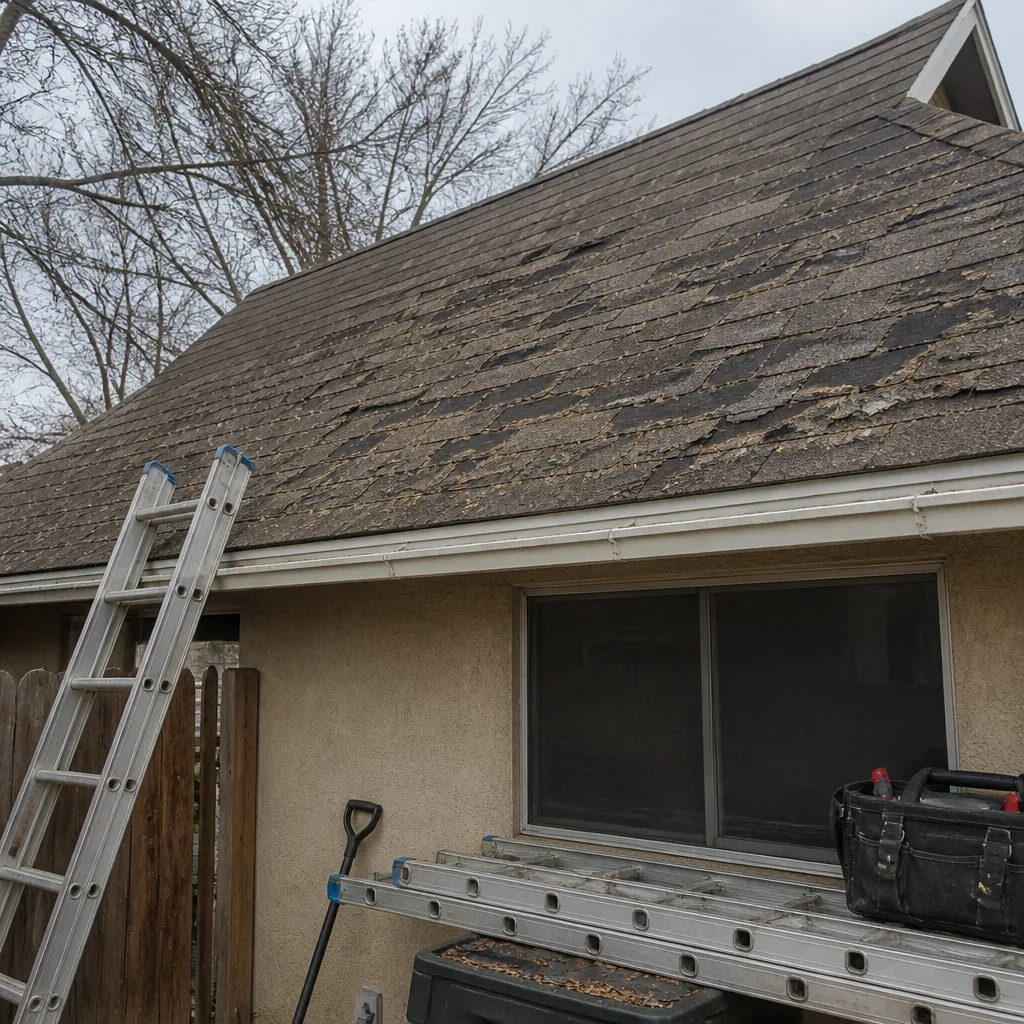 Before
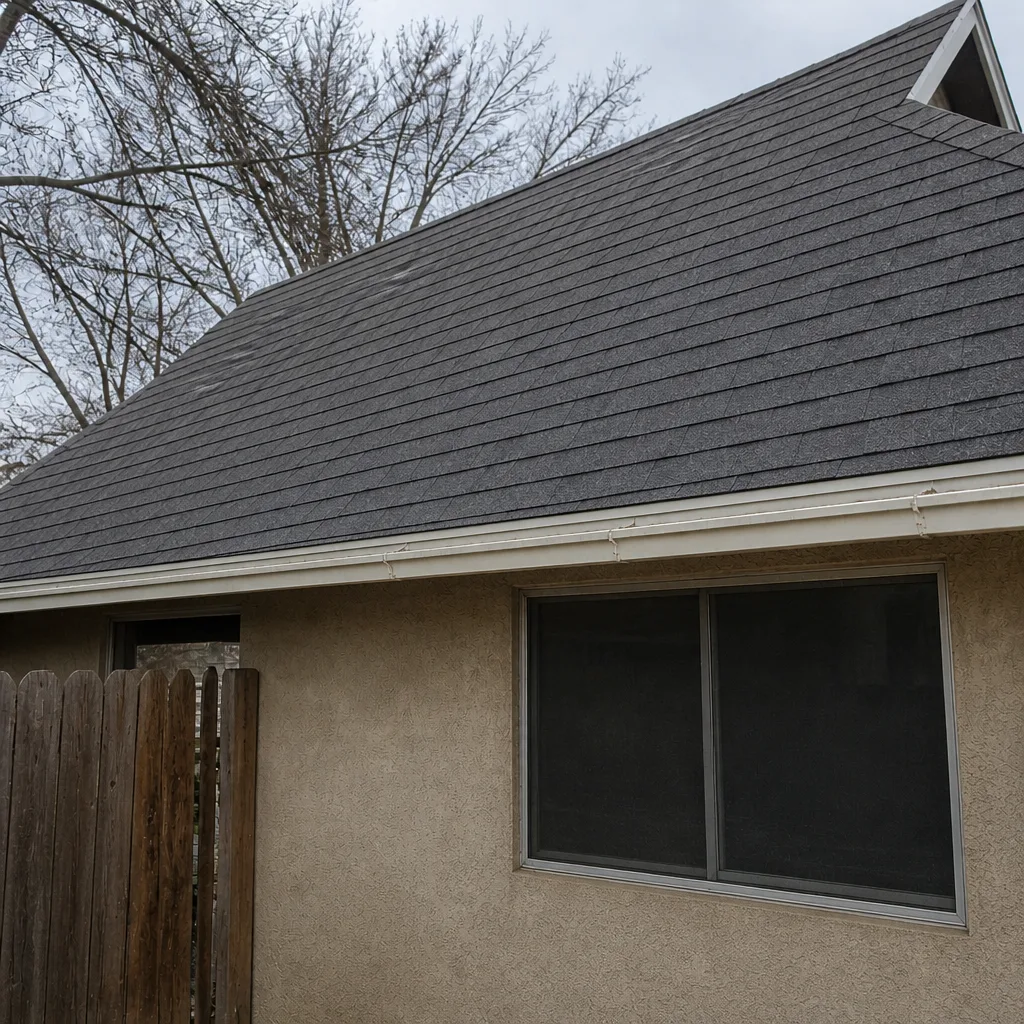 After
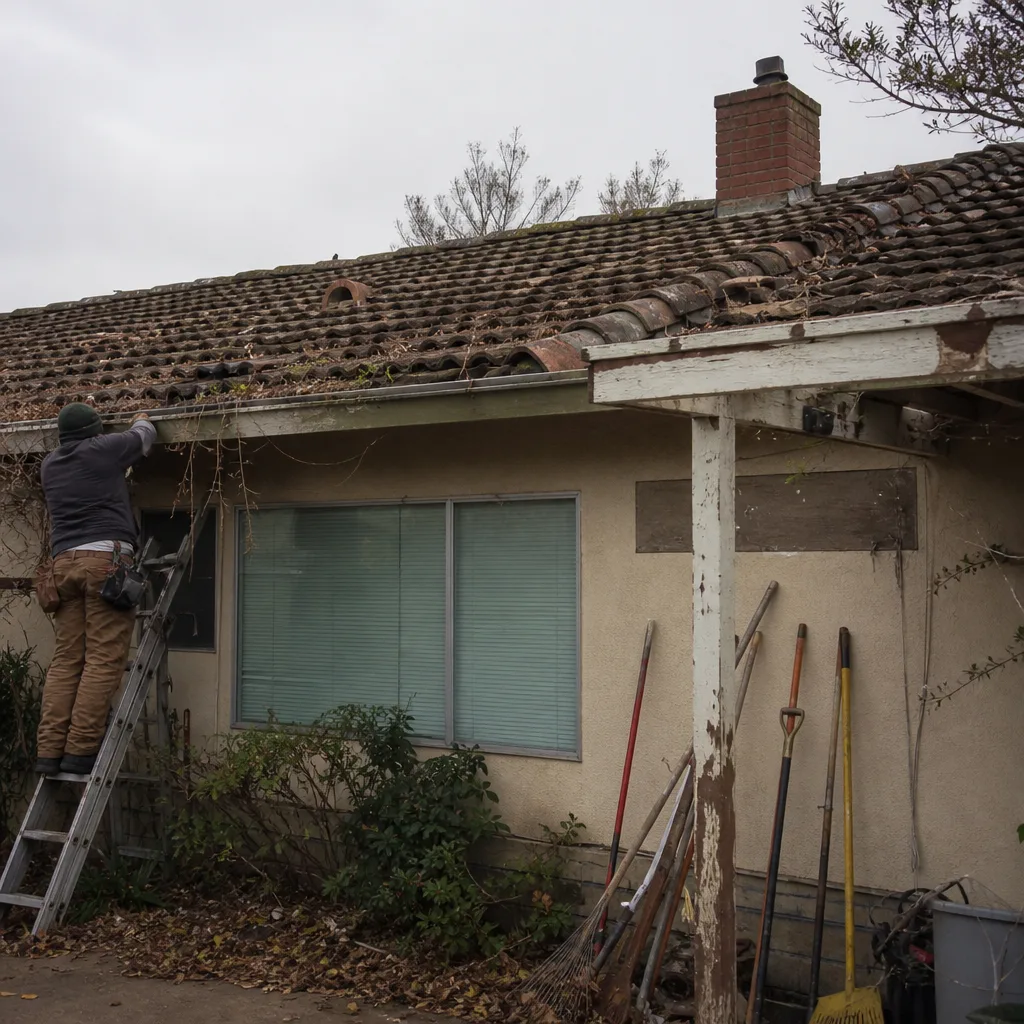 Before
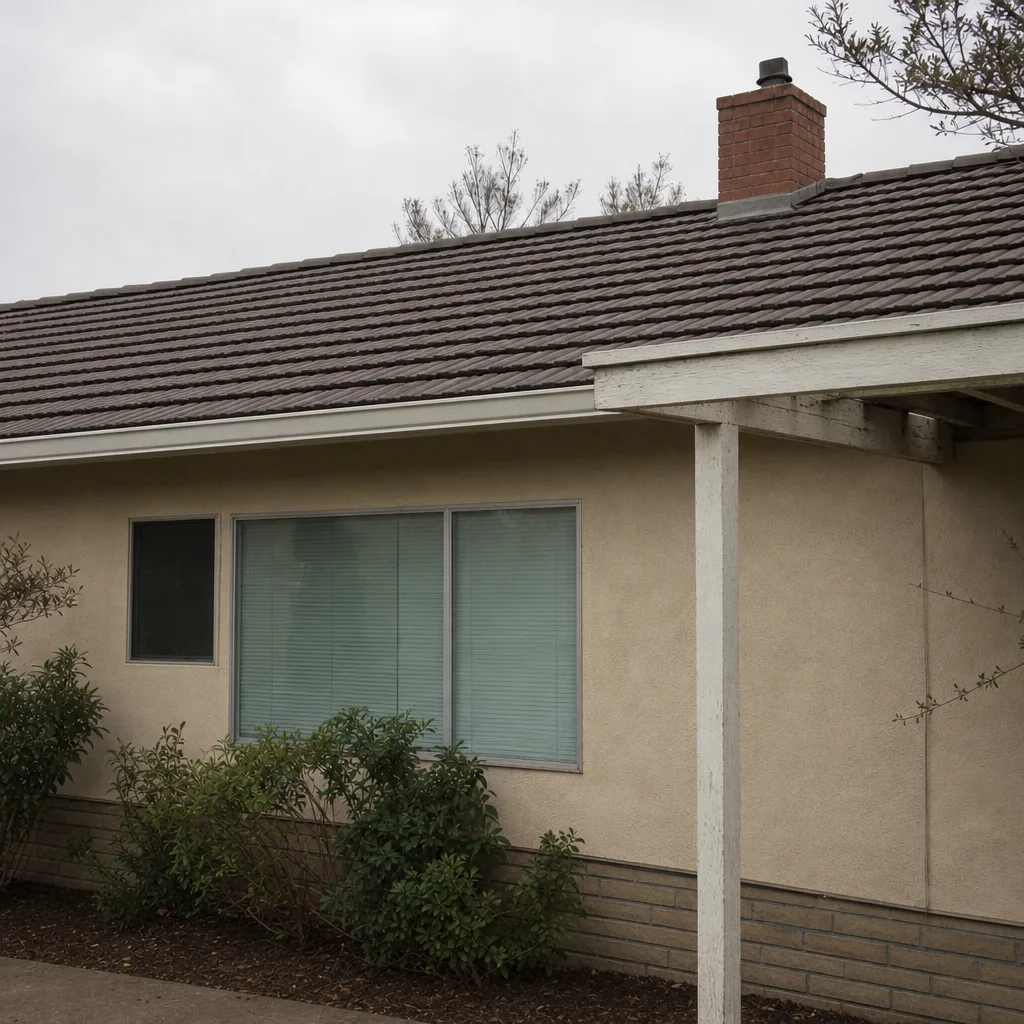 After
When to Call a Professional
Call a professional if you see any of these: missing shingles after a wind event, a water stain on a ceiling, an active drip in the attic, a sagging roofline, or any paperwork from a roofer that raises a question. Roof work is also genuinely dangerous – asphalt shingle roofs in Paradise can reach 170 degrees on a July afternoon, and pitch and edge fall exposure is a real hazard for anyone without training. This is not a task we recommend for a homeowner with a ladder and good intentions. Shepherd & Sons Roofing Paradise offers free estimates in Paradise – call (833) 676-0557, and we’ll be there. Bring your last bid, any contract you’re unsure about, and a phone. We’ll show you the deck photos before we talk money.
Frequently Asked Questions
Ask for the Nevada contractor license number, a physical in-state address, and a certificate of insurance naming you as additionally insured – then verify the license on the state board’s public lookup. A legitimate Paradise roofer will hand all three over without flinching. If any one is missing, or the license doesn’t match the company name on the bid, don’t hire them. Call (833) 676-0557 if you want a free second opinion on a bid you’ve already received.
An assignment of benefits (AOB) is a contract clause that transfers your insurance claim rights to the contractor. Once signed, the contractor deals with your insurer instead of you. We don’t use AOB clauses, and we don’t recommend signing one. If a bid includes that language, ask why and hold off. Call (833) 676-0557 for a free review of the paperwork.
No. A verbal price is legally meaningless in Nevada, and so is a number written on a notepad. Only a written, line-item estimate signed by both parties creates an enforceable price. Get every bid in writing, and compare them line by line – if the numbers look different, the scope is probably different too. Call (833) 676-0557 for a free written estimate.
Most residential asphalt roof replacements in Paradise take two to four working days once the permit is issued and material has landed, depending on roof size, pitch, and how much decking needs to be replaced. Tile and metal run longer. Clark County permitting is the wildcard on timing, and a written contract should spell out what happens if the inspection schedule slips. Call (833) 676-0557 for a written timeline on your specific roof.
Not on a fair contract. A fixed-price bid with a no-change-order clause means the number on the contract is the number you pay. If something is found under the old roof – rotted decking, a hidden chimney issue – you get a written addendum with photos before a single additional dollar is spent. If a bidder won’t commit to that in writing, that’s your warning sign. Call (833) 676-0557 – estimates are free.
Yes, and yes. In Paradise, residential roof work usually goes through Clark County’s permitting process, and the inspection is the homeowner’s clearest proof of workmanship. We pull the permits and pass the inspection before final payment. If a bidder tells you permits aren’t needed or aren’t their job, ask why. Call (833) 676-0557 to schedule a free estimate.
The Bottom Line
The worst roofing scams in Paradise don’t happen during the storm. They happen in the days after, when a stranger with a clipboard shows up at the door. Protect yourself with three documents: the license number, the physical address, the certificate of insurance. Then read the contract before you sign it – line by line, with a second set of eyes if you have them. A written, fixed-price, line-item estimate is worth far more than a friendly handshake and a number on a notepad. And if you’re not sure whether the bid in front of you is fair, get a free second opinion. Estimates are free, and so are the phone calls.
Call (833) 676-0557 to schedule your free estimate with Shepherd & Sons Roofing Paradise. We’ll bring the deck photos, the written line-item bid, and the paperwork. A live person answers the phone, and the 90-Day Done Right Promise is in writing on every job.
Written by the team at Shepherd & Sons Roofing Paradise.