
Last updated November 17, 2026
 Architectural shingles
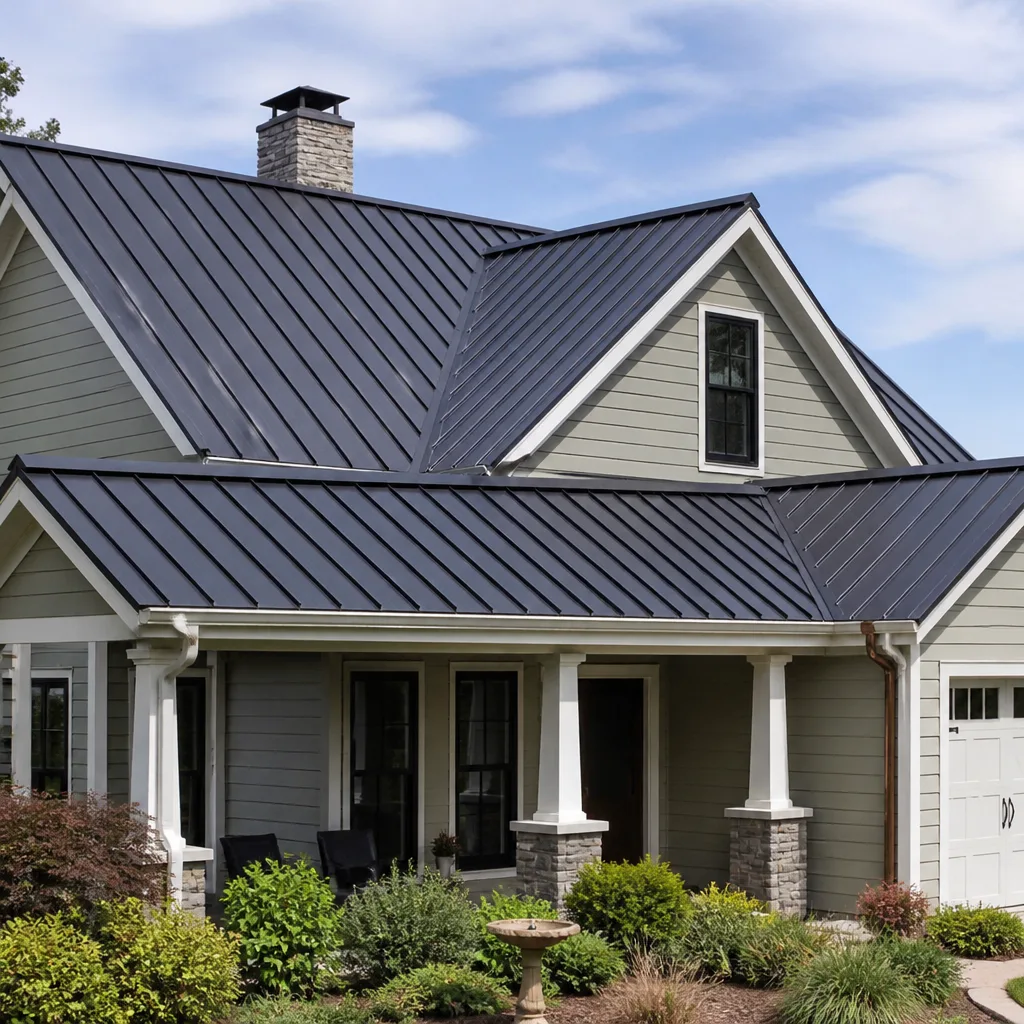 Metal roofing
 Tile roofing
 GAF
 Owens Corning
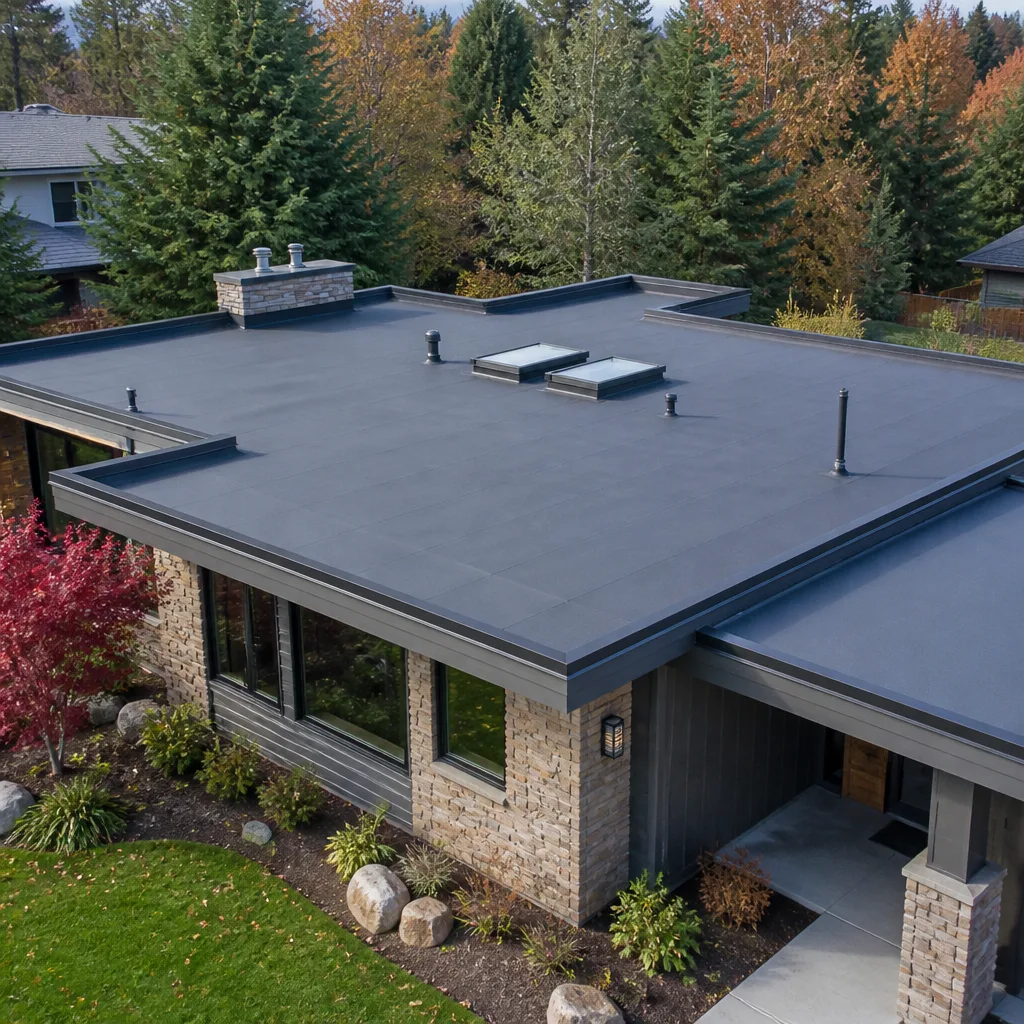 Flat & low-slope
Free roof inspection with deck photos before we talk money - GAF and Owens Corning certified installation
Roof Repair Maintenance Schedule: What to Do and When
If you schedule your roof inspection in July like a lot of guides suggest, you’re asking someone to walk a surface that’s 160°F and you’re inspecting materials that are actively heat-stressed. The timing matters as much as the task. In Paradise, the calendar that actually works looks nothing like a generic “inspect twice a year” checklist. It’s tied to monsoon prep in early summer, the post-summer bake-out inspection in October, and the short windows when sealants can cure properly in desert temperatures. What follows is the month-by-month schedule we’ve seen hold up on Paradise roofs for almost three decades, plus the maintenance tasks most homeowners skip and regret.
Quick Answer
In Paradise, the two best roof inspection windows are late March (after winter, before the summer heat sets in) and late October (after the summer bake-out and monsoon season). Sealant re-application should happen in spring and fall when daytime temperatures are between 50°F and 90°F, not in the middle of summer when caulk skins over before it bonds. The single most skipped task is soffit and ridge vent clearance, which we’ve found behind the majority of premature failures on Paradise roofs.
Styles & brands we work with
- Architectural shingles
- Metal roofing
- Tile roofing
- GAF
- Owens Corning
- Flat & low-slope
Table of Contents
- Why a Desert Roof Calendar Is Different
- The Two Optimal Inspection Windows in Paradise
- What to Check From the Ground vs. What Needs a Pro
- Sealant and Caulk Timing: Why the Tube Label Lies
- The Skipped Task That Causes Most Failures: Vent Clearance
- How to Log Maintenance for Warranty and Insurance
- Month-by-Month Calendar for Paradise
- Monsoon Season: Pre- and Post-Storm Checks
Why a Desert Roof Calendar Is Different
A roof in Paradise lives a harder life than the same shingle on a house in a mild climate, and the failure modes are different. UV exposure here breaks down asphalt and sealants faster than freeze-thaw cycles do. Summer surface temperatures on a dark shingle roof regularly push past 150°F, and that heat cycles in and out every single day for four months. Shingles expand by mid-afternoon and contract by midnight. That daily movement is what opens the seams and granule loss you’ll see by fall.
Then the monsoon arrives. A summer storm that drops an inch of rain in twenty minutes finds every gap the spring sun widened. Paradise roofs that looked fine in May show active leaks in August. Winter, by contrast, is comparatively gentle here, but the occasional cold snap hardens old sealants and cracks flashing.
The upshot: a Paradise roof needs attention timed to the seasonal stresses, not to a generic national calendar. Inspecting in July means inspecting materials at their most stressed and hardest to read. Late March and late October give you honest information. If you want to understand what happens when a repair is deferred through a full cycle, our Roof Repair in Paradise page walks through the patterns we see.
The Two Optimal Inspection Windows in Paradise
Two windows matter more than any other. Miss them and you’re guessing.
Late March: The Post-Winter Reset
By late March, the winter cold snaps are done but daytime highs are still in the 70s. Sealants and flashing are at a stable temperature, so an inspector can see real cracks rather than thermal expansion hiding them. This is the window to fix anything cold weather loosened before the heat sets in. It’s also the right time to apply fresh sealant: weather is warm enough to cure, and it will have months to fully bond before the first real monsoon test.
Late October: The Post-Summer Bake-Out
By late October, the 100°F-plus afternoons have passed but the first hard cold hasn’t. This is when the year’s UV damage and thermal cycling are fully visible – curling shingle edges, granule piles in gutters, cracked pipe boots, seam separations around vents. It’s also the last good window to seal before winter. We’ve seen Paradise homeowners catch problems in October that would have become interior water damage by January if left until spring.
Two inspections a year sounds simple, but the timing is doing the heavy lifting. Inspect off-cycle and you’ll read the roof wrong.
What to Check From the Ground vs. What Needs a Pro
You don’t need to climb a ladder to catch the early warning signs. In fact, most of what matters can be seen from the ground, in the yard, and from inside the attic. What you should not do is walk a roof yourself. Falls are the leading cause of serious injury in residential construction, and Paradise roofs are often steeper and more fragile than they look.
What to Check From the Ground (any time of year)
- Look for curled, missing, or lifted shingles with binoculars from the yard
- Check gutters for granule piles, which signal shingle breakdown
- Inspect the flashing around chimneys and vent pipes for rust or gaps
- Look at the ceiling inside the house for water stains, especially after a storm
- Check the attic for daylight through the roof deck (a sign of a gap)
- Note any soft spots or sag in the roofline
What Needs a Pro on the Roof
- Checking the underside of shingles for adhesion or seal failure
- Inspecting valley flashing and step flashing at wall intersections
- Evaluating whether decking is soft or delaminated
- Assessing nail pops and the condition of underlayment
- Any work involving steep slopes, tile, or metal panels
Getting on the roof to “just take a look” is how a $200 repair becomes a hospital bill and a $2,000 problem. The pros and cons of different roofing materials also matter here – a tile roof and a shingle roof fail in very different ways, which we cover in our Roof Replacement & Installation in Paradise guide.
Sealant and Caulk Timing: Why the Tube Label Lies
The tube says the sealant cures in 24 hours. That’s fine for a mild climate. In Paradise it’s misleading in both directions. In July, a polyurethane sealant can skin over in minutes on a 150°F surface; it hardens before it bonds to the substrate, and you get a bead that looks sealed and isn’t. In January, the same product may not cure at all if overnight temperatures dip near freezing.
The desert heat also means sealants here simply need re-application more often than their rated lifespan suggests. A sealant labeled 10-year may give you 5 to 7 years in full Paradise sun. What should you re-seal and when?
- Pipe boots and vent flashing: re-seal every 2 to 3 years in spring or fall.
- Chimney and wall flashing: re-seal every 3 to 4 years, or whenever you see cracking.
- Valley and seam areas: inspect every fall; re-seal as needed.
- Skylight edges: inspect every spring; re-seal every 4 to 5 years.
The rule of thumb: apply sealant when daytime highs stay between 50°F and 90°F and no rain is forecast for 24 hours. In Paradise that’s late March through May and early October through November. Mid-summer application is wasted effort. If you have a metal roof, the sealant story is entirely different – see our Metal Roofing in Paradise page for how panel seams and fasteners are handled.
The Skipped Task That Causes Most Failures: Vent Clearance
If we had to name the single maintenance item that drives the majority of premature roof failures on Paradise homes, it’s soffit and ridge vent clearance. Attic ventilation only works if air can actually move: cool air in at the soffits, hot air out at the ridge. Block that airflow – with insulation pushed up against the soffit, with debris, with a “helpful” attic fan install, or with a ridge vent replaced by a solid cap – and the attic becomes an oven.
A hot attic bakes the underside of the roof deck, accelerates shingle aging from below, and drives moisture problems that rot the decking. We’ve pulled shingles from Paradise roofs that were “only” five years old and found the back side cooked because the soffit vents were buried. The homeowner never had a leak and never knew.
How to Check Ventilation
- From inside the attic: look at the soffit vents. You should see daylight or clear screens, not insulation batts or dust.
- At the ridge: check from the ground that ridge vent material is intact and not covered by debris or vegetation.
- Look for warm spots: on a hot day, the attic should be warm but not roasting. If it’s hotter than the outdoor air by a wide margin, air isn’t moving.
- Check for moisture: rust on nails, frost in winter, or condensation stains all mean poor ventilation.
Clearing soffit vents is usually a job for a pro who can get into tight attic spaces safely. It’s not glamorous work, but it’s the cheapest protection you can give a Paradise roof.
How to Log Maintenance for Warranty and Insurance
Every dollar you spend on maintenance should produce a document. If a shingle manufacturer’s warranty claim ever comes up – and on a 25-year shingle roof, it will – the first thing the manufacturer asks for is proof of proper maintenance and ventilation. Insurance companies ask the same question after a storm claim. A maintenance log is your evidence.
What to Log
- Date of each inspection or repair
- Which pro did the work, with license number if applicable
- What was found and what was done, with photos
- Materials used (brand and product name if known)
- Receipts and invoices, kept together
A Simple System That Works
A binder works. So does a folder on your phone. Photograph every inspection and repair, label the files by date, and keep the invoices in the same place. When a claim comes up, you hand over the folder. When we install a roof on a Paradise home, we walk the homeowner through exactly what to log and leave them a checklist, because the same records protect the warranty we stand behind.
Month-by-Month Calendar for Paradise
Here’s how the calendar actually shakes out in Paradise across a full year:
- January: Watch for cold-snap effects. If a rare freeze hits, check for cracked flashing. Otherwise, a light ground-level check after storms.
- February: Ground-level inspection. Note any winter damage for the spring repair list.
- Late March: Full professional inspection. Re-seal pipe boots, chimneys, and flashing. This is the big spring window.
- April: Complete any recommended repairs while sealant cures well. Clean gutters.
- May: Pre-monsoon check. Verify vent clearance, clean debris from valleys, and make sure no shingles are loose before the storms.
- June: Ground-level monitoring. Avoid full roof work in peak heat; let the pro schedule around it.
- July: After any monsoon storm, check for leaks inside the attic and on ceilings. Do not apply sealant now.
- August: Continue post-storm checks. Route any repairs to the fall window.
- September: Last monsoon month. Log any leaks found. Book your October inspection now – the window fills fast.
- Late October: Full professional inspection. Post-summer bake-out check. Re-seal as needed before winter.
- November: Complete fall repairs. Clean gutters of the summer’s granule shed.
- December: Ground-level check. Record any issues for the spring list.
The two bold inspection months – late March and late October – are the anchors. Everything else is monitoring and scheduling around them.
Monsoon Season: Pre- and Post-Storm Checks
Monsoon season in Paradise runs roughly July through September. That’s three months when a twenty-minute downpour can find every weak spot in a roof that looked fine in spring. The pre-storm checklist matters as much as the post-storm one.
Before the First Storm
- Walk the yard and pick up anything that could blow into the roof or gutters.
- Check that gutter downspouts are clear.
- Have a pro confirm flashing is tight and no shingles are lifted before the season starts.
- Trim any tree branches that overhang the roof – they’re the most common storm-damage source we see.
After a Storm
- Check inside the attic and on ceilings for leaks, especially near chimneys and vents.
- Look for missing shingles or displaced flashing from the ground.
- Check gutters for granule piles – a big shed after a storm can mean shingle damage.
- Call a pro if you see any of the above. Storm damage that gets patched within days rarely becomes interior damage; damage that waits a week often does.
Storm response is one of the reasons we tell Paradise homeowners to keep our number handy all year. We’re the company that’s been at the same address since 1996, and we’re a live person on the phone, nights and weekends included.
Common Mistakes to Avoid
- Scheduling the “annual inspection” in July. You’re inspecting 150°F surfaces and reading heat-stressed materials, not real ones. Late March and late October give you useful information; midsummer doesn’t.
- Applying sealant in peak heat. Polyurethane skins over before it bonds on a 150°F surface. You get a bead that looks sealed and leaks in the next storm. Wait for the spring or fall window.
- Skipping soffit and ridge vent clearance. This is the maintenance task most Paradise homeowners never do, and it’s the one behind the majority of premature failures we see. A roofer who only looks at the shingles isn’t inspecting your roof.
- Walking the roof yourself. A fall off a two-story Paradise roof is not a story you’ll enjoy telling. Ground-level checks catch most early warning signs; leave the roof to a pro.
- Relying on a national chain that quotes on the phone. We’ve seen too many Paradise homeowners get a phone quote of one number and a door quote of another. Get a written, line-item estimate from someone whose name and license you can look up.
- Hiring a storm chaser after a monsoon. Out-of-state crews roll through Paradise after every big hailstorm and disappear. Same address since 1996; ask the storm chasers where theirs is.
- Throwing away receipts and skipping the log. When a warranty claim comes up, the first thing the manufacturer asks for is proof of maintenance. Keep the photos and invoices together.
See the difference
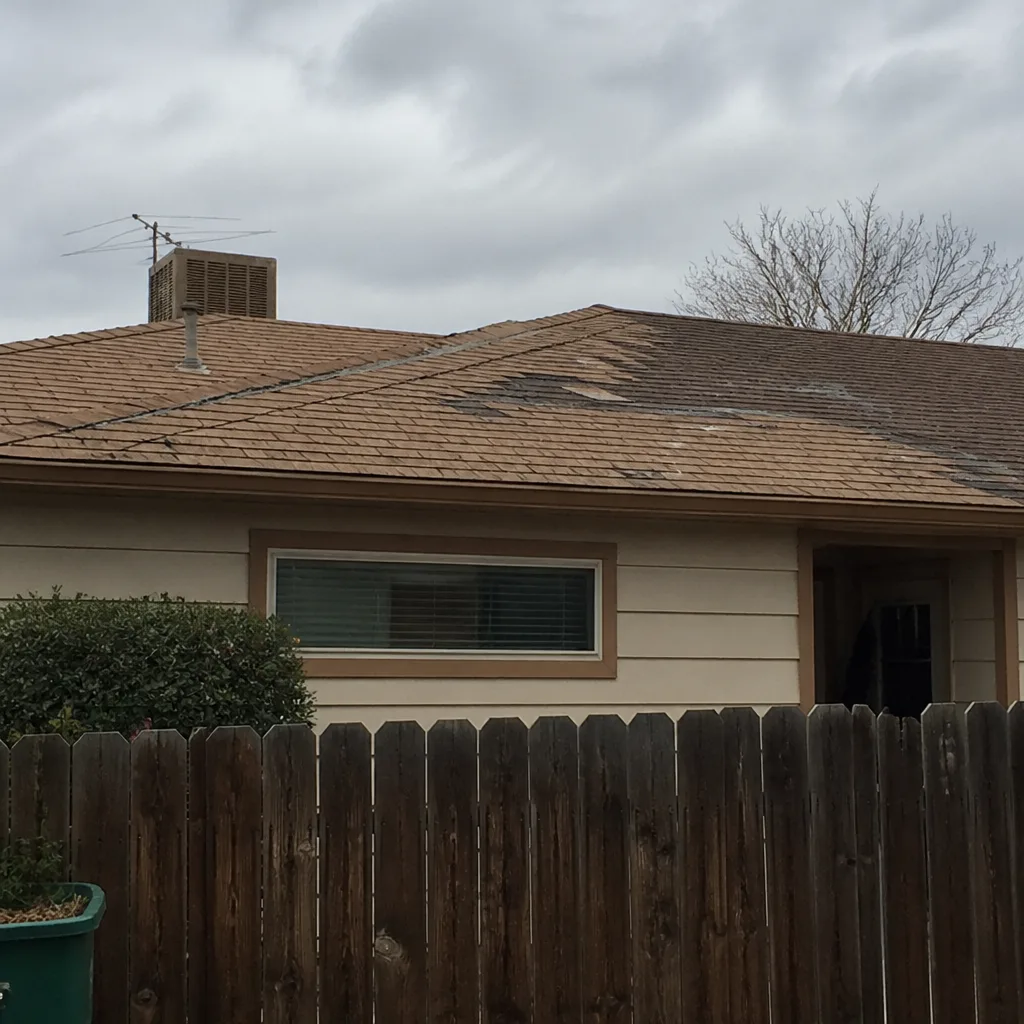 Before
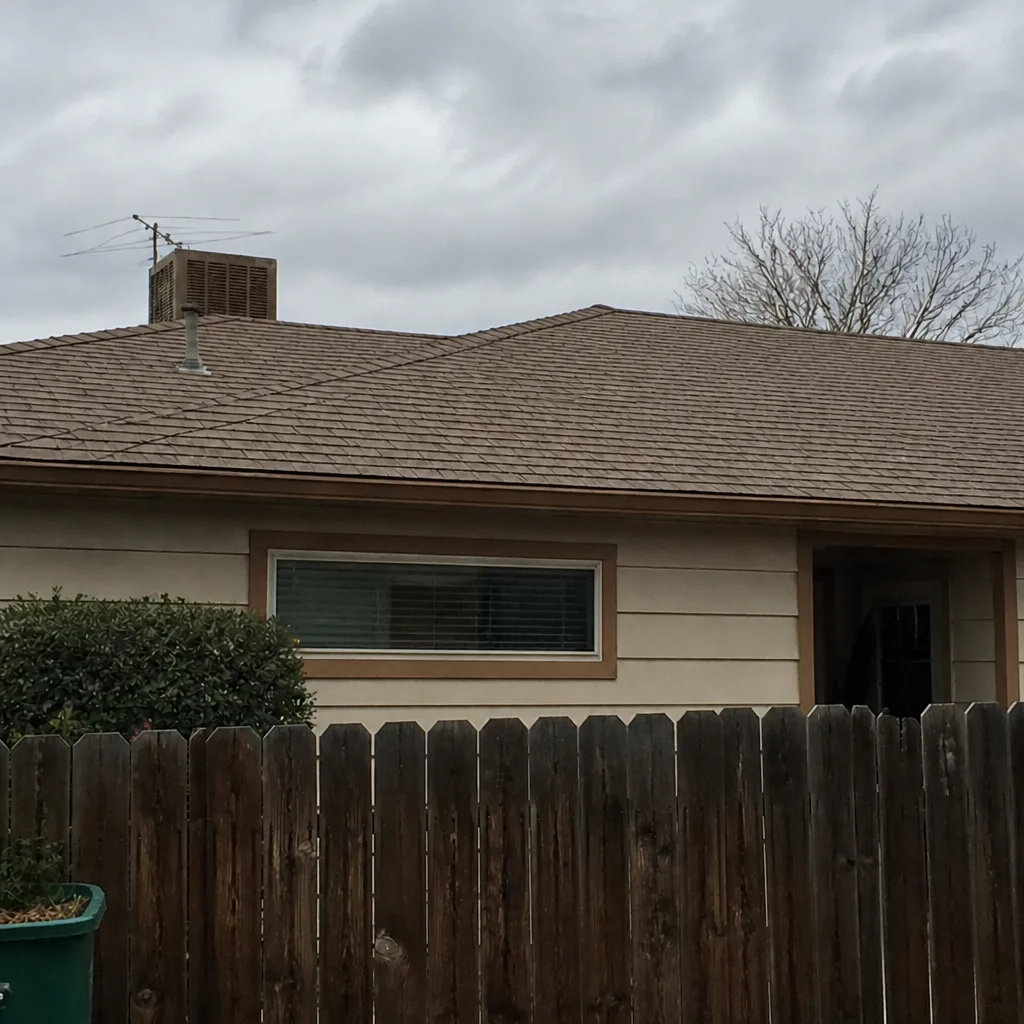 After
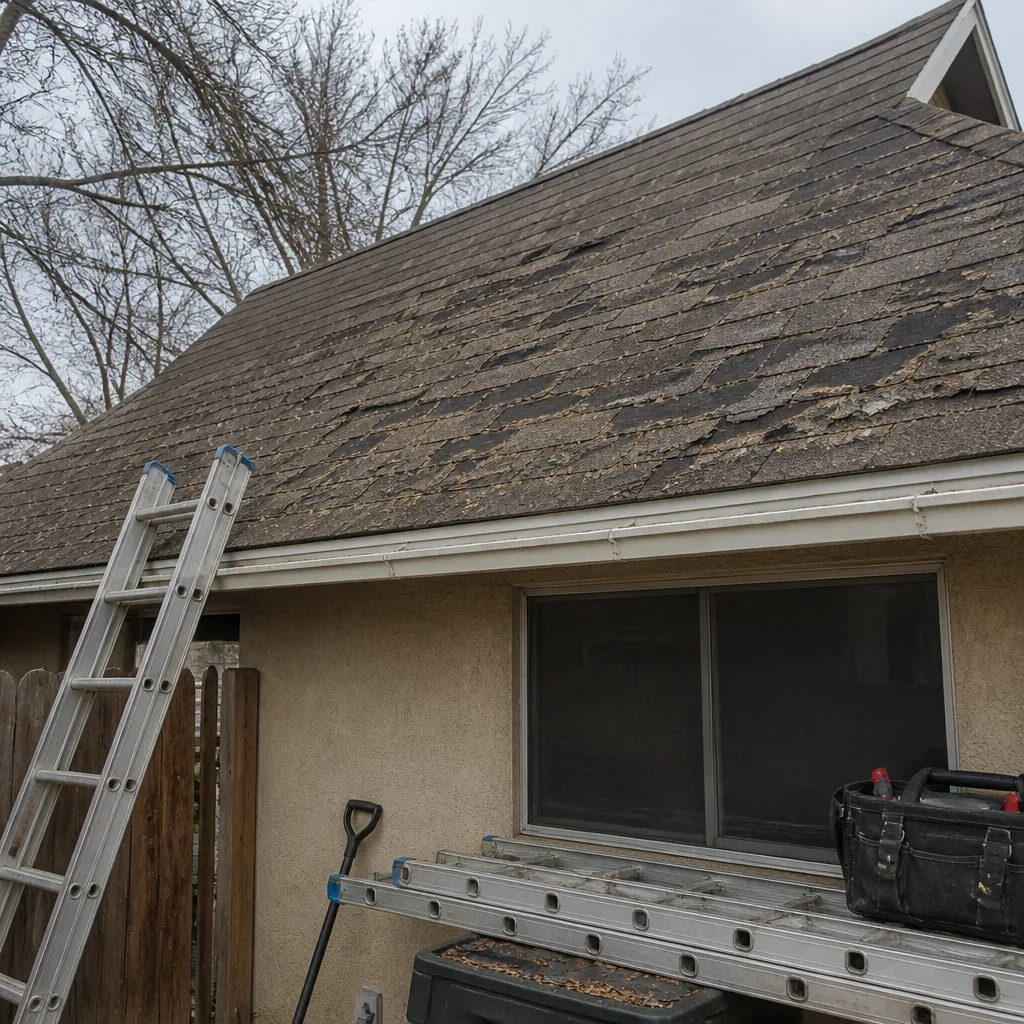 Before
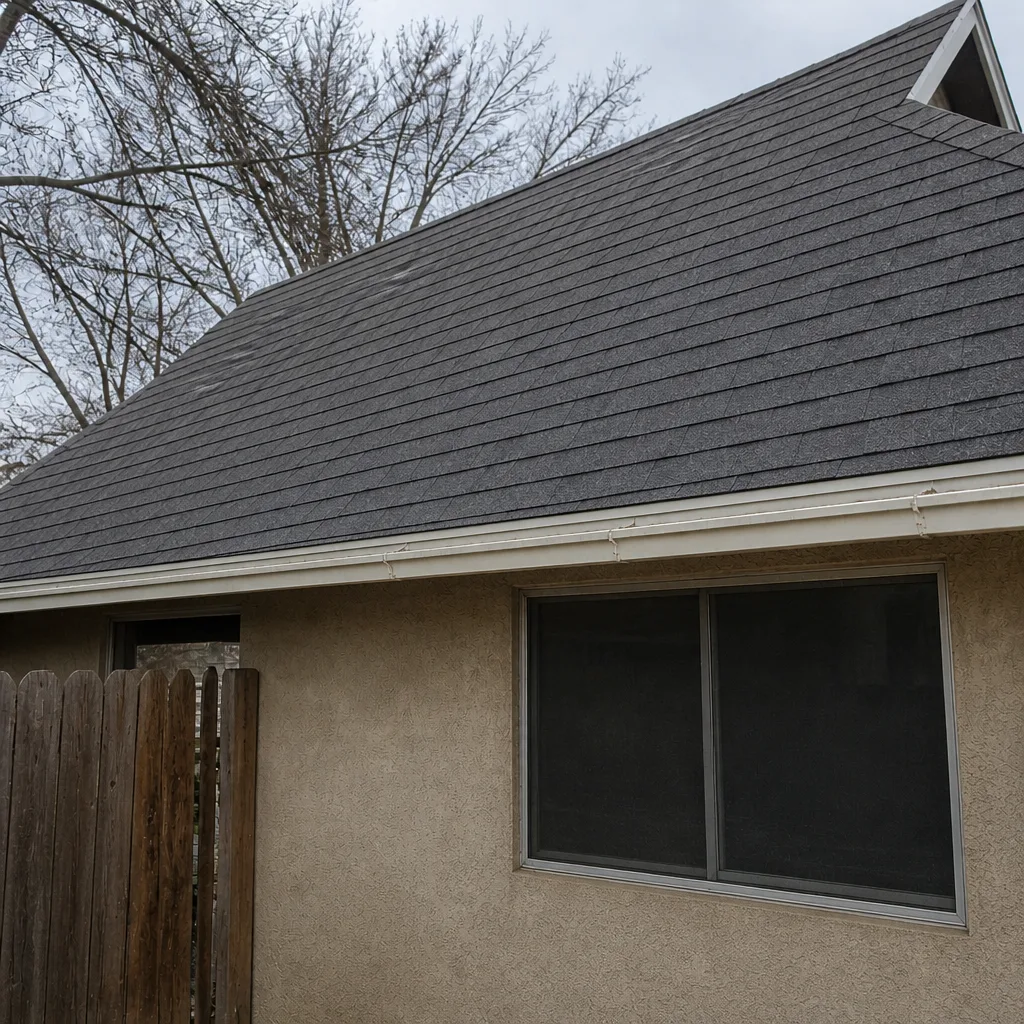 After
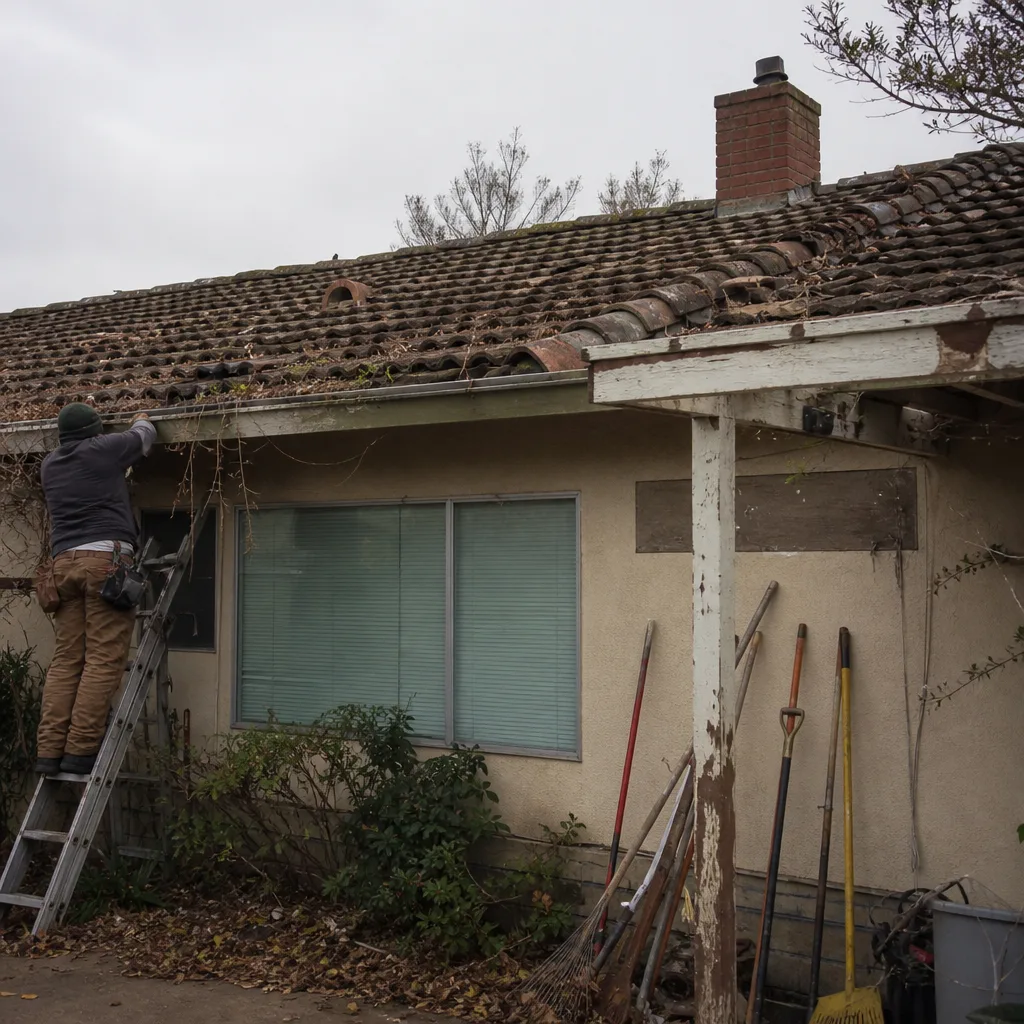 Before
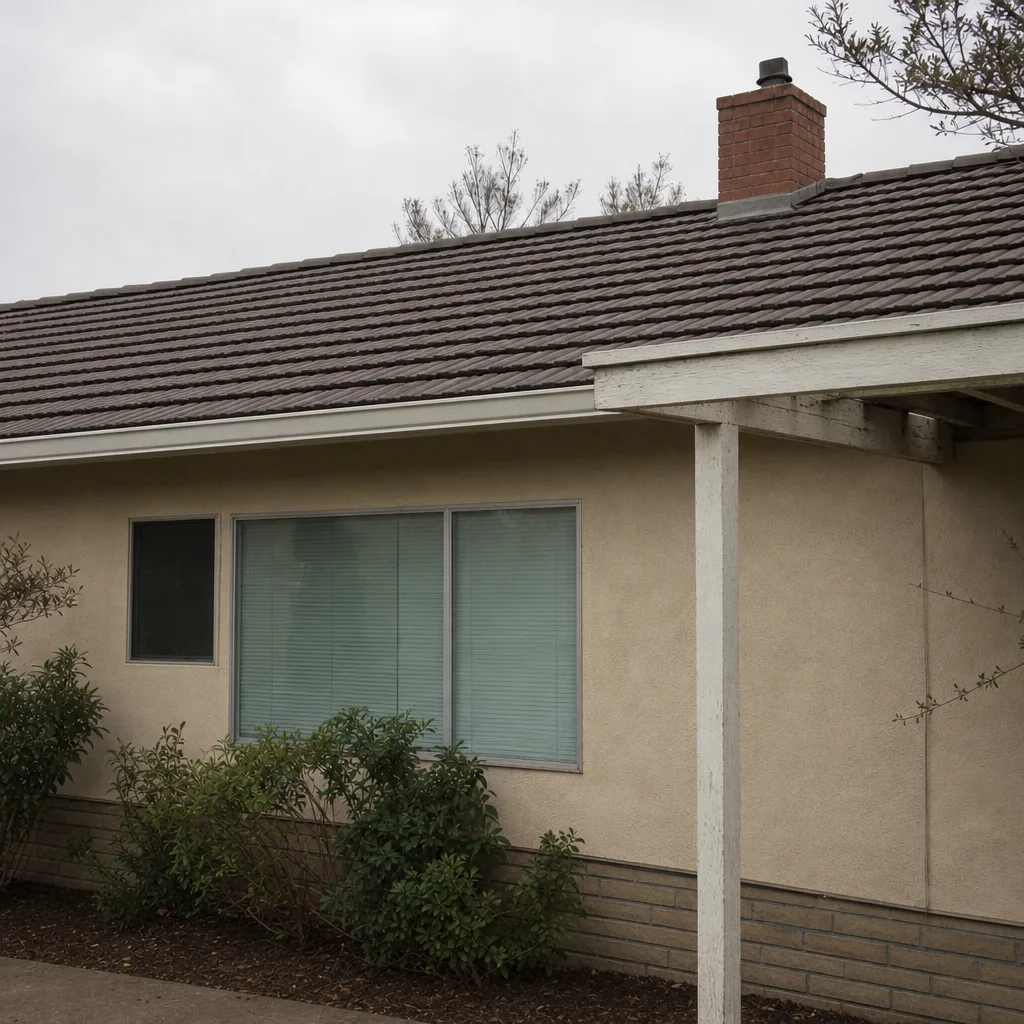 After
When to Call a Professional
Call a professional if any of these are true: you can see missing, curled, or lifted shingles from the ground; you suspect a leak (water stains on ceilings, damp spots in the attic, or daylight through the roof deck); you’re not sure how old the roof is; you see granule piles in the gutters more than once a season; the roof has been through a major storm and you didn’t see it from the ground; or it’s simply been more than a year since anyone looked at it. A repair caught in the spring or fall window is usually a modest bill. A repair deferred through a monsoon is a different conversation. Shepherd & Sons Roofing Paradise offers free estimates in Paradise – call (833) 676-0557, and we’ll take a look before you spend a dime.
Frequently Asked Questions
Twice a year: late March and late October. That gives you one window after winter cold and one after summer bake-out and monsoon season, before the next stress cycle. A ground-level check every month or two in between catches most of the rest.
Ground-level inspection is fine and useful; walking the roof is not. Use binoculars from the yard to spot curled or missing shingles, and check the attic from inside for leaks and daylight. Anything that requires getting on the surface should be a pro call – falls are the leading cause of serious injury in residential construction.
Late March through May, or early October through November, when daytime temperatures stay between 50°F and 90°F and no rain is forecast for 24 hours. Midsummer application fails because the sealant skins over before it bonds; winter application fails because it may not cure at all.
Soffit and ridge vent clearance. Most roof maintenance focuses on shingles and flashing, but if attic air can’t flow, the shingles age from below and moisture builds up. We’ve seen five-year-old roofs with cooked decks because soffit vents were buried under insulation. Have a pro check vent clearance at least once a year.
Log the date, the pro’s name and license, what was found, what was done, materials used, and photos, and keep the receipts in the same folder. The first thing a shingle manufacturer asks for on a warranty claim is proof of proper maintenance and ventilation. Photograph everything and keep it together.
Yes, if you see missing shingles, displaced flashing, interior leaks, or a big granule shed. Watch for the red flags of a storm chaser: no local address, a price that changes from phone to door, and no written warranty. A locally owned and owner-operated roofer with a published license number is your safer call.
The Bottom Line
Your Paradise roof needs attention timed to the desert, not to a generic national calendar. Inspect in late March and late October. Reapply sealant in spring and fall, never in peak summer. Clear your soffit and ridge vents every year – that’s the maintenance item most homeowners skip and the one behind most premature failures. Log everything for warranty and insurance. And when something looks wrong, call before the next monsoon turns it into interior damage. Shepherd & Sons Roofing Paradise has been a locally owned and owner-operated shop at the same address since 1996, installing products from GAF, CertainTeed, Owens Corning, Tamko, and Boral, and standing behind every job with the written 90-Day Done Right Promise. We offer free second opinions on any written estimate, no trip charge inside our own county, and a senior and veteran discount. Call (833) 676-0557 for a free estimate – a live person answers, any time. Start with the Shepherd & Sons Roofing Paradise home page if you want the full picture of what we do.
Written by the team at Shepherd & Sons Roofing Paradise.