
Last updated November 17, 2026
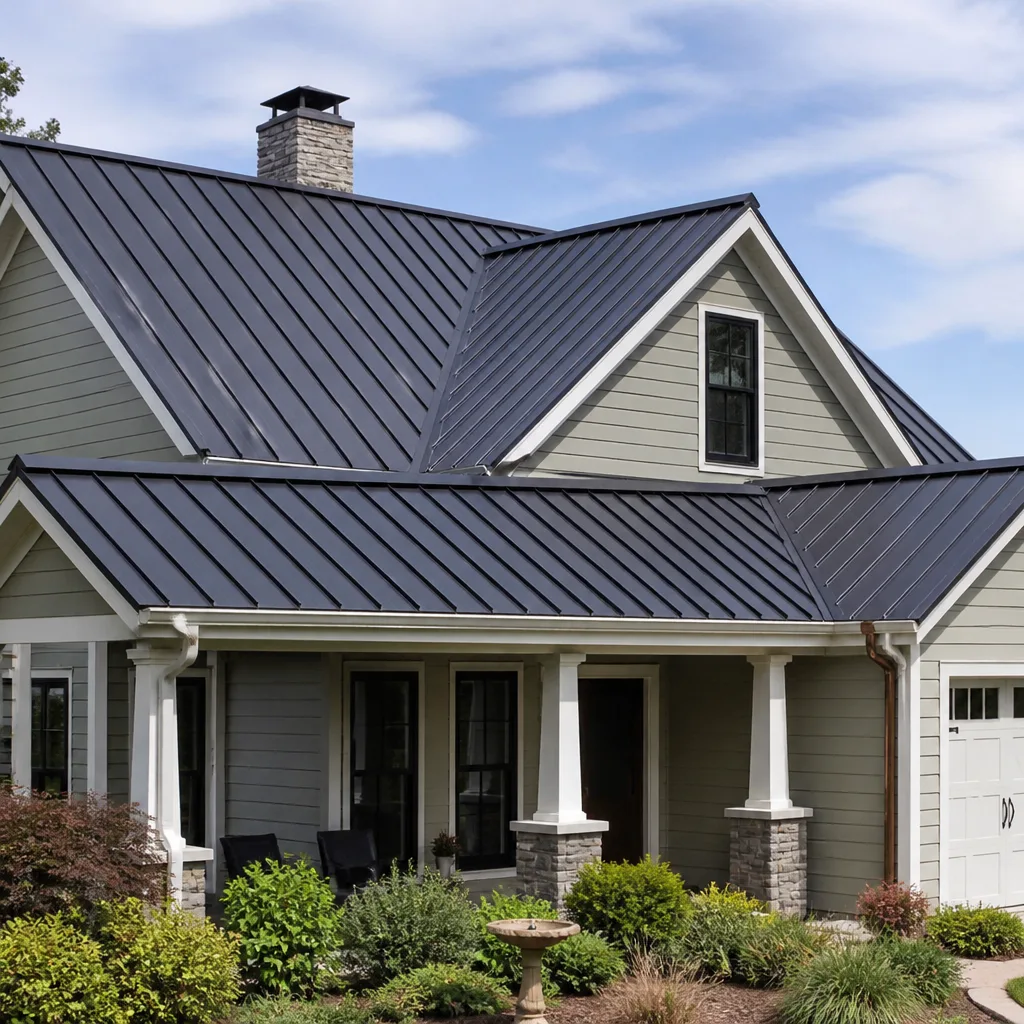 Metal roofing
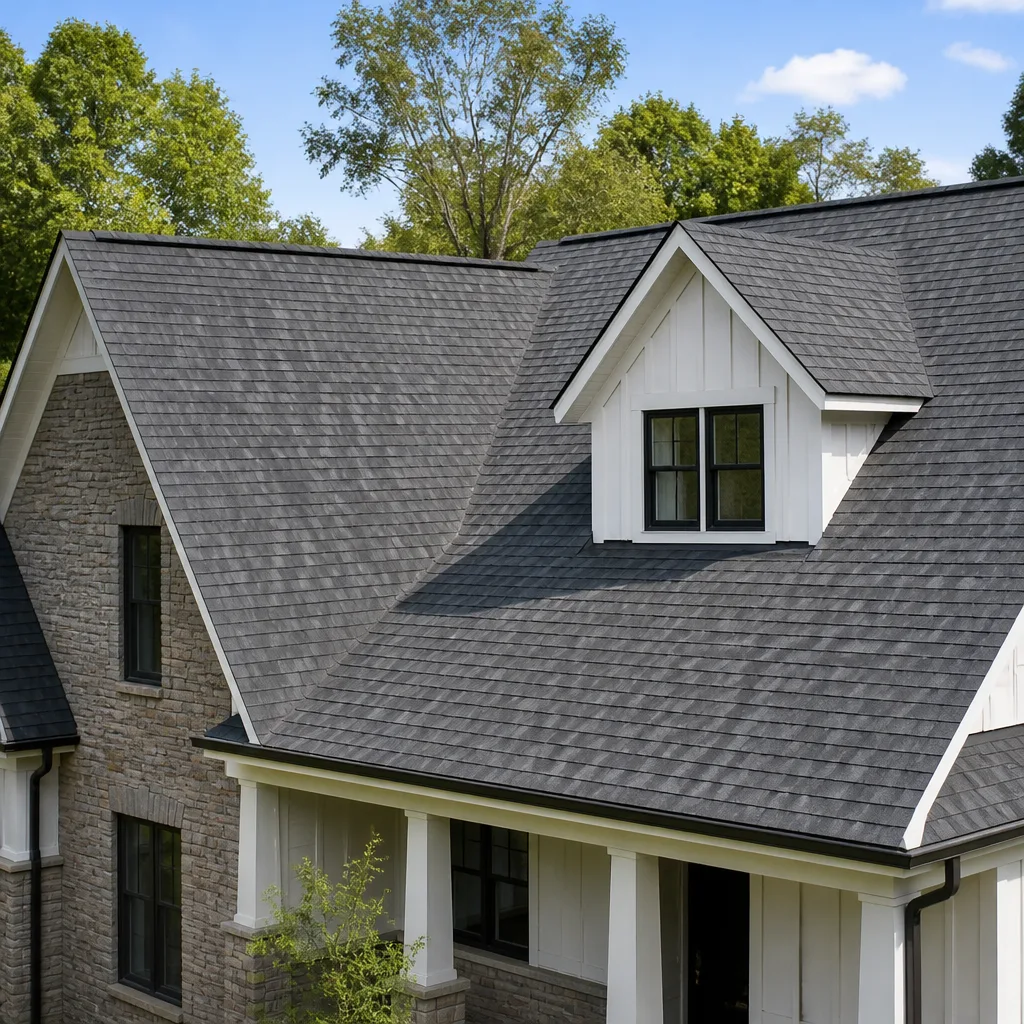 Architectural shingles
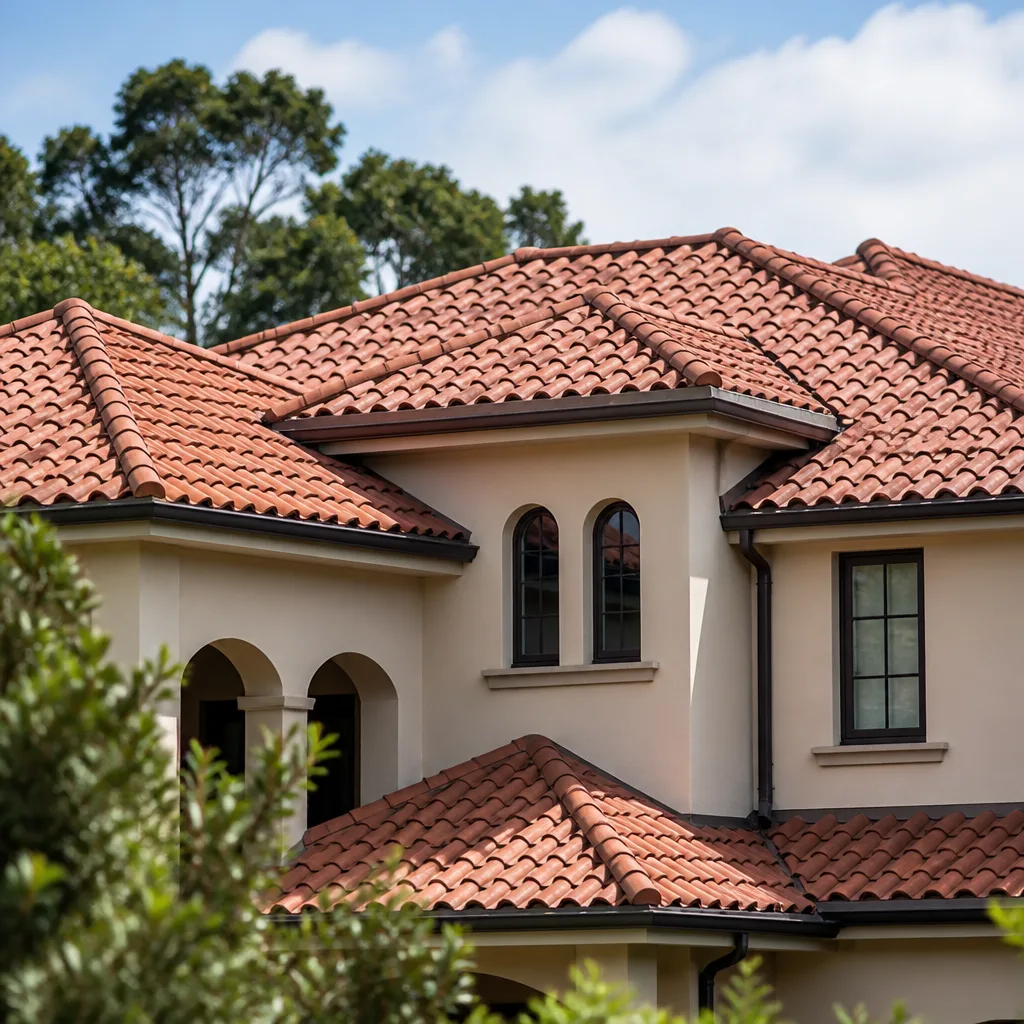 Tile roofing
 GAF
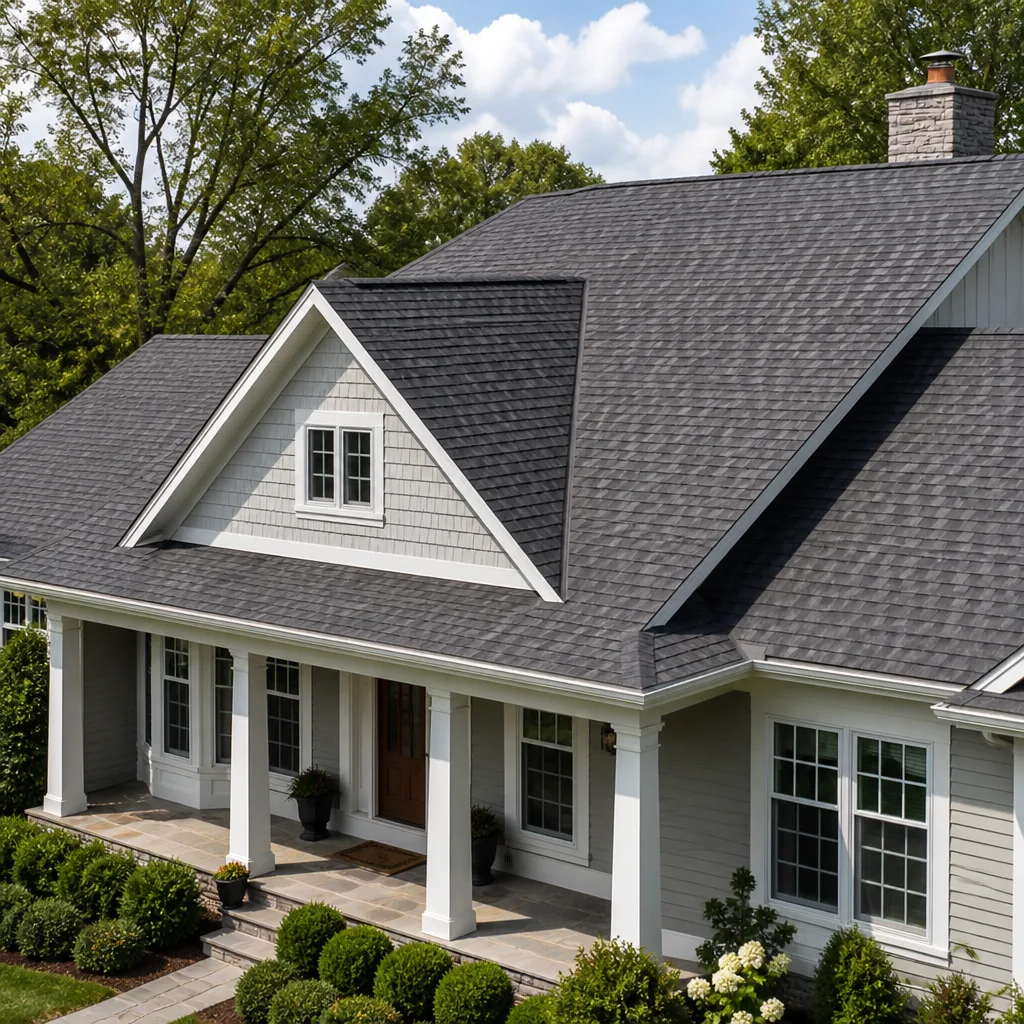 Owens Corning
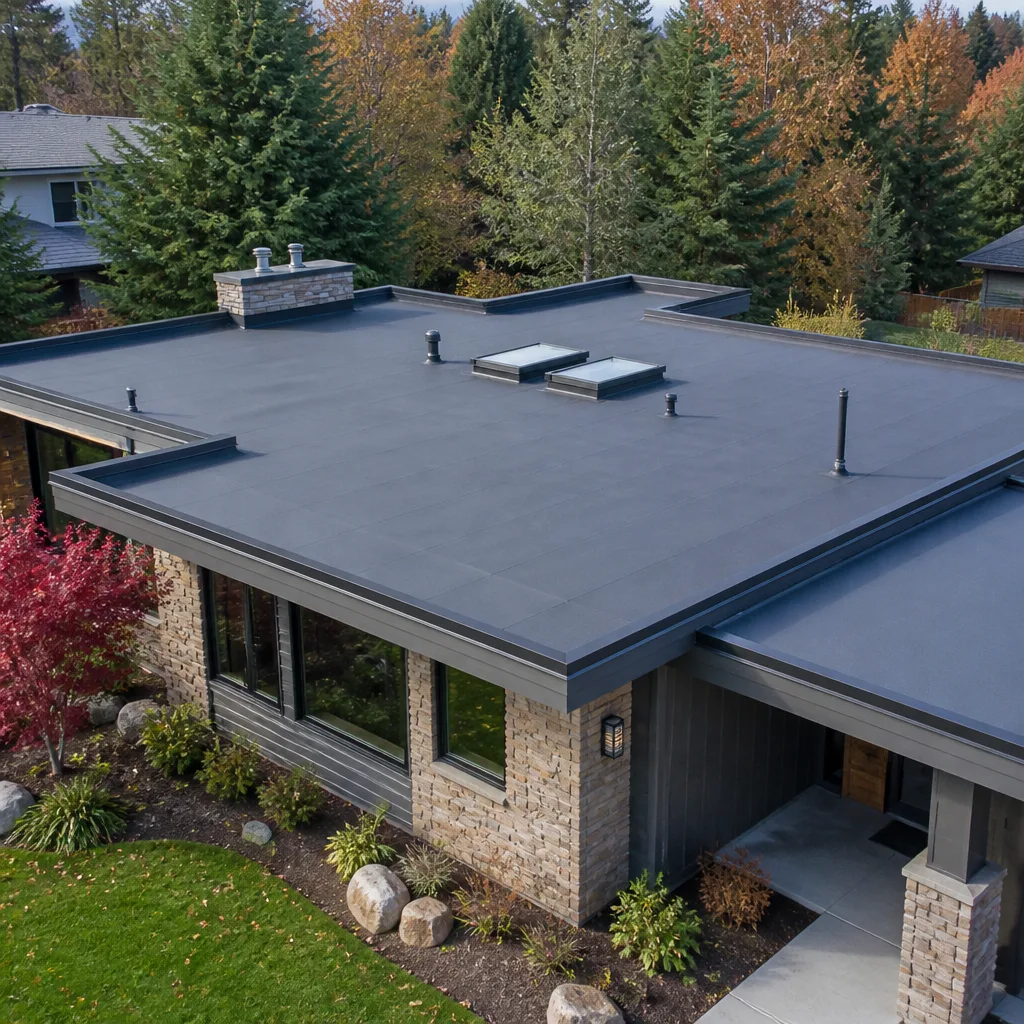 Flat & low-slope
Free roof inspection with deck photos before we talk money - GAF and Owens Corning certified installation
Roofing Cost Breakdown: The Paradise Homeowner’s Reference for 2026
The cheapest roofing quote I’ve seen in Paradise was $6,800 for a job that ended up costing $11,400. Not because the contractor was a fraud. Because the quote assumed zero deck replacement, and about 30% of the deck under that roof was soft. The homeowner signed the low number, and every rotten sheet became an add-on once the shingles came off. This guide is about reading a quote before you sign it. We’ll walk through the five line items every Paradise roofing quote should itemize, what 2026 material costs actually look like for the three most common roof types in Paradise, and how to convert a contractor’s “per square” price into a whole-job estimate yourself. By the end you’ll know why quotes on the same house swing 40% or more, and how to ask for a range quote that protects you from the low-quote trap.
Quick Answer
A full roof replacement in Paradise, NV typically runs $9,000 to $18,000 for an average single-story home, depending on roof size, material, and how much decking needs replacing. Asphalt shingle roofs land at the lower end and flat-roof TPO systems often sit higher per square foot because of labor and membrane cost. The single biggest variable that moves a final invoice isn’t the shingle you pick. It’s the deck under it. Ask any bidder what percentage of deck replacement is baked into their base price before you compare totals.
Styles & brands we work with
- Architectural shingles
- Metal roofing
- Tile roofing
- GAF
- Owens Corning
- Flat & low-slope
Table of Contents
- The Five Line Items Every Paradise Roofing Quote Should Itemize
- 2026 Material Cost Ranges for the Three Most Common Paradise Roofs
- What “Per Square” Pricing Means and How to Convert It Yourself
- The Deck Replacement Variable That Inflates Final Invoices
- Why You Should Ask for a Low, Mid, and Worst-Case Range Quote
- The Five Cost Levers You Can Actually Control
- How to Read a Quote Line by Line Before You Sign
The Five Line Items Every Paradise Roofing Quote Should Itemize
A roof is measured in squares. One square equals 100 square feet of roof surface. Any bidder worth your time can tell you how many squares they counted on your house, and that number should match the quote. If you only remember one thing from this guide, remember this: a quote that reads “Roof replacement: $12,400” is not a quote. It’s a number with no accounting behind it, and you have no way to know what’s inside it until the work is underway.
Every roofing quote in Paradise should break out these five items on its own line. When any one of them is missing, that’s usually where the surprise comes from later.
- Tear-off. Removing the old material and hauling it away. Paradise homes often carry two or three old layers from decades of re-roofing, and each extra layer adds disposal weight and labor. One layer might cost $500 to $900 on an average home; two or three can double it. A quote that says “install over existing” is cutting a corner, and you should ask why.
- Decking. The plywood or OSB sheathing under the shingles. This is where the real money hides. A quote should state how many sheets of decking are included in the base price, and what an additional sheet costs if the crew finds rot.
- Underlayment. The felt or synthetic barrier between deck and shingles. In the Nevada high desert sun, this material matters more than most homeowners realize. A good installer uses synthetic underlayment, not the older paper-based felt that dries out and cracks.
- Material. Shingles, membrane, fasteners, vents, and ridge cap. Should be named by brand and line, not just “architectural shingle.”
- Flashing. The metal pieces around chimneys, valleys, and skylights. Flashing is the number-one leak point on any roof, and reusing old flashing is a shortcut that often fails within a year or two.
If any of these five is missing from a bid you received, pick up the phone and ask. A written line-item quote is one of the core reasons we recommend never signing a lump-sum number, and it’s the same principle we build our Roof Replacement & Installation in Paradise estimates around.
2026 Material Cost Ranges for the Three Most Common Paradise Roofs
Material costs move every year with shingle plant pricing and membrane supply, so use these ranges as a benchmark for conversations, not a fixed bid. The numbers below reflect what we’re seeing in and around Paradise in 2026 for material plus install labor on an average single-story home of 20 to 25 squares. Labor in Southern Nevada runs somewhat higher than the national median because of heat, wind, and short spring-fall install windows when crews can work safely on a hot roof deck.
- 3-tab asphalt shingle. $4.25 to $6.00 per square foot installed. Brand names you’ll see: IKO Marathon and certain economy lines from Tamko. This is the entry-level option, and on a Paradise roof it usually delivers a shorter service life than architectural shingle because the hotter the deck, the faster a thinner shingle ages. Expect 15 to 20 years on a well-ventilated roof.
- Architectural (dimensional) shingle. $6.00 to $8.50 per square foot installed. Brands: Owens Corning Duration, CertainTeed Landmark, Atlas Pinnacle. This is the workhorse choice for Paradise homes, both for longevity in high heat and wind resistance. A properly nailed architectural shingle is what most homeowners should be pricing first.
- Flat-roof TPO membrane. $8.00 to $12.00 per square foot installed. TPO is common on Paradise patios, additions, and low-slope sections that asphalt shingle can’t safely cover. The wider spread reflects whether the old membrane needs full removal versus an overlay, and whether any roof drains or scuppers need rebuilding.
If you’re weighing metal against these three, our guide to Metal Roofing in Paradise covers why a metal panel system often costs more on the front end and less on the back end over 30 years. A typical Paradise homeowner comparing a 25-square architectural shingle replacement to a matched metal install often sees $6,000 to $9,000 more for metal, with better heat reflectivity and less need for repeat work.
What “Per Square” Pricing Means and How to Convert It Yourself
“Per square” is roofing shorthand for “per 100 square feet of roof surface.” It’s the number every roofer thinks in, even if they quote the homeowner a flat total on the final paperwork. Knowing how to convert between the two is the single handiest thing you can learn before comparing bids. Here’s the math, step by step.
- Get your home’s footprint in square feet. Your county assessor’s site or your homeowner’s insurance policy both list it. A 1,800-square-foot single-story home in Paradise is typically 1,800 square feet of footprint.
- Apply the roof pitch multiplier. A flat or low-slope roof gets a multiplier of 1.0. A 4/12 or 5/12 pitch (common on Paradise homes) uses 1.25. A 6/12 or steeper uses about 1.35. Multiply your footprint by this number.
- Add waste and complexity. Hip and valley cuts waste material, so add 10%. Dormers, chimneys, and skylights each add a small percentage. A reasonable total roofer-side waste adjustment is 10% to 15%.
- Divide by 100. The result is your square count. A 1,800-square-foot footprint at 5/12 pitch with 10% waste comes to about 25 squares.
- Multiply by the per-square rate on the bid. If the contractor quotes $425 per square installed, 25 squares is $10,625 before decking, flashing repairs, and permits.
When you run this yourself, you’ll catch the two most common pricing tricks in Paradise bids: a low footprint number that was never adjusted for pitch, and a waste figure that was assumed at zero. Both are easy to miss on a lump-sum quote and impossible to miss once you do the math. We’re glad to walk any homeowner through this on a free second opinion, no obligation.
The Deck Replacement Variable That Inflates Final Invoices
The deck is the plywood or OSB under the shingles. In our experience roofing Paradise homes, we’ve seen deck rot show up in patterns tied to how much sun versus wind-driven rain a roof section gets. South and west-facing slopes dry out faster, so rot tends to hide on north and shaded faces, and in the drip-line area under valleys and around chimneys where water sits longest. A home with a leaking skylight for three wet seasons may have 15% or 30% of its deck needing replacement even though the shingles look intact from the ground.
A quote that doesn’t tell you what deck replacement rate is included in the base price is being optimistic on your behalf. That’s exactly how the $6,800 quote became an $11,400 invoice: the bidder assumed zero deck replacement, and the homeowner found out otherwise at the worst possible moment, with shingles already off.
When you’re reviewing a quote, ask these questions directly:
- What percentage of deck replacement is included in your base price before it becomes an add-on?
- What does each additional sheet of 7/16 OSB or 15/32 plywood cost installed?
- How do you price a full deck replacement if the whole thing is soft?
- Will you walk me through deck photos before you price the final work?
Ask the last question and watch the contractor’s reaction. A roofer who can show you the deck photos first and price second is a roofer who knows what they’re actually looking at. We show deck photos on every Paradise job before we talk money, and we’d rather lose the bid to someone who quotes a full-scope range than win it on an assumption that goes sideways three days in.
Why You Should Ask for a Low, Mid, and Worst-Case Range Quote
The cheapest bid on a Paradise roof almost always assumes the best-case scenario. Zero deck replacement. Reusing old flashing. No permit. Material at the low end of the shingle line. Sometimes all four at once. When the roof actually goes on and any one of those assumptions fails, the low number was never the number, and the difference between a low quote and a realistic one becomes the reason homeowners feel cheated even when the contractor was honest.
The fix isn’t to pick the highest bidder. It’s to ask every bidder for a range quote with three scenarios in writing:
- Low case: Minimum deck replacement, no surprises, existing flashing reused only where fully sound.
- Mid case: Some deck replacement (say 10% to 15%), all flashing replaced, one or two minor repairs above the base.
- Worst case: Full deck replacement, all flashings rebuilt, permit and inspection fees included, plus any structural work needed.
Any bidder who balks at a range quote is either estimating off a quick walk-around they never fully wrote down, or is planning to bill add-ons once the roof is open. A contractor with a real local address and a reputation to protect in Paradise will hand you all three numbers without blinking. Permits are another place to look sharp: Paradise roofing permits and inspections should be itemized, not vague, and the contractor should be pulling them under their license, not asking you to.
The Five Cost Levers You Can Actually Control
When Paradise quotes vary 40% or more on the same house, most of that gap comes from five cost levers you can name and control. Understanding them gives you a smarter conversation and real negotiating room.
- Shingle line. Moving from a mid-tier architectural shingle to a premium line can add $1,200 to $2,500 on a 25-square roof. Worth it in the Nevada heat if the shingle is rated for it. Ask for the spec sheet.
- Deck replacement rate included. Asking a bidder to bump their included deck percentage from 0% to 10% might raise the base by $800 to $1,500. That number often saves far more than it costs.
- Ventilation upgrades. Ridge vents, soffit vents, and solar attic fans can run $600 to $1,800 installed. On a Paradise roof, that money often buys more service life than a shingle upgrade does, because attic heat is what ages a shingle from underneath.
- Timing. Spring and fall are peak roofing season in Southern Nevada. Off-season scheduling can occasionally create a small concession, though never bank on it as a lever. Get real pricing first.
- Add-ons you actually need. Gutters, drip edge, and skylight resealing are worth pricing in the same bid rather than separately months later. Combining them usually saves a mobilization charge and keeps everything under one workmanship warranty.
Every one of these is a lever a homeowner can pull on the front end. None of them are levers a contractor should ever spring on you later. That’s the whole point of a written line-item quote.
How to Read a Quote Line by Line Before You Sign
Sit down with every bid at the kitchen table and read it the same way each time. The structure of the quote tells you more than the total at the bottom.
- Check the square count first. Does it match your own math? If the count is off, everything downstream is off.
- Confirm all five line items are there. Tear-off, decking, underlayment, material, flashing. Any missing item is a question to ask, in writing.
- Look for the deck assumption. A percentage should be stated explicitly, or a per-sheet cost for overages.
- Verify the warranty terms. Workmanship warranty length (and whether it’s written) matters more than the shingle warranty, because the shingle manufacturer rarely covers installation errors. A 90-Day Done Right Promise typed into the contract is a specific, checkable commitment.
- Check permits and cleanup. Both should be itemized or clearly stated as included, including magnetic nail sweep of the yard and driveway at the end.
- Get the payment schedule. No more than a modest deposit up front. Full payment on completion after you’ve walked the roof.
If you want help reading a bid side by side with a fresh set of eyes, we offer a free second opinion on any written estimate, and we’ll show you the deck photos whether or not you hire us. There’s no trip charge inside our own county. Call (833) 676-0557 and a live person will pick up, day or night.
Common Mistakes to Avoid
- Comparing totals without comparing scope. A $9,000 bid and a $13,000 bid can be the exact same job if one assumes full deck replacement and the other assumes zero. Line-item first, total second.
- Signing without the deck percentage stated. This is the single largest source of final-invoice surprises on Paradise roofs. Insist the number be in writing.
- Letting a storm chaser open your roof without proof of local ties. After a big hailstorm in the Paradise area, out-of-state crews drift through with out-of-state phone numbers. Ask for a local address and a license number you can look up before anyone climbs a ladder.
- Reusing old flashing to save a few hundred dollars. Flashing is where roofs leak. Reused flashing is the #1 callback we get called to fix on other contractors’ work.
- Skipping the permit. A Paradise roof that’s been permitted and inspected protects you at resale and when you file an insurance claim. An unpermitted roof can become your problem, not the contractor’s.
- Choosing a shingle only on up-front price. A cheap shingle that ages twice as fast in the Nevada heat costs more per year than a good architectural shingle does up front.
- Not walking the roof at completion. Write the final walkthrough into the schedule. You or someone working for you should see the finished work before the last check changes hands.
See the difference
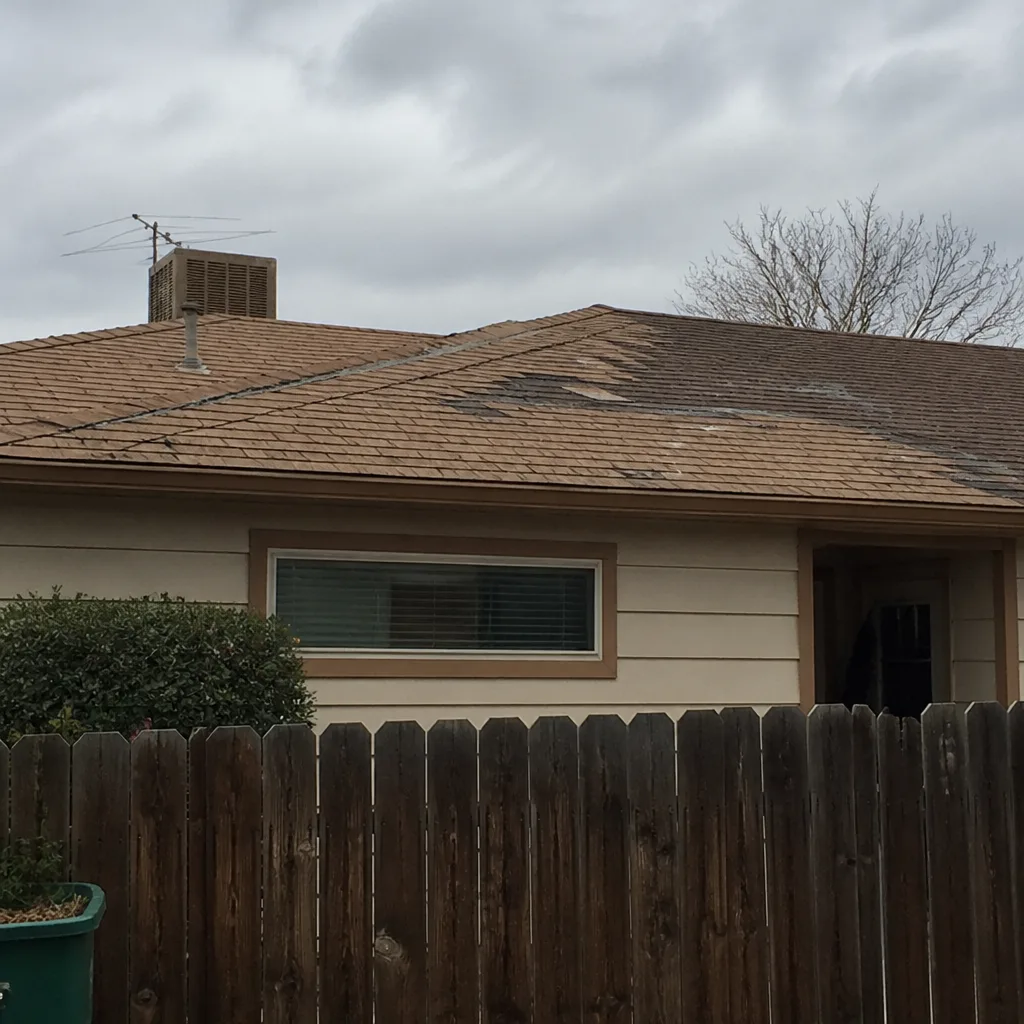 Before
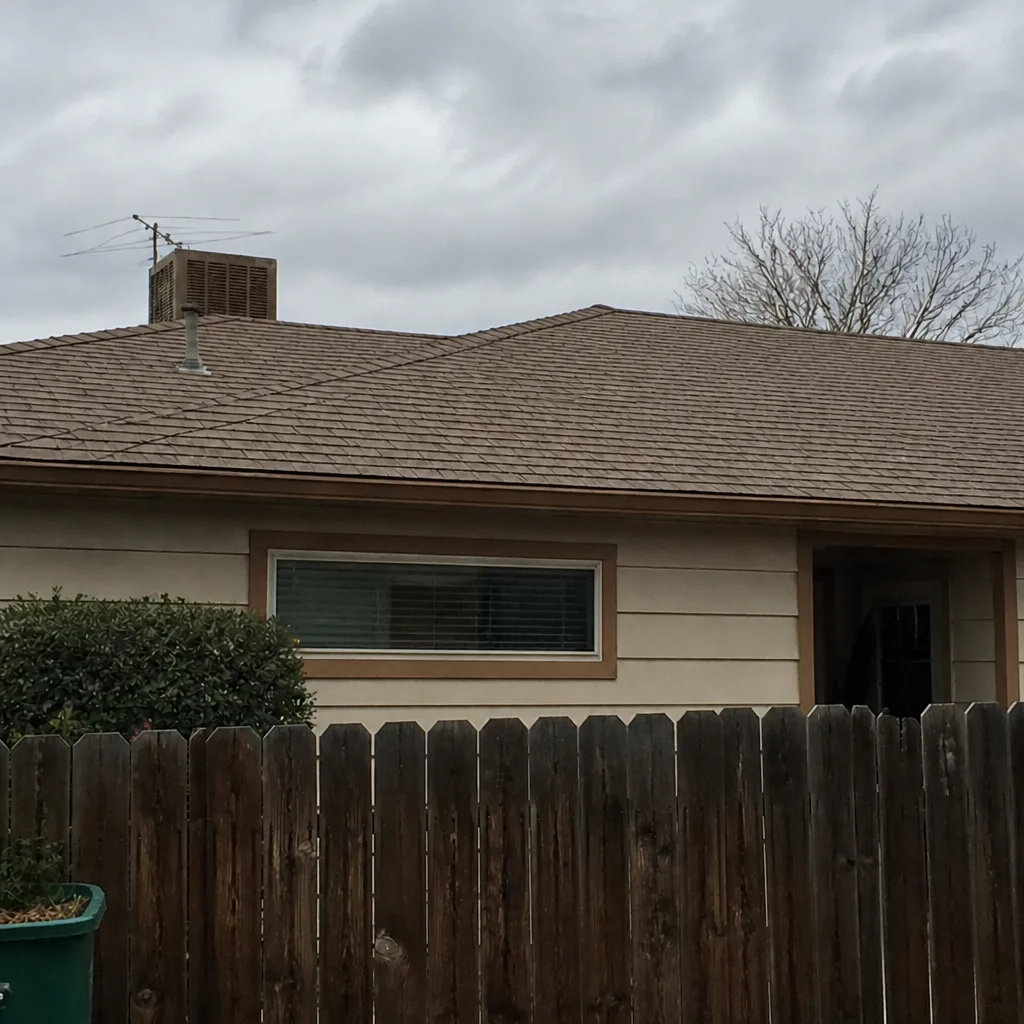 After
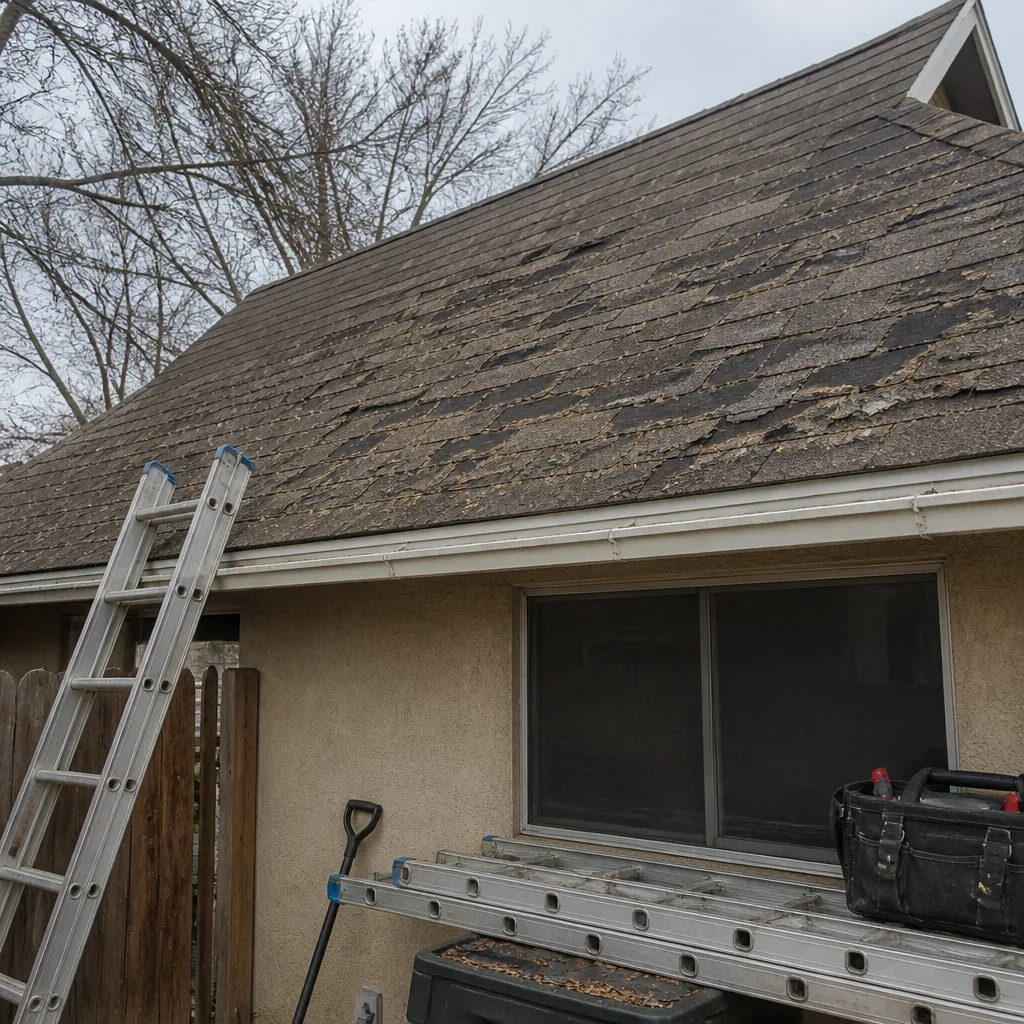 Before
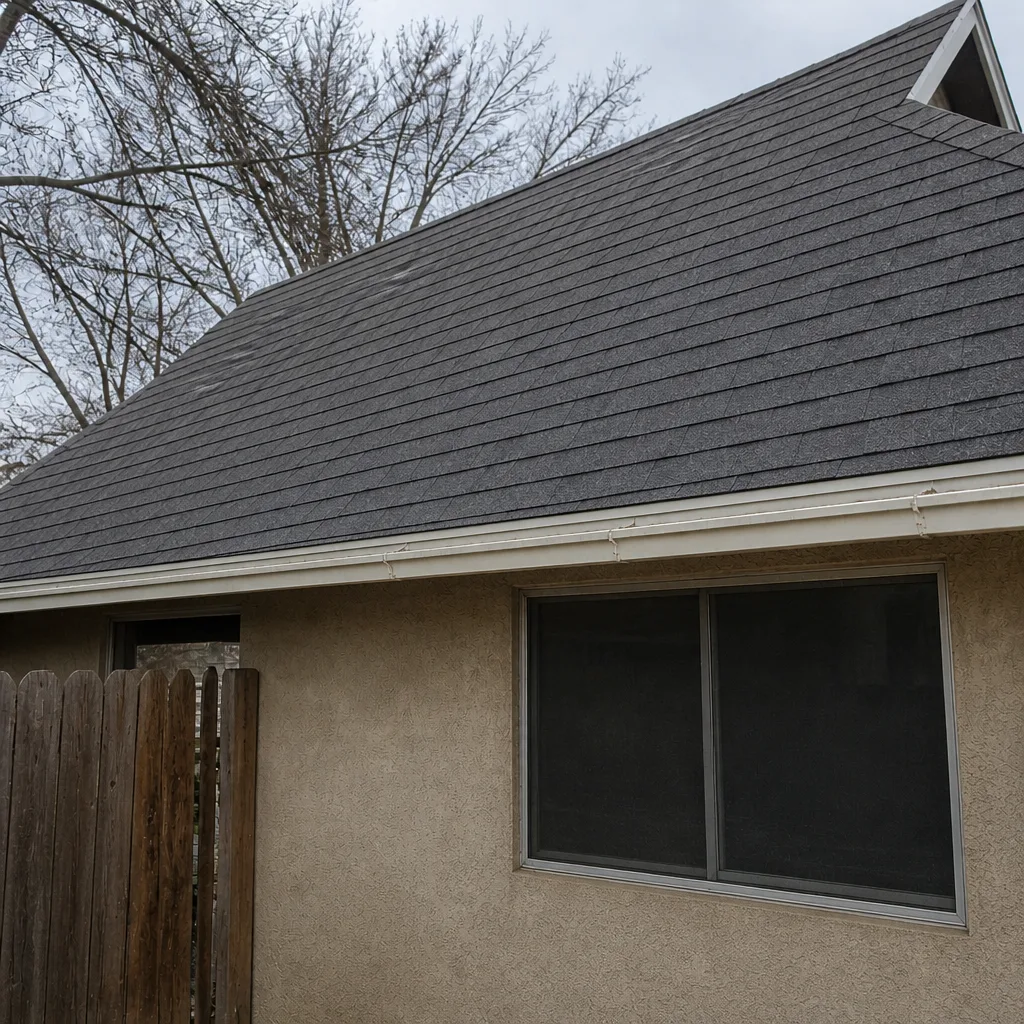 After
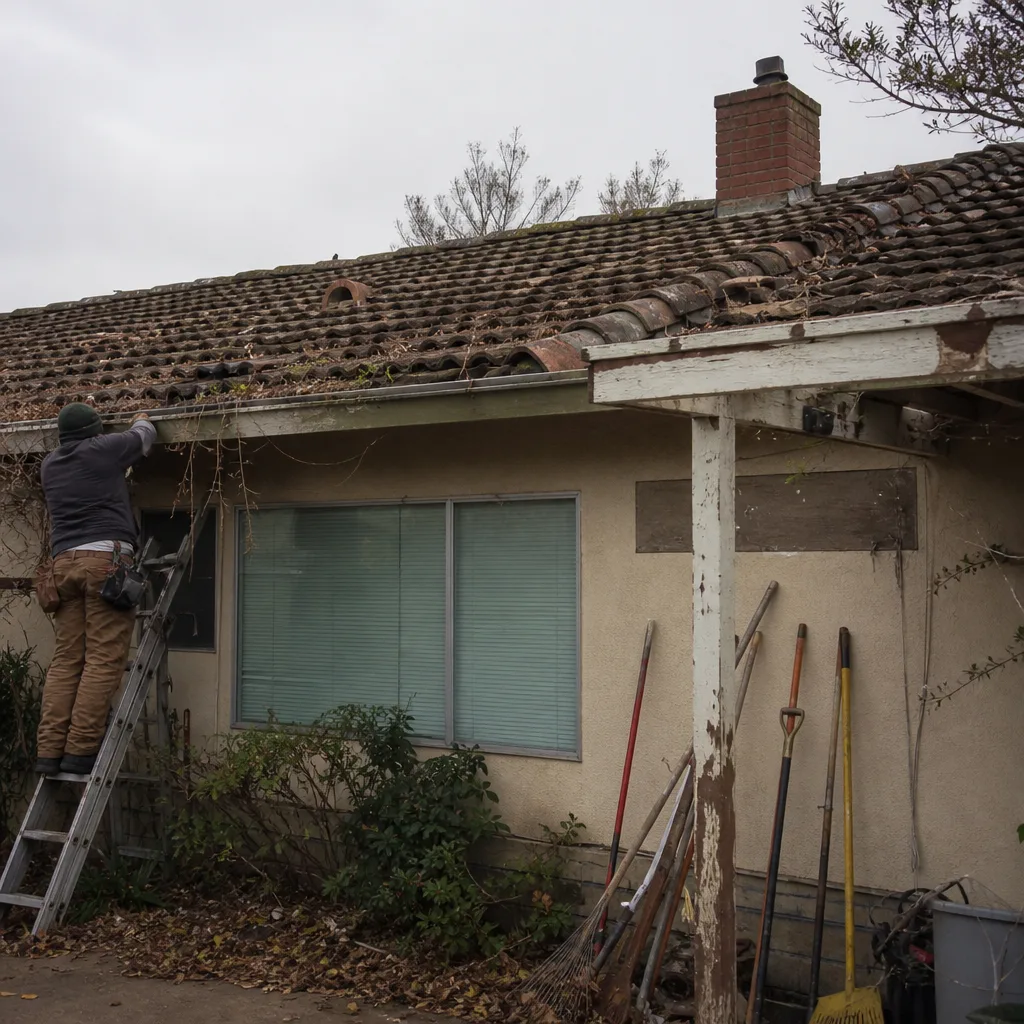 Before
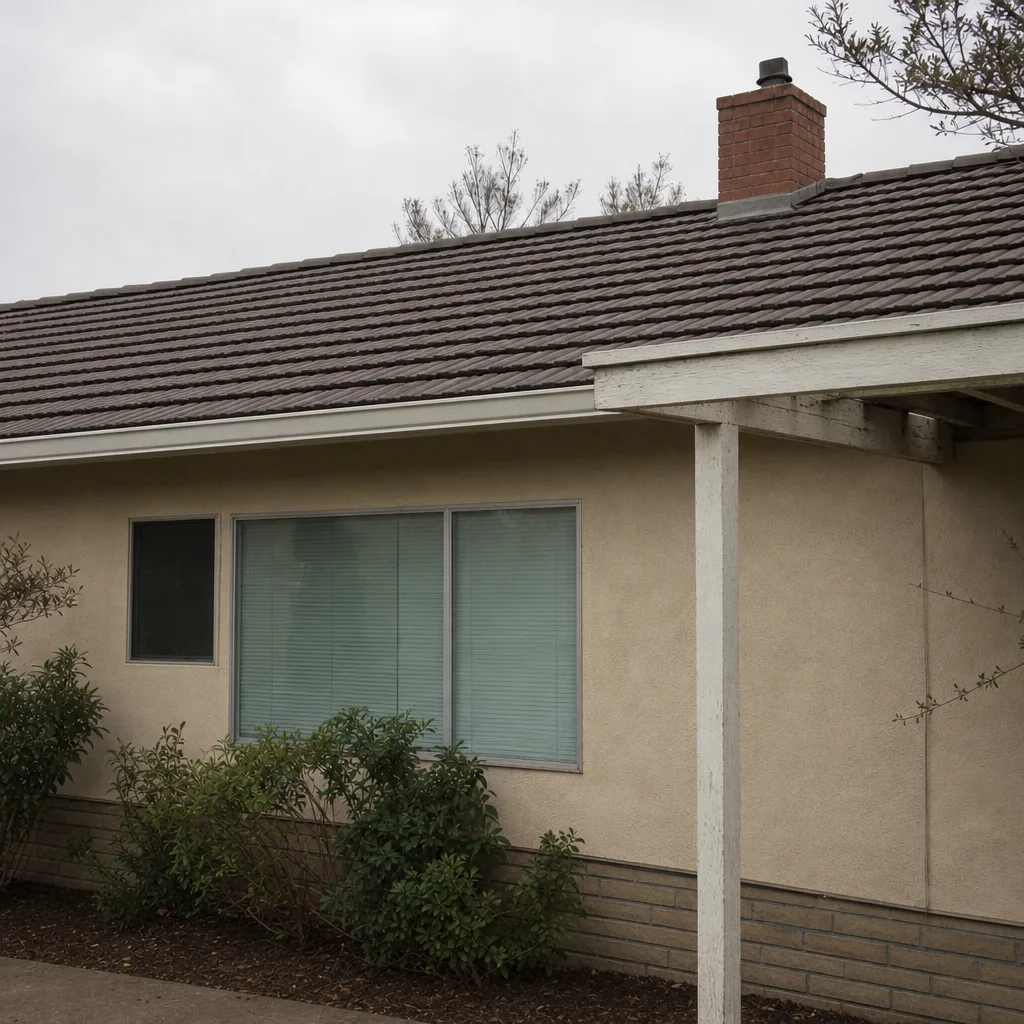 After
When to Call a Professional
Some roof problems are clear enough that you don’t need a bid; you need eyes on it. If you see curled or missing shingles, granules piling up in the gutter, daylight in the attic, or a ceiling stain that’s growing after rain, that’s a call. Same for any roof over 20 years old in Paradise that hasn’t been inspected since it was installed. High-tension work on a two-story or steep-pitch roof is genuinely dangerous, especially in summer heat, so treat the inspection itself as a professional task rather than a weekend project. Our team handles both Roof Repair in Paradise and full replacements, and we’re glad to come out and look at a roof whether or not work ends up being needed. Shepherd & Sons Roofing Paradise offers free estimates in Paradise. Call (833) 676-0557 and a person will answer.
Frequently Asked Questions
A typical single-story Paradise roof of 20 to 25 squares runs $9,000 to $18,000 installed, depending on material and deck condition. Architectural shingle lands in the middle of that range, 3-tab at the low end, and TPO flat-roof sections often sit higher per square foot. Call (833) 676-0557 for an exact quote on your home. Estimates are free.
Almost always because scope assumptions differ, not because one contractor is pricing dishonestly. The most common gap is deck replacement: one bidder assumes zero, another assumes 15%, and the third assumes full replacement if the roof is opened and every sheet is soft. Ask every bidder to state their deck assumption in writing, and the totals will start to line up.
One square equals 100 square feet of roof surface. Multiply your home’s footprint by the roof pitch multiplier (1.0 flat, 1.25 for 4/12 and 5/12 pitch, about 1.35 for 6/12 and steeper), add 10% to 15% for waste and complexity, divide by 100 to get your square count, then multiply by the contractor’s per-square rate. For a 1,800-square-foot footprint at 5/12 pitch, that’s roughly 25 squares.
It can, and the honest way to protect yourself is to insist on a written range quote with low, mid, and worst-case scope before signing. Changes should only come from conditions you and the contractor both see and agree to in writing (like deck rot discovered under the shingles), never from vague “extras.” Call (833) 676-0557 for a free second opinion on any written estimate.
Yes, roofing permits and inspections are part of a proper Paradise roof job, and the contractor’s license should be the one on them. A permitted and inspected roof protects you at resale and when you file an insurance claim, so ask to see the permit number on the quote before you sign. A contractor who wants to skip the permit is telling you something about how they’ll handle a leak in year two.
Most single-story Paradise homes take two to four working days from tear-off to cleanup, assuming good weather and no significant deck replacement. Two-story homes, complex roof shapes, and full deck replacements push toward one to two weeks. If a contractor promises the whole job in a single day, ask how many squares you have and who’s doing the final walkthrough. That answer tells you a lot.
The Bottom Line
Roofing quotes in Paradise vary 40% or more because scopes vary, not because contractors are dishonest. Read every bid line-item by line-item. Confirm all five items are there: tear-off, decking, underlayment, material, flashing. Do the per-square math yourself. Ask the deck-replacement question in writing, and insist on a low, mid, and worst-case range quote. Focus on the deck percentage more than the shingle brand, and put the permit and the workmanship warranty in the contract, not the handshake. A roofer with a real local address will walk you through every one of these without flinching. If the bidder hesitates, that’s your answer. Same address since 1996, and the name on the truck is the name on the license.
Shepherd & Sons Roofing Paradise is locally owned and owner-operated, and we’ve been at the same address since 1996 while storm chasers drift through after every hailstorm. Every roofing job carries our written 90-Day Done Right Promise. We install products from GAF, CertainTeed, Owens Corning, IKO, Atlas, Tamko, and Boral, and our technicians have up to 30 years of experience. If it’s not done right, we make it right, in writing, and one call brings us back. Standing offers right now: $40 Off Any Repair Over $200, a Free Second Opinion on any written estimate, No Trip Charge Inside Our Own County, and a Senior and Veteran 10% discount. For a closer look at how we work, our Shepherd & Sons Roofing Paradise home page has the details. Free estimates on any Paradise roof. Call (833) 676-0557 today, and a live person picks up, day or night.
Written by the team at Shepherd & Sons Roofing Paradise.