
Last updated November 17, 2026
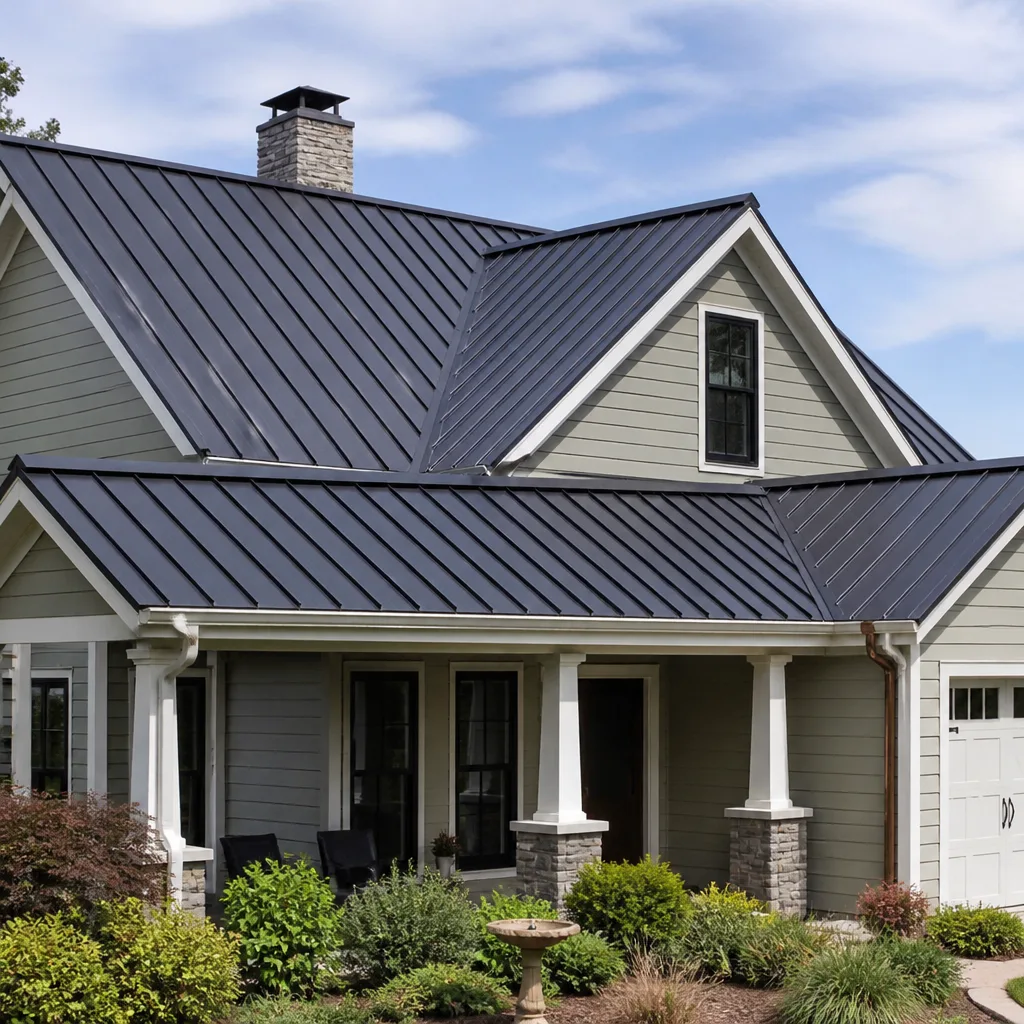 Metal roofing
 Architectural shingles
 Tile roofing
 GAF
 Owens Corning
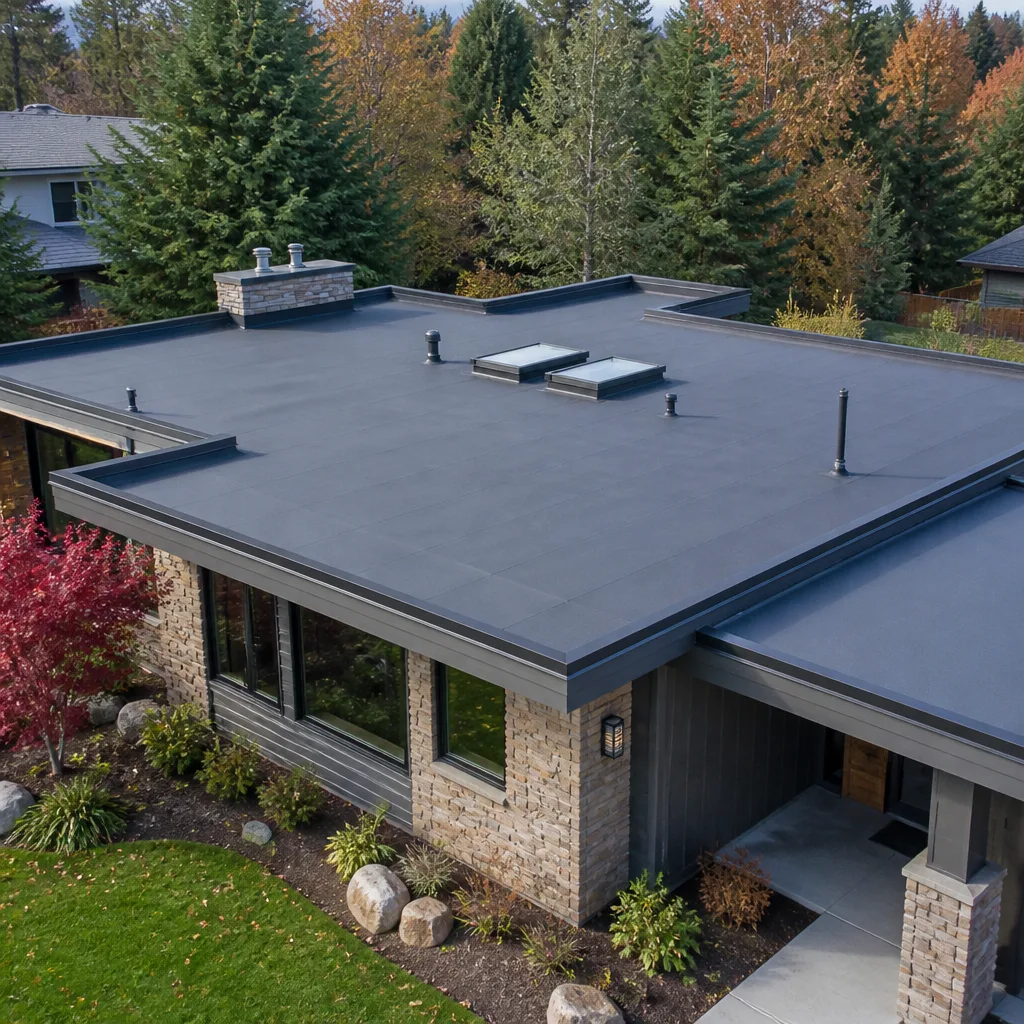 Flat & low-slope
Free roof inspection with deck photos before we talk money - GAF and Owens Corning certified installation
Specialty Roofing Warning Signs Every Homeowner Should Know
A standing seam metal roof can be leaking at the ridge cap for two years and never show you a single visible sign from the ground. The screws back out a quarter inch, the butyl washer behind each one dries into a brittle little disc, and water starts working its way under the panel at every fastener. From your driveway it looks perfect. The first real clue most homeowners get is a rust stain blooming on a bedroom ceiling three rooms away from the actual leak. We’ve torn into specialty roofs in Paradise that were two winters past saving, and the owner had no idea until the drywall gave out. This guide covers what to actually watch for on metal, flat, and tile systems, because those warning signs share almost nothing with the asphalt shingle problems you already know.
Styles & brands we work with
- Architectural shingles
- Metal roofing
- Tile roofing
- GAF
- Owens Corning
- Flat & low-slope
Quick Answer
Specialty roofing systems fail quietly because their materials hide damage that asphalt shingles show openly. On metal roofs, watch for backed-out fasteners, rust trails at penetrations, and sealant that has dried and split at the ridge cap. On flat TPO or modified bitumen, watch for ponding water that lingers more than 48 hours, seam separation, and blistering. On synthetic tile, watch for hairline cracks at the hip and ridge, lifted courses, and granule loss that never happens. Any of these, combined with interior rust staining or condensation patterns that don’t match the season, means it’s time for an inspection.
Table of Contents
- Why Specialty Roofs Fail Differently Than Shingle Roofs
- Metal Roof Warning Signs: What Standing Seam and Exposed Fastener Systems Show You
- Flat Roof Warning Signs: TPO, EPDM, and Modified Bitumen
- Synthetic Tile and Clay Tile Warning Signs
- Attic and Interior Warning Signs by System Type
- Age-Based Risk Windows for Paradise Specialty Roofs
- Maintenance Issue or System Failure? How to Tell the Difference
- The 25-Point Specialty Roof Walkthrough
- Common Mistakes to Avoid
- When to Call a Professional
- Frequently Asked Questions
- The Bottom Line
Why Specialty Roofs Fail Differently Than Shingle Roofs
Asphalt shingles are honest. They lose granules, they curl at the edges, they crack at the tab, and they tell you they’re dying from twenty feet away. Specialty systems don’t do that. They’re engineered to look untouched right up until they aren’t, and the visual cues that matter are small and specific.
A metal roof expands and contracts with every temperature swing. In Paradise, we can swing forty degrees between a winter morning and a winter afternoon, and that movement works on every fastener, every sealant joint, every panel lap. The metal itself will outlast all of us. What fails is everything holding it down and sealing it up. A TPO membrane over a flat section handles heat differently, softening and re-tensioning, and its failure points are the seams and the field where ponding water sits. Synthetic tile is the sneakiest of the three because it’s molded to look like a healthy roof even after the substrate under it has started to move.
The common thread: on a specialty roof, the surface is the last thing to fail. The system under it goes first. That’s why we tell every Paradise homeowner who calls us for a roof repair in Paradise to let us put eyes on the fasteners, seams, and deck, not just the top side. The top side is the part that lies.
Metal Roof Warning Signs: What Standing Seam and Exposed Fastener Systems Show You
Standing seam metal has no exposed fasteners, which is its great strength and its one blind spot. Water gets in at the ridge cap, the end wall, the pipe boots, and the panel terminations, and it travels sideways under the panel until it finds a seam or a fastener line to drop through. By then it’s ten feet from where it started. On an exposed fastener panel, it’s simpler: the washers give out first, and each bad fastener is a slow leak waiting on a hard rain.
What to look at on a metal roof:
- Fastener back-out. Look along the panel lines. Any screw that sits proud of the panel by more than a sixteenth of an inch has already lost its seal.
- Rust trails at penetrations. A brown streak running down from a pipe boot or ridge cap is a leak trail, not a cosmetic issue.
- Dried or split sealant. Sealant at the ridge should be pliable. If it’s cracked like old putty, it’s done its job and quit.
- Panel oil-canning. Waviness that wasn’t there a few years back often means the substrate or clips underneath have moved.
- Rust at cut edges and terminations. Cut ends are the unprotected part of any panel, and in Paradise they show corrosion first.
If you’re weighing a first-time metal install, our metal roofing in Paradise page walks through how the system is built to handle this climate. If you already have metal and want to know what brand and gauge you’re working with, most panels carry a stamp on the underside. GAF, CertainTeed, and Tamko all make accessory components that turn up on local metal jobs, so a look under the panel often tells you exactly what you’re dealing with.
Flat Roof Warning Signs: TPO, EPDM, and Modified Bitumen
Flat and low-slope systems are the hardest to judge from below because there’s nothing to see from the ground. TPO looks like a white sheet whether it’s brand new or eight years past its prime. The important signs are up top and require a walkover or a look from a ladder.
- Ponding water. Standing water more than 48 hours after a rain means the drainage is off or the deck has deflected. Ponding is the number one killer of flat systems in Paradise.
- Seam separation. Run a hand along the heat-welded seams. Any lifting, peeling, or visible gap is water intrusion waiting on the next storm.
- Blistering and fishmouths. A raised bubble in the membrane means trapped moisture or off-gassing underneath. It will split open.
- Puncture and traffic wear. Every footpath across a flat roof is a wear line. Small punctures from foot traffic are the most common slow leak on these systems.
- Fastener heads telegraphing. If you can see each screw head pushing up through the membrane, the insulation or deck has lost its integrity.
Modified bitumen behaves like a cross between a shingle and a roll roof. Its failure points are the laps and the flashings, and it tends to wrinkle and alligator as it ages. If your flat section is over ten years old and you’re seeing wrinkles plus a ceiling stain, get it looked at before the next monsoon season rather than after.
Synthetic Tile and Clay Tile Warning Signs
Tile is the most deceptive specialty system because it looks like tile for decades after the underlayment has failed. Tile itself is not the roof. It’s the rain screen. The actual waterproofing is the underlayment and the flashing under it, and that’s the part that ages out. In Paradise, we see the same pattern every time: a tile roof that looks intact from the street, an attic that shows daylight at the ridge, and an underlayment that has dried into something closer to tissue paper than a weather barrier.
Signs that a tile system is past its useful life:
- Hairline cracks at the hip and ridge. These run along the highest-stress points first because that’s where the most movement happens.
- Lifted or slipped courses. A tile that’s out of line means the piece below it or the fastening underneath has failed.
- Broken pieces after a wind event. Clay tile is brittle, and wind-driven debris cracks it. Once a field of tile opens up, the underlayment underneath is exposed to the sun and drying out fast.
- Granule loss absent but staining present. If you see brown staining on a tile roof but no granules (because there aren’t any), the rust is coming from flashings and underlayment, not the tile.
- Interior daylight at the tile joints. Any visible pinhole from the attic means the tile and underlayment are no longer overlapping as designed.
If the underlayment is the failing part, tile replacement isn’t always a full tear-off. A good contractor can lift the tile, replace the underlayment, and reset the existing tile if the pieces are re-usable. Boral makes tile products that show up on local roofs, so ask what was installed if you have a spare piece in the garage.
Attic and Interior Warning Signs by System Type
The attic tells you more about a specialty roof than the exterior does, and the signs are different for each system. What’s common to all of them is that homeowners look for a wet spot on the ceiling and nothing else. A wet stain is late-stage. The attic is where you catch problems early.
What we watch for inside, by system:
- Metal roofs: rusty fastener tips poking through the deck, condensation running along the panel ribs on cold mornings, and daylight visible at panel terminations. A rust stain on a wall below a valley is almost always a metal panel leak migrating.
- Flat and TPO systems: dark staining on the underside of the deck, sagging sheathing, and condensation dripping from fasteners. On a flat roof, the moisture often travels through the insulation before it enters the living space, so the first sign is usually attic moisture, not a ceiling stain.
- Tile systems: pinpoints of daylight at ridge lines and hip transitions, and a chalky white powder on the roof sheathing. That powder is usually the underlayment breaking down.
One rule of thumb we share with every Paradise homeowner: if the attic is wet but the roof surface looks fine, the water is entering somewhere you can’t see. That’s the specialty roof’s signature move, and it’s exactly why we show the deck photos before we talk money.
Age-Based Risk Windows for Paradise Specialty Roofs
Age alone does not tell you a roof is failing, but it tells you when to pay attention. In our experience with Paradise roofs, each specialty system enters its highest-risk window on a fairly predictable schedule, shaped by local sun, wind, and the heat-and-cold cycling we get every year.
What we typically see, roughly:
- Standing seam metal: the metal lasts decades, but the sealant at ridge caps, wall terminations, and pipe boots starts going at year 10 to 15. Fastener washers on exposed-fastener panels are usually first to fail in that same window. After 15, sealant maintenance is a yearly item, not a someday item.
- TPO and flat membrane: seams and drain flashings typically start showing problems at year 8 to 12 in this climate. Ponding exposes any weakness sooner. After 12, avoid walking the roof with anything heavier than needed.
- Synthetic tile and clay tile: the tile may be good for 50 years, but the underlayment under it is the working part and it typically has a 15- to 20-year life. In Paradise, we plan for underlayment inspection at year 15 and replacement by year 20 if the roof is going to be kept long term.
These windows aren’t a countdown clock. They’re the age at which the odds of a hidden failure climb. A twenty-year-old metal roof with well-maintained sealant can outlast a ten-year-old one that never got looked at.
Maintenance Issue or System Failure? How to Tell the Difference
Getting this wrong costs homeowners tens of thousands of dollars on a full replacement they didn’t need. A backed-out fastener with a hard washer and a dried-up gasket is maintenance. The same fastener with water tracking under the panel and rust on the deck below is a repair. A slipped tile is maintenance. A slipped field of tile with a chalky underlayment under it is a system problem.
Here’s how we sort it out:
- Is the water coming in at one point or many? One localized leak is usually a maintenance fix. Water showing up in several rooms at once means the system has lost its integrity.
- Is the damage on the surface or under it? Surface issues are usually fixable. Deck swelling, rotted sheathing, or rusted-through fasteners mean the failure goes deeper than the skin.
- Is the flashing the problem, or the field? Flashing failures account for the majority of specialty roof leaks and are the cheapest fix. Field failures (seams, panels, membrane) cost more and mean the install is starting to go.
- Does the roof have more than one systemic sign? One sign is a habit. Two or more signs in the same system means the roof is telling you the whole thing is aging out.
We’ve walked away from plenty of specialty roofs that didn’t need a replacement, and we’ve told homeowners about roof replacement and installation in Paradise when the paperwork showed a tear-off was the right call. The point is to sort it honestly on the roof, not in the driveway.
The 25-Point Specialty Roof Walkthrough
Every specialty roof inspection is a check of the same operating parts of the system, in a set order. Here’s what we look at on a 25-point walkthrough, and why. A contractor reading this will recognize the sequence; a homeowner reading it will understand why an inspection isn’t a five-minute glance from the gutter.
Safety first: metal panels, tile, and flat membranes are all slippery underfoot, and tile edges are sharp. This walkthrough is done by trained people with fall protection. If you’re going to inspect, do it from the attic, the ladder, or the ground, and leave the roof surface to someone who’s trained for it.
- Ground view. Walk the full perimeter. Look for sagging, staining, and irregular lines.
- Gutter and edge. Check for pull-away, sag, and tree debris resting on the roof edge.
- Ridge and hip lines. Look for sealant failure, lifted caps, and rust trails.
- Penetrations. Pipe boots, vent stacks, and HVAC curbs, one by one.
- Seams and laps. On metal, check every panel lap. On flat, every welded seam.
- Fasteners. Spot check for back-out and rust on metal, telegraphing on flat.
- Flashing at walls and chimneys. Counterflashing, step flashing, and kick-out.
- Drainage at low points. Ponding depth and duration after a rain.
- Up and under the attic. Fastener tips, deck staining, and daylight.
- Skylights and roof windows. Seal condition and curb flashing at each one.
Add another fifteen checks around specific penetrations, vent terminations, transition details, and the deck’s attachment to the structure, and you have the full 25-point walk. The list is the same on every roof, but what’s happening at each point changes with the system. A “pass” on a metal roof means something different than a “pass” on a TPO membrane. That’s the part a general handyman usually misses. If you’re starting fresh, more on how we run our inspections is on our Shepherd & Sons Roofing Paradise home page.
Common Mistakes to Avoid
- Judging the roof from the driveway. On a specialty roof, the surface is the part that hides problems. The attic and the fasteners tell you what’s actually happening. A metal roof can look flawless and be leaking for a year.
- Assuming tile means you’re safe. The tile is the rain screen. The underlayment is the waterproofing, and its failure is invisible from the ground. Don’t treat the tile as the whole system.
- Letting ponding water sit. In Paradise, we’ve seen flat roofs where water sat for a week after a rain because the drain was clogged by one leaf mat. Every day of ponding shortens the membrane’s life. Clear the drains before monsoon season, not after.
- Touching up sealant without checking underneath. A fresh bead of caulk over a leak adds a year at most and hides the failure from the next inspector. Fix what’s under the sealant or it comes back.
- Accepting a phone quote for a specialty roof. A specialty roof cannot be quoted without a system, gauge, and square count. If the bidder didn’t measure, didn’t lift a panel or two, and didn’t count squares, that number is a guess dressed up as an estimate.
- Hiring a storm chaser for a specialty system. Metal and tile require specific knowledge and specific materials. A contractor who mostly does shingle work is going to install the wrong fasteners and the wrong sealant, and it will fail fast.
- Skipping the free second opinion. Any written estimate for a specialty roof can be reviewed by a second set of eyes. It’s the cheapest insurance in the process, and it costs you nothing.
When to Call a Professional
Call when a leak comes back after a repair, when two or more warning signs show up on the same system, or when a specialty roof passes its manufacturer’s warranty window and hasn’t had a professional walked over it in years. Call when you see daylight from the attic that wasn’t there a season ago, or when rust staining shows up on a wall below a metal panel. Call before the storm season, not after. A specialty roof in bad shape is safe until the one hard rain that finds the weak point. Shepherd & Sons Roofing Paradise offers free estimates in Paradise, free second opinions on any written estimate, and no trip charge inside our own county. Call (833) 676-0557 to get a set of eyes on the roof before the next storm cycle decides for you.
Frequently Asked Questions
Check the fasteners, sealant, and attic. Backed-out screws, a ridge-cap sealant that’s dried and split, and rust trails at pipe boots are the three most reliable early signs on a metal roof, and all three are visible when you walk it or look from the attic. The metal itself is rarely the failing part; it’s everything holding it and sealing it that goes first.
Ponding water that lasts more than 48 hours. A flat roof should not hold water. Ponding exposes every seam and weak point, and it will shorten the membrane’s life more than sun and heat combined. Check the drains after every rain and get the roof walked over if the water lingers.
The underlayment is failing, not the tile. The tile is the rain screen, and the actual waterproofing is the layer underneath. That layer ages out in roughly 15 to 20 years, and when it does the roof leaks through a tile field that looks intact from six feet away.
One localized leak on a roof with a sound deck is usually a maintenance or repair call. Multiple leaks in different rooms, water under the field, or damaged sheathing under the surface means the system itself is failing and a replacement is the fair answer. The best way to know is an on-roof inspection with photos you can see.
Metal roofs enter their highest-risk window for sealant and fastener failures at year 10 to 15. Flat membrane roofs start showing seam and drain problems at year 8 to 12, faster if the roof ponds. Tile underlayment typically needs inspection around year 15 and replacement by year 20 if the roof is staying long term. These are the windows to schedule an inspection, not a deadline to replace.
No trip charge inside our own county, and estimates are free. A specialty roof needs a proper walkover, attic check, and square count before anyone gives you a number, and we’ll show you the photos and the deck conditions before we talk money. Call (833) 676-0557 to set it up.
The Bottom Line
Specialty roofs fail from the fasteners, seams, and underlayment first, and from the surface last. That’s why the warning signs that matter are the ones homeowners rarely think to look for: a rust stain below a valley, a backed-out screw, ponding that lingers, a chalky powder in the attic, daylight at a ridge. Judge the system, not the surface. When a specialty roof in Paradise passes its manufacturer’s window, get it walked. The cost of an inspection is small. The cost of finding out by a wet ceiling is not.
Call (833) 676-0557 for a free estimate and a free second opinion on any written estimate. We’ll be there, and we’ll show you what we see.
Written by the team at Shepherd & Sons Roofing Paradise.
See the difference
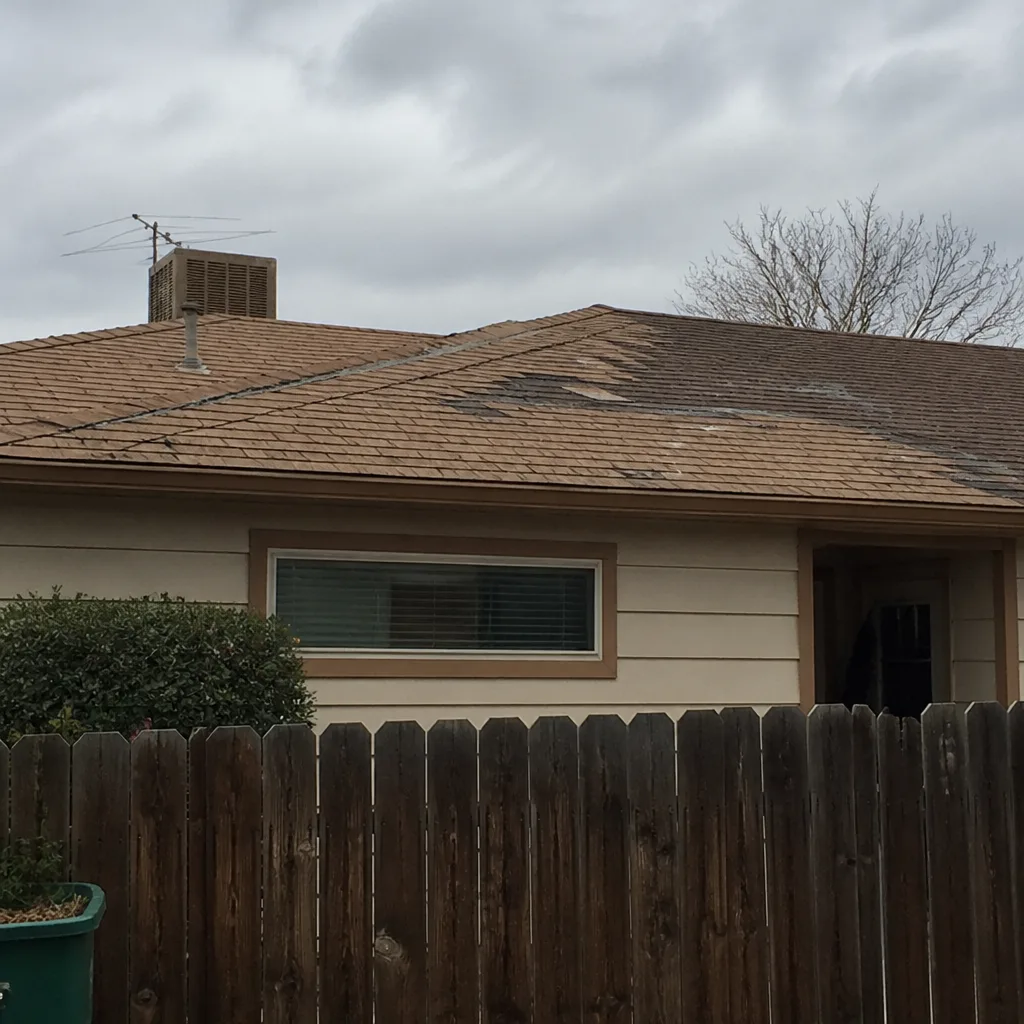 Before
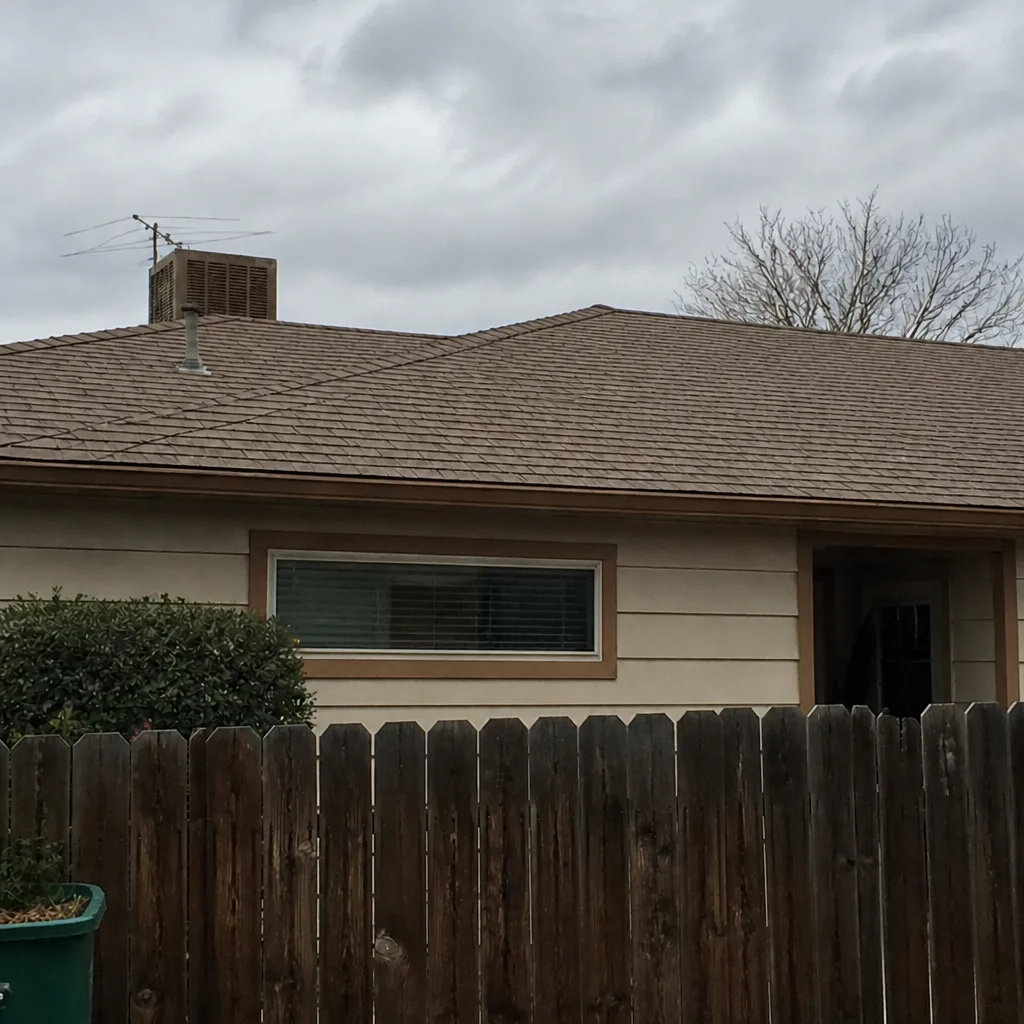 After
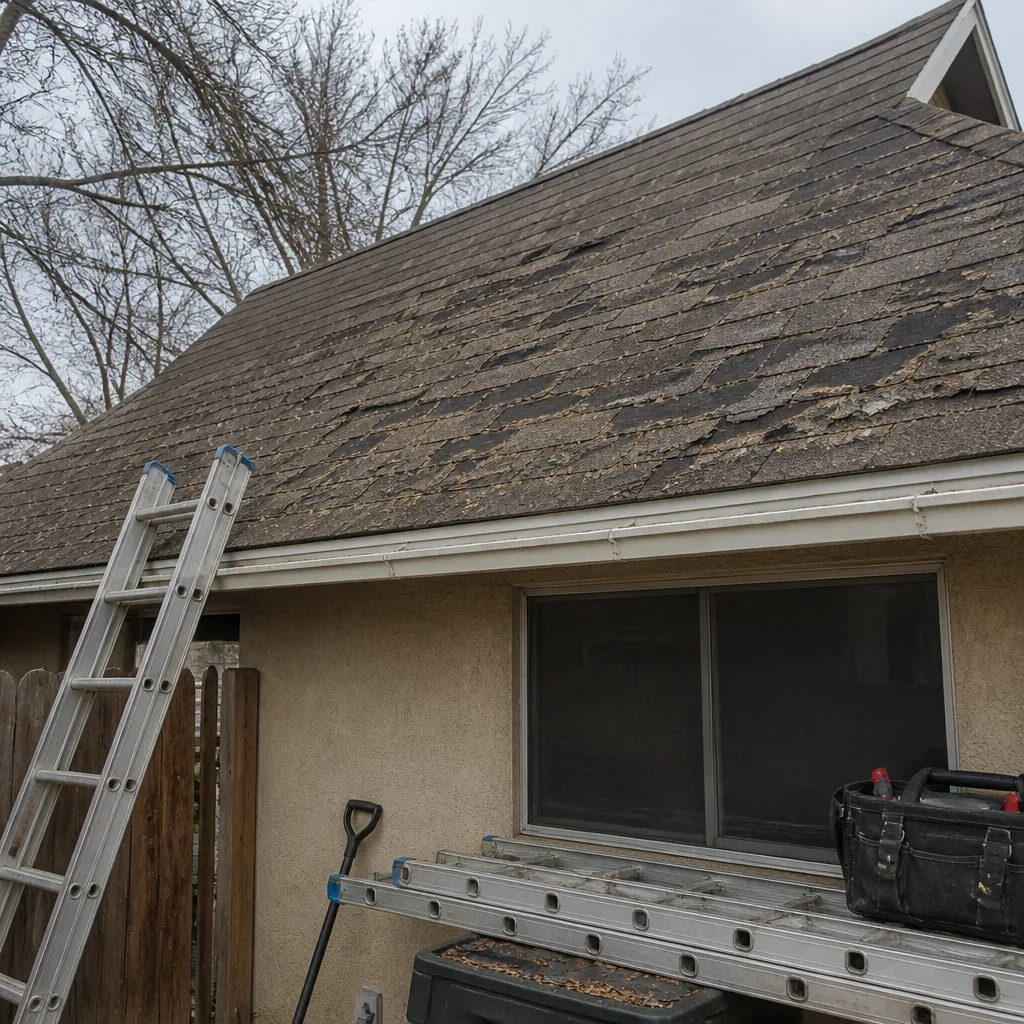 Before
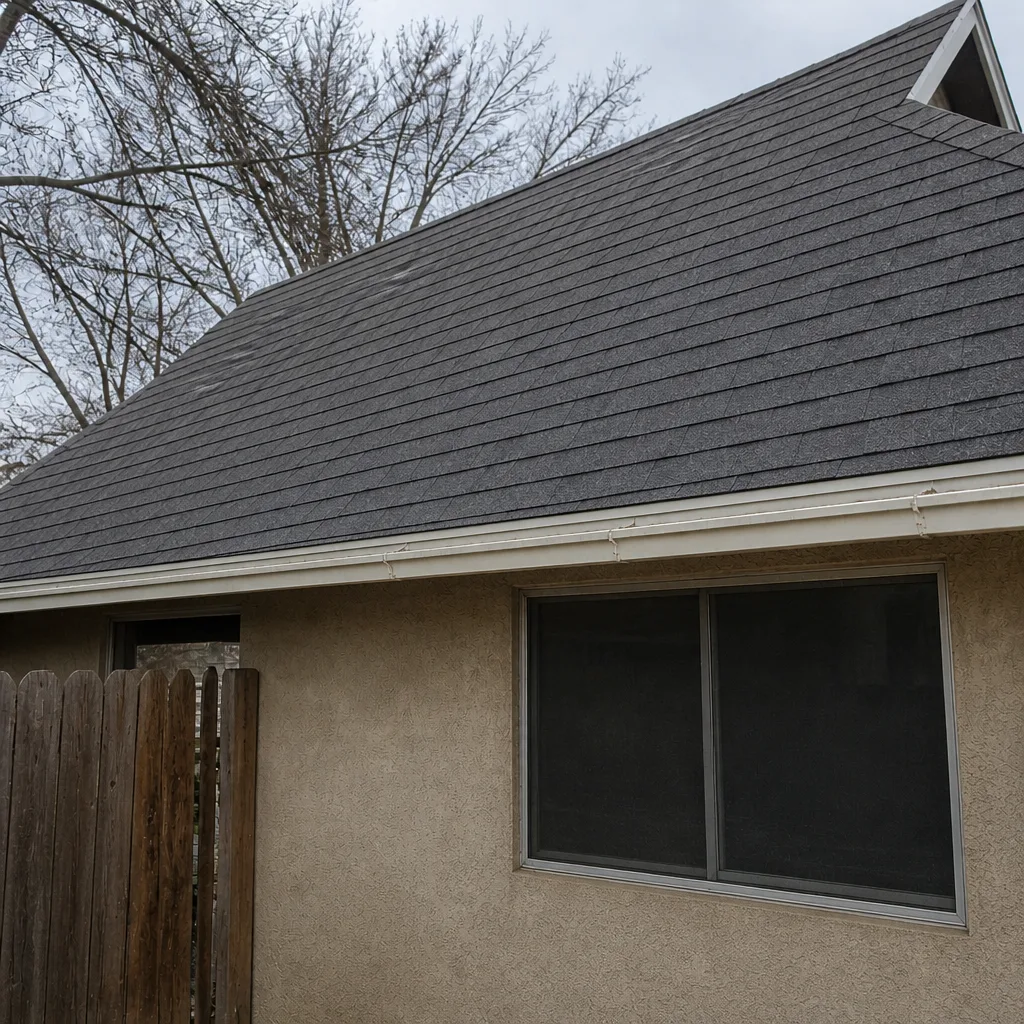 After
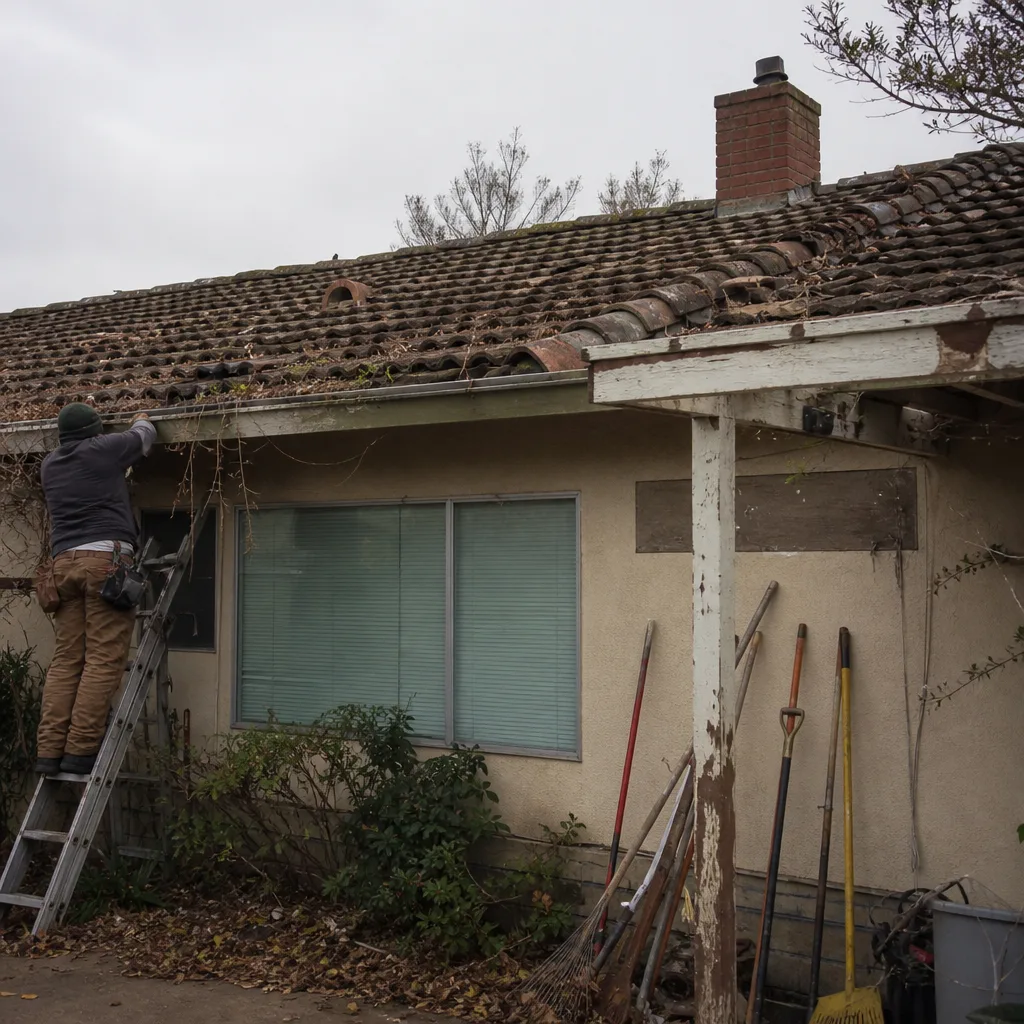 Before
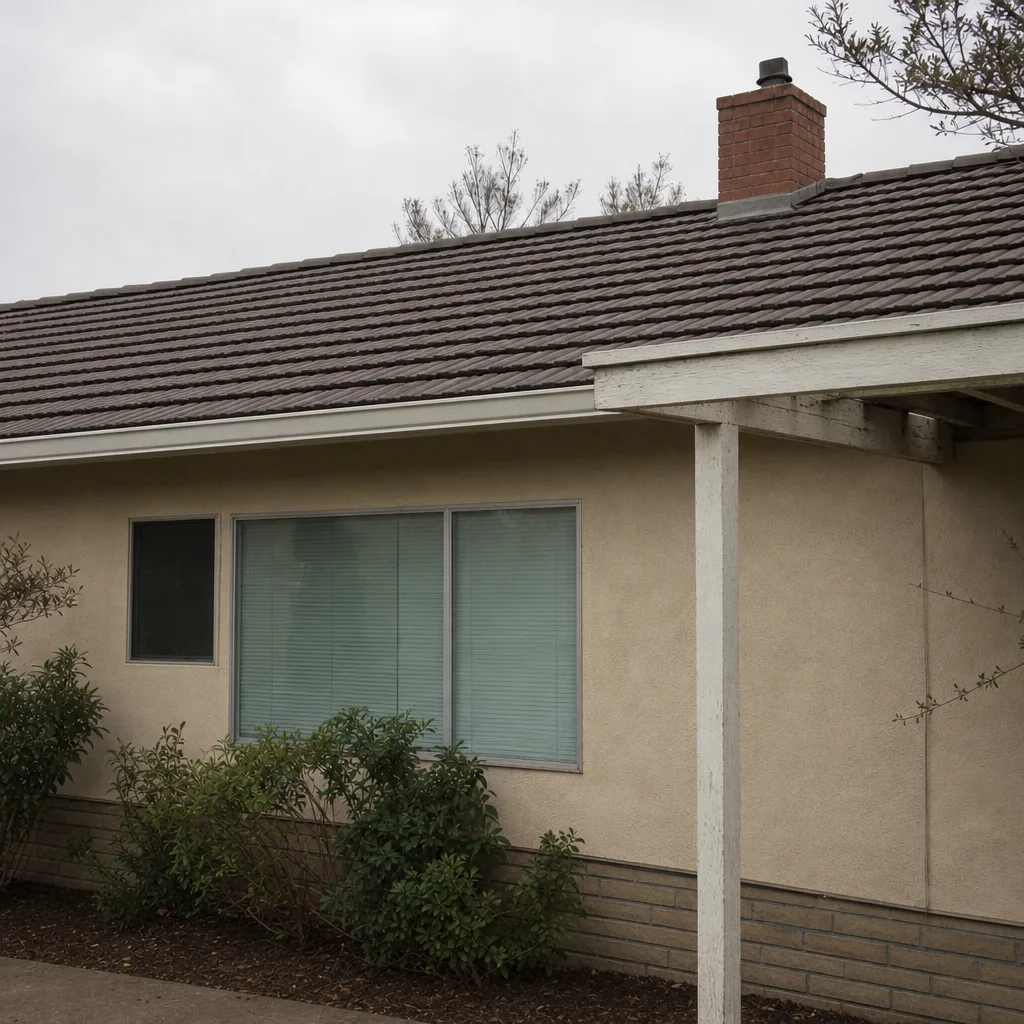 After