
Last updated November 17, 2026
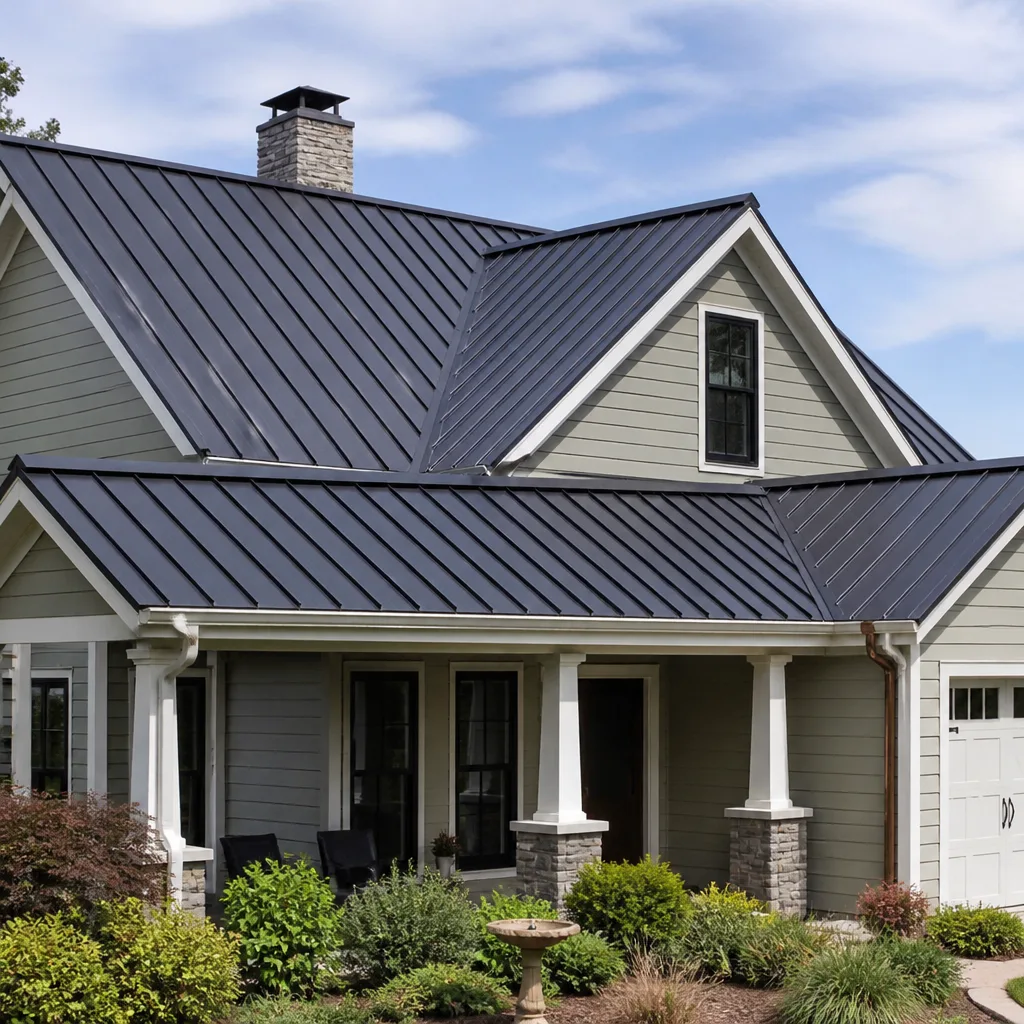 Metal roofing
 Architectural shingles
 Tile roofing
 GAF
 Owens Corning
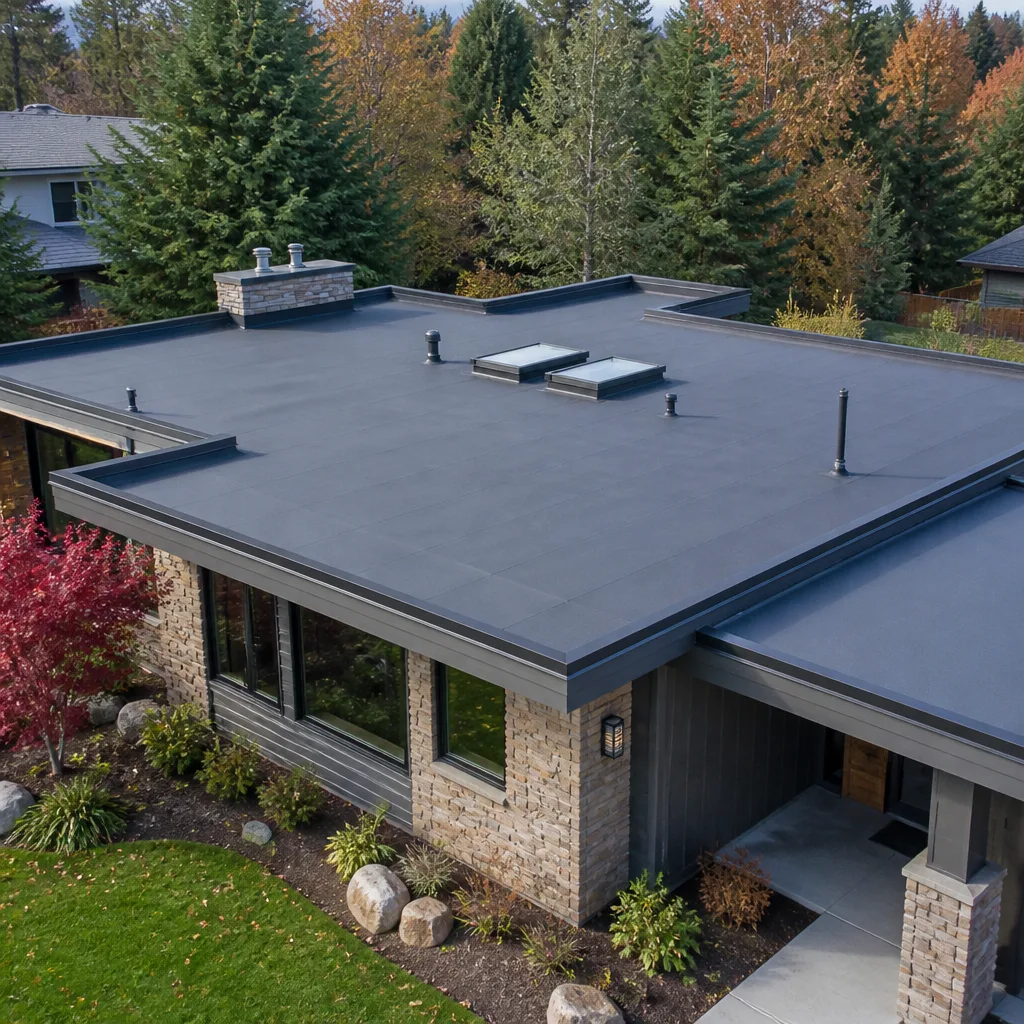 Flat & low-slope
Free roof inspection with deck photos before we talk money - GAF and Owens Corning certified installation
Seasonal Roofing Care for Paradise: Year-Round Homeowner’s Guide
July is the worst month for your roof in Paradise, and it’s the month most homeowners ignore. After four months of dry heat, the first monsoon rain feels harmless. It isn’t. That rain is the first water your cracked flashing and baked-out sealant has seen since spring, and it goes straight to your deck. Paradise doesn’t get one roofing season; it gets four, each one stressing your roof differently. This guide walks you through the whole cycle, month by month, so you know what to check, what to seal, and what to leave to a pro.
Quick Answer
Seasonal roof care in Paradise means matching maintenance to a four-part stress cycle: seal and re-torque before the UV-heavy heat season in March and April, clear drains and scuppers before July’s monsoon, inspect for granule wash-off and debris damming in September, and check the freeze-prone flashing joints at chimney caps, HVAC curbs, and parapet walls from November through January. A simple annual roof journal ties the whole cycle together and makes any insurance claim faster.
Styles & brands we work with
- Architectural shingles
- Metal roofing
- Tile roofing
- GAF
- Owens Corning
- Flat & low-slope
Table of Contents
- Why Paradise Roofs Wear Differently Than Desert Roofs Elsewhere
- Pre-Summer Prep: March through April
- Monsoon Readiness: June, Before July 1
- Post-Monsoon Assessment: September
- Winter Watch: November through January
- How to Keep a Roof Journal That Pays Off
- A Twelve-Month Rhythm You Can Actually Keep
- Common Mistakes to Avoid
Why Paradise Roofs Wear Differently Than Desert Roofs Elsewhere
Most seasonal roofing advice assumes desert equals simple: hot and dry, so just watch for sun damage. Paradise doesn’t work that way. The roof stress cycle here is more varied than most of the country. April through September brings brutal UV exposure that oxidizes shingles and breaks down sealant far faster than the manufacturer’s warranty timeline suggests. Then July and August bring the monsoon, and that sudden moisture intrusion on already-baked roofing materials creates problems a wetter climate never sees. December brings rare but real freeze events that work on moisture trapped in the wrong flashing joint.
Those three forces pull against each other. Sealant that’s still flexible after a wet-climate spring is usually the sealant that cracked here by July. Shingle granules that would have washed off gradually somewhere else tend to release in one or two monsoon storms once the mat underneath has already dried out and lost adhesion.
We’ve replaced plenty of roofs in Paradise that failed on this exact pattern: no damage visible in May, a deck leaking into the ceiling by August, and a homeowner convinced the monsoon caused it. The monsoon exposed it. The real failure happened in the dry months. That’s why the schedule below front-loads prep in spring and back-loads inspection in fall.
Pre-Summer Prep: What to Seal and Clear Before the Heat Season
The two questions we hear most from Paradise homeowners in late March: what do I seal, and what do I clear? The answer changes year to year, but the list of suspects doesn’t.
Start with flashing fasteners. Winter temperature swings work on metal fasteners the same way they work on a fence gate: the metal expands and contracts, and screws back out a fraction of a turn each cycle. Around HVAC curbs, that’s the first place we look. Unit vibration through the winter plus the gap between the curb and the unit adds up to fasteners that were snug in November and rattling by April. Re-torquing them before the heat season is inexpensive and prevents the kind of slow leak that only shows up after the first monsoon.
Then seal what’s dried out. Sealant joints along parapet caps, around pipe boots, and at skylight flanges lose elasticity in the UV months. Run a thumb across a joint: if the sealant is chalky or has pulled away from either surface, that’s a joint that won’t survive July. Replace it before the heat bakes it harder.
- Walk the roof edge in daylight. Check for lifted shingles, cracked sealant, and any flashing that’s visibly separated.
- Inspect every HVAC curb and pipe boot. Look for backed-out screws and gaps at the base.
- Clear debris from valleys and behind chimneys. Debris left over from fall holds moisture long enough to rot the deck below.
- Check gutter hangers. Warm weather alone won’t fix a sagging run; the weight of one monsoon rain on a loose gutter pulls fascia loose.
- Log what you find. More on that in the journal section.
If you’re unsure whether the flashing situation is a five-minute fix or a bigger repair, that’s what a free estimate is for. Call (833) 676-0557 and we’ll come look. No trip charge inside our own county.
Monsoon Readiness: Why June Is the Month That Matters
Paradise’s monsoon arrives in July, but the work that saves your roof happens in June. That’s the window when roof drains and scuppers on flat-pitch homes need to be cleared, and it’s the window most homeowners miss because nothing is leaking yet.
On a flat-pitch roof, a scupper is the only way water leaves. If a scupper is partially blocked by dried debris, a granule pile, or a bird’s nest, monsoon rain backs up behind it and stands on the membrane. Two inches of standing rainwater weighs about 10 pounds per square foot, and a Paradise roof that has baked through May and June is exactly the roof you don’t want holding that weight in July.
Here’s a visual check homeowners can do themselves safely from the ground or a ladder at a low edge:
- Look at the scupper openings. If you can’t see daylight through them, they need clearing.
- Check the downspout outlets at the base. A washed-out patch of gravel below an outlet usually means the run is discharging too fast, not too slow, but a soaked patch that stays wet for days means the downspout is plugged.
- Look for granule accumulation along the low edge. Dark sand-like piles in a valley or along a scupper tell you the shingles above are already shedding their surface.
- Walk the perimeter fence line. Loose flashing on a low parapet corner often shows as a dark stain line on the interior wall at that same corner.
If a scupper or drain needs clearing above a low edge, we’re glad to handle it. Climbing above gutters to clear a roof drain isn’t a fall risk worth taking yourself. Our technicians have up to 30 years of experience climbing these exact roofs, and we pull permits on any repair that requires one.
Post-Monsoon Assessment: What to Look for in September
September is triage month. The monsoon is over, the heat is easing, and now you can see what the season did. Three things matter most, and they’re all visible from the ground or a safe ladder position.
Granule wash-off. Look at the ground below your downspout outlets and along gutter runs. Dark, sand-like granule accumulation is normal in small amounts, but a pile larger than a handful after one monsoon season means the shingles above have lost significant surface. Granules protect the asphalt from UV; once they’re gone from a section, that section ages years faster than the rest of the roof.
Debris damming. Debris that blew into valleys and against chimneys during July and August doesn’t leave on its own. It holds moisture, and it blocks the path water needs to take to the drain. Look behind every chimney and in every visible valley for branches, leaf piles, and roofing debris.
Valley metal movement. On roofs with valley metal exposed at the center of the intersection between two roof pitches, watch for the metal lifting, curling at the edges, or pulling away from the shingles alongside it. Monsoon wind and volume stress these areas hardest. If the valley metal moved, shingles alongside it likely opened up enough for the next rain to get under the edge.
If any of the three checks turns up more than a minor cleanup, that’s when a roof repair in Paradise is worth pricing. Written line-item quote, fixed pricing, no change orders once you’ve approved it.
Winter Watch: The Flashing Joints That Matter November through January
Clark County winters are mild, but they’re not nothing. A cold snap in December can drop below freezing for a few nights, and any moisture trapped in the wrong flashing joint will freeze, expand, and open the joint just a little more than it was. Repeat two or three times over a winter and a small leak becomes a deck problem.
Three specific joints deserve a check between November and January:
- Chimney caps and counter-flashing. The sealant joint where the counter-flashing meets the chimney masonry is the most exposed joint on the roof. If it’s dried out, a freeze event will open it further.
- HVAC curb corners and seams. These are metal-to-metal and metal-to-roof joints with sealant at every edge. Winter condensation from the unit plus freeze-thaw at the curb screws is a common place to find early damage.
- Parapet wall caps and copings. The joints where a parapet cap meets the wall and where separate cap sections join each other are the exact spots freeze-thaw exploits. Look for sealant that has visibly separated.
Winter is also when to double-check that the roof can drain after a rare fog-and-freeze event. Without boots to dig them out, a frozen scupper can hold water for a day or two and then release it all at once on the way to thaw. If you had a frozen drain during a cold snap, get it logged. It’s a repair signal, not a fluke.
How to Keep a Simple Roof Journal That Pays Off
A roof journal costs you 20 minutes a year and pays for itself the first time you have a claim. It does two things: it makes insurance claims faster because you have a dated record of what got fixed and when, and it gives any contractor a repair history before they quote. That second one matters more than homeowners expect. If we know the flashing at the chimney was resealed in 2023, we can price a leak honestly instead of guessing it might be a full tear-off.
You don’t need fancy software. A three-ring binder with a page per year is plenty.
- Start with one page per year. Date every entry (month and year is fine).
- Note every fix and who did it. “March 2026: pipe boot sealant replaced by Shepherd & Sons.”
- Photograph what you saw. Tape a photo of the granule pile or the flashing joint next to the entry. Photos are the single biggest speed-up for insurance claims.
- Log the original install details. Shingle brand, color, and year. If the standing product is IKO or Atlas, note which, so matching repairs are easy. We install IKO, Atlas, Tamko, and Boral, and name the shingle and we likely have set it.
- Note every storm. The date and rough intensity of any monsoon, freeze, or hail event. If your neighborhood got hail in August, that’s the entry that carries weight the next time a claim adjuster asks.
- Bring the binder to the estimate. Any contractor worth hiring will read it before quoting.
If you’re starting in the middle of the season and don’t have a history to log yet, a free second opinion on any existing written estimate is a good starting point. Call (833) 676-0557 and we’ll walk the roof with you, then hand you the notes for your first page.
A Twelve-Month Rhythm You Can Actually Keep
The sequence that keeps a Paradise roof on track, laid out as a calendar:
- March: Walk the roof in daylight, look for lifted shingles and separated flashing. Re-torque HVAC curb fasteners. Replace chalky sealant at pipe boots and parapet caps.
- April: Clear debris from valleys and behind chimneys. Check gutter hangers. This is the last comfortable month before the heat peaks.
- May: Final flashing touch-up before the heat bakes everything dry. Check skylight flanges and roof-to-wall step flashing.
- June: Clear scuppers and roof drains before July 1. Verify downspouts discharge freely. Photograph the drains as your baseline.
- July – August: Watch. Don’t climb. Note any new leak, drip, or stain on the interior ceiling.
- September: Post-monsoon inspection. Look for granule wash-off, debris damming, and valley metal movement. Photograph what you find.
- October: Address anything the September inspection turned up. This is the best repair month in Paradise because the heat has eased and the monsoon is over.
- November – January: Watch the freeze-sensitive joints: chimney caps, HVAC curbs, parapet wall caps. If a cold snap follows fog, note any frozen scupper in the journal.
- February: Review the journal. Decide what the next year’s budget should cover and price it during spring.
If you’re ready to replace a failing roof rather than repair it, the roof replacement and installation in Paradise page covers materials and timelines in detail. And if you’re considering the long-term move to a metal roof, the metal roofing in Paradise page explains the tradeoffs you should know before you commit.
Common Mistakes to Avoid
- Waiting for a leak to fix the roof. By the time monsoon water shows on your ceiling, it’s been in the deck for weeks. Fix it while the journal tells you it’s cheap.
- Skipping the pre-monsoon scupper clear. In Paradise, a blocked scupper in July can put hundreds of pounds on a flat-pitch membrane in one storm. Ten minutes of clearing prevents that.
- Hiring a storm chaser after a hail event. Ask for a local address. Ask to see the license number on the card. If either answer is fumbled, walk away. Same address since 1996. Ask the storm chasers where theirs is.
- Sealing a flashing joint without a fresh sealant compatible with the existing one. Two incompatible sealants over the same joint is worse than one failed joint.
- Climbing above a low edge to clear drains yourself. The roof is already slick from monsoon residue. Fall injuries happen to weekenders on flat-pitch roofs at about the rate they happen to nobody in a chair.
- Signing an estimate without a line-item breakdown. A single number on a page isn’t an estimate. Ask for the squares count, the material line, and the labor line, and ask what happens if the deck turns out worse than expected.
- Ignoring the journal. A homeowner with a dated diary of what was fixed and when gets through an insurance claim in a fraction of the time a homeowner with a shoebox of receipts does.
See the difference
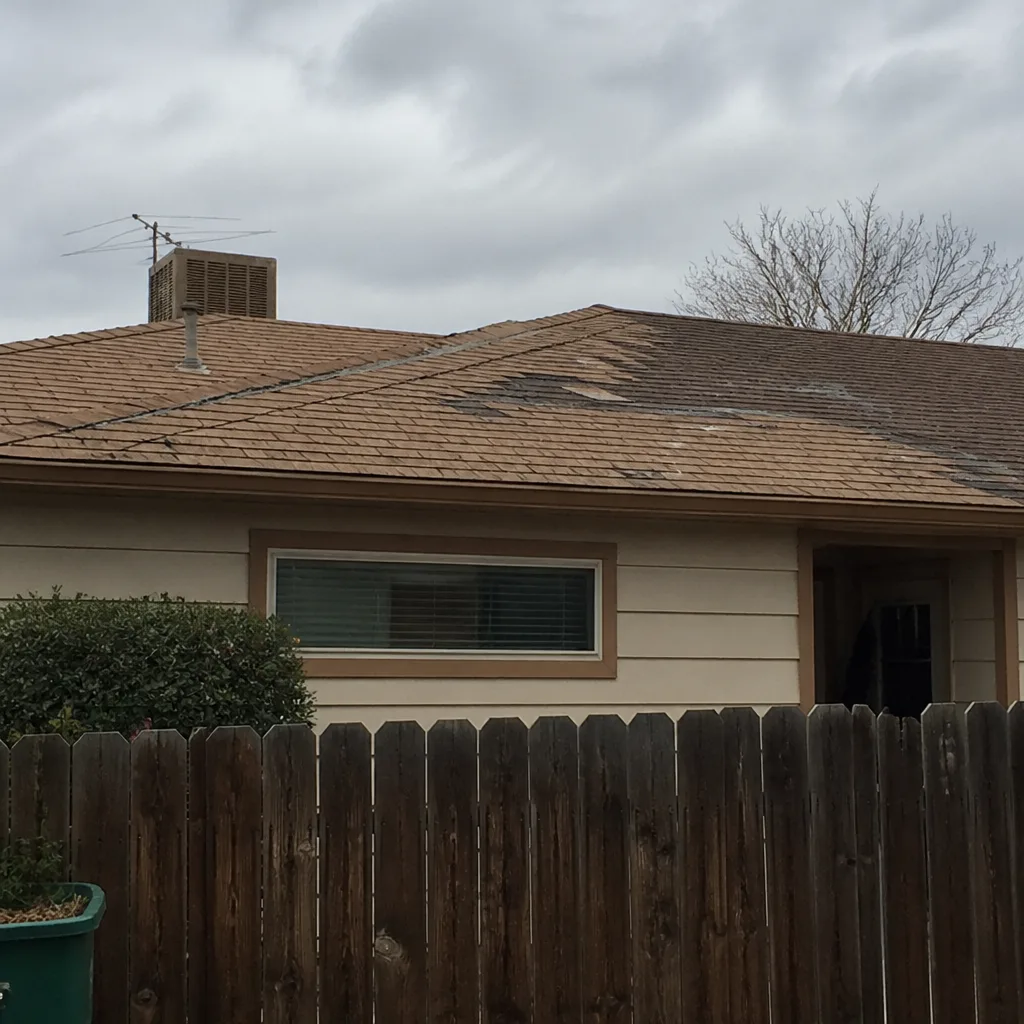 Before
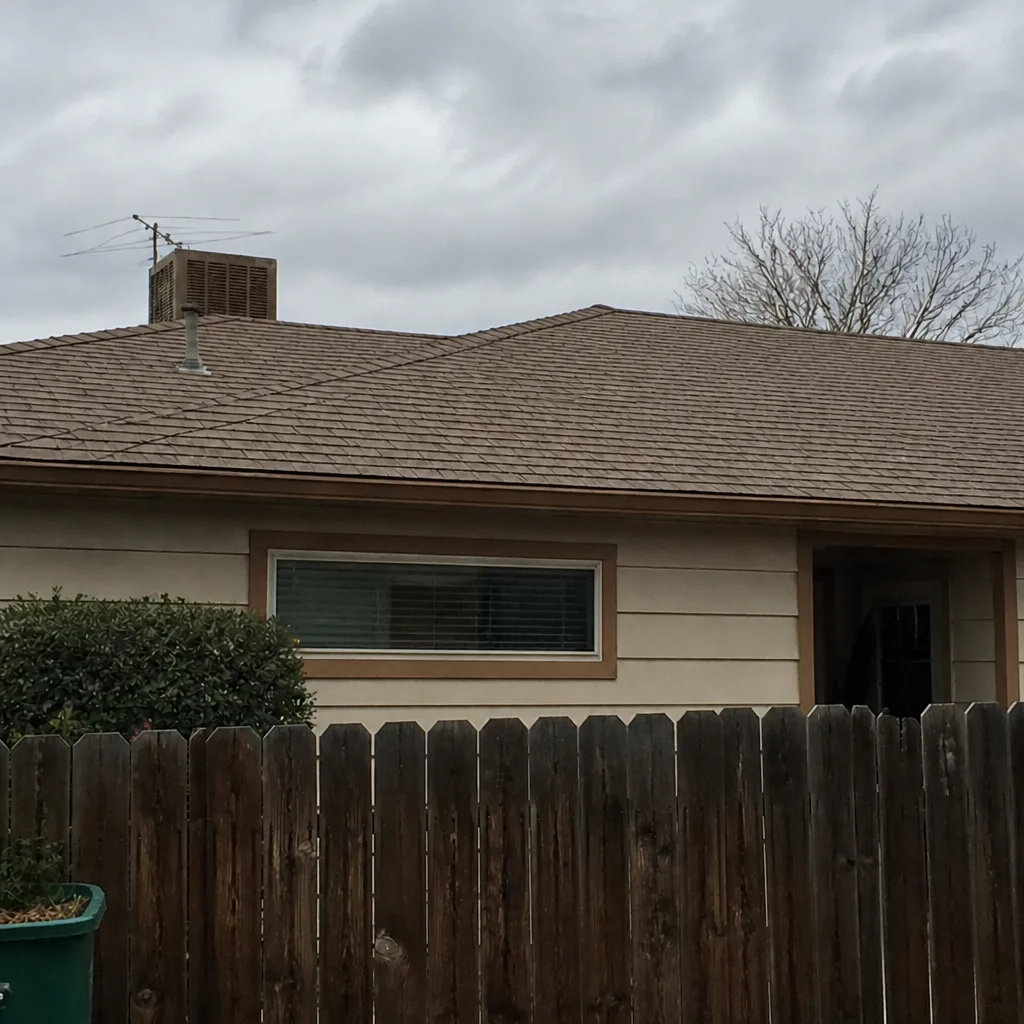 After
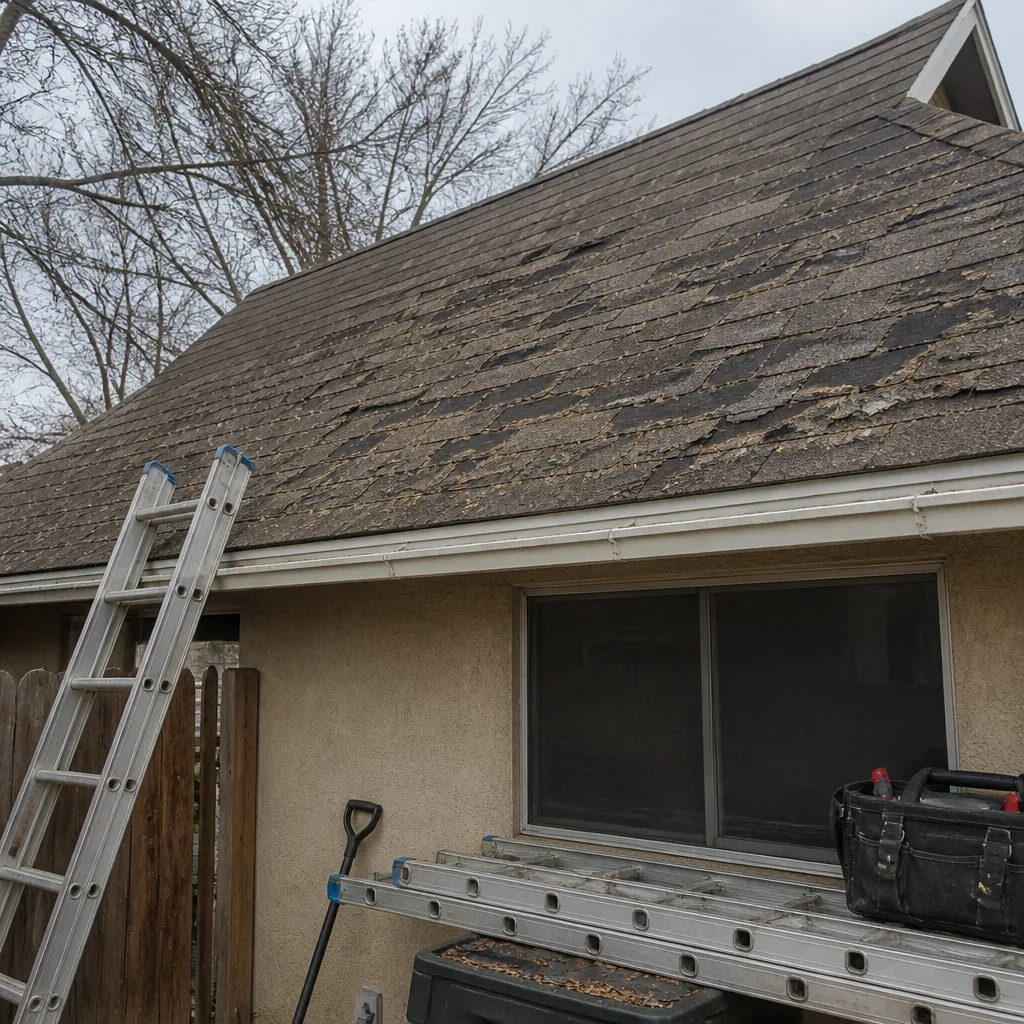 Before
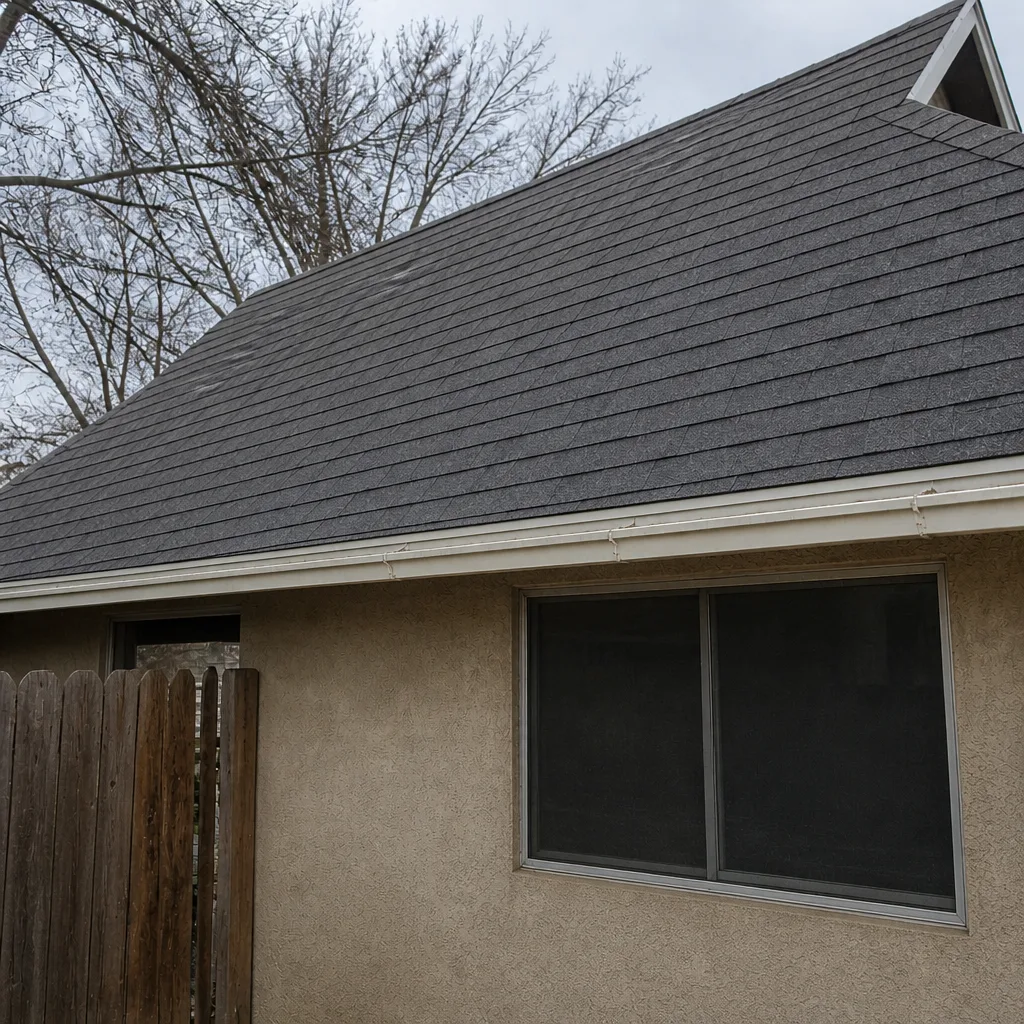 After
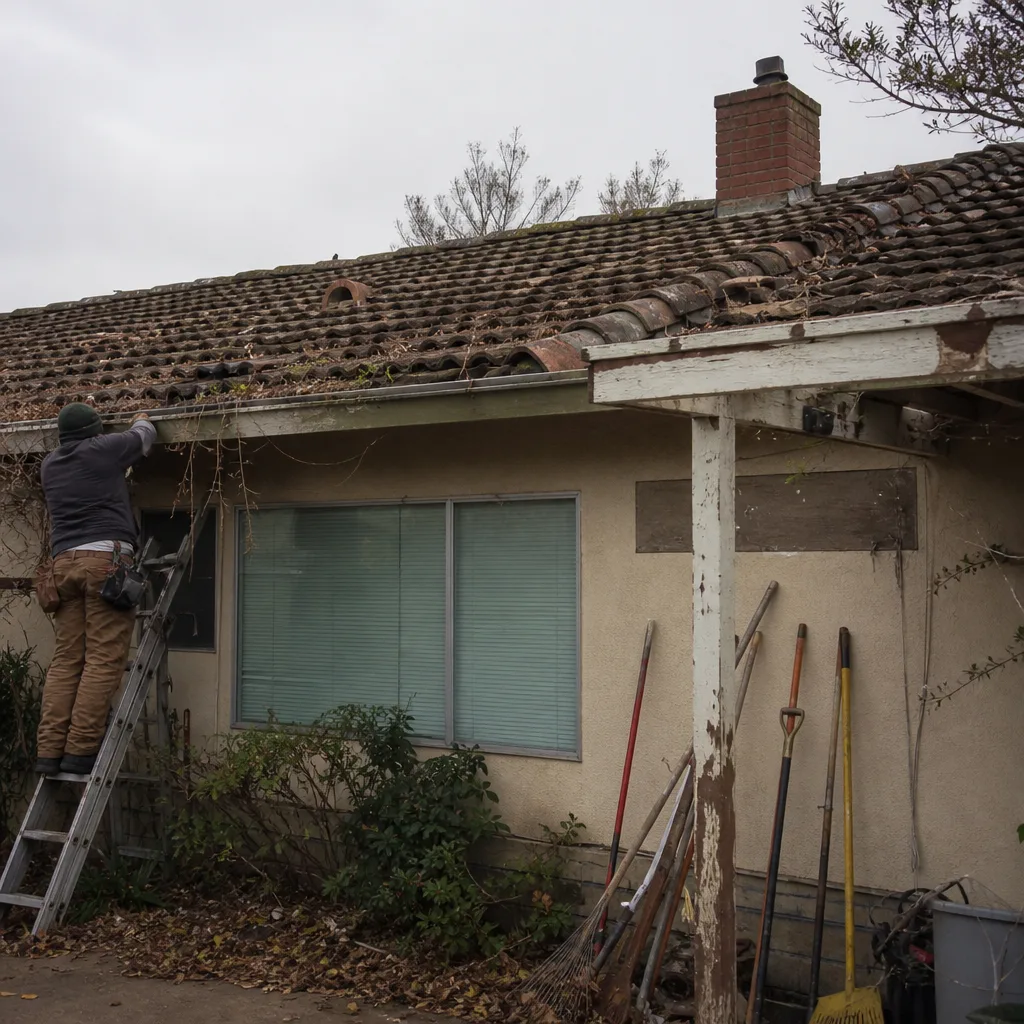 Before
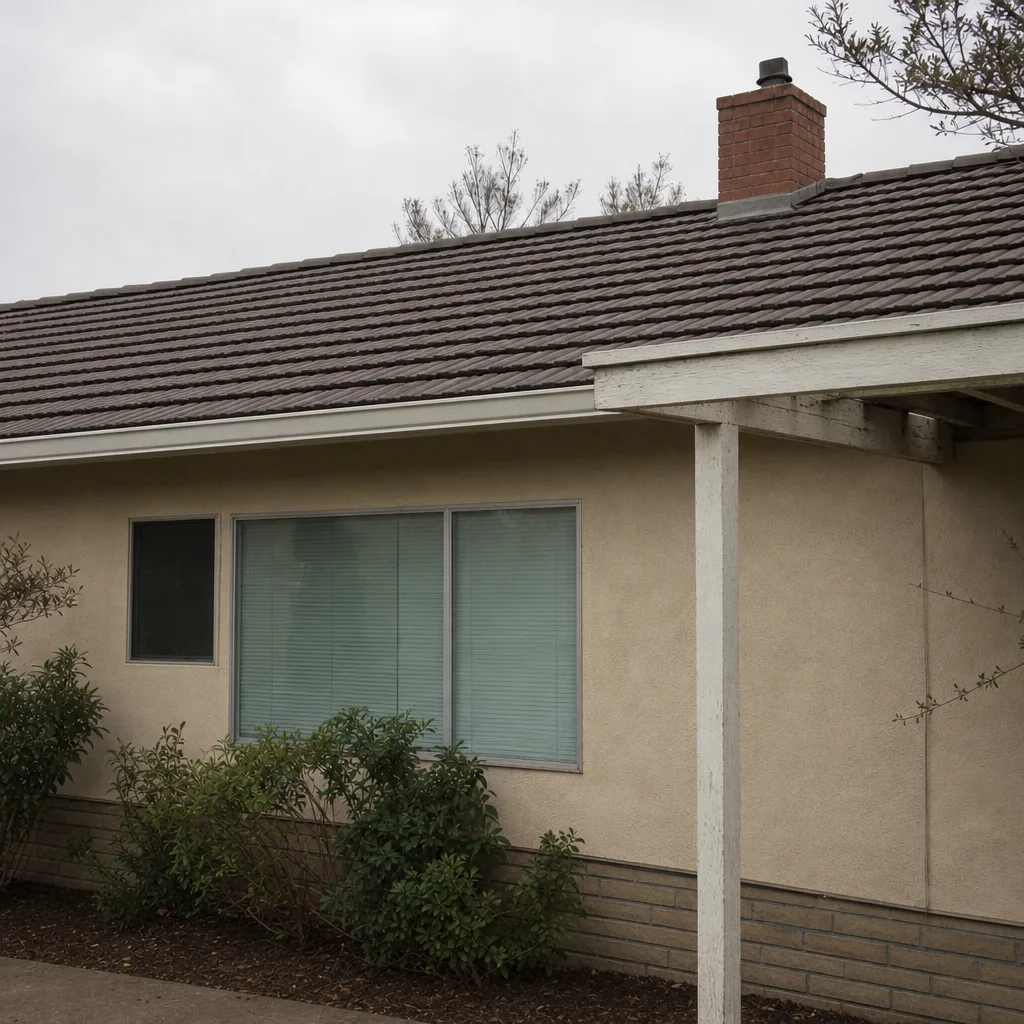 After
When to Call a Professional
Some checks are homeowner jobs. Others are a genuine safety matter. Call a pro before climbing on a roof to address: any leak showing on an interior ceiling (water has already been in the deck for weeks and the source is rarely where the stain is), lifted or missing shingles after a monsoon or hail event, valley metal that has visibly moved, sealant gaps at a chimney cap or parapet wall that you can’t reach safely, and any roof above a story-and-a-half. High-tension work, steep pitches, and anything within a few feet of a parapet edge belong to someone with fall protection. Ask anyone who quotes the job where they’re based, and if the answer is a PO box four states away, keep looking. Shepherd & Sons Roofing Paradise offers free estimates in Paradise and a free second opinion on any written estimate. We’re locally owned and owner-operated with a published address and license number, every roofing job is backed by our written 90-Day Done Right Promise, and a live person answers the phone nights and weekends. Call (833) 676-0557. Standing offers include $40 off any repair over $200, no trip charge inside our own county, and a senior and veteran 10% discount.
Frequently Asked Questions
Twice a year: once in April before the heat season, and once in September after the monsoon. That keeps you ahead of both the UV damage and the water intrusion cycle. If you don’t want to climb, we’ll do both inspections as part of a free estimate. Call (833) 676-0557 to schedule yours – estimates are free.
A basic roof inspection for a Paradise home generally runs from $150 to $400 as a standalone service, and it’s included free when it’s part of a repair or replacement estimate. If you have a written estimate from another contractor, our second opinion on it is also free. Call (833) 676-0557 and we’ll walk the roof, then hand you the notes.
Only if they’re safely reachable from the ground or a stable ladder at a low edge with no slope underneath. Anything above a story or within a few feet of a parapet edge is a fall risk and should go to a pro. Our technicians have up to 30 years of experience on these specific roofs. Call (833) 676-0557 for a quote.
Yes, if flashing fasteners have backed out over the winter and the sealant at pipe boots and HVAC curbs has dried out. The monsoon is the first sustained water that a Paradise roof sees after four or five dry months, and it finds every open joint. That’s the whole reason the pre-summer prep matters in March and April, not July.
Three signals point to replacement: granule wash-off across more than a section or two, shingles that lift and crack when you flex them by hand, and interior moisture that returns within a season of being patched. Anything short of those usually prices out as a repair. We’ll show you the deck photos before we talk money, and every job gets a written line-item quote so the number doesn’t change once work starts.
One page per year, dated entries for every fix, the original shingle brand and color, photos of any damage you saw, and a note for every monsoon, freeze, or hail event. Shingle brand matters: if you have IKO, Atlas, or Tamko shingles and we’re matching a repair, we want to know which. Bring the journal to your estimate. Call (833) 676-0557 for a free one, and we’ll walk the roof with you.
The Bottom Line
Paradise roof care isn’t a single spring checklist. It’s a four-part rhythm: seal and re-torque in March and April, clear drains and scuppers before July 1, inspect for granule wash-off and valley metal movement in September, and watch the chimney caps, HVAC curbs, and parapet caps through December. A dated roof journal ties the whole thing together and makes any insurance claim faster. The homeowners who follow this rhythm spend less over ten years than the ones who wait for a leak. Same address since 1996, same name on the truck, same neighbors on the roof – and a written 90-Day Done Right Promise on every job. When you’re ready to schedule your free estimate, call (833) 676-0557. We’ll show you the deck photos before we talk money.
Written by the team at Shepherd & Sons Roofing Paradise.