
Last updated November 17, 2026
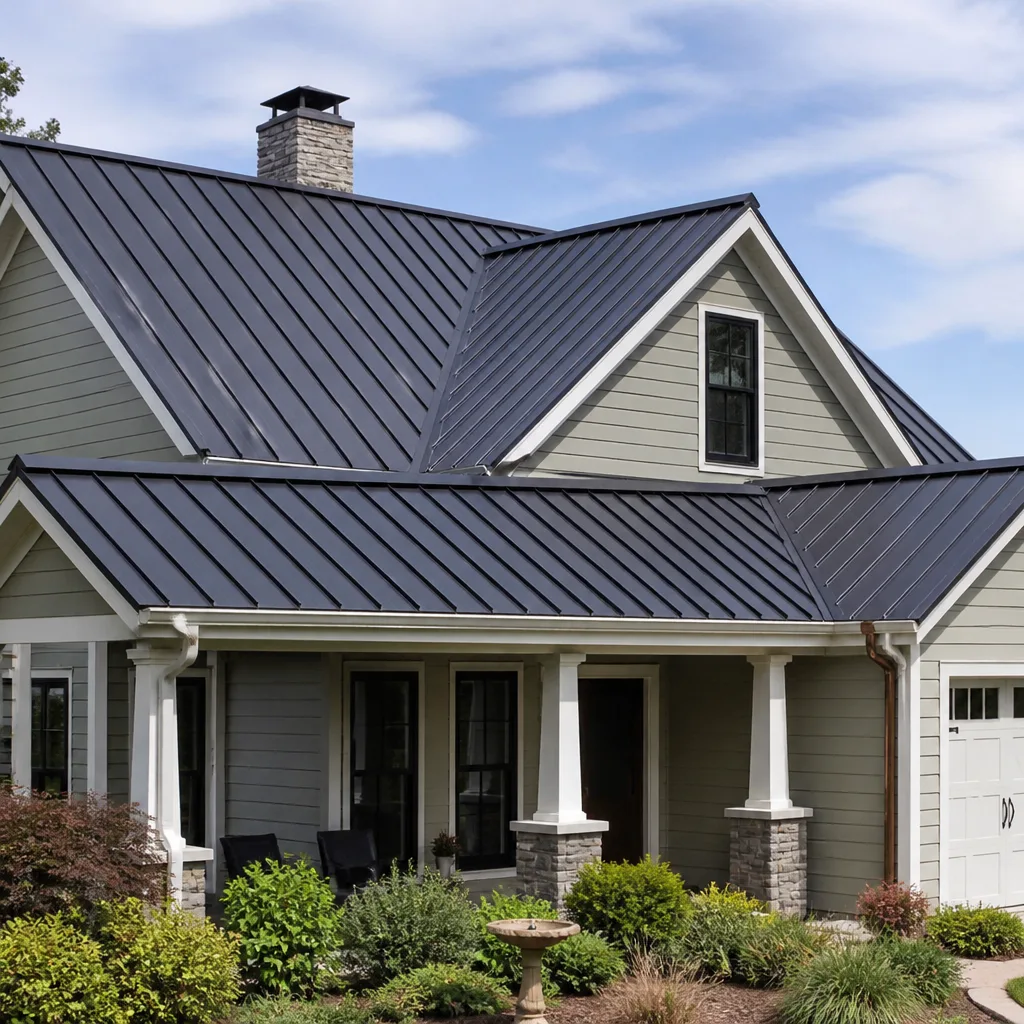 Metal roofing
 Architectural shingles
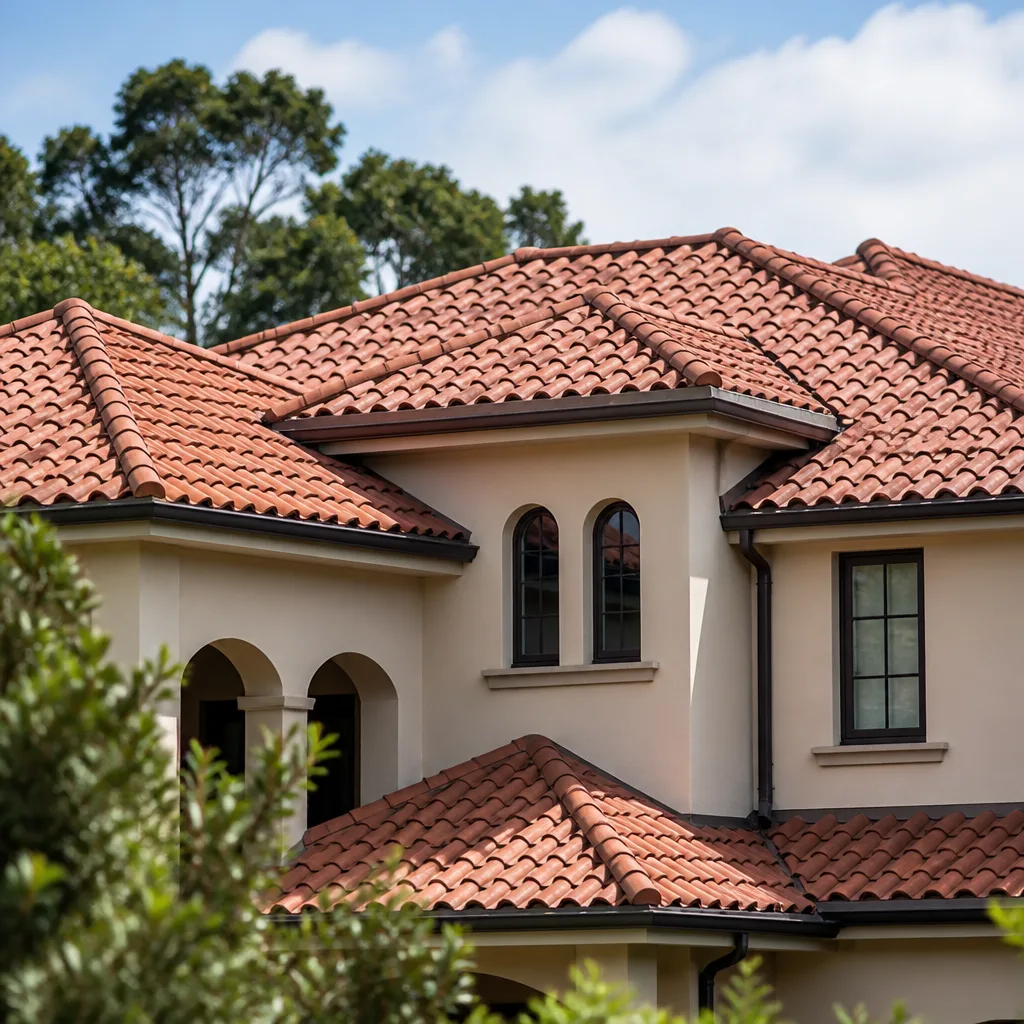 Tile roofing
 GAF
 Owens Corning
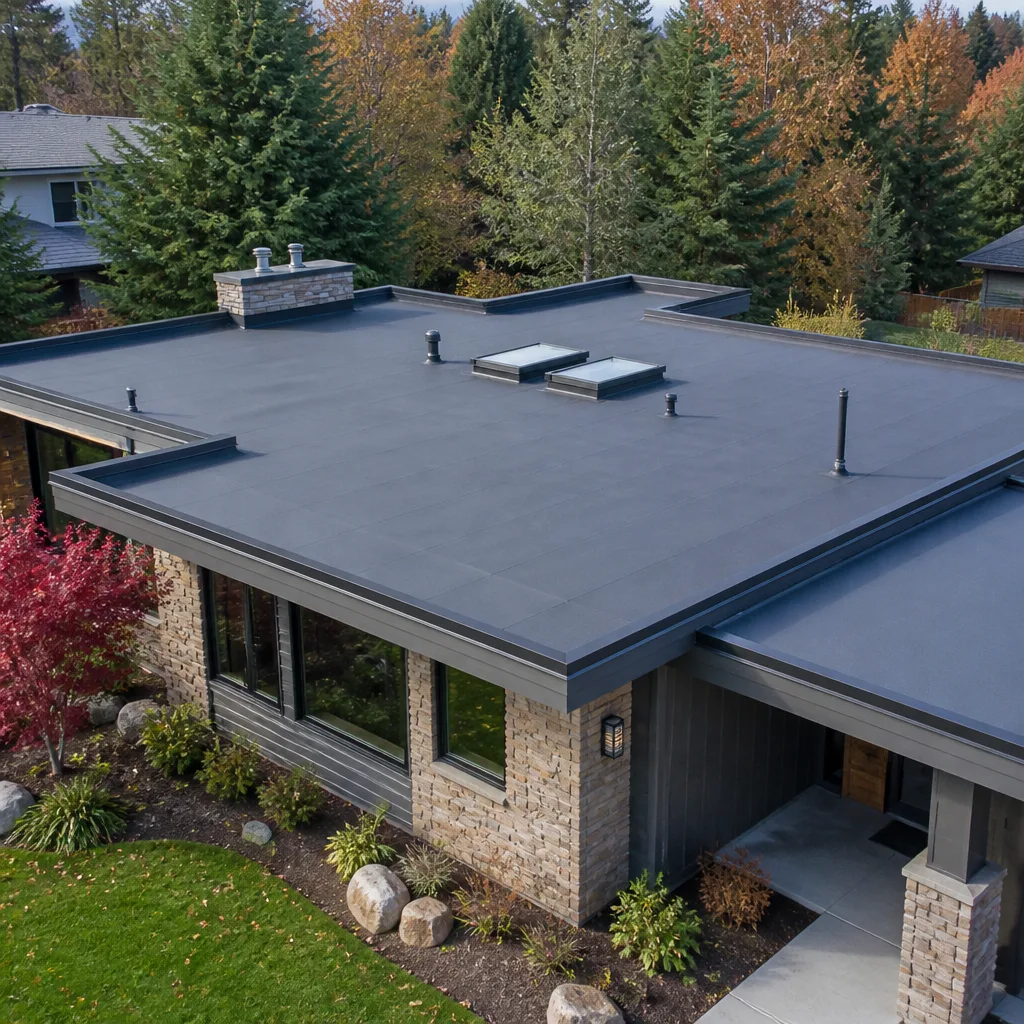 Flat & low-slope
Free roof inspection with deck photos before we talk money - GAF and Owens Corning certified installation
Specialty Roofing Maintenance Schedule: What to Do and When
The maintenance calendar your specialty roofer handed you was probably written for the national market. It’s a generic sheet: inspect twice a year, clean the gutters, call us if it leaks. That schedule doesn’t account for the fact that Paradise gets more UV hours per year than almost any metro in the country, and that sunlight accelerates certain failure points by 20-30% compared to the manufacturer’s default intervals. A standing seam metal roof, a low-slope TPO roof, and a synthetic tile roof each have their own clock here, and a single blended checklist serves none of them well. This guide breaks the calendars apart, system by system, so you know what to check, when to check it, and what’s yours to handle versus what needs a licensed specialty contractor.
Quick Answer
In Paradise, specialty roofing needs UV-adjusted inspection intervals: standing seam metal inspected twice a year with fastener and sealant checks, low-slope TPO or modified bitumen inspected every spring and again before monsoon season with drains and scuppers cleared each time, and synthetic tile inspected once a year plus after any wind event over 40 mph. Annual photo documentation protects your manufacturer warranty, and anything involving roof-level access on steep pitch, sealant repairs above two stories, or membrane repair belongs with a licensed specialty contractor.
Styles & brands we work with
- Architectural shingles
- Metal roofing
- Tile roofing
- GAF
- Owens Corning
- Flat & low-slope
Table of Contents
- Why Paradise’s UV Load Rewrites the Manufacturer’s Schedule
- Standing Seam Metal: The Twice-a-Year Calendar
- Low-Slope TPO and Modified Bitumen: The Drain Calendar
- Synthetic Tile: The Once-a-Year Plus Wind Calendar
- How to Document Specialty Roof Condition Annually
- Homeowner Tasks vs. Licensed Contractor Tasks
- Monsoon Season: What Changes in Paradise
- Maintenance That Protects Your Warranty
Why Paradise’s UV Load Rewrites the Manufacturer’s Schedule
Manufacturer maintenance intervals are written for a national average. They assume a certain number of peak sun hours, a certain UV index curve, and a certain number of freeze-thaw cycles. Paradise doesn’t sit near that average. Our solar exposure runs high across most of the year, and that changes the chemistry of how roofing materials age.
What UV does to a specialty roof isn’t uniform. It hits different components at different rates:
- Sealants and caulks dry out and crack faster. A polyurethane sealant rated for a five-year service life in a temperate climate may give you three and a half years here. That’s why we check sealant joints twice a year instead of once.
- EPDM and modified bitumen membranes oxidize and chalk on top, which is normal, but the chalking rate speeds up here, and it tells you when the membrane is losing its plasticizers.
- Fastener gaskets on metal panels harden and lose their seal. A neoprene gasket that would last a decade in the Midwest can fail in six or seven years in Paradise.
- Tile underlayment takes the heat even though the tile above it blocks the direct sun. Synthetic underlayments are rated to a temperature threshold, and our attic-side heat buildup pushes closer to it than milder climates do.
The practical rule: wherever a manufacturer says “inspect annually,” in Paradise we schedule that inspection on a tighter interval, usually every six to nine months depending on the system. That 20-30% acceleration isn’t a sales pitch. It’s what we see when we get up on roofs across the valley, and it’s the single biggest reason a national one-size schedule leaves Paradise homeowners exposed.
If you’re still determining what kind of roof you have or what system it falls under, our team can walk you through it. Start with the Shepherd & Sons Roofing Paradise home page, and we’ll point you to the right system guide from there.
Standing Seam Metal: The Twice-a-Year Calendar
Standing seam metal is one of the most durable specialty systems you can put on a Paradise roof, but durability isn’t the same as maintenance-free. The panels themselves will outlast most of us. The details around them are what need watching, and twice a year is the right rhythm here.
Late winter (February-March): This is your post-winter inspection. Check the raised seams for any lifting, check the fasteners at the panel terminations and ridge, and look at the sealant at all penetrations (vents, pipe boots, chimney flashing). Sealant is the weak link on a metal roof, and it’s the first thing our crew finds cracking when we get on a Paradise metal roof in spring.
Early fall (September-October): This is your pre-monsoon-adjacent and pre-winter inspection. Clear any debris from the panel valleys and behind the panel terminations. Check that the clips and fasteners are still holding the panel down and there’s no oil-canning or movement when you press near a seam. Look at the gasketed fasteners on any exposed-fastener system (this applies more to corrugated and some standing seam trim) for hardened or split gaskets.
Here’s the checklist we run on a standing seam roof in Paradise:
- Walk the perimeter and look at the fascia and eave trim for lifting or gaps.
- Check every seam for lift, especially at the lower third of the roof where wind pressure is highest.
- Inspect all sealant joints at penetrations and terminations. Press with a thumbnail; if it’s hard, it’s done.
- Check gasketed fasteners for hardened gaskets or backed-out screws.
- Clear panel valleys and behind terminations of debris.
- Look at the panel finish for chalking, fading, or any scratch that’s opened the coating.
Metal panels from IKO, Atlas, or any of the major manufacturers carry finish warranties that depend on you keeping the surface clean and not letting debris sit on it. We install metal from several makers, including IKO, and the maintenance calendar doesn’t change much by brand. If you want to know more about the material itself, our Metal Roofing in Paradise page covers panel types and finishes.
Low-Slope TPO and Modified Bitumen: The Drain Calendar
Flat and low-slope roofs are the most neglected specialty systems on residential properties in Paradise. TPO and modified bitumen don’t look dramatic, so people forget them. But a low-slope roof has one job that no other system does: it has to move water off the surface before it stands. On a slope, gravity does most of that work. On a flat roof, drains and scuppers do it, and those are the most skipped maintenance items on any specialty roof in Paradise.
The TPO and modified bitumen calendar runs on drain events, not just seasons:
- Spring: Full inspection. Look for membrane blistering, seam separation, and ponding water that stays more than 48 hours after rain.
- Before monsoon season (roughly June): Clear every drain, scupper, and overflow. Check drain strainers for debris. This is the single most important task on a low-slope roof in Paradise.
- After any significant monsoon storm: Re-clear drains and check for debris from nearby trees or structures that washed onto the roof. Check for new ponding.
- Fall: One more full inspection and drain clearing before winter rains.
TPO seams are heat-welded, and when a weld fails, water gets under the membrane where you can’t see it. Modified bitumen seams are torch-applied or adhesive, and those seams are the first place UV damage shows. Both materials chalk as they age. Chalking is normal; cracks in the chalking are not. If you can see the reinforcement layer or the membrane is checking like dried mud, it’s past time for a professional look.
For repair questions on a low-slope system, our Roof Repair in Paradise page covers what we handle and how we document it. If the membrane is at end of life, Roof Replacement & Installation in Paradise lays out what a replacement involves.
Synthetic Tile: The Once-a-Year Plus Wind Calendar
Synthetic tile, whether it’s a polymer or a composite made to look like clay or concrete, has failure points neither asphalt nor traditional clay tile maintenance guides cover. It’s lighter than real tile, which is good for the structure, but that also means it can lift and shift under wind in ways real clay doesn’t. And the piece most people forget about is the underlayment.
The synthetic tile calendar:
- Annual inspection, spring: Look for cracked, slipped, or lifted tiles. Check the field, the ridge, and the hips. Check the underlayment at the eaves and in the valleys where UV exposure is highest.
- After any wind event over 40 mph: Walk the perimeter and check for shift. If you can see daylight through a tile course or a tile has moved off its course, it’s a call-a-professional item.
- Every five years: Have a licensed roofer check the underlayment condition, especially on south- and west-facing slopes.
- Annually: Keep the roof clear of debris and keep trees trimmed back. Synthetic tiles don’t shed debris the way metal does.
The underlayment is the real story on synthetic tile. The tile above it looks fine for decades, but the underlayment beneath it takes the heat and ages out first. When we inspect a synthetic tile roof in Paradise, we’re looking at the underlayment condition as much as the tile. Products like Boral’s synthetic tile lines have application guidelines, and following them is what keeps the warranty intact. Boral and similar composite tile makers require proper installation and proper ventilation; the maintenance piece on your side is keeping the roof clear and not letting debris sit on it.
What a homeowner can reasonably do here: walk the perimeter at ground level with binoculars after a wind event, check for visible shift or missing pieces, and keep the roof clear of tree limbs. Anything that requires getting up on the tile itself is a professional call. Synthetic tile isn’t designed to be walked on repeatedly; every footstep over a poorly supported tile can crack it or break the bond to the underlayment.
How to Document Specialty Roof Condition Annually
Warranty claims on specialty roofs don’t fail because the roof was never maintained. They fail because the homeowner can’t prove it was maintained. Manufacturers want a record. Without one, a claim that should be covered gets denied for lack of evidence. Documentation is the cheapest insurance you have.
Here’s the annual documentation routine we recommend to every specialty roof owner in Paradise:
- Date-stamp every inspection. Twenty minutes with a phone camera and a written note is enough. Date it, write down what you checked, and note any concern.
- Photograph the same four spots every year. Pick a representative slope on each side of the roof, shoot from a consistent position, and keep the photos in a folder. Year-over-year comparison catches slow changes.
- Keep every professional inspection report. When a licensed contractor inspects your specialty roof, get the report in writing, with photos. Keep it with your warranty paperwork.
- Log every repair, big or small. What was done, when, by whom, with what material. This matters if the manufacturer ever challenges a claim.
- Keep the receipts for any sealant or membrane material you use. If you touch a joint yourself and it’s later questioned, the product data sheet tells you whether it met the manufacturer’s spec.
We hand every Paradise customer a written condition report after a specialty roof inspection. It’s part of the job, and it’s the kind of record that makes a warranty conversation go smoothly instead of badly. Ask any bidder to put the inspection in writing before you hire them; a contractor who won’t document the roof today won’t stand behind it later.
Homeowner Tasks vs. Licensed Contractor Tasks
Not every maintenance item needs a contractor, and pretending otherwise wastes your money. But the split between what you can safely do and what belongs with a licensed professional is sharper on specialty roofs than on a shingle roof, because the materials are less forgiving and the failure points are harder to spot from the ground.
What a homeowner can reasonably handle, with basic safety gear:
- Visual inspection from the ground with binoculars after a storm.
- Keeping debris off the roof surface using a soft broom on an extension pole from a ladder at the eave, not from the roof itself.
- Clearing leaves and debris from gutters at the eave.
- Keeping trees trimmed back from the roof.
- Photographing the roof from the ground at the same spots each year.
What requires a licensed specialty contractor:
- Any roof-level inspection on a steep-pitch specialty system.
- Any membrane repair or seam welding on TPO or modified bitumen.
- Any fastener, gasket, or sealant replacement on a metal roof.
- Any tile replacement or underlayment check on synthetic tile.
- Clearing drains and scuppers if the roof is more than one story or if the drain is not easily and safely reachable.
- Any repair above two stories, in high wind, or in the rain.
We won’t give step-by-step instructions for climbing on a specialty roof. The fall risk is real, and a slipped foot on a metal panel or a synthetic tile can crack a piece that costs more to replace than the whole maintenance call would have. If you wouldn’t stand on a ladder at that height holding a paintbrush, don’t do it holding a hose or a screwdriver either. Call a professional.
Monsoon Season: What Changes in Paradise
Monsoon season changes the maintenance priority list. In a dry month, the roof’s biggest enemy is UV. During monsoon season, it’s water volume in a short window, and the things that fail under that stress are different.
The tasks that matter most during and after monsoon season:
- Drains and scuppers on any low-slope roof. A clogged drain in a 20-minute downpour is a flood on your ceiling.
- Sealant at penetrations on metal roofs. A hard, cracked bead of sealant gets tested under wind-driven rain and fails.
- Lifted or shifted synthetic tile after a wind event. A tile that’s still in place but shifted off its course lets water under the field.
- Ponding on flat roofs. Water that stays more than 48 hours after rain is a membrane problem, not a drain problem.
We get a lot of calls in Paradise the day after a monsoon storm, mostly for things that a pre-season drain clearing would have prevented. The maintenance task that pays for itself fastest on a low-slope specialty roof is clearing the drains before the first big rain of the season. It’s not glamorous, but it’s the difference between a wet ceiling and a dry one.
Maintenance That Protects Your Warranty
Every specialty roofing manufacturer, whether it’s IKO, Tamko, Boral, or any of the others, ties the warranty to proper maintenance and proper documentation. The warranty doesn’t cover a roof that was never looked at. The maintenance work is the requirement.
The tasks that directly protect your warranty:
- Annual or semi-annual inspection as the manufacturer’s guidelines require. If your system’s manufacturer says “inspected annually by a qualified professional,” honor that, even if your UV-adjusted instinct says come out twice.
- Prompt repair of any damage the inspection finds. Waiting a season to fix a lifted tile or a cracked sealant joint can turn a covered repair into an uncovered one.
- Keeping the roof clear of debris. Ponding water and debris buildup are the two most common reasons a warranty claim gets denied.
- Documenting everything. If you can’t show the inspection and the repair, the manufacturer has no reason to cover the claim.
- Using qualified contractors for the work. A repair done by someone who isn’t licensed and doesn’t follow the manufacturer’s guidelines can void coverage on the repair itself.
If you’re not sure whether your manufacturer requires an annual or semi-annual inspection, that’s a question worth answering. We’ll tell you what the paperwork on your specific product calls for and what we’d recommend here in Paradise given our UV load.
Common Mistakes to Avoid
- Following a national maintenance schedule word for word. The manufacturer’s default intervals don’t account for Paradise’s UV load, and a twice-a-year schedule that works in a milder climate can leave you a year behind here.
- Skipping the drains on a low-slope roof. Drain and scupper clearing is the single most skipped maintenance task on specialty roofs in Paradise, and it’s the one that causes the most water damage.
- Walking on synthetic tile to check it yourself. Every footstep on synthetic tile can crack a piece or break the bond to the underlayment, and repairing that costs more than the professional inspection would have.
- Trusting the shingle-roof maintenance advice on a specialty system. Granule loss and shingle sealing aren’t failure points on a metal or TPO roof. Watch the seams, the fasteners, and the membrane, not the shingles.
- Letting a contractor inspect without written documentation. A verbal “looks good” doesn’t help when a warranty claim comes up.
- Waiting until a leak shows up on the ceiling. By the time water is coming through, the failure point has usually been visible from the roof for a year or more.
- Using a handyman for membrane or sealant repair. Specialty materials have manufacturer-specified repair products and methods. A generic repair can void coverage on that section of roof.
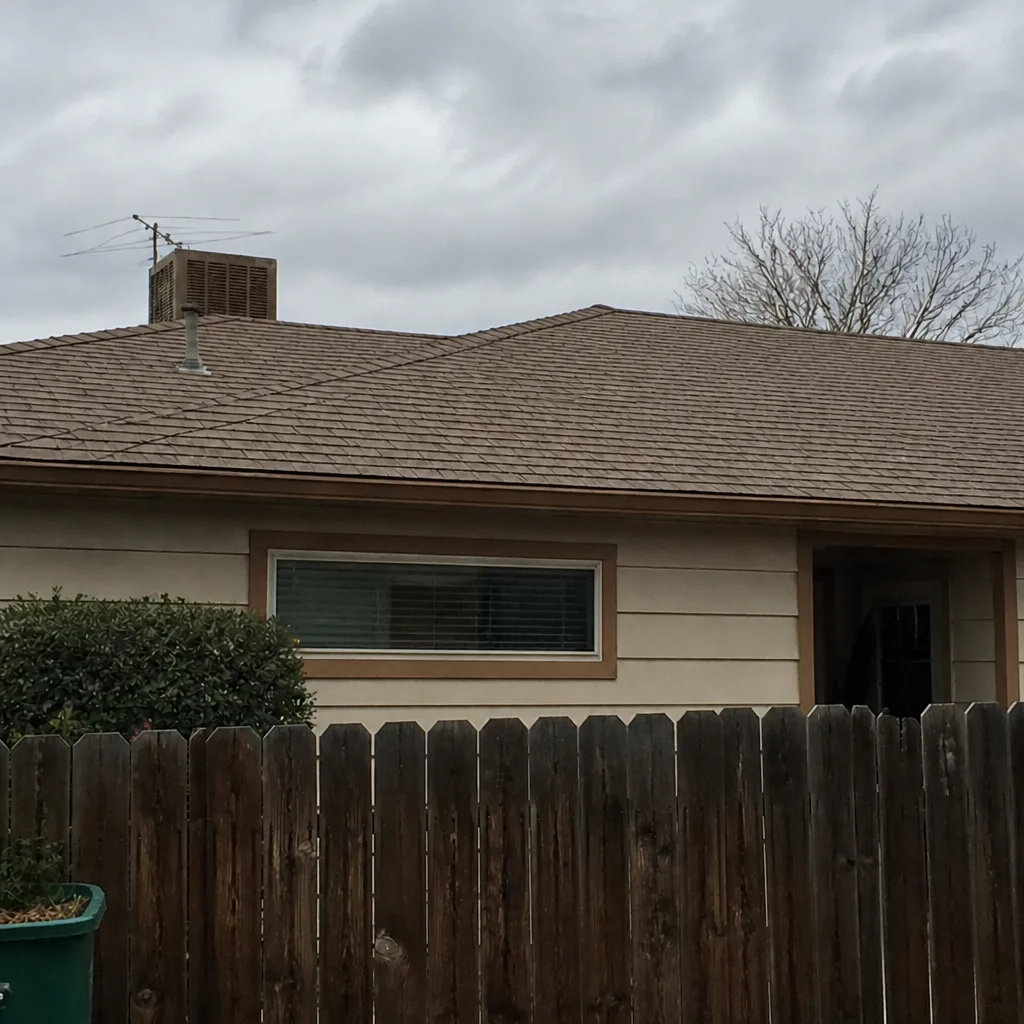
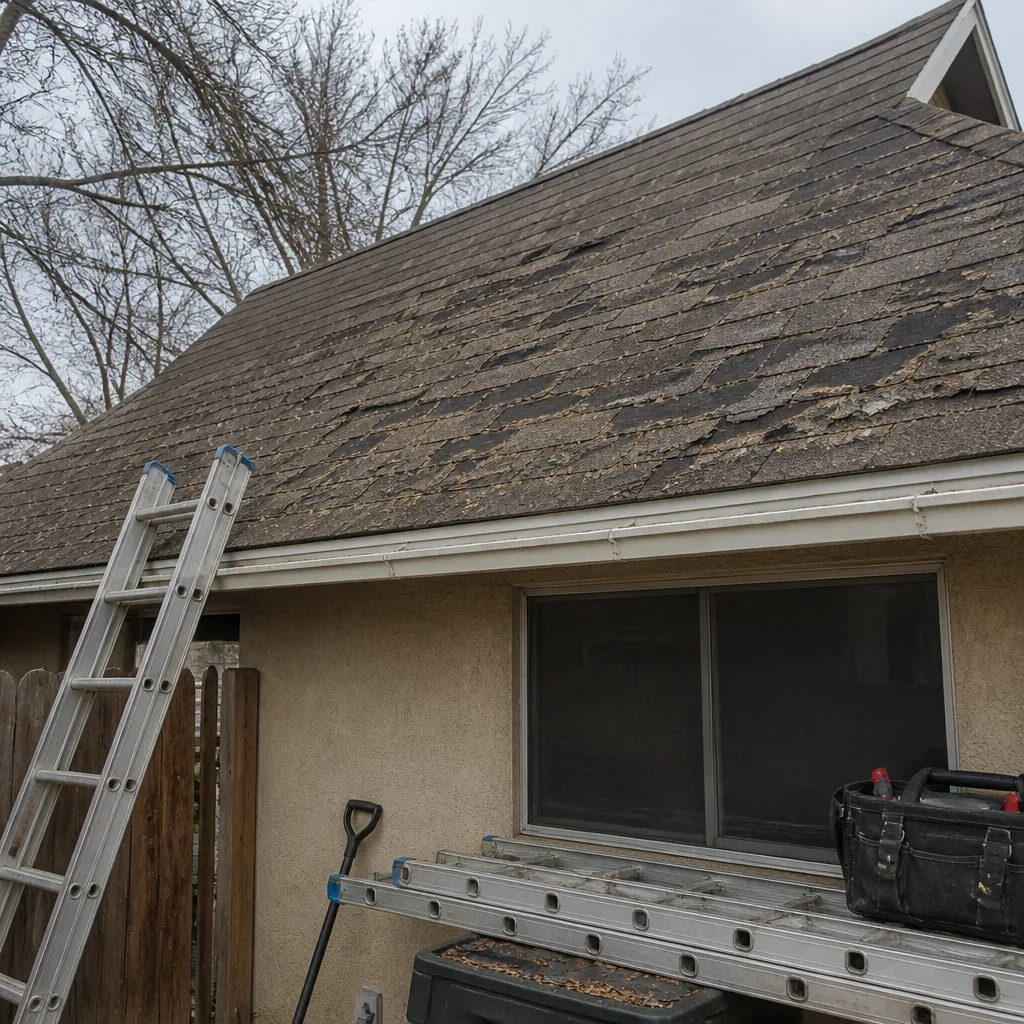
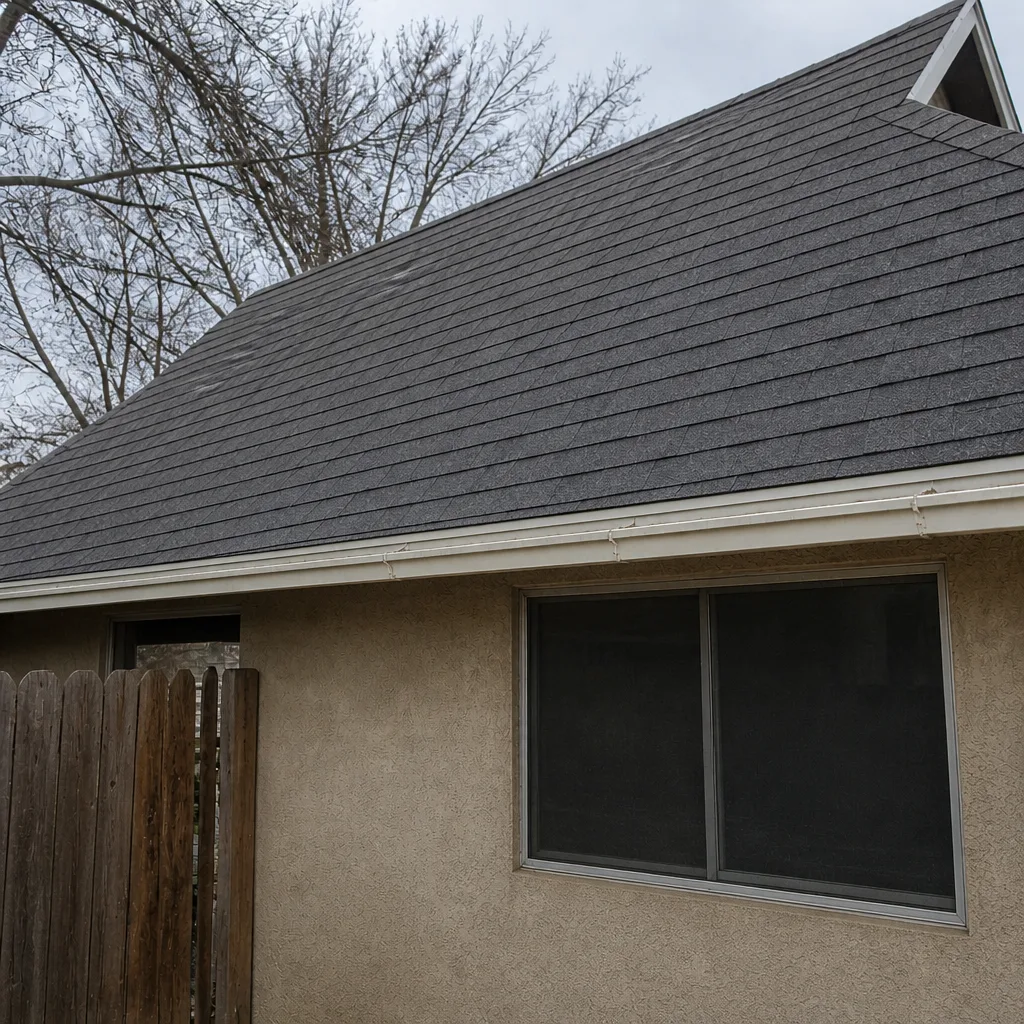
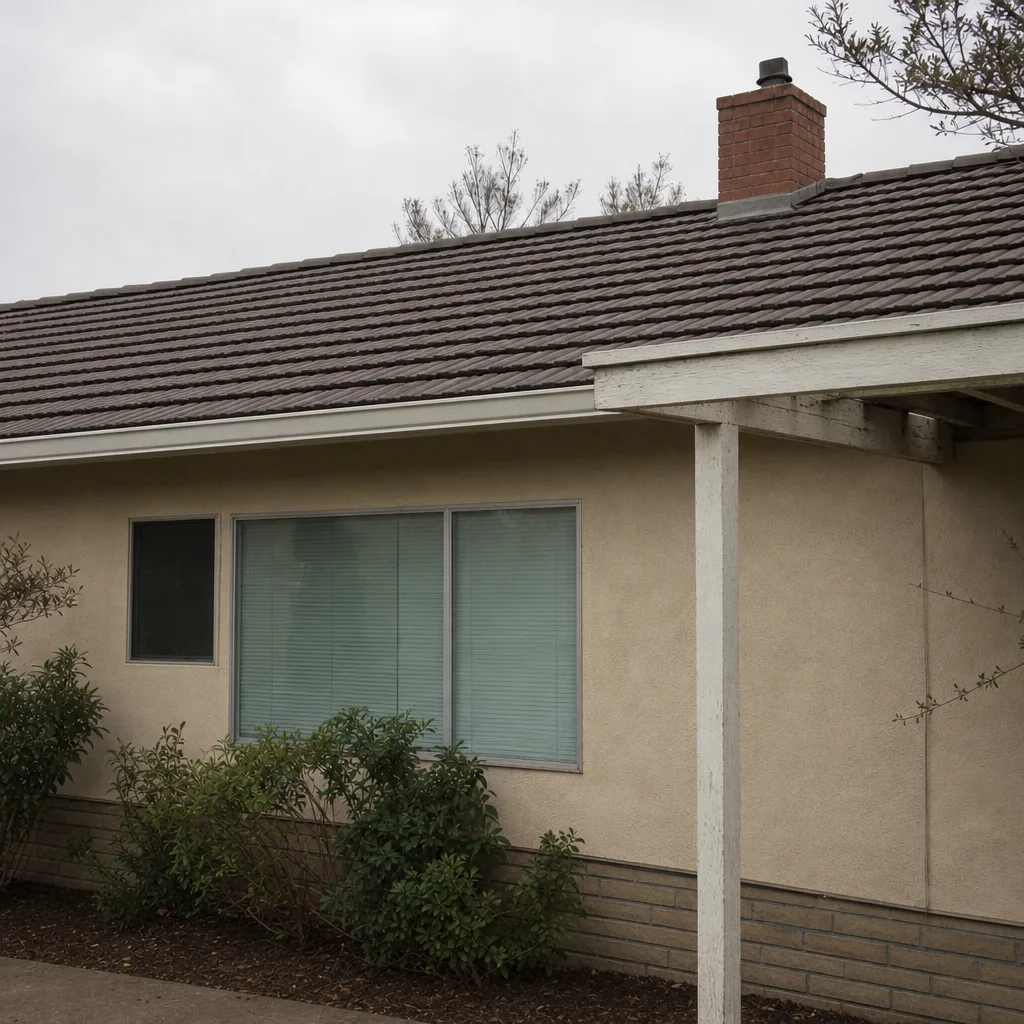
See the difference
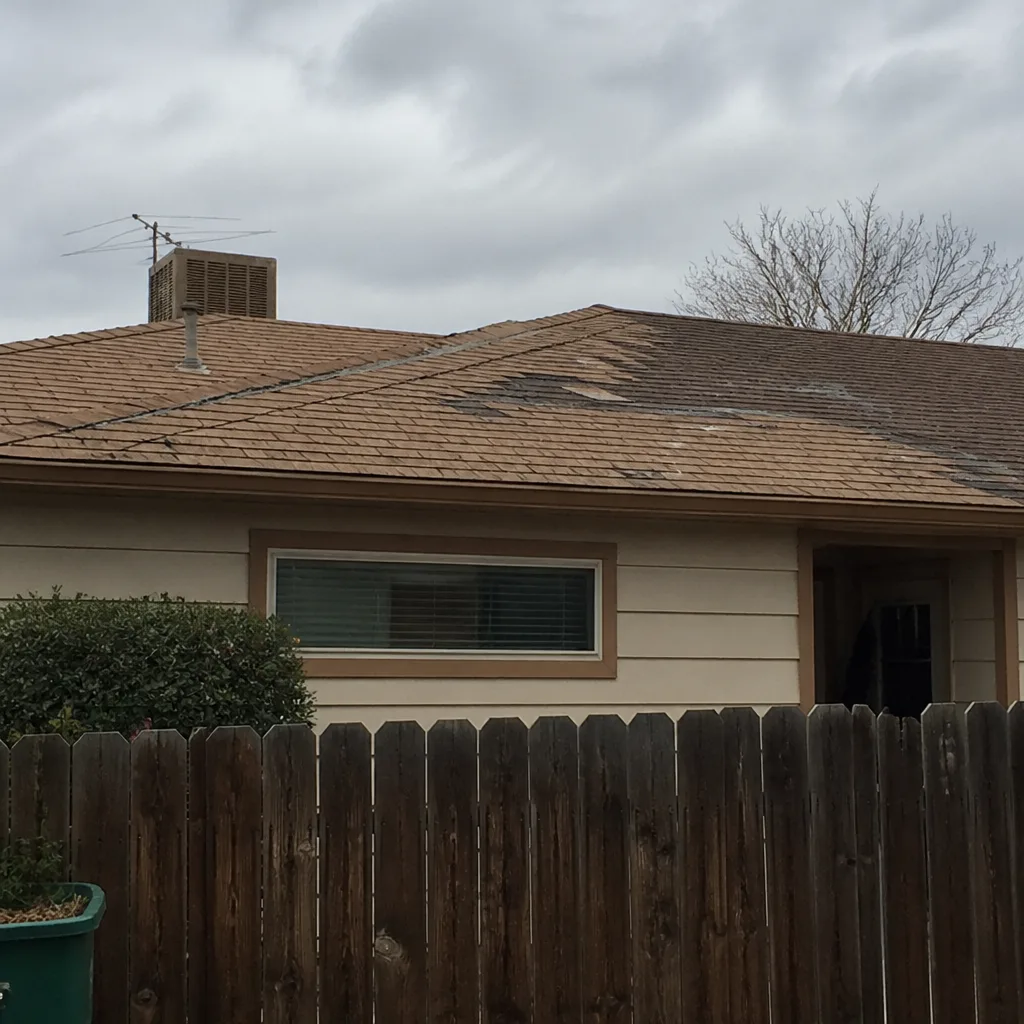 Before
 After
 Before
 After
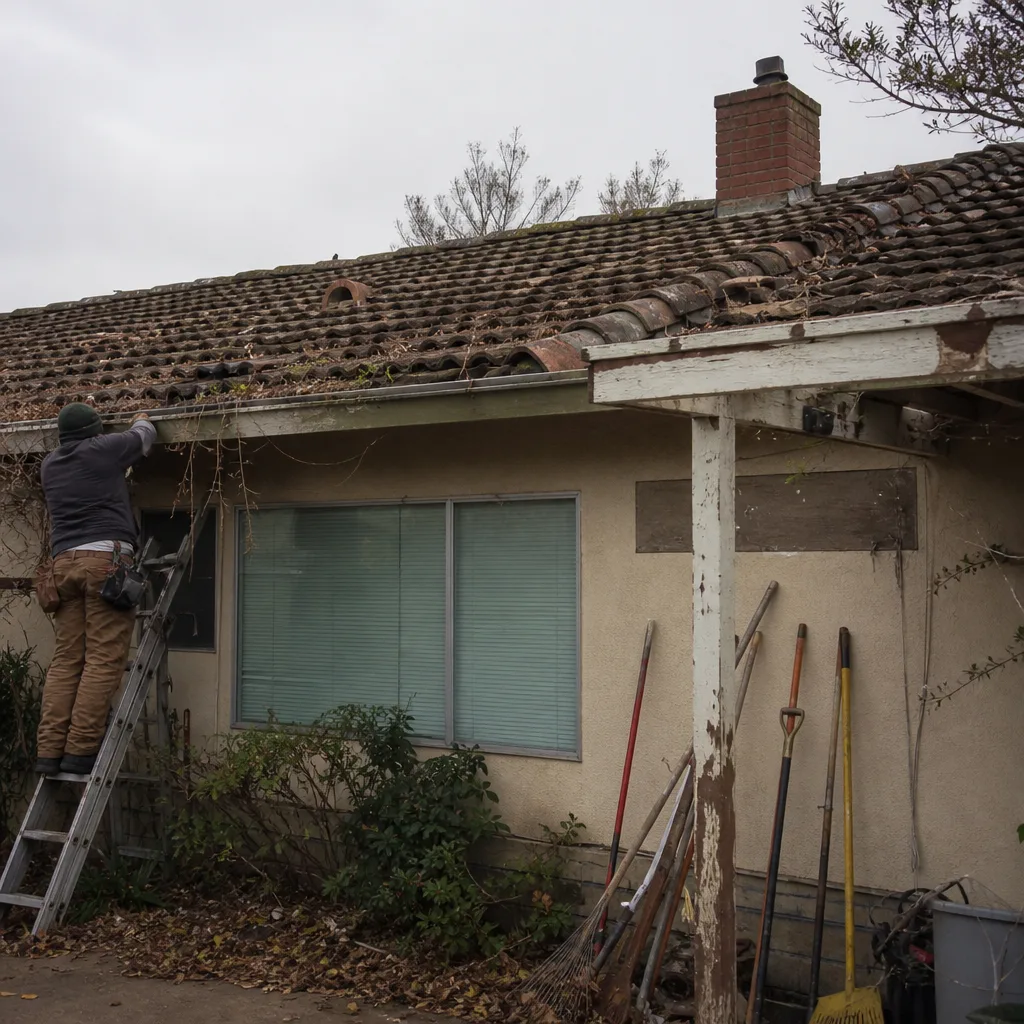 Before
 After
When to Call a Professional
Call a licensed specialty contractor when you see any of the following: ponding water that stays more than 48 hours after rain; visible blistering, cracking, or seam separation on a TPO or modified bitumen membrane; lifted, shifted, or cracked synthetic tile after a wind event; hardened or cracked sealant at metal roof penetrations; or a smooth, chalky finish on a metal panel with any scratch that’s opened the coating. Call before you try to fix any of it yourself. The cost of a professional inspection is small compared to a repair, and it’s free at Shepherd & Sons Roofing Paradise. We offer free estimates in Paradise, including a free second opinion on any written estimate you already have from someone else.
Frequently Asked Questions
Twice a year in Paradise, compared to the annual inspection most manufacturers recommend nationally. Our UV load hardens sealant and gaskets faster than a milder climate would, so we check both in late winter and again in early fall. Any gasketed fastener with a hardened or split gasket should be replaced right away, not at the next scheduled inspection.
Clearing the drains and scuppers before monsoon season and again after any significant storm. It’s the single most skipped task on specialty roofs in Paradise, and a clogged drain in a heavy downpour is what turns a small water intrusion into a flooded ceiling. A pre-season drain clearing costs very little and prevents the most expensive kind of low-slope repair.
You can inspect it from the ground with binoculars after a wind event, and that’s as far as we’d recommend. Synthetic tile isn’t designed for repeated foot traffic, and a cracked tile or a broken underlayment bond is a more expensive repair than the professional inspection would have been. Anything that requires getting up on the roof should be a call to a licensed contractor.
For the components that age by UV exposure, yes. Sealants, fastener gaskets, and the exposed surfaces of membrane and metal all age faster here than the national average, and we see sealant and gasket failures a year or two ahead of what the manufacturer’s maintenance schedule predicts. The panels themselves aren’t the concern; the sealants and gaskets around them are.
It can, yes. Manufacturers tie warranty coverage to the maintenance they specify, and a claim without documentation of that maintenance is easier to deny. Keep a dated record of every inspection and repair, including photos, and get any professional inspection in writing. If you’re not sure what your specific product requires, call us at (833) 676-0557 for a free look at the paperwork.
Call us at (833) 676-0557. We offer a free second opinion on any written estimate and a free estimate on any maintenance or repair work in Paradise. We’ll show you the deck photos and tell you what we see before we talk about money, and there’s no trip charge inside our own county.
The Bottom Line
Specialty roofing in Paradise doesn’t run on one schedule. Standing seam metal needs a twice-a-year calendar focused on sealants and gasketed fasteners. Low-slope TPO and modified bitumen need drain and scupper clearing before every monsoon season as the top priority. Synthetic tile needs an annual inspection plus a wind-event check, with the underlayment watched every five years. Document all of it, keep the record, and let the maintenance schedule protect the warranty. If you want a professional set of eyes on your specialty roof, call Shepherd & Sons Roofing Paradise at (833) 676-0557 for a free estimate. We’re locally owned and owner-operated, and every roofing job we do is backed by our written 90-Day Done Right Promise.
Written by the team at Shepherd & Sons Roofing Paradise.