
Last updated November 17, 2026
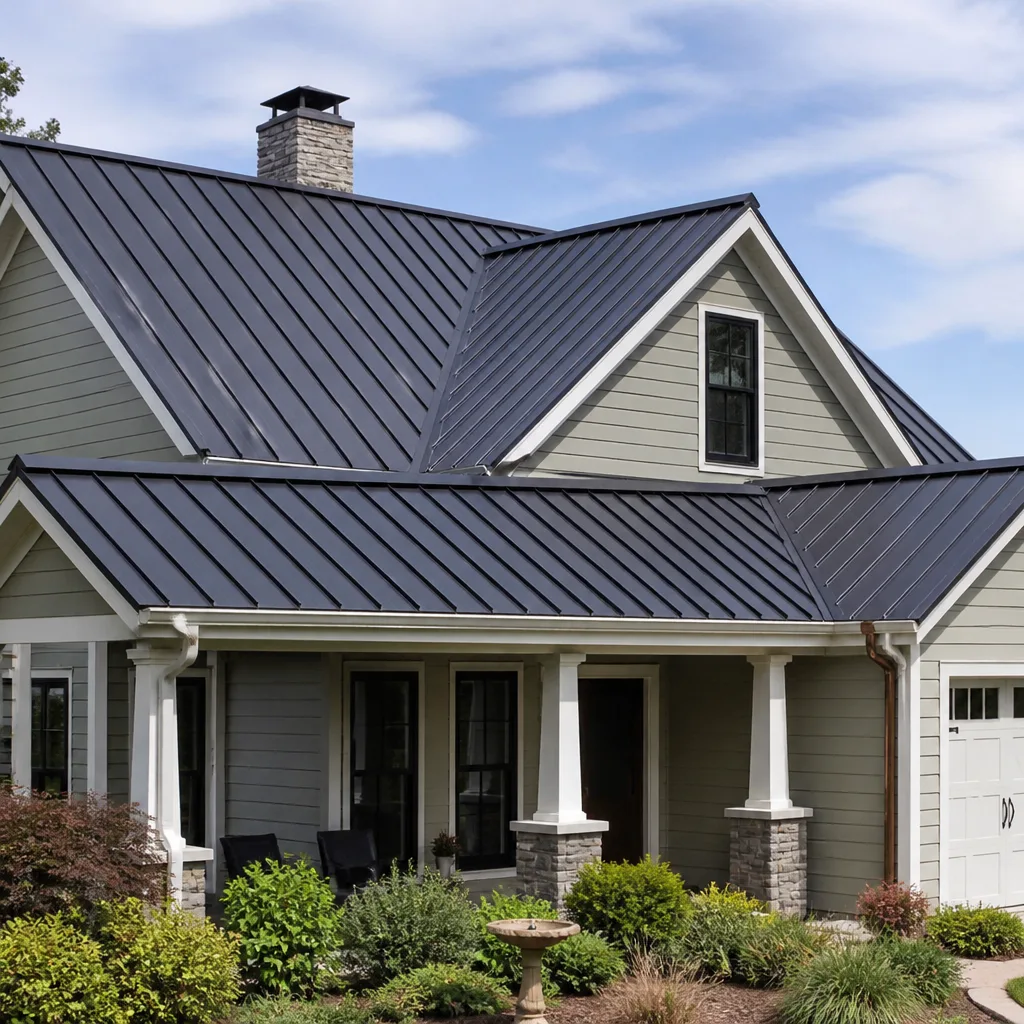 Metal roofing
 Architectural shingles
 Tile roofing
 GAF
 Owens Corning
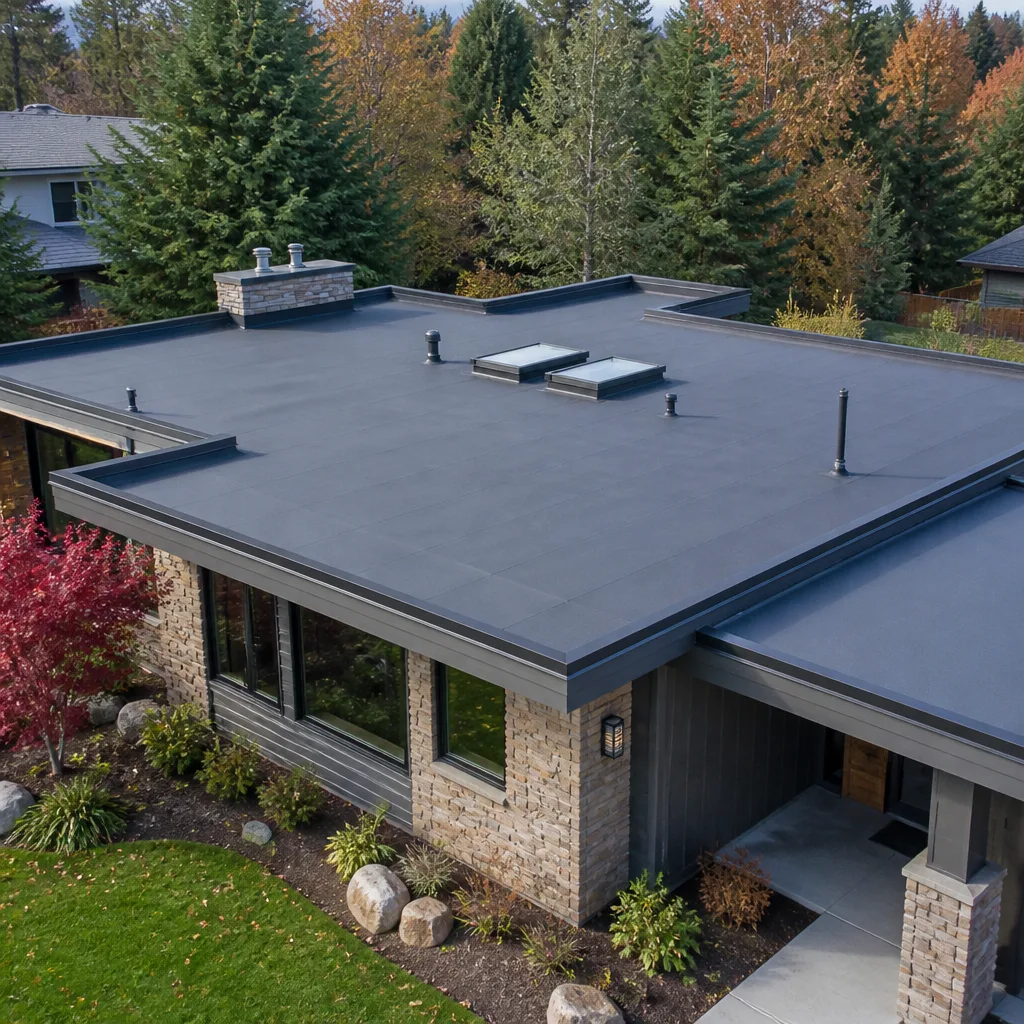 Flat & low-slope
Free roof inspection with deck photos before we talk money - GAF and Owens Corning certified installation
Specialty Roofing Troubleshooting: Common Problems and How to Fix Them
If a roofer looks at a standing seam metal roof leak and reaches for a caulk gun, he’s guessing. Seam failures are almost never the source of that leak. Thermal movement at the ridge or a loosened fastener back is. Caulk over the seam and you’ve hidden the water path, not fixed it. That pattern repeats across every specialty system we see in Paradise: contractors trained on asphalt shingles apply asphalt logic to metal, TPO, and tile, and the diagnosis lands on the wrong component. This guide maps the actual failure modes material by material, so you can have an informed conversation before anyone climbs up there.
Quick Answer
Specialty roofing problems get misdiagnosed because each material fails differently: metal leaks come from fastener movement and ridge thermal expansion, TPO leaks come from seam welds and terminations, and tile leaks usually trace to underlayment, not the tile itself. The right fix depends on matching the symptom to the system, not applying asphalt-shingle thinking to a roof it doesn’t fit.
Styles & brands we work with
- Architectural shingles
- Metal roofing
- Tile roofing
- GAF
- Owens Corning
- Flat & low-slope
Table of Contents
- Material-Specific Failure Map: Where Each System Actually Leaks
- The Caulk Trap: Why Temporary Fixes Cause Hidden Damage
- Thermal Movement in Paradise: Identifying Expansion Damage vs. Installation Defects
- How to Describe a Specialty Roofing Problem to a Contractor
- Step-by-Step: Diagnosing a Specialty Roof Leak
- Warranty Repair, Maintenance, or Re-Roof? How to Tell the Difference
- When a Specialty Roof Can Be Repaired and When It Can’t
- Common Mistakes to Avoid
Material-Specific Failure Map: Where Each System Actually Leaks
The single biggest reason specialty roof problems stay unsolved is that the person looking at them is hunting in the wrong place. Asphalt shingles fail in predictable spots – missing tabs, cracked mat, worn granules. Metal, TPO, and tile fail somewhere else entirely. Here’s the map we use in Paradise when a homeowner calls in a leak they’ve already had two other roofers look at.
- Standing seam metal: Fastener back-out from thermal cycling, ridge cap and valley terminations, penetrations (flues, vents) where the boot or collar has aged, and panel movement at the eave that opens a gap the eye won’t catch from the ground. True seam failures are rare on a properly installed system. If someone tells you the seam failed on a 10-year-old standing seam roof, ask how they know.
- TPO membrane: Heat-welded seams (the weld was poor, the overlap was short, or the wrong heat setting was used), terminations at parapet walls and curbs, drain boots, and perimeter flashings. TPO is a commercial-rated membrane showing up on more low-slope additions and porch roofs, and the seams are where it lives or dies. A seam that looks closed can still pass water.
- Synthetic tile and clay tile: Tile is a rain screen, not the waterproofing. The underlayment is. When we find a tile roof leak in Paradise, it’s almost always failed underlayment, flashing, or a broken tile that’s letting water behind the field, not the tile itself “wearing out.” Pull a few tiles and you’ll see whether the underlayment is the story.
- TPO vs. metal on flashings: Both fail at the same weak points – wall transitions, skylight curbs, pipe boots. The difference is how they fail. Metal flashings crack and lift. TPO flashings pull and separate at the weld.
If your system is metal and you want the full picture on how those roofs are built and maintained, our Metal Roofing in Paradise page walks through panel types and the maintenance items that actually matter.
The Caulk Trap: Why Temporary Fixes Cause Hidden Damage
Caulk is the tool that makes a problem disappear long enough for the roofer to leave and long enough for you not to notice until it’s expensive. On specialty systems, a caulk smear over a leaking seam, flashing, or fastener does two real things: it blocks the water’s exit path at the surface while letting it keep entering behind the material, and it hides the evidence a good diagnosis needs. We’ve pulled caulk off metal ridges in Paradise and found three years of trapped moisture rusting the panel back and eating the deck below.
Here’s how the trap closes:
- Water gets in at the real failure point – a lifted fastener, a short TPO seam weld, a broken tile with failed underlayment behind it.
- Caulk gets applied over the surface – the water can’t escape where it entered, so it travels laterally under the panel, membrane, or tile.
- Moisture collects in a spot unrelated to the leak – decking softens, insulation sogs, and the ceiling stain shows up ten feet from the actual source.
- Someone chases the stain, not the source – caulk goes on a second time, and the pattern repeats.
- Years later, the real cost reveals itself – rotted sheathing, rusted panel back, failed membrane, and a repair scope that’s grown three times over.
There are rules for when caulk belongs on a specialty roof: it doesn’t. Sealant is a scheduled maintenance material on some assemblies, applied at specific joints with specific products, and it’s a bridge, not a fix. If a contractor’s plan for your specialty roof leak is caulk and no diagnosis, that’s the tell. Ask what failed and where the water path is. If the answer is a shrug and a tube of sealant, you’ve got your answer.
Thermal Movement in Paradise: Identifying Expansion Damage vs. Installation Defects
Paradise’s temperature swings are tough on specialty roofs. Summer afternoons push metal panel surface temps well past the air temperature, and winter nights drop hard enough that the panels and the framing below are moving in opposite directions. Over a season, that expansion-and-contraction cycle is the single most common cause of “mystery” leaks on metal and long-run TPO installations here. It also creates the diagnostic headache: expansion damage looks like an installation defect, and the fix depends on knowing which one you have.
Two things separate the two:
- Installation defects show up early and in a pattern. A fastener set too tight, a panel with insufficient spacing at the eave, a TPO seam welded at the wrong heat. These show up in the first season or two, usually along one run or one side of the roof, and often at the same spot every time.
- Thermal movement failures show up later and match the weather. The leak appears after a hot spell or a cold snap, or shows up on the south and west-facing slopes first because those get the most sun. Standing seam fastener backs work loose over many cycles. Ridge caps lift microscopically. Panel ends at the eave creep.
When we look at a Paradise specialty roof with a leak, we start by asking two questions: when does it leak (season, time of day, after which weather), and where has it leaked before. The answers tell us as much as the roof itself. If you’ve had a caulk-and-hope fix go south, our Roof Repair in Paradise page covers what a real diagnosis should include.
How to Describe a Specialty Roofing Problem to a Contractor
The way you describe the problem tells a real specialty contractor whether they’re walking onto a diagnostic call or a guessing game. Here’s what actually helps when you call.
- Name the material. “Standing seam metal,” “TPO membrane,” “synthetic tile” – not “tile-ish.” If you don’t know the material, describe what the panels or tiles look like and how they’re attached. Every specialty contractor will know the difference in about ten seconds.
- Say where and when it leaks. North slope or south, after rain or after snowmelt, morning or afternoon, one spot or along a run. Patterns narrow the failure map fast.
- Report the history. How many previous repairs, what was done, who did it, and whether the leak returned in the same place or moved. Moved leaks point at trapped water; same-place leaks point at a real failure that hasn’t been found yet.
- Mention what’s underneath. Ceiling stains, attic moisture, soggy insulation, or a wet spot on the ceiling ten feet from the wall – each of those describes a different lateral water path.
- Ask what failed and where the water’s coming in. Not “how much to fix it.” What failed. If the contractor can’t answer that on the spot, that’s the answer you needed.
When you’re ready to have that conversation, our Shepherd & Sons Roofing Paradise home page has the direct line and the honest one, and the same phone gets Bill or one of his crew, not a call center.
Step-by-Step: Diagnosing a Specialty Roof Leak
A proper diagnosis on a specialty roof follows the water. It doesn’t follow the stain. Here’s the process we work through on Paradise specialty roofs, and it’s the same process you can use to judge whether the last person on your roof did it right.
- Start at the leak on the inside and work up. Where’s the ceiling stain? Where’s the water actually entering the structure? They’re not always the same spot.
- Trace the water path from penetration points. Chimneys, vents, flues, skylights, valleys, ridges. On specialty systems, most leaks start at penetrations and flashings before they ever touch the field.
- Inspect the fasteners and seams – the whole run, not the one spot. Fastener back-out and seam welds fail in groups, not singles. A roofer who checks one fastener and calls it hasn’t diagnosed anything.
- Check terminations and ridge caps. Ridge caps, eave terminations, and wall transitions are where thermal movement hits hardest. These are the actual weak points on metal and TPO that get misdiagnosed as “seam failure.”
- Pull back a field sample if needed. On tile, this means lifting a few field tiles to check the underlayment. On metal, it means checking the panel underside at the leak point. If a contractor won’t do this, ask why.
- Photograph the deck before recommending a fix. Any honest diagnosis has photos. We show the deck photos before we talk money – and so should anyone else on your roof.
Warranty Repair, Maintenance, or Re-Roof? How to Tell the Difference
One of the most expensive questions in specialty roofing is which of three things you’re actually facing. Get that wrong in either direction and you either pay for a re-roof you didn’t need or kick a repair down the road until it costs more than the re-roof would have.
- Warranty repair: The failure traces to a defect in installation or materials, is within the warranty term, and is documented. Fastener back-out on a metal roof installed two years ago is a warranty conversation. So is a TPO seam that separated at a weld. The catch is documentation – photos, dates, the original contract. If you’ve moved since the install or the roofer has, this gets harder, which is why we push for written records on every job.
- Maintenance issue: The failure is from age, weather, or missing upkeep. Sealant at flashings that’s past its service life, an annual debris clearing that didn’t happen, a fastening check that got skipped. Maintenance items are normal and expected – they’re the ones a service plan catches before they turn expensive. They’re not warranty failures, and a roofer who calls them that is setting you up for a denial.
- Re-roof conversation: The failure is systemic. Underlayment under an entire tile field is exhausted. Fastener backs on half the panel run have failed. TPO seams across a roof are all failing at the same age. When the failure is material, not local, you’re putting money into a system that’s past its useful life. That’s when a Roof Replacement & Installation in Paradise conversation makes sense – and when a good contractor will tell you the repair cost won’t be money back.
If you’re not sure which one you’re facing, that’s exactly what a free second opinion on someone else’s estimate is for. Ask them which category they’re calling it and why. The “why” is the whole point.
When a Specialty Roof Can Be Repaired and When It Can’t
The honest answer is “often, but not always, and the material matters.” Metal roofs are repairable in many cases: re-set fasteners, replace a panel, reflash a penetration, and the roof keeps going. TPO repairs are similarly common where the failure is local – reseam, replace a boot, redo a termination. Tile is the one where the question gets harder, because a tile roof runs on its underlayment, and once that underlayment is exhausted in a meaningful area, patching tiles on top is money that doesn’t come back.
A few factors flip the call toward re-roof:
- The same area has failed more than twice after proper repairs.
- The failure follows a run, not a spot, and it’s on the system’s structural weak points (fasteners on metal, welds on TPO, underlayment under tile).
- The deck or underlayment is soft and widespread, not just at the failure point.
- The roof is past the material’s expected service life and multiple systems are failing at once.
- The original install had a broader defect – wrong fastener type, poor seam work, missing underlayment – that keeps surfacing.
We install from Owens Corning, IKO, Atlas, and Tamko, among others, and we’ve seen the same systems survive twenty years with proper maintenance and fail at ten after a poor install. The repair-vs-replace call is usually a function of install quality and maintenance history more than the material label.
Common Mistakes to Avoid
- Letting someone caulk a specialty roof leak as the repair. It hides the water path instead of stopping it, and in Paradise the next monsoon season finds the same leak plus a bigger repair scope.
- Chasing the ceiling stain instead of the source. On specialty systems, water travels. The wet spot is the destination, not the origin. A roofer who starts at the stain and rolls out a ladder is doing the wrong math.
- Accepting a phone quote on a specialty roof. A roofer who hasn’t seen the deck, the panel underside, or the underlayment isn’t quoting your roof. He’s quoting a guess that has to grow later.
- Skipping the fastener check on a metal roof. Backed-out fasteners aren’t cosmetic; they’re the most common metal leak source in this climate. If the bid doesn’t include checking them, ask why not.
- Assuming the tile is the problem on a tile roof. The tile is the rain screen. Failed underlayment is the actual leak, and the repair has to address it, not just swap a few broken tile.
- Treating a warranty problem as maintenance or vice versa. Get the category wrong and you’ll pay for a repair a warranty should cover, or you’ll file a warranty claim that gets denied because the failure was wear-and-tear. Either way, the paperwork is the fight.
- Letting a storm chaser touch a specialty roof. Specialty systems aren’t forgiving of someone who mostly does asphalt shingles – and the damage they leave doesn’t show up until after they’ve left the state.
When to Call a Professional
A specialty roof leak isn’t the place for a ladder, a tube of caulk, and a Saturday afternoon. Call us when the ceiling’s wet and you can’t find the source, when a previous repair has come back, when your roofing material is metal, TPO, or tile and the person on the roof is diagnosing it like asphalt shingles, or when a bidder tells you the seam failed without showing you photos of the deck. Those are the calls where a proper diagnosis saves real money. Shepherd & Sons Roofing Paradise offers free estimates in Paradise – call (833) 676-0557. Bill’s name is on the work and on the license, and one call brings him back under the written 90-Day Done Right Promise.
See the difference
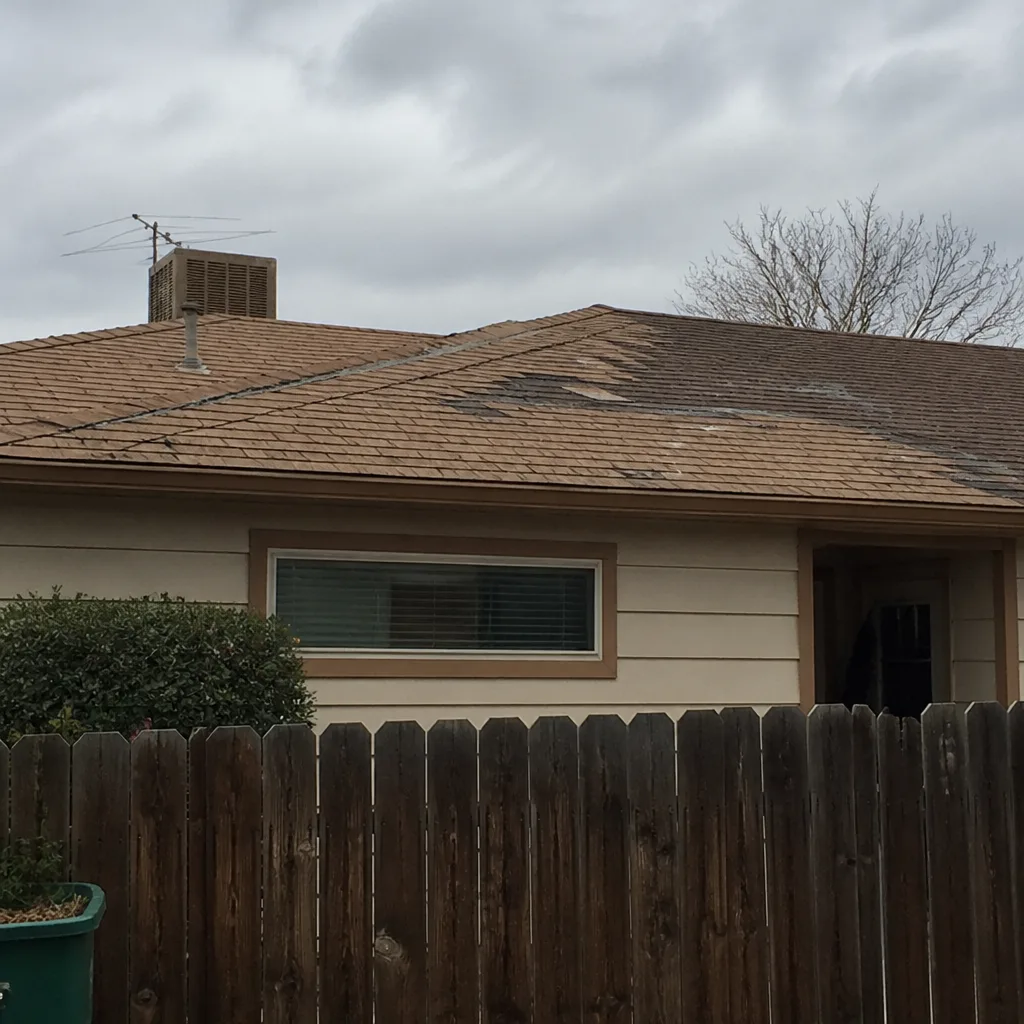 Before
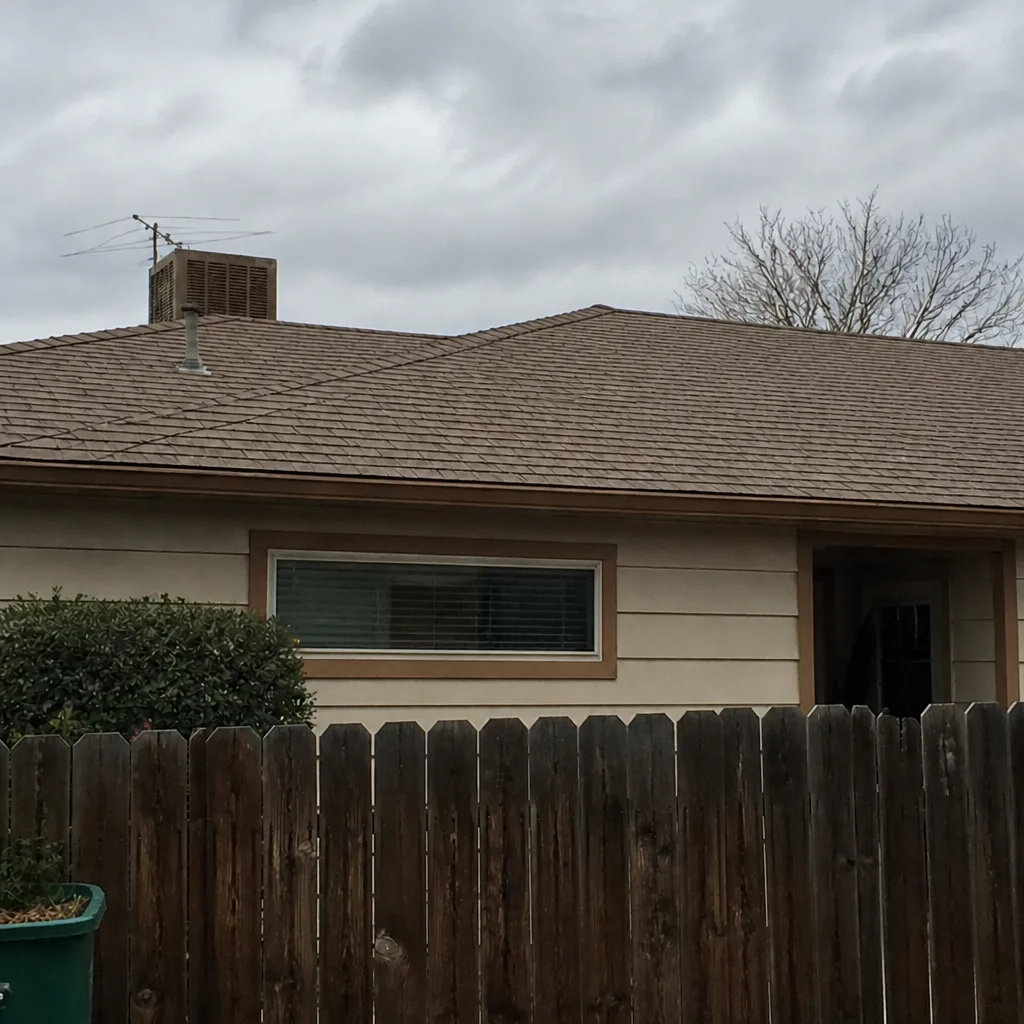 After
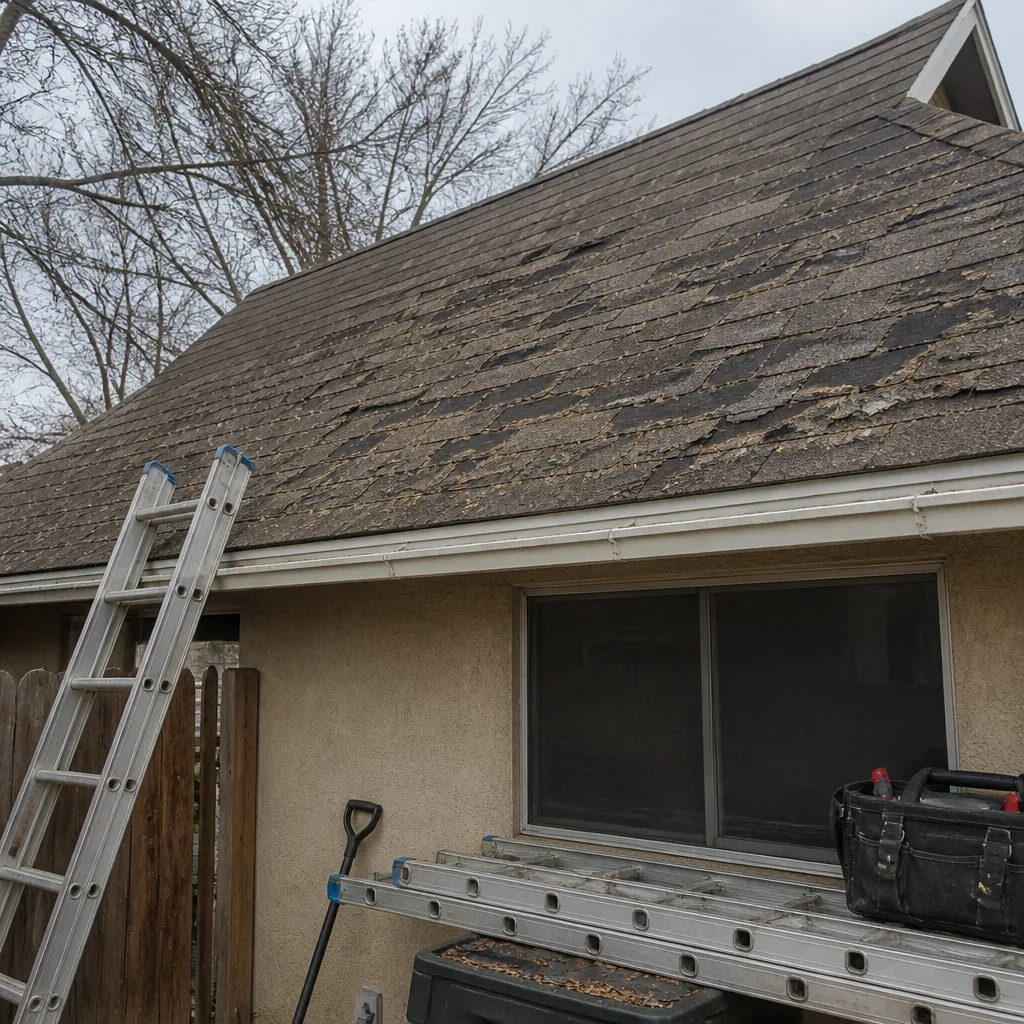 Before
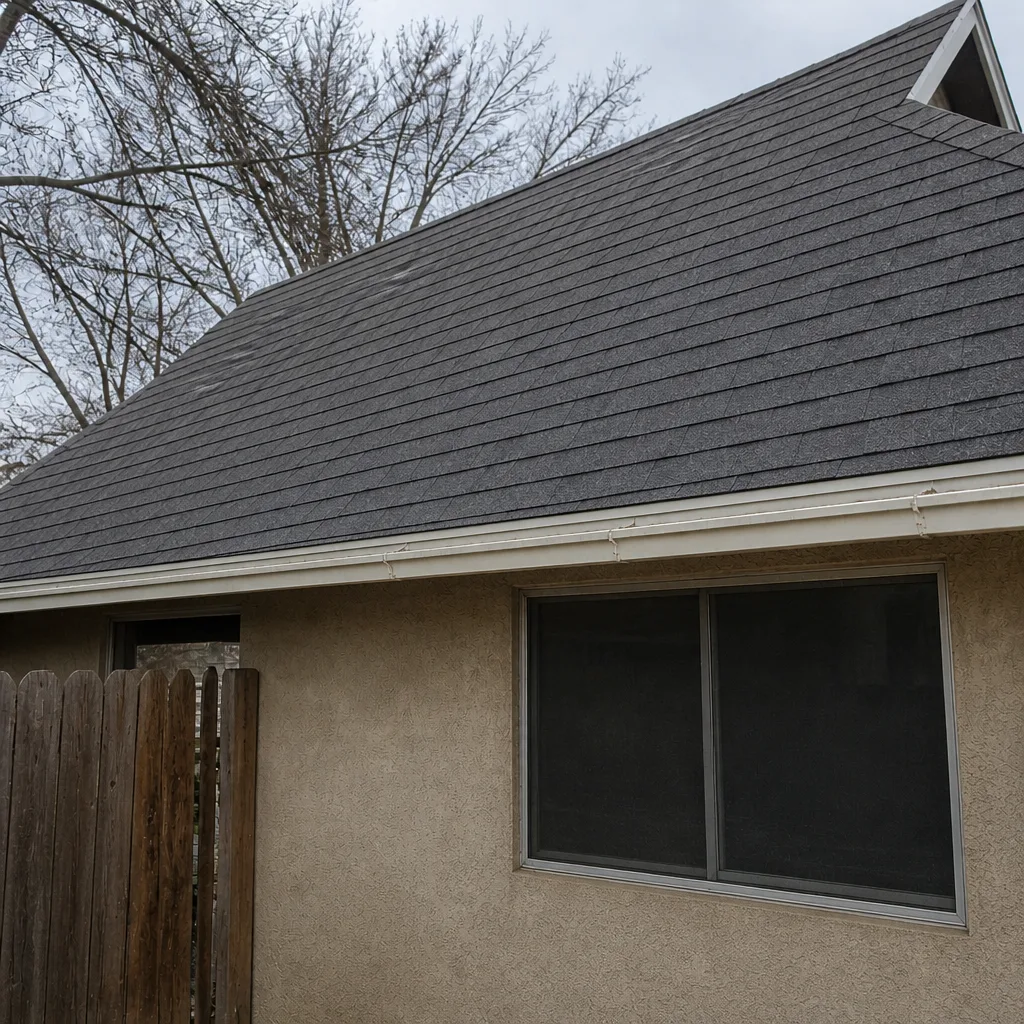 After
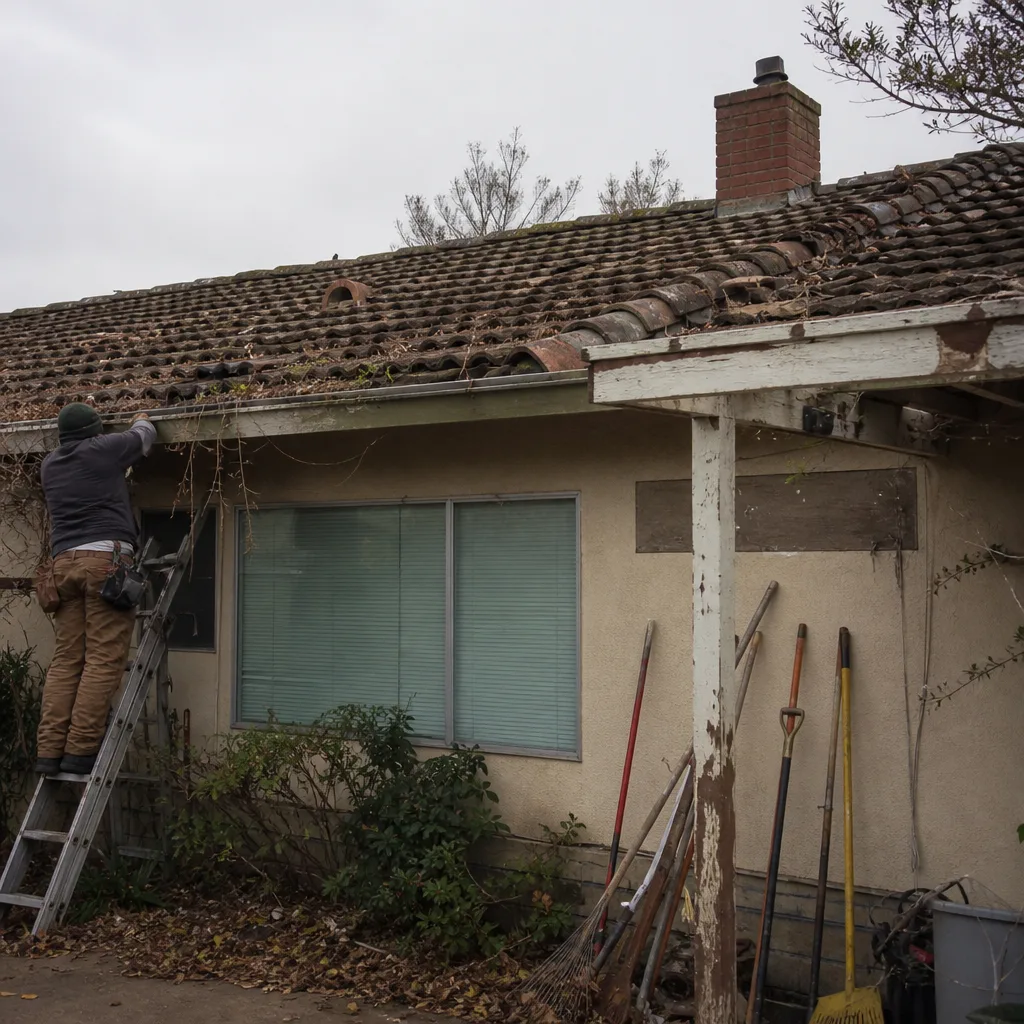 Before
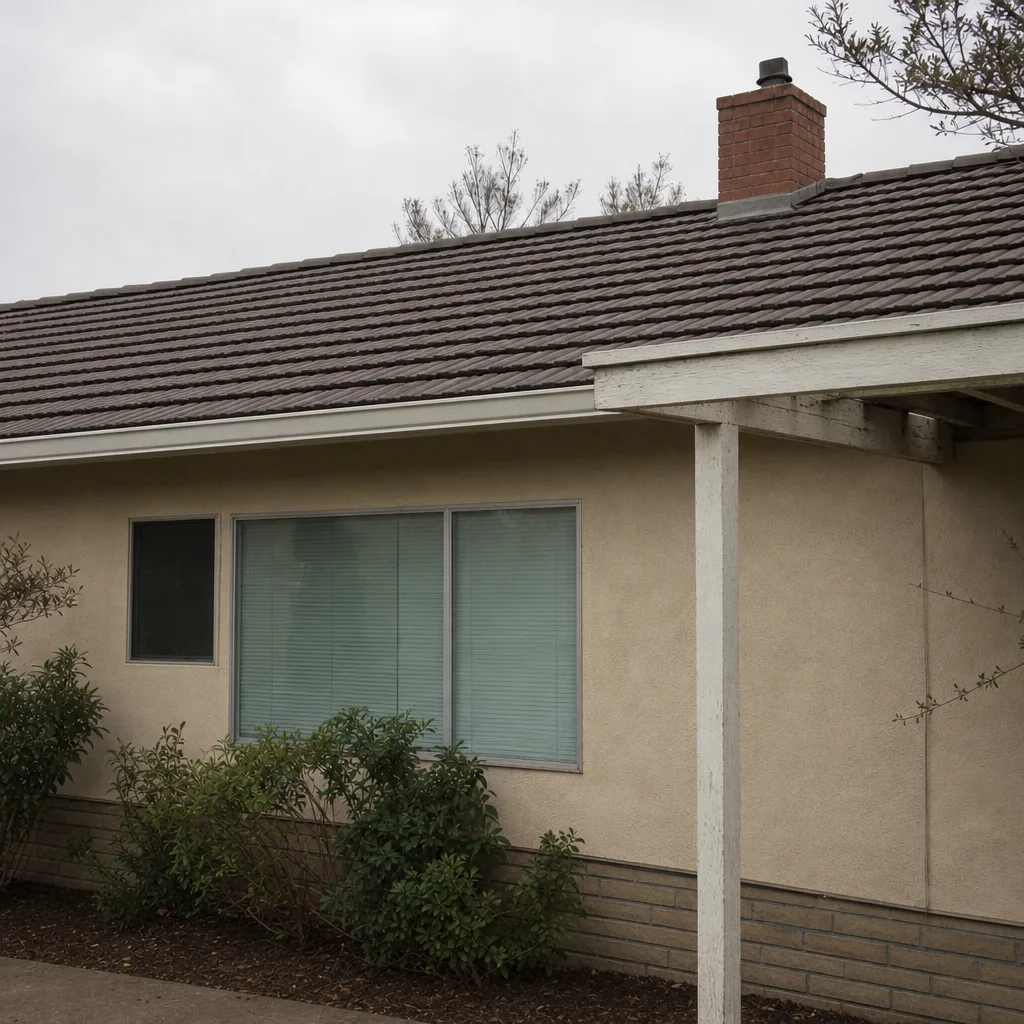 After
Frequently Asked Questions
Specialty roofing repair in Paradise typically runs $300 to $900 for a single failure like a flashing, fastener, or seam repair, and climbs to $1,200 to $3,500 or more when the failure involves pulling a section of tile to replace underlayment or replacing a metal panel run. The variable that matters is whether the diagnosis is right the first time – a repair on the wrong component costs you twice. Call (833) 676-0557 for an exact quote – estimates are free.
A metal roof that leaks after hot weather is showing thermal movement, not a random failure. Panels and fasteners expand and contract with the temperature swing, and the leak appears at the ridge, eave, or fastener back where that movement concentrates. The fix depends on finding the actual moving joint, not caulking the nearest seam. Call (833) 676-0557 for a diagnosis.
TPO is usually repairable when the failure is local – a seam weld, a termination, or a boot at a drain. It’s a re-roof conversation when the seams are failing across the whole assembly at the same age or the membrane itself has hit its service life. The line between those two cases is clear once someone checks more than the one spot that’s leaking. Call (833) 676-0557 and we’ll tell you which one you’re facing.
It’s a warranty repair if the failure traces to an installation or material defect, is within the warranty term, and you have documentation – contract, photos, install dates. Fastener back-out on a young metal roof and a separated TPO seam are common warranty cases. Failures from age, weather, or skipped maintenance usually aren’t. Call (833) 676-0557 for a free second opinion on the written warranty, and we’ll call it straight.
Yes. Caulk over a specialty roof leak traps water behind the material, so it keeps entering and can’t escape, and the damage shows up later and farther from the source – rotted deck, rusted panel backs, soggy insulation. It also hides the evidence a proper diagnosis needs. That’s why sealant is a maintenance material on these systems, not a repair. Call (833) 676-0557 if a caulk fix has come back on you.
Because most roofers trained on asphalt shingles apply asphalt logic to metal, TPO, and tile, and those systems fail in completely different places. Asphalt fails at the tabs; specialty systems fail at fasteners, seams, terminations, and underlayment. When the diagnosis starts from the wrong material, the fix goes to the wrong component. Call (833) 676-0557 – we work on all of them and diagnosis comes before any recommendation.
The Bottom Line
Specialty roofing problems live or die on the diagnosis. Match the symptom to the system – fasteners and thermal movement on metal, seam welds and terminations on TPO, underlayment on tile – and the fix lands on the actual source. Apply asphalt-shingle thinking to a specialty roof and the repair goes to the wrong component, the caulk goes on the wrong seam, and the cost grows quietly behind the panels. If you’ve got a specialty roof leak in Paradise and the previous repair didn’t stick, that’s the diagnosis to question, not the roof. Bill and his crew work on all these systems, and the free estimate is where it starts.
Get a Real Diagnosis Before You Get a Quote
If your specialty roof has been looked at by someone who mostly does asphalt shingles, the repair probably wasn’t the problem. Call (833) 676-0557 to schedule your free estimate with Shepherd & Sons Roofing Paradise. A live person answers around the clock, the estimate is written and itemized, there’s no trip charge inside our own county, and every roofing job carries the 90-Day Done Right Promise in writing. Same address, same name on the truck, same owner on the roof.
Written by the team at Shepherd & Sons Roofing Paradise.