
Last updated November 17, 2026
 Architectural shingles
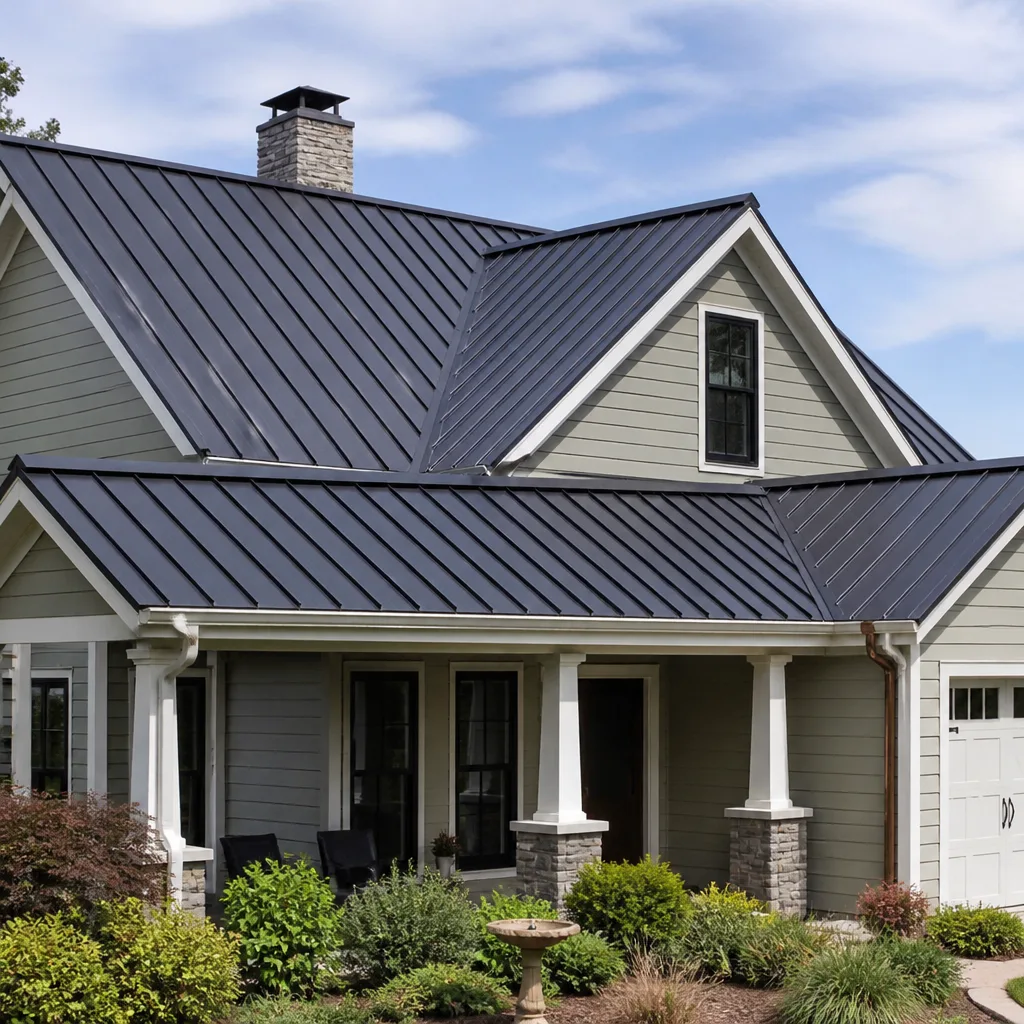 Metal roofing
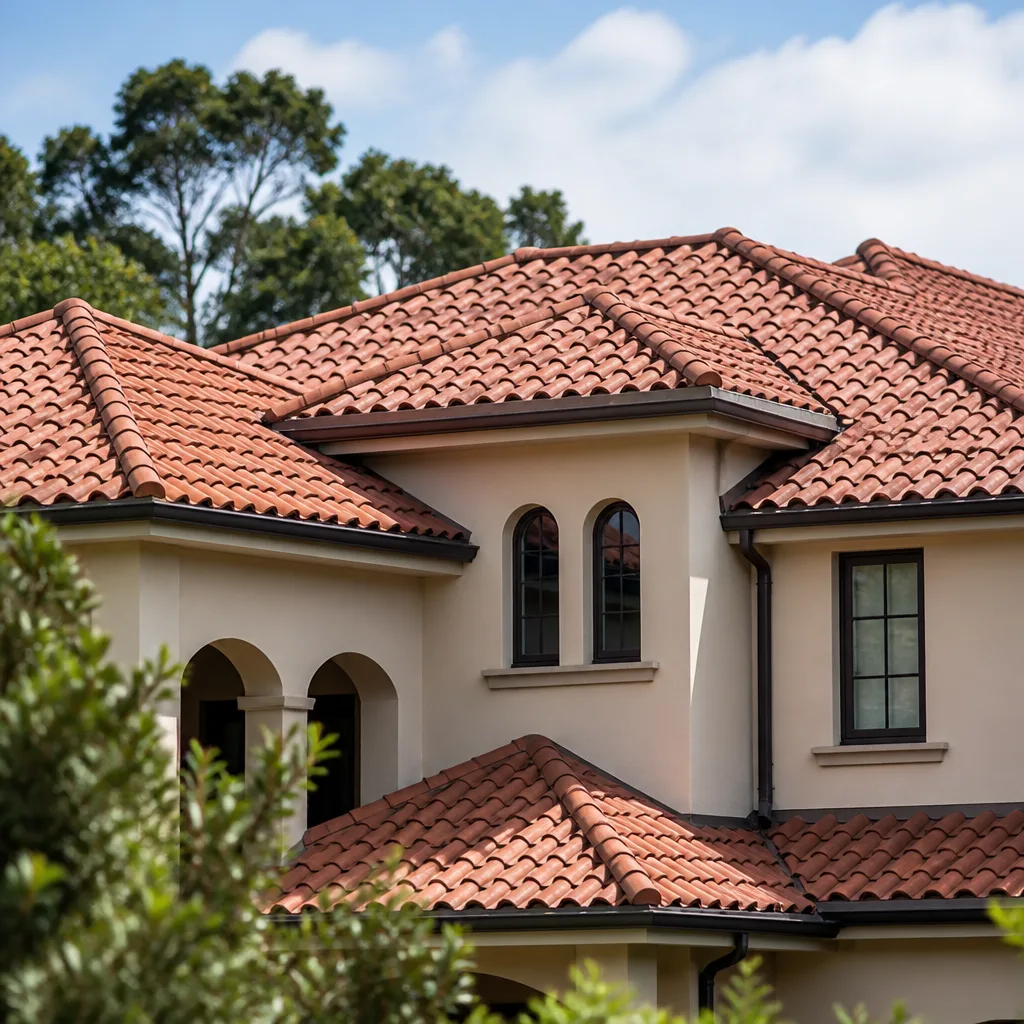 Tile roofing
 GAF
 Owens Corning
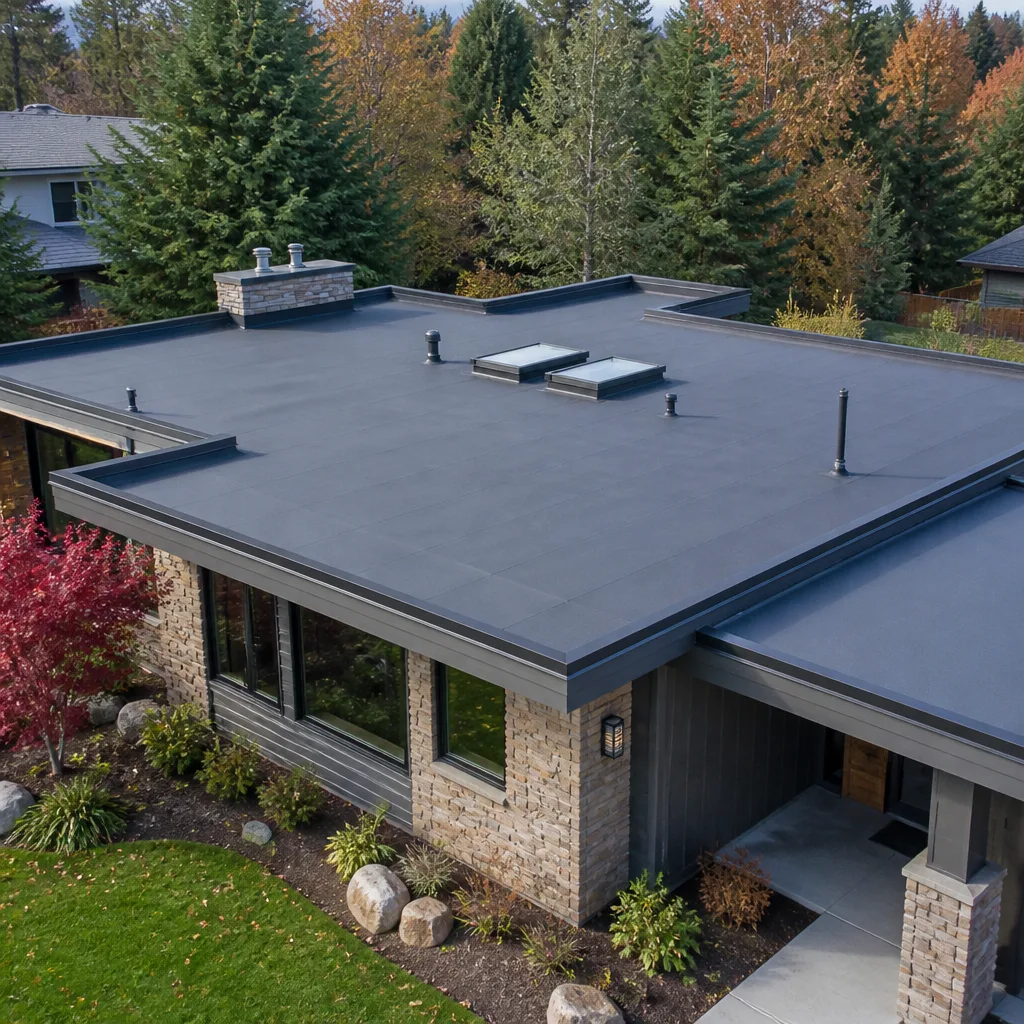 Flat & low-slope
Free roof inspection with deck photos before we talk money - GAF and Owens Corning certified installation
How Long Does Roof Replacement & Installation Take? Timelines and What to Expect
Here’s the part nobody explains. A good crew can tear off and reshingle a 2,000 square foot home in Paradise in one long day. But that one day is maybe 20% of the actual job clock. The other 80% is inspection, permits, material delivery, dry-in, nail pattern inspections, and the final walkthrough that either protects your warranty or quietly kills it. When a contractor tells you “it’s a one-day job,” they’re quoting you the fun part and skipping the rest. In this guide we’ll break down every phase of a full roof replacement, give you realistic time windows for a Paradise job in summer versus winter, and show you the red flags that separate a slow, legitimate job from a contractor stalling.
Quick Answer
Most full roof replacements in Paradise take 3 to 10 days from the first inspection to the final walkthrough, with the actual tear-off and install on a typical 2,000 to 2,500 square foot home running 1 to 3 working days. The rest of the timeline is permits, material delivery, dry-in prep, inspection, and cleanup. Summer jobs in Paradise run about half a day longer than winter jobs because of the 130°F roof deck temperatures that limit afternoon work windows.
Styles & brands we work with
- Architectural shingles
- Metal roofing
- Tile roofing
- GAF
- Owens Corning
- Flat & low-slope
Table of Contents
- The Five Phases of a Roof Replacement (and how long each takes)
- Why Summer Roof Replacements in Paradise Take Longer
- What Legitimately Delays a Job vs. What’s a Contractor Stalling
- “Done” vs. “Done Right” – Why the Clock Doesn’t Stop at the Last Nail
- The Written Phase-by-Phase Schedule – Red Flag if You Don’t Get One
- How to Plan Your Week Around the Crew
- Common Mistakes to Avoid
- When to Call a Professional
The Five Phases of a Roof Replacement (and how long each takes)
Every legitimate roof replacement in Paradise breaks into the same five phases, and each one has its own window. Ask any bidder to walk you through all five, in writing, before you sign. A contractor who can’t or won’t sketch this out is telling you something.
- Inspection and permit (2 to 7 days). A thorough inspection of the deck, attic, flashing, and ventilation takes 1 to 2 hours on site. The Clark County permit itself usually takes 2 to 5 business days to pull depending on the season. Some contractors have a permit in hand in 48 hours; a lot of them don’t.
- Material delivery and staging (1 day). Shingles, underlayment, and flashing drop on a scheduled day. On a Paradise job, materials typically arrive the afternoon before the crew shows up so nothing sits out overnight. If your contractor stages in the driveway a week early, ask why – material that sits gets damaged and the homeowner usually eats that cost.
- Tear-off and dry-in (1 day for most homes). This is the heavy, dusty phase. The crew strips the old roof, checks the deck for rot, and puts down underlayment to dry-in the house before the sun goes down. On a well-running job, the house is never left open to weather overnight.
- Install (1 to 2 days). Shingle courses go down, ridge caps get set, vents and flashing get sealed, and the nailing pattern gets checked. The nailing pattern earns the wind rating, not the shingle wrapper – which is why a good foreman checks it twice before the crew breaks for the day.
- Inspection and walkthrough (1 to 3 days, mostly waiting). The county inspection, if required, happens on the county’s schedule. Then the final walkthrough with the homeowner, fastener sweep, magnetic nail pass on the lawn and driveway, and cleanup. Plan for close to a week of calendar time even if the work itself is done.
Add it up and a clean 2,000 square foot Paradise job runs 5 to 10 calendar days. A complicated one – steep pitch, multiple valleys, wood rot underneath – stretches toward two weeks. Anyone quoting a flat “one day, we’ll be in and out” is either new, dishonest, or hasn’t looked at your deck.
Why Summer Roof Replacements in Paradise Take Longer
Paradise summers are brutal on rooftops. Roof deck surfaces regularly hit 130°F in July and August, and anyone standing on that for eight hours is a heat-stroke risk within a few hours. The crews who work here know the score. On a summer job, the typical pattern shifts to a 5:30 or 6:00 a.m. start, a hard push through mid-morning, and a slow-down or break through the 2:00 to 5:00 p.m. window when the deck is hottest. That adds roughly a half-day to a summer Paradise job compared to the same roof installed in November.
There are other hot-weather factors most out-of-state crews miss:
- Shingle seal strips need heat to activate, but too much heat makes them tacky and easy to scuff. An experienced crew times the install so the shingles go down while the deck is workable, not when it’s at peak temp.
- Thermal expansion shifts on the deck. Wood and metal components move as the roof deck heats and cools; nailing patterns have to account for that or you get popped fasteners by fall.
- Monsoon season runs July through September. Afternoon thunderstorms can shut a job down mid-afternoon with zero warning. A good contractor watches radar and drys-in early on monsoon-season jobs. A bad one leaves your deck open and pays the price with your interior.
We schedule summer jobs in Paradise earlier than winter jobs, and we build a weather-window buffer into every written schedule between July and September. If a contractor quotes you the same timeline for August and December, they either haven’t worked here long or they’re guessing.
What Legitimately Delays a Job vs. What’s a Contractor Stalling
Every honest roofer gets delayed sometimes. Here’s the difference between a delay and a stall, and how to spot them early.
Legitimate delays
- Wood deck rot discovered during tear-off. This is the big one. When the shingles come off, we sometimes find plywood or fascia that’s water-damaged and has to be replaced before dry-in. A 2,000 square foot roof can add 1 to 2 days for sheathing replacement, and nobody can see it until the shingles are gone.
- Special-order ridge caps or flashing. If you’ve picked a color or profile from GAF or CertainTeed that isn’t stocked locally, expect 3 to 7 days of lead time. Standard colors ship fast; premium or low-volume colors don’t. This is set during material ordering, not discovered on install day – if it’s discovered on install day, ask why.
- Failed inspections. If the county flags a nailing pattern or flashing detail, the crew corrects and re-requests inspection. That’s usually 2 to 4 days of waiting on the county, not the contractor.
- Poor weather during monsoon season. A stall, not a delay – and it should be communicated before your breakfast, not discovered at 3 p.m.
Stalling that isn’t a delay
- “We’re waiting on the crew” for more than two days after the start date, with no other explanation.
- Several jobs opened at once in your neighborhood, none of them staffed.
- No written start date, no daily check-in, and a phone that goes to voicemail when you have a question.
- Materials show up, sit uncovered in the driveway for a week, and nobody tells you why.
Ask any bidder before you sign: “What’s the longest this job could stretch, and what would make it stretch?” A straight answer tells you everything. A vague one tells you more.
“Done” vs. “Done Right” – Why the Clock Doesn’t Stop at the Last Nail
There’s a difference between a contractor telling you “we’re done” on Friday and the job actually being done right. The last nail going in is not the finish line. It’s the end of install phase and the beginning of the part most roofline schedules leave off.
Here’s what “done right” looks like in the days and weeks after install:
- Magnetic nail sweep of the driveway, lawn, and gutters. This has to be done carefully, because a nail in a tire three weeks later is the homeowner’s problem, not the contractor’s.
- Final walkthrough with the homeowner. Ridge lines, valleys, flashing, vents, drip edge, gutter alignment. This is when a homeowner should be given deck photos showing what was under the old roof so they know what got fixed.
- Written warranty registration. GAF, CertainTeed, Owens Corning, IKO, Atlas, and Tamko all have manufacturer warranty registration deadlines – usually 30 to 60 days post-install. Ask who’s filing yours and when.
- The first hard rain. Paradise gets its first monsoon soak usually in July. That’s the real test. Any contractor who won’t come back for a leak call inside the promise window hasn’t finished the job.
That’s why every Shepherd & Sons job is backed by our written 90-Day Done Right Promise. If something fails, we make it right – one call brings us back. The job clock doesn’t stop at the last nail. It stops after a monsoon rain and the homeowner’s own walkthrough six weeks later.
The Written Phase-by-Phase Schedule – Red Flag if You Don’t Get One
Any contractor who won’t hand you a written, phase-by-phase schedule before you sign is hiding something. Full stop. This is the single most reliable tell between a straight contractor and a problem contractor.
Here’s what a real written schedule includes, so you can compare apples to apples between bids:
- Permit submission date and expected approval date.
- Material delivery date and staging plan.
- Start date and tear-off window.
- Dry-in date. (This is the day your house is weather-tight again. If a schedule doesn’t list it, ask why.)
- Estimated install completion.
- Inspection date and final walkthrough date.
- Contingency clause for wood rot and monsoon delays.
If a bidder hands you a one-line “we’ll start Monday, be done Wednesday,” that’s not a schedule. That’s a promise they can’t keep and won’t own when it slips. A proper written schedule with the whole job clock laid out line by line is what separates a professional operation from a guy with a truck and a phone number.
How to Plan Your Week Around the Crew
Once you have a written schedule, you can actually plan family life, work-from-home days, and driveway access around it. Here’s what we tell every Paradise homeowner the week before we start:
- Move cars out of the driveway the night before. The crew needs the whole driveway for staging and a roll-off dumpster.
- Close windows and take down breakables from the wall near the work area. Tear-off sends vibration through framing, and we’ve seen framed pictures walk off the wall.
- Cover anything in the attic within 4 feet of the ridge line. Small debris from nail penetrations can drop through old attic decking.
- Plan for the loudest hours. Tear-off and install days run 6 a.m. to 4 or 5 p.m. in cool months, and 5:30 a.m. to 3 p.m. in summer.
- Expect the “how’s it going” check-in. A good foreman gives you a mid-day status call or knock on the door. Any contractor who goes silent for 48 hours mid-job is a contractor you should call on.
We also recommend having a plan-B place to be if you’re working from home and the noise is unbearable. Not every homeowner needs it, but the ones who did say it made the week a lot easier.
Common Mistakes to Avoid
- Choosing the bid with the shortest quoted timeline. A contractor who tells you “one day” hasn’t accounted for the permit, dry-in, inspection, or the deck rot that’ll be discovered the moment the shingles come off. The right bid reflects the full job clock, not the fun part.
- Skipping the deck photos. Ask any bidder to show you photos of the tear-off before they cover it up. If they can’t or won’t, you don’t actually know what’s under your new roof, and Paradise homes built before 1995 often have surprises in the sheathing.
- Not asking about the nailing pattern. Wind rating depends on the nail pattern, not the shingle wrapper. Any bidder who can’t tell you how many nails per shingle and at what spacing is guessing at the most important detail on your roof.
- Signing without a written phase-by-phase schedule. This is the number one tell of a stalling contractor. Ask for it. Compare bids on it.
- Not asking who files the warranty. GAF, CertainTeed, and Owens Corning warranty registrations often fall through the cracks because the installer assumes the homeowner will handle it. Confirm in writing who’s filing yours and by when.
- Expecting a summer job to run like a winter job. A 130°F roof deck is a real constraint, not an excuse. In Paradise, summer jobs stretch about half a day versus winter, and any schedule that doesn’t account for that is fiction.
- Not confirming the final walkthrough. The job isn’t done until you’ve walked the roof perimeter with the foreman, seen the deck photos, and confirmed the magnetic sweep happened. Put the walkthrough date on the written schedule.
See the difference
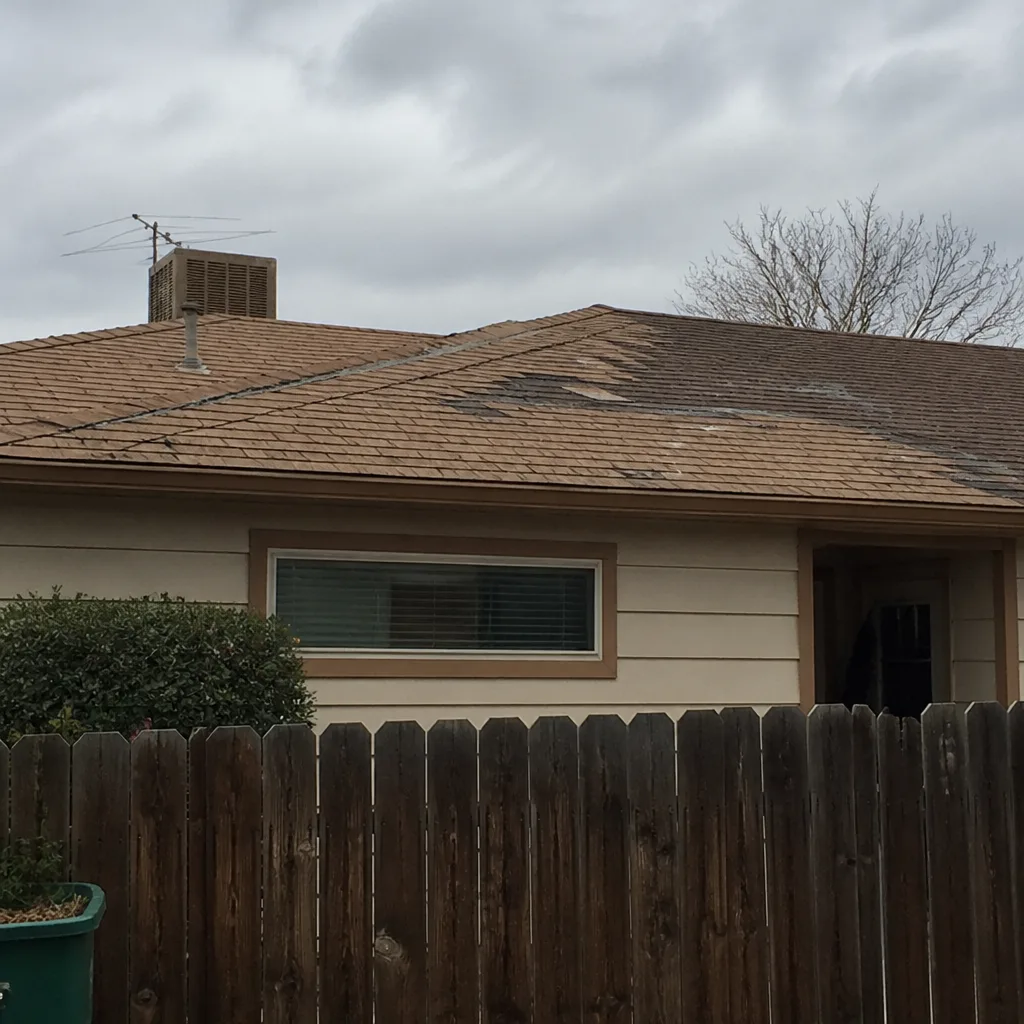 Before
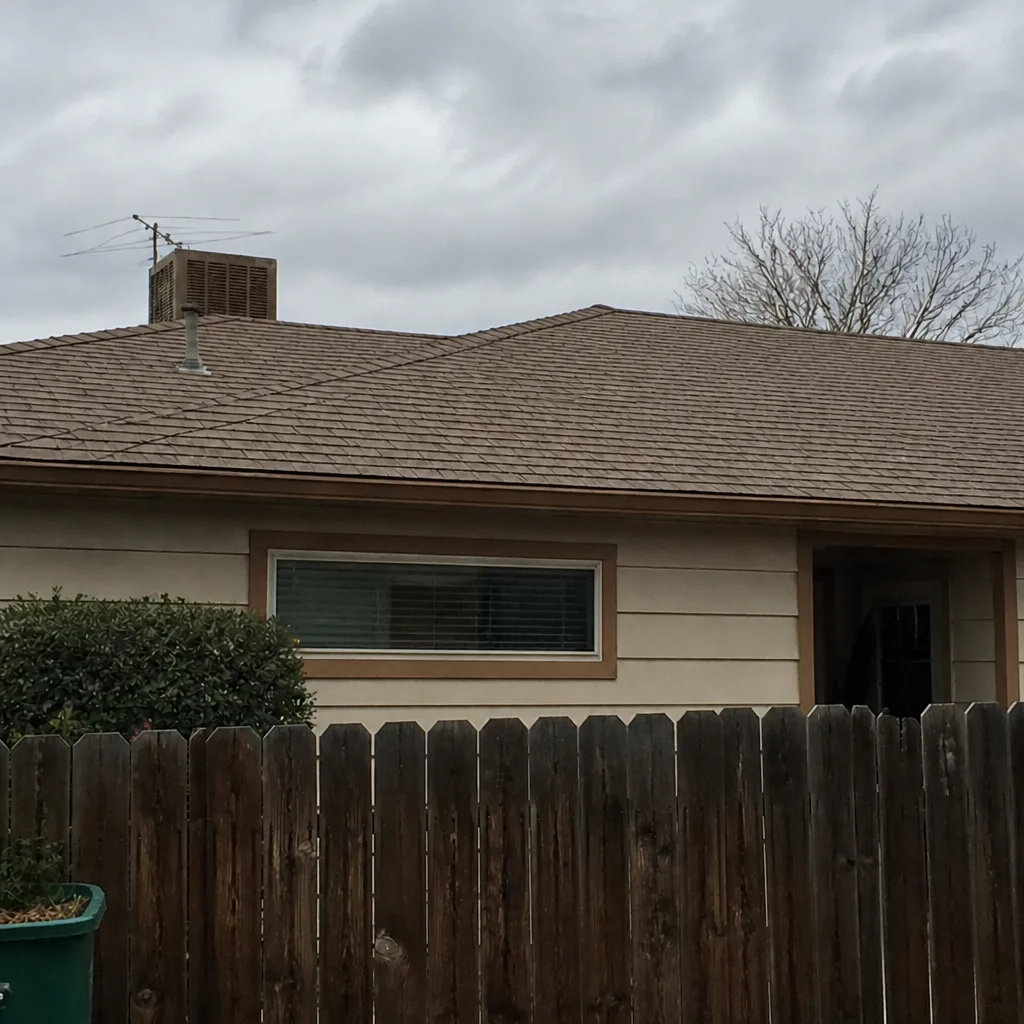 After
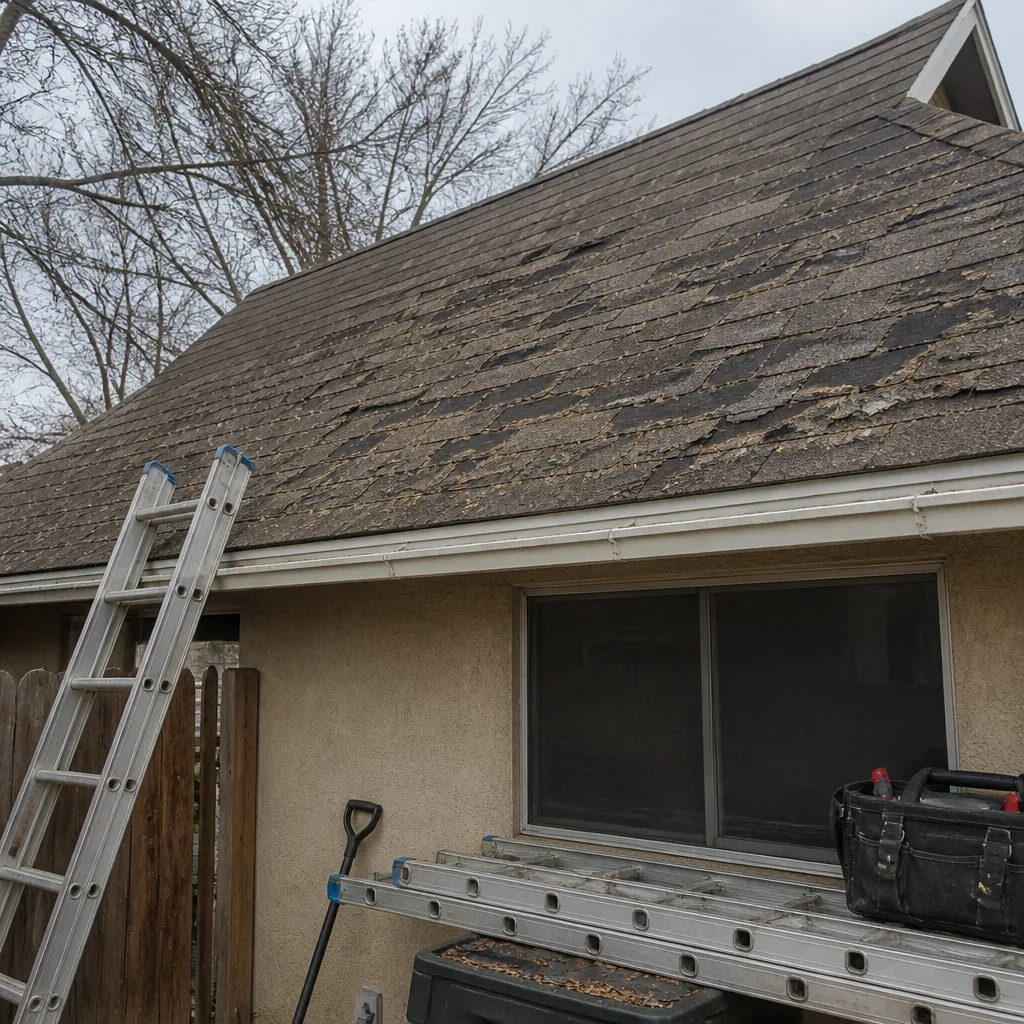 Before
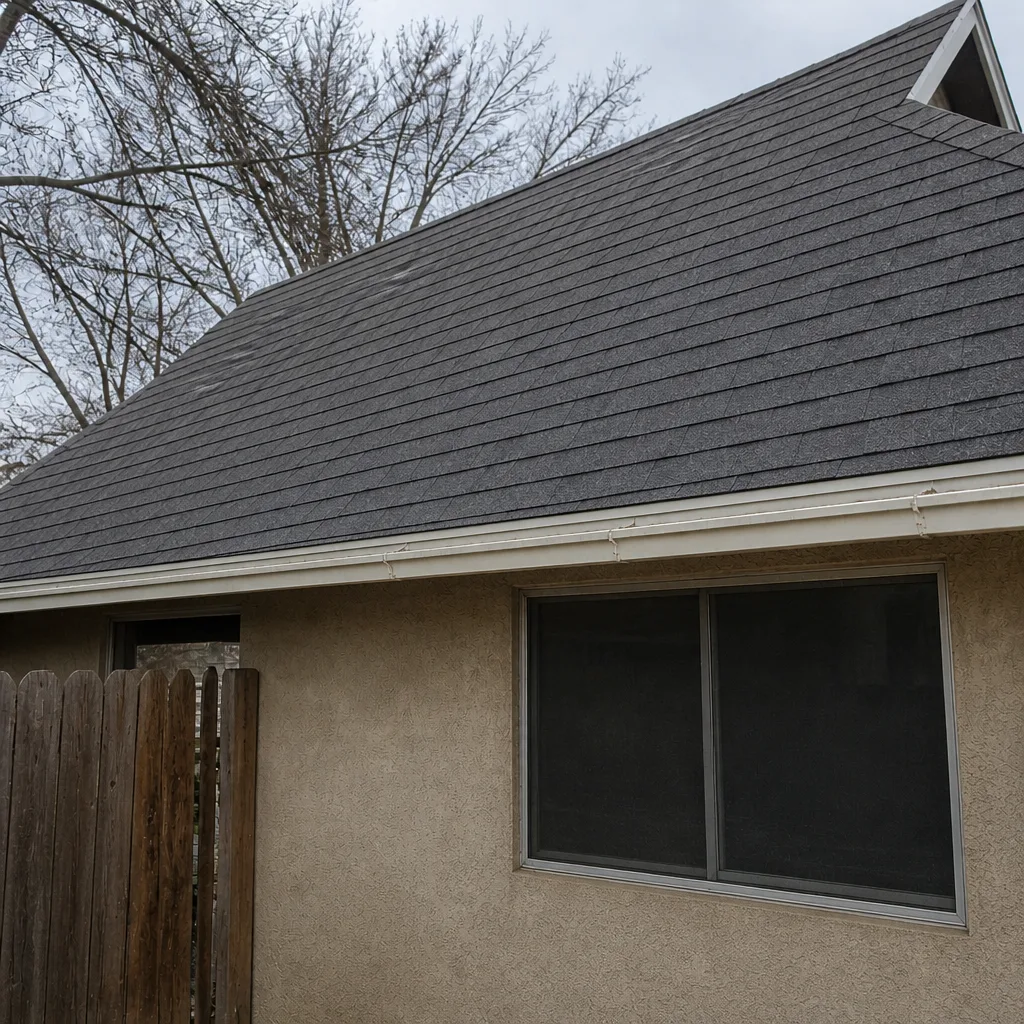 After
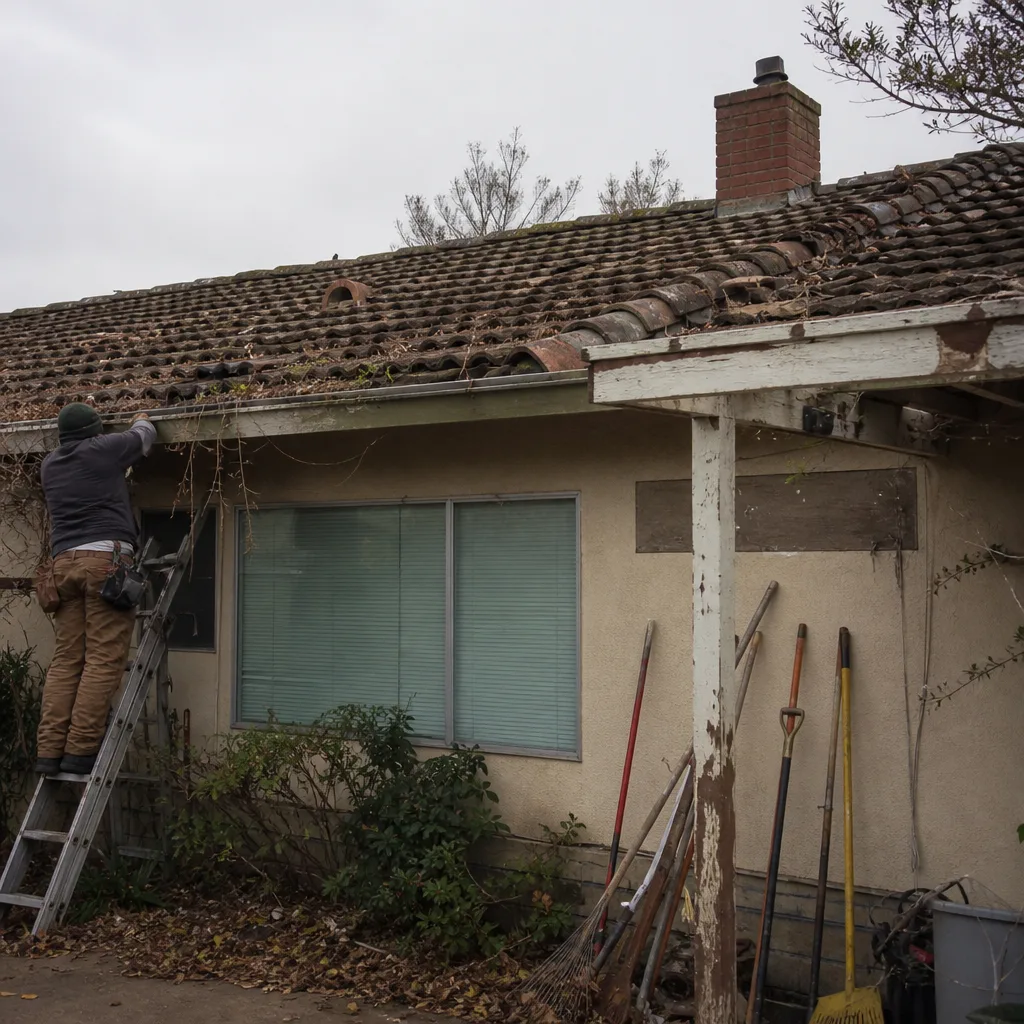 Before
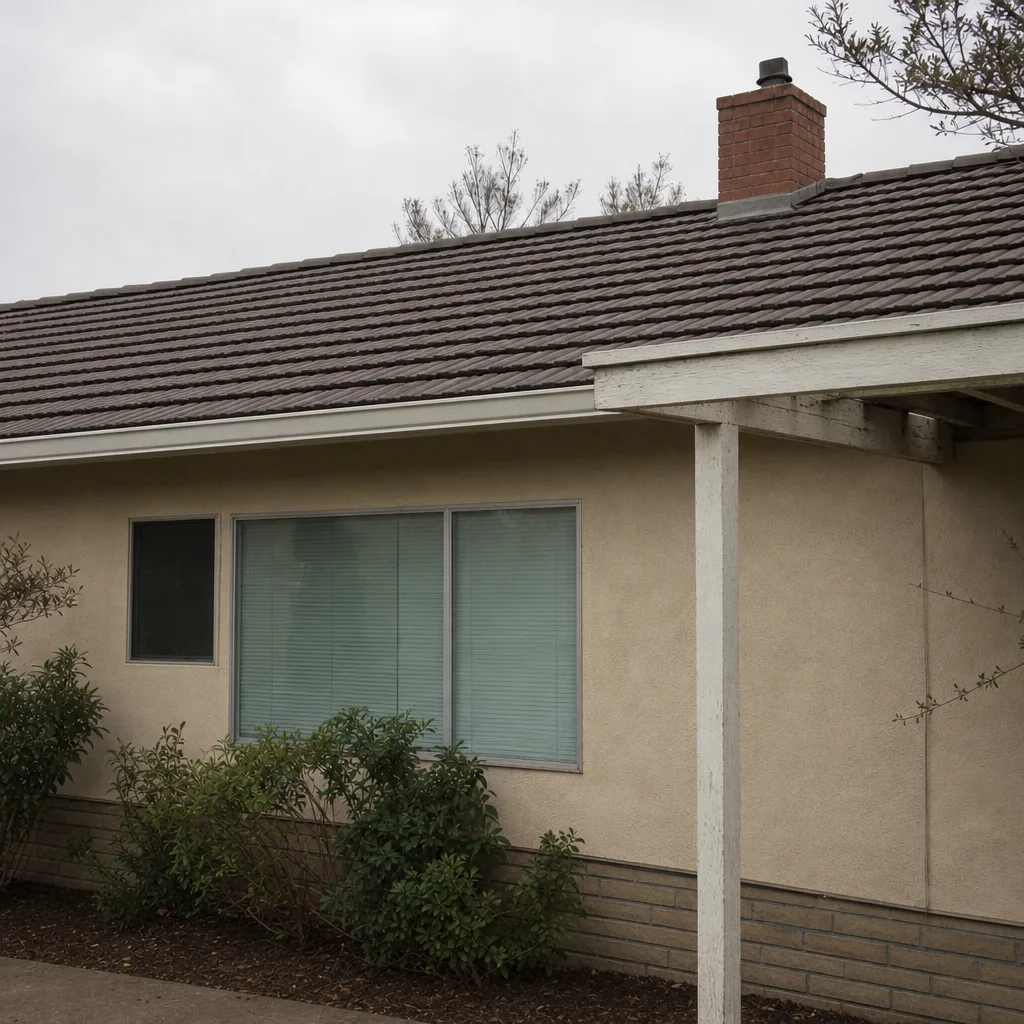 After
When to Call a Professional
You don’t need a contractor to tell you when the roof looks rough. But you do need one when:
- Shingles are curled, cracked, or missing granules, especially on the south-facing slope of a Paradise home, where UV takes the heaviest toll.
- You’ve had a ceiling stain any time in the last two years, even if it dried out and “went away.”
- The roof is 20 years old or older, whichever shingle brand went on it originally.
- You’re seeing daylight through the attic decking, or your vents and flashing look loose.
- You’re within 5 years of a monsoon season that has you nervous, or you’re selling a Paradise home and any buyer inspection has flagged the roof.
Shepherd & Sons Roofing Paradise offers free estimates in Paradise – call (833) 676-0557 to schedule one. If you want an honest read on the whole job clock, we’ll walk you through every phase in writing before you make any decision. And if you want a second look at another bidder’s schedule, that’s free too.
Frequently Asked Questions
Most full roof replacements in Paradise take 3 to 10 days from the first inspection to the final walkthrough, with 1 to 3 of those days being the actual tear-off and install. Summer jobs run about half a day longer than winter jobs because of the 130°F roof deck temperatures that shorten afternoon work windows. Call (833) 676-0557 for a free estimate with your own written timeline.
Only the tear-off and install phase can sometimes be done in one long day on a simple 2,000 square foot home, but the full job cannot. Permits, material staging, dry-in, inspection, and walkthrough add 4 to 9 days of calendar time on a Paradise job. Any contractor quoting “one day” is skipping phases they should be budgeting for.
Monsoon season runs July through September and can add 1 to 3 days of weather delay to a Paradise job. A good contractor builds a weather buffer into the written schedule and gets your house dried-in early on any monsoon-window job. A bad one leaves the deck open and hopes the radar holds. Ask any bidder how they plan for monsoon delays before you sign.
Wood rot discovered during tear-off is the most common legitimate delay on a Paradise roof replacement, and it adds 1 to 2 days for sheathing replacement. Cost is separate from the original bid and usually runs by the sheet of plywood or fascia board. A professional contractor shows you photos of the damage before quoting the fix; a problem contractor tells you it’s “worse than we thought” without proof. Call for a free second opinion on any wood rot estimate.
Roof replacement pricing in Paradise varies by roof size, pitch, material, and how much deck damage the tear-off reveals. Get at least two written line-item estimates and compare the phases, not just the bottom line. A less expensive bid that excludes deck repair and permit fees isn’t actually cheaper. Call (833) 676-0557 for a free estimate and, if you already have a bid in hand, a free second opinion.
Ask for the written phase-by-phase schedule and check in on it daily. Legitimate delays look like weather, failed inspections, or discovered wood rot – all of which get communicated to you before 9 a.m. Stalling looks like an unexplained gap of 2 or more days between phases, no daily check-in, or a phone that goes to voicemail. The schedule is the paper trail. Get one, and hold the bidder to it.
The Bottom Line
The one-day roof replacement is a myth – a good one, but a myth. A real Paradise roof replacement takes 3 to 10 days from first inspection to final walkthrough, and only 1 to 3 of those are the actual install. The other 80% of the job clock is permits, material delivery, dry-in, inspection, final walkthrough, and a 90-day window where a monsoon rain tests whether the job was done right. The roofers worth hiring will hand you a written phase-by-phase schedule before you sign, walk you through the wood rot contingency, and show you deck photos before they talk money. The ones who won’t are the ones to avoid.
If you’re ready to plan your roof on a real calendar, or you want a second look at another bidder’s timeline, call Shepherd & Sons Roofing Paradise at (833) 676-0557 for your free estimate. Keep a real schedule in front of you and you’ll never wake up Wednesday wondering where the crew went.
Written by the team at Shepherd & Sons Roofing Paradise.
Related reading: Shepherd & Sons Roofing Paradise home · Roof Repair in Paradise · Roof Replacement & Installation in Paradise · Metal Roofing in Paradise