
Last updated November 17, 2026
 Architectural shingles
 Metal roofing
 Tile roofing
 GAF
 Owens Corning
 Flat & low-slope
Free roof inspection with deck photos before we talk money - GAF and Owens Corning certified installation
Roof Replacement & Installation Troubleshooting: Common Problems and How to Fix Them
If you’ve got a problem with a brand-new roof, the most important thing isn’t fixing it fast – it’s documenting it correctly before anyone touches it again. That’s not a comfortable thing to hear when water is staining your ceiling, but it’s the truth, and it’s the single detail that separates a homeowner who gets made whole from one who gets stonewalled. Here’s the counterintuitive part: the roofer who installed your roof is now the one deciding whether to come back and fix it. Your photos, your dates, your written record – that’s your leverage if the answer turns out to be no. This guide walks through how to tell an installation defect from a material defect, what to document before you make the call, the failures we see most often on roofs across Paradise, and how to escalate when a contractor goes quiet on you.
Quick Answer
Installation problems on a new roof most often come down to improper starter strip placement, under-driven or over-driven nails, and shortcut valley flashing – defects caused by the installer, not the shingle. Before calling the contractor back, photograph each problem with a reference object for scale, write down the date and weather, and put your complaint in writing. That paper trail is what your workmanship warranty and the Nevada State Contractors Board both respond to.
Styles & brands we work with
- Architectural shingles
- Metal roofing
- Tile roofing
- GAF
- Owens Corning
- Flat & low-slope
Table of Contents
- How to Identify Installation Defects vs. Material Defects
- The Documentation Process to Use Before You Call Anyone Back
- Common New Installation Failures in Paradise
- What Your Workmanship Warranty Covers (and What It’s Written to Exclude)
- When to Escalate to the Nevada State Contractors Board
- Common Mistakes to Avoid
- When to Call a Professional
How to Identify Installation Defects vs. Material Defects
This distinction matters more than any other in this guide, because two different warranties cover the two categories, and conflating them is the easiest way to let a contractor off the hook. A material defect lives in the product – a bad batch of shingles, granules that shed too early, a manufacturing flaw. An installation defect lives in the workmanship – the nail pattern, the flashing, the starter course. When a roofer blames “the shingle,” they’re quietly moving your problem from their warranty onto the manufacturer’s, and you’re the one left holding the paperwork.
Here’s how to tell them apart:
- Installation defects cluster in patterns. Nails driven too high, too low, or cocked over at an angle. Shingles laid crooked. A starter strip that doesn’t sit flush. If the problem repeats across a run of roof rather than showing up in one isolated spot, suspect the installation.
- Material defects tend to show up as isolated failures. A single batch of shingles losing granules, or a suspicious number of cracked tabs from one manufacturing lot. Your roofer should be able to point to a lot number if the manufacturer is genuinely at fault.
- Installation defects show at the transitions. Valleys, chimney ties, skylights, and the eave. These are the spots where the skill of the crew shows – and where shortcuts hide.
- Material warranty claims usually require the installer to file them on your behalf. If your roofer shrugs and tells you to “call the shingle company,” that’s a sign they’re trying to route around their own workmanship obligation.
One more signal worth naming: the shingle brand on your roof. If they installed GAF or Atlas, your material warranty runs through that manufacturer – but that warranty doesn’t cover the nails, the flashing, or the valleys. Those are the installer’s work, and that’s where your first call belongs. We set shingles from GAF, CertainTeed, Owens Corning, IKO, Atlas, Tamko, and Boral, and we’ve learned that naming the brand is easy; whether the roof was put down correctly underneath it is what actually keeps you dry.
The Documentation Process to Use Before You Call Anyone Back
This is the step homeowners skip, and it’s the one that costs them. When you call the contractor back, they’ll want to come look, and once they’ve been on your roof, the scene has changed. Any defect they may have caused becomes harder to prove. Document first, call second. Here’s the process we recommend to any homeowner in Paradise who’s discovered a problem with a fresh roof:
- Photograph everything before anyone touches the roof. Wide shots first, then close-ups. Include a tape measure, a coin, or your hand in at least one frame per problem so there’s a reference for scale.
- Photograph from the ground if you can. You don’t need to climb up – a phone camera on a short extension pole or a few zoomed shots from a ladder’s bottom rung (with someone spotting you) will show lifted shingles and flashing gaps.
- Write down the date, the time, and the weather. The day the problem appeared, and whether it rained or blew. Paradise summers bake roofs and a hard rain after a dry stretch will find any weak spot.
- Photograph the interior damage too. Stains on drywall, water trails, and anything that proves the leak reached the inside. Those interior photos tie the roof defect to actual damage.
- Put your complaint in writing. Email or text – something with a timestamp. Say what you’re seeing, attach the photos, and ask them to schedule a return visit. Don’t rely on a phone call you can’t prove happened.
- Note the dates of every call and visit. If the contractor says they’ll come back and doesn’t, write it down. Every failed follow-up strengthens your position later.
Keep everything in a single folder – digital and paper. If you don’t already have your original contract, warranty paperwork, and the written estimate, gather those too; the whole file is what backs a real complaint. If you want the bigger picture on how a proper replacement should be scoped from the start, our page on Roof Replacement & Installation in Paradise shows what a correct installation covers from the first step.
Common New Installation Failures in Paradise
Paradise isn’t a hard place to put on a roof, but it does stress a few specific weak spots. The dry heat cooks certain shortcuts faster than a wet climate would, and the summer sun works on the same nails and adhesives day after day. The failures below are the ones we see most often when a homeowner calls after a fresh roof has started to misbehave.
Improper starter strip placement
The starter strip is the first course along the eave, and it sets the whole pattern. Laid too high, the course above doesn’t overlap it correctly and wind-driven rain finds the gap. Laid too low, the shingle edge lets water creep under. In a hard monsoon-season downpour, that eave is the first place water gets in – and it’s the hardest spot to blame on the shingle itself, because the shingle was doing what it was told. If you’re seeing stains at the wall line near the eave, or shingles at the edge that don’t lie flat, the starter strip is a reasonable suspect.
Under-driven nails baking loose in summer heat
Nails need to be driven flush with the shingle surface and set in the right spot on the tab – not too high, not too low. Under-driven nails leave the shingle sitting slightly proud; the heat and sun of a Paradise summer then works the tab up and down, and over a season or two it loosens further. Over-driven nails are worse in a different way – they punch through the shingle and leave a hole with nothing sealing it. Either way, the wrapper on the shingle doesn’t earn the wind rating. The nailing pattern does. On a Phoenix or Paradise roof, this is the kind of defect that looks small the day the roof goes on and starts lifting tabs the first hot summer.
Valley flashing shortcuts
Valleys are where two roof planes meet and water concentrates. Correct valley work means the flashing is woven or cut to spec and the right underlayment runs beneath. A shortcut – a rolled-out strip of material that doesn’t extend far enough, or a valley that’s been cut short to save a step – leaks in storm season and often goes unnoticed because the water channels along the valley and shows up in the ceiling somewhere else. If your leak has no obvious source near the ceiling stain, trace back up along a valley. This is one of the defects that seriously affects your roof’s ability to keep water out, and it’s worth fixing by someone who knows how roof repair in Paradise handles this correctly.
The same failures, on metal
Standing-seam and metal-panel roofs have their own version of these problems: fasteners torqued wrong, panels run-out that leaves a gap in the seam, sealant applied in cold weather and never curing. If your home has a metal roof and the failure follows the seams, that’s worth a separate conversation – see Metal Roofing in Paradise for what to look for.
What Your Workmanship Warranty Covers (and What It’s Written to Exclude)
Most homeowners assume the workmanship warranty means “the roofer fixes anything that goes wrong.” In practice it doesn’t, and the exclusions are where homeowners get burned. A workmanship warranty is written to cover defects in the labor – the installation – for a set period. What it typically excludes is worth knowing before the contractor points at that fine print.
- Damage from storms, hail, or wind above the roof’s rated wind speed. That’s an insurance claim, not a warranty claim – unless the defect is that the nailing pattern never let the roof meet its rating in the first place.
- Leaks caused by things done to the roof after installation. Satellite installers walking the roof, a home inspector’s curiosity, or a DIY repair. Those break the warranty, reasonably.
- Water that gets in anywhere but the roof. Clogged gutters, cracked caulk at wood trim, or siding issues often get blamed on the roof. If your gutters are the actual culprit, that’s a different repair – see our roofing services home page for how we handle gutters and accessories.
- Ponding or standing water from a failed drainage design. If the roof was designed without the right slope or number of downspouts, the workmanship warranty may not cover it, and you’ll need a design conversation.
- “Material defects” – routed to the manufacturer. As we covered above, the manufacturer covers the shingle; the installer covers the nails and flashing. The warranty is written to keep those separate, and the homeowner’s job is to make sure the right party is on the hook for each.
Ask for the workmanship warranty in writing before you sign a contract – not a verbal “we stand behind our work,” but the actual document with its term and exclusions. If a contractor can’t produce one in writing, that’s your answer. A written promise matters, which is why we put our 90-Day Done Right Promise in writing on every job: if it’s not done right, we make it right, and one call brings us back. It’s not a lifetime guarantee and we won’t pretend otherwise – it’s a written commitment with our name on it.
When to Escalate to the Nevada State Contractors Board
Escalation is for the case where the contractor has stopped responding, or has looked at the problem and refused to make it right. Before you go there, work the process: written complaint, photos, a scheduled return visit, and a follow-up in writing when they don’t show. If you’ve done that and you’re still stuck, the Nevada State Contractors Board is the right next move – it’s the licensing body that can investigate a licensed contractor’s work and, in serious cases, take action. Your documented file is what makes a complaint credible.
Here’s how a complaint typically moves:
- Gather your file. Contract, warranty document, written estimate, photos, and the date of every communication.
- Send a final written request to the contractor stating what’s wrong and what you want done in a set time frame, and save the proof it was sent.
- File the complaint with the Nevada State Contractors Board. The board’s process starts with your written description of the work and the defect; the stronger your file, the faster it moves.
- Keep records of the board’s response and any inspection. If the board arranges a return visit or inspection, be there and document it.
One caution: the board regulates licensed contractors, so look up your contractor’s license first. If the number they gave you doesn’t check out, you’re dealing with an unlicensed operator and the process is different and harder. This is why the license matters, and why we publish ours and put our name on it. You can reach us if you’re not sure how to verify a license before you hire anyone.
Common Mistakes to Avoid
These are the missteps that make a fixable problem unfixable. Each one has cost a Paradise homeowner real money.
- Letting the contractor back on the roof before you’ve documented it. Once they’ve walked the roof and “adjusted a few things,” the original defect is gone and your photos are your only proof. Photograph first, always.
- Accepting a verbal promise to come back. “I’ll swing by Tuesday” leaves no trail. Ask for it in writing and keep the response. A contractor who won’t put a return visit in writing is telling you something.
- Letting them call it a material defect without proof. If they blame the shingle, ask for the manufacturer’s lot number and the claim paperwork. A workmanship problem dressed up as a material problem is the oldest move in the book.
- Hiring a roofer with a P.O. box and no verifiable license number. Out-of-state storm chasers come through Paradise and the surrounding counties after every hailstorm, quote one price on the phone and another at the door, and are gone before the problem shows up. Look up the license. Ask where their shop is.
- Assuming the workmanship warranty covers everything. Read the exclusions, and ask the contractor to walk you through them before you sign. The time to learn what’s excluded is before the work starts, not after.
- Ignoring interior water stains because “it’s only a little.” A small stain after a fresh roof is often the valley flashing or starter strip, and it gets bigger. Document it, report it, and don’t wait for the drywall to go soft.
- Filing a complaint without a paper trail. The board responds to documentation, not frustration. Build the file first.
When to Call a Professional
Most of the checks in this guide are things you can do safely from the ground – photos, notes, and a careful look from a distance. What you shouldn’t do is climb onto a fresh roof to poke at nails, lift shingles, or seal a valley yourself. Falls from a roof are serious, and a DIY patch on a valley or starter strip often makes the defect harder to prove and void the workmanship warranty at the same time. The right move is a trained roofer who can document and repair the defect properly, whether it’s a small flashing fix or a section that needs re-work.
If you’re in Paradise and you’re not sure whether it’s an installation defect, a material defect, or something else, get a second set of eyes on it. Shepherd & Sons Roofing Paradise offers free estimates in Paradise and a free second opinion on any written estimate – no trip charge inside our own county – so you know where you stand before anyone touches the roof. Call (833) 676-0557. A live person answers, and it’s been the same address with the same name on the truck since 1996.
See the difference
 Before
 After
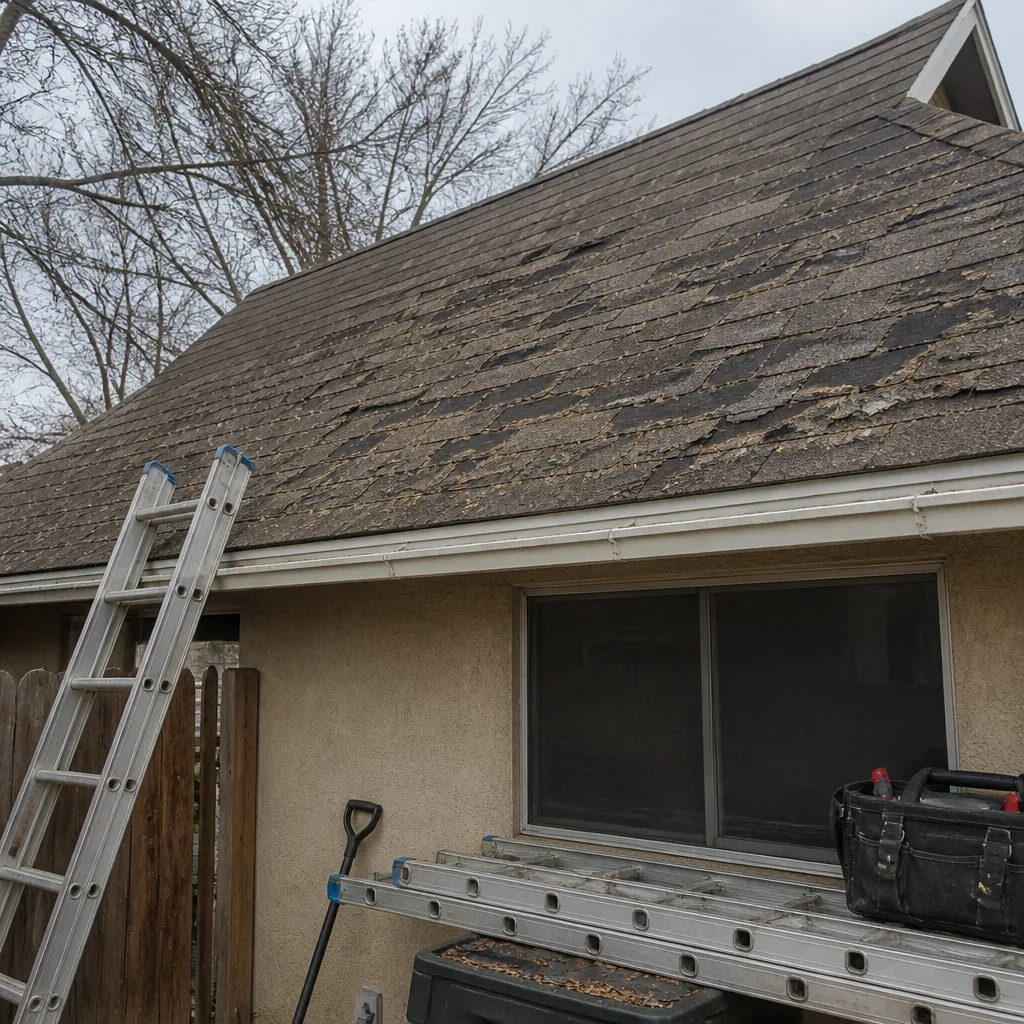 Before
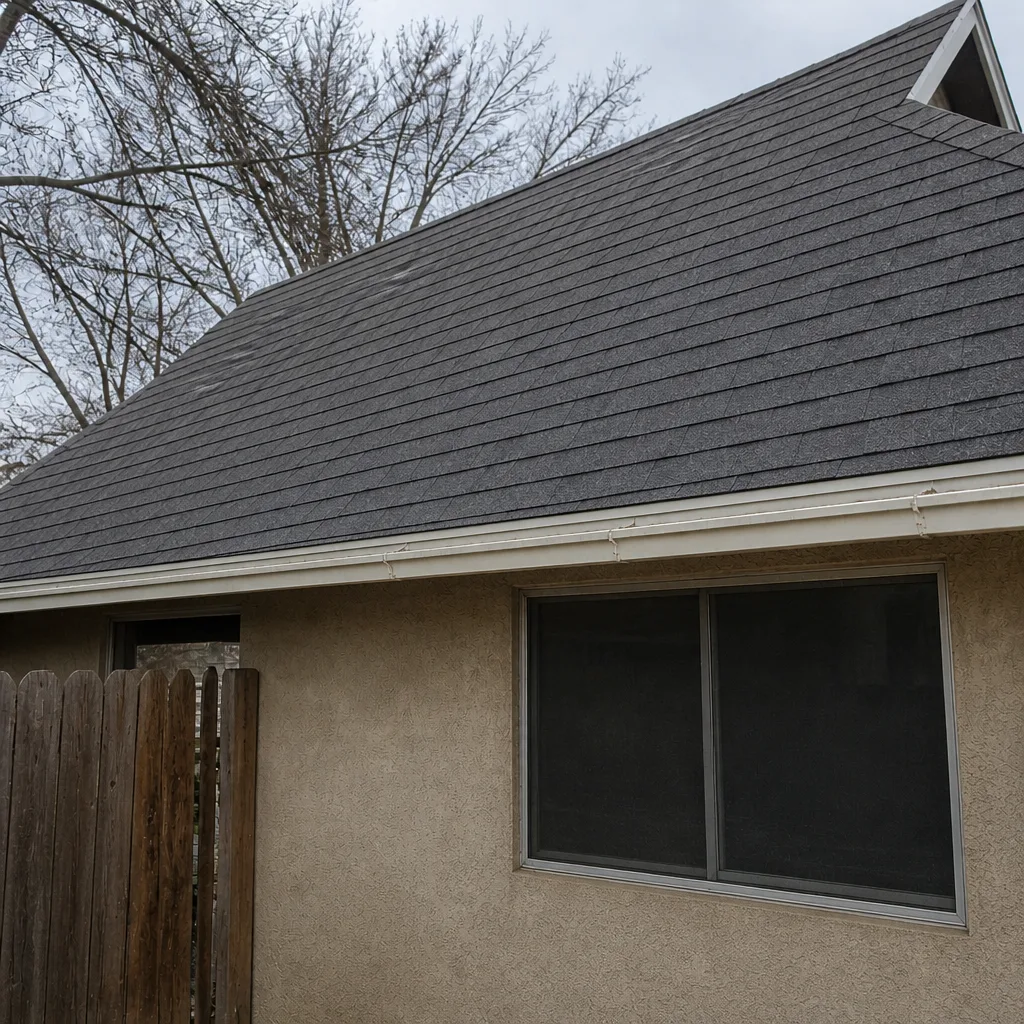 After
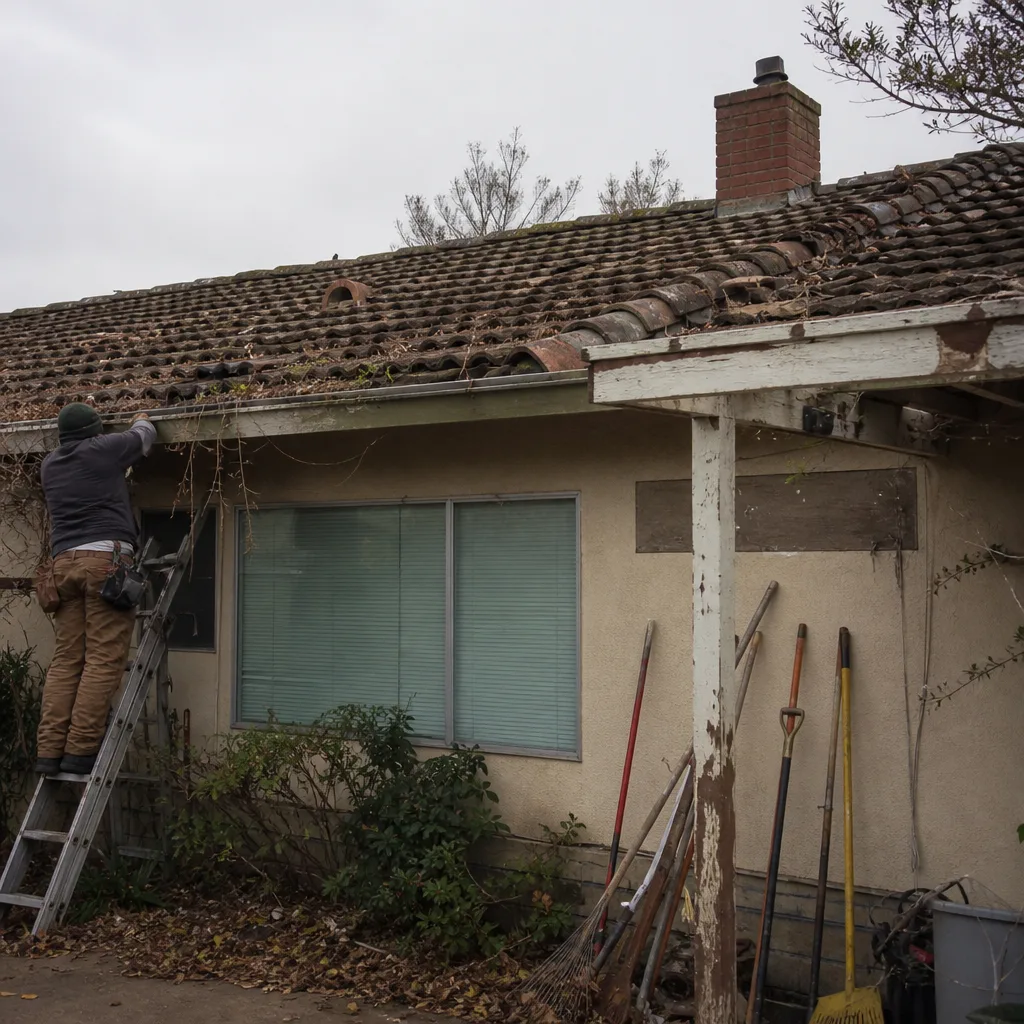 Before
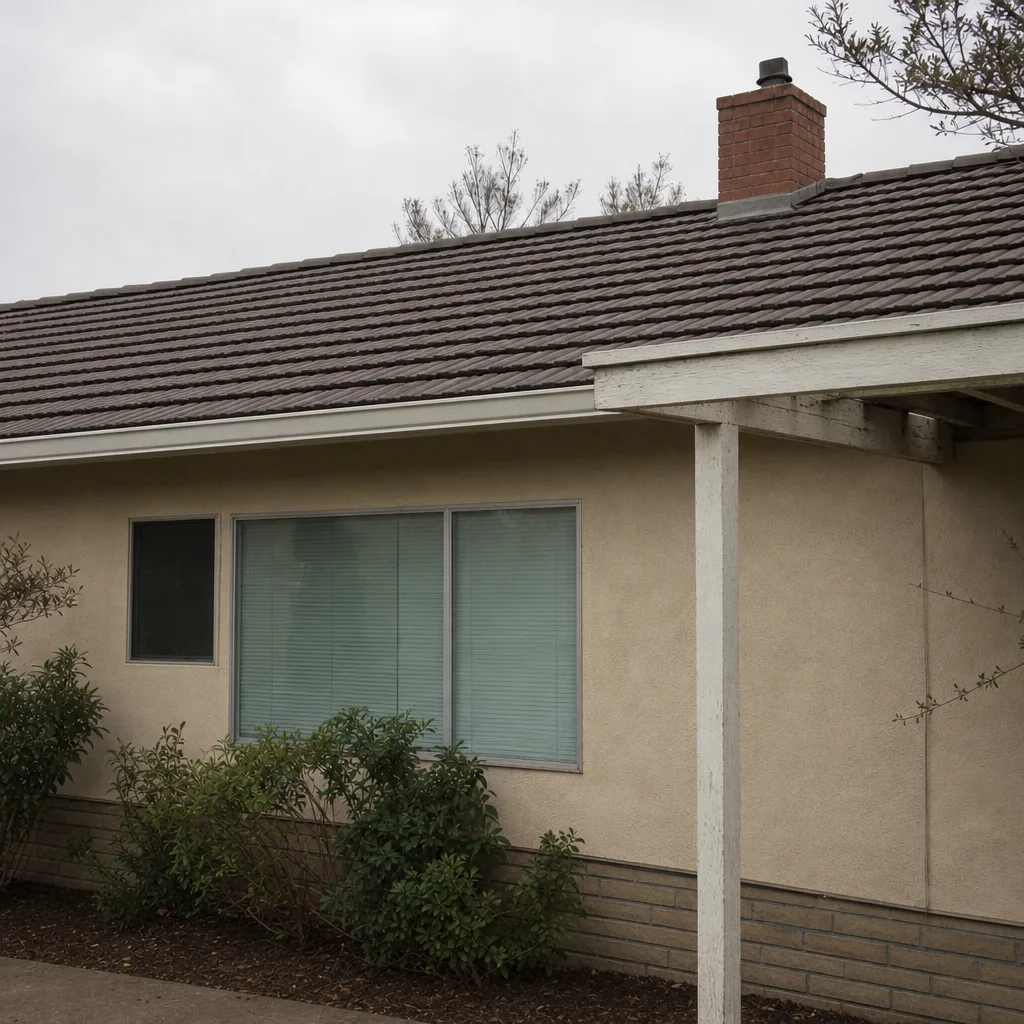 After
Frequently Asked Questions
Installation defects cluster in patterns – nailing errors repeated along a run, a starter strip that doesn’t lie flat, flashing gaps at valleys and transitions – while material defects tend to show as isolated failures tied to a shingle lot. Photograph everything first, then call the contractor, because their answer will determine which warranty covers it.
Workmanship warranty terms vary by contractor and there’s no single required length, so read the document you were given and ask the contractor to walk you through the exclusions. What matters most is whether the warranty is in writing and whether it clearly covers the installation defects the contractor was responsible for.
If a licensed contractor won’t make it right, file a complaint with the Nevada State Contractors Board. Put your complaint in writing first, send a final written request with a deadline, and keep the date of every call and visit. The board responds to documentation, so the stronger your file, the faster your complaint moves.
Under-driven nails are the usual cause on a fresh roof in Paradise. The nail sits slightly proud, the tab works up and down in the summer heat, and over a season it loosens further. Over-driven nails are a different problem – they punch through the shingle and leave a hole. Both are installation defects, not material ones, and both are covered under a workmanship warranty.
No. Inspect from the ground with photos, note the date and weather, and leave the roof to a trained roofer. Climbing a fresh roof risks a serious fall and can make the defect harder to prove – and it can void your workmanship warranty.
Verify the contractor’s license number before you sign. Ask where their shop is, ask for the workmanship warranty in writing, and ask for their nailing spec and what brand and product they intend to install – whether it’s GAF, Atlas, or another brand, the spec is what earns the wind rating. Then get a second opinion on the written estimate before you commit. Call (833) 676-0557 if you’d like a free second opinion – estimates are free.
The Bottom Line
A problem with a brand-new roof is frustrating because you paid full price and still have a leak. Your best defense isn’t speed – it’s documentation. Photograph the defect before anyone touches it, put your complaint in writing, and know whether you’re looking at a workmanship problem or a material one. Read your workmanship warranty’s exclusions before you need them. If the contractor won’t come back and make it right, the Nevada State Contractors Board is your next step, backed by the file you built. Keep off the roof yourself, and hire a roofer with a real address, a license number you can look up, and a name you’ll see again on a Saturday at the hardware store. If you’re in Paradise and want a straight answer on a roof that’s not behaving, call (833) 676-0557 for a free estimate. We’ll show you what we see before we talk money.
Written by the team at Shepherd & Sons Roofing Paradise.