
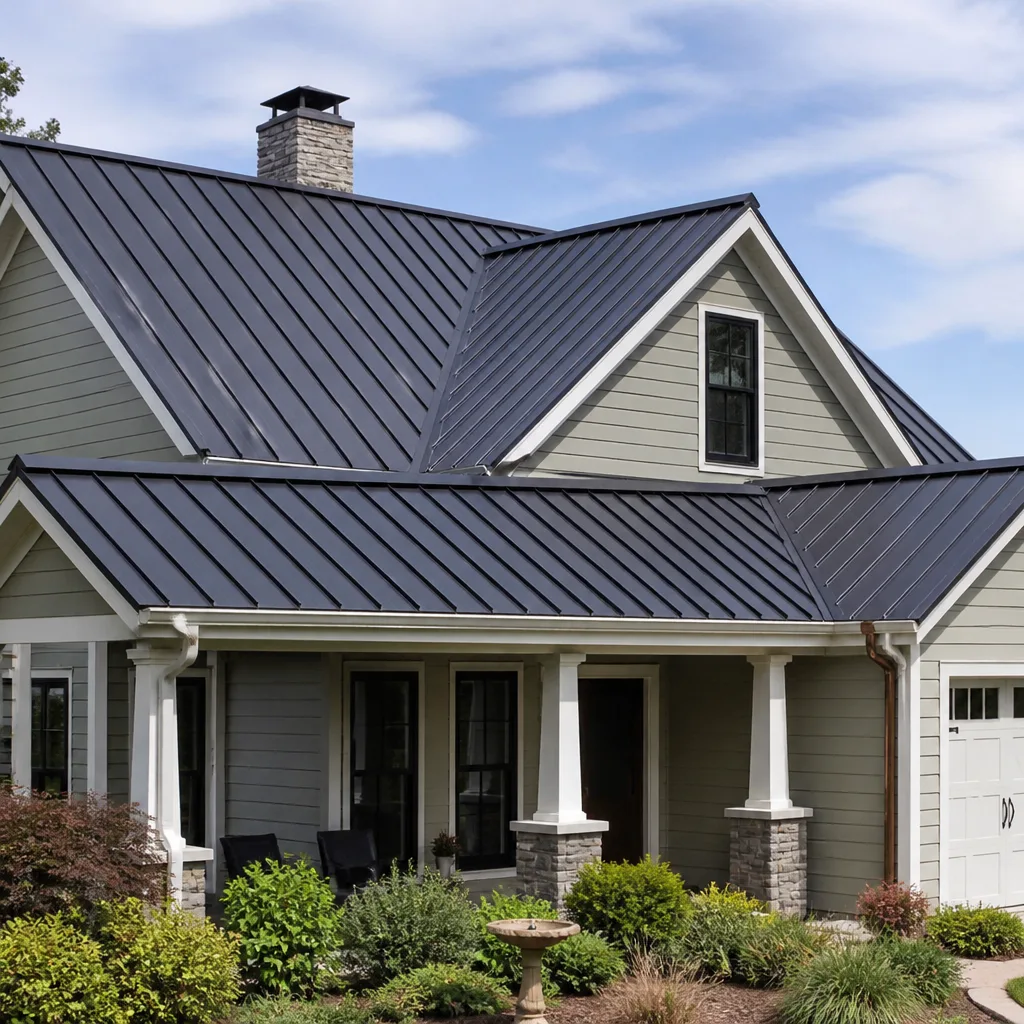
 Metal roofing
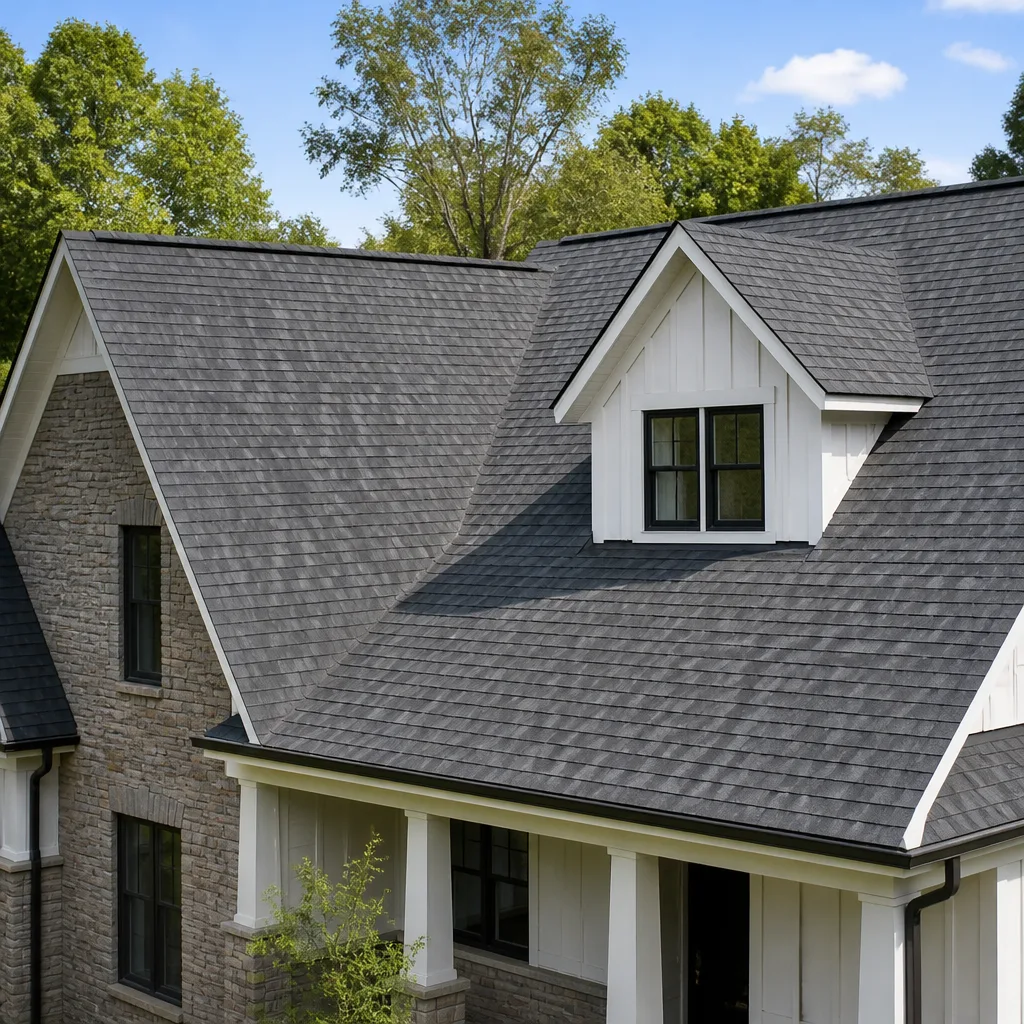 Architectural shingles
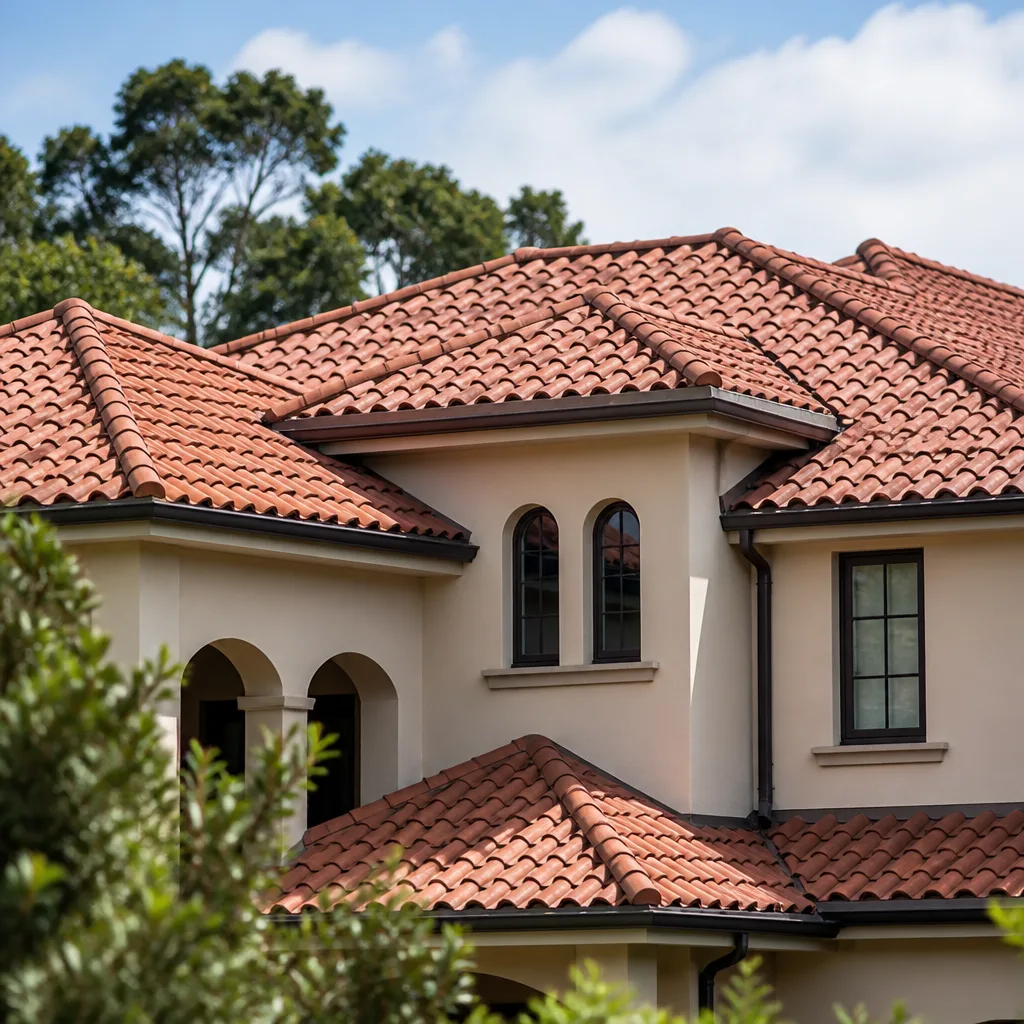 Tile roofing
 GAF
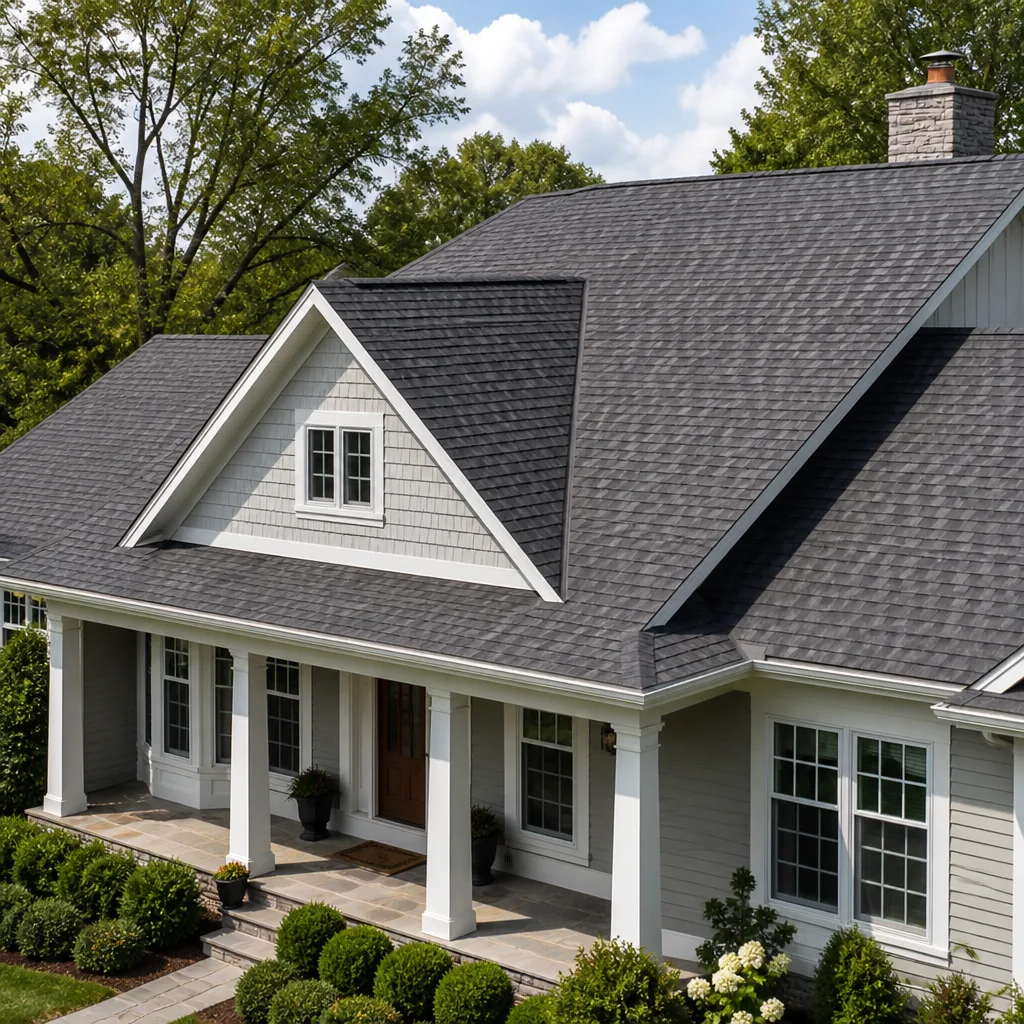 Owens Corning
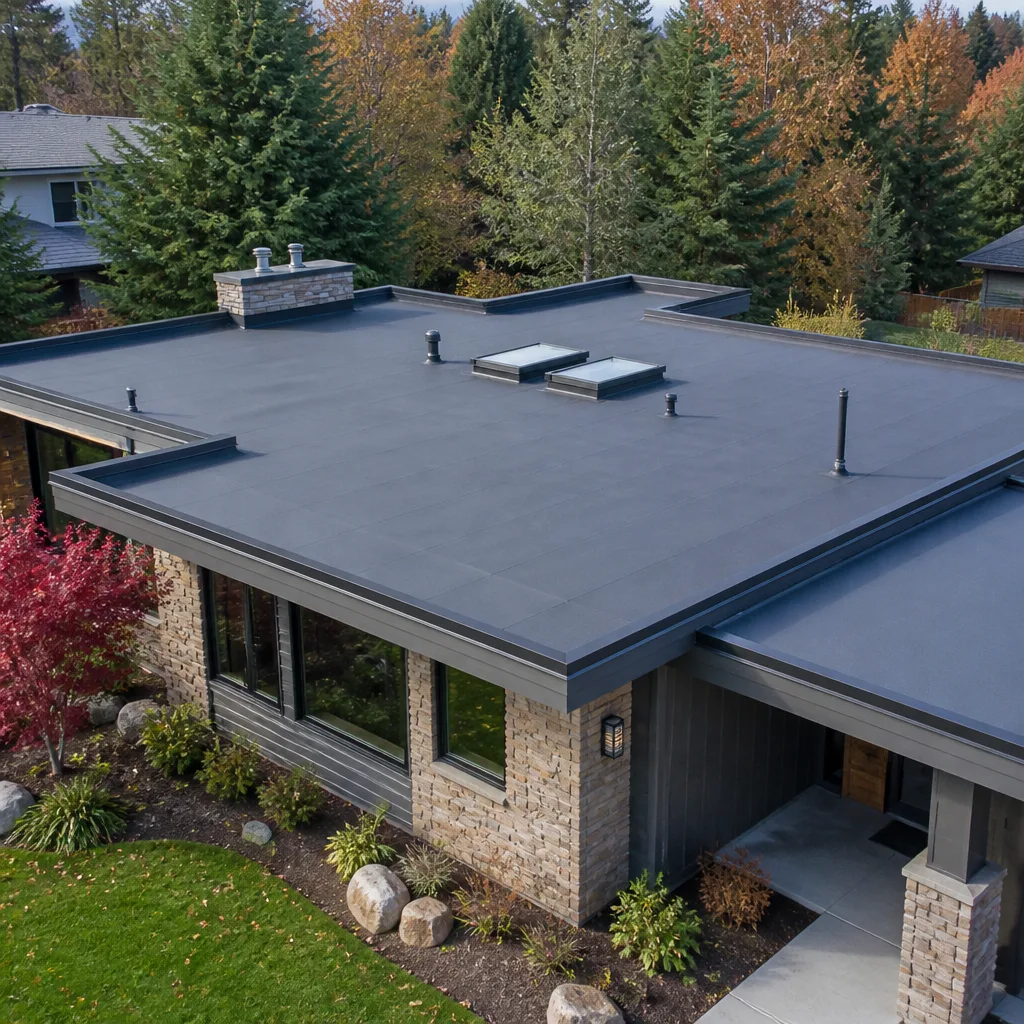 Flat & low-slope
Free roof inspection with deck photos before we talk money - GAF and Owens Corning certified installation
Styles & brands we work with
- Architectural shingles
- Metal roofing
- Tile roofing
- GAF
- Owens Corning
- Flat & low-slope
See the difference
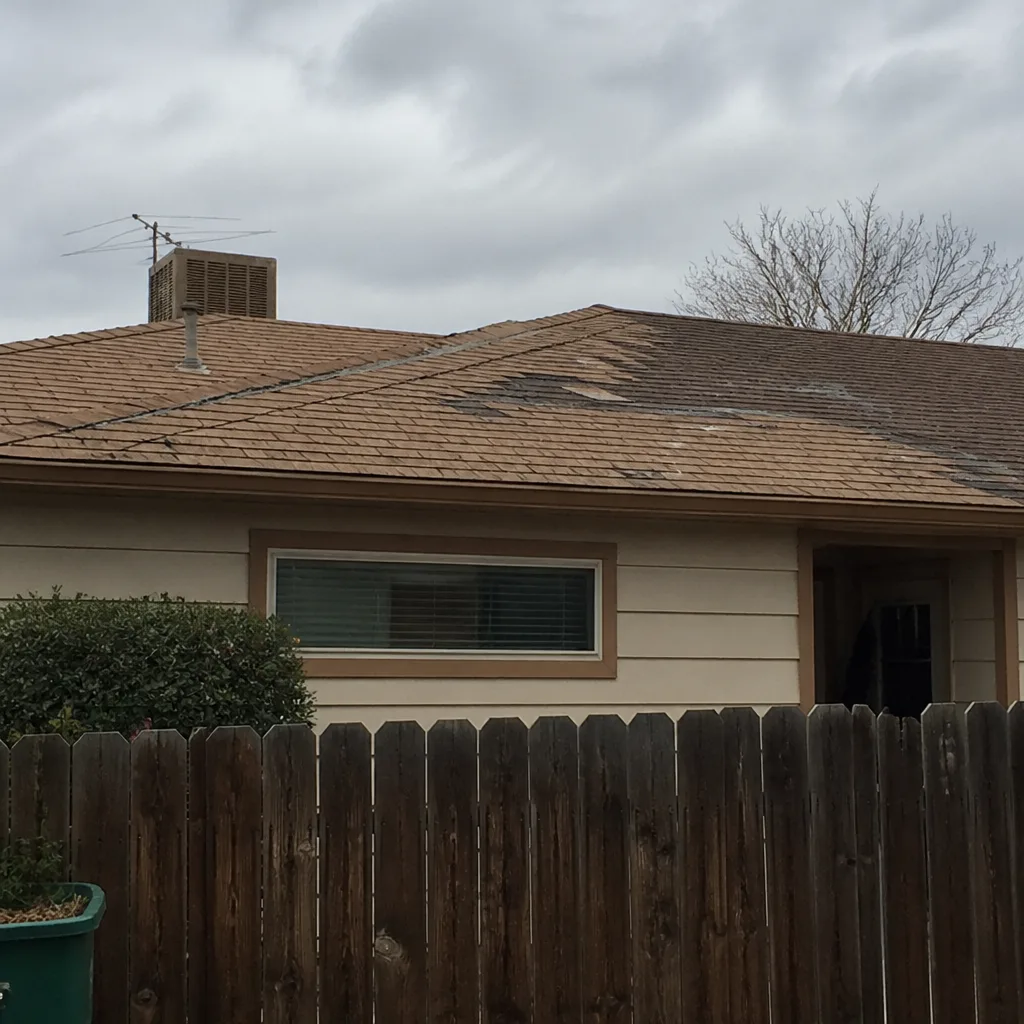 Before
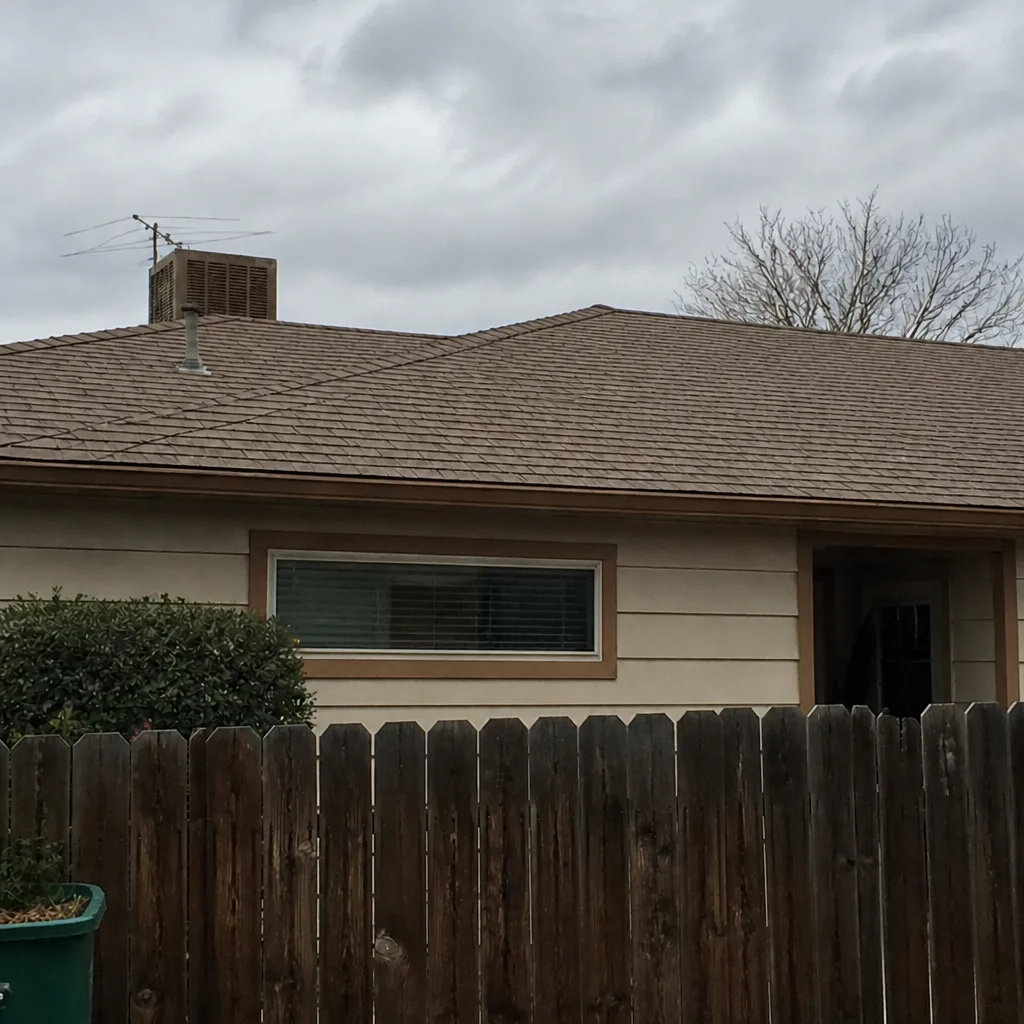 After
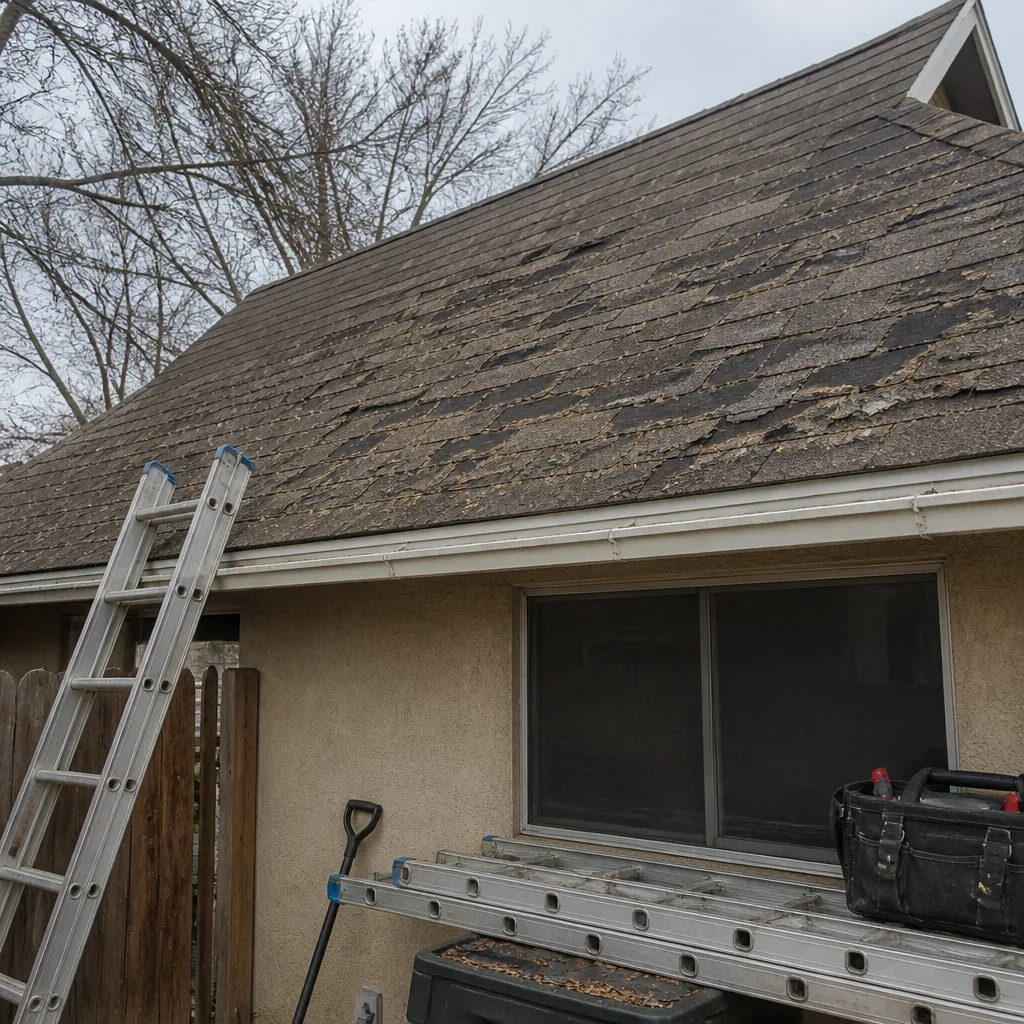 Before
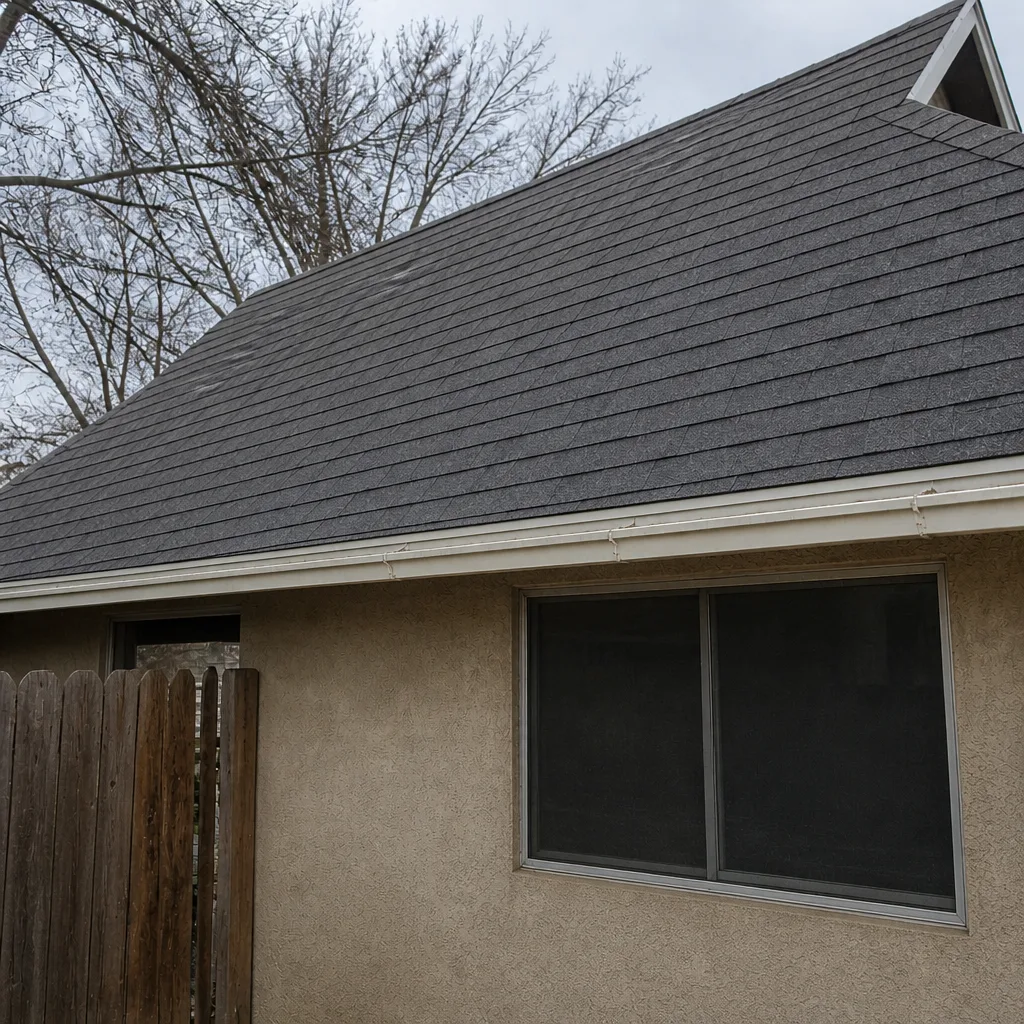 After
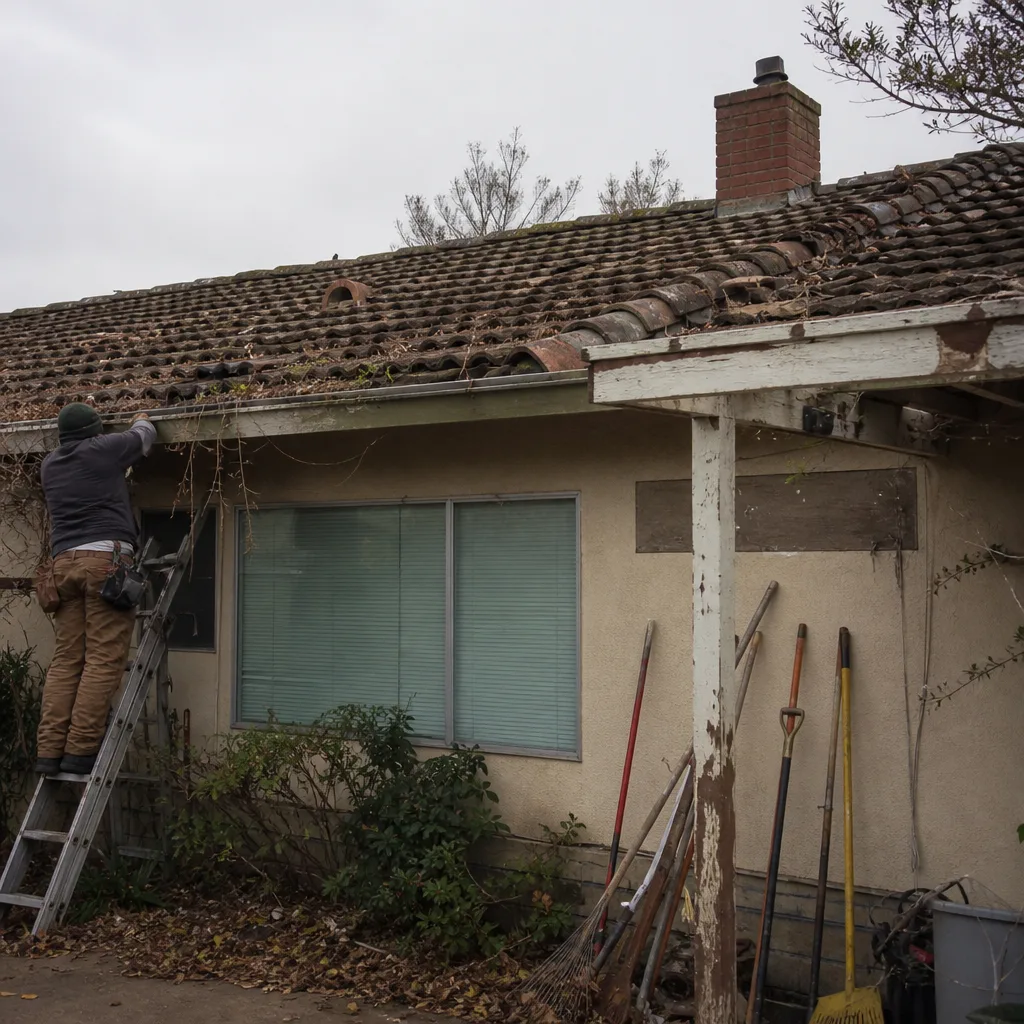 Before
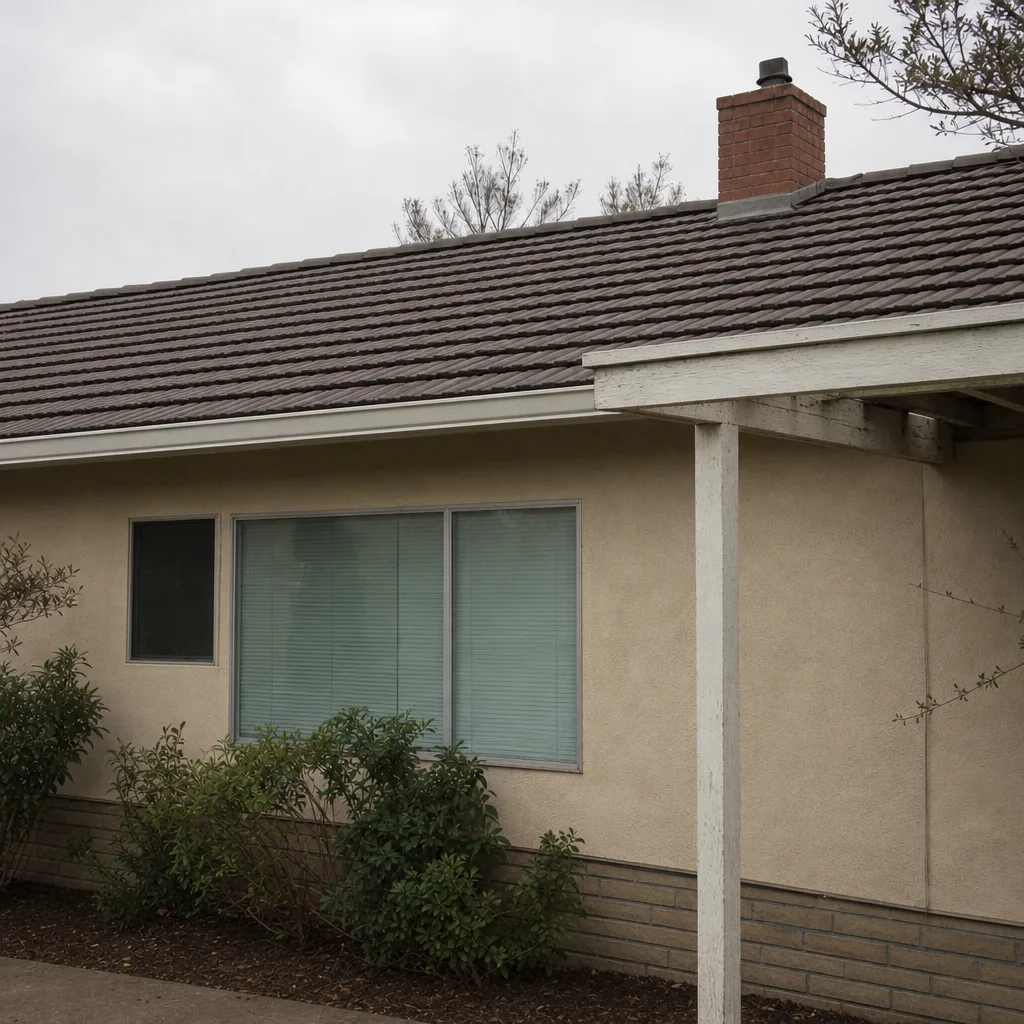 After
Signs You Need a New Roof in Paradise, NV: What Flat and Low-Slope Roofs Actually Tell You
The signs you need a new roof in Paradise, NV are mostly invisible from the ground: blistering membrane, open seams at HVAC curb flashings, roof drains that have pulled away from the deck, water stains after monsoon rain, and more than three patches in the same 10-foot area. Those are the failure modes here – not curling shingles or moss. If you’re looking for the standard national checklist, you’re looking in the wrong place. Call Shepherd & Sons Roofing Paradise at (833) 676-0557 and Bill will get up there and show you what’s really going on.
Key takeaways
- On flat and low-slope roofs, heat and UV damage is what kills a roof – not rain.
- Membrane blistering, seam separation, and drain pull-away are the five real warning signs.
- Age thresholds vary by material: tar-and-gravel goes in 15-20 years, TPO can reach 25 with seam maintenance.
- Walking the membrane reveals soft spots that no parking-lot inspection ever catches.
Why the Standard “10 Signs” List Fails on Paradise Roofs
Most of the “signs you need a new roof” advice you’ll find online was written for pitched shingle houses in wet climates. Look for curling shingles, granule streaks, moss growth, sagging ridgelines. That advice is fine where it applies. It just doesn’t apply to most of Paradise.
Paradise went up fast during the Strip’s boom years – 1960s through the 1980s – and the roof stock reflects that. The Strip corridor, Paradise Road, and Flamingo are lined with low-slope commercial buildings, motels, and aging apartment complexes, not pitched residential roofs. Even the tract homes near the Strip often carry flat or low-slope additions. So the roof that’s actually failing on your property is probably a membrane roof baked by 110°F summers, and its warning signs look nothing like a shingle roof’s.
Here’s what happens in the local climate: days hit triple digits from May through September, the UV load is relentless, and the thermal swing from 40°F winter nights to 100°F-plus afternoons works seams and flashings loose season after season. Flat roofs in Paradise die from heat and UV, not rain. Dark surfaces can exceed 150°F by mid-morning, which is why crews schedule tear-offs at dawn. That daily bake is what cracks adhesives, blisters membranes, and opens seams.
The Five Real Warning Signs on a Paradise Roof
If you only remember one thing from this page, remember this: get someone up on the roof to look. A flat roof that looks fine from the parking lot can have soft spots that mean deck rot or delamination. Step on one and you’ll know in seconds – most owners never get up there.
When we walk a membrane roof in Paradise, these are the five things we’re looking for:
- Membrane blistering. Heat-trapped air creates bubbles between layers of the membrane. They look like soft blisters and they only get worse with every summer. Blistering is the number one sign that a flat roof is heading toward replacement.
- Open seams at HVAC curb flashings. The roof-to-unit connection is where leaks start, because thermal cycling pulls the flashing away from the membrane over time. A seam you can slide a putty knife under is already a problem.
- Roof drains that have pulled away from the deck. Interior drain bowls detach from their mounting as the deck moves under heat stress. When they separate, water finds the gap.
- Ponding water stains on interior ceilings after monsoon rain. A brown ring that appears after a summer storm tells you water sat on the roof long enough to find a path down. Ponding is a drainage failure, and it’s often a roof-age signal, not just a clog.
- More than three patches in the same 10-foot area. A patch here and there is normal. A cluster of patches in one spot means the membrane has failed locally and patching is just buying time.
For the minority of Paradise homes with pitched shingle roofs, the local warning signs are different from the national list: look for granule loss (dark patches on the shingles where the granules are gone), cracked ridge caps, and flashing separation around chimneys and vent pipes. Thermal cycling in this climate creates more flashing failure than wind or rain does. A cracked ridge cap after a hot summer is a real signal – not decoration.
Age Thresholds by Material in Paradise’s Climate
Age matters, but the number that matters depends entirely on the material. Here’s how it breaks down for Paradise roofs:
| Roof material | Replacement territory in Paradise | What to watch |
|---|---|---|
| Tar-and-gravel (built-up) | 15-20 years | UV degradation, thermal cracking, repeated patches |
| TPO membrane | Up to 25 years with seam maintenance | Seam separation, blistering |
| Original 1960s-70s built-up roofing near the Strip | Almost certainly past useful life | Deck condition, full tear-off likely needed |
| Pitched asphalt shingle | Varies – watch condition, not just years | Granule loss, cracked ridge caps, flashing |
That middle column is the one to write down. A tar-and-gravel roof in this township has a hard clock on it because of UV and thermal cycling – 15 to 20 years and you’re in replacement territory, no matter how many patches are holding. A TPO membrane in good condition can go 25 years if the seams are kept up. And if you’re in one of those original tar-and-gravel flat roofs from the 1960s or 1970s along the Strip corridor, the honest answer is that it has almost certainly exceeded its useful life, regardless of patch history. Patching a roof that old is a decision to spend money twice.
What “walk the roof” means, and why it matters more here
On a pitched shingle roof, you can learn a lot with binoculars from the driveway. Flat roofs don’t work that way. Blisters, seam failure, and deck softness only reveal themselves underfoot. That’s why a real inspection in Paradise means getting up on the membrane, checking seams by hand, and probing for soft spots. Our technicians have up to 30 years of experience walking this kind of roof, and the difference between a roof that needs a $400 repair and one that needs replacement is almost always found by touch, not by eye.
What Bill Looks For Before He Mentions Replacement
Here’s the thing about a warning-signs list: a sign is not a verdict. When Shepherd & Sons Roofing Paradise comes out, Bill walks the roof, checks the deck, and shows you the photos before he talks about money. If the deck is solid and the membrane is patchable, he’ll tell you that. Replacement isn’t the answer to every blister.
The 90-Day Done Right Promise only makes sense on a job that actually needs doing – a written guarantee on a repair you didn’t need is worthless to you. Every Paradise job carries that promise in writing, and one call brings Bill back if something isn’t right. We install products from IKO, Atlas, Tamko, and Boral, so if there’s a specific shingle or membrane you’re weighing, we’ve likely set it. When replacement is genuinely the right call, you can read more about how we handle it on our Roof Replacement & Installation page, and we’re happy to show you the deck photos from your own roof at the estimate.
One more local reality: crews around the Strip find original tar-and-gravel flat roofs patched repeatedly and scheduled for full tear-off because that’s the only thing left to do. If you’re looking at a roof like that, the walk-the-roof inspection will tell you whether a coating system buys you time or whether it’s time to plan the tear-off. Either way, you’ll see the evidence before you decide.
Frequently Asked Questions
The most common signs are membrane blistering, open seams at HVAC curb flashings, roof drains pulled away from the deck, ponding water stains on interior ceilings after monsoon rain, and more than three patches in the same 10-foot area. Any of these can mean the membrane has reached replacement territory, but only a walk-the-roof inspection confirms whether the deck underneath is still sound. Call (833) 676-0557 and we’ll take a look at no charge for a second opinion on any written estimate.
Age alone doesn’t decide it – the material does. A tar-and-gravel roof in Paradise’s climate hits replacement territory in 15-20 years because of UV and thermal cycling, while a TPO membrane can last up to 25 years with seam maintenance. Original 1960s-70s built-up roofing near the Strip has almost certainly exceeded its useful life regardless of patch history. The only way to know for sure is to check the deck and seams in person – call (833) 676-0557 for a free estimate.
Yes, and in Paradise that’s the norm rather than the exception. Blisters, seam separation, and soft deck spots don’t show up from the parking lot – they reveal themselves only by walking the membrane and probing for soft spots. A roof that looks intact from below can have delamination underfoot in an area you’d never spot from the ground. Call (833) 676-0557 and Bill will get up there and show you the photos before anyone talks about replacement.
Call a roofer the moment you see blistering, drain separation, or a stain that appears after monsoon rain, because those point to failures a surface patch won’t fix. Flat-roof work involves walking a hot membrane, opening seams, and checking the deck – the kind of work where a wrong move hides a bigger problem under a clean-looking patch. Shepherd & Sons Roofing Paradise has a live person answering the phone around the clock, so you’re never stuck talking to voicemail after a storm. Call (833) 676-0557 for an upfront, no-hassle price.
If you’d rather have it looked at than guess, Shepherd & Sons Roofing Paradise offers a no-pressure assessment in Paradise. Our technicians have up to 30 years of experience on flat, low-slope, and pitched roofs alike, and we’ll show you the deck photos before we talk money. Call (833) 676-0557 for a free estimate and a free second opinion on any written estimate you already have.
Written by the team at Shepherd & Sons Roofing Paradise, serving Paradise, NV.