
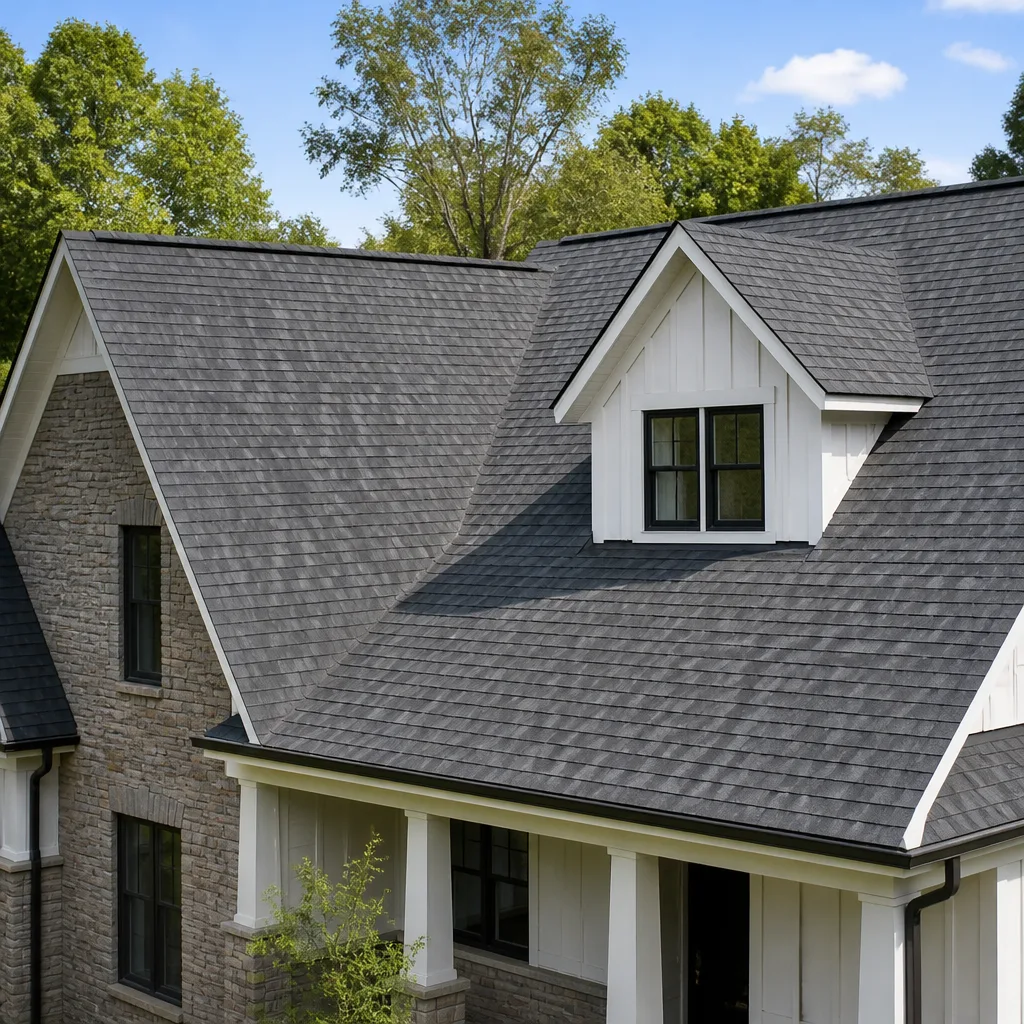
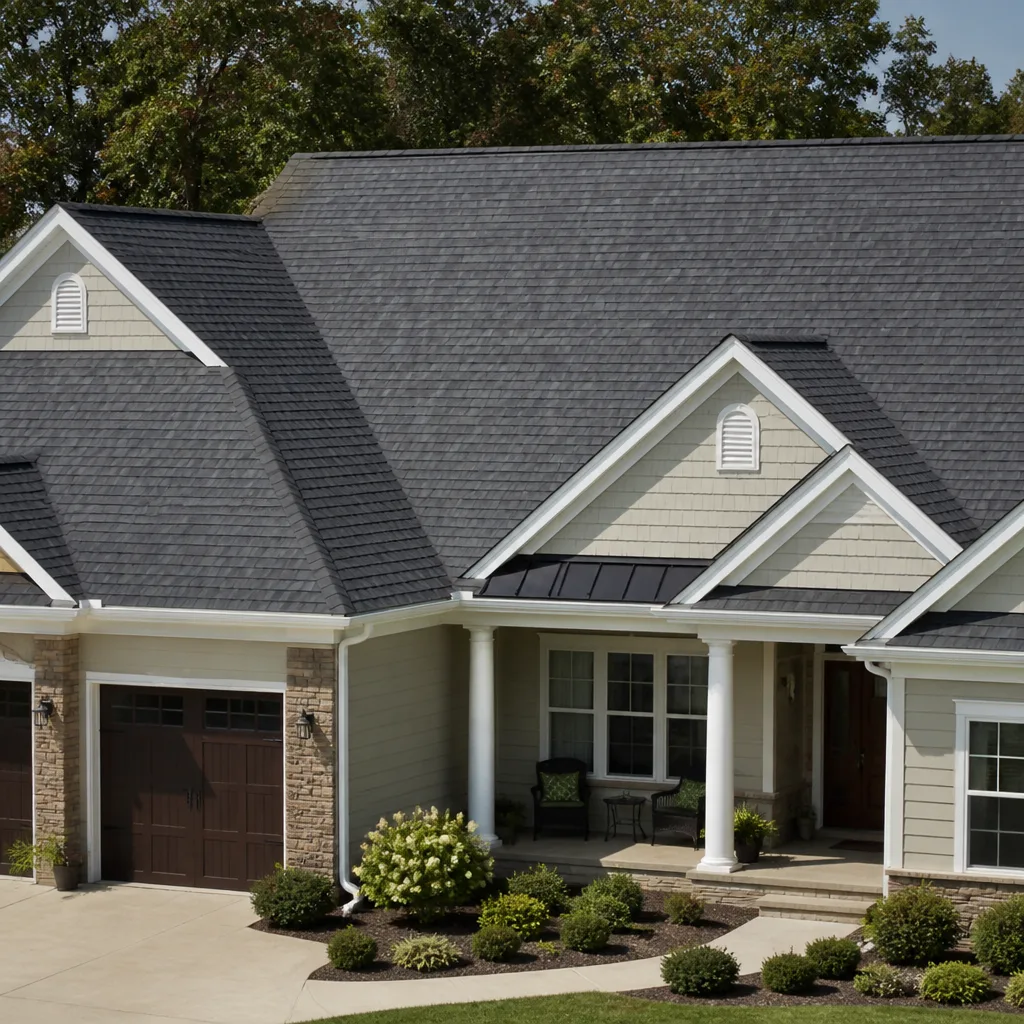
 Architectural shingles
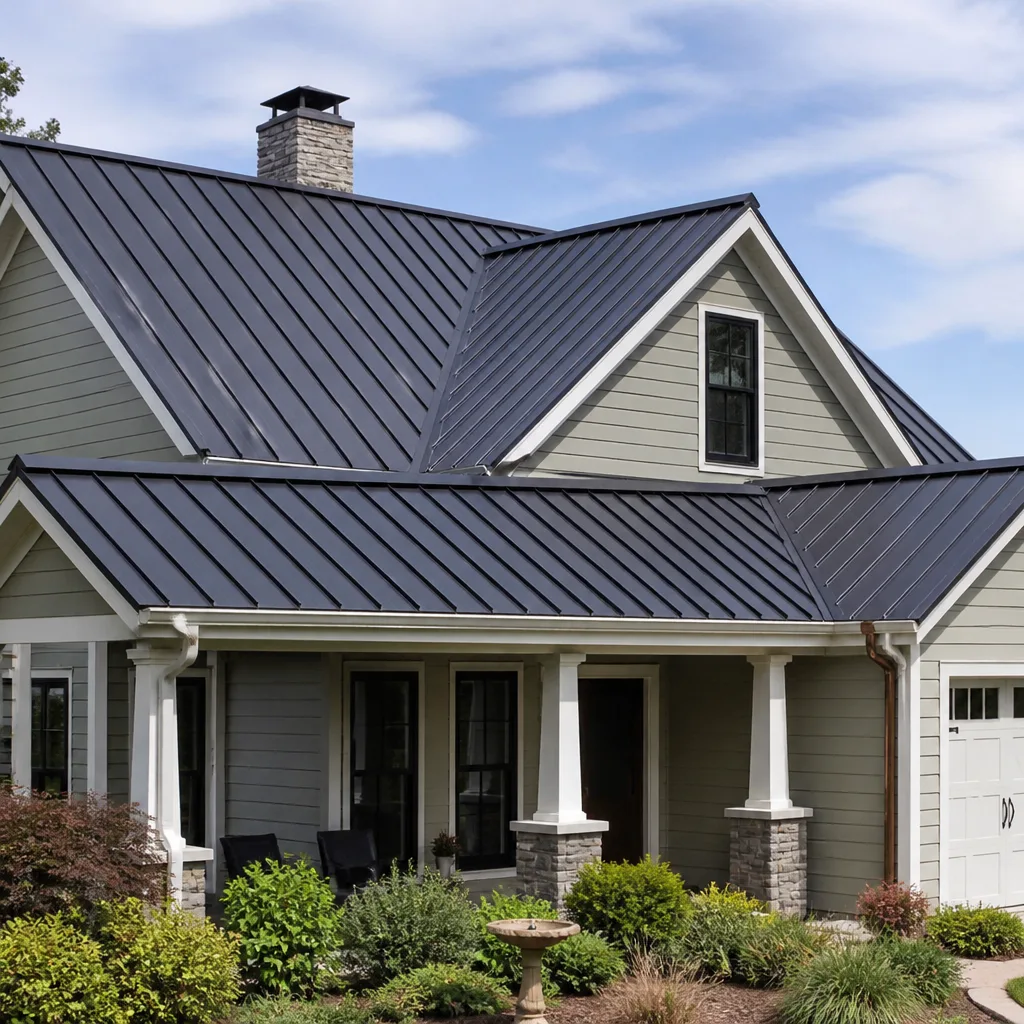 Metal roofing
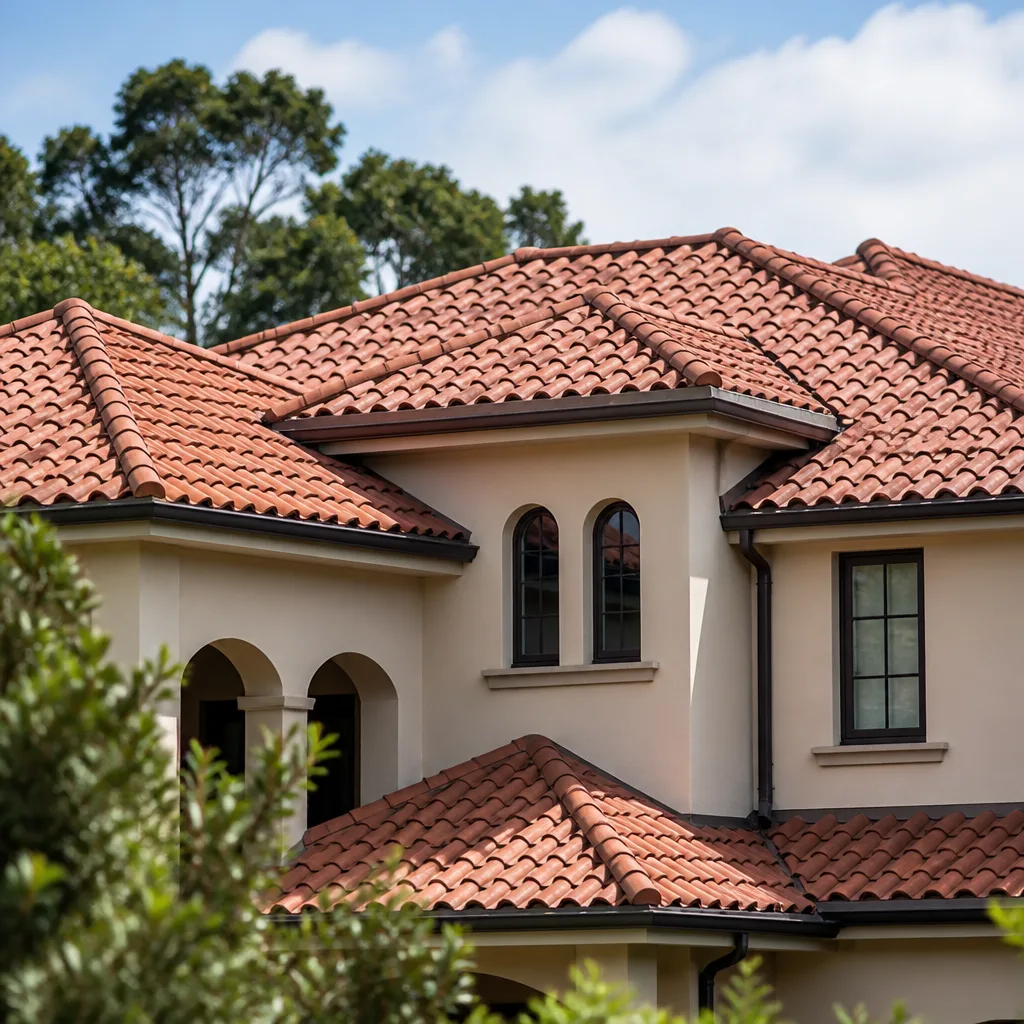 Tile roofing
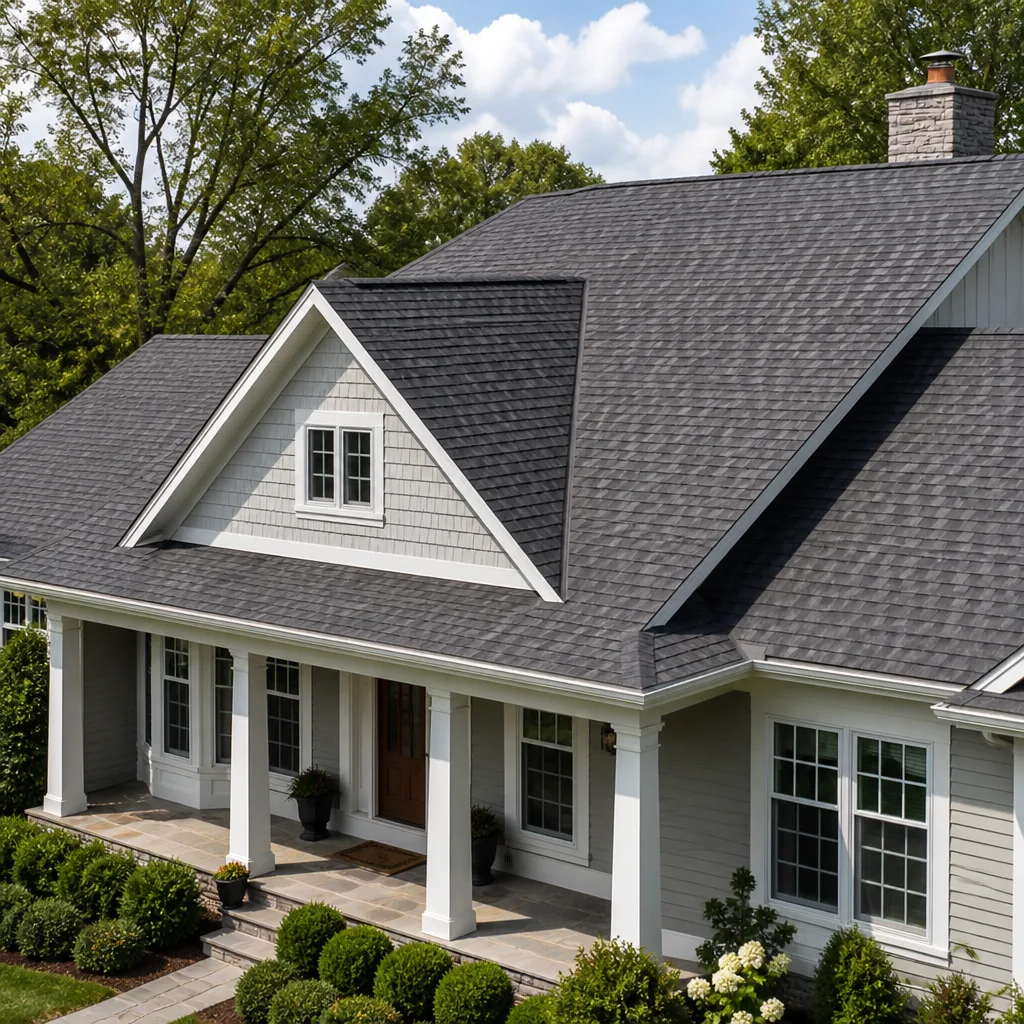
 GAF
 Owens Corning
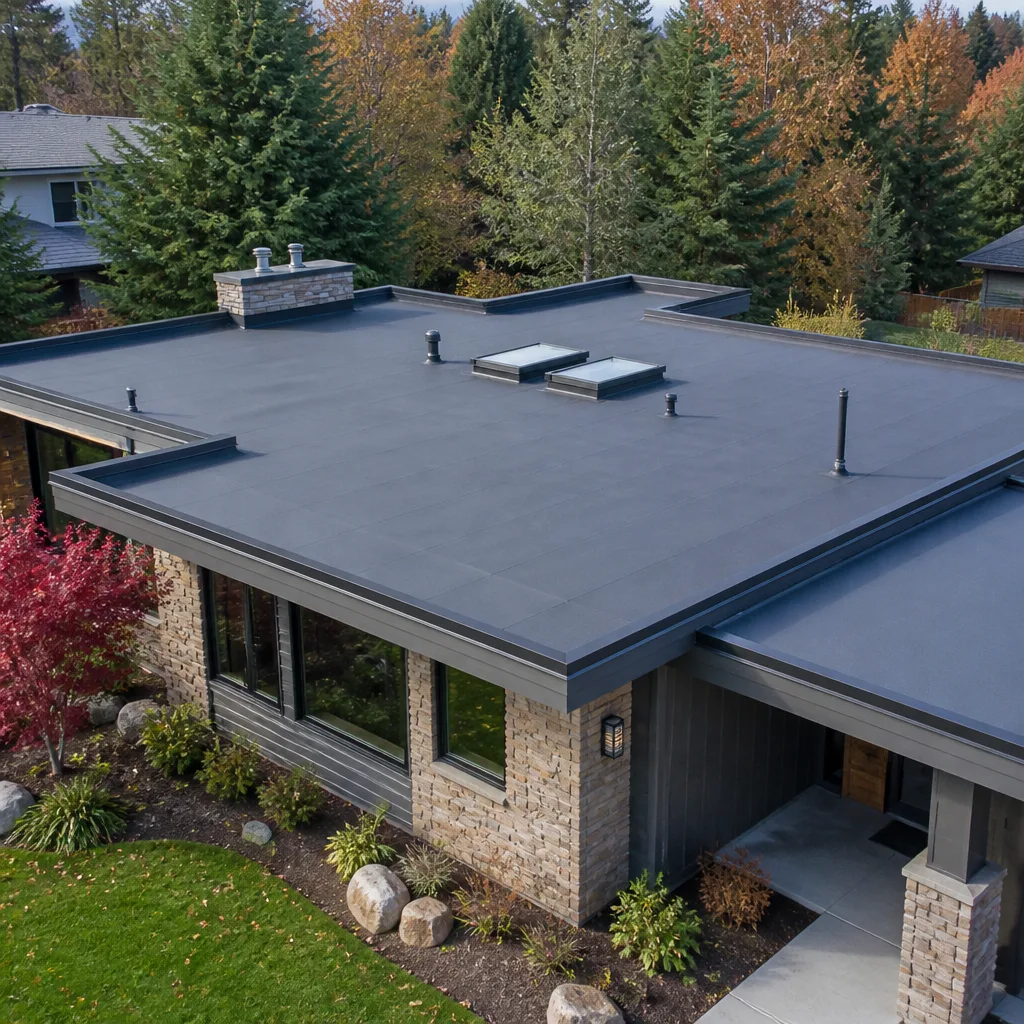 Flat & low-slope
Free roof inspection with deck photos before we talk money - GAF and Owens Corning certified installation
IKO Flashing Replacement: The Paradise Owner’s Guide
We replace failed IKO roof flashing in Paradise, and most jobs run $285 to $650 installed for a standard roof-to-wall or pipe-boot section. The price depends on how much flashing we’re replacing and whether we have to open up surrounding shingles to do it right. We’re an independent contractor, not affiliated with IKO, but we’ve set enough IKO roofs to know the flashing system inside and out.
Most Paradise owners figure out the flashing went bad the same way. There’s a brown water stain creeping across the ceiling after a hard rain, or a soft spot on the drywall in the hall. Maybe you looked up in the attic with a flashlight and saw daylight where the roof meets the chimney or a vent pipe. Sometimes it’s quieter than that: a strip of caulk that peels off every spring, or a shingle edge near a wall that’s curling up and turning black. That curl and those stains usually point at the flashing, not the shingles. And in Paradise, with our dry summers and the wind we get off the foothills, flashing that dried out and cracked in August shows up as a leak on the first real storm of November.
Which IKO Models This Applies To
Flashing sits on the roof, not in the bundle, so the good news is that IKO flashing replacement isn’t tied to a shingle model the way a starter strip or a hip-and-ridge might be. What matters is matching the flashing profile to your roof. IKO’s own flashing and edge metal lines run alongside their shingles, and we use IKO-spec step flashing, apron flashing, and the roll flashing that goes around vent pipes and roof penetrations. If your IKO label says Cambridge, Armourglass, Dynasty, or Nordic, it tells us what shingles are up there, not what flashing you need. We measure the flashing.
How to Identify What You’ve Got
Look at the underside of the drip edge at the eaves, or the flashing where a wall meets the roof deck. IKO flashing is usually stamped or has a visible mill finish you can match to the shingle color family. The real identification is in the measurement: the width of the exposed metal face, the profile shape (L, step, or W), and the thickness of the metal itself. Standard apron flashing runs about 2 to 4 inches of face, and step flashing for a wall runs 4×4 or 5×5 inches depending on your shingle course. Bring us a photo and the measurement and we’ll tell you the exact part.
OEM vs. Aftermarket for IKO
Here’s the honest answer on OEM versus aftermarket: for most residential roof flashing, a quality aftermarket aluminum or copper flashing works as well as the IKO-labeled piece and often costs less. But if your roof is under a manufacturer warranty and the failure gets pinned on the flashing, keeping to IKO-spec parts makes the warranty conversation simple. We install IKO flashing when it’s available and a good aftermarket piece when it isn’t, and we tell you which one we’re using before we start.
Styles & brands we work with
- Architectural shingles
- Metal roofing
- Tile roofing
- GAF
- Owens Corning
- Flat & low-slope
Signs Your IKO Flashing Replacement Is Failing
Flashing doesn’t fail all at once. It gives you warning, and most Paradise owners catch one or two of these before they call us:
- Staining on the ceiling or wall below the roof. That’s water getting past a flashing joint and tracking along a rafter. The stain shows up far from the actual leak.
- Caulk that cracks or peels every year. Caulk over flashing is a band-aid. It fails because the flashing underneath already lost its seal, not because the caulk was wrong.
- Lifted or curled shingles along a wall or chimney. The flashing behind those shingles is likely corroded, and the shingle above it is losing its nail hold because the deck stayed wet underneath.
- Visible corrosion, rust, or pinholes on the metal itself. In Paradise, sun and dry summer heat age the metal face; once it rusts through, water gets behind the wall.
- Water in the attic after a hard rain, especially at pipe boots or the chimney. Vent pipe boots are the single most common flashing failure we find. The rubber collar cracks and the seal around the pipe opens up.
If you see any of these, don’t wait for the next storm. A small flashing replacement now costs a fraction of the deck repair that follows a slow leak through a Paradise roof.
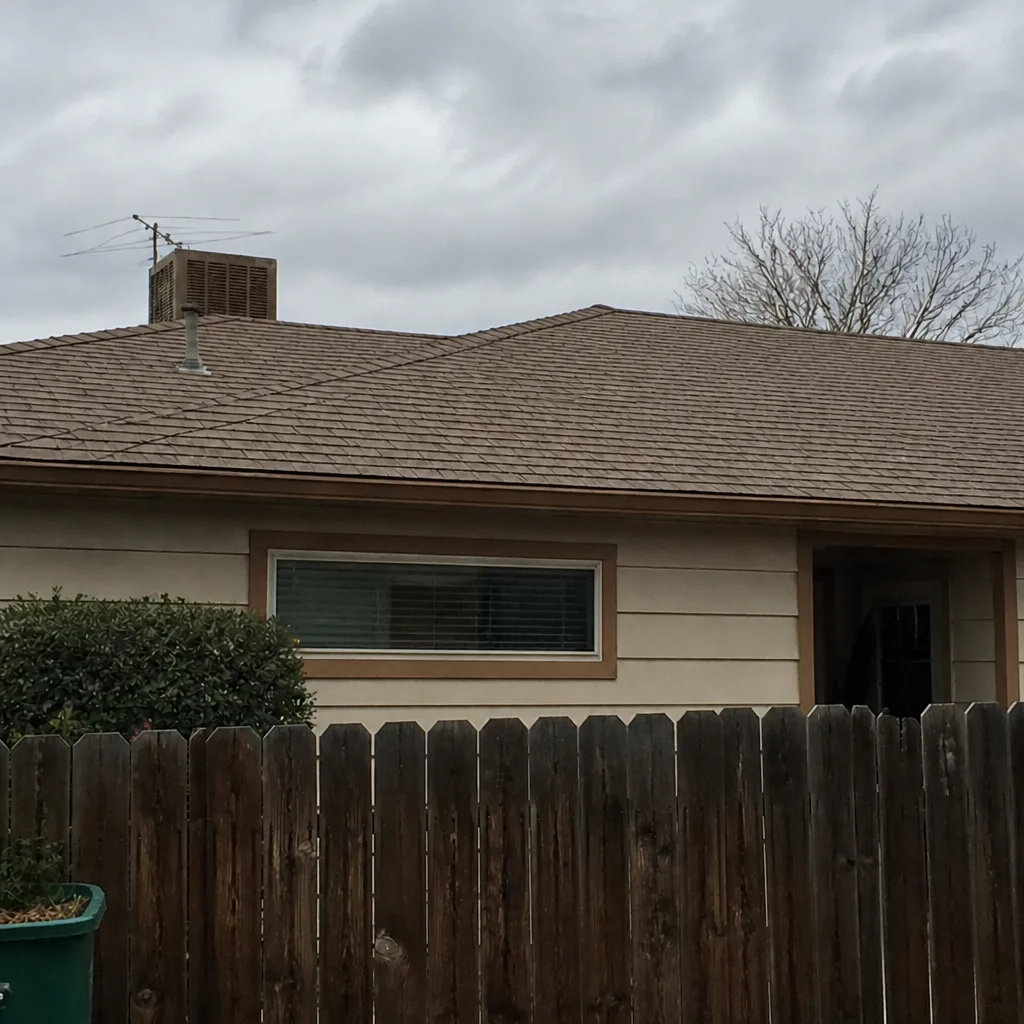
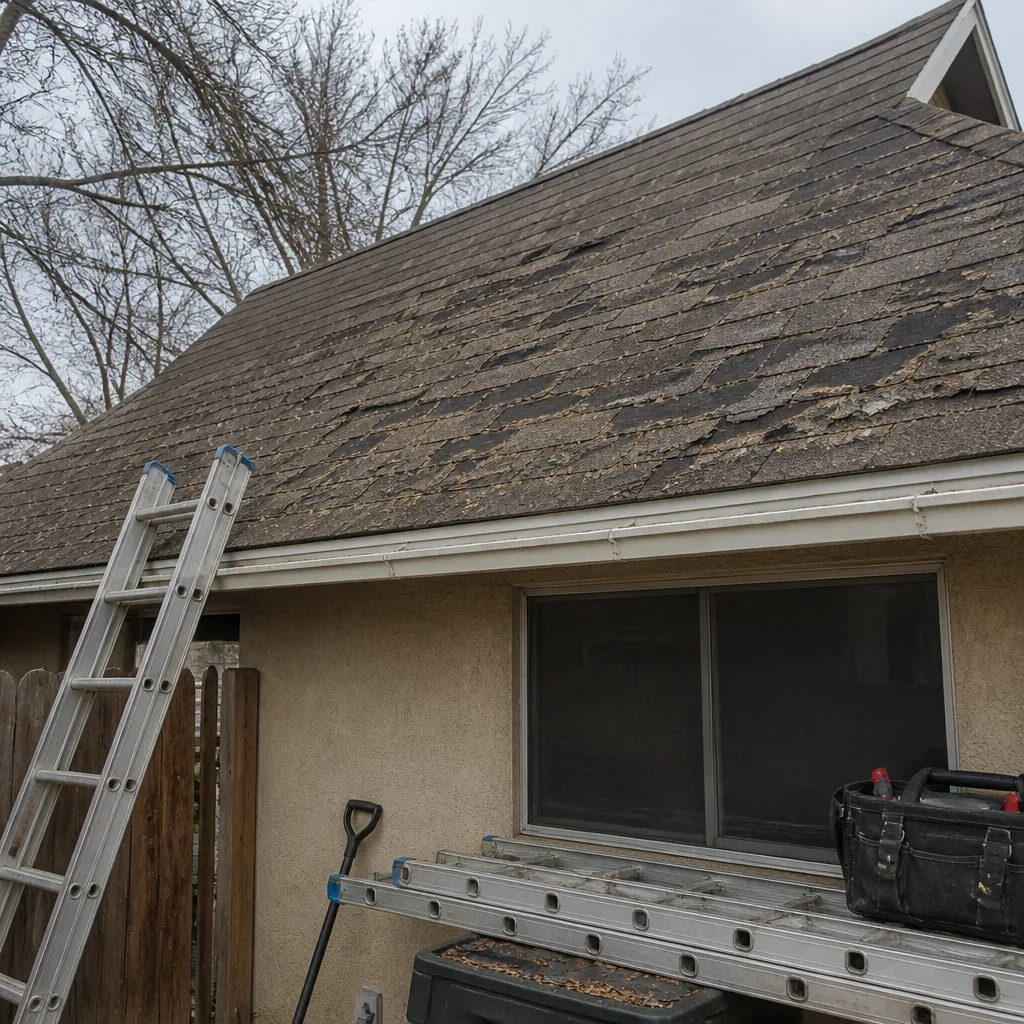
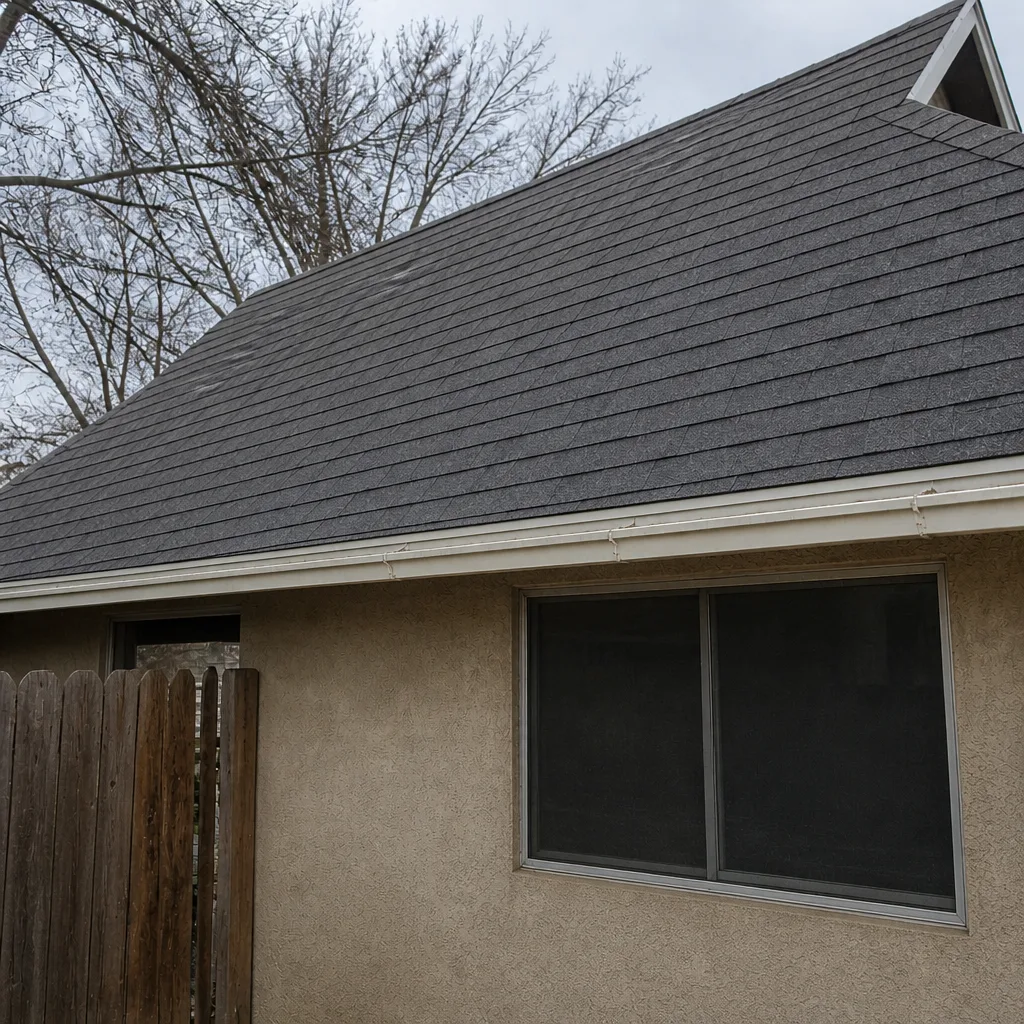
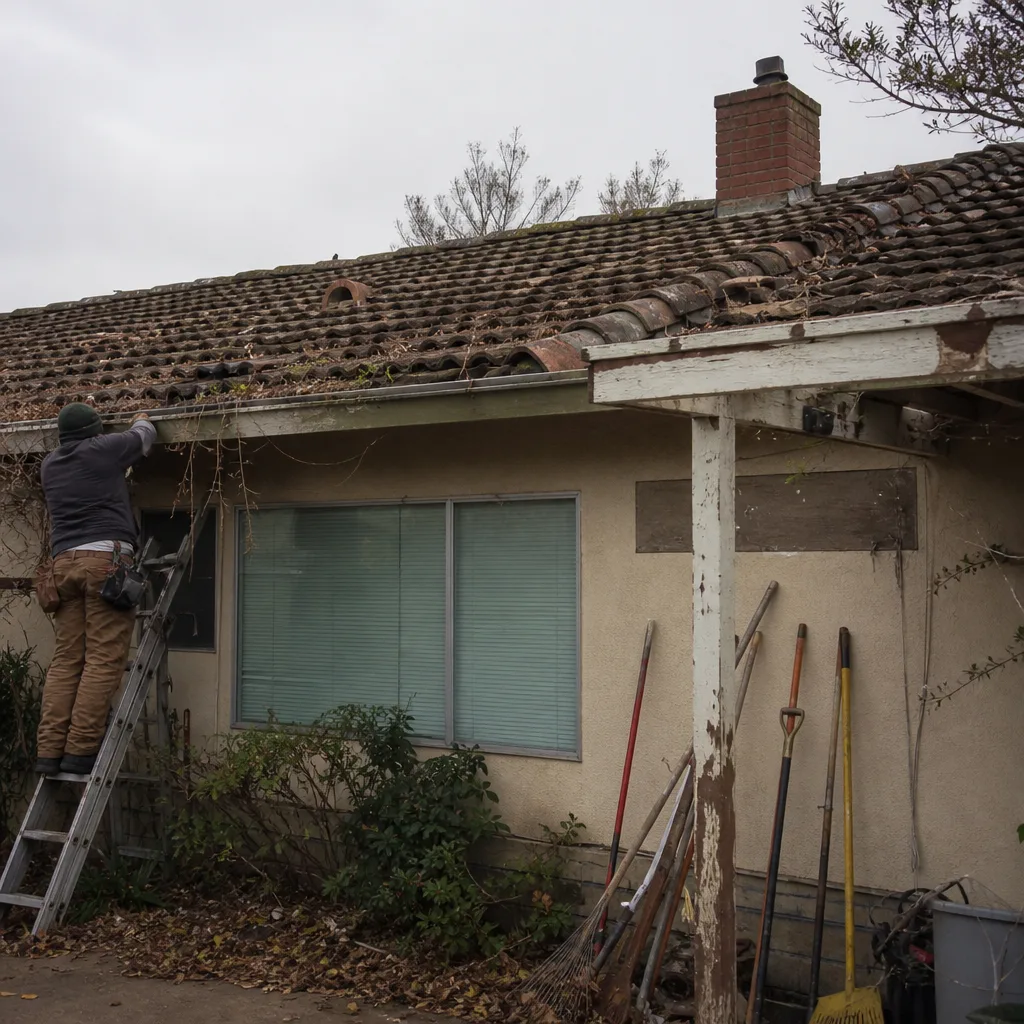
See the difference
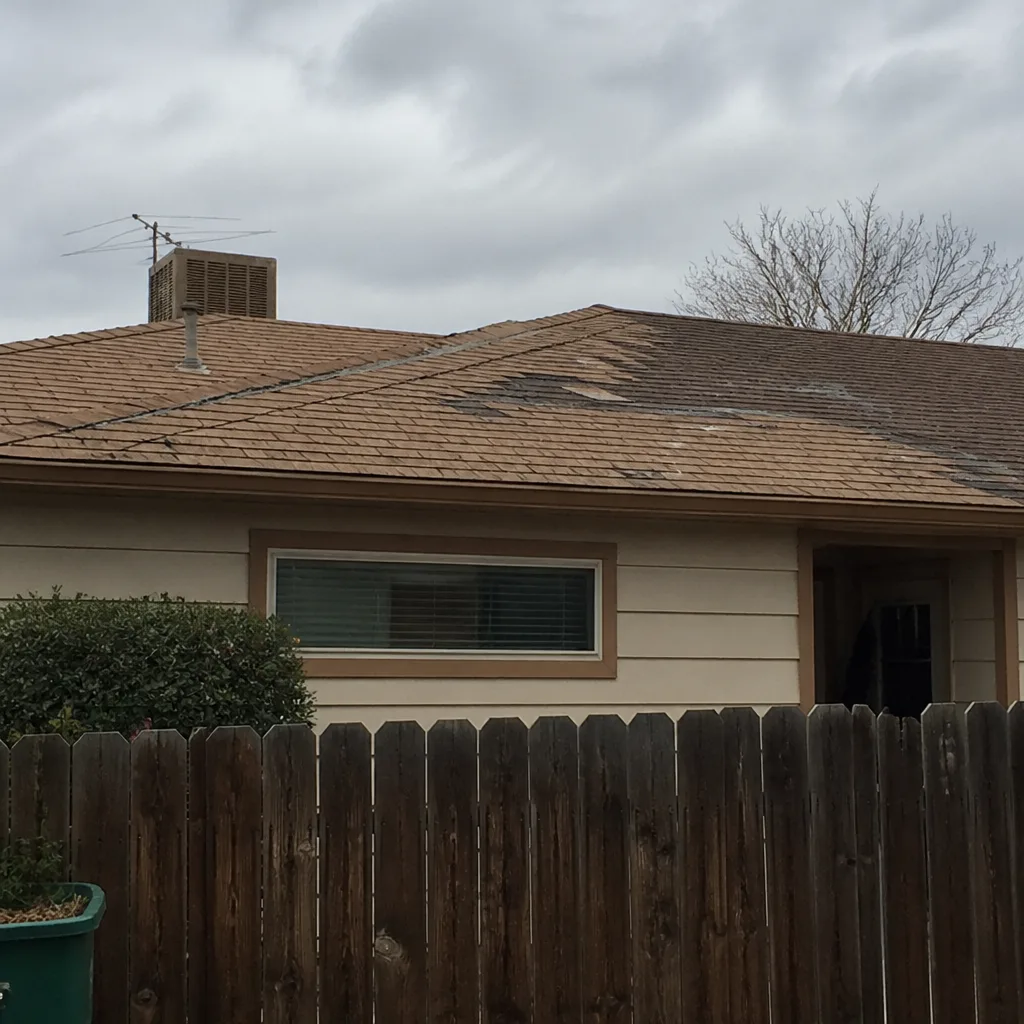 Before
 After
 Before
 After
 Before
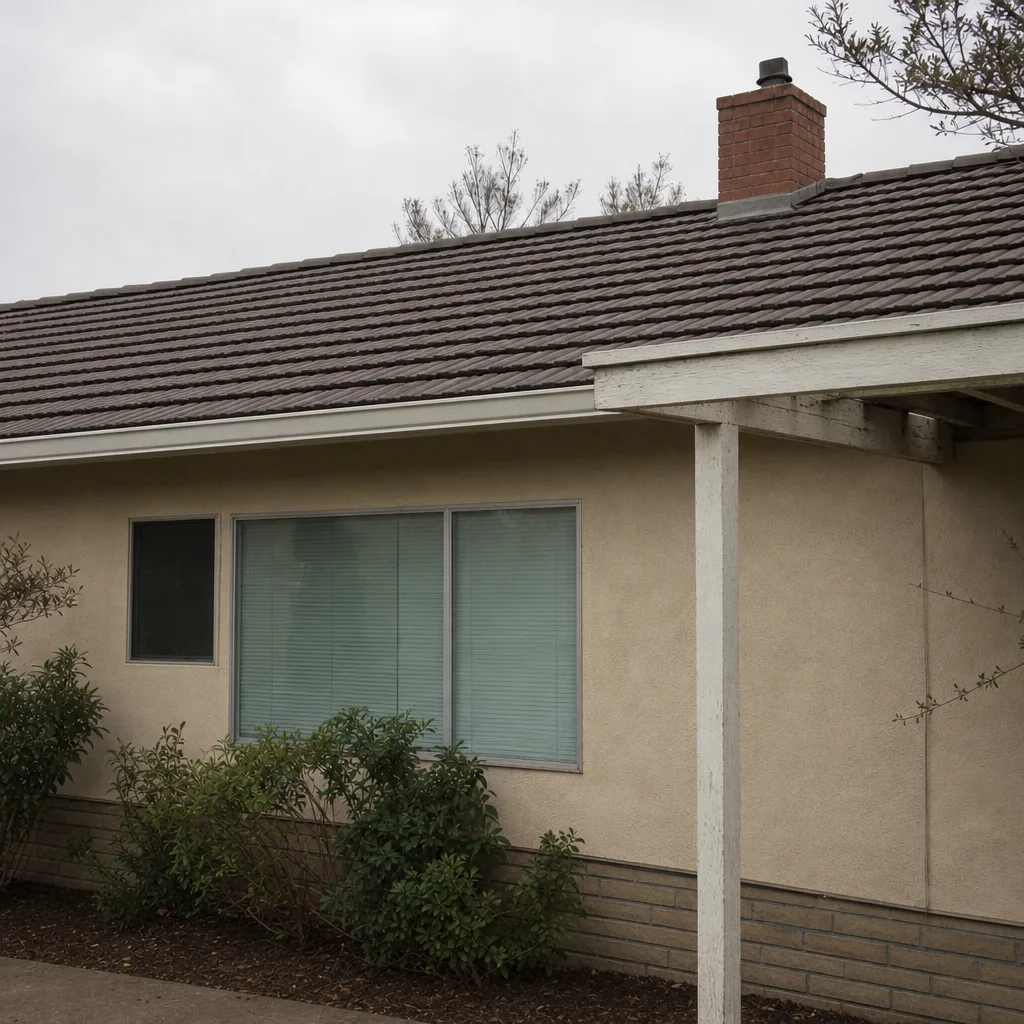 After
Replacement Cost & What’s Included
In Paradise, a single flashing section replacement runs $285 to $650 installed, and a full replacement around a chimney or a long wall can run $650 to $1,200 depending on length and access. Our quotes are line-item and written: materials, labor, and disposal, all shown before anyone touches your roof. What drives the range is length of flashing, whether the surrounding shingles have to be lifted and re-set, roof pitch, and how hard the spot is to reach safely.
What We Include
- New IKO-compatible flashing sized to your roofline
- Lifting and re-setting shingles, with new nails and a clean seal
- Sealant in the right place, not smeared over the whole joint
- Cleanup and debris haul-away
Every job gets our written 90-Day Done Right Promise. If the flashing leaks within 90 days, one call brings Bill back and we make it right. That’s the number we put in writing, not just on the invoice.
DIY or Call Us?
There’s a safe middle ground. You can inspect from the ground with binoculars, check the ceiling and attic for stains, and photograph the flashing at the chimney or pipe boot so we can price it over the phone. What you should not do is climb up and tear into it yourself. Roof flashing is a not-dangerous-looking but dangerous job: it sits at the edge of a roof, the shingles around it are often brittle and slick once you get on them, and the fix is only right if the new piece is woven in under the shingle course and sealed correctly. A bad DIY flashing job doesn’t stop the leak, it just moves it. And we’ve seen Paradise homeowners spend a Saturday on it, then call us Monday.
We’re locally owned and owner-operated, same address since 1996, and a live person answers the phone 24/7. Call us at (833) 676-0557 and we’ll come look, show you what we see, and give you a written number before we start. No trip charge inside our own county, and a free second opinion on any written estimate you’ve already got.
FAQs
Most flashing lasts 15 to 25 years, but in Paradise the dry summers and the freeze-thaw swings we get in winter tend to shorten that. The sealant and the rubber boot around vent pipes usually go first, and the metal face follows. If your roof is more than 15 years old and you’re seeing stains, the flashing is a real suspect.
Sometimes, yes. A small localized gap can be re-sealed, and a pipe boot collar can be replaced without pulling the whole flashing. But if the metal itself is corroded or the shingles around it have lost their seal, patching over it just buys a season. We’ll tell you which one you’re looking at on the inspection, no upsell.
Most single-section flashing replacements are done in a few hours. A chimney or long-wall run may take a full day, and if we have to open up more roof to get to a rotten deck section, we’ll say so before we start. We schedule it and we show up.
We order the matching IKO-spec or a quality aftermarket equivalent, sized to your roof. We don’t claim to carry parts on a truck; we measure, order the right piece, and bring it to the job. If there’s a wait for a specific profile, we’ll tell you the date up front. We also install GAF, Owens Corning, and CertainTeed roofing systems if your roof isn’t IKO.
Call (833) 676-0557 to schedule your free estimate on your IKO flashing replacement in Paradise. A live person answers, day or night, and we’ll give you a written price before we touch your roof.
Written by the team at Shepherd & Sons Roofing Paradise, serving Paradise and nearby areas.