
Last updated November 17, 2026
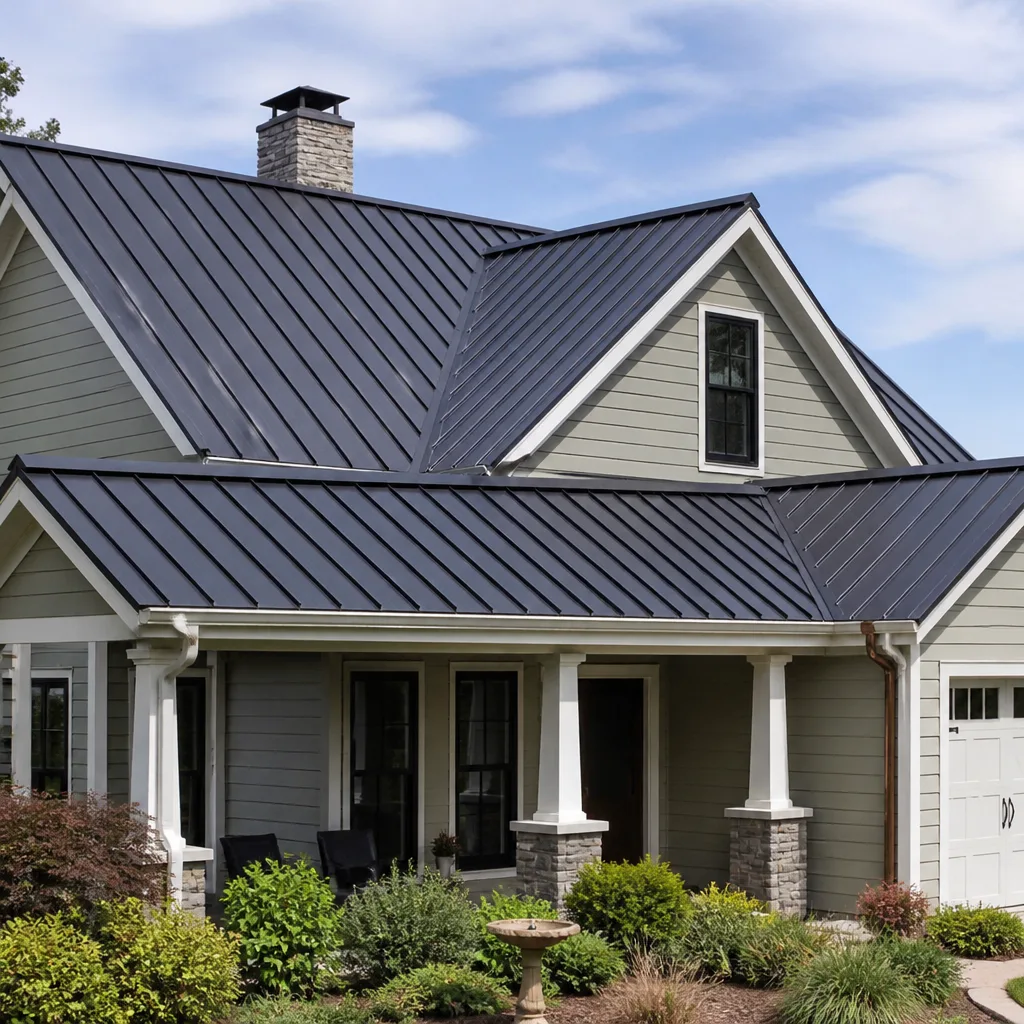 Metal roofing
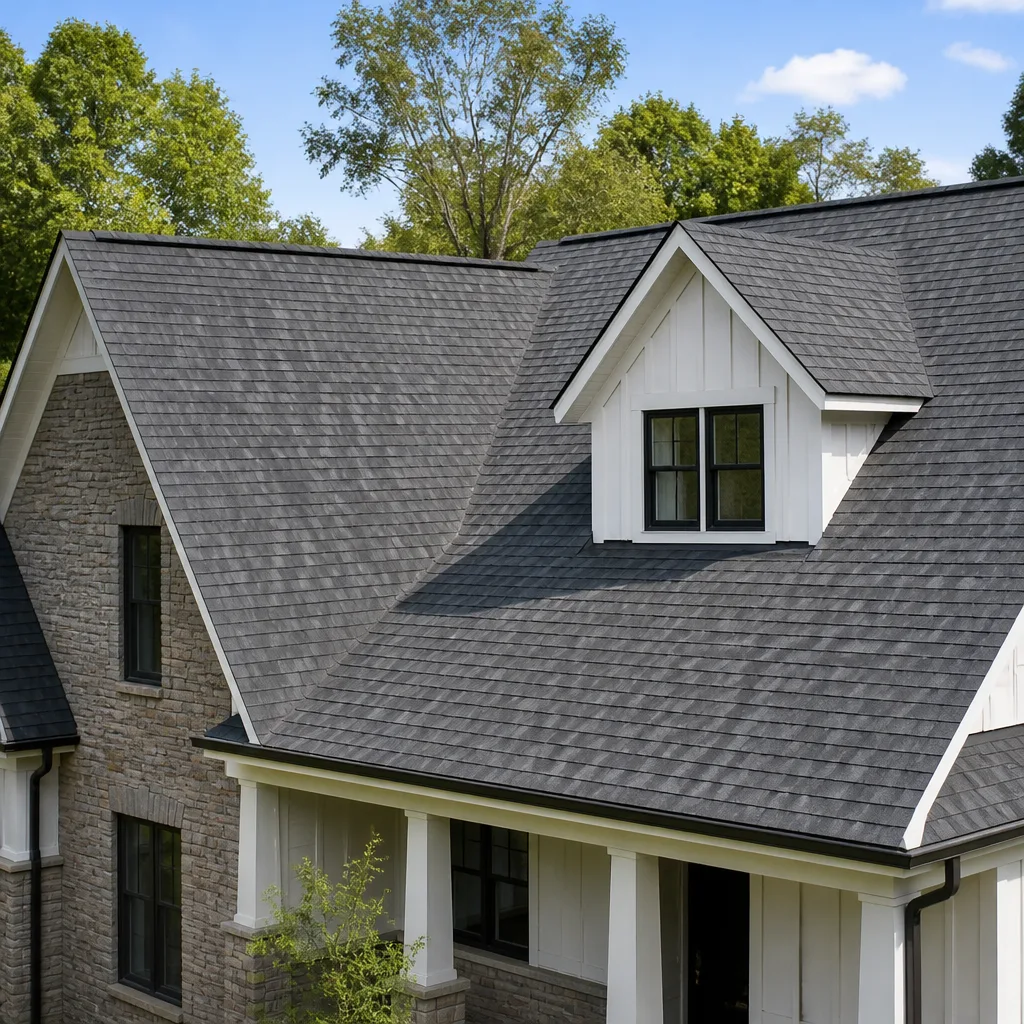 Architectural shingles
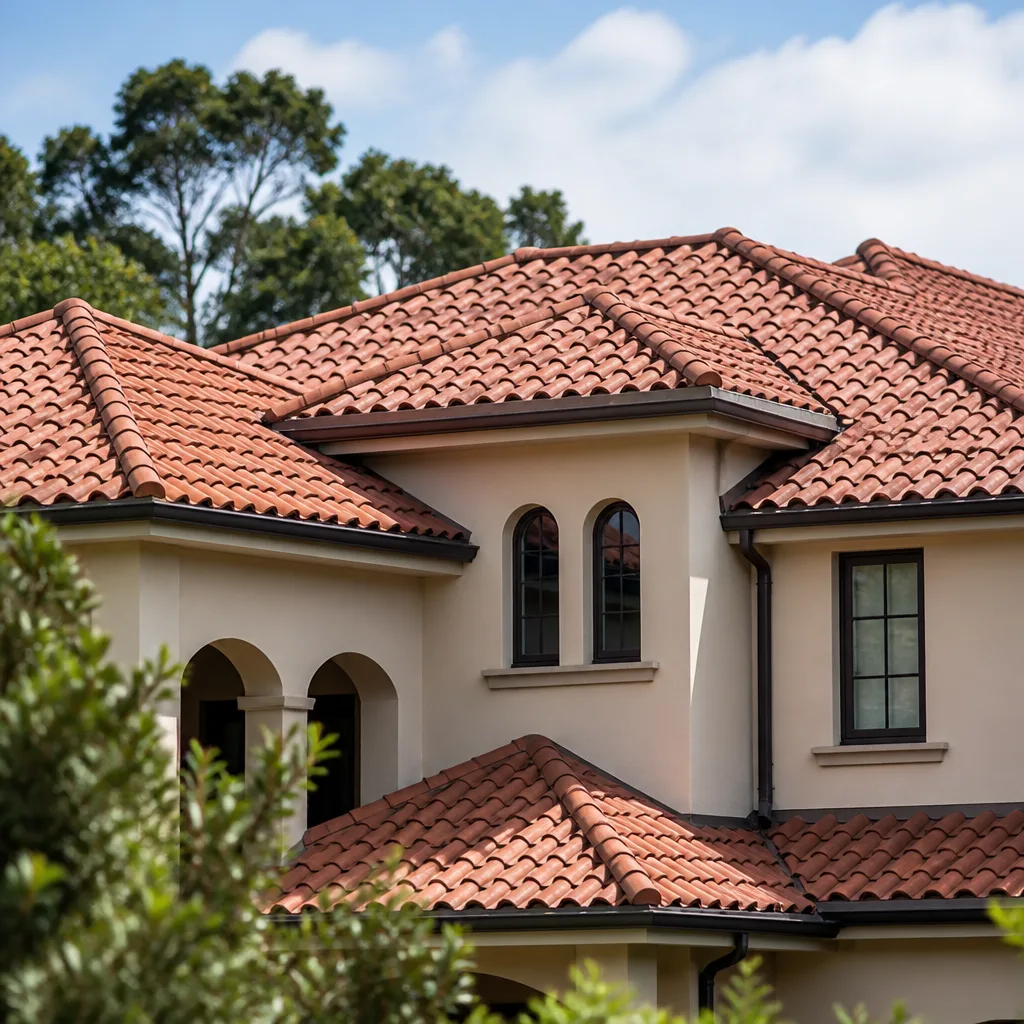 Tile roofing
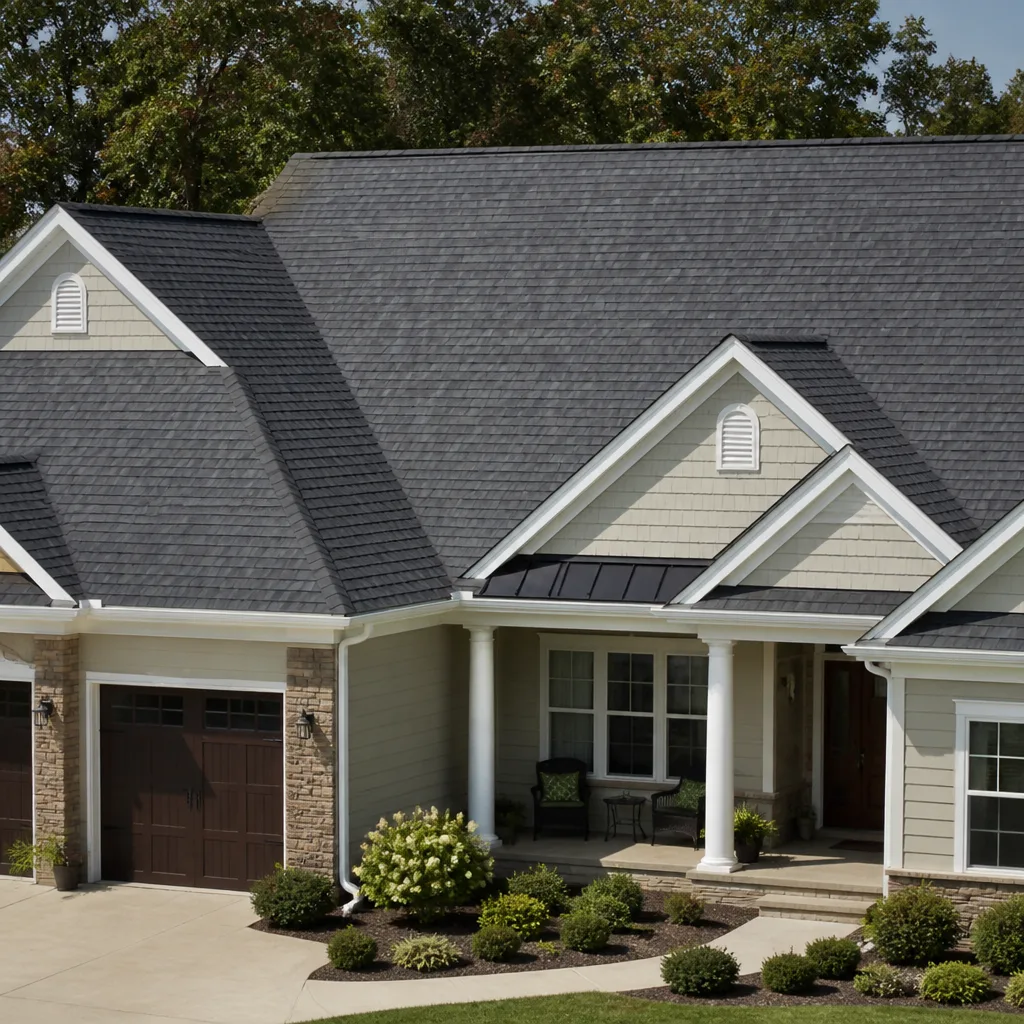 GAF
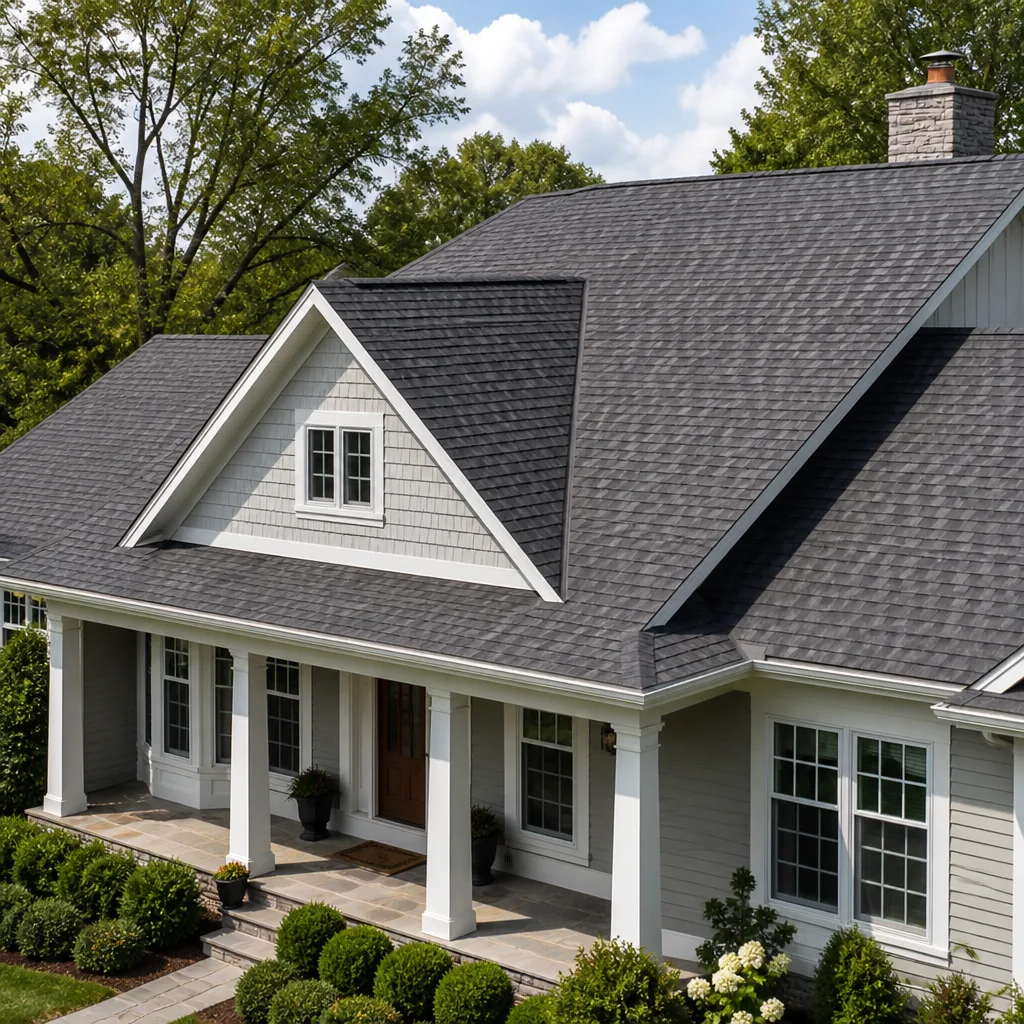 Owens Corning
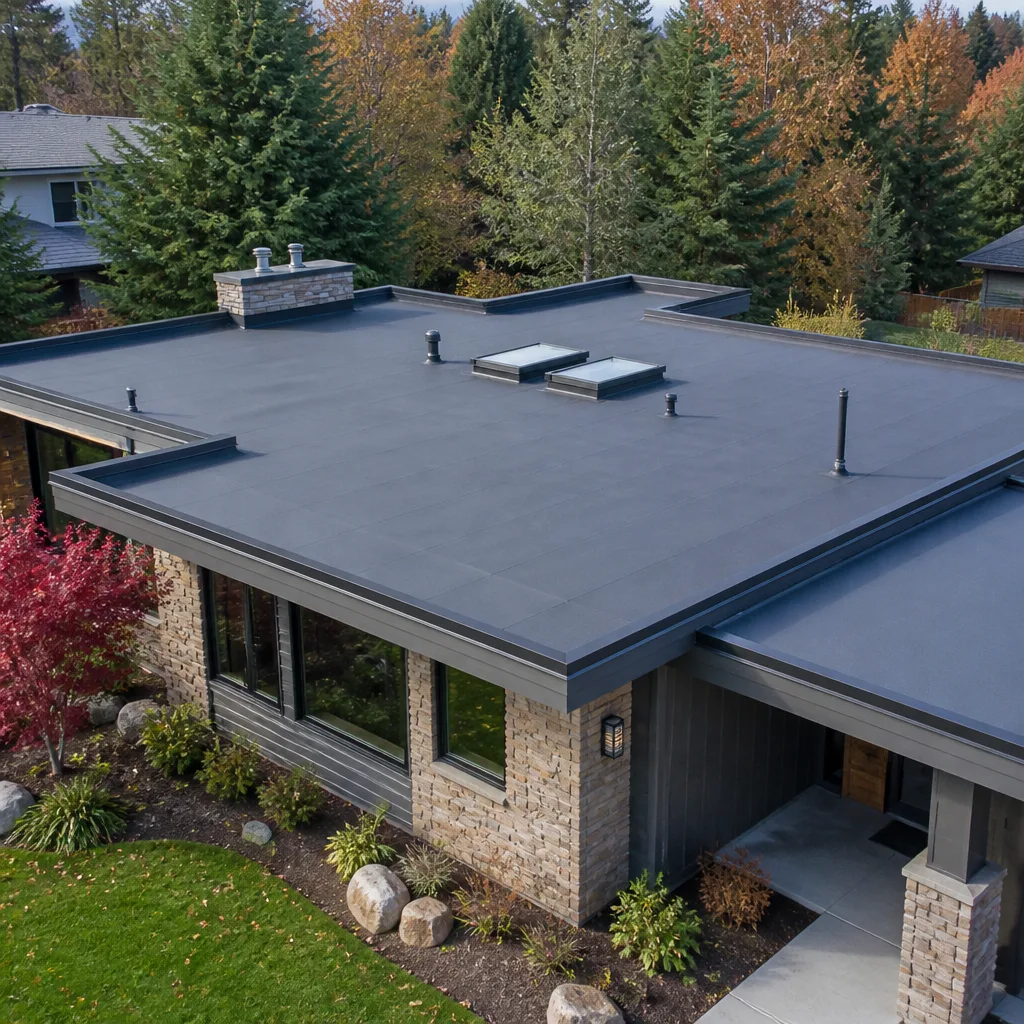 Flat & low-slope
Free roof inspection with deck photos before we talk money - GAF and Owens Corning certified installation
The Complete Guide to Roofing in Paradise
Most roofing guides online were written for a “typical” climate. Paradise doesn’t have one. In a single calendar year, your roof here faces UV degradation that cooks shingle granules off faster than the wrapper warns, thermal shock from 50°F swings between a July afternoon and a July night, and monsoon-season rain that can dump more water in an hour than a flat-pitch builder roof was ever designed to shed. A guide that doesn’t start with those three threats is already lying to you. What follows is written from Paradise, about Paradise roofs, for the homeowners who live under them.
Quick Answer
Roofing in Paradise means building for three threats at once: extreme desert UV and heat that ages shingles ahead of schedule, hail that arrives with little warning, and monsoon rain that overwhelms flat and low-slope roofs. The right roof here is chosen by matching slope, material, and ventilation to that combination – not by picking whichever shingle is cheapest. A proper local inspection looks at deck condition, flashing, and drainage before anyone quotes a number.
Styles & brands we work with
- Architectural shingles
- Metal roofing
- Tile roofing
- GAF
- Owens Corning
- Flat & low-slope
Table of Contents
- How Paradise Heat Ages a Roof Faster Than the Warranty Assumes
- Flat and Low-Slope Roofs: The Failure Mode Nobody Warns You About
- Storm Chasers vs. a Licensed Nevada Contractor
- TPO, Tile, or Asphalt: Matching Material to a Paradise Year
- What Bill Photographs Before He Quotes
- How to Inspect Your Own Roof Between Professionals
- What Roofing Costs in Paradise
How Paradise Heat Ages a Roof Faster Than the Warranty Assumes
Paradise sits in a desert basin where summer afternoons climb past 115°F and the surface temperature of an asphalt roof can run 40 to 60 degrees hotter than the air. Shingle manufacturers test granule adhesion against standardized heat cycles, but those tests assume a milder average. In our experience across Paradise, we see granule loss on builder-grade three-tab and architectural shingles well before the warranty timeline would suggest. The granules are the shingle’s sunscreen – once they wash into the gutters, the asphalt underneath starts drying and cracking.
Thermal shock does the rest. A roof that hits 160°F at 3 p.m. and drops toward 90°F by 3 a.m. expands and contracts every single day. That movement works on every seam, every nail, every flashing lap. Multiply it by a few thousand days and you get the hairline cracks and lifted tabs we find on roofs that are only 12 to 15 years old.
What that means for you:
- Granule loss is the first warning. Check the gutter trough and the ground at downspout outlets after a windy day. Piles of dark grit mean the shingle is giving up.
- Ventilation earns lifespan. A hot attic bakes the deck from below. Ridge vent plus soffit intake keeps the deck cooler and slows the aging curve.
- Color matters more here. Lighter shingles and reflective granules run cooler and last longer under Paradise sun than dark charcoal.
- Warranty math doesn’t match local reality. A 25-year shingle may perform like a 15-year shingle in this valley. Plan accordingly.
We install products from GAF, CertainTeed, and Owens Corning, and we’ll tell you plainly which lines hold up better under this kind of heat. You can read more about repair thresholds on our Roof Repair in Paradise page.
Flat and Low-Slope Roofs: The Failure Mode Nobody Warns You About
Many Paradise tract homes and additions carry flat or low-slope sections – porches, patio covers, garage tie-ins. These roofs fail in a completely different way than a pitched shingle roof, and too many inspectors treat them the same. On a pitched roof, water sheds fast and the enemy is UV. On a flat roof, water lingers. That standing water is the enemy, and a monsoon can expose every weak seam overnight.
Here’s what a trained eye actually looks for on each:
Flat and low-slope (TPO, modified bitumen, rolled):
- Ponding – low spots where water sits more than 48 hours after rain.
- Seam separation, especially along the parapet and where the roof meets a wall.
- Blistering or bubbling membrane, a sign of trapped moisture underneath.
- Drain and scupper clogs – the number one cause of monsoon intrusion we see in Paradise.
- UV chalking on older single-ply, which makes the membrane brittle.
Pitched (asphalt shingle, tile, metal):
- Lifted, cracked, or missing tabs and tiles.
- Flashing failures at valleys, chimneys, and skylights.
- Granule loss and exposed mat.
- Deck softness or sagging, which means structural moisture.
- Improper nail placement or overdriven fasteners that break the wind seal.
If your Paradise home has a mix of both, the flat sections need a separate inspection with different eyes. That’s not an upsell – it’s the difference between catching a seam failure in spring and discovering it as a ceiling stain in August.
Storm Chasers vs. a Licensed Nevada Contractor
After a hailstorm rolls through the valley, out-of-state crews appear within 48 hours with clipboards, ladders, and a price that sounds too good. They’ll tell you the insurance will cover it, sign here. Then they’re gone, and the phone number on the yard sign goes dead by the time the first leak shows up.
What a licensed Nevada roofing contractor is required to give you, and what a storm chaser usually won’t:
- A real written estimate with a scope of work, not a scribbled range on the back of a business card.
- A license number you can look up with the state. Ask for it. Any legitimate contractor hands it over without blinking.
- A published local address – not a P.O. box in another county or a hotel room number.
- A written workmanship promise you can hold someone to after the crew leaves.
Shepherd & Sons Roofing has had the same address since 1996. Same shop, same name, same folks answer the phone. Our 90-Day Done Right Promise is in writing on every job – if it’s not done right, we make it right, and one call brings Bill back. Compare that to a crew that will be three states away by the weekend. If a storm chaser hands you a quote, bring it to us for a free second opinion before you sign anything.
TPO, Tile, or Asphalt: Matching Material to a Paradise Year
No single material wins here – it depends on your roof’s slope, your budget, and how long you plan to stay. Here’s how the three main options actually perform across a Paradise summer and a Paradise monsoon season.
Asphalt shingles: The most common roof in Paradise, and the most affordable up front. Architectural shingles from Tamko or CertainTeed handle heat well, but granule loss and thermal movement mean a realistic service life of 15 to 22 years here, not the 30 on the wrapper. Best choice for pitched roofs on a budget.
TPO and single-ply: The go-to for flat and low-slope sections. Reflective and cool under desert sun, and the seams can be heat-welded watertight when installed correctly. The catch: standing water and clogged drains are its enemy, so maintenance matters. Best for flat additions, patios, and commercial-style low-slope sections.
Tile (clay or concrete, including Boral): The premium desert performer. Tile sheds heat, resists UV, and can last 40 to 50 years or more. It needs a sound underlayment and correct fastening to survive hail and wind. Best choice for pitched roofs when you plan to stay in the home long term and want the longest lifespan.
Metal is a fourth path we’ll cover on our Metal Roofing in Paradise page. When you get a bid, ask one question that separates real contractors from salesman: “How many squares did you count?” A roof is measured in squares – ask any bidder how many they counted, and watch whether the number on the quote matches the number on the roof.
What Bill Photographs Before He Quotes
Most bids get written from the driveway and a tape measure. Ours don’t. Before we talk money, Bill gets up on the roof and photographs the deck, the flashing, the underlayment, and the attic side where the deck shows moisture. Then we show you those photos first.
Why that matters: a roof is only as good as the deck underneath it. If the plywood is soft, delaminated, or water-stained, a new layer of shingles is money thrown away – the fasteners won’t hold and the sag will telegraph through within a season or two. Showing you the deck condition before quoting changes the conversation from “trust me” to “here’s what we’re looking at together.”
What we photograph on every Paradise roof:
- The deck condition in at least three areas, plus any soft spots.
- All flashing – valleys, chimney, skylights, wall tie-ins.
- Attic-side moisture staining and ventilation gaps.
- Drainage: gutters, downspouts, and any ponding on flat sections.
- Existing fasteners and nailing pattern, especially after a storm.
The nailing pattern earns the wind rating, not the shingle wrapper. We photograph that too.
How to Inspect Your Own Roof Between Professionals
You don’t need to climb up there to catch problems early. A few simple habits between professional inspections go a long way in Paradise.
- Walk the yard after wind. Granules, shingle tabs, or tile pieces on the ground are warnings.
- Look at ceilings after a monsoon. Any new brown ring or bubbling paint is a leak entry point.
- Clear the drains and scuppers before rainy season. On flat sections, a clogged drain is a leak waiting to happen.
- Check the attic after summer. Staining or a hot, stuffy feel means ventilation is failing.
One hard rule for safety: if a problem is on a steep pitch or high up, do not go up there yourself. A fall from a two-story Paradise roofline is a serious injury, and heat exhaustion on a roof in July is real. That’s a job for a trained, insured professional – not a weekend ladder project.
What Roofing Costs in Paradise
Roofing costs vary by slope, material, deck condition, and how much of the existing roof can be worked around versus torn off. The ranges below are typical for Paradise, and every one of them should come to you as a written, line-item estimate – not a range on a phone call.
- Minor repair (flashing, single leak, few shingles): roughly $250 to $650.
- Larger repair (valley, section, small flat-roof seam): roughly $650 to $1,800.
- Asphalt replacement, standard pitched roof: roughly $9,000 to $18,000 depending on size and deck repairs.
- Tile replacement: roughly $18,000 to $35,000+ for a full pitched roof.
- Flat/low-slope TPO section: priced per square, with deck work as an add.
Watch for the quote that changes once the work starts. A fair contractor photographs the deck, writes the estimate line by line, and honors the number. Ask up front whether the price can change after work begins and whether the contractor’s license number is on the paperwork. We pull permits and pass inspections on the jobs that require them, and the number we quote is the number you pay. If you want a clear picture of full replacement scope, our Roof Replacement & Installation in Paradise page breaks it down further.
Common Mistakes to Avoid
- Signing with a storm chaser 48 hours after a hailstorm. They leave, and you’re left with a warranty you can’t use and a phone number that’s already disconnected.
- Re-shingling over a bad deck. If the plywood is soft or delaminated, the new roof fails early and the deck condition gets buried under your money.
- Skipping the ventilation check. In Paradise heat, an unvented attic bakes the deck from the underside and shortens roof life by years.
- Choosing material by color and price only. Dark shingles on a full-sun pitched roof run hot and age faster than lighter or reflective options here.
- Ignoring flat and low-slope sections because the pitched part looks fine. Flat sections fail through ponding and clogs, and they flood a ceiling fast in monsoon season.
- Not asking how many squares were counted. A vague measure means a vague price. Ask for the count and see if the quote matches.
- Doing steep-roof or high-ladder work yourself. Heat and a two-story drop are a bad combination. Leave it to insured professionals.
See the difference
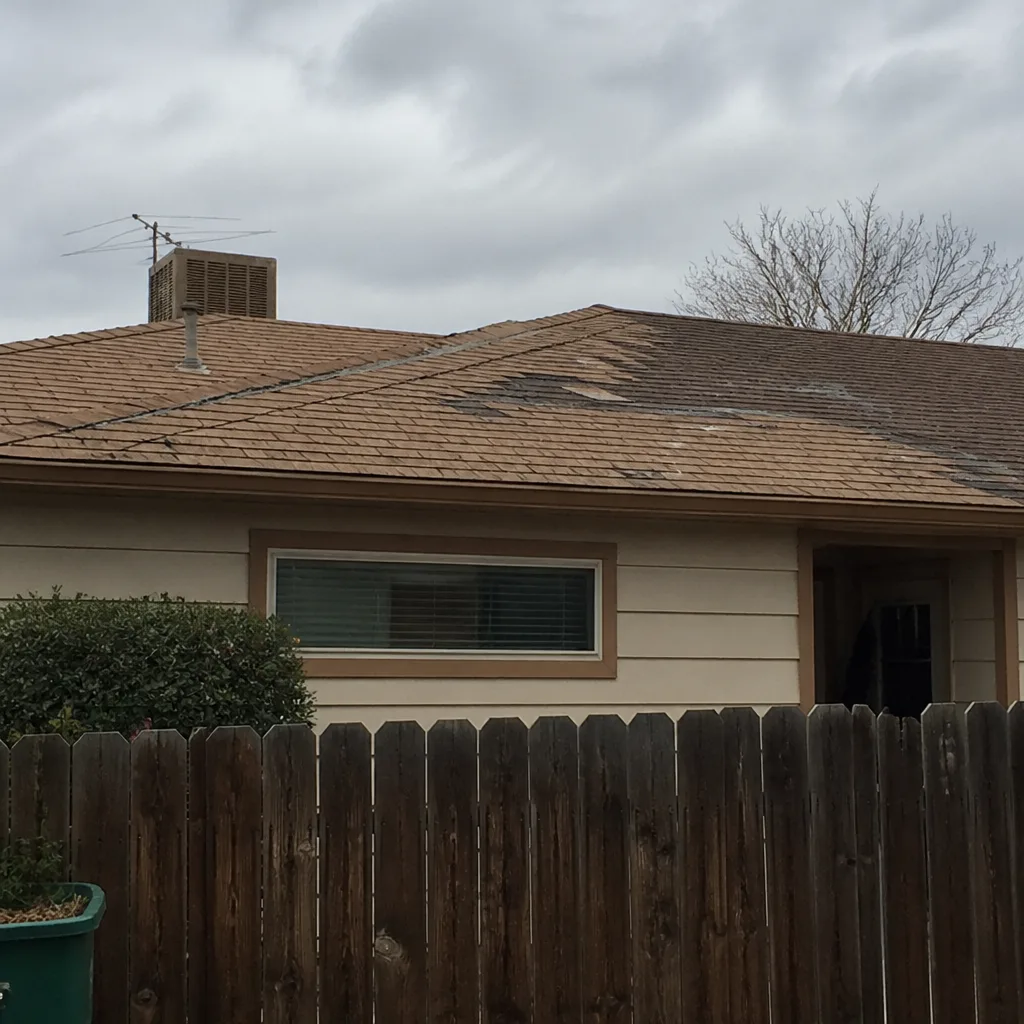 Before
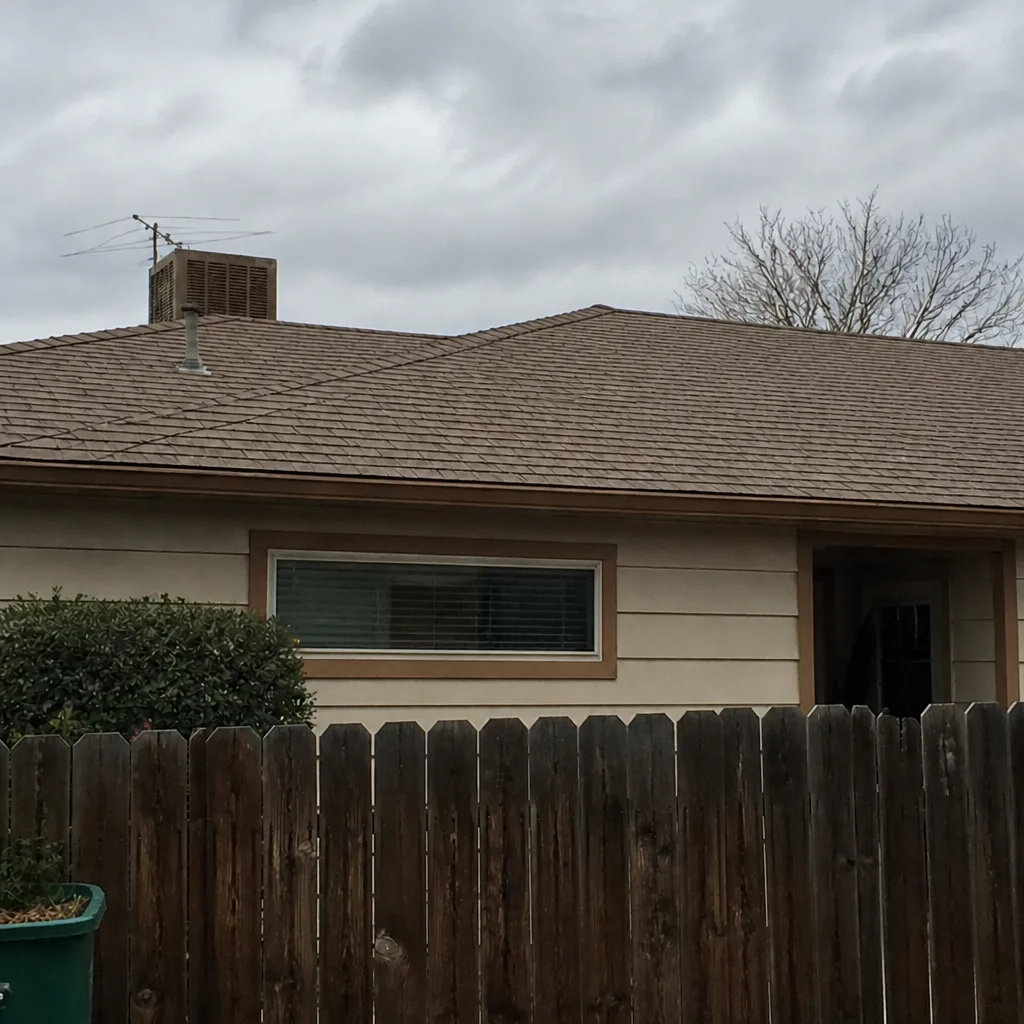 After
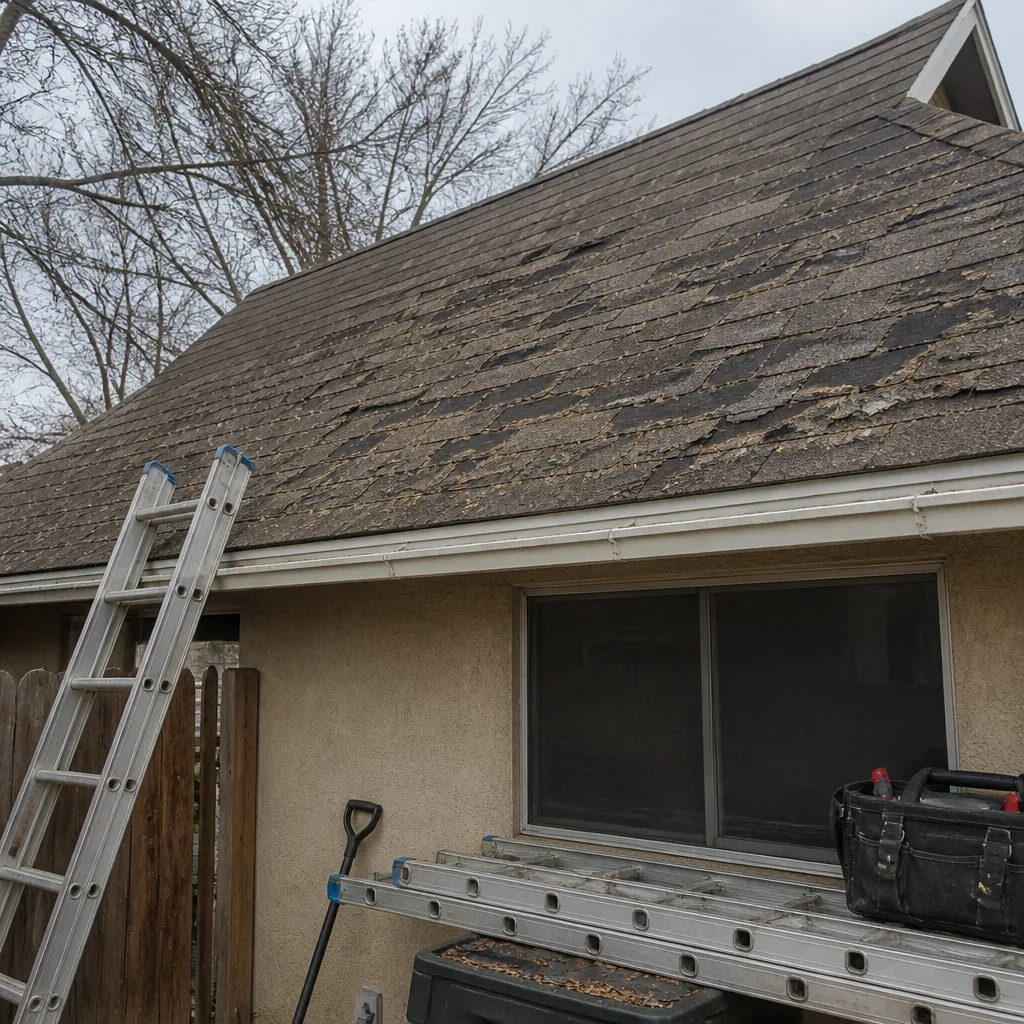 Before
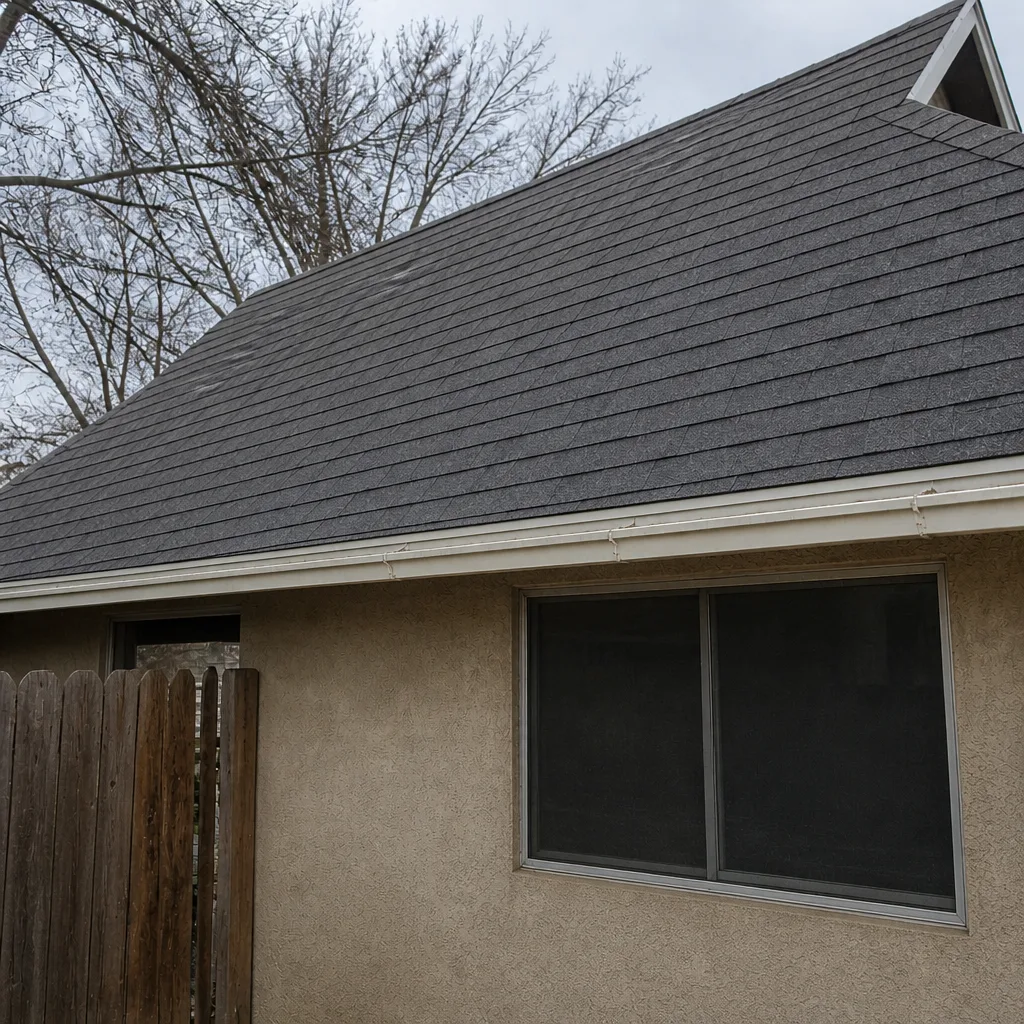 After
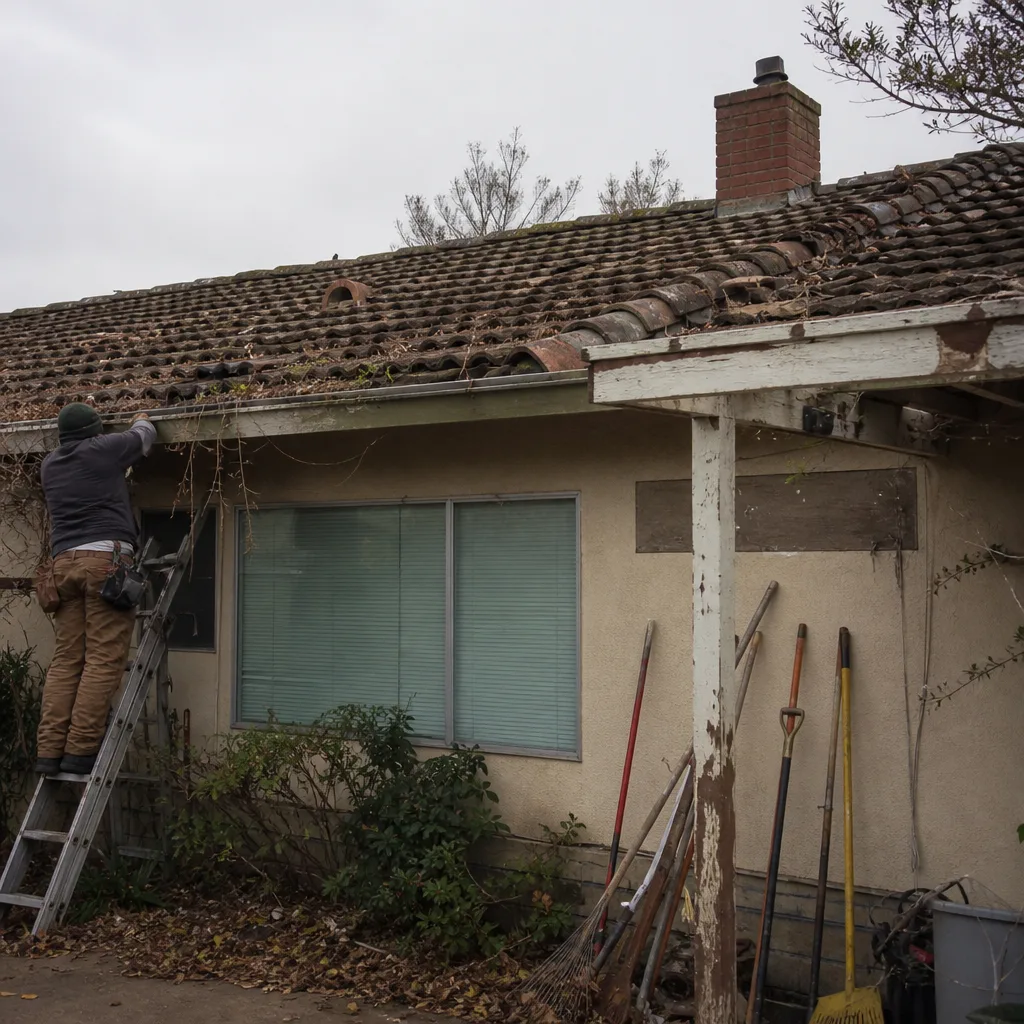 Before
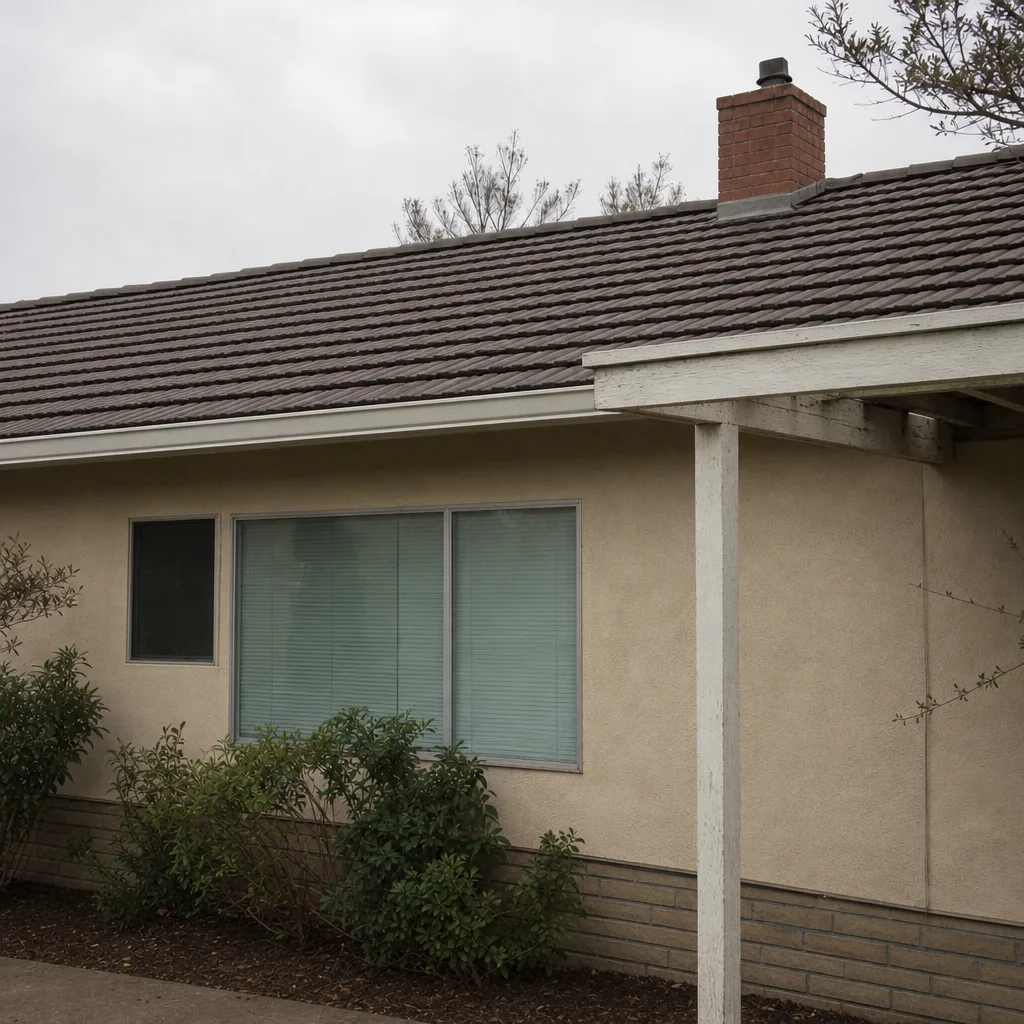 After
When to Call a Professional
Some jobs are fine to watch and wait on. Others need a trained eye before the next monsoon. Call a professional if you see granule piles in the gutters, any new ceiling stain after rain, lifted or missing shingles or tiles, ponding water that sits more than two days, soft spots on the deck, or anything that looks like a seam failure on a flat section. Call even faster if you’ve had hail and don’t yet know the extent of the damage. Shepherd & Sons Roofing Paradise offers free estimates in Paradise – a live person answers the phone around the clock, including after a storm, and there’s no trip charge inside our county. Call (833) 676-0557 to schedule a free estimate or a free second opinion on any written bid you already have.
Frequently Asked Questions
A typical asphalt shingle roof in Paradise lasts about 15 to 22 years because of the heat and daily thermal swings, even though the shingle wrapper may say 30. Tile roofs can reach 40 to 50 years with a sound underlayment, and TPO on flat sections lasts based on seam quality and drainage maintenance. Lighter colors and good attic ventilation add years. Call (833) 676-0557 for a free estimate tailored to your roof.
Often yes, if the damage is documented and the claim is filed within the policy time window – but you need a real inspection and photos before you file. Storm-chasers will push you to sign before you’ve seen the scope. Get a licensed inspection first, then decide. Call (833) 676-0557 for a free second opinion on any written estimate.
Flat and low-slope roofs leak in monsoon season most often because of clogged drains, ponding water, or failed seams along parapets and wall tie-ins. The membrane itself may be fine while the drainage is the real problem. A proper inspection looks at both. Call (833) 676-0557 to schedule yours.
It shouldn’t. We photograph the deck and problematic areas before quoting, write the estimate line by line, and honor the number. If deck repairs weren’t visible until tear-off, we stop and show you photos before doing anything extra. Ask any contractor whether their price can change after work starts – the answer tells you a lot. Call (833) 676-0557 for a free estimate.
No, and be skeptical of anyone who promises that on a full replacement in Paradise. A proper replacement involves tear-off, deck inspection and repair, underlayment, flashing, and cleanup, and it takes multiple days on most homes. Anyone promising same-day on a full roof is cutting corners. Call (833) 676-0557 for an honest project timeline.
If the roof is young and the damage is isolated – a few shingles, one flashing point – repair makes sense. If granule loss is widespread, the deck is soft, or the roof is past 15 years, replacement is usually the better spend. An honest inspection tells you which without the hard sell. Call (833) 676-0557 for a free estimate and a straight answer.
The Bottom Line
Roofing in Paradise is a different job than roofing almost anywhere else. Heat, thermal swing, hail, and monsoon rain each attack a different weakness, and the right roof is the one that accounts for all four. Choose local and verifiable: a real written estimate, a license number you can look up, and a contractor with a published address who answers the phone. Get the deck checked before you talk money. Ask how many squares were counted. And when a storm chaser shows up 48 hours after hail, get a free second opinion first. That alone saves more homeowners in Paradise than any shingle choice. Start with a free estimate at (833) 676-0557.
Explore more at the Shepherd & Sons Roofing Paradise home.
Written by the team at Shepherd & Sons Roofing Paradise.