
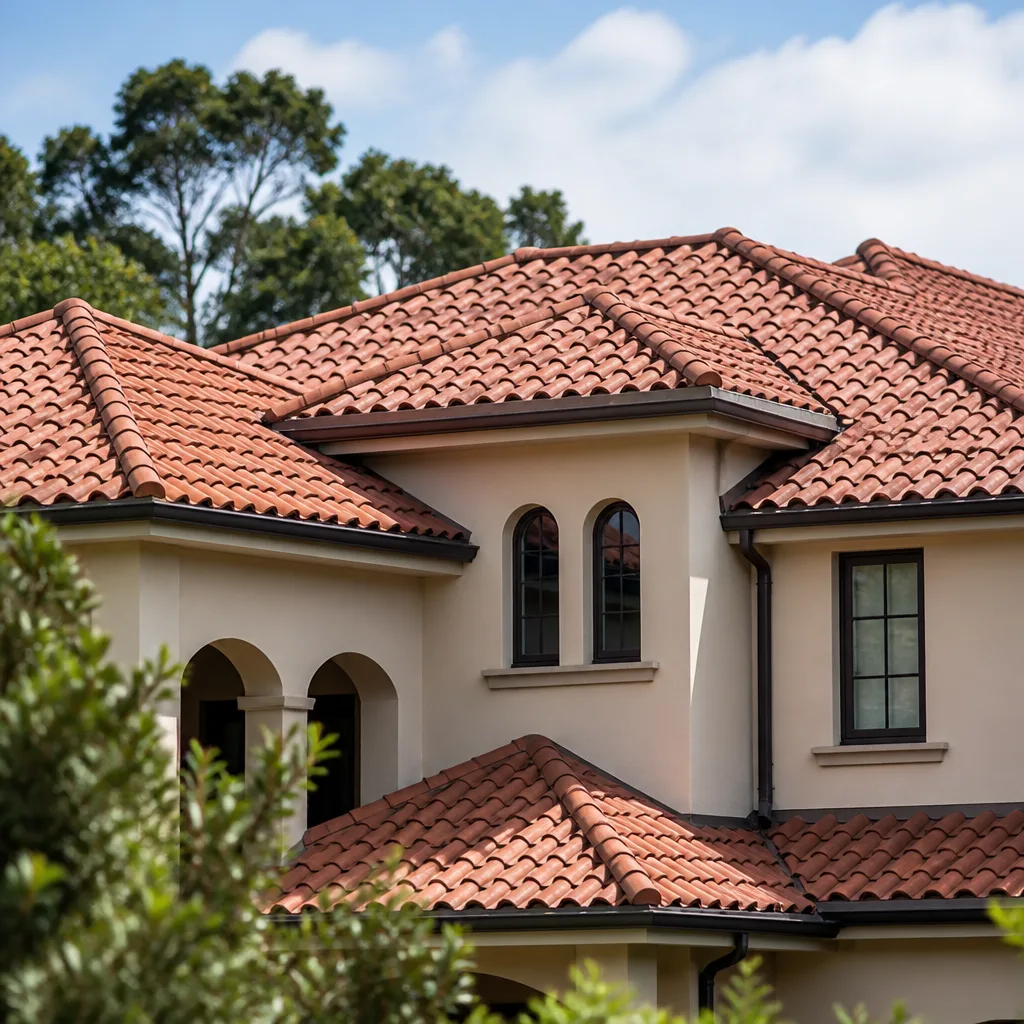
 Tile roofing
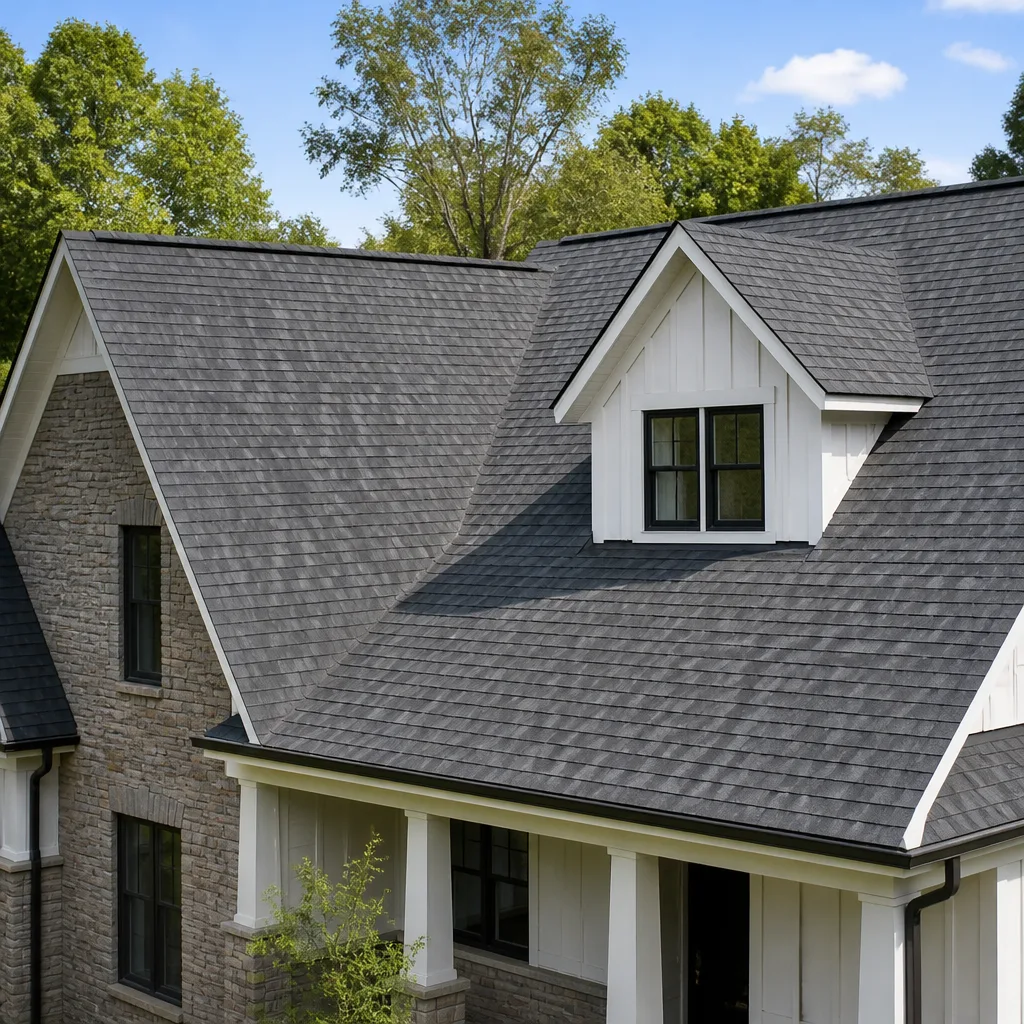 Architectural shingles
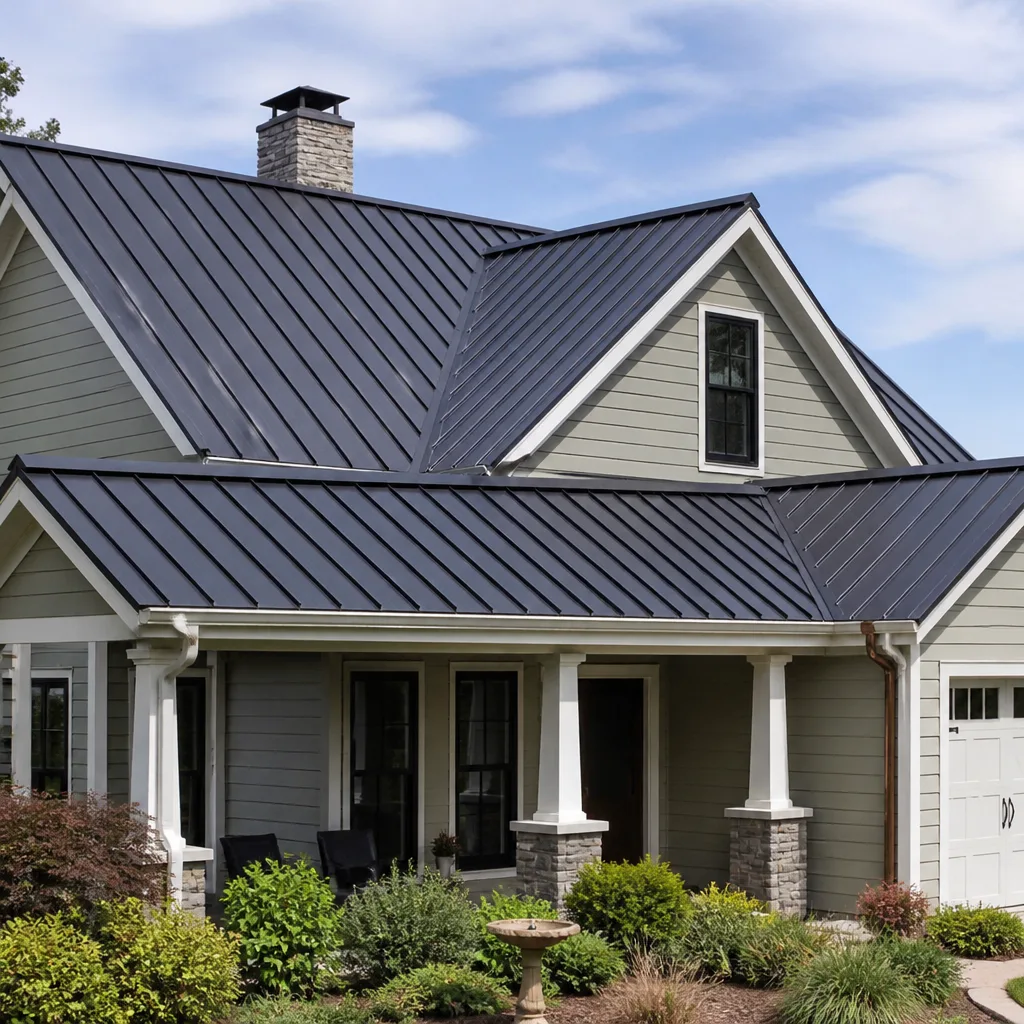 Metal roofing
 GAF
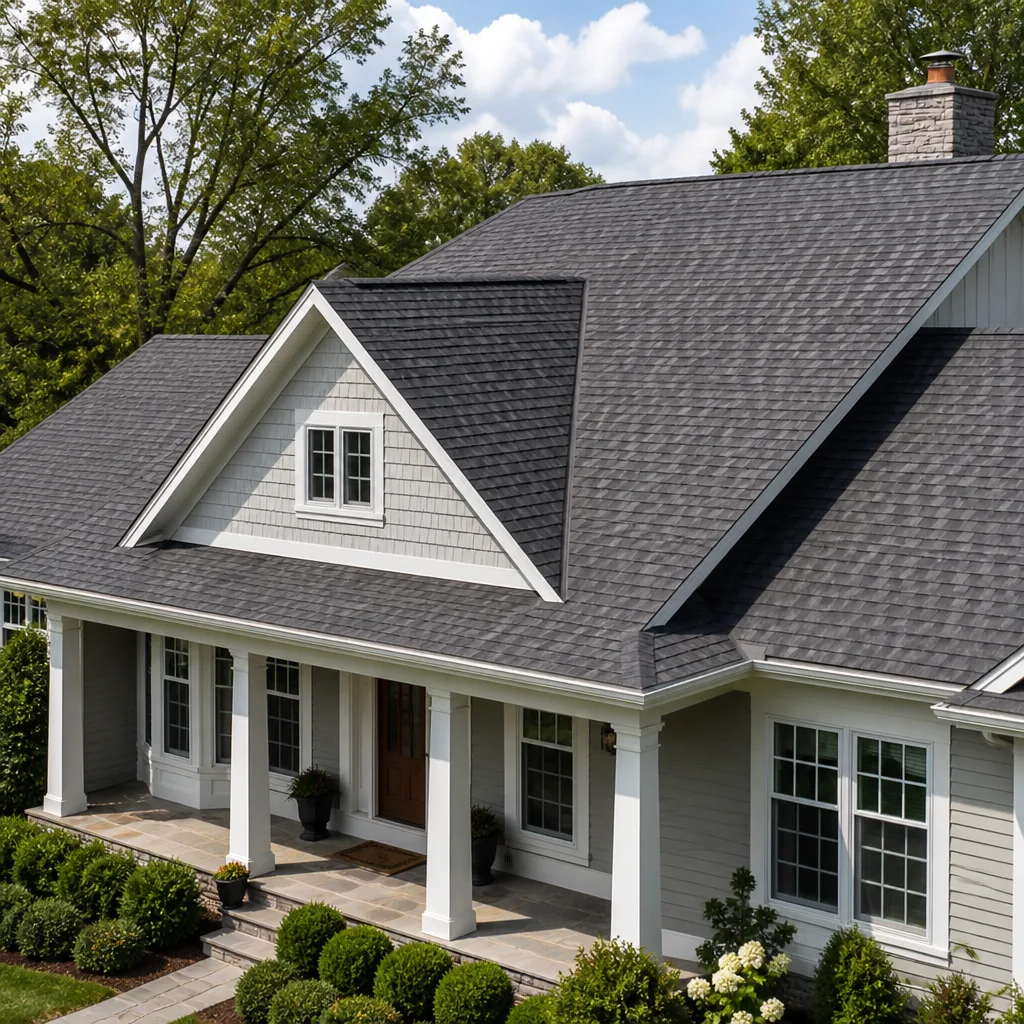 Owens Corning
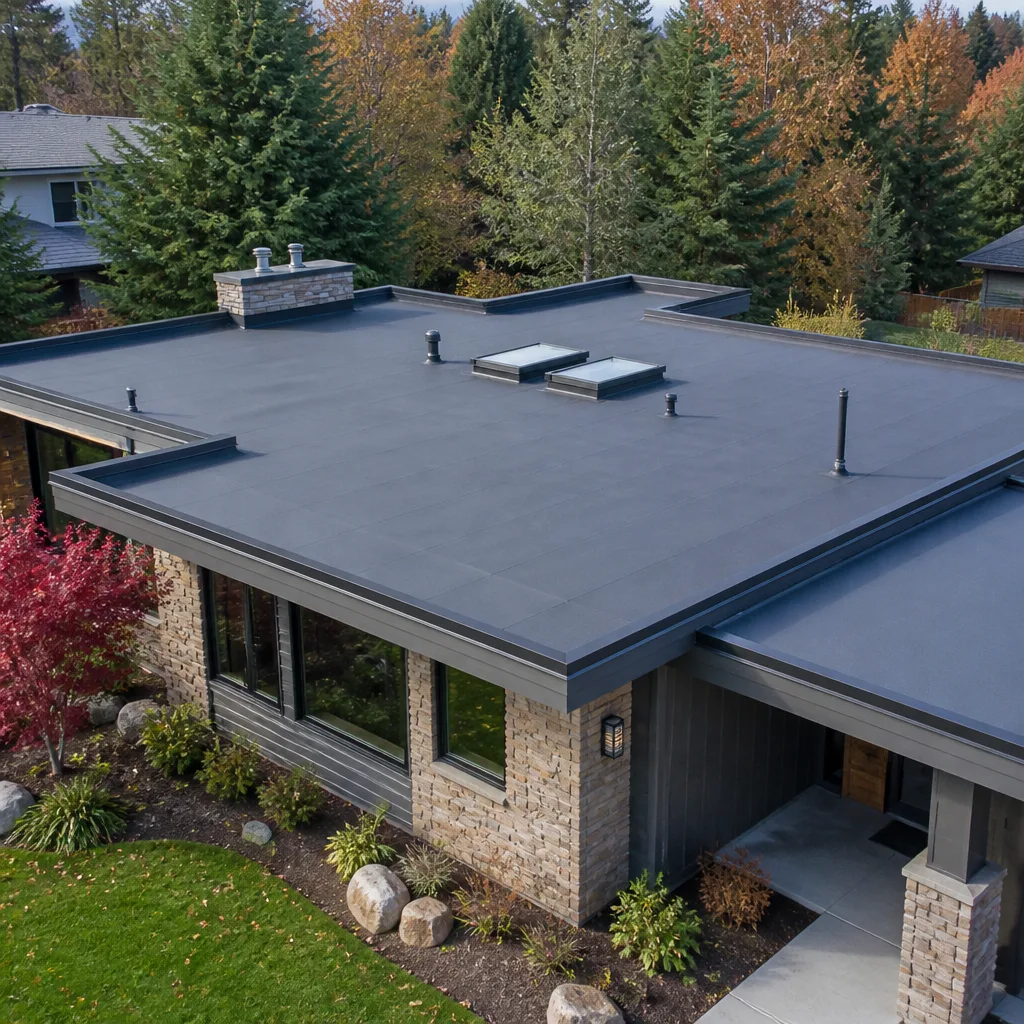 Flat & low-slope
Free roof inspection with deck photos before we talk money - GAF and Owens Corning certified installation
Styles & brands we work with
- Architectural shingles
- Metal roofing
- Tile roofing
- GAF
- Owens Corning
- Flat & low-slope
See the difference
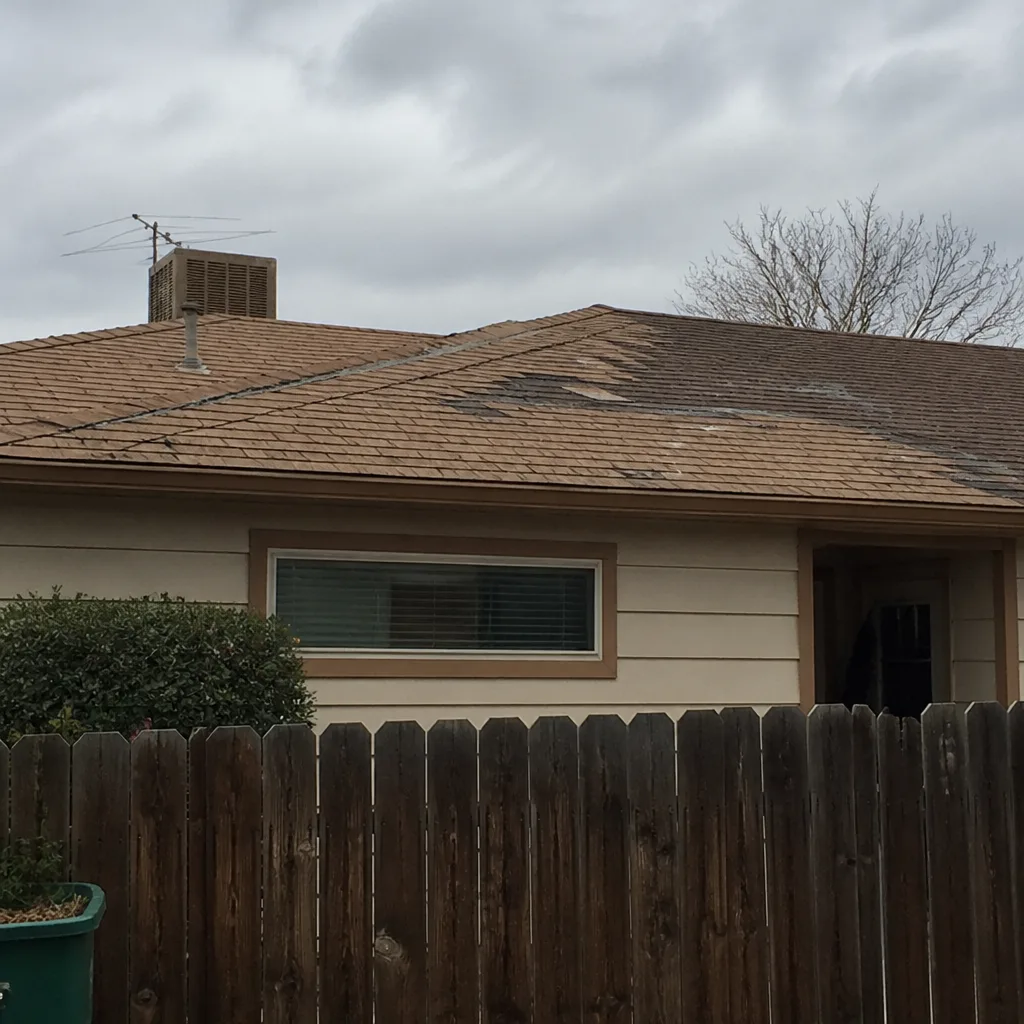 Before
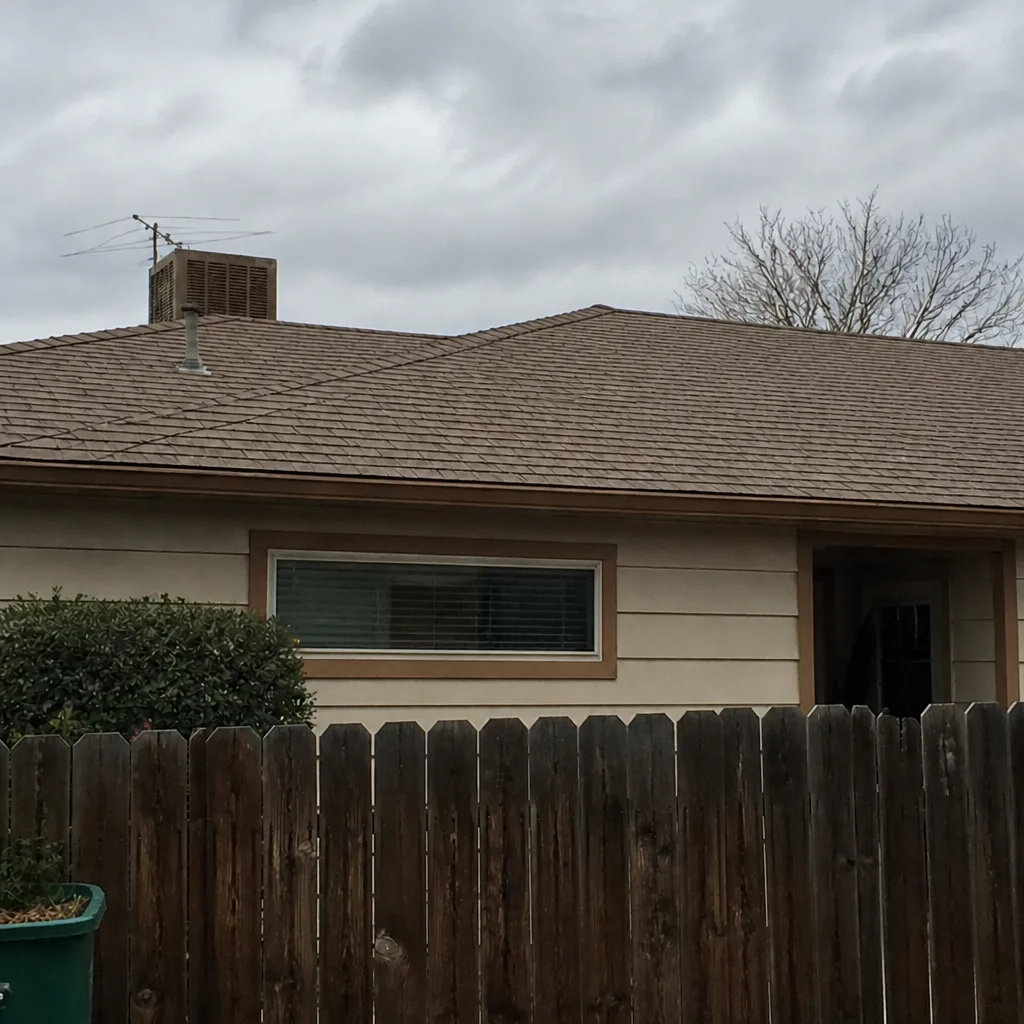 After
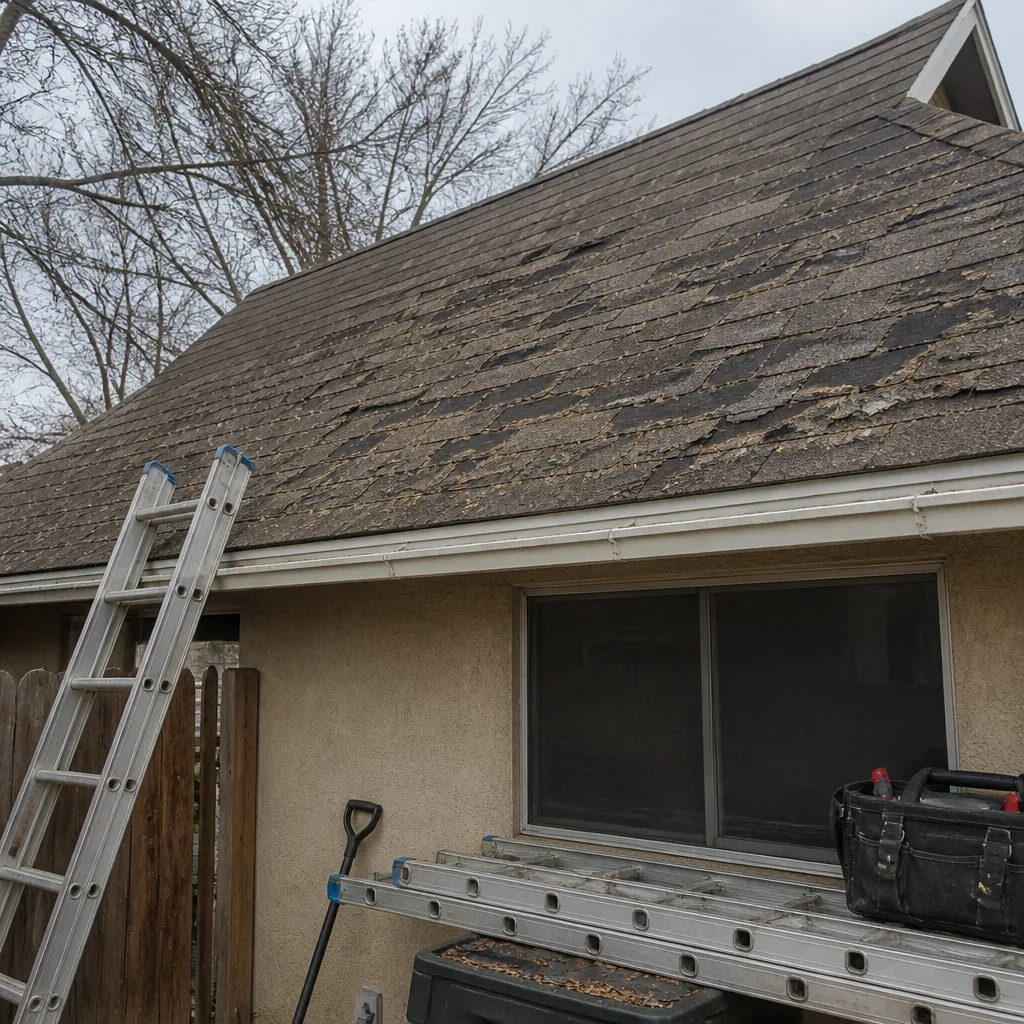 Before
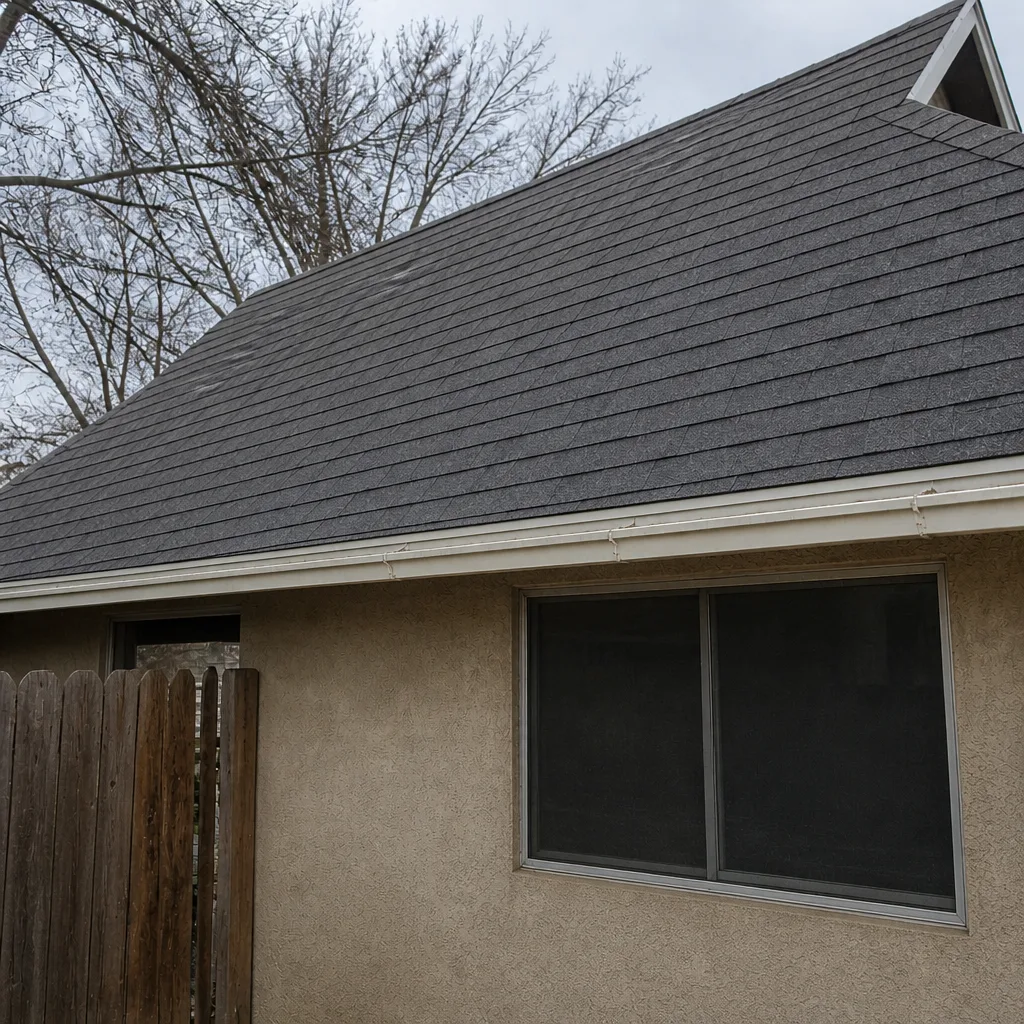 After
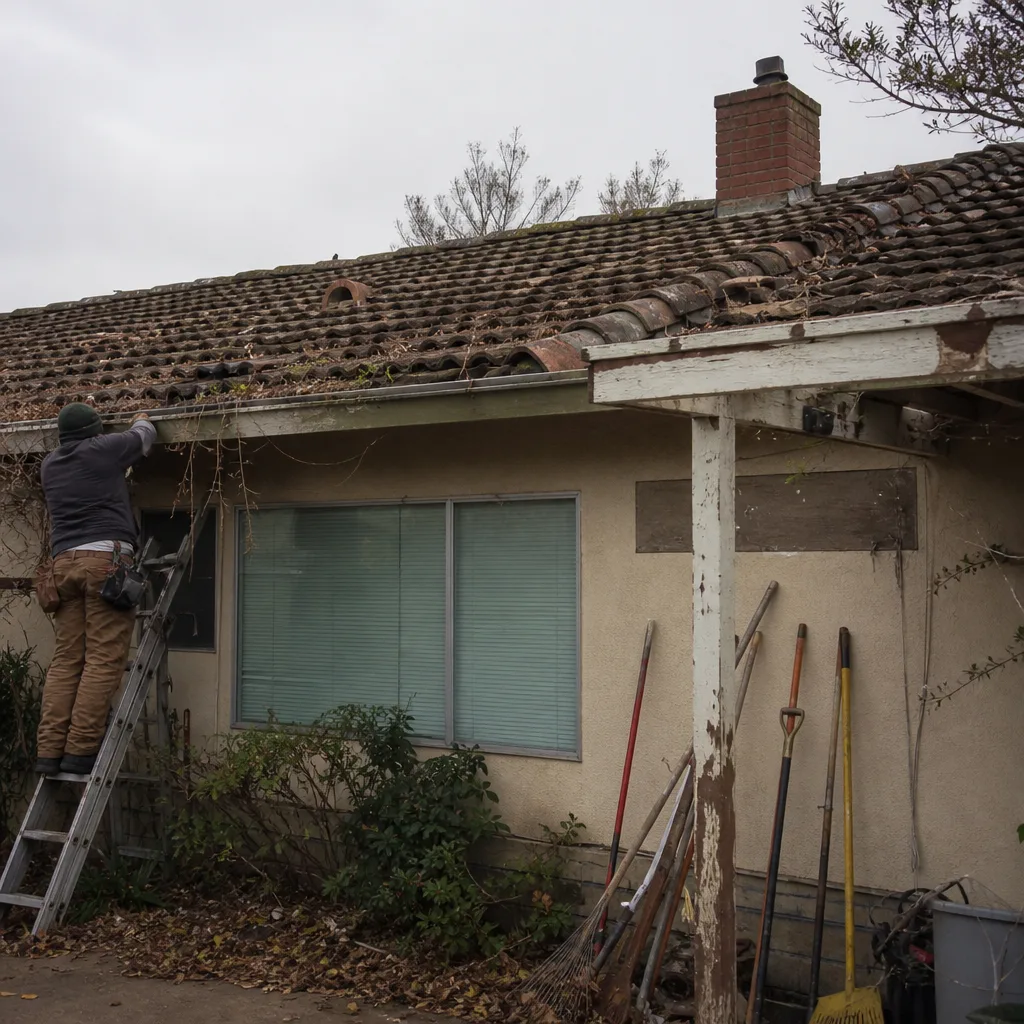 Before
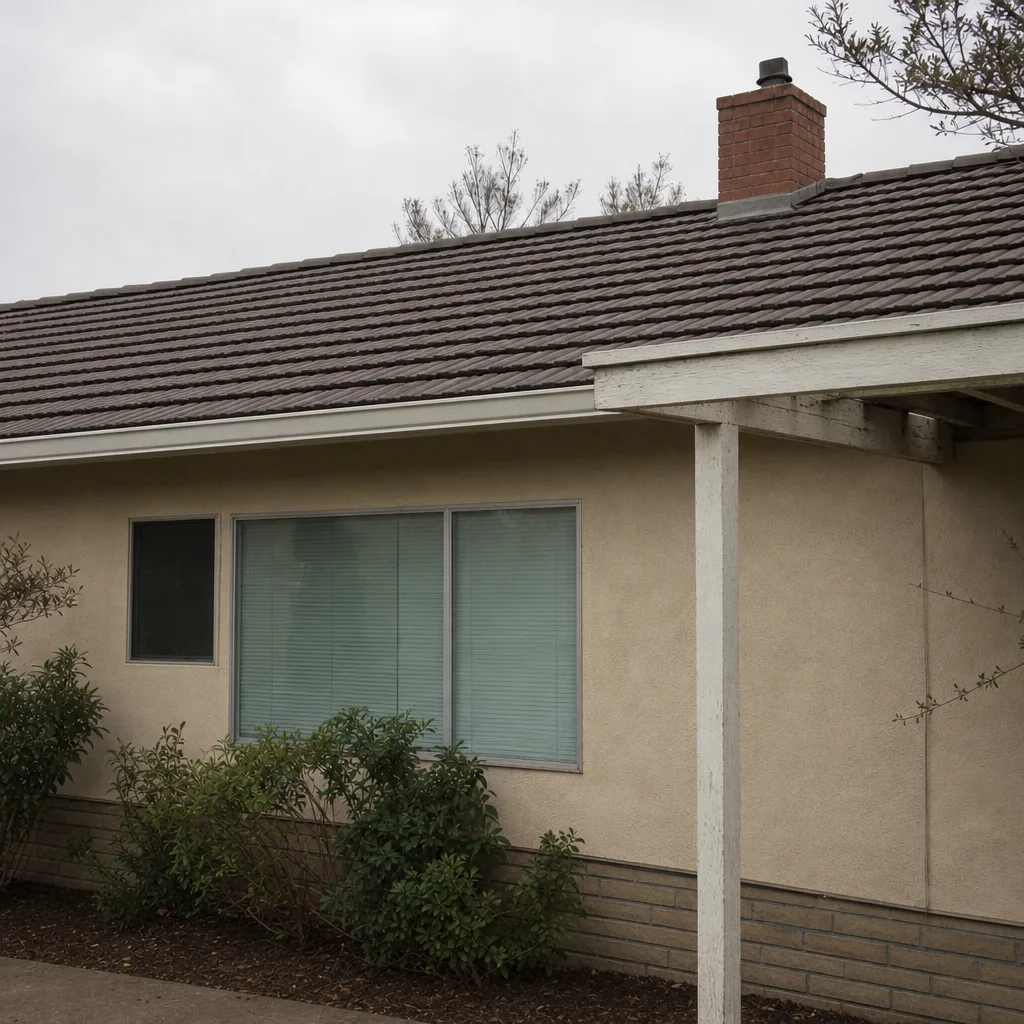 After
How Long Does a Tile Roof Last in Paradise, NV? The Honest Answer Is Two Lifespans
In Paradise, NV, a well-installed concrete or clay tile roof will commonly last 50 years or more. But the tile isn’t what ends a Paradise tile roof’s life. The underlayment underneath it usually fails first, often somewhere between 15 and 35 years, depending on what was installed. That gap between the tile’s lifespan and the underlayment’s is where most Paradise homeowners get surprised, so it’s worth walking through. If you want a straight answer on your own roof, call Shepherd & Sons Roofing Paradise at (833) 676-0557.
Key Takeaways
- Concrete and clay tile can hold up 50+ years in Paradise’s dry climate, where moss and algae barely factor in.
- Standard 30-lb organic felt underlayment can begin drying out and breaking down in as little as 15 years under summer deck temperatures above 150°F.
- Replacing underlayment with the existing tile intact runs 60-80% of a full new tile roof and is often mistaken for a replacement need.
- Paradise’s 1960s-80s tract homes and apartment buildings are worth inspecting at the deck before any re-roof, since framing capacity varies.
Why Your Tile Will Outlive the Underlayment Beneath It
Concrete tile, and clay tile where it’s used, is one of the toughest surfaces you can put on a roof. It shrugs off the sun, it doesn’t rot, and in a dry town like Paradise there’s almost no moisture hanging around long enough to grow moss or lichen, which is what eats tile in the humid parts of the country. That’s a big part of why 50-plus-year lifespans are realistic here. Tile Roofing in Paradise covers the material side in more detail if you’re weighing your options.
The part nobody sees is the underlayment: the waterproof layer between the tile and the wood deck. And that material takes the full brunt of Paradise’s summer. On a struck tile roof in July, the deck surface underneath regularly climbs past 150°F. The tile you see is hot too, but it can take it. A standard 30-lb organic felt underlayment can’t take 15 or 20 summers of that. It dries out, turns brittle, loses its ability to shed water, and eventually leaks even though the tile above it looks perfectly fine from the ground.
This is why “how long does a tile roof last” has two answers. The tile: 50+ years. The underlayment: often 15 years on the cheap spec, 25 to 35 years if the builder used a high-temperature synthetic rated for the exposure. When we quote a tile job, the underlayment spec is the line that actually sets your replacement cycle, not the tile brand. Ask any bidder what underlayment they’re using and why. If they can’t tell you the temperature rating, that’s your answer.
What a Tile-Off Re-Underlayment Actually Involves
When underlayment fails under tile that’s still in good shape, the tile comes off. All of it. Then it gets stacked, gone over piece by piece for cracks, and relaid on new underlayment once the deck is prepped. That’s careful, time-heavy work. On a 20-year-old roof, one careless move cracks tile you can’t easily match.
This is the job out-of-state contractors after a storm tend to skip. Re-underlayment is detail work with a low material profit margin, so it’s easier to tell you the whole roof needs replacing. It usually doesn’t. A tile-off re-underlayment typically runs 60-80% of the cost of a full new tile roof, and that number almost never shows up in the lifespan comparisons you read online. Nobody budgets for it while they’re shopping for tile in the first place.
| Scenario | What’s happening | Rough cost of the tile-off job |
|---|---|---|
| Tile sound, underlayment shot | Remove, inspect, and relay the same tile on new underlayment | 60-80% of a new tile roof |
| Tile cracking plus underlayment failure | Re-underlayment plus replacement tile where it’s failed | Closer to a full replacement |
| Deck or framing problems found underneath | Re-deck or repair framing before anything goes back down | Added cost on top of the above |
Bill has done enough of these in Paradise to know the tile rarely looks as bad on the roof as the wood under it does. Which brings up something worth saying plainly: the home owner usually finds out they need re-underlayment from a leak near a valley or flashing, not from looking at the tile.
How Paradise’s Climate and Housing Stock Change the Clock
Two things make Paradise different from what you’d read on a national roofing page. First, the heat. Sustained 110°F-plus summers do the underlayment work in, and the day-to-night swings (40°F winter nights up to triple digits in summer) work on older concrete tile from the other direction. Thermal shock causes micro-fractures over decades, and they tend to start at the nose, the exposed lower edge of each tile, before they show up elsewhere. Second, the housing. Much of Paradise went up fast in the 1960s-80s boom, and some of those roofs sit on framing that was never generous. If a building’s had roof layers added over the years, the deck and framing need a real look before anyone commits to a re-roof.
What that adds up to: in Paradise, the failure mode we see most is thermal, not biological. There’s no moss carpet to point at, no rain-driven rot. It’s quiet. The tile looks great and the underlayment underneath is quietly giving out. A deck and framing check belongs in every tile re-roof inspection we do, especially around the older apartment blocks and low-rise buildings that make up so much of the township.
Shepherd & Sons Roofing Paradise has been at the same address since 1996, which means Bill has watched tile roofs go through a full 25-30 year cycle in this town and knows how the deck looks when it comes off, not how a brochure says it should. We install tile from Boral and GAF, and we’ll tell you the underlayment spec before we talk money.
What to Check Before a Leak Shows Up
You don’t need to climb up there; a lot of what matters is visible from the ground or the inside of the attic. If any of these show up, it’s worth a look from someone who does this for a living rather than a weekend ladder trip.
- Cracked or displaced tile at the nose (lower edge) of a slope: early sign of thermal fatigue.
- Staining on the attic deck or rafters after a summer: underlayment may be letting water through.
- Lifted or brittle flashing around valleys, vents, and chimney lines.
- Any roof over 15 years old with original 30-lb felt under ceramic or concrete tile: worth a professional look, not a guess.
- Multiple layers on the roof: framing and deck capacity should be checked before anything is added.
Tile and framing work up high is the kind of job where a slip is a serious injury, and underlayment condition isn’t something you can judge without getting onto the deck area carefully. This is trained-professional territory. Our crew is background-checked, and every roofing job carries Bill’s written 90-Day Done Right Promise. Calls come to a live person, day or night, not a call center.
FAQs
The tile itself often lasts 50+ years in Paradise’s dry climate, but the underlayment beneath it usually determines how long the roof lasts as a system, failing somewhere between 15 and 35 years depending on the spec. Call (833) 676-0557 and we’ll tell you which one you’re looking at, free of charge.
Usually no. If the tile is sound, it can be removed, inspected, and relaid over new underlayment, which typically costs 60-80% of a full new tile roof. A free second opinion on any written estimate will tell you which side of that line you’re on, so call (833) 676-0557.
The clearest sign is water staining on the attic deck or rafters after a summer, even though the tile on top looks fine. Cracking at the tile nose and brittle flashing are other early flags. If you see any of it, a professional assessment is the safe next step; call (833) 676-0557 and we’ll come out.
Re-underlayment is cheaper when the tile is still sound, which is common on Paradise roofs under 20 years old. A full replacement only makes sense when the tile itself is cracked through or the deck needs work. Call (833) 676-0557 for an upfront price before anyone touches your roof, and the estimate is free.
Get a Straight Answer on Your Tile Roof
If you’d rather have it looked at, Shepherd & Sons Roofing Paradise offers a no-pressure assessment in Paradise. We’ll show you the deck photos and give you an upfront price before any work starts. Call (833) 676-0557 to set it up.
Written by the team at Shepherd & Sons Roofing Paradise, serving Paradise, NV.