
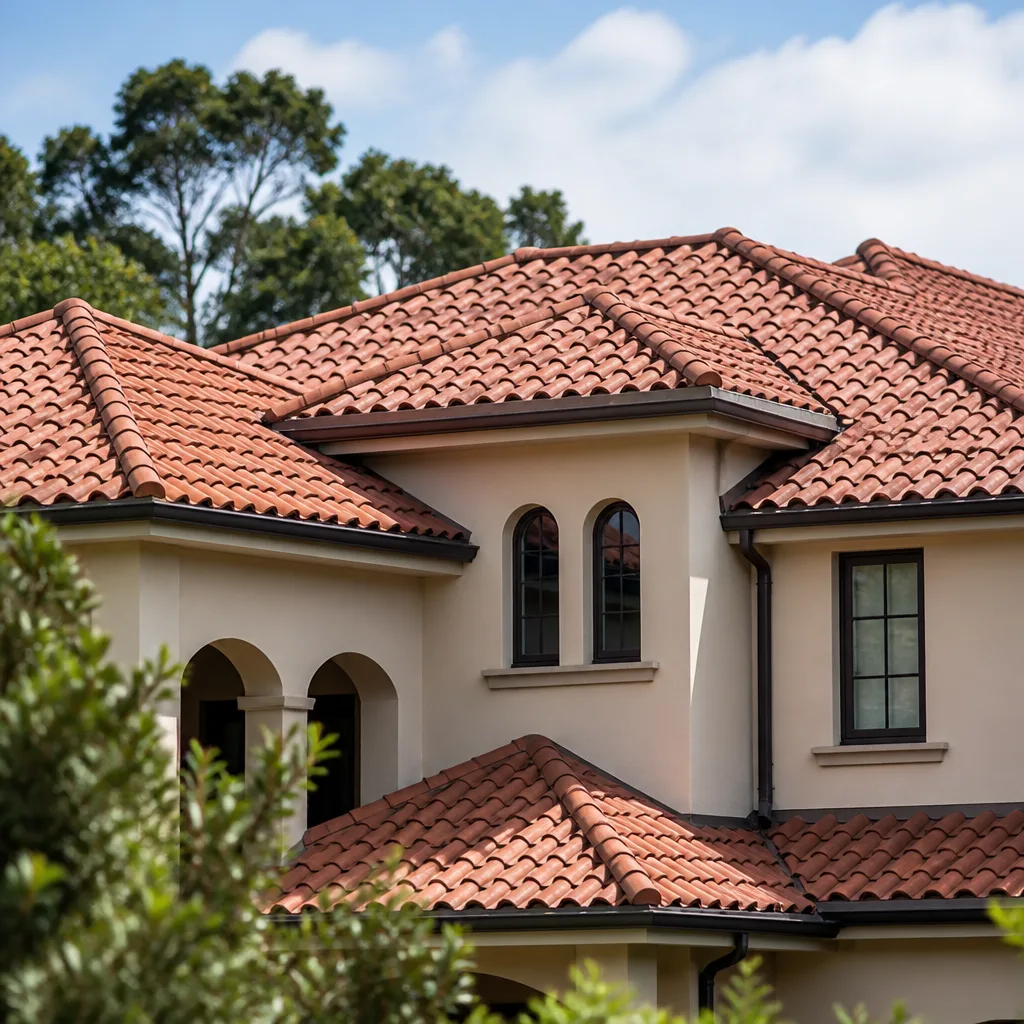
 Tile roofing
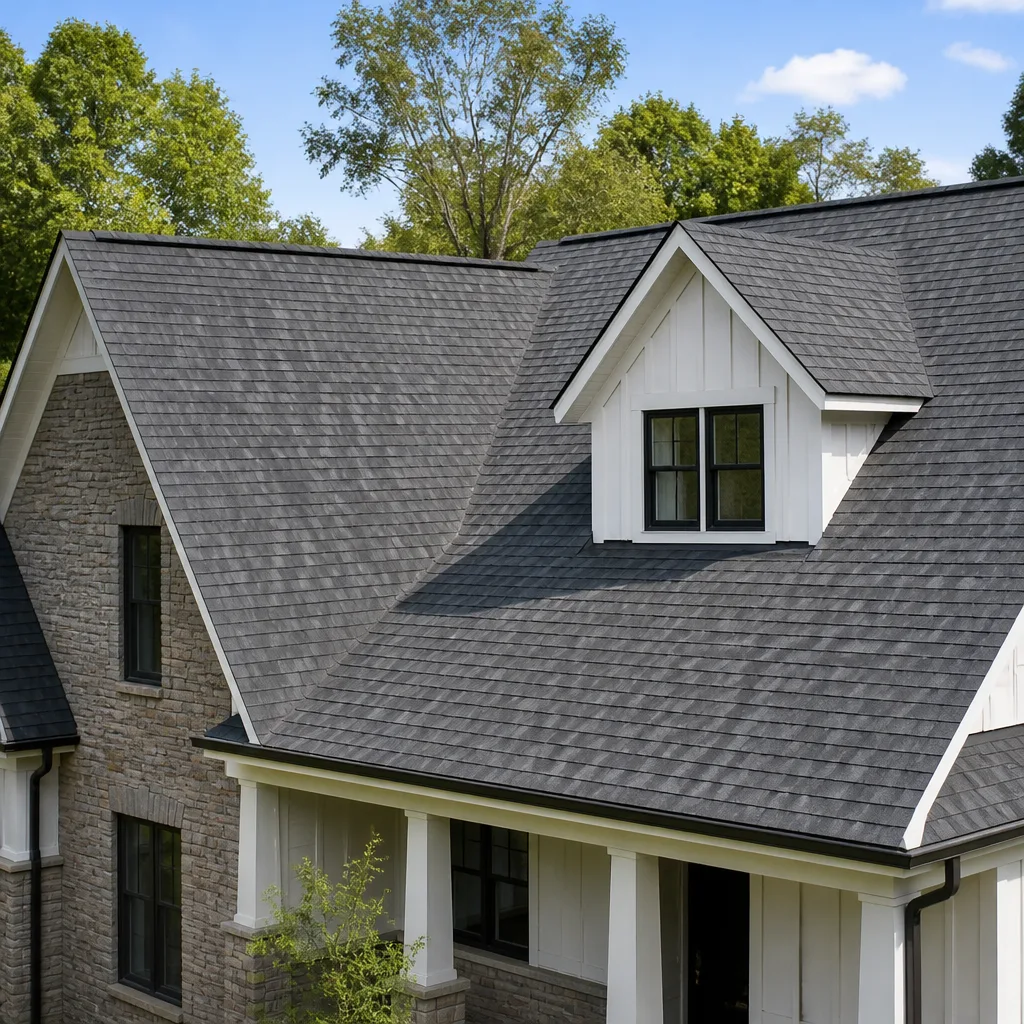 Architectural shingles
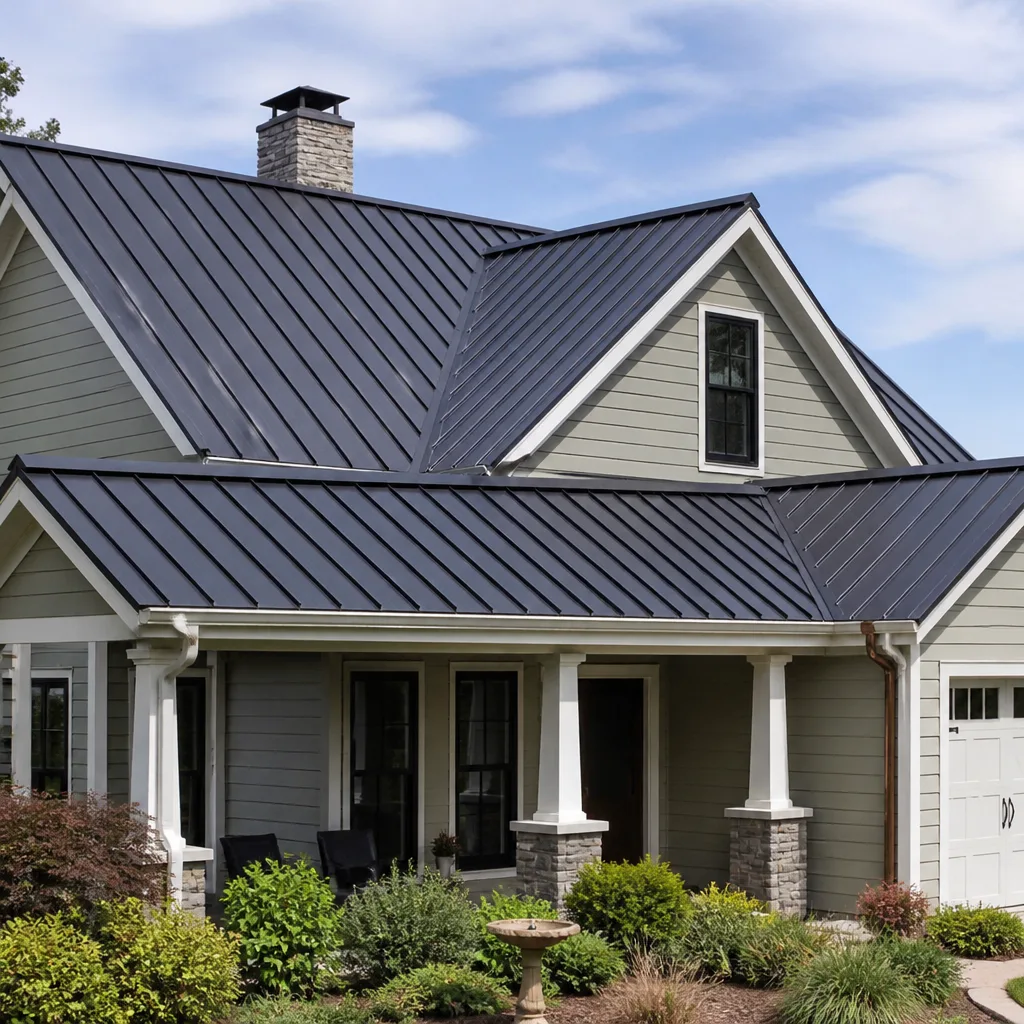 Metal roofing
 GAF
 Owens Corning
 Flat & low-slope
Free roof inspection with deck photos before we talk money - GAF and Owens Corning certified installation
Styles & brands we work with
- Architectural shingles
- Metal roofing
- Tile roofing
- GAF
- Owens Corning
- Flat & low-slope
See the difference
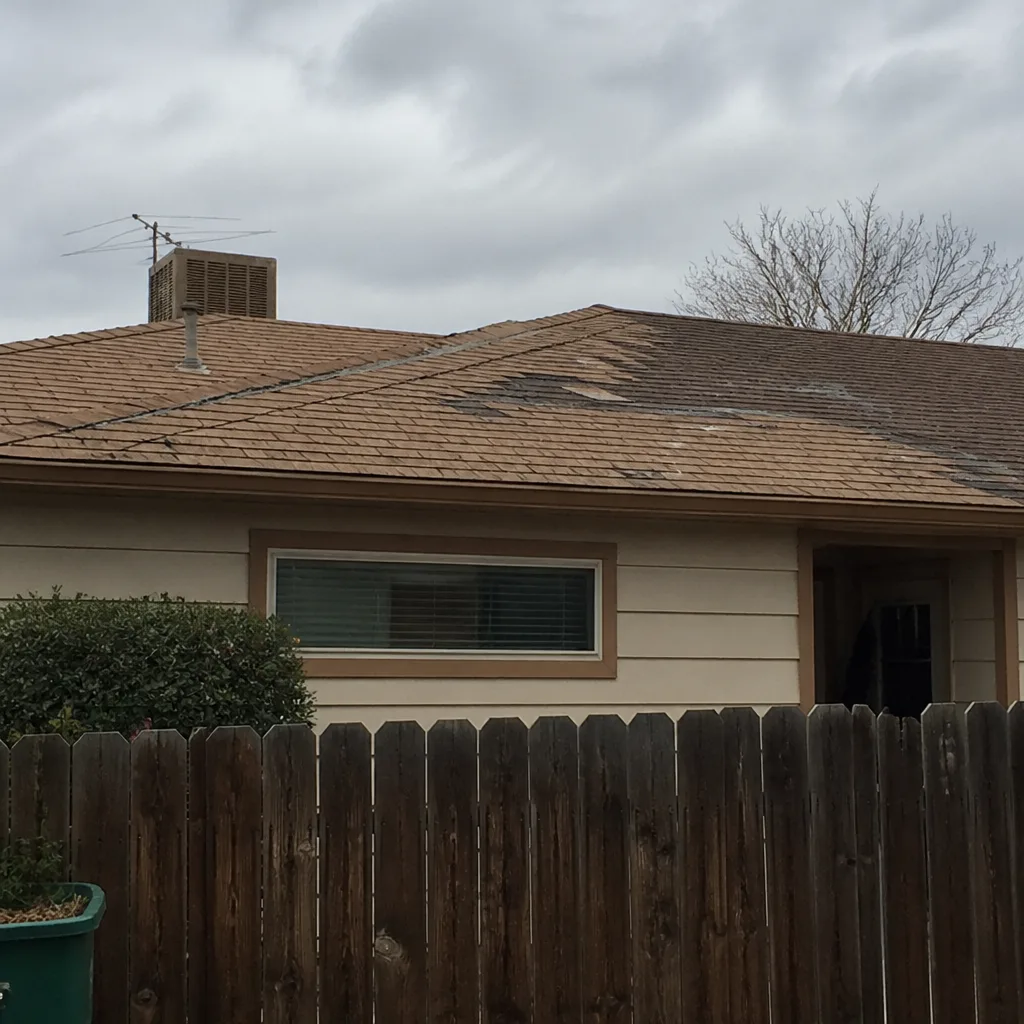 Before
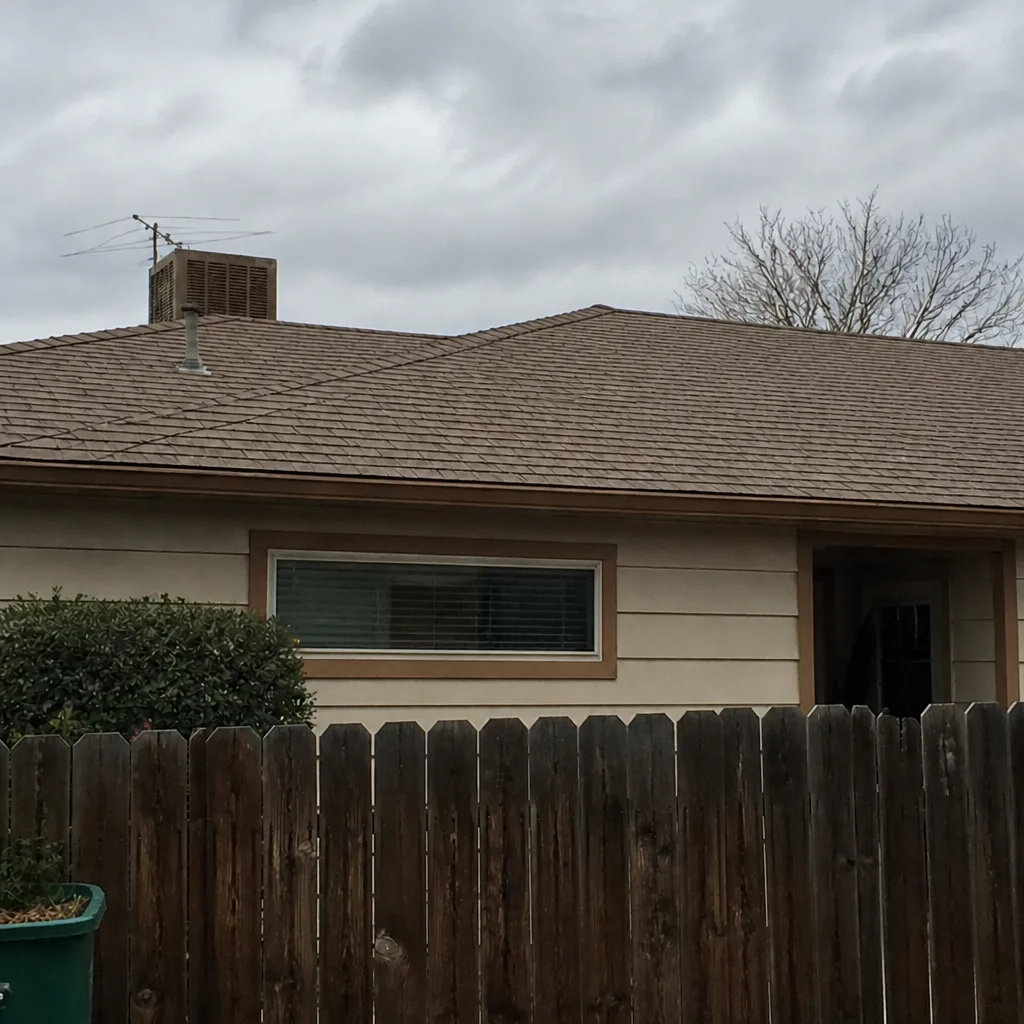 After
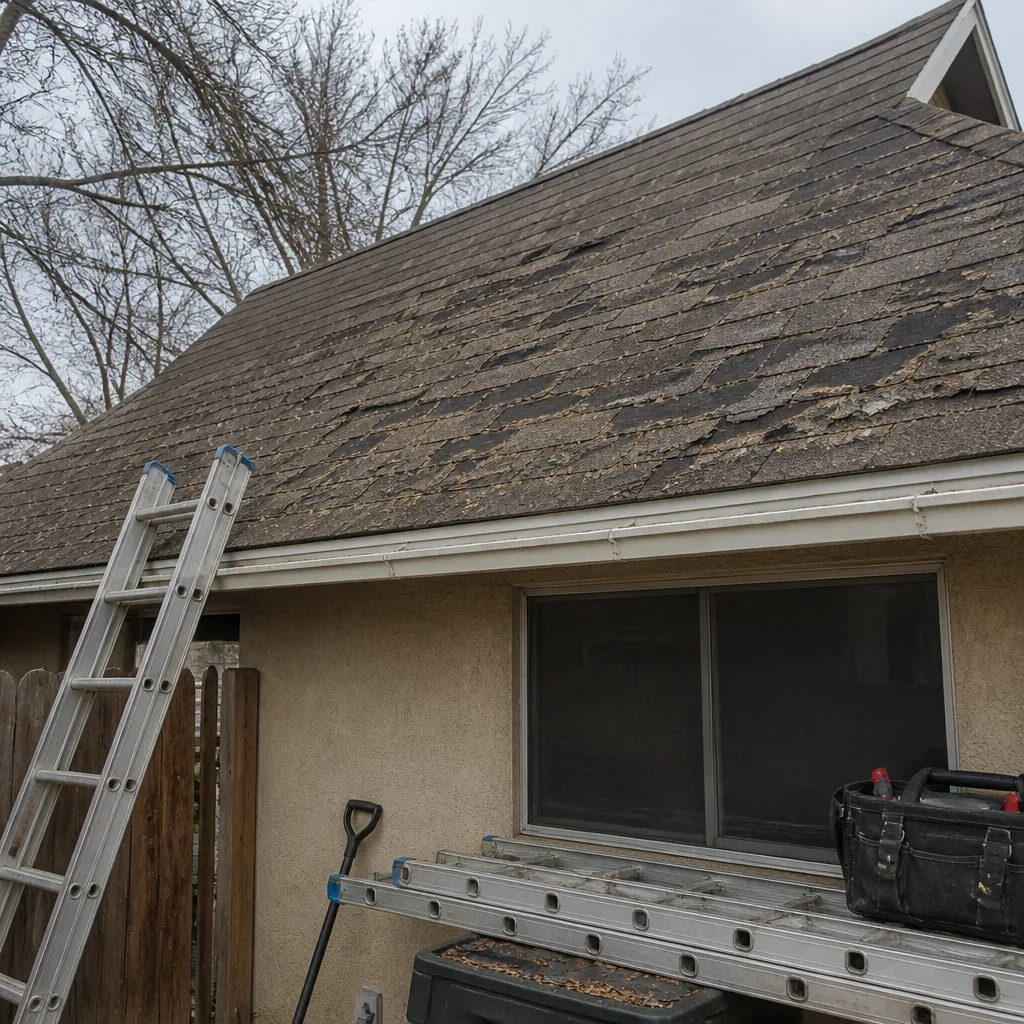 Before
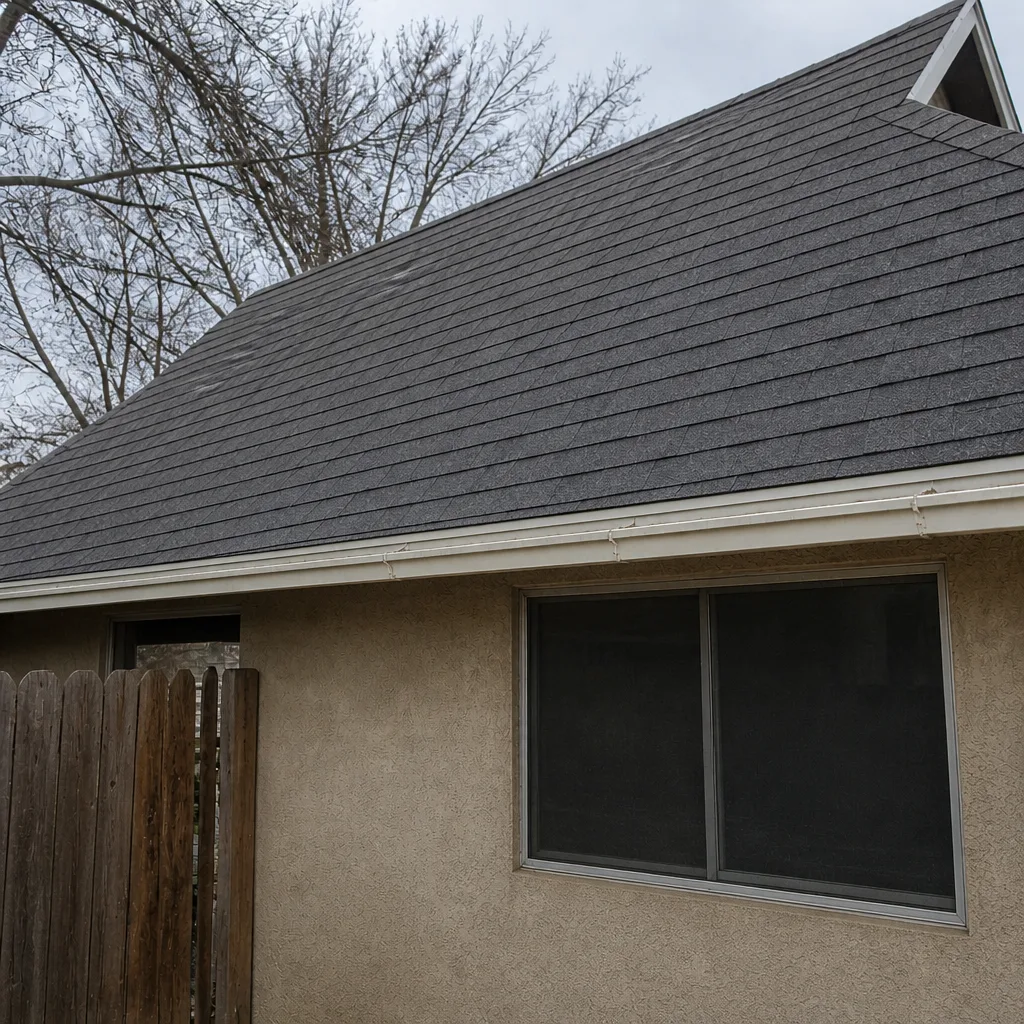 After
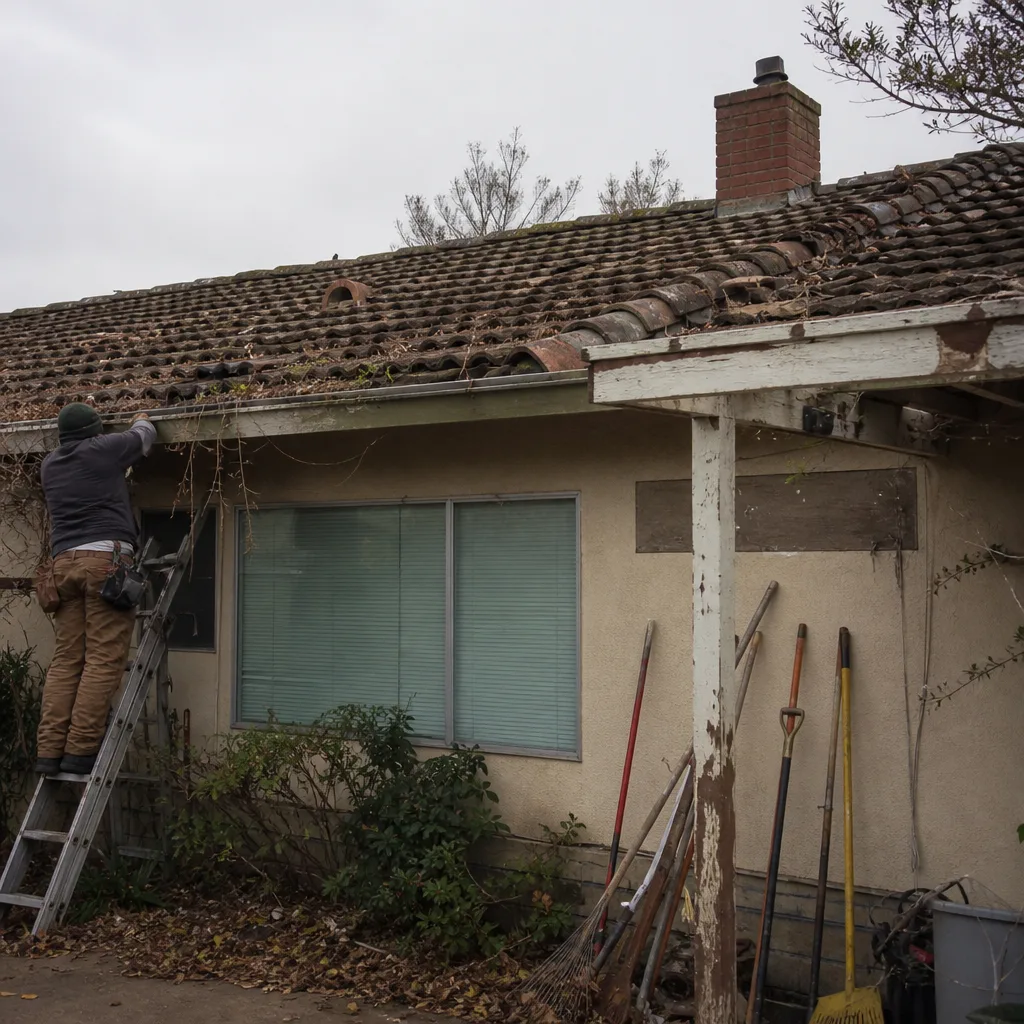 Before
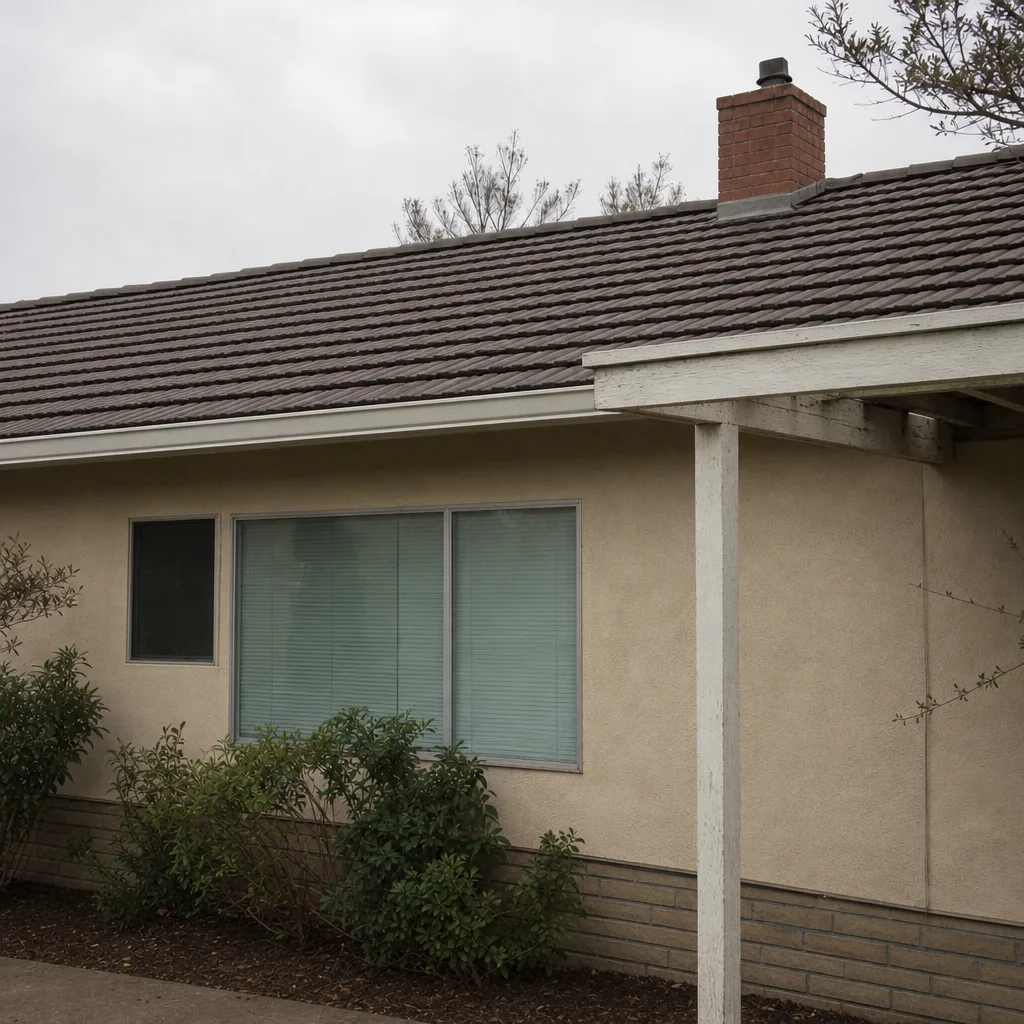 After
Clay vs Concrete Roof Tiles in Paradise, NV: Which Should You Choose?
Choose concrete tile unless your Paradise home has a light tile profile your framing was actually engineered to carry. Here’s what most Paradise homeowners don’t hear from a tile salesperson: this township’s 1960s and ’70s tract homes were framed for a 3-tab shingle roof, not tile, so the real question isn’t clay versus concrete at the color chart. It’s whether your roof structure can carry either one. If it can, concrete wins on heat behavior in Paradise’s 110°F+ summers. For a professional read on your specific roof, call (833) 676-0557.
Why the framing question comes before the tile question in Paradise
Paradise is an unincorporated township whose entire built environment rose with the Strip’s timeline. Most of the housing stock went up fast during the 1960s-80s boom, and the roofscape you see along Paradise Road and Flamingo is dominated by flat and low-slope commercial buildings, motels, and aging apartment complexes rather than the pitched tile roofs common elsewhere in the Valley. The pitched-roof minority is where this comparison lives.
Before we talk clay versus concrete, we ask one question the tile salesperson usually skips: does this house’s framing actually carry tile weight? In fast-built 1960s and ’70s tract homes, the answer is often “not without work.” Concrete tile weighs 9-12 lbs per square foot. Clay runs lighter at 6-8 lbs. Either figure can exceed the design load of original light-frame construction that was engineered for a 3-tab shingle roof.
In Clark County, a structural assessment before any tile bid isn’t optional. The code wants to know the roof can carry what you’re putting on it, and the township’s own codes sit somewhere between Clark County and Las Vegas. When we pull the permit history on a Paradise building, we can find out what the original framing was designed for before anyone wastes time on a tile quote that won’t pencil out structurally. That’s the step that changes the whole comparison, and it’s the one most comparisons leave out.
Clay vs concrete roof tiles: how they actually compare in Paradise heat
Once the framing checks out, the differences between clay and concrete matter in real, measurable ways. Here’s how they stack up in Paradise conditions:
| Factor | Concrete Tile | Clay Tile |
|---|---|---|
| Weight per sq ft | 9-12 lbs | 6-8 lbs |
| Heat behavior | Higher thermal mass; absorbs more heat by day, releases it slowly after dark | Lower mass cycles faster; a small but real edge on overnight cooling load |
| UV and color fade | Fades more noticeably; pigment is surface-applied | Color is fired through the body; holds up better to UV |
| Underlayment dependency | Critical – tile is a rain screen, not a seal | Critical – same dependency |
| Local appearance standards | Color fade can matter under HOA review | Better long-term color match to Strip-corridor aesthetics |
Thermal mass: the local variable that tips it toward concrete
In sustained 110°F+ heat, concrete tile’s higher thermal mass absorbs and stores more heat during the day but releases it slowly after dark, which extends the period your attic stays hot into the evening. That sounds like a downside, and in peak afternoon hours it partly is. But the mass also buffers the deck from the worst spikes. Clay’s lower mass cycles faster, and that’s a small but genuine advantage for overnight cooling load. For the minority of Paradise homes where tile is even an option, concrete wins on this one local variable: it holds steadier through an extreme-heat day, and that stability is what your attic actually feels.
UV, color, and what your HOA will say
Concrete fades more noticeably under intense desert UV than clay, because the color pigment is surface-applied rather than fired through the body. In a market where HOA appearance standards and resale values are tied to Strip-corridor tourism aesthetics, that fade matters more than it might in a wetter climate. A tile color that dulls on a Paradise Road-facing building is a different conversation than the same fade on a roof nobody photographs. Clay holds color longer. Concrete costs less and, with a quality underlayment and the right color choice, can look right for a long time.
The underlayment is the real roof: what holds up in Paradise heat
Both tile types need a quality underlayment. Tile is a rain screen, not a seal, and the underlayment underneath is the true waterproofing layer. In Paradise’s extreme thermal environment, that underlayment’s temperature rating matters a great deal: standard felt underlayments can soften and shift under 150°F+ deck temperatures, while synthetic underlayments rated for 240°F+ hold their position.
Why does that come up here? Because tear-offs across the Strip corridor routinely uncover original tar-and-gravel flat roofs from the 1960s and ’70s that have been patched repeatedly and need a full tear-off. And on the pitched side, the summer heat means crews schedule tear-offs at dawn, because surface temperatures on dark roofs can pass 150°F by mid-morning. If you’re putting tile on a Paradise roof, insist on a synthetic underlayment rated for the heat. Ask any bidder what temperature their underlayment is rated for, and watch whether they have an answer ready.
What should you check before signing a tile bid in Paradise?
- The framing assessment, in writing. Not a verbal “you’ll be fine,” but a documented check that your structure carries tile weight.
- The square count. A roof is measured in squares. Ask any bidder how many they counted and compare.
- The underlayment spec. Manufacturer, temperature rating, and whether it’s synthetic.
- The nailing pattern. The pattern earns the wind rating, not the shingle wrapper, and the same discipline applies to tile fastening.
- The installer’s roofing experience. Our technicians bring up to 30 years of experience to a job like this.
We install tile systems built on products from Boral, IKO, and Tamko, among others. If you name the tile, we’ve likely set it. Our full capabilities are on the Tile Roofing page, and our dedicated Tile Roofing in Paradise page breaks down local installation. If you want the broader picture of how a roof gets assessed and replaced in this township, start from our home page.
What does a tile roof cost in Paradise, and is it worth it?
A tile roof replacement in Paradise generally lands higher than a shingle roof once the framing work and a quality synthetic underlayment are included. The tile itself is only part of the number. Here’s the shape of the cost picture you should expect to see on a bid: removal of the existing roof, any structural reinforcement, the underlayment, the tile, and the labor to set it correctly.
For a straight answer on your specific roof, call (833) 676-0557. We give free second opinions on any written estimate, and there’s no trip charge inside our own county. You’ll know the number before anyone touches your roof, and we’ll show you the deck photos before we talk money.
FAQs
Concrete tile is usually the better choice for a Paradise roof where the framing can carry it, because its thermal mass holds steadier through 110°F+ days and it costs less than clay. Clay holds color longer under intense UV and weighs less, so it wins when weight is tight or HOA color standards are strict. The right call depends on your framing and your building, and a structural check settles it before anything else does.
Maybe, but you need a structural assessment before you assume it can. Most 1960s and ’70s tract homes in Paradise were framed for a 3-tab shingle roof, and concrete tile at 9-12 lbs per square foot or clay at 6-8 lbs can exceed that original design load. Under Clark County code, the assessment isn’t optional. Pulling your permit history is how we find out what the framing was designed for, so call (833) 676-0557 and we’ll start there.
Yes, because the underlayment is the actual waterproofing layer and tile is only a rain screen above it. Standard felt underlayments can soften and shift under 150°F+ deck temperatures, while synthetic underlayments rated for 240°F+ hold their position. In Paradise’s extreme thermal environment, that rating is the difference between a tile roof that lasts and one that fails from underneath. Ask every bidder what their underlayment is rated for.
Expect concrete to come in below clay per square, with both pushed higher by any framing reinforcement and the required synthetic underlayment. The tile itself is rarely the biggest line on the bid once the structural work and underlayment are counted. Call (833) 676-0557 for an exact number on your roof; estimates are free, and we’ll give you a straight second opinion on any quote you’ve already got.
Get a straight answer on your Paradise roof
If you’d rather have it looked at than guess, Shepherd & Sons Roofing Paradise offers a no-pressure assessment. We’ve been reroofing in Paradise since 1996 from the same address, and we’ll tell you honestly whether tile makes sense for your framing or whether it doesn’t. Call (833) 676-0557, and we’ll show you the deck photos before we talk money.
Written by the team at Shepherd & Sons Roofing Paradise, serving Paradise, NV.