
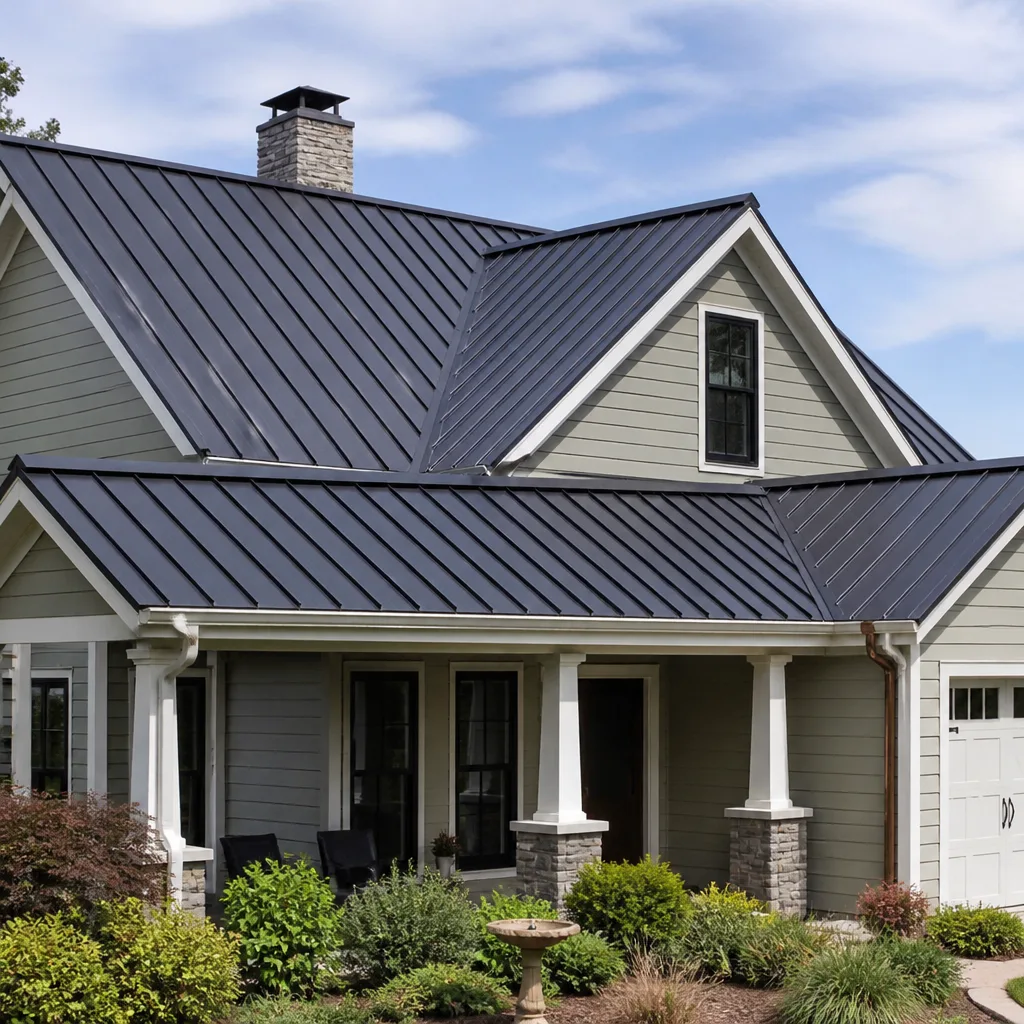
 Metal roofing
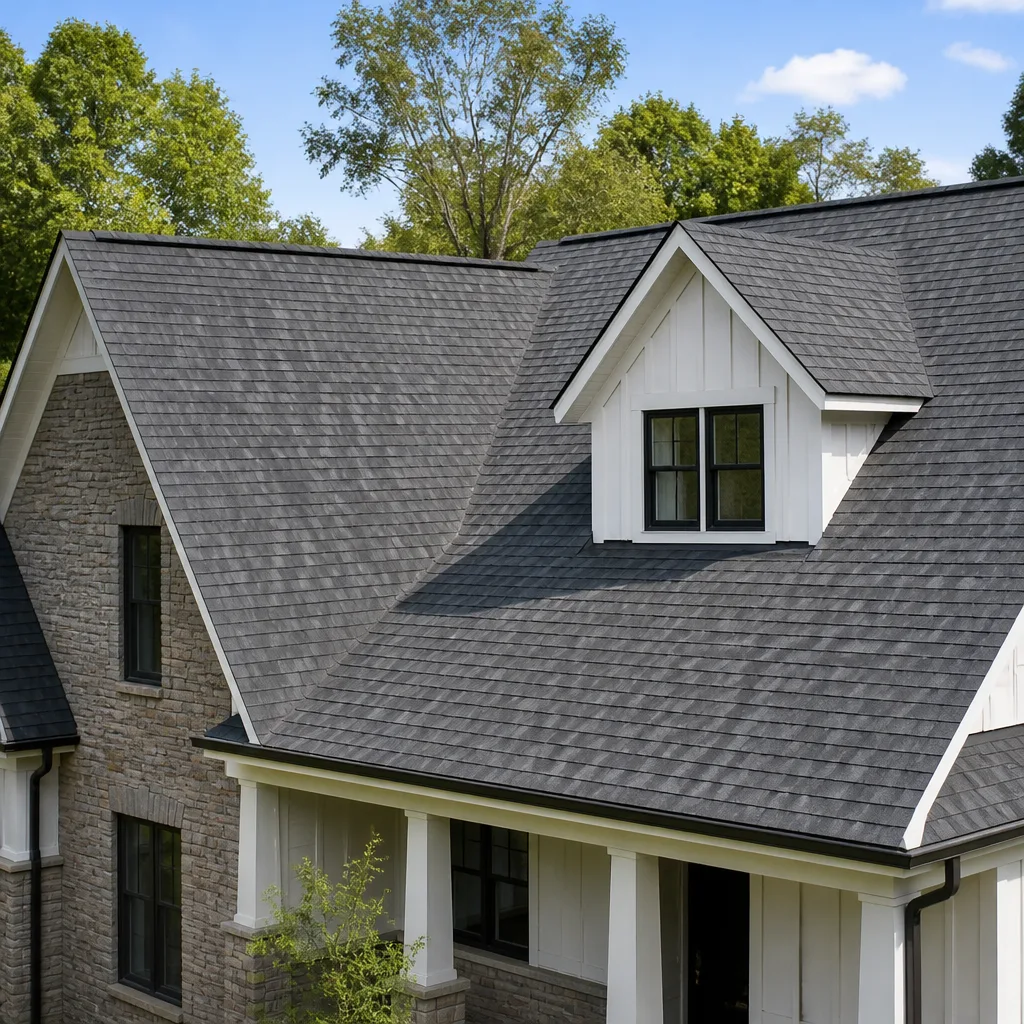 Architectural shingles
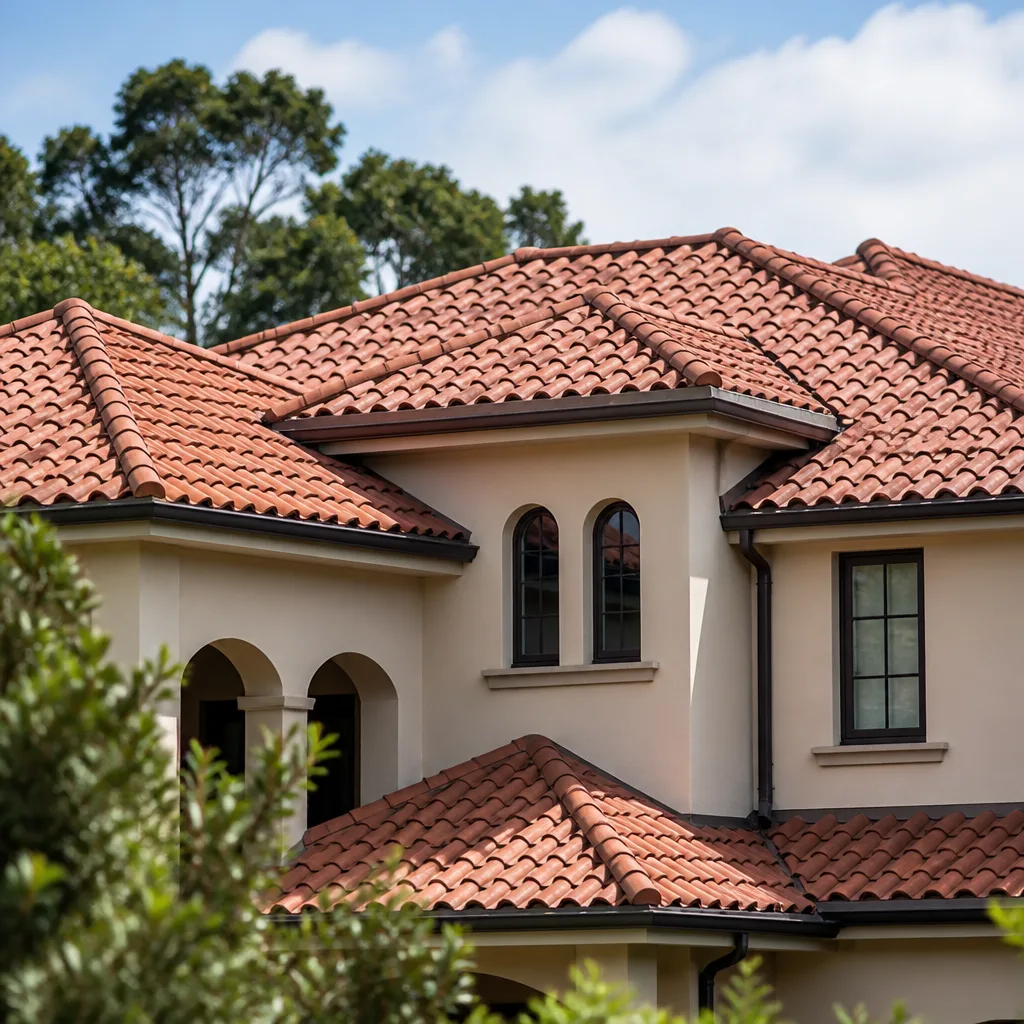 Tile roofing
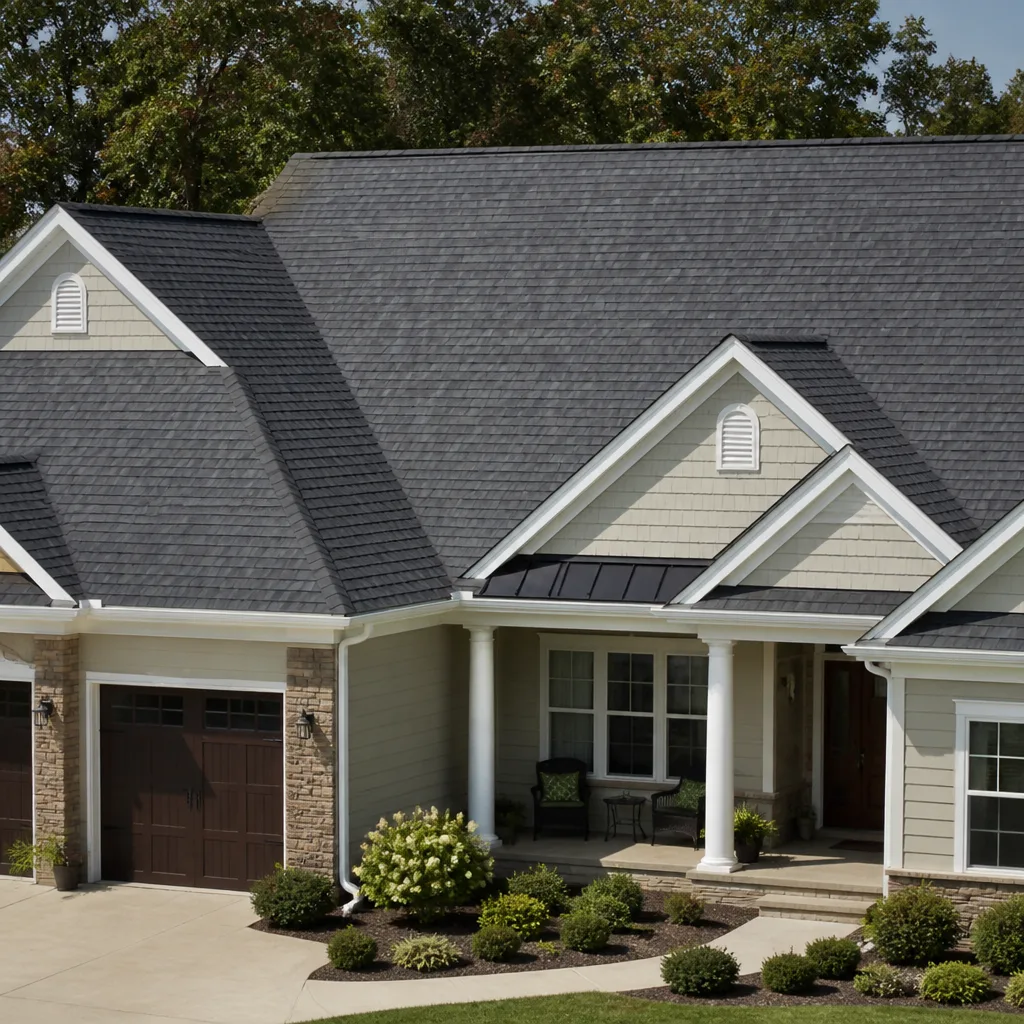 GAF
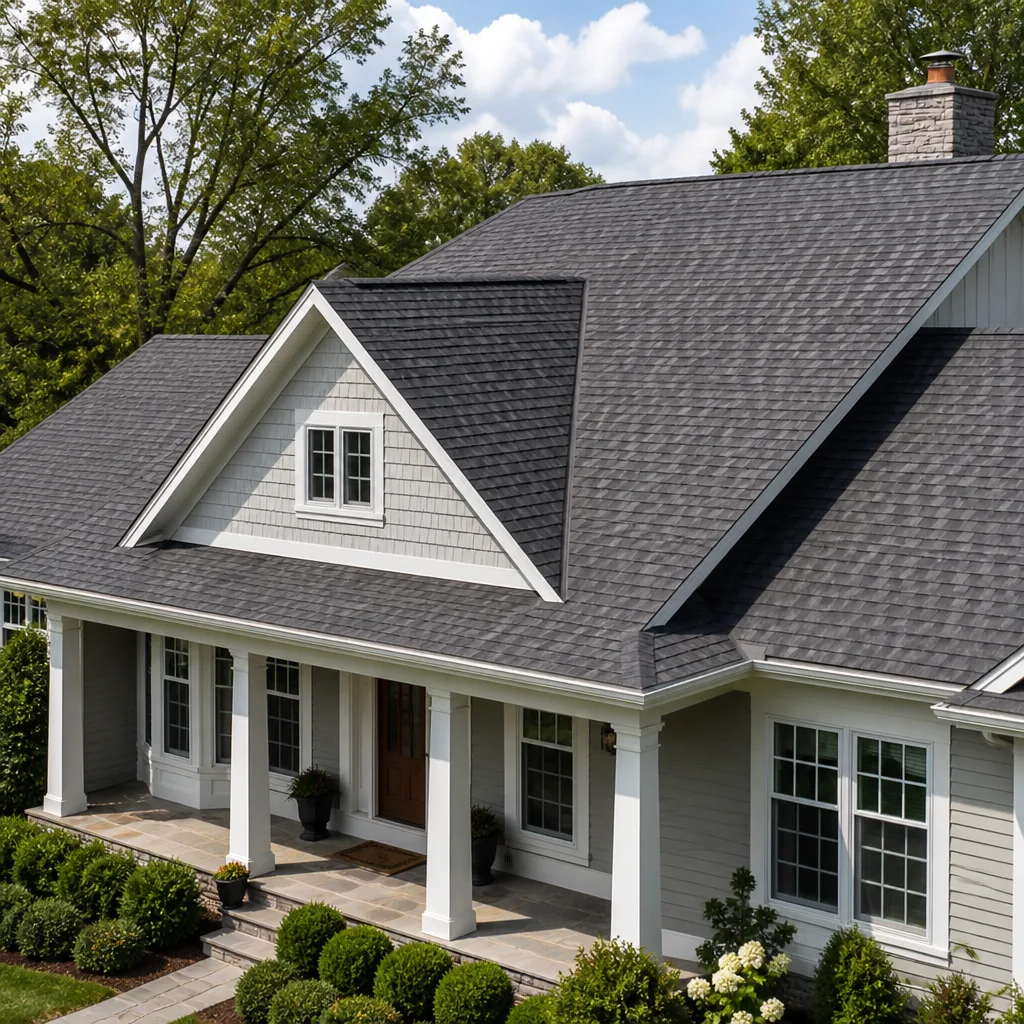 Owens Corning
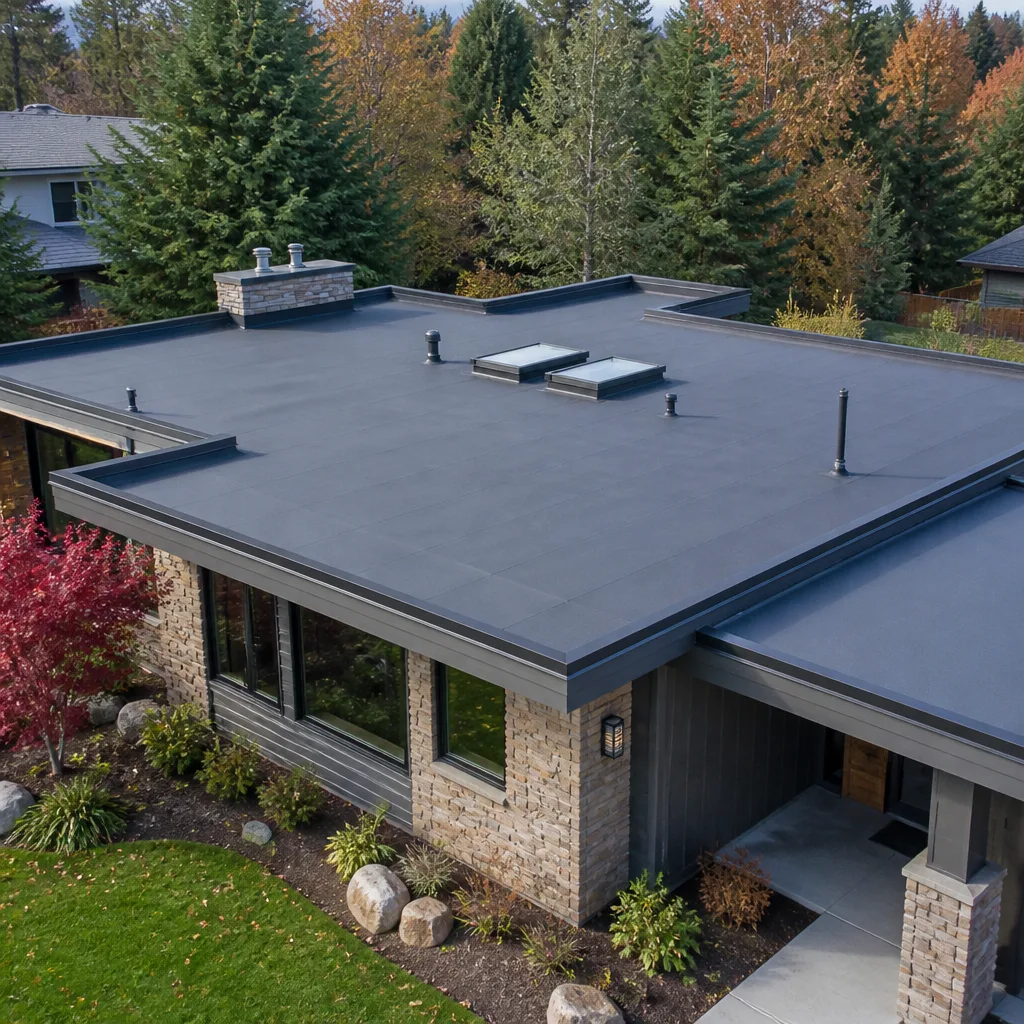 Flat & low-slope
Free roof inspection with deck photos before we talk money - GAF and Owens Corning certified installation
Styles & brands we work with
- Architectural shingles
- Metal roofing
- Tile roofing
- GAF
- Owens Corning
- Flat & low-slope
See the difference
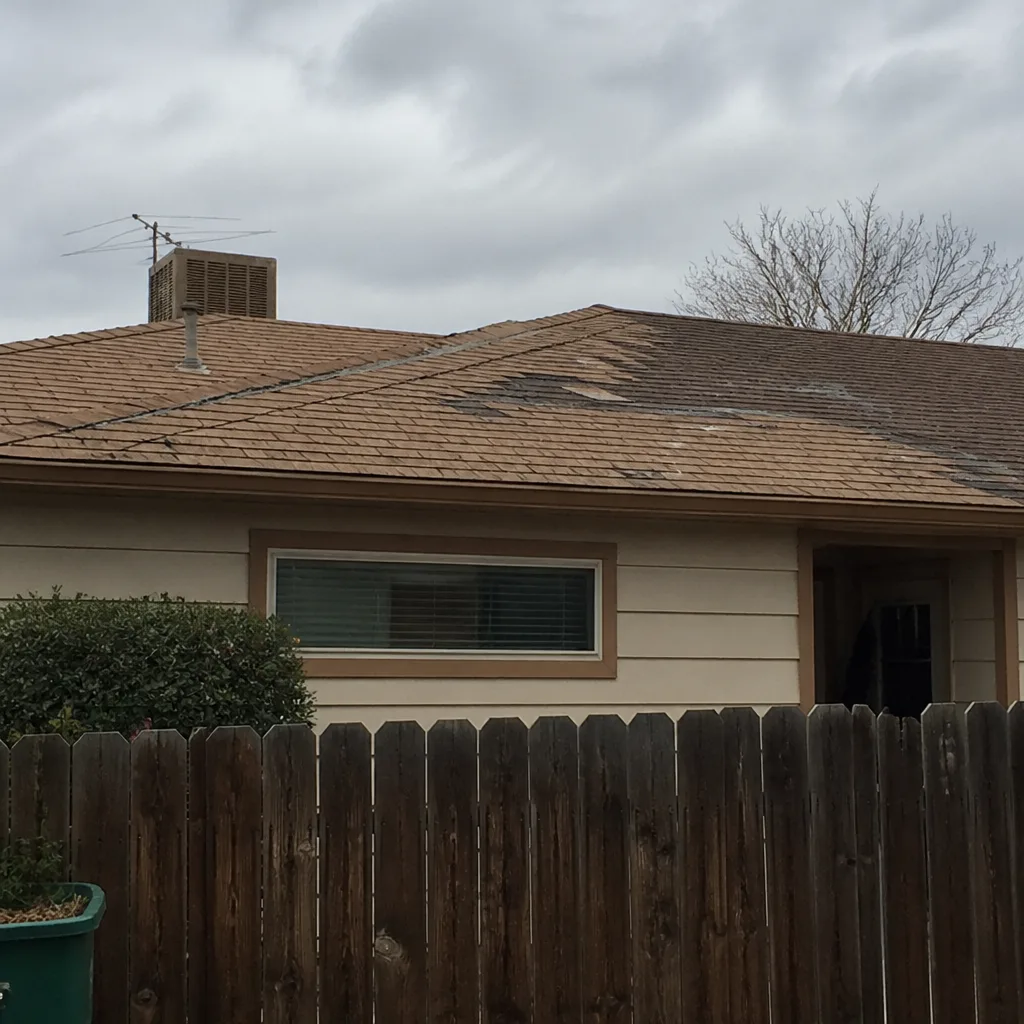 Before
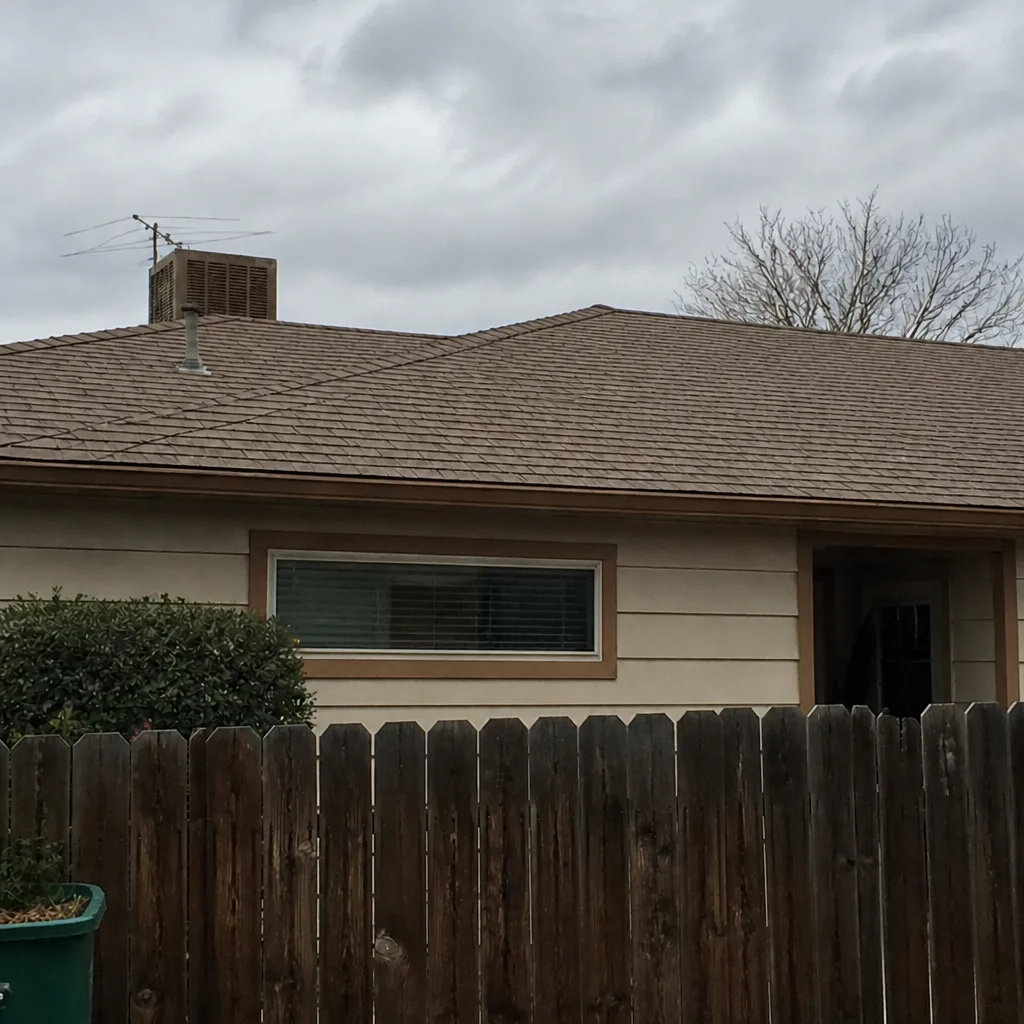 After
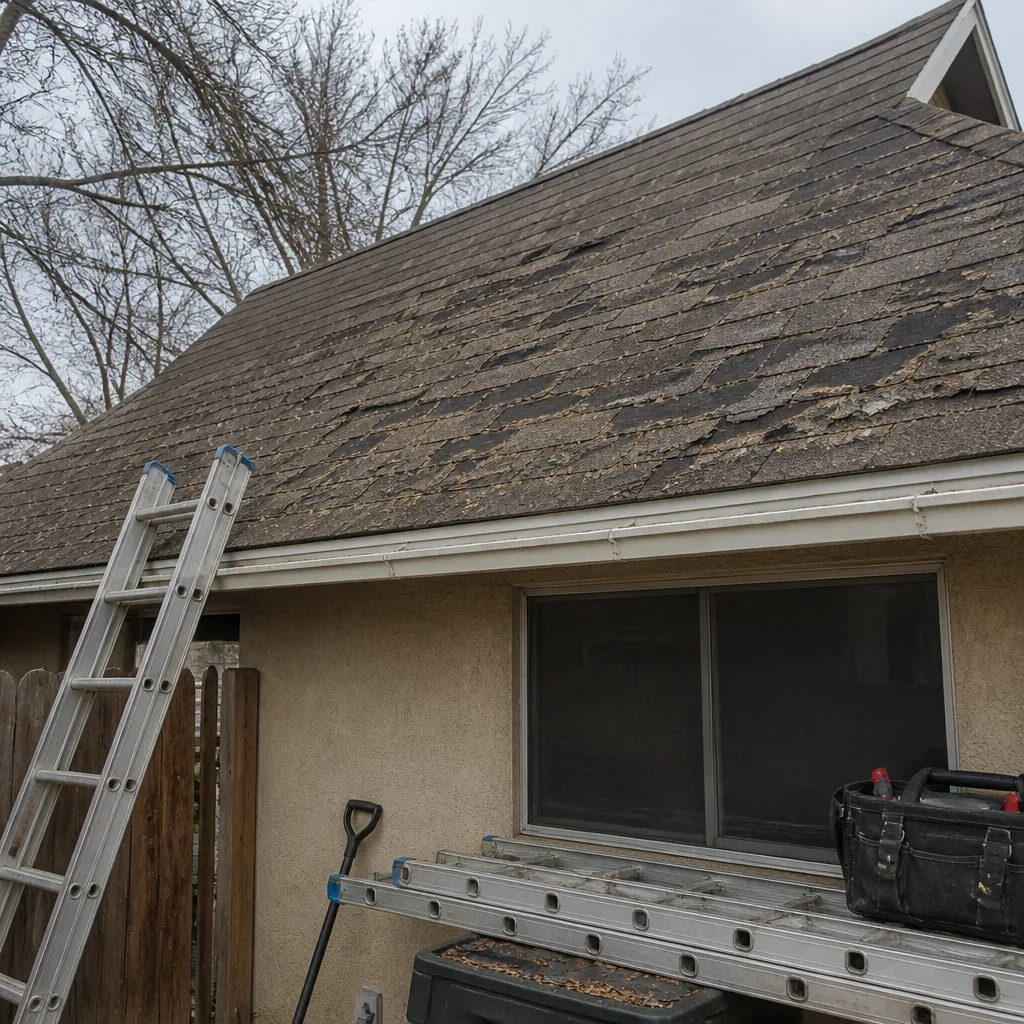 Before
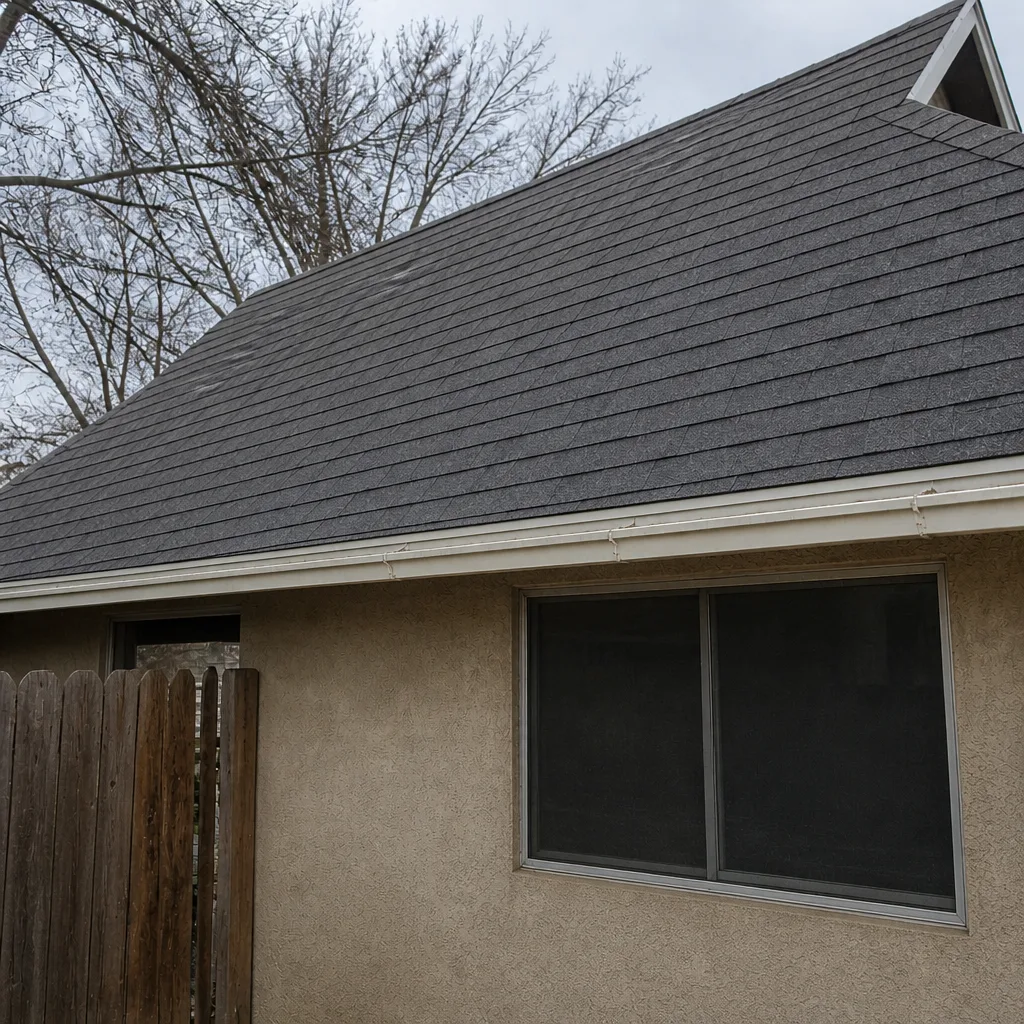 After
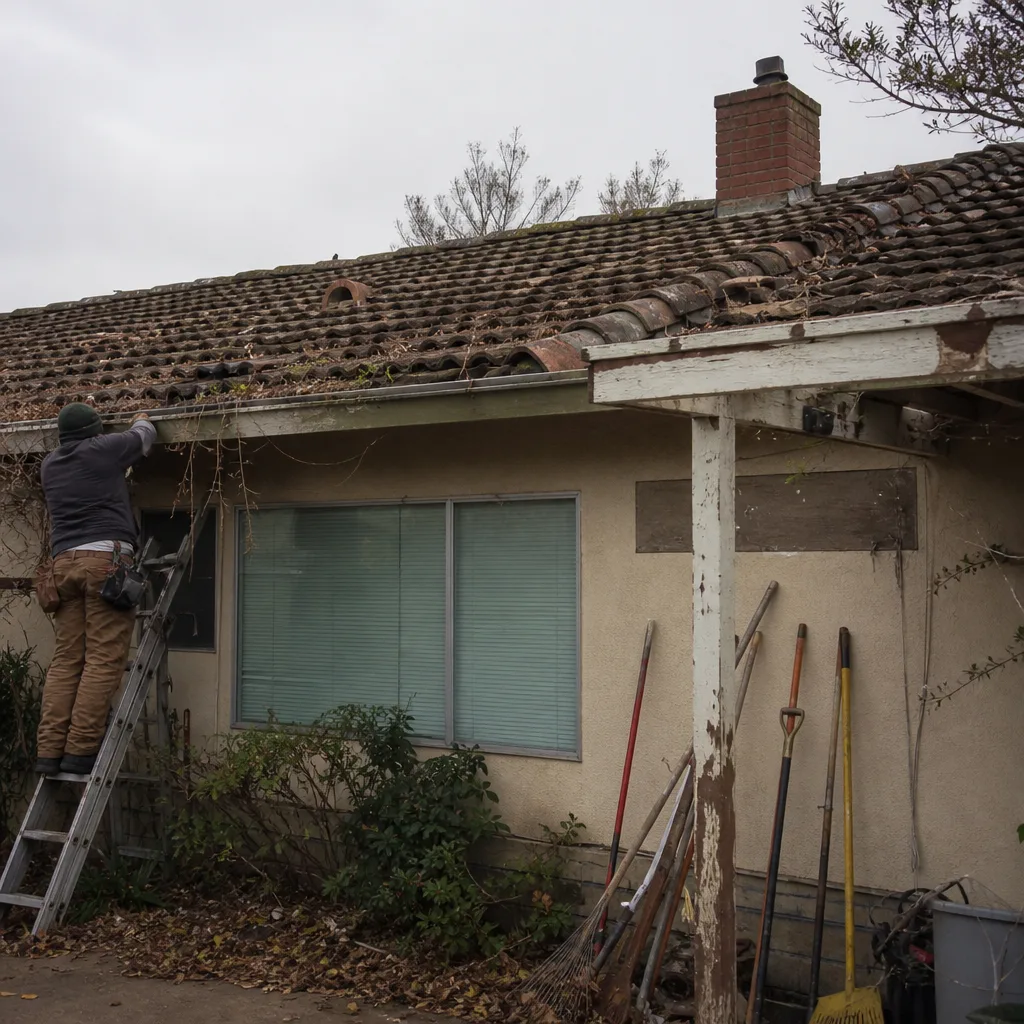 Before
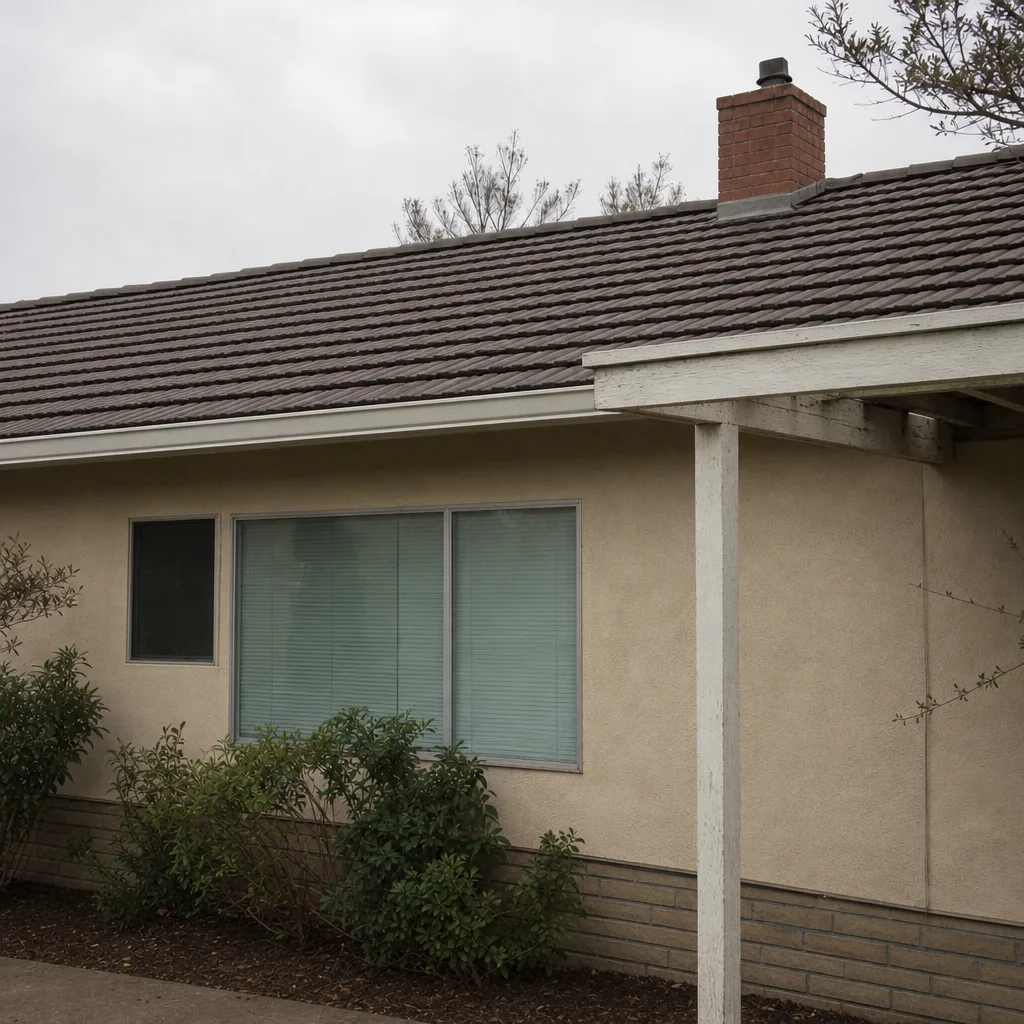 After
Repair or Replace Your Roof in Paradise, NV? Here’s How We Decide
Choose repair if the deck is sound and this is the first or second patch on that field. Choose replacement if you’re looking at ponding water, more than two layers of existing material, or the same seam that’s been fixed three or four times. That’s the honest short answer. If you want to skip the guesswork, call (833) 676-0557 and we’ll look at the deck before we quote anything. We’re Shepherd & Sons Roofing Paradise, and most of what we see here isn’t shingle roofs. It’s flat ones. That changes the whole decision.
Key takeaways
- On flat and low-slope roofs, the number of past patches matters more than the age in years.
- Paradise’s 1960s-70s buildings often carry three or four layers of old roofing, which adds weight and may need a structural engineer’s sign-off before tear-off.
- Heat-fatigued membrane in a 110°F+ climate shortens the life of a new patch, so the “cheaper” repair can come due again in about 18 months.
- If the deck is wet, soft, or delaminating in multiple spots on a core sample, repair is finished as an option.
Why Bill Stops Talking About Repair on Some Paradise Roofs
Bill has pulled up flat roofs near the Strip with six layers of patching material going back to the Nixon administration. At that point he stops talking about repair. Not because he wants to sell a bigger job, but because the math stops working in the owner’s favor. We’ve stood on roofs along Paradise Road and Flamingo where the original tar-and-gravel from the 1960s is still under four decades of spot fixes, and every new patch is bonding to someone else’s old work.
That’s the part most bids skip. A roof is measured in squares, and most flat roofs here have more layers on them than anyone bothered to count. Ask any bidder how many layers they found and what the deck looks like underneath. If they can’t tell you, they haven’t looked.
Here’s the stance that makes some customers squirm at first: past a certain patch count, repair is the more expensive long-term choice. A field that’s been fixed four or five times has spent its ability to hold a new repair. You’re paying labor and material into a substrate that keeps failing, and the bill comes back. We’d rather tell you that plainly than take your money for a fix we know won’t last.
How Paradise Climate Messes With the Repair Math
A patch that holds for 8 to 10 years in a mild climate can fail in a fraction of that here. Summer surface temperatures on a dark flat roof pass 150°F by mid-morning, which is why our crews schedule tear-offs at dawn. Intense UV and adhesive failure crack open membranes that looked fine in March. Then winter nights drop to 40°F and the thermal cycling pulls at every seam and flashing without a drop of rain involved.
What that means for a repair: new patch material on an old, heat-fatigued substrate doesn’t bond the way a manufacturer’s warranty assumes. We’ve seen the same repair need repeating in about 18 months. So the cheaper job on paper isn’t cheaper once you pay for it twice. This is where our Roof Repair in Paradise work often starts with a core sample, not a quote.
Paradise sits in an odd regulatory gap, too. The township’s own codes sit between Clark County and Las Vegas, so layer limits and permit requirements can shift depending on the exact building and its history. That’s another reason the layer count isn’t a detail you guess at.
Repair or Replace: A Straight Side-by-Side
This is the framework we walk owners through, whether it’s a 1970s apartment complex near the Strip or a mid-century motel building. The right column isn’t a sales pitch. It’s what the building is telling us.
| Signal | Points to repair | Points to replacement |
|---|---|---|
| Number of past patches on that field | One or two, isolated | Four or five, recurring |
| Deck condition (core sample) | Dry, solid, sound | Wet, soft, or delaminated in multiple spots |
| Standing water | None, drains clean | Ponding that doesn’t clear |
| Existing layers | Single layer | Three or four layers, added dead load |
| Leak history | Same isolated spot, now dry | Spreading, new spots each season |
The honest signal Bill relies on most is the deck itself. If the substrate is wet, soft, or delaminated in multiple spots on a core sample, repair is finished as an option. New material won’t bond to a compromised deck, no matter what’s in the wrapper. Shingles from GAF, CertainTeed, Owens Corning, IKO, Atlas, Tamko, and Boral are all built to perform on a sound deck. None of them fix a soft one.
What the Layer Count Really Costs You
When we tear off a flat roof here, we’re not just pulling one layer. We’re pulling three or four, and on the buildings that have been spot-patched for decades, sometimes more. That adds weight the original structure wasn’t necessarily designed to carry, and it can trigger a structural engineer’s sign-off before the new system goes on. Those are real costs that belong in the conversation before anyone signs, not after.
- Dead load: three or four layers of old material means the structure may need an engineer’s review before re-roofing.
- Patch repetition: a heat-fatigued substrate can send the same repair back in 18 months.
- Core sampling: we take a sample to see the deck before we promise anything.
- Dawn scheduling: tear-offs run early because surface temps climb fast in summer.
For apartment owners and small commercial landlords, there’s one more variable worth flagging: the tax treatment of a repair versus a capital improvement. We can’t give tax advice, and we won’t pretend to. But we’ll raise the question so you can ask your accountant before you sign anything. Whether a full re-roof is treated as a capital expense or a repair can change the math on the whole decision.
Where a Second Opinion Earns Its Keep
If another company is pushing a full replacement, we’ll tell you plainly whether the repair math actually works for your building type and patch history. That’s what our Free Second Opinion is for. We’ll look at the deck photos, count the layers, and give you a straight answer. Same address since 1996. Ask the storm chasers where theirs is.
You get a live person on the phone 24/7, including nights and weekends after a storm, not a call center or a voicemail box. No trip charge inside our own county. The guys on the roof are background-checked, and Bill’s own sons are up there with him. Every roofing job carries our written 90-Day Done Right Promise: if it’s not done right, one call brings Bill back. Senior and veteran homeowners get 10% off, and there’s $40 off any repair over $200. Our technicians have up to 30 years of experience, and we’ve been at the same address since 1996, so you know exactly who to call if something’s off.
Frequently Asked Questions
Usually repair is cheaper up front, but not always over time. On a Paradise flat roof that’s been patched four or five times, the repeated repairs often cost more per square foot than a tear-off and new system would have cost three years earlier. The deck condition decides it: a sound deck favors repair, a wet or delaminated one favors replacement.
The industry benchmark is ponding water plus more than two existing layers. Many Paradise buildings from the 1960s and ’70s already carry three or four layers, which adds dead load and may require a structural engineer’s sign-off before re-roofing. If you’re past two layers and seeing ponding, it’s time to talk replacement.
It can, but the effective life is shorter than in a moderate climate. UV and thermal cycling from 40°F winter nights to triple-digit summer days degrade new patch adhesion on an old substrate faster than manufacturer warranties assume. A repair that would hold 8 to 10 years elsewhere may need repeating in about 18 months here.
Yes, and it’s free. Bring us any written estimate and we’ll tell you whether the replacement is genuinely needed or whether a repair will hold on your specific building. Call (833) 676-0557 and we’ll set it up. Estimates are free and there’s no trip charge inside our county.
If you’d rather have it looked at, Shepherd & Sons Roofing Paradise offers a no-pressure assessment in Paradise. We’ll show you the deck photos before we talk money, and we’ll tell you straight whether repair or replacement is the better call for your building. Call (833) 676-0557 for a free estimate. Start with our home page to see what else we handle, or reach out today and we’ll come take a look.
Written by the team at Shepherd & Sons Roofing Paradise, serving Paradise, NV.