
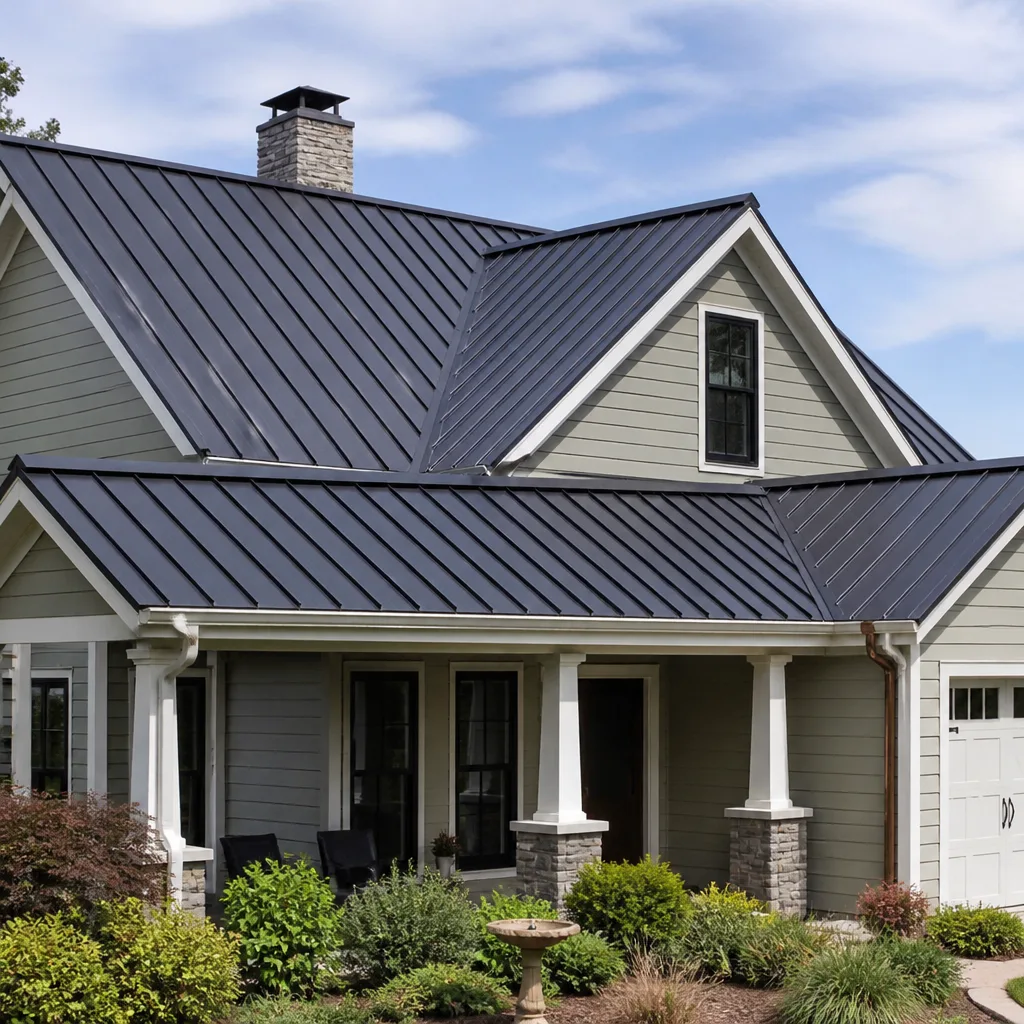
 Metal roofing
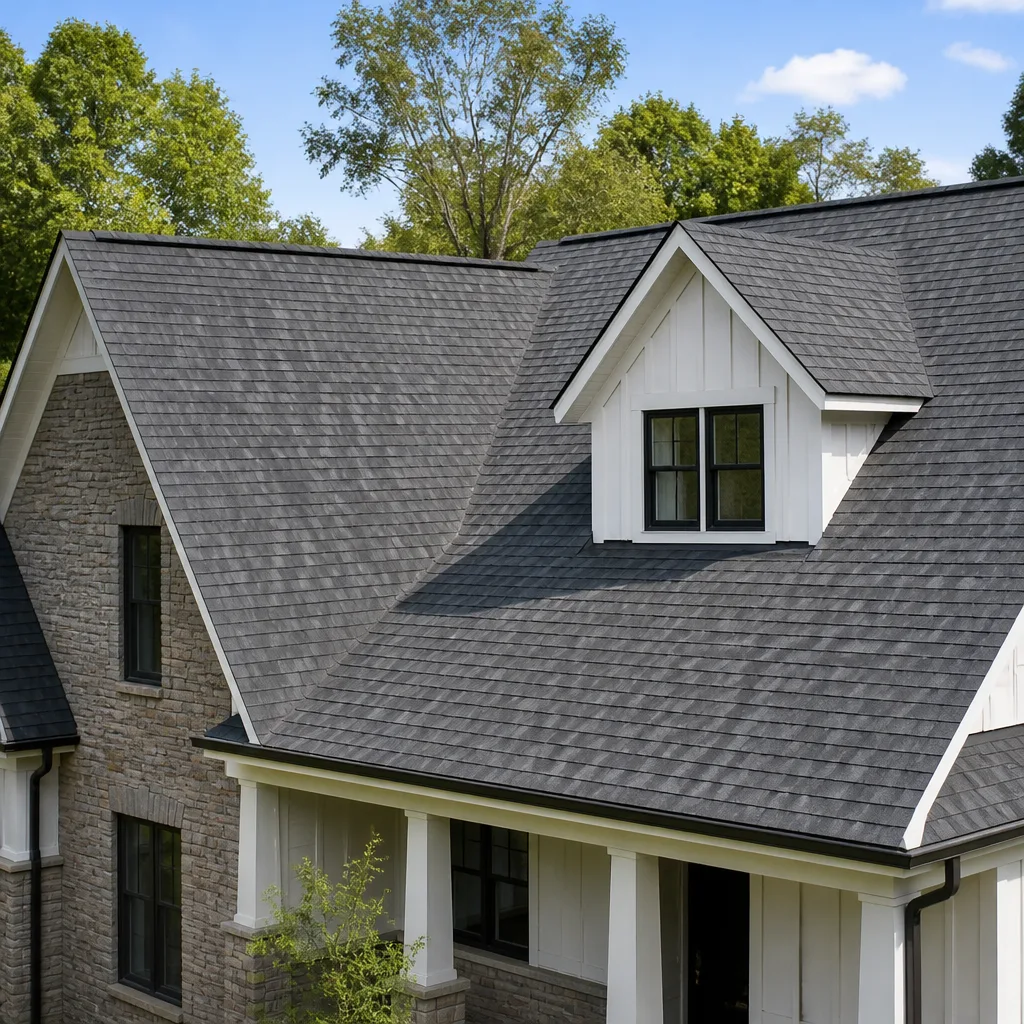 Architectural shingles
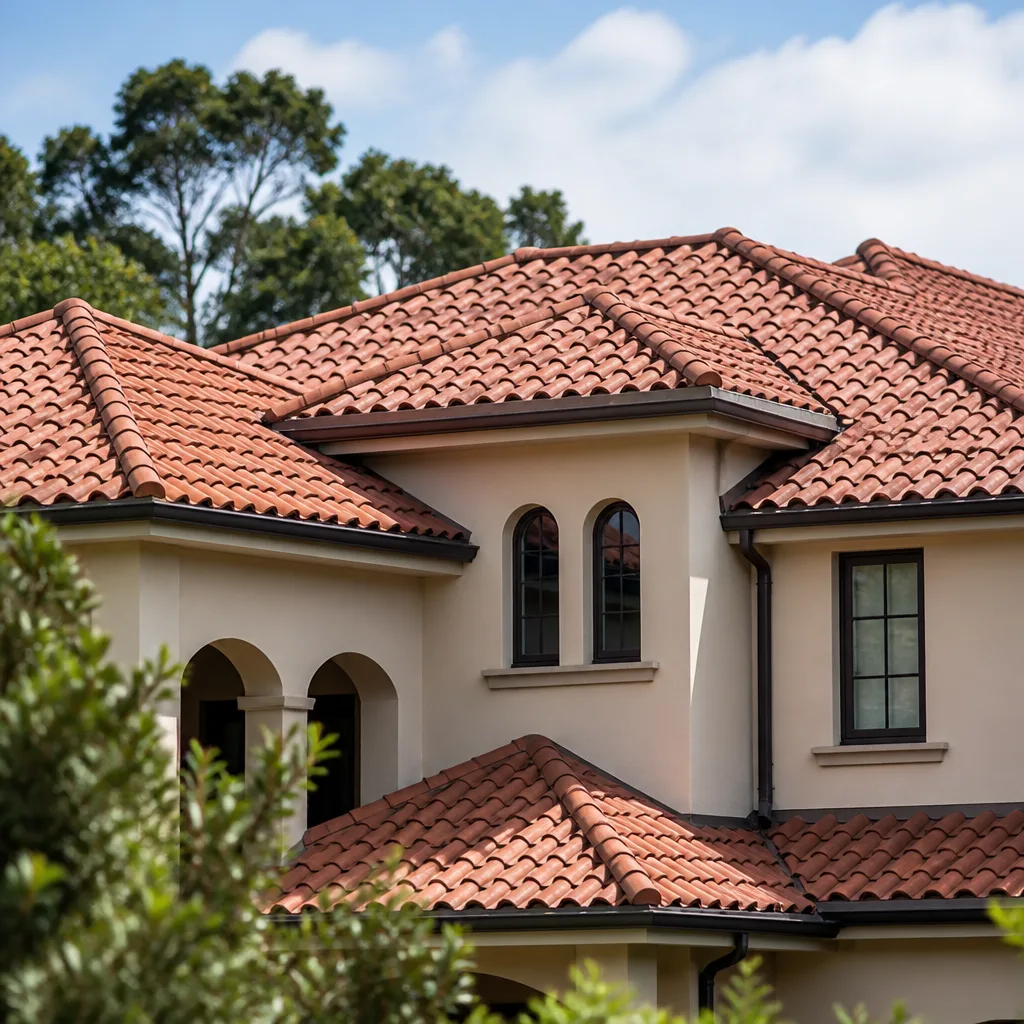 Tile roofing
 GAF
 Owens Corning
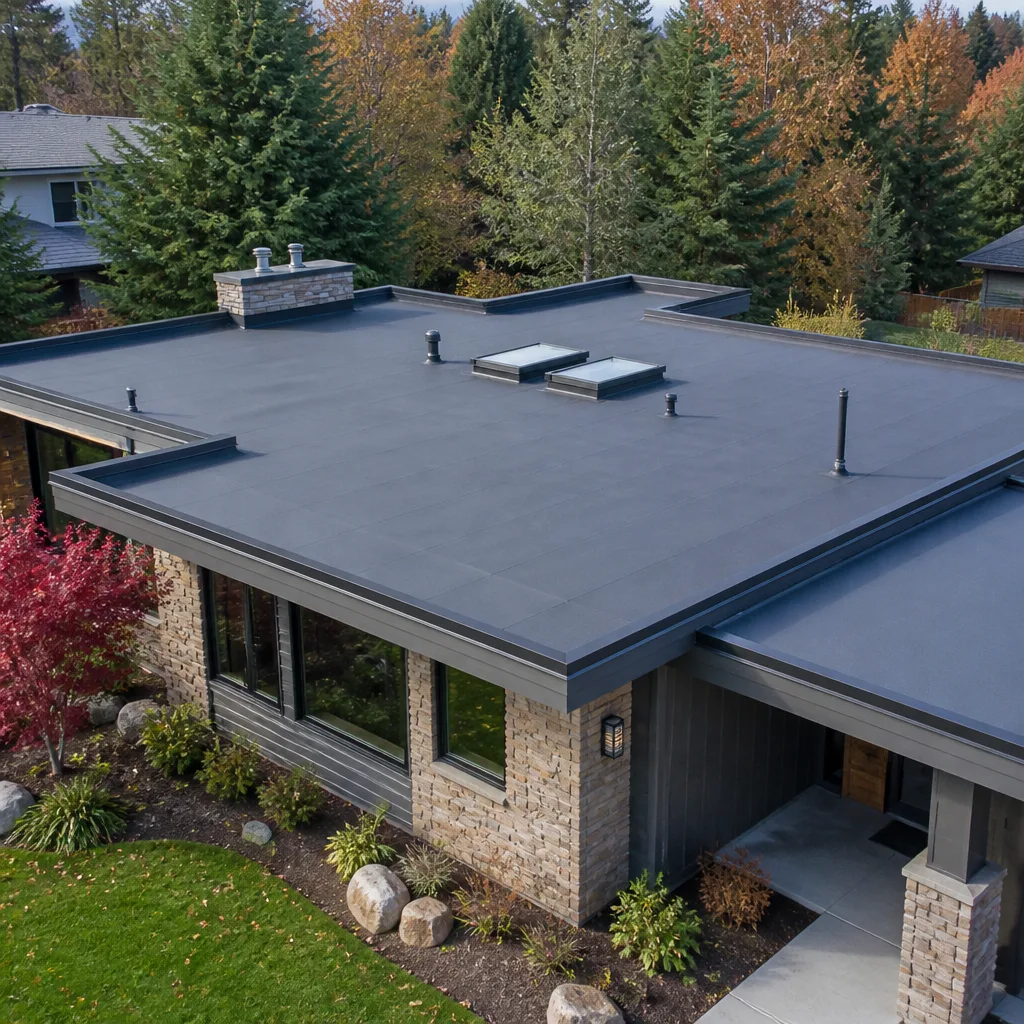 Flat & low-slope
Free roof inspection with deck photos before we talk money - GAF and Owens Corning certified installation
Styles & brands we work with
- Architectural shingles
- Metal roofing
- Tile roofing
- GAF
- Owens Corning
- Flat & low-slope
See the difference
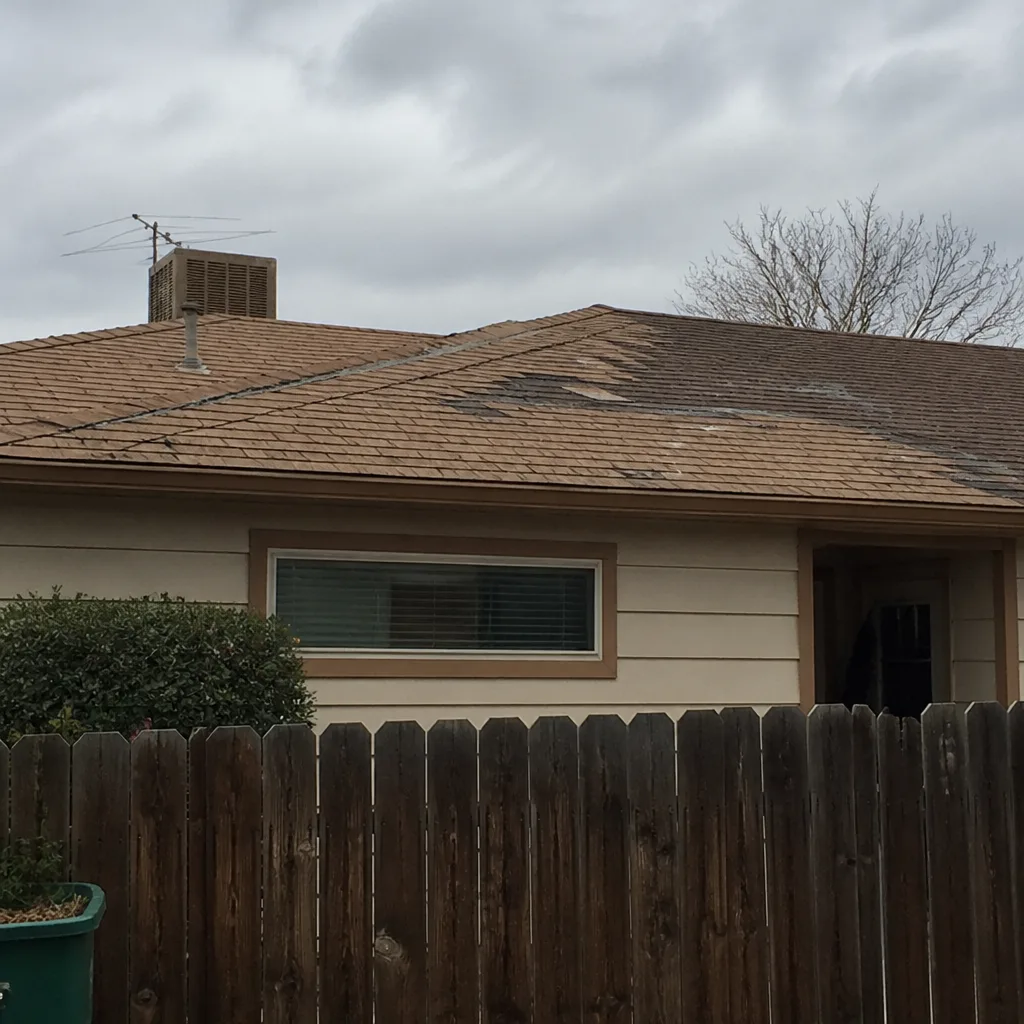 Before
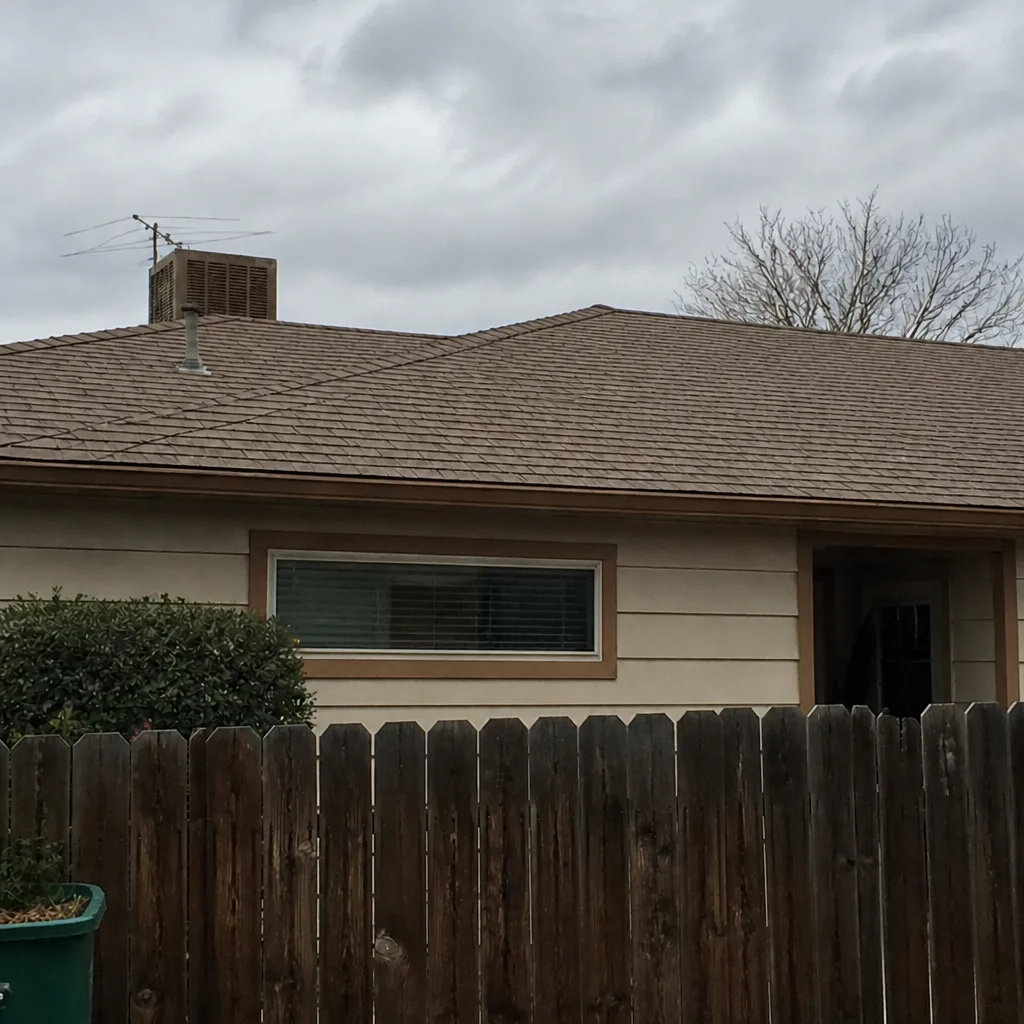 After
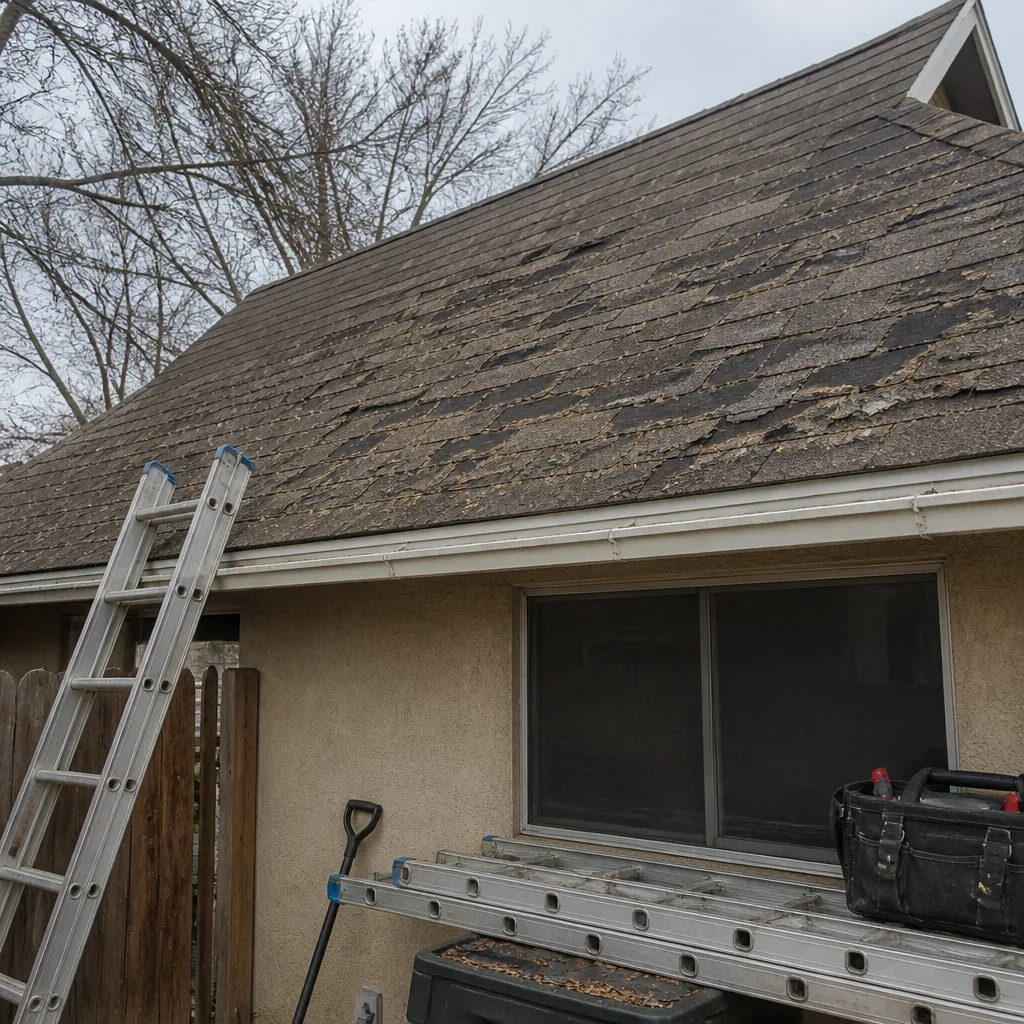 Before
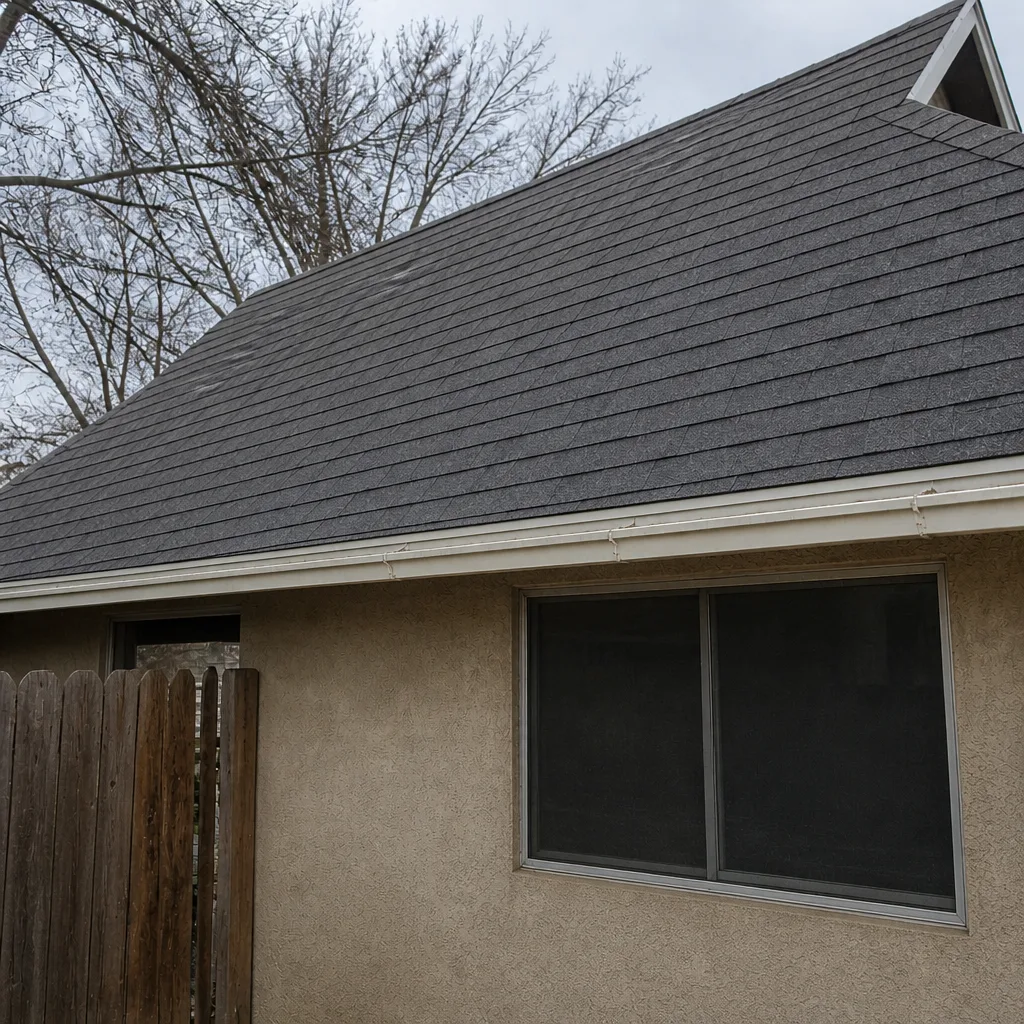 After
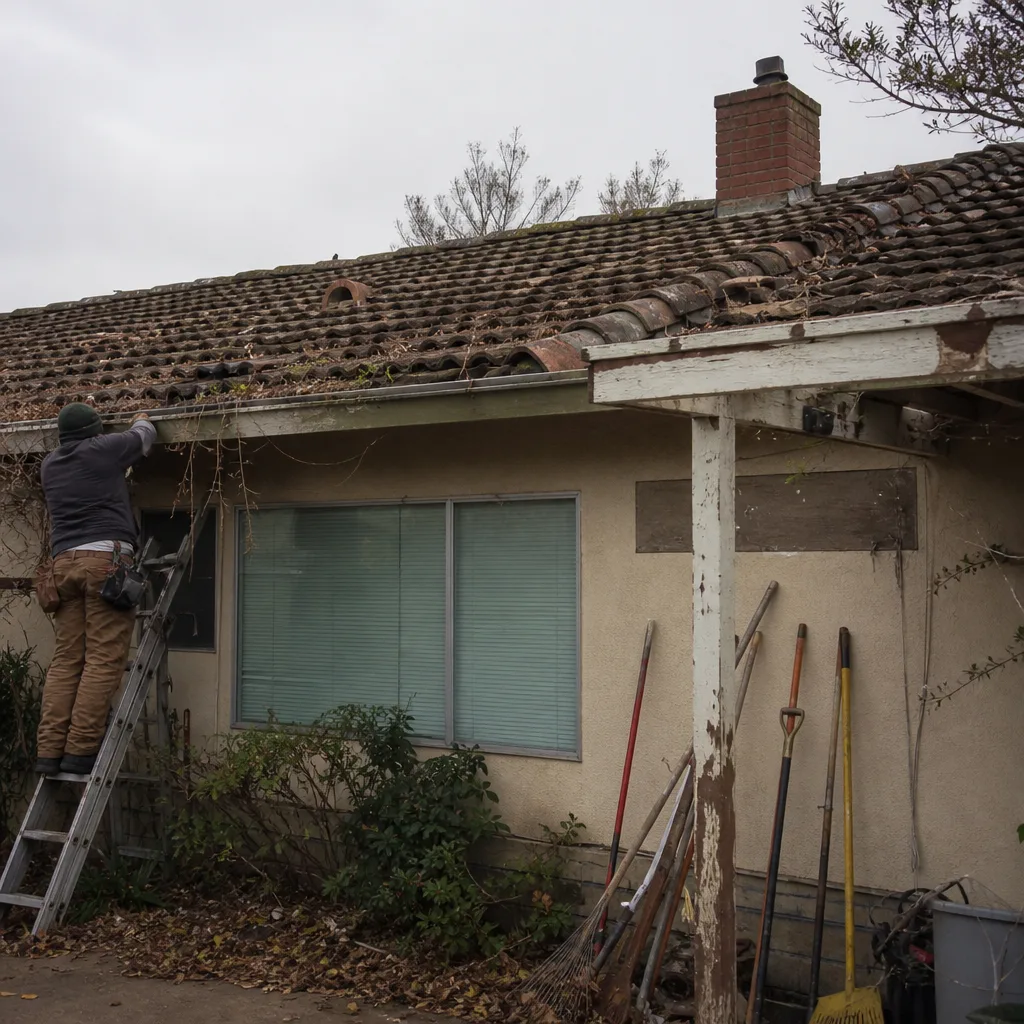 Before
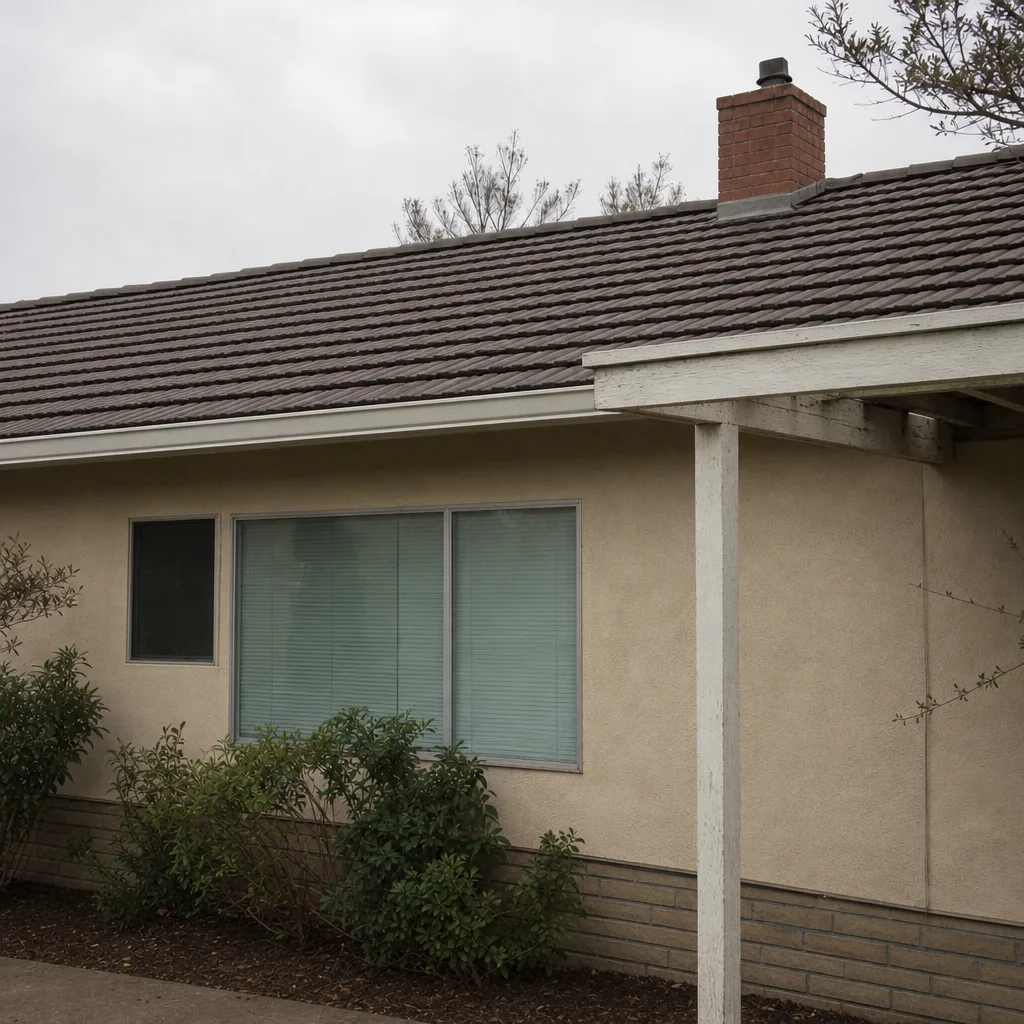 After
Roof Hail Damage Signs in Paradise, NV: What to Look For on Flat and Low-Slope Roofs
The clearest roof hail damage signs are circular fractures, star-shaped tears and bruised spots on the membrane surface, not dented shingles, and on Paradise’s flat and low-slope roofs you’ll only find them by walking the field and running a hand across it. Most homeowners and apartment managers miss hail damage here because they’re checking for the wrong thing on the wrong roof type. If you want a trained eye on it, call Shepherd & Sons Roofing Paradise at (833) 676-0557 for a free second opinion.
After the last hailstorm to hit the Strip corridor, about seven out of ten roofs we walked were flat or low-slope, and not one of them had a single dented shingle to show for it. That’s the whole problem in a sentence: every generic hail guide was written for a pitched asphalt roof in the Midwest, and Paradise doesn’t have many of those.
Why hail damage looks so different in Paradise
Paradise is an unincorporated township whose built environment grew up around the Strip’s timeline. Most of the housing stock went up fast in the 1960s through the 1980s boom, and the commercial and motel market is dominated by flat, low-slope roofs on casino-adjacent buildings and aging apartment complexes. Pitched tile and shingle roofs, the ones you see all over the rest of the Valley, are the exception here, not the rule.
So when hail hits Paradise, it’s hitting TPO, EPDM and modified bitumen membranes, and gravel-ballasted built-up roofs from the tar-and-gravel era. None of those show the classic “dented shingle” picture. What they show is quieter and easier to miss. The sun and 110°F+ summer heat then do the rest, turning a cosmetic-looking bruise into a real leak by the next season.
What hail actually does to a Paradise roof
On flat TPO, EPDM and modified bitumen membranes, hail impact leaves circular fractures or star-shaped tears in the membrane surface. From the street, or from a quick ladder peek at the edge, they’re invisible. You have to walk the field and run your hand across the surface to feel the bruising and see the hairline cracks catch the light. The membrane doesn’t always tear through on day one; it weakens a spot, and heat expansion finishes the job.
Gravel-ballasted built-up roofs, common on older buildings near Paradise Road and Flamingo, hide hail impact under displaced stone. The real damage is beneath, in punctured felt layers that only show up after the next thermal cycle blisters the surface. That’s why a homeowner who checks after a storm often sees “just some moved gravel” and assumes all is well.
Signs worth a closer look
- Circular or star-shaped fractures on membrane surface that don’t blow off with a broom
- Displaced or scattered gravel ballast where the surrounding field is uniform
- Small blisters or soft spots that weren’t there before the storm
- Seam edges that look tight now but are starting to lift at the lap
- Interior ceiling stains that appear weeks after the storm, not days
If you find any of these, don’t climb the roof to investigate yourself. Flat roofing is safer than steep pitch work, but a hail-damaged membrane can be soft underfoot, and a fall from 12 feet onto a parking lot is not a repair you want to discover the hard way. A trained inspector with the right footwear and a plan is the right call.
The thermal cycling problem that catches Paradise owners
Here’s where Paradise’s climate does something a hail guide from a rainy state won’t tell you. Winter nights here drop to around 40°F, and summer days routinely cross 110°F. That’s a 70-plus-degree swing, over and over, every year. A hail bruise that looks cosmetic in October gets stressed again and again by heat expansion until that weakened spot opens into a full seam failure by July.
We’ve walked roofs where a homeowner had a roofer out in the fall who said “no damage worth claiming,” and by the following summer there was a wet ceiling tile in the hallway. The damage was there in the fall. It just hadn’t failed yet.
How a proper hail inspection should work
When you call a roofer after a hail event, you should know exactly what to expect. Here’s how we do it at Shepherd & Sons Roofing Paradise:
- We walk the full roof deck, not just the edge
- We photograph the deck with time-stamped images before we discuss any numbers
- We show you what we see, then talk about what it means, then talk about money
- Nothing gets added to the scope after the fact without your approval
That last part matters more than it should have to. A roof is measured in squares. Ask any bidder how many they counted, and ask to see the photos that justify it. If a quote shows up without deck photos, you’re guessing.
On the repair side, we can usually handle membrane patching and seam repair as a standalone job. If the hail damage is widespread enough that the membrane needs replacing, that’s a bigger conversation, and we’ll tell you plainly whether repair makes sense or whether tear-off is the honest answer. Repair vs. replace is a real question on flat roofs with repeated patching; the old tar-and-gravel systems from the 1960s and 70s that have been patched a dozen times sometimes need to come off regardless of the hail.
For full storm damage response, including tarping and temporary weatherproofing, our team handles that as part of our Emergency & Storm Damage work. For the full scope of what we do in town, see our Emergency & Storm Damage in Paradise page.
When the insurance adjuster gets it wrong
Paradise sits under Clark County code, not City of Las Vegas code, and that difference matters when an adjuster shows up with residential hail standards that were written for pitched shingles. A gravel-ballasted built-up roof doesn’t get evaluated the same way a shingle roof does. If your adjuster is applying the wrong yardstick, you can point that out.
The best defense is documentation: time-stamped photos of the actual deck, close-ups of the fractures, and a written report you can hand over. We do that on every inspection, because it’s easier to push back on an undervalued claim when you can show the adjuster exactly what was found instead of arguing about it.
One more thing on heat. The summers here mean crews schedule flat-roof tear-offs at dawn, because surface temperatures on dark membrane can exceed 150°F by mid-morning. That’s not a detail you’ll hear from an out-of-state storm chaser who showed up in your driveway last week. It’s also a clue about who actually works in Paradise versus who’s passing through.
Why local matters after a hailstorm
Storm chasers follow hail. They knock on doors, quote a price on the phone or at the door, take a deposit, and leave. When the roof fails the following July, there’s no one to call. Shepherd & Sons has been at the same address since 1996, and that address sits in Paradise. Every job carries the written 90-Day Done Right Promise: if it’s not done right, one call brings us back to make it right.
The crew uses products from manufacturers including GAF, CertainTeed and Owens Corning, and when you name a specific shingle, membrane or coating, we’ve likely set it. The name on the truck is the name on the license. A live person answers the phone, including nights and weekends after a storm, and there’s no trip charge inside our own county.
Standing offers, always available: $40 off any repair over $200, a free second opinion on any written estimate, and a senior and veteran 10% discount. If you’d rather just understand what you’re looking at before you commit to anything, that’s fine too. Our technicians have up to 30 years of experience with low-slope and flat roofing systems, and we’re happy to spend a few minutes explaining what hail damage looks like on your specific roof.
Key Takeaways
- Hail damage on Paradise’s flat roofs shows up as membrane fractures and gravel-ballast displacement, not dented shingles.
- Damage is often invisible from the ground and only found by walking the field with a hand check.
- Thermal cycling from 40°F winter nights to 110°F+ summer days can turn a bruise into a seam failure within a season.
- Paradise code (Clark County, not Las Vegas) matters when insurance adjusters apply the wrong standard.
- Time-stamped deck photos before any numbers, every time.
FAQs
The first signs are circular or star-shaped fractures in the membrane surface, small blisters, and displaced gravel ballast. On TPO and EPDM you’ll often spot these only by walking the roof and running a hand across the surface, not from the ground. Interior ceiling stains that show up weeks later are usually a sign the damage was already there.
You can look from the ground and from a safe interior vantage, but a full diagnosis means walking the roof field, which is where the risk is. Soft membrane underfoot and heat-baked surfaces make it a job for a trained inspector. If you’ve had a hailstorm and want an honest answer, call (833) 676-0557 for a free second opinion.
Coverage depends on your policy and on how the adjuster evaluates a low-slope system. Many policies cover hail damage to membrane and built-up roofs the same as shingle roofs, but the standards used to evaluate them are different. Time-stamped deck photos and a written inspection report help you push back on an undervalued claim.
Local repair costs for membrane patching typically run a few hundred dollars, while a full membrane replacement on a flat roof is a much larger job. On older tar-and-gravel systems that have been patched repeatedly, repair is often just delaying the inevitable. The honest answer depends on the roof’s age and how widespread the damage is, which is why we photograph the whole deck first.
Paradise’s thermal cycling, from about 40°F winter nights to 110°F+ summer days, stresses every weakened spot on the roof. A hail bruise that looks cosmetic in October can open into a full seam failure by July. That’s why we recommend inspecting after any hail event, not waiting for a leak.
Get a straight answer on your Paradise roof
If you’d rather have it looked at by someone who’ll walk the roof, show you the deck photos, and tell you the truth, Shepherd & Sons Roofing Paradise offers a no-pressure assessment in Paradise. Call (833) 676-0557 for a free estimate, and we’ll point out what we’d want to know if it were our own roof. For broader help with any storm-related concern, start at our home page.
Written by the team at Shepherd & Sons Roofing Paradise, serving Paradise, NV.