
Last updated November 17, 2026
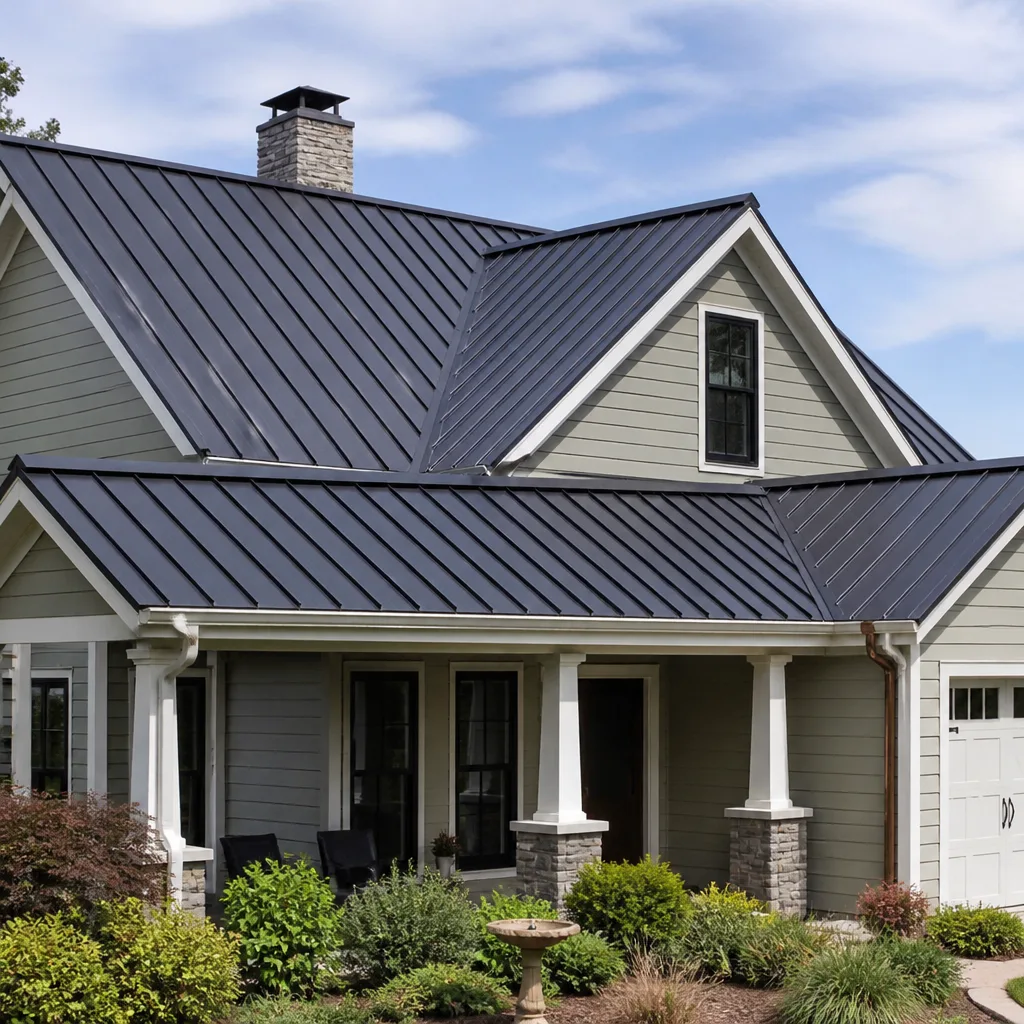 Metal roofing
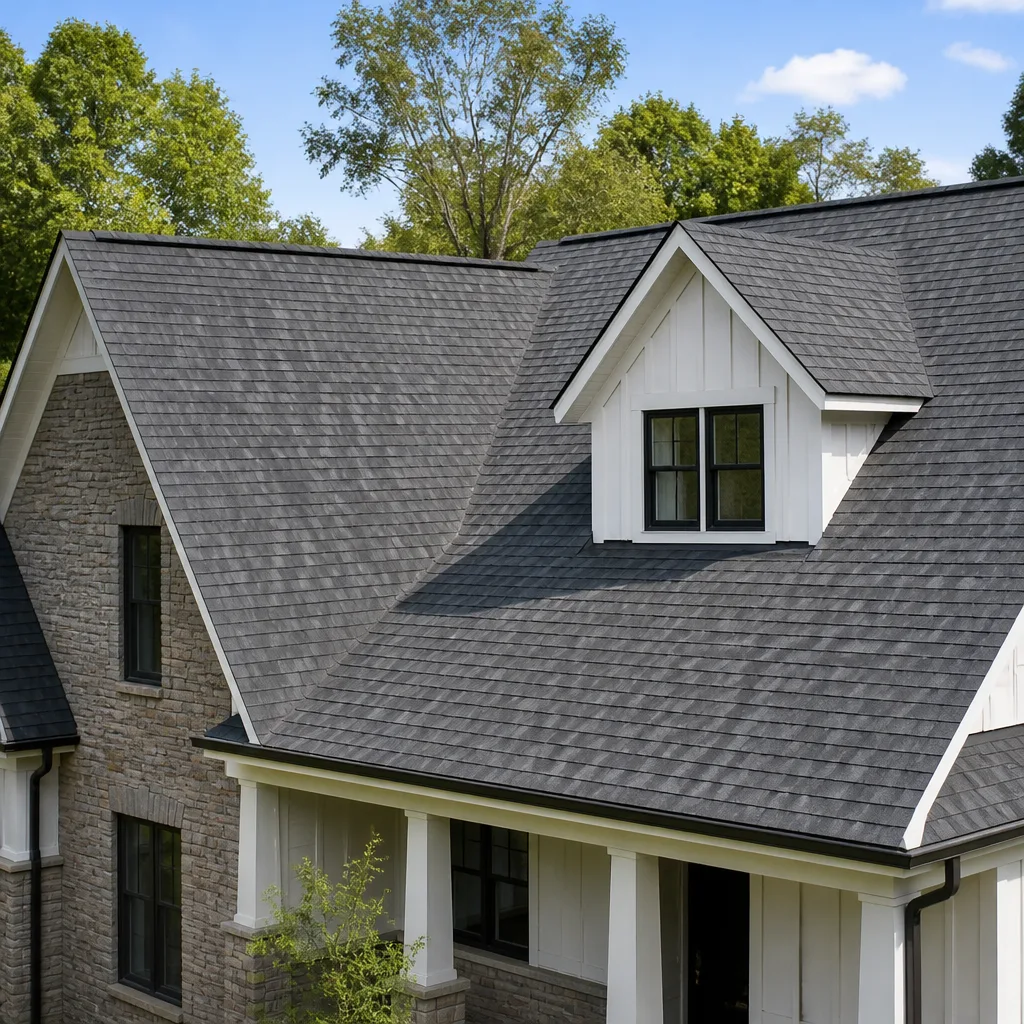 Architectural shingles
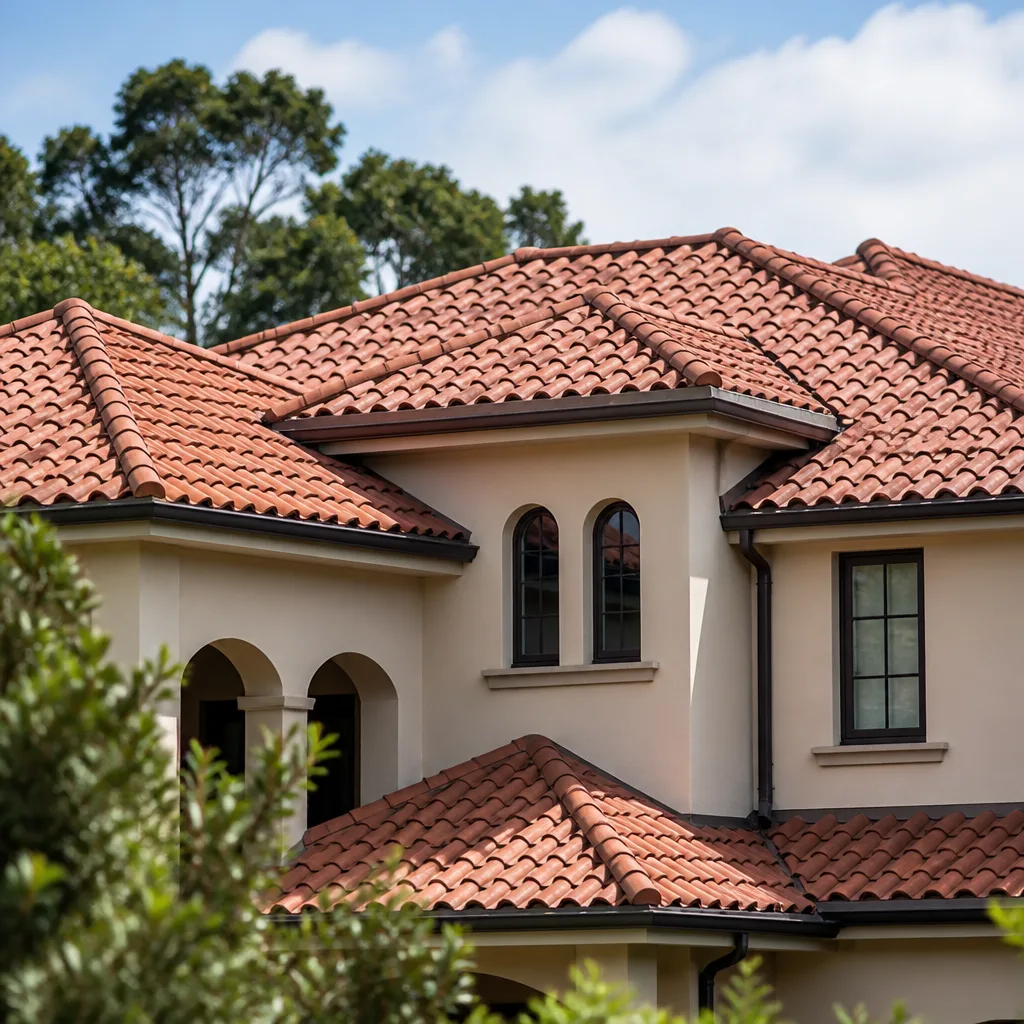 Tile roofing
 GAF
 Owens Corning
 Flat & low-slope
Free roof inspection with deck photos before we talk money - GAF and Owens Corning certified installation
The Complete Metal Roofing Guide for Paradise Homeowners
A metal roof can last 50 years. The average Paradise homeowner moves in about eight. That gap is the whole conversation, and it’s the one most roofing guides skip. Your neighbor on the next street just sold with 15-year-old tile on the roof and got a fair price for it, so the honest question isn’t “how long does metal last” – it’s whether a $22,000 standing-seam roof ever earns that money back in a stucco-and-tile neighborhood where resale comps rule everything. This guide answers the Paradise version of that question. We’ll cover HOA approval, how cool-metal performs in a 115°F August, which metal suits Paradise’s UV and monsoon wind, what buyers actually pay for, and the noise myth that refuses to die.
Quick Answer
Metal roofing in Paradise usually costs between $18,000 and $35,000 for a typical single-story home, lasts 40 to 70 years, and reflects enough summer sun to cut attic heat gain noticeably compared to asphalt shingle. Whether it pays you back depends less on the metal itself and more on your HOA’s architectural rules, how long you plan to stay, and what buyers on your street are actually paying for. If you’re selling in the next five years, tile or a quality shingle replacement usually wins the math. If you’re staying put, metal often does.
Styles & brands we work with
- Architectural shingles
- Metal roofing
- Tile roofing
- GAF
- Owens Corning
- Flat & low-slope
Table of Contents
- Will Your HOA Actually Approve a Metal Roof in Paradise?
- Metal vs. Shingle on a 115°F August Day in Paradise
- Steel vs. Aluminum vs. Stone-Coated Steel for Paradise
- Does Metal Roofing Add Resale Value in Paradise?
- Are Metal Roofs Loud? The Nevada Reality
- The Metal Roof Installation Process, Step by Step
- What Metal Roofing Costs in Paradise
- Common Mistakes to Avoid
Will Your HOA Actually Approve a Metal Roof in Paradise?
Some Paradise HOAs approve metal without much fuss, some require a concealed-fastener profile, and a few ban exposed-fastener panels outright. The only way to know is to read your CC&Rs before you sign a roofing contract. We’ve watched homeowners fall in love with a standing-seam quote, put down a deposit, then discover their architectural committee requires the whole neighborhood to match tile. That’s an expensive lesson in reading the fine print first.
Paradise is a patchwork of associations, and the rules vary block to block. Here’s the pattern we see most often:
- Concealed-fastener friendly: Many associations that allow metal at all require standing seam or another hidden-clip system because there are no exposed screws to rust or telegraph through the finish. These read as “architectural metal” and tend to pass review.
- Exposed-fastener restricted: Corrugated and through-fastened panels with visible screws often get bounced unless the color and profile match an approved palette. Some boards treat them as too “agricultural” for a stucco streetscape.
- Outright bans: A handful of tighter associations prohibit metal entirely to protect uniform tile or shingle appearance. No amount of cool-roof data changes a recorded CC&R.
If you’re weighing a metal upgrade against other options, our Metal Roofing in Paradise page walks through the systems we install, and our Roof Replacement & Installation in Paradise page covers how a full replacement is scoped. Start with the HOA, though. Approval first, contract second.
How the Approval Process Usually Works
- Pull your CC&Rs and any architectural guidelines from your HOA portal or management company.
- Get a written material spec from your roofer: profile name, color, finish, and fastener type.
- Submit an architectural request with that spec, a color sample, and a rendering or photo of a comparable home if you can find one.
- Attend the board or architectural committee meeting in person. A five-minute explanation of concealed fasteners and color match goes further than a stack of paper.
- Keep the written approval in your file. You’ll want it if you ever sell.
Metal vs. Shingle on a 115°F August Day in Paradise
On a 115°F August afternoon in Paradise, a cool-metal roof with a reflective coating stays measurably cooler at the surface than a standard asphalt shingle roof, and that difference shows up as less heat pushing into your attic. Metal reflects solar radiation instead of absorbing it the way dark shingles do. The shingle roof soaks up sun, heats its own mass, and radiates that heat downward into the attic well after sunset. Metal sheds it.
What that means in practical terms for a Paradise home:
- Surface temperature: A reflective metal roof can run 50°F to 60°F cooler at the surface than a dark asphalt shingle on a peak summer day. That’s the number that matters, because surface heat drives attic heat.
- Attic temperature: Cooler deck surface means a cooler attic, which eases the load on your air conditioner during the brutal June-through-September stretch.
- Evening comfort: Because metal doesn’t store heat the way shingle mass does, it stops radiating into the attic after sundown. Shingle roofs keep cooking for hours.
- Color matters: A light “cool roof” rated finish outperforms a dark metal panel. Ask your roofer for the solar reflectance and thermal emittance figures, not just the color name.
We’re not going to promise a specific dollar savings on your power bill, because that depends on your insulation, your AC, and how you set the thermostat. What we can tell you is that in the Las Vegas Valley, the reflective finish is the whole point of choosing metal for heat. A dark metal roof without a cool-roof coating gives up most of that advantage.
Steel vs. Aluminum vs. Stone-Coated Steel for Paradise
Paradise throws three specific things at a roof: intense UV, monsoon wind gusts, and a lot of low-slope patio covers where water pools before it drains. Each metal type answers those challenges differently. Here’s how they map to a Paradise home.
Steel (Galvalume or Galvanized)
Steel is the workhorse. It’s strong, it takes a quality painted finish well, and standing-seam steel handles monsoon wind when it’s fastened correctly. It’s also the most common choice for Paradise homes that pass HOA review. The catch is edge rust: any cut edge or scratch that isn’t sealed can start to corrode. That’s why the install detail matters as much as the panel. Ask your bidder how they treat cut edges and whether they use a butyl sealant at penetrations.
Aluminum
Aluminum won’t rust, which makes it a natural fit for Paradise’s dry climate and any home near a pool with splash and humidity. It’s lighter than steel and forms cleanly into standing seam. The trade-off is cost and dent resistance. Aluminum dents more easily than steel, so it’s a better fit for a clean roofline without low-hanging tree limbs than for a home surrounded by mesquite.
Stone-Coated Steel
Stone-coated steel gives you the look of tile or shake while keeping the weight and performance of metal. In a stucco-and-tile neighborhood, this is often the profile that gets HOA approval when true standing seam doesn’t, because from the street it reads as a conventional roof. We’ve set stone-coated steel from Boral and it’s a strong middle path for Paradise homeowners who want metal performance but need to match a tile streetscape.
Whichever you choose, the name brands matter less than the finish warranty and the install. CertainTeed, Owens Corning, IKO, and Atlas all make products that perform well in this climate when they’re installed correctly. A premium panel on a sloppy deck is still a bad roof.
Does Metal Roofing Add Resale Value in Paradise?
Here’s the honest answer: metal roofing adds resale value in Paradise, but appraisers credit it more cautiously than buyers do. In our experience, a buyer walking a home with a newer metal roof visibly relaxes – they see a 40-to-70-year roof and stop worrying about a five-figure replacement. An appraiser, working from comps, may only adjust a fraction of the metal’s cost into the valuation. The buyer’s reaction and the appraisal number are two different things, and you need both to run the math.
What we see on the ground in Paradise:
- Buyers pay attention to roof age more than material. A 10-year-old quality tile roof outsells a 20-year-old shingle roof every time, metal or not.
- Metal helps most on homes that compete against older shingle roofs. If every comp on your street has 18-year-old shingles, a metal roof stands out and can justify a premium.
- Metal helps least when your neighbors all have newer tile. In a tile-matched subdivision, a metal roof that clashes with the streetscape can actually hurt curb appeal unless it’s a stone-coated profile that reads as tile.
- Documentation matters. Keep the material spec, the finish warranty, and the HOA approval. A buyer’s agent will ask for all three.
The eight-year average tenure in Paradise is the key. If you’re staying 15 years or more, the metal roof’s longevity and lower maintenance usually win the long game. If you’re moving in five, run the resale numbers on your specific street with a local agent before you commit to a $22,000 upgrade.
Are Metal Roofs Loud? The Nevada Reality
Metal roofs are not loud in a Paradise home with solid decking and standard attic insulation. The “sounds like a drum” complaint comes from uninsulated agricultural buildings and bare-metal sheds, not from a house with plywood or OSB sheathing under the panels. Once you put solid decking and a layer of insulation between the metal and your ceiling, the difference between a metal roof and a shingle roof in the rain is barely noticeable.
Why the myth survives: people hear a metal barn roof in a hailstorm and assume every metal roof works that way. It doesn’t. The decking breaks up the sound, and the mass of a finished ceiling absorbs what’s left. If noise is your worry, the fix is the same thing that makes a good roof anyway – a solid, fully sheathed deck. Insulated panels or a layer of underlayment add another buffer. Ask your roofer what’s going under the metal, because bare purlins with no deck are where the noise complaints actually originate. In a Paradise home built to code with standard sheathing, you’ll hear rain on a metal roof about the way you hear it on a shingle roof.
The Metal Roof Installation Process, Step by Step
A metal roof in Paradise follows a sequence, and skipping any step is where problems start. Here’s how a proper install runs, so you know what to watch for when you’re comparing bids.
- Tear-off and deck inspection. The old roof comes off and the deck gets inspected for rot, soft spots, and bad nailing. This is the moment a good roofer slows down. We show deck photos before we talk money for a reason – the deck is where surprises hide.
- Deck repair and underlayment. Bad sheathing gets replaced. A high-temp, ice-and-water or synthetic underlayment goes down. In the Las Vegas Valley heat, the underlayment spec matters; cheap felt bakes and fails.
- Flashing and penetrations. Every vent, valley, chimney, and skylight gets flashed before panels go on. This is the step that keeps monsoon rain out of your house.
- Panel layout and attachment. Panels get laid out for wind uplift and clipped or fastened per the manufacturer’s spec. The nailing pattern earns the wind rating, not the shingle wrapper – for metal, the clip spacing and fastener pattern are what hold it down in a gust.
- Trim, ridge, and closure. Ridge caps, rake trim, and closures go on to close every seam.
- Final inspection and walkthrough. The roofer walks the finished roof with you, checks penetrations, and hands over the warranty paperwork.
A roof is measured in squares. Ask any bidder how many squares they counted. If one number is wildly lower than the rest, they mismeasured or they’re planning to cut corners on waste and flashing.
What Metal Roofing Costs in Paradise
Metal roofing in Paradise typically runs $18,000 to $35,000 for a standard single-story home, depending on the system, the square count, and how much deck repair it needs. The ranges below are what we see in this market for a typical 2,000-to-2,500 square foot home. Prices move with material and labor, so treat these as a planning range, not a quote.
- Exposed-fastener steel (corrugated): roughly $8.50 to $12 per square foot installed – the budget option, but the one most likely to run into HOA restrictions.
- Standing-seam steel: roughly $12 to $18 per square foot installed – the most common choice that clears HOA review.
- Stone-coated steel: roughly $11 to $16 per square foot installed – the tile-look option for stucco subdivisions.
- Aluminum standing seam: roughly $16 to $22 per square foot installed – premium corrosion resistance, lighter panel.
- Deck repair: $150 to $400 per sheet of damaged sheathing, if it’s found during tear-off.
A few things decide where you land in that range: the square count, the number of valleys and penetrations, whether the deck needs repair, and the panel profile. A simple gable roof costs less per square than a cut-up roof with dormers and multiple valleys. When you get bids, ask each roofer to break out material, labor, tear-off, and deck allowance separately. A written line-item quote is how you compare apples to apples. For a broader look at how repair versus replacement pencils out, our Roof Repair in Paradise page covers the small-job side.
Common Mistakes to Avoid
- Booking the metal before the HOA says yes. We’ve seen homeowners put down deposits on a profile their board later rejects. Get written architectural approval before you sign anything.
- Choosing a dark panel without a cool-roof finish. In the Las Vegas Valley heat, a dark metal roof without reflective coating gives up most of the heat benefit. Ask for the reflectance rating.
- Skipping the deck inspection. A metal roof over a soft, rotted deck is a leak waiting to happen. Insist on a tear-off and a deck look, and ask for photos.
- Comparing bids by bottom line only. The cheap bid is often cheap because it skips underlayment quality, flashing detail, or deck replacement. Compare line items, not totals.
- Hiring a storm chaser who’s gone by Friday. After a monsoon or hail event, out-of-state outfits roll through Paradise and disappear. Ask for a local address and a license number you can look up.
- Ignoring the fasteners on an exposed panel. Visible screws that aren’t the right type or aren’t properly gasketed will rust and leak within a few years in this climate.
- Forgetting the noise and insulation questions. Ask what’s going under the metal. Bare purlins without decking are where the “loud metal roof” complaints actually come from.
See the difference
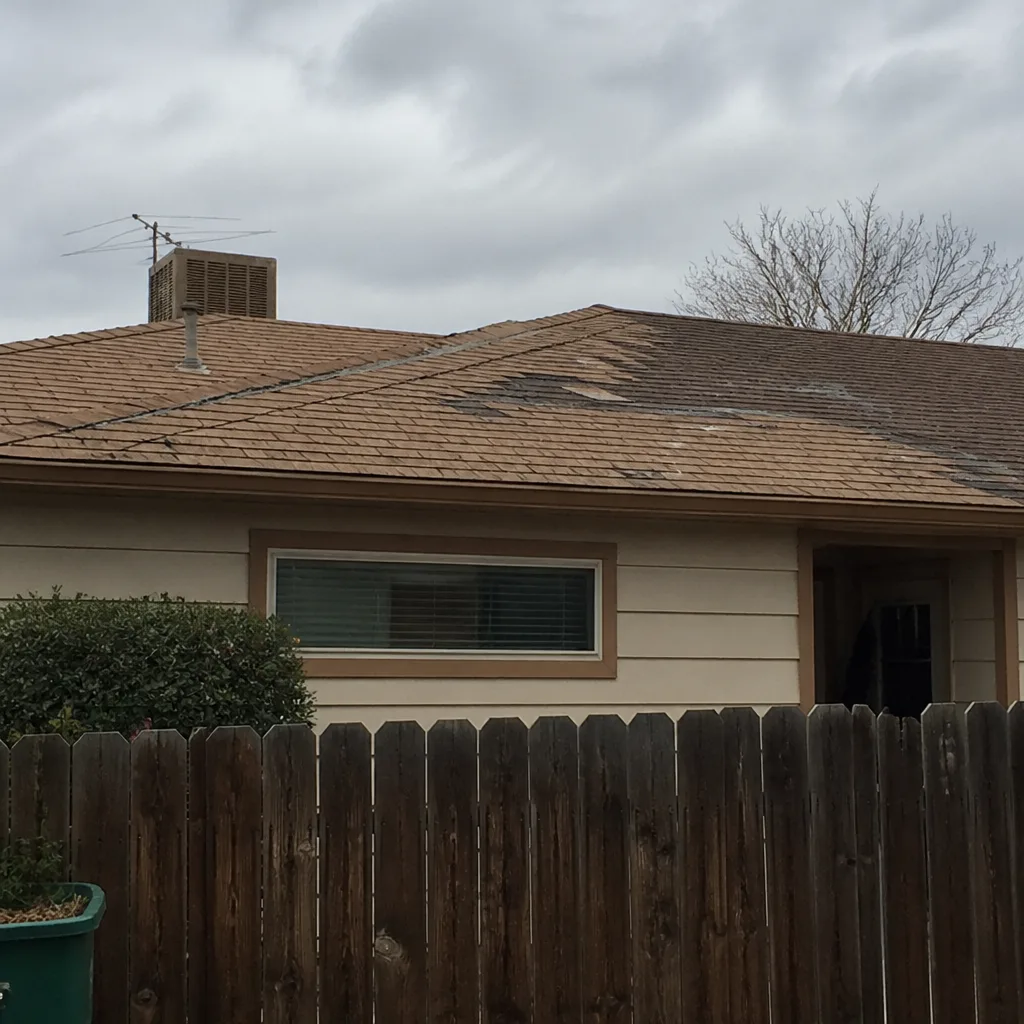 Before
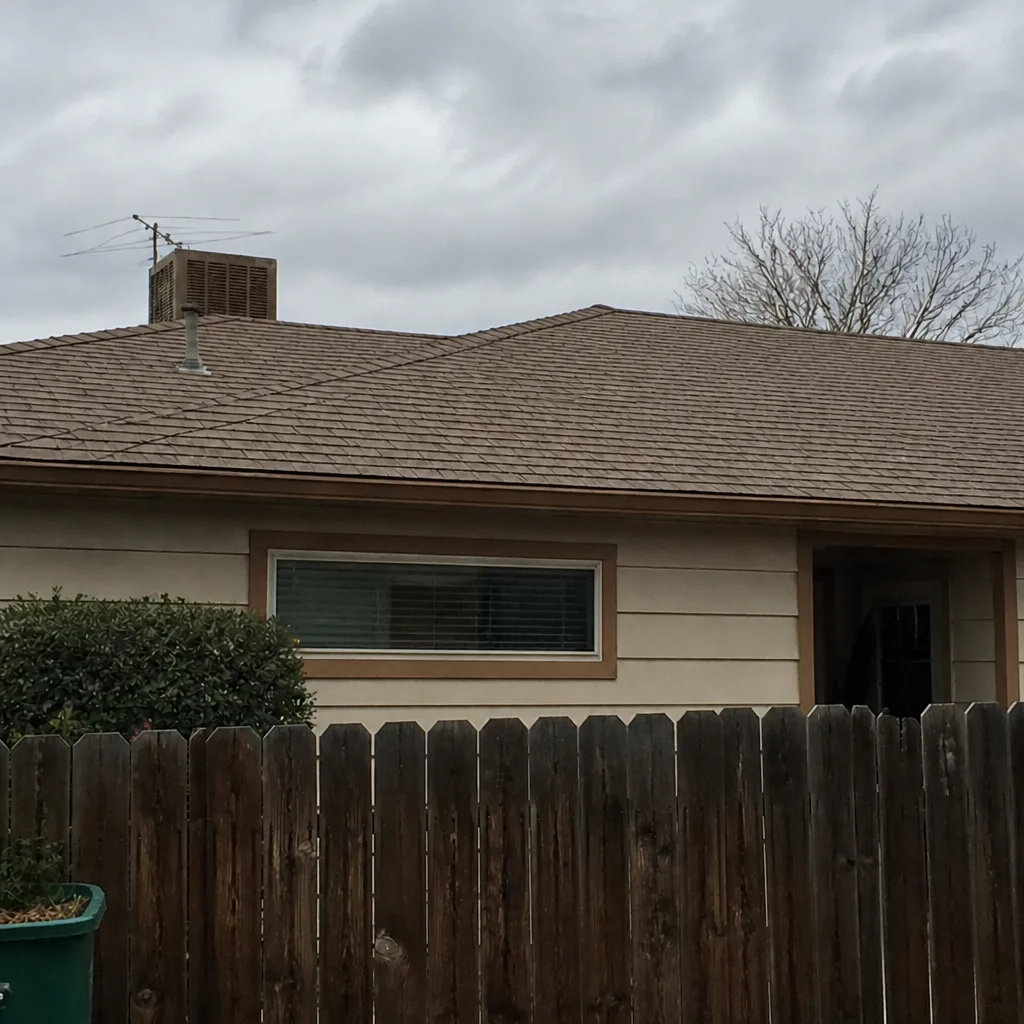 After
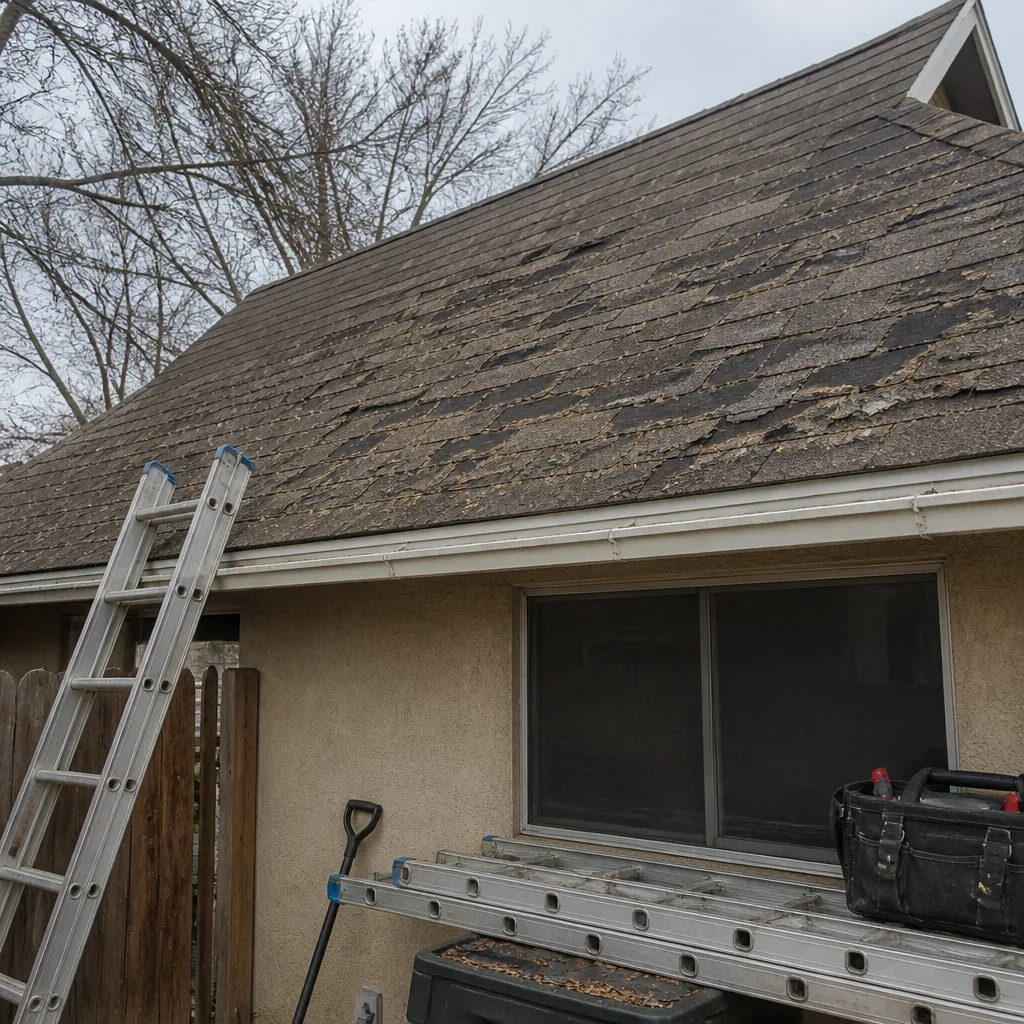 Before
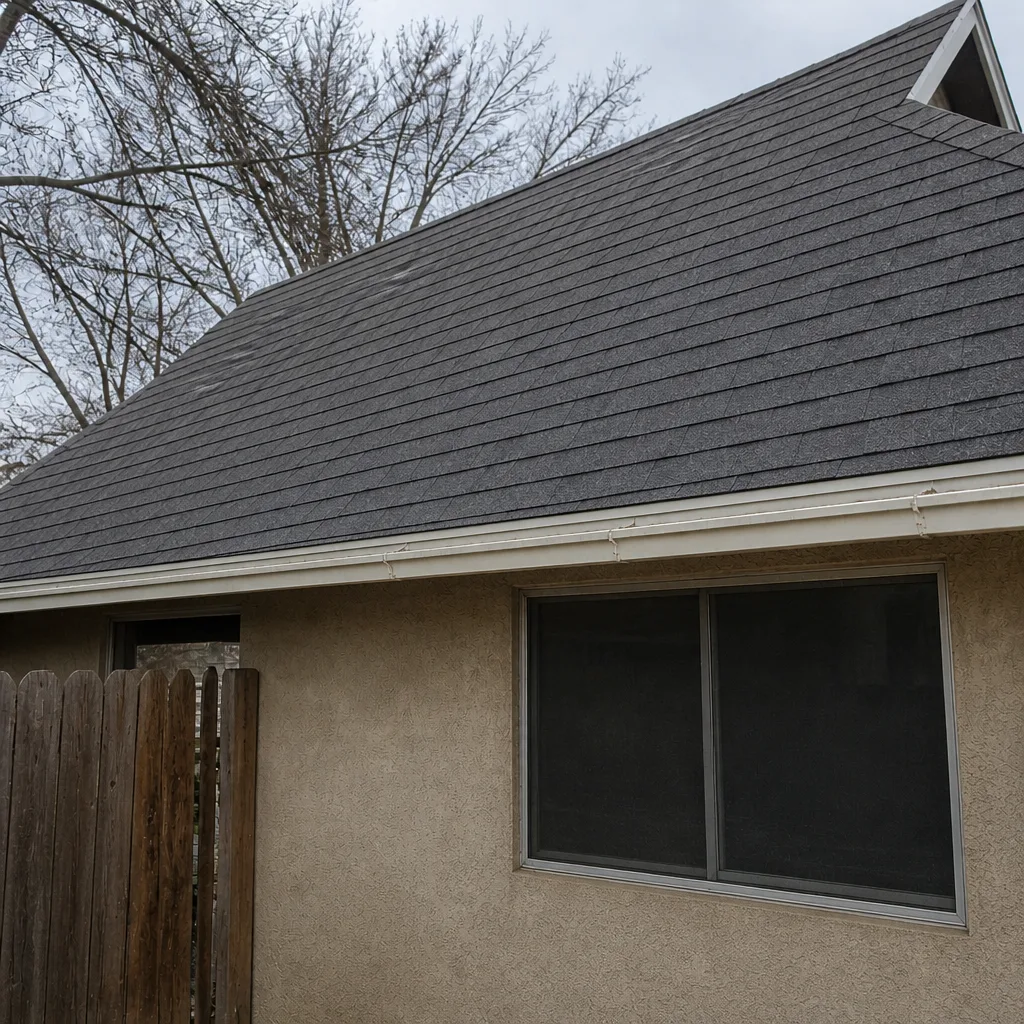 After
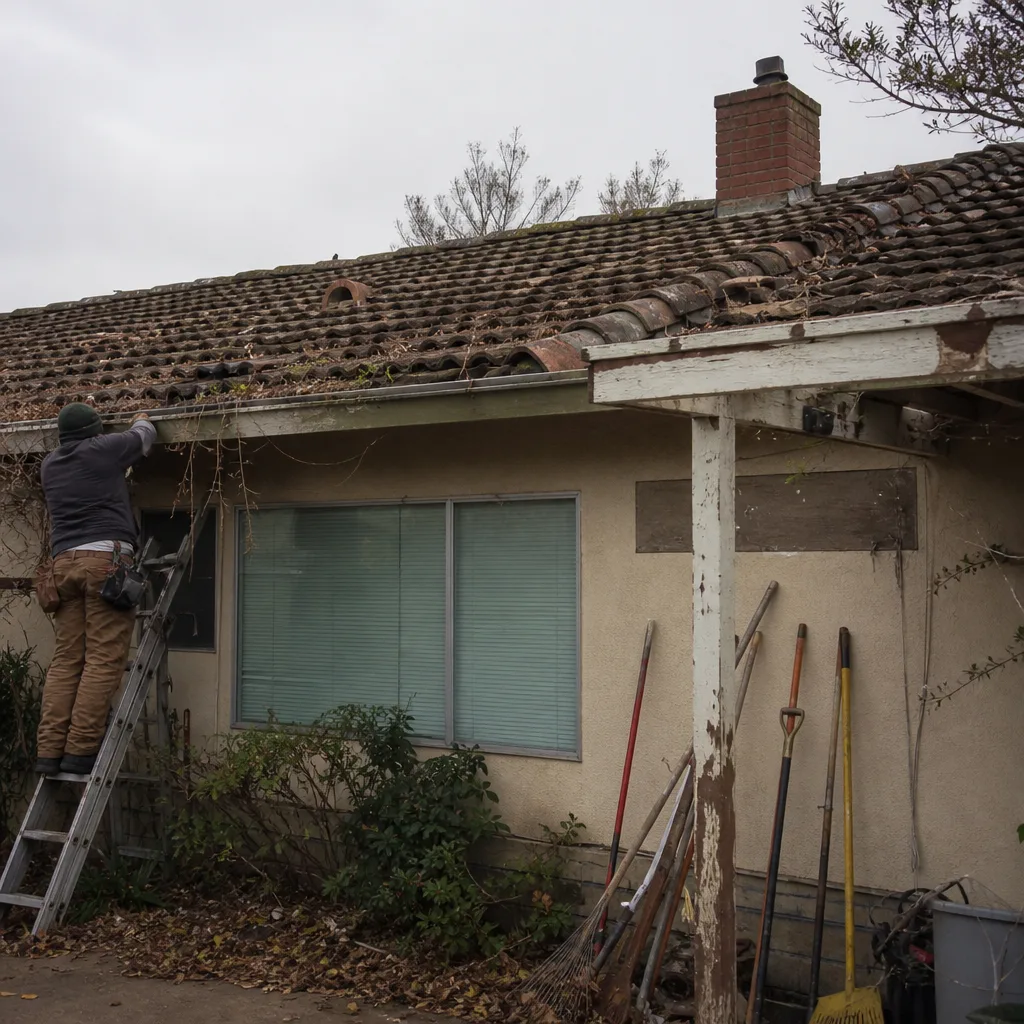 Before
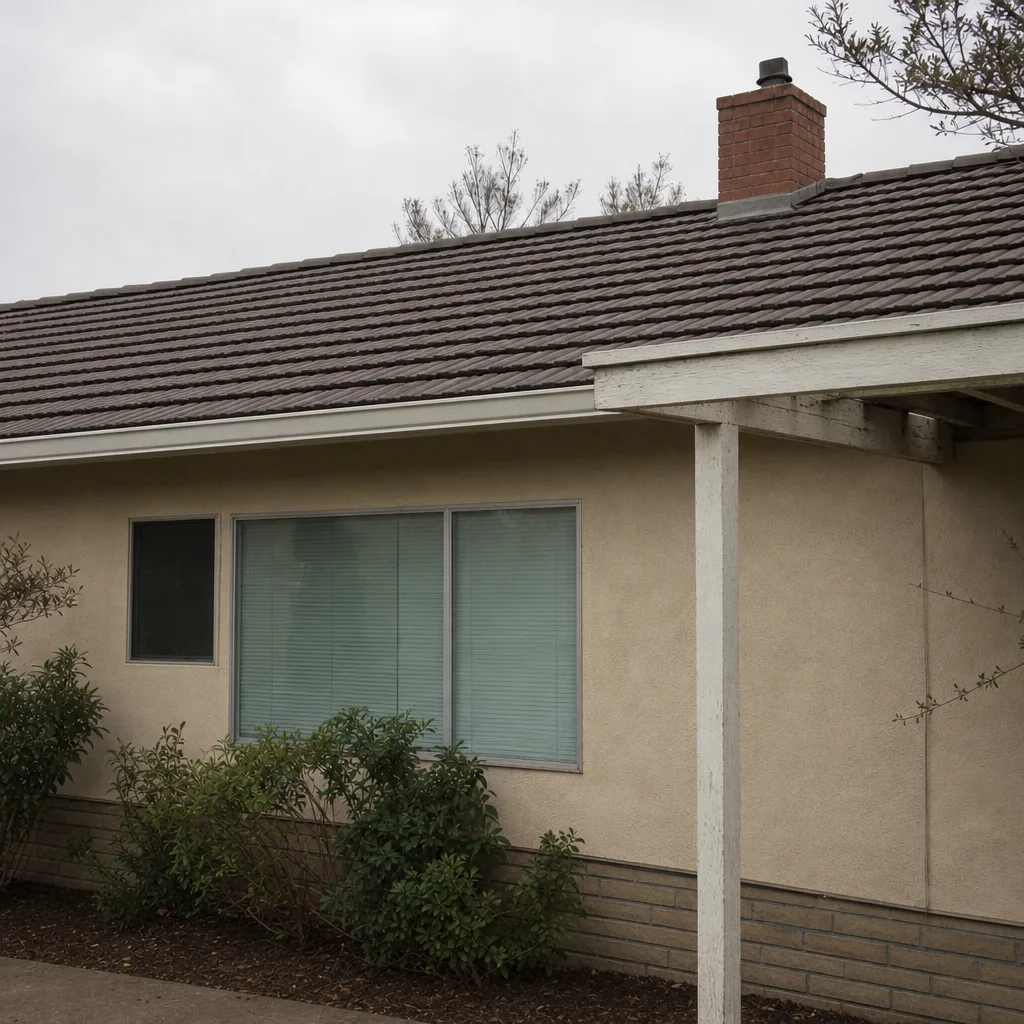 After
When to Call a Professional
Metal roofing isn’t a weekend project, and Paradise’s monsoon wind and blazing UV punish shortcuts. Call a professional if your current roof is over 20 years old and you’re considering a switch, if your HOA rejected a bid and you need a profile that will pass review, if you see rust streaks or loose fasteners on an existing metal roof, or if a monsoon gust lifted a panel and you’re not sure how it’s anchored. Panel attachment and flashing are where a metal roof succeeds or fails, and getting those wrong risks leaks and injury during the work itself. Shepherd & Sons Roofing Paradise offers free estimates in Paradise – call (833) 676-0557. We’ll show you the deck before we talk money, and you’ll get a written line-item quote you can actually compare.
Frequently Asked Questions
A metal roof in Paradise typically lasts 40 to 70 years, depending on the metal and finish. Steel and aluminum standing seam sit at the high end; stone-coated steel lands closer to 40 to 50. The Paradise heat and sun will fade a poor finish faster than a quality one, so the finish warranty matters as much as the metal type. Call (833) 676-0557 for a free estimate on your specific roof.
It can be, but only after your HOA approves the specific profile. In subdivisions where tile dominates, a stone-coated steel roof that reads as tile usually clears review and still gives you metal performance; exposed-fastener panels often get rejected. Approval first, contract second. Call (833) 676-0557 and we’ll help you sort out what your board is likely to accept.
A cool-metal roof with a reflective coating keeps the surface cooler than standard asphalt shingle on a 115°F August day, which means less heat pushing into the attic. A dark metal panel without a cool-roof finish loses most of that advantage. Ask for the solar reflectance and thermal emittance numbers before you choose a color.
Metal roofing in Paradise usually runs $18,000 to $35,000 for a standard single-story home. Standing seam lands around $12 to $18 per square foot installed, stone-coated steel around $11 to $16, and exposed-fastener corrugated around $8.50 to $12. The exact number depends on square count, valleys, penetrations, and whether the deck needs repair. Call (833) 676-0557 for a written line-item quote – estimates are free.
Metal roofing helps resale in Paradise, but appraisers credit it more cautiously than buyers do. Buyers notice a 40-to-70-year roof and it eases their worry; appraisers working from comps may only adjust a fraction of the cost. It helps most on homes competing against older shingle roofs and least in tile-matched subdivisions. If you’re selling within five years, run the numbers with a local agent first.
No, not in a home with solid decking and standard insulation. The “loud metal roof” complaint comes from uninsulated agricultural buildings and bare-metal sheds. With plywood or OSB sheathing under the panels, the difference in rain noise between metal and shingle in a Paradise home is barely noticeable. Ask your roofer what’s going under the panels.
The Bottom Line
Metal roofing in Paradise is a good roof and a real upgrade, but it’s not automatically a good investment for everyone. The heat performance is genuine when you choose a cool-roof finish. The longevity is real. What decides whether it pencils out is your HOA’s rules, how long you plan to stay, and what buyers on your specific street are paying for. If you’re settling in for 15 years, a standing-seam or stone-coated steel roof usually earns its keep. If you’re moving in five, run the resale math first. Either way, get the HOA approval in writing, insist on a deck inspection, and compare line-item quotes. For more on the services behind these decisions, visit our Shepherd & Sons Roofing Paradise home page or browse the full guide above.
Ready to look at your options? Call Shepherd & Sons Roofing Paradise at (833) 676-0557 for a free estimate. We’ll show you the deck photos, count the squares with you, and put the number in writing. Standing offers include a Free Second Opinion on any written estimate and No Trip Charge Inside Our Own County.
Written by the team at Shepherd & Sons Roofing Paradise.