
Last updated November 17, 2026
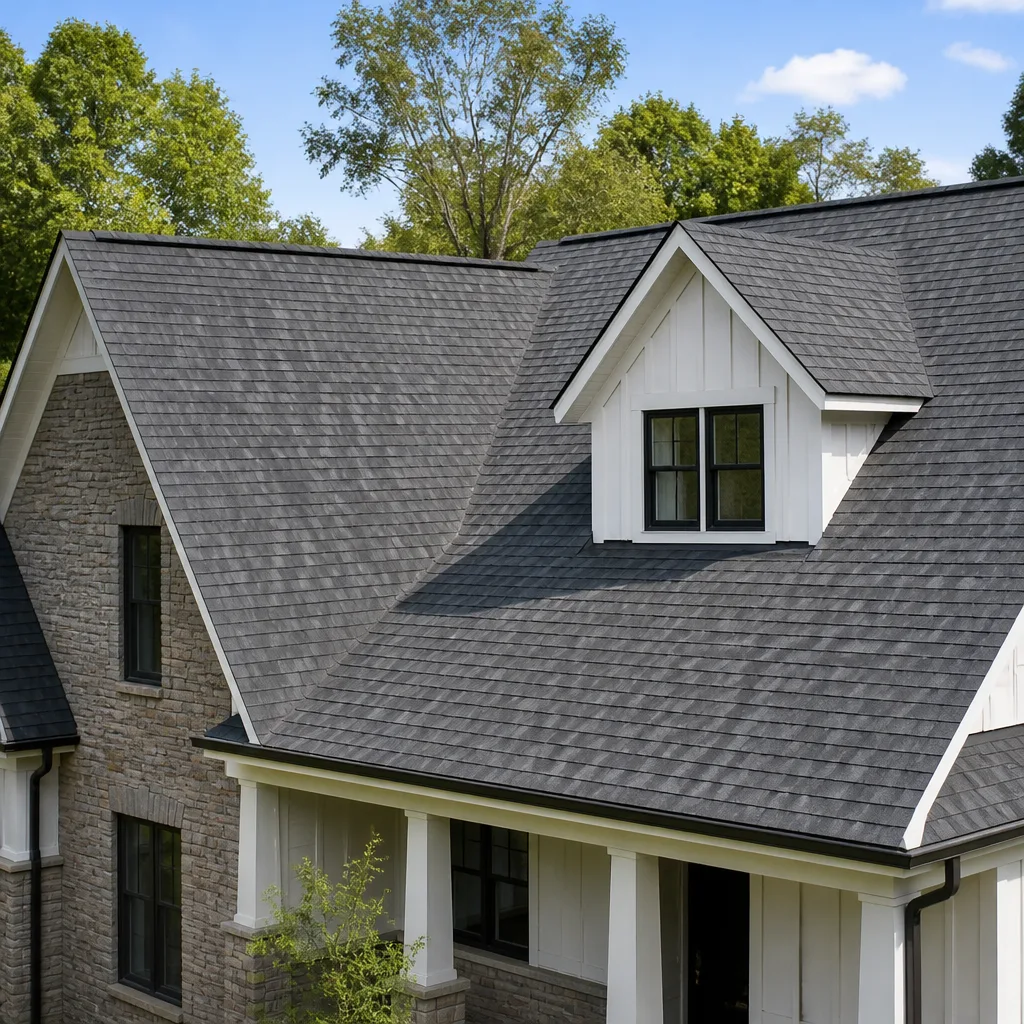 Architectural shingles
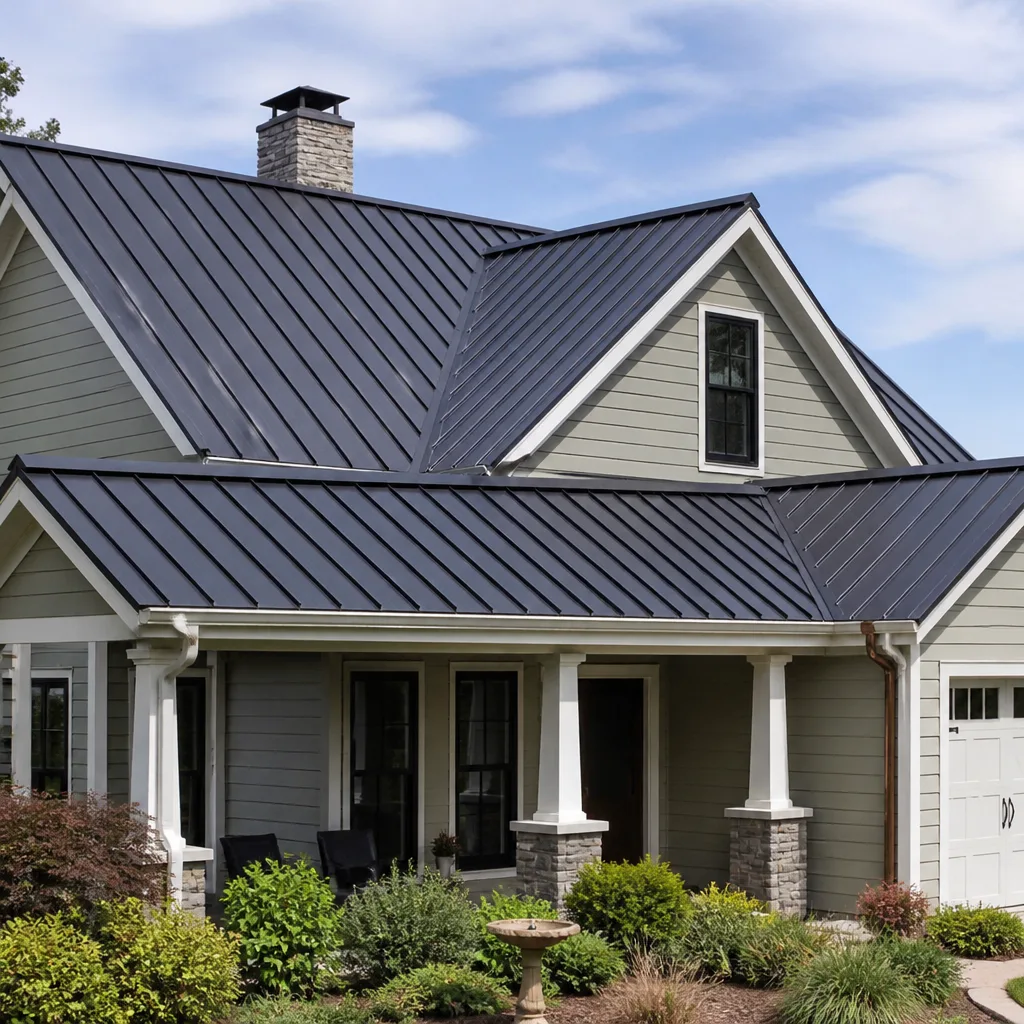 Metal roofing
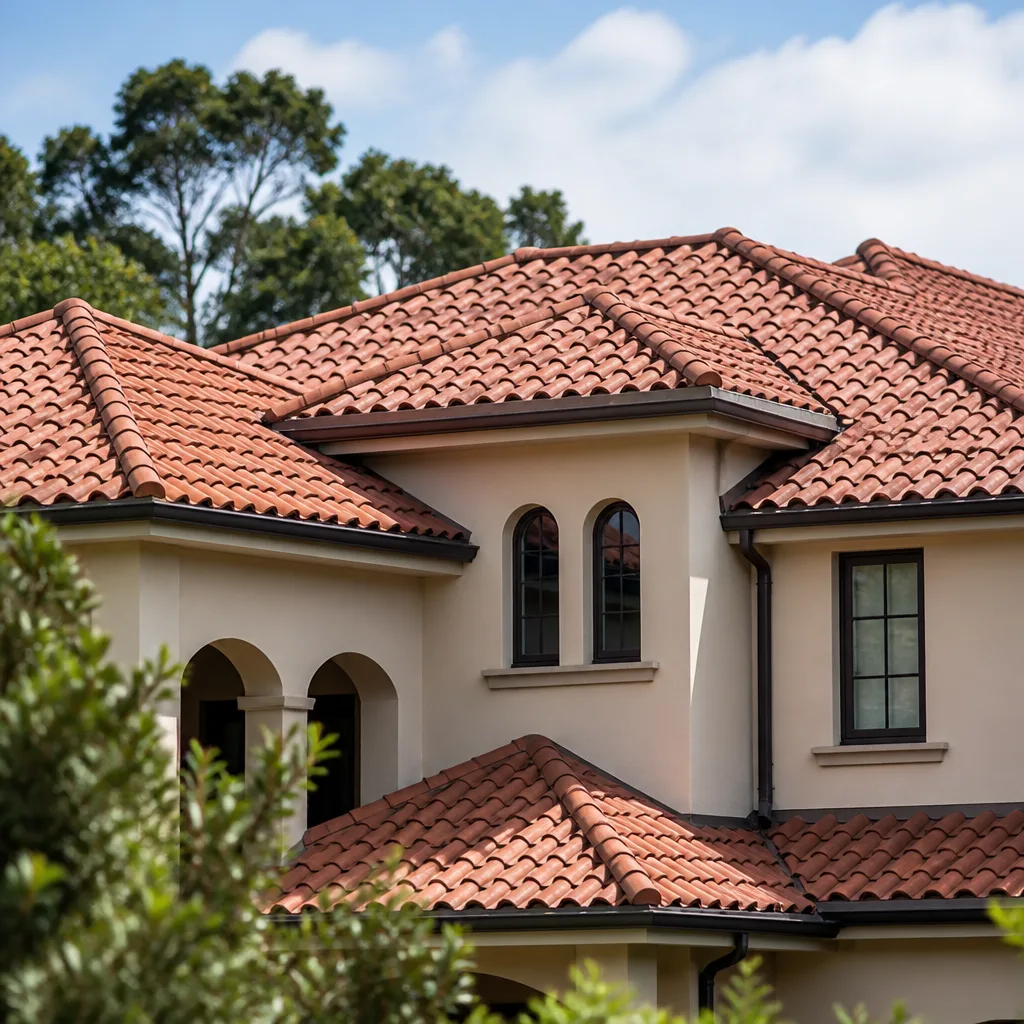 Tile roofing
 GAF
 Owens Corning
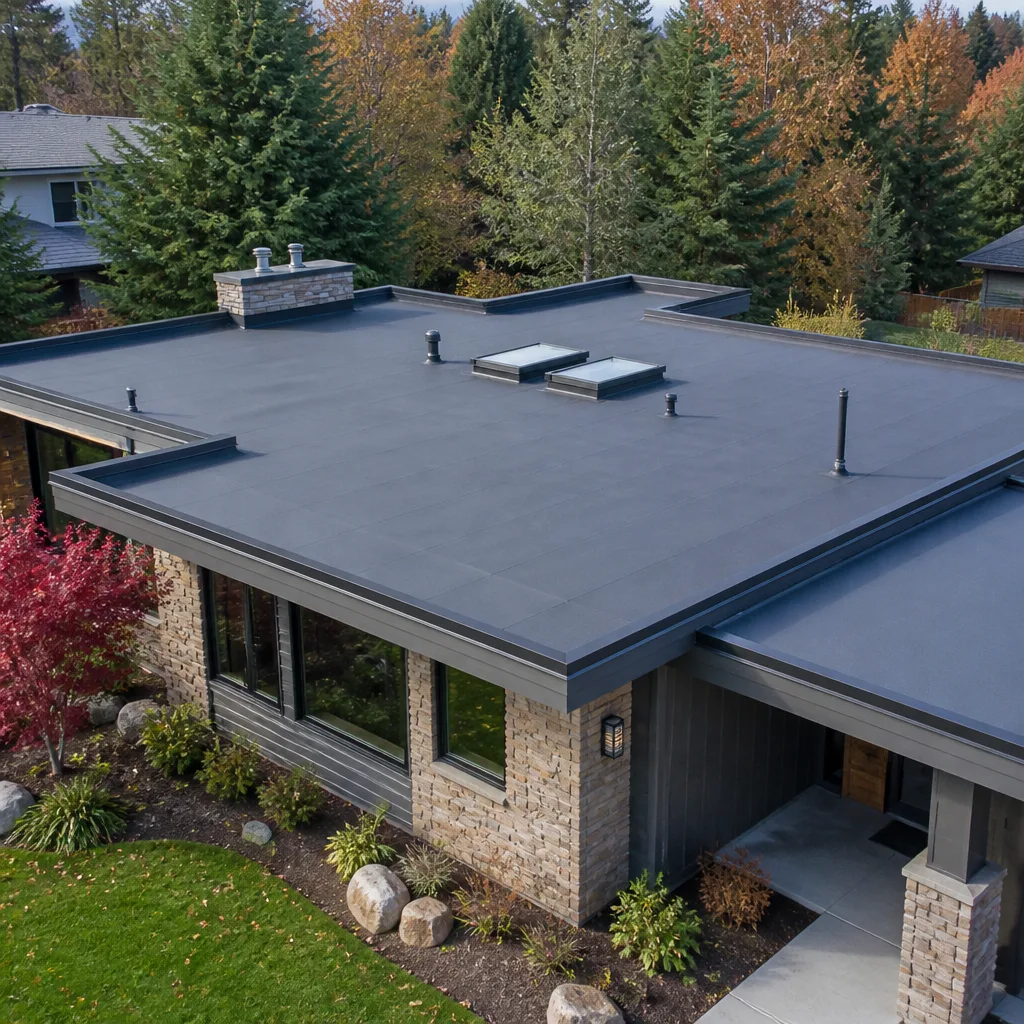 Flat & low-slope
Free roof inspection with deck photos before we talk money - GAF and Owens Corning certified installation
The Complete Roof Repair Guide for Paradise Homeowners
Most roof repair guides are written somewhere it rains regularly. Paradise, NV gets about 4 inches of rain a year – but when it comes, it comes fast, and your roof was probably baked at 160°F on the deck surface the week before. That swing is what breaks roofs here, not steady weather. We’ve been repairing roofs in Paradise long enough to know that advice written for Phoenix or Las Vegas proper can actually get you into trouble in this valley. Below you’ll find how UV, caliche soil, and the monsoon-to-drought cycle create failure points generic guides never mention, how to read a Paradise estimate line by line, and when a repair is worth doing versus when it’s time to plan a replacement.
Quick Answer
Roof repair in Paradise, NV usually means fixing UV-brittled sealant, cracked flashing, and lifted shingles rather than storm-torn damage, and most repairs fall between $350 and $1,500 depending on how much decking and flashing is involved. The right repair schedule here follows the wet-dry cycle: seal and flash before monsoon season in July, and inspect for heat and soil movement damage after it passes in September. Get a written line-item estimate, confirm the permit, and never let anyone start work without showing you the deck.
Styles & brands we work with
- Architectural shingles
- Metal roofing
- Tile roofing
- GAF
- Owens Corning
- Flat & low-slope
Table of Contents
- Why UV Degrades Sealant and Flashing Faster Than the Label Says
- Caliche Soil, Nail Pops, and Ridge Shifts That Look Like Wind Damage
- The Paradise Wet-Dry Cycle: What to Fix Before and After Monsoon Season
- How to Read a Paradise Roofing Estimate Line by Line
- Do You Need a Permit for Roof Repair in Paradise, NV?
- Which Materials Hold Up in Paradise Heat
- Repair or Replace? How to Decide
- Common Mistakes to Avoid
Why UV Degrades Sealant and Flashing Faster Than the Label Says
Manufacturers test their sealants and flashing tapes against a UV exposure model, but that model doesn’t account for the intensity of southern Nevada sun. Paradise sits at roughly 2,700 feet with cloudless skies roughly 300 days a year, and the deck surface on an asphalt roof routinely hits 160°F in July. At that temperature, pipe boot rubber, sealant beads, and flashing caulk cure hard and crack years before the package says they should.
What we see in Paradise that you won’t read on a product data sheet:
- Pipe boots – the rubber collar around plumbing vents – often fail at 6 to 8 years instead of the 12 to 15 years the label suggests. Once the rubber cracks, water runs straight down the pipe into the ceiling.
- Flashing sealant around skylights and chimney edges shrinks and pulls away from metal within 3 to 5 years, leaving a hairline gap that the monsoon finds fast.
- Ridge caps lose their seal and lift at the edges, not from wind, but from the constant expansion and contraction of a roof that’s 50°F at dawn and 140°F by afternoon.
- Shingle granules shed faster on south and west-facing slopes, so a roof can show bare spots on one side while the other side still looks new.
If a bidder tells you the roof looks fine because the shingles are only 10 years old, ask them what the pipe boots look like. In our experience, the shingles outlast the flashings by a wide margin in this valley. The flashing is where the water gets in.
Caliche Soil, Nail Pops, and Ridge Shifts That Look Like Wind Damage
Much of the ground under Paradise lots is caliche – a hard, calcareous layer that doesn’t absorb water evenly. When water does get into the soil during a storm, caliche can shift and settle, and the foundation and sheer walls of the house move with it. That movement travels up to the roof framing, and it shows up as nail pops, sagging ridges, and lifted shingles that look like wind damage but aren’t.
Here’s how to tell the difference:
- Look at the pattern. Wind damage clusters on corners and edges facing the direction of the gust. Soil movement creates scattered damage across the middle of the roof.
- Look at the nails. A popped nail pushes the shingle up from underneath. A wind-lifted shingle pulls the nail head through or tears the shingle around it.
- Look at the ridge. A ridge that sags or dips in one section probably isn’t a shingle problem – it’s a framing problem underneath, and re-nailing shingles over it won’t fix it.
- Check the walls. Cracks in drywall near the ceiling, or doors that stick more than they used to, point to foundation movement that has reached the roof framing.
If a roof has soil-movement damage, we tell homeowners to get a structural opinion before we touch the shingles. Re-shingling a sagging roof is putting lipstick on a problem. The framing has to be sound first, and the repair estimate needs to reflect that. A bid that ignores the framing is a bid that will come back.
The Paradise Wet-Dry Cycle: What to Fix Before and After Monsoon Season
Paradise gets about 4 inches of rain a year, and most of it falls in a handful of hard storms between July and September. That means the roof goes months with zero moisture, bakes, dries out, and cracks – then gets hit with water in a short window. The repair schedule should follow that cycle.
Before monsoon season (April through June)
- Seal all flashings. Check pipe boots, skylight edges, chimney counter-flashing, and valleys. Any sealant that’s cracked or pulling away gets replaced before the first storm.
- Re-seat lifted shingles. Any shingle that’s curled or lifted at the edge gets re-nailed or replaced so the monsoon wind doesn’t peel it back.
- Clear the valleys and gutters. Debris in valleys holds moisture against the shingle and forms a dam during a hard storm. Clear it before the rain.
- Check the attic for daylight. Any light coming through the roof sheathing is a leak path the monsoon will find.
After monsoon season (September through November)
- Inspect for new damage. Hard rain and wind expose the weak spots. Walk the roof or have it walked after each major storm.
- Check the attic for staining. Fresh water stains on the rafters or sheathing tell you a leak happened during the storm.
- Look at the ceiling inside. A faint ring or brown spot on the drywall below a roof plane is water finding its way through.
- Re-seal any area the storm worked loose. The monsoon can push sealant out of a joint that was tight in June.
The other half of the cycle: don’t schedule a repair in the middle of an active monsoon if you can help it. Sealant and adhesive don’t cure properly on a wet deck, and a repair done in the rain is a repair that fails in the next rain. Waiting a week for dry weather is worth more than a rushed fix.
How to Read a Paradise Roofing Estimate Line by Line
A Paradise roofing estimate should be a written, line-item list of every material and labor step – not a single number on the back of a business card. Here’s what belongs in it, and what’s an upsell.
What should be on the estimate
- Number of squares. A roof is measured in squares – 100 square feet each. Ask any bidder how many they counted. A bid without a square count can’t be compared to another bid.
- Tear-off and disposal. Removing the old shingles and hauling them off has a cost. It should be listed separately from the new install.
- Underlayment. In Paradise, the underlayment takes a beating from heat. Make sure it’s specified by product, not just “felt.”
- Flashing and pipe boots. These are the parts that fail first here. They should be line items, not bundled into “misc.”
- Decking repair allowance. Any soft or rotted sheathing found during tear-off should have a per-sheet price listed in the estimate.
- Permit cost. If the job needs a permit, the permit fee and the pulling of it should be listed.
- Warranty terms. What’s covered, for how long, and who honors it.
What’s an upsell
- “Premium” underlayment that costs three times what a code-required product costs with no performance data to back it.
- Upgrading to a designer shingle on a repair – fine on a full replacement, usually unnecessary on a spot fix.
- Full replacement on a roof with isolated damage that a repair will handle.
We show deck photos before we talk money, because the deck is where the truth is. If a bidder won’t show you the condition of the decking, you’re guessing on the number. For a full-picture view of what a replacement estimate looks like versus a repair, see our Roof Repair in Paradise page.
Do You Need a Permit for Roof Repair in Paradise, NV?
For most roofing work in Paradise, yes – the local building department generally requires a permit for reroofs and for structural repairs, though minor repairs like replacing a few shingles or a single pipe boot usually fall under the repair exemption. The exact line depends on the scope, and the safest call is to ask the building department before work starts, or have your contractor ask. A roofer who pulls permits as a matter of course is a roofer who isn’t scared of inspection.
How to verify your contractor pulled one:
- Ask for the permit number in writing before work starts. It should appear on the contract.
- Call the building department and give them the address and permit number. They’ll confirm it’s active and matches the scope.
- Ask who the permit is pulled under. It should be under the licensed contractor doing the work, not the homeowner’s name.
- Check the final inspection. A permit that’s pulled but never inspected is a permit that means nothing. Ask for the signed-off inspection card.
Why does this matter on a small repair? Because in Paradise, an unpermitted repair can become a problem at resale. A buyer’s inspector will flag it, and the cost of making it right lands on you. The permit fee is a few hundred dollars; the resale headache is not. Our full Roof Replacement & Installation in Paradise page walks through what the permit and inspection process looks like on a larger job.
Which Materials Hold Up in Paradise Heat
Not every shingle ages the same way in southern Nevada. The combination of 300 days of sun and 160°F deck temps means the products built for cooler, wetter climates can underperform here. What we’ve found holds up:
- CertainTeed and Owens Corning architectural shingles with a heavier granule layer and a higher SBS-modified asphalt content hold their granules longer in the sun. The heavier the shingle, the more heat it takes to break it down.
- IKO and Atlas both make products rated for high-heat climates, and they’re worth comparing on a full replacement when the price is close.
- Metal roofing – especially standing seam – handles UV and heat swings better than asphalt and is worth considering on a home you plan to keep. See our Metal Roofing in Paradise page for a fuller comparison.
- Underlayment matters as much as the shingle. A synthetic underlayment rated for high heat will outlast a standard felt under the same sun.
The nailing pattern earns the wind rating, not the shingle wrapper. A high-wind-rated shingle installed with the wrong nail pattern will lift in a monsoon gust. Ask your bidder to specify the nailing pattern on the estimate, and ask what wind speed the install is rated for.
Repair or Replace? How to Decide
For a roof in Paradise, the decision usually comes down to three questions: age, extent of damage, and whether the deck is sound. Here’s the rough rule we use:
- Repair if the damage is isolated (a few shingles, a single flashing, one pipe boot), the roof is under 15 years old, and the deck is sound.
- Plan a replacement if the roof is over 20 years old, has multiple leak points, or has visible sagging or widespread granule loss on the south and west slopes.
- Investigate first if the damage pattern looks like soil movement rather than weather. A structural opinion comes before any roofing decision.
A repair on a 25-year-old roof in Paradise is often money spent to buy a year or two. A repair on a 10-year-old roof with one bad flashing is money well spent. The honest answer depends on what we see on the deck, and that’s why we show the photos before we quote.
Common Mistakes to Avoid
- Hiring a storm chaser who showed up after a monsoon. They quote a low number at the door and a higher one when the job is half-done. Ask for a physical address and a license number, and call the number on the license to confirm it’s real.
- Skipping the permit because “it’s just a repair.” In Paradise, unpermitted work can surface at resale and cost more than the permit. If the scope is structural or a full reroof, pull the permit.
- Sealing over a wet deck. Sealant won’t cure on a wet surface, and a repair done during an active monsoon fails in the next storm. Wait for dry weather.
- Ignoring a small pipe boot leak. A cracked pipe boot runs water down the pipe and into the ceiling. The repair is small; the water damage isn’t.
- Re-shingling over a sagging ridge. If the ridge is dipping from soil movement, new shingles won’t fix the framing underneath. Get a structural opinion first.
- Accepting a phone quote. Anybody can quote a number on the phone. A written line-item estimate after someone has been on the roof is the only quote worth comparing.
- Choosing the lowest bid without reading the scope. A low number usually means fewer squares counted, no flashing line item, or no permit. Compare line by line.
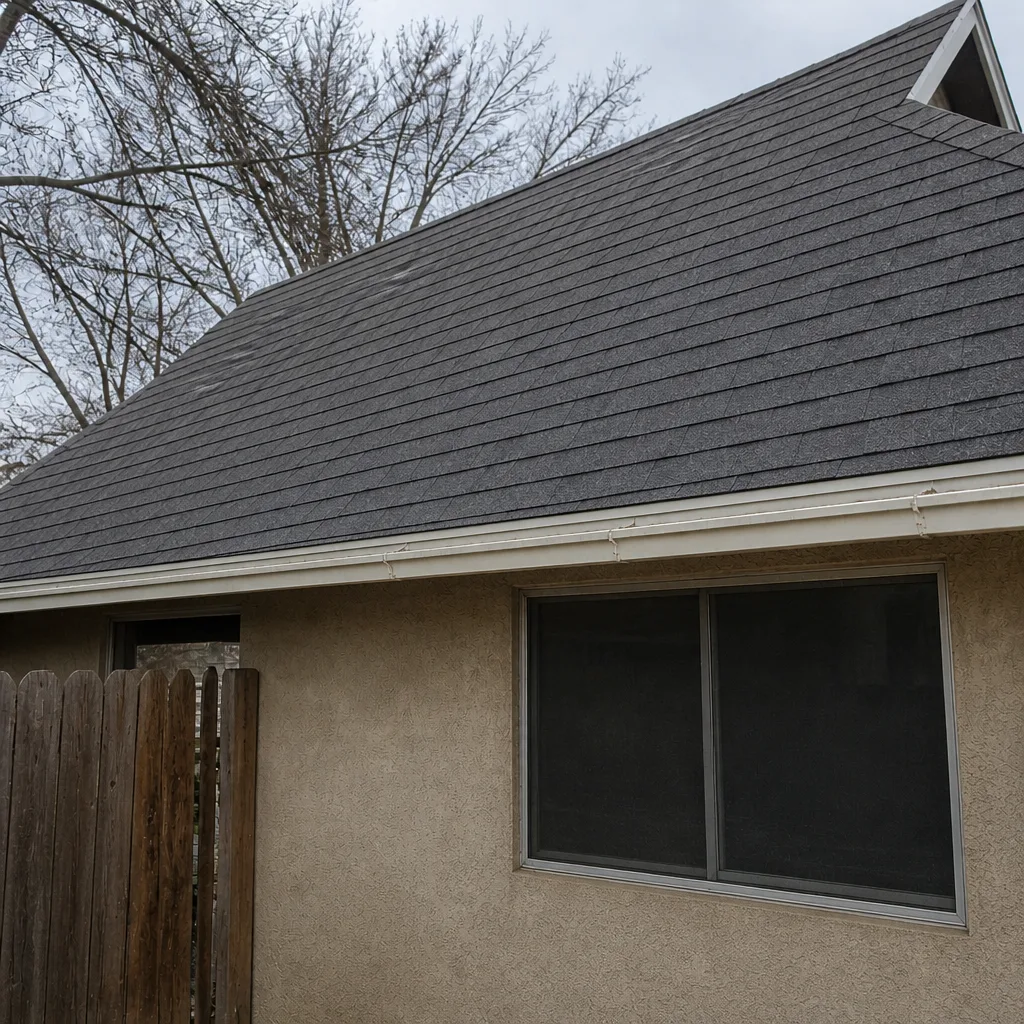
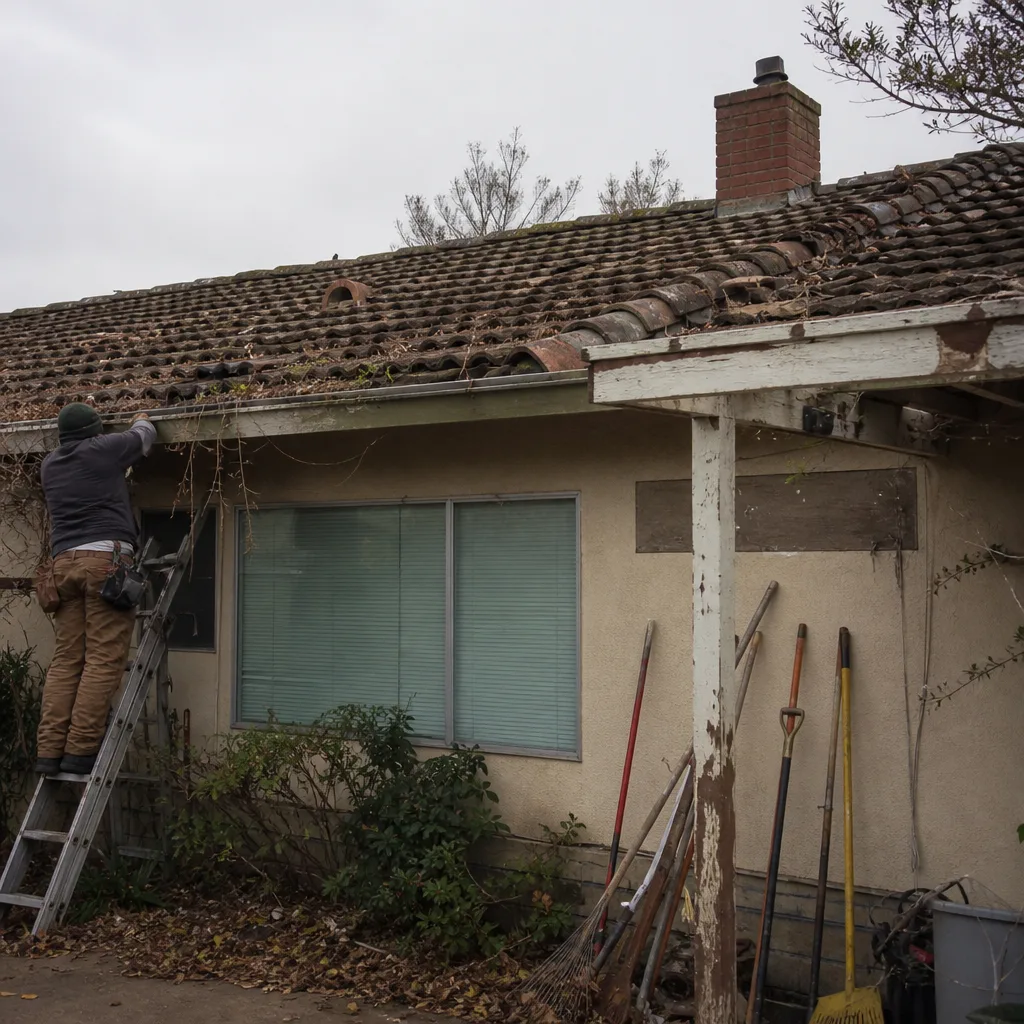
See the difference
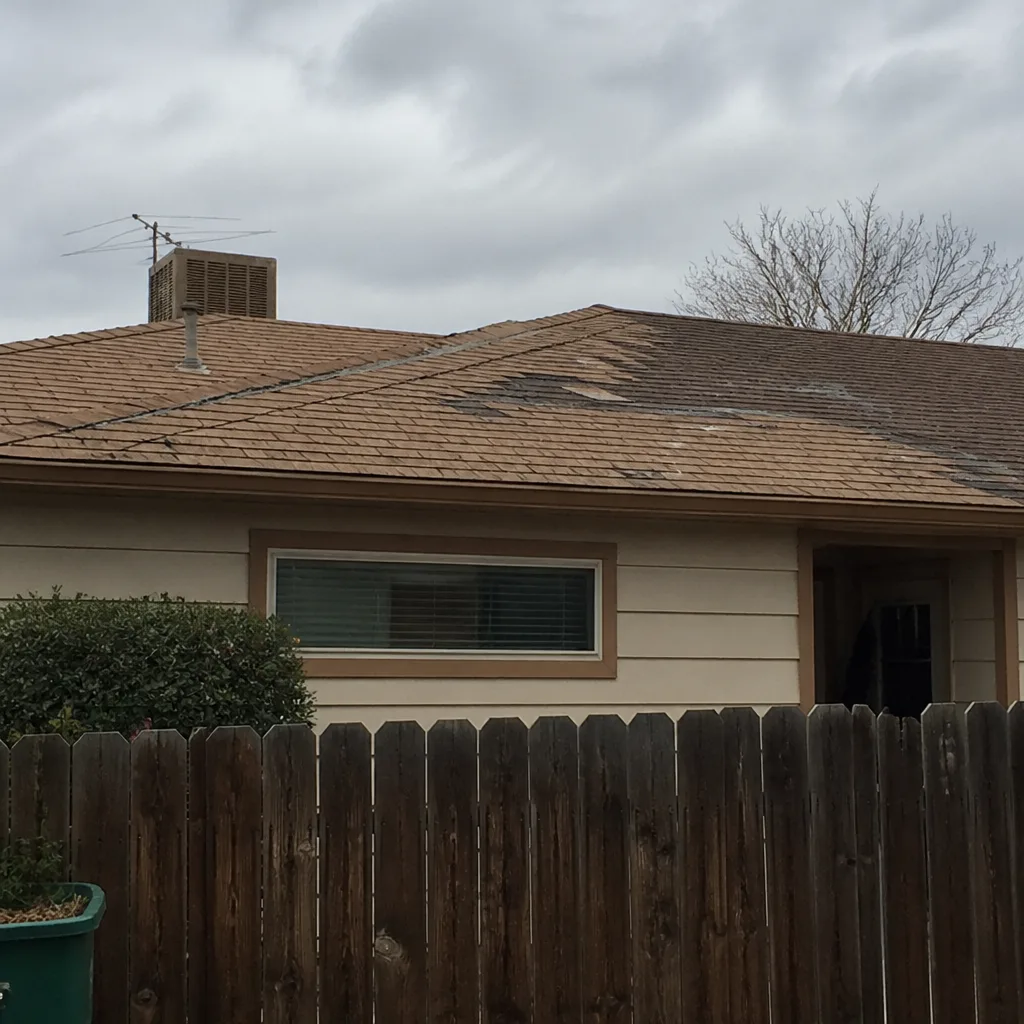 Before
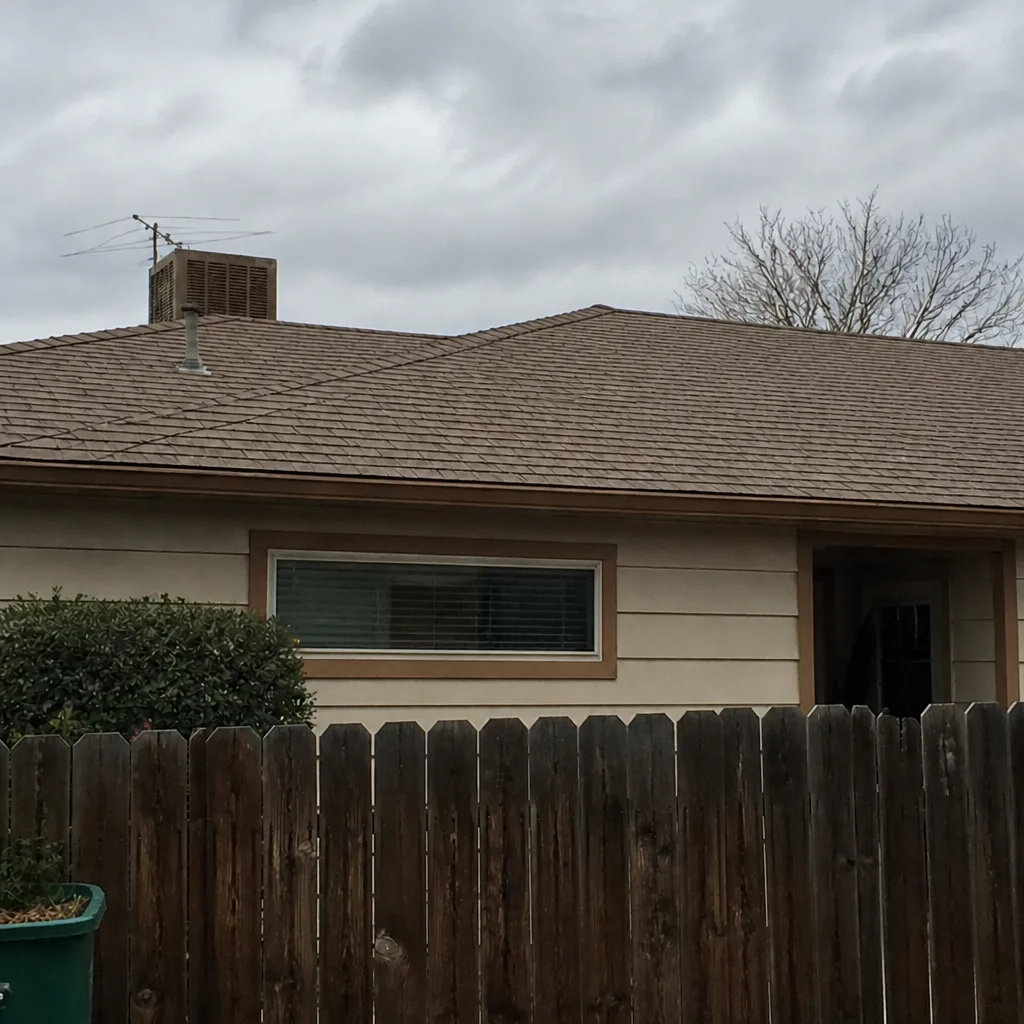 After
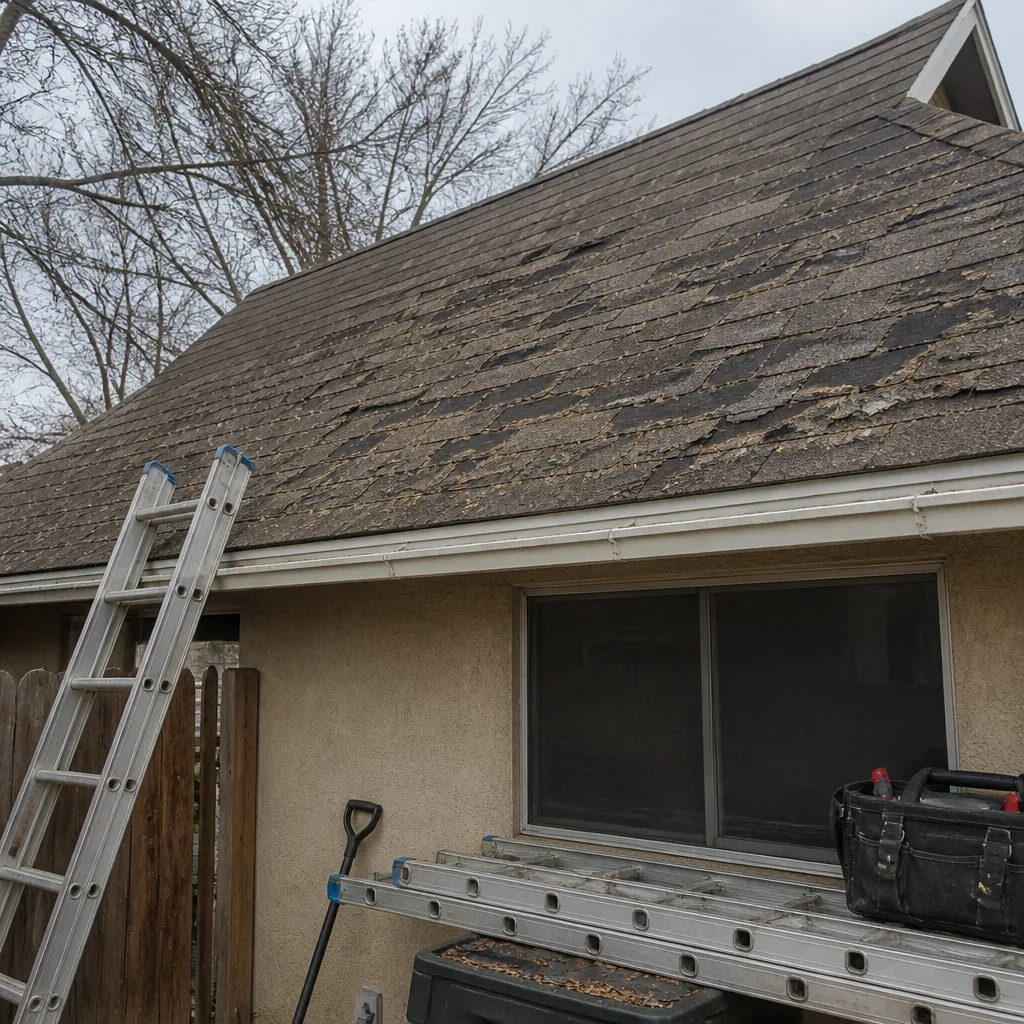 Before
 After
 Before
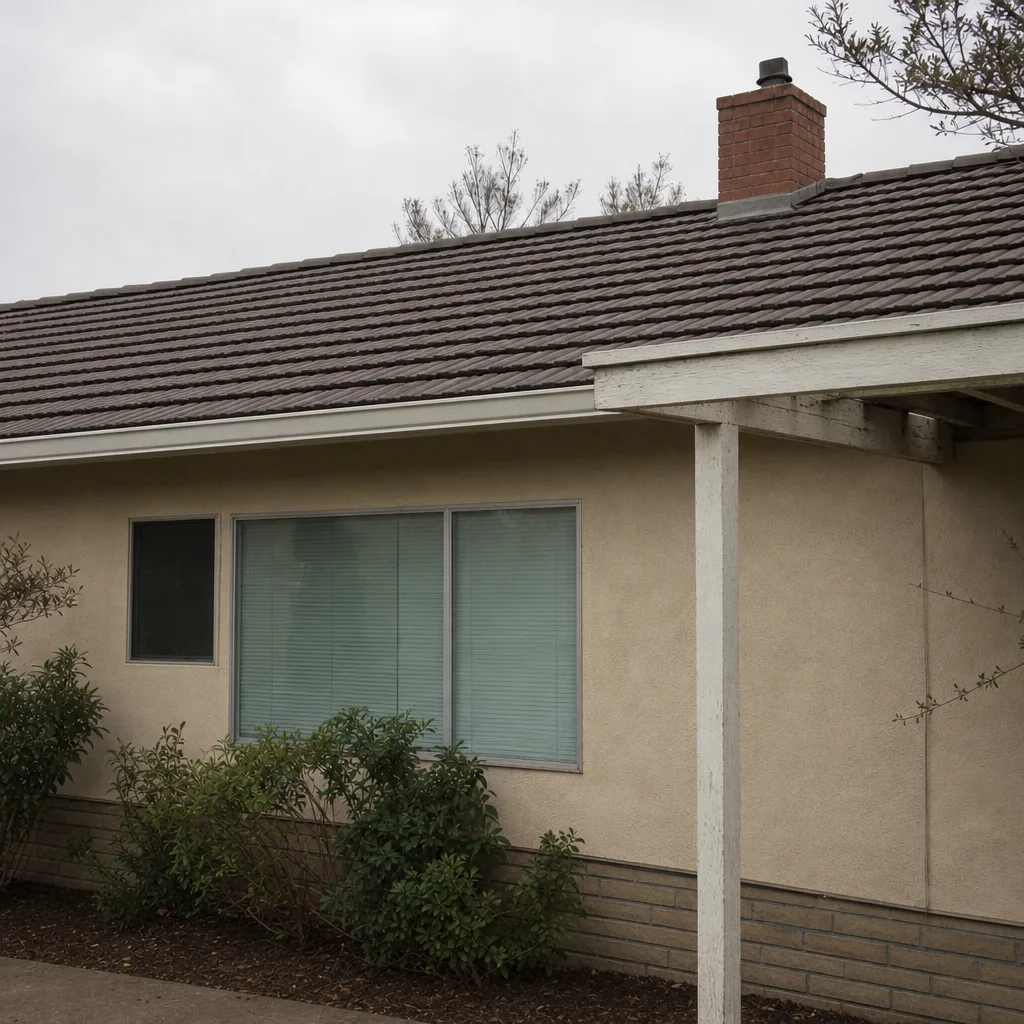 After
When to Call a Professional
Some roof problems in Paradise are safe to look at from the ground – a cracked shingle, a lifted ridge cap, a stain on the ceiling. Others shouldn’t be touched by a homeowner. High roof pitches, walkable steep-slope roofs, and any repair that involves climbing into the attic to trace a leak are jobs for a trained roofer with the right fall protection and the right tools. If you see daylight through the sheathing, sagging framing, or a ridge that’s visibly dipped, stop and call someone before you go up.
We’ve seen homeowners get hurt trying to re-nail a ridge cap on a two-story home in July heat. The repair isn’t worth the risk. Shepherd & Sons Roofing Paradise offers free estimates in Paradise – call (833) 676-0557. We’ll come out, walk the roof, show you the deck photos, and give you a written line-item number before anybody touches a shingle.
Frequently Asked Questions
Most roof repairs in Paradise run about $350 to $1,500 depending on the scope – a single pipe boot or flashing repair sits at the low end, while a repair that includes decking replacement or multiple flashing points sits at the high end. Full replacement is a separate, larger line item. Call (833) 676-0557 for an exact quote on your roof – estimates are free.
For most full reroofs and structural repairs, yes. Minor repairs like a few shingles or a single pipe boot usually fall under the repair exemption, but the exact line depends on the scope and the building department’s read. The safe move is to have your contractor ask before work starts, and to confirm the permit is active under the contractor’s license. Call (833) 676-0557 and we’ll walk through what your job needs.
It’s often not wind damage at all – it’s soil movement from the caliche layer under the lot, which pushes the framing and pops nails through the shingles. The pattern gives it away: wind damage clusters on corners, while soil movement scatters across the middle. Get a structural opinion before you re-shingle. Call (833) 676-0557 and we’ll take a look at the pattern with you.
Twice a year makes sense here: once in late spring before monsoon season, and once in early fall after it passes. The UV exposure in Paradise degrades sealant and flashing faster than the manufacturer timelines suggest, so a spring inspection catches cracked pipe boots and lifted flashing before the rain finds them. Call (833) 676-0557 to schedule an inspection.
Small things like clearing debris from a valley or checking the attic for daylight are safe for a homeowner. Anything that involves climbing onto a steep or high roof, re-nailing a ridge cap, or tracing a leak into the attic is a job for a trained roofer with fall protection. The risk isn’t worth it. Call (833) 676-0557 and we’ll take care of it safely.
It shouldn’t if the estimate was written line by line with a decking repair allowance listed. The one legitimate change is soft or rotted sheathing found during tear-off, which the estimate should price per sheet in advance. A phone quote that gets replaced by a higher number at the door is a red flag. Call (833) 676-0557 for a free second opinion on any written estimate.
The Bottom Line
Roof repair in Paradise isn’t the same job it is in Phoenix or Las Vegas, and the guides written for those cities miss the two things that break roofs here: extreme UV that eats flashing and sealant years ahead of schedule, and caliche soil that shifts framing and shows up as nail pops and sagging ridges. Schedule your inspections around the wet-dry cycle – before monsoon season in late spring, after it in early fall. Insist on a written line-item estimate with a square count, a decking allowance, and a permit. And when a roofer won’t show you the deck, walk away. Same address since 1996: Shepherd & Sons Roofing Paradise home.
Call (833) 676-0557 for a free estimate. We’ll answer, we’ll come out, and we’ll show you the deck photos before we talk money. $40 off any repair over $200, no trip charge inside our own county, and a free second opinion on any written estimate are always available.
Written by the team at Shepherd & Sons Roofing Paradise.